Disclosure: This article contains affiliate links. If you book or buy something through one of my links, I may earn a small commission at no extra cost to you. I only recommend places and services I have personally used or vetted.
A good Day of the Dead Mexico City itinerary needs more than a list of events. Mexico City is enormous, Día de los Muertos crowds can change how long it takes to get anywhere, and trying to squeeze every parade, ofrenda and festival into five days is a quick way to spend more time rushing than enjoying the experience.
This itinerary takes the confirmed 2026 celebrations from my complete guide to Day of the Dead in Mexico City and turns them into a realistic five-day trip. The days are grouped geographically as much as possible, with the biggest events balanced by time in Coyoacán, UNAM, Xochimilco and Mixquic so the trip isn’t only about standing in parade crowds.
The dates are October 29 through November 2, 2026, the strongest five-day stretch on this year’s calendar. You’ll catch Cacao Para Todos, Open House CDMX, the Gran Desfile, UNAM’s Megaofrenda and the traditional November 1 and 2 observances, with enough flexibility to add La Llorona in Xochimilco or some of the smaller experiences that make this time of year in Mexico City so special.
If you’re traveling as a family, keep my Day of the Dead in Mexico City with kids guide open alongside this itinerary. The overall route still works, but crowd tolerance, late nights and which parade you choose can change the trip quite a bit with younger travelers.
If the elaborate Catrina costumes and makeup are the main reason you’re coming, this isn’t the best five-day window. The Mega Procesión de las Catrinas takes place October 25. Shift the trip earlier and use the complete 2026 calendar in my Day of the Dead in Mexico City guide to build your dates around the procession instead.
Where to Base Yourself for This 5-Day Itinerary
Roma Norte or Condesa make the most sense for this particular itinerary. You’re close enough to Reforma for the Gran Desfile, surrounded by restaurants and cafés when you want an easy evening, and still well positioned for trips south to Coyoacán, UNAM and Xochimilco.
Juárez is another strong choice if the Gran Desfile is your biggest priority because being able to walk away from Reforma after a huge event is a major advantage.
I wouldn’t choose Coyoacán for this particular five-day plan unless the southern experiences matter more to you than the parade. It’s beautiful and puts you closer to UNAM and Xochimilco, but you’ll be farther from several of the events clustered around central Mexico City.
For specific hotel recommendations in Roma, Condesa, Juárez, Centro and Coyoacán, see the where to stay section in my main Day of the Dead Mexico City guide.
Day 1: Thursday, October 29 — Arrive and Ease Into Coyoacán
Keep the first day deliberately light. Mexico City sits more than 2,200 meters above sea level, and arriving after a flight only to launch into a ten-hour sightseeing day is not the way to start five busy days.
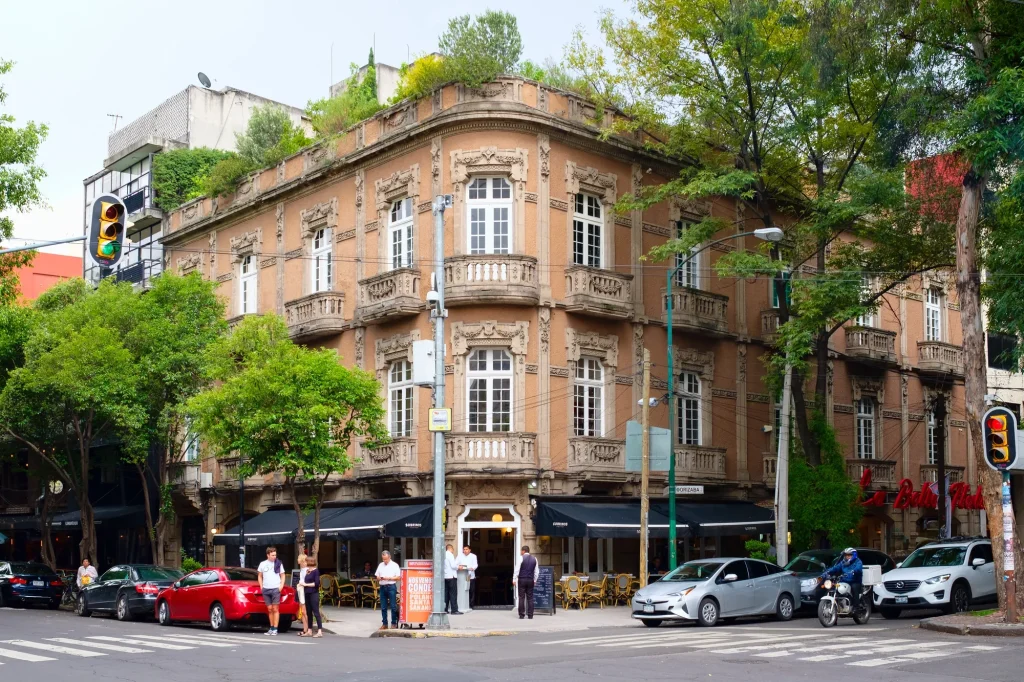
Once you’ve checked in and had time to settle, head to Coyoacán if your arrival time allows. This is one of my favorite areas of Mexico City for wandering without much of an agenda. Jardín Hidalgo, the surrounding streets, cafés and plazas make a beautiful introduction to the city, and by the final days of October you’ll already start seeing Día de los Muertos decorations and ofrendas appearing around the neighborhood.
Cacao Para Todos opens today at Museo Diego Rivera Anahuacalli and runs through November 1. If your flight arrives early and you still have energy, it’s a great first stop. If not, don’t force it. Tomorrow is built around this part of the city and gives you plenty of time to see it properly.
The goal for Day 1 is to arrive, adjust and enjoy being in Mexico City. Save your energy. The next four days get much busier.
Day 2: Friday, October 30 — Coyoacán, Cacao and Contemporary Ofrendas
Today is your full Coyoacán day, and it’s one of the best days in this itinerary for slowing down before the major weekend begins.
Start at Museo Diego Rivera Anahuacalli for Cacao Para Todos. The festival brings together cacao producers, chocolatiers, food projects and artisans, but the setting is part of what makes this stop worthwhile. Anahuacalli’s dark volcanic-stone architecture and Diego Rivera’s collection of pre-Hispanic art give the experience much more depth than a seasonal food market alone.
Give yourself time afterward for Coyoacán rather than racing to the next event. Eat lunch, wander the neighborhood and enjoy the fact that nothing today requires standing behind a parade barrier for hours.
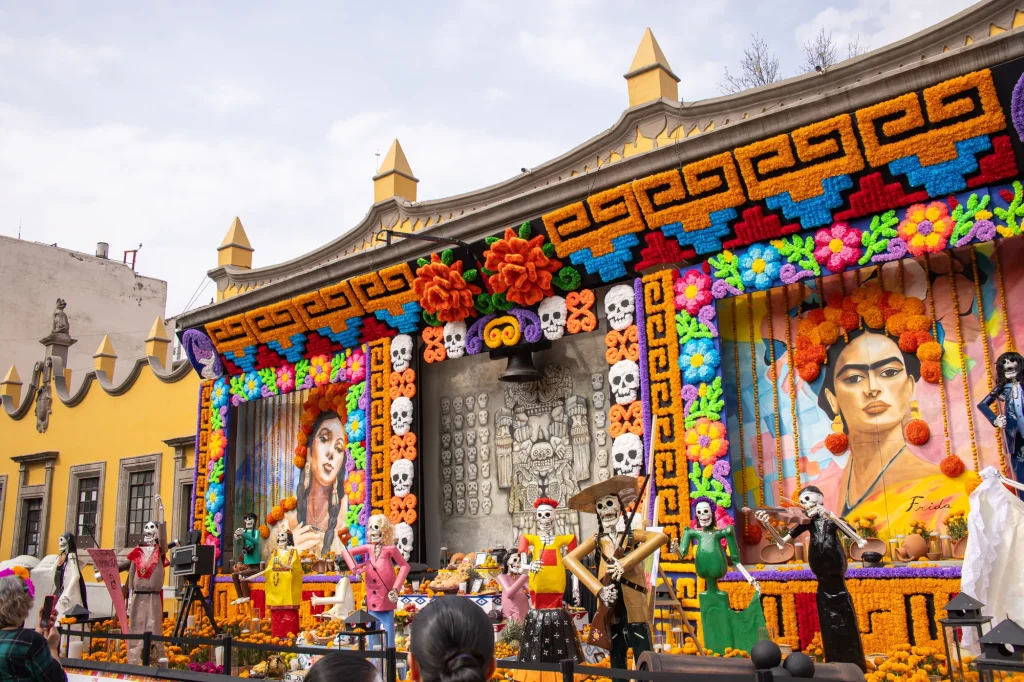
Open House CDMX’s Día de Muertos program also begins today, with contemporary ofrendas installed in five architecturally interesting spaces around the city. Don’t try to see all five. Choose one that fits naturally on your way back toward Roma, Condesa or Juárez and let it become part of the afternoon or evening.
This is also the easiest day to personalize. If contemporary design isn’t your thing and you’d rather find something smaller, more traditional or less obvious, swap Open House for one of the experiences in my hidden gems for Day of the Dead in Mexico City guide.
Keep the evening relaxed. Tomorrow is the Gran Desfile, and you’ll enjoy it much more if you’re not starting the day tired.
Day 3: Saturday, October 31 — Gran Desfile Day
October 31 is the day not to overplan.
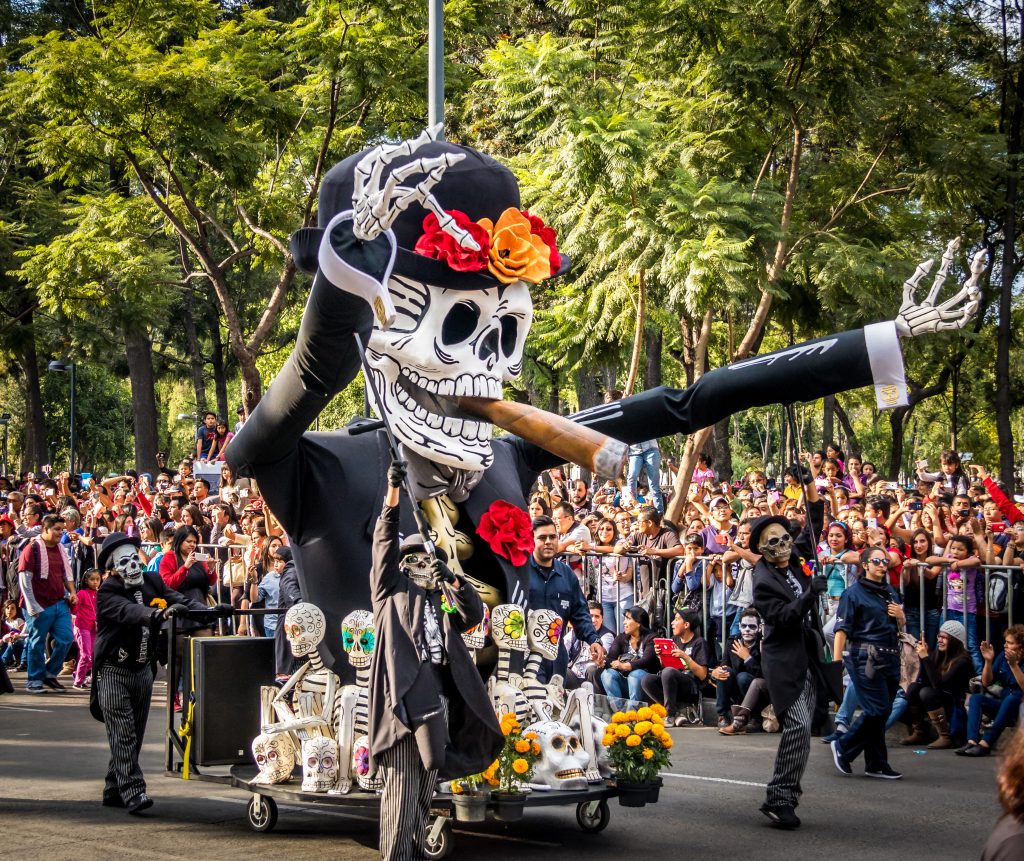
The Gran Desfile de Día de Muertos is the biggest spectacle of the trip, with enormous floats, Catrinas, performers, music and huge crowds filling central Mexico City. Let the parade own the afternoon instead of trying to sandwich it between several other reservations.
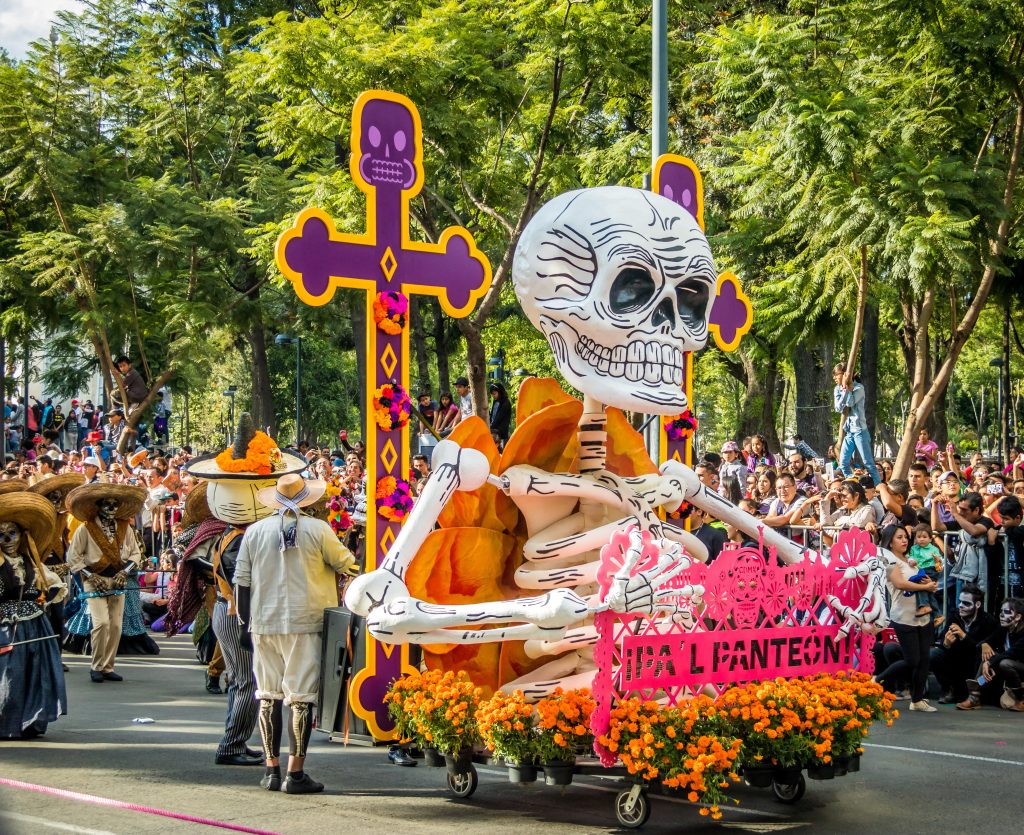
Have a proper breakfast, keep the morning easy and check the final 2026 time and route before heading out. The date is confirmed, but street-event logistics can change as the city releases its final plans. I keep the latest event information updated in my Day of the Dead in Mexico City 2026 guide.
If getting a good view matters to you, plan to arrive at least two hours before the confirmed start time. If you’d rather not spend half the day guarding a front-row spot, that’s fine too. The parade is enormous, and you can enjoy the atmosphere without turning the entire day into a waiting game.
The monumental alebrijes from the October 17 parade are also still on display along Paseo de la Reforma through November 8. Since you’re already in this part of the city, this is the perfect time to see them without adding another separate outing to the itinerary.
Once the parade ends, expect a slow exit. Streets remain crowded, transportation takes longer and everyone seems to leave at once. This is not the night for an 8:00 PM dinner reservation across town.
Find somewhere close to your hotel, eat well and call that a very full Día de los Muertos day.
Day 4: Sunday, November 1 — UNAM, Ofrendas and Xochimilco
November 1 is traditionally associated with remembering children who have died, often called Día de los Angelitos. After yesterday’s enormous parade, today offers a different side of the celebration.
UNAM’s Megaofrenda is running at Universum in Ciudad Universitaria through November 2. The 2026 edition marks 475 years of the university’s history, with ofrendas and installations created by different parts of the university community.
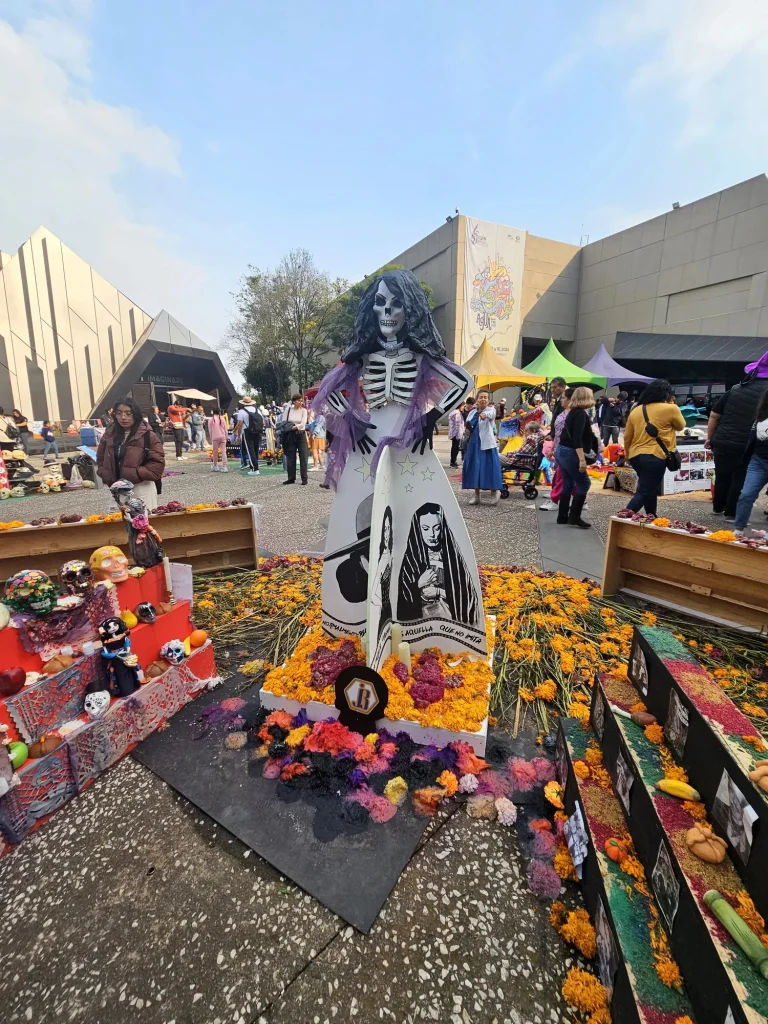
This is one of the experiences I especially like after the Gran Desfile because the focus shifts from spectacle back toward memory. Take time to look at the photographs, objects, food and details on the altars instead of walking through only to say you’ve seen it.
Keep the rest of the day in southern Mexico City. Going back to Reforma or Centro and then returning south again for the evening wastes too much time.
If you’ve booked La Llorona in Xochimilco, tonight is one of the best places to put it in this itinerary. Ciudad Universitaria and Xochimilco are both south of the center, so the combination is far more natural than trying to fit La Llorona into a downtown day.
Leave yourself a generous buffer between UNAM and your Xochimilco reservation. Eat before the performance, bring a jacket and mosquito repellent, and don’t underestimate how long it can take to move around the city during this weekend.
If you’re looking for quieter Día de los Muertos experiences instead of another ticketed event, my Mexico City Day of the Dead hidden gems guide has some of my favorite alternatives, including food, markets and smaller cultural experiences that don’t revolve around the giant parades.
Day 5: Monday, November 2 — Mixquic and the Alumbrada
November 2, Día de los Fieles Difuntos, is the day to move away from the huge modern events and spend time with the traditions at the heart of Día de los Muertos.
San Andrés Mixquic is one of the best-known places around Mexico City for this, especially for the Alumbrada, when families gather at the cemetery and candles illuminate the graves of loved ones.
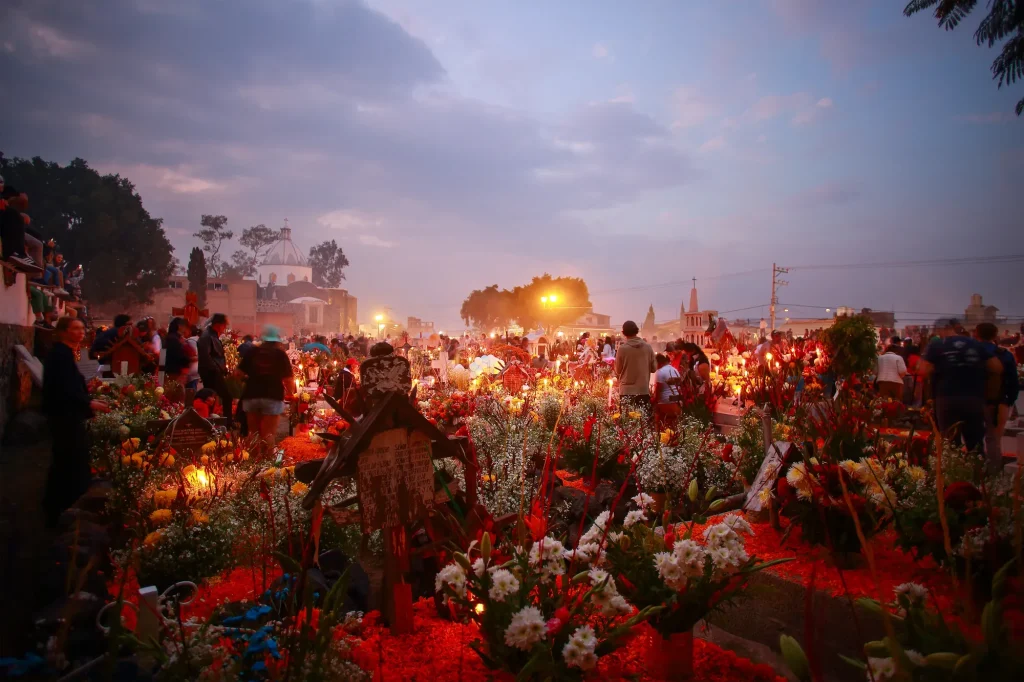
It can be one of the most moving experiences of the trip, but it’s important to approach Mixquic differently from a parade. This is a community remembering family members, not a performance created for visitors. Give families space, be thoughtful with your camera and remember why people are there.
Mixquic is also far from central Mexico City, and November 2 traffic can make the trip much slower than the map suggests. Give it most of the day rather than treating it as one more stop between other attractions.
This is one of the few places in this itinerary where a guided experience can be worth the extra cost. Transportation is simpler, and a good guide can help with context and etiquette instead of leaving you to navigate the evening on your own. I’ve broken down the options and which experiences are worth paying for in my guide to the best Day of the Dead tours in Mexico City.
If you’re traveling with younger children, think carefully before making Mixquic your final day. The transportation, crowds and late evening can be a lot after four full days. My Day of the Dead in Mexico City with kids guide goes deeper into which experiences work best for different ages and how to avoid crowd overload.
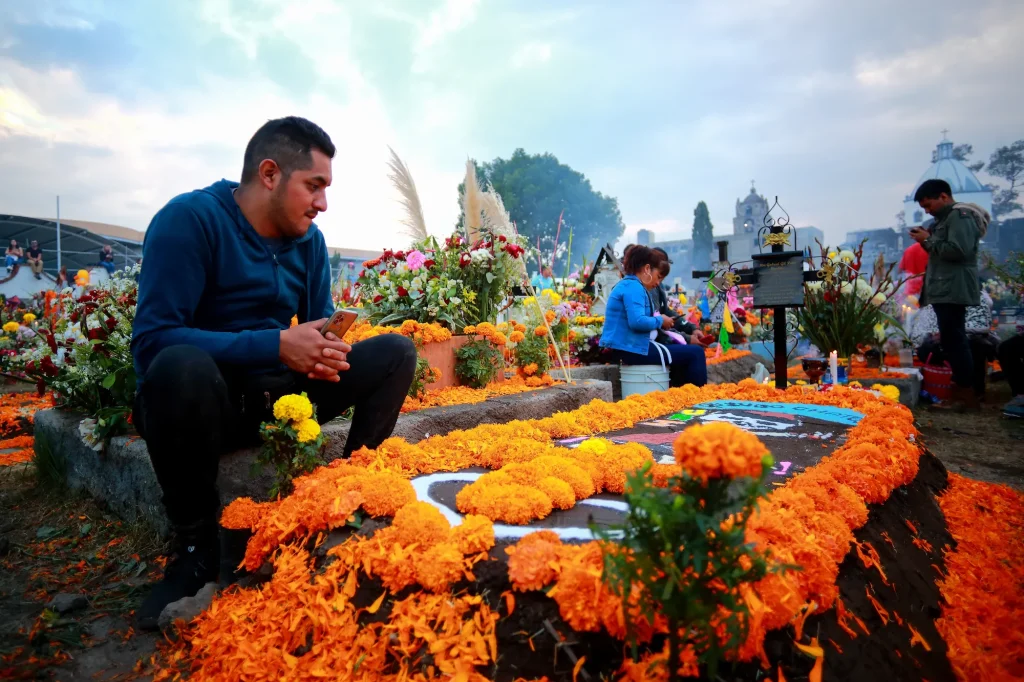
If Mixquic doesn’t feel right for your group, don’t force it because it appears on someone else’s must-do list. Spend November 2 closer to the center, seek out smaller ofrendas, revisit a neighborhood you loved or choose one of the less obvious experiences from the hidden gems guide.
What This 5-Day Mexico City Day of the Dead Itinerary Leaves Out
Five days can’t cover the entire Día de los Muertos season, and that’s a good thing. A trip this packed needs some boundaries.
This itinerary misses the Desfile de Alebrijes Monumentales on October 17, although you’ll still see the giant alebrijes displayed along Reforma. It also misses the Mega Procesión de las Catrinas on October 25 and the food festivals that happen earlier in the month.
If one of those events is more important to you than the Gran Desfile, UNAM or Mixquic, change your travel window. The complete confirmed calendar in my Day of the Dead in Mexico City guide makes it easy to compare dates and decide which part of the season fits the trip you want.
Make This Day of the Dead Itinerary Your Own
This five-day plan works because it leaves room for different sides of Día de los Muertos: the enormous public celebration on Reforma, food and art in Coyoacán, the ofrendas at UNAM, an atmospheric evening in Xochimilco and the more traditional observances of November 2.
But there isn’t one perfect Día de los Muertos trip. If you care more about small cultural experiences than the big events, use my hidden gems guide to swap things out. If transportation and logistics feel overwhelming, the best Day of the Dead tours guide will help you decide where paying for a guide makes sense. And families should use the Day of the Dead with kids guide to adjust late nights and crowd-heavy events.
Most importantly, don’t judge the trip by how many events you manage to fit into five days. Some of the moments you’ll remember most may be the ones between them: walking past a neighborhood ofrenda, finding cempasúchil everywhere you look, stopping for pan de muerto or noticing the photographs and favorite foods a family has placed on an altar.
Five days is enough to experience both the spectacle and the meaning behind Día de los Muertos, as long as you leave yourself enough time to notice both.
Through her writing, Paula helps travelers discover Guatemala beyond the typical tourist route with practical advice, local recommendations, and authentic experiences that connect visitors with the country’s people, culture, and traditions.
Planning a trip to Guatemala? Paula offers personalized Guatemala itinerary planning and trip consultation services tailored to your interests, travel style, and budget. Contact her at [email protected] to learn more.
- San Lucas Tolimán Guatemala: Lake Atitlán’s Best-Kept Secret - September 24, 2026
- Hotel Tolimán Lake Atitlán: A Special Stay in San Lucas Tolimán - September 24, 2026
- Guatemala Dreams in San Lucas Tolimán: A Boutique Stay on Lake Atitlán - September 23, 2026

