
If you’re looking for a traditional Guatemalan punch recipe to enjoy this holiday you are sure to love this easy recipe for caliente de piña, this variation of the traditional fruit punch gives Christmas a tropical and warm flavor.
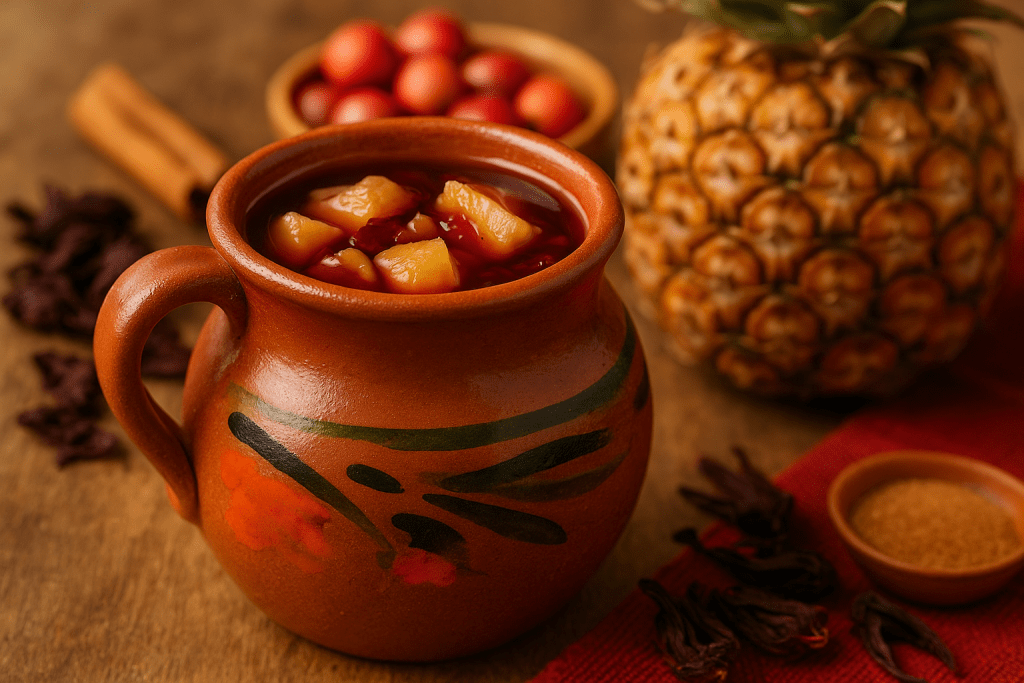
Every December, my family looks forward to warm holiday drinks, and this year we added something new to our table: Caliente de Piña. I had heard of this traditional Guatemalan drink that is very popular during Christmas celebrations but had never tried it and when I did this hot pinneaple drink immediately became a favorite. Growing up in Guatemala City, ponche de frutas was always the holiday drink I knew best. That smell of apples, pineapple, raisins, and cinnamon still means Christmas to me. But trying caliente de piña for the first time opened up a whole new side of Guatemalan traditions that I didn’t grow up with.
I tried it for the first time during a recent trip back to Guatemala, and it instantly made sense why it holds such a special place in the Western Highlands, especially in Quetzaltenango. It’s simpler than ponche, lighter, and incredibly comforting. And when the pineapple peel, cinnamon, ginger, and fig leaves start simmering, your entire home fills with a warm holiday aroma. After making it myself, I realized this drink deserves to sit next to ponche on the Guatemalan Christmas table.
In this article, I’m sharing what I learned about its history, how it compares to ponche de frutas, and how you can make this easy Guatemalan recipe at home. If you’re looking for Guatemalan hot drinks to try this season or want to bring a bit of Xela into your kitchen, this one is simple, traditional, and full of flavor.
What Is Caliente de Piña (Guatemalan Hot Pineapple Drink)
Caliente de piña is a warm pineapple drink made by simmering pineapple peel with cinnamon, ginger, lemon tea leaves, fig leaves, hibiscus, clove, and allspice. Once the liquid is strained, grated pineapple is added back in to give the drink its flavor and texture.
Unlike Guatemalan ponche de frutas, which includes many fruits, this drink focuses almost entirely on pineapple. It’s fragrant and refreshing at the same time. In Quetzaltenango and other highland towns, people enjoy it throughout December at posadas, novenarios, and holiday gatherings.
A Guatemalan Hot Pineapple Drink that Is Part Quetzaltenango’s Christmas Traditions
If you’ve been in Xela during December, you know cold nights are part of the season. Hot drinks become part of daily life, and families prepare chocolate caliente, atol, ponche, and especially this Caliente de Piña Guatemalan hot pineapple drink.
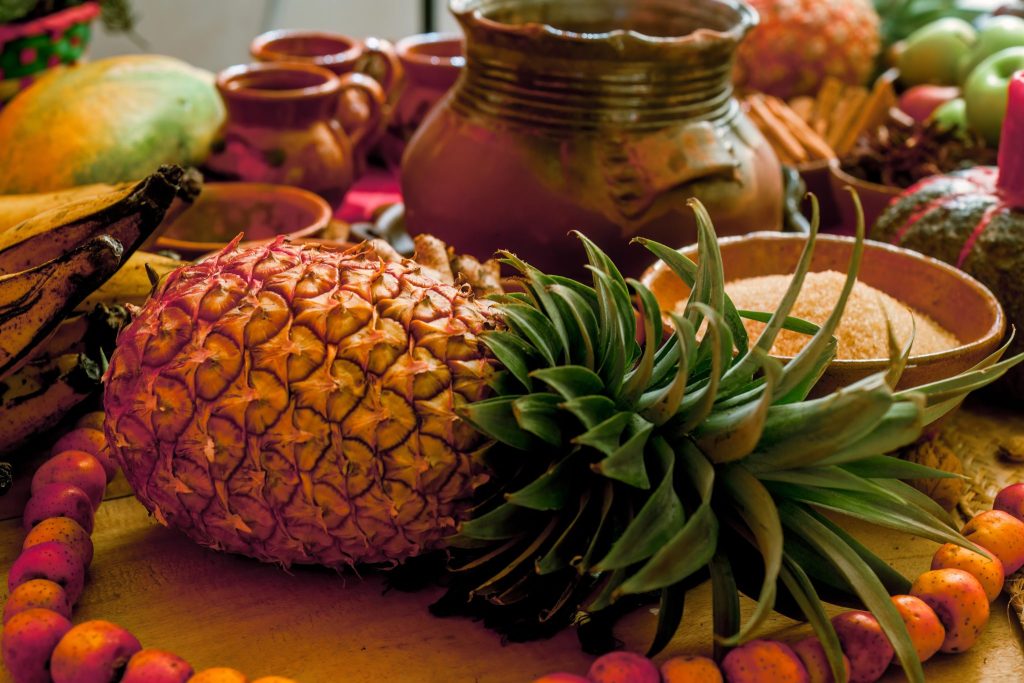
Writers who documented local traditions describe how, during the novenario that leads up to December 8, families would prepare caliente de piña to serve to visitors. During posadas, people walked around their neighborhoods with candles and songs, and hosts welcomed them with warm drinks and small holiday foods. Even the tradition of returning the baby Jesus borrowed from another nativity scene known as la entrega del Niño involved a gathering where tamales and caliente de piña were served. It is a drink tied to hospitality and celebration.
How Is Caliente de Piña Different From Ponche de Frutas
Ponche de frutas is thick, sweet, and has a mix of apples, pineapple, prunes, raisins, papaya, pears, banana, and sometimes coconut. It’s a rich and filling drink.
Caliente de piña is lighter and focuses almost entirely on pineapple. It usually includes chamomile, fig leaves, lemon tea leaves, hibiscus, and sometimes mamey. It doesn’t usually have papaya, banana, or coconut. Families in the highlands prefer this simpler version, and many people simply call it caliente.
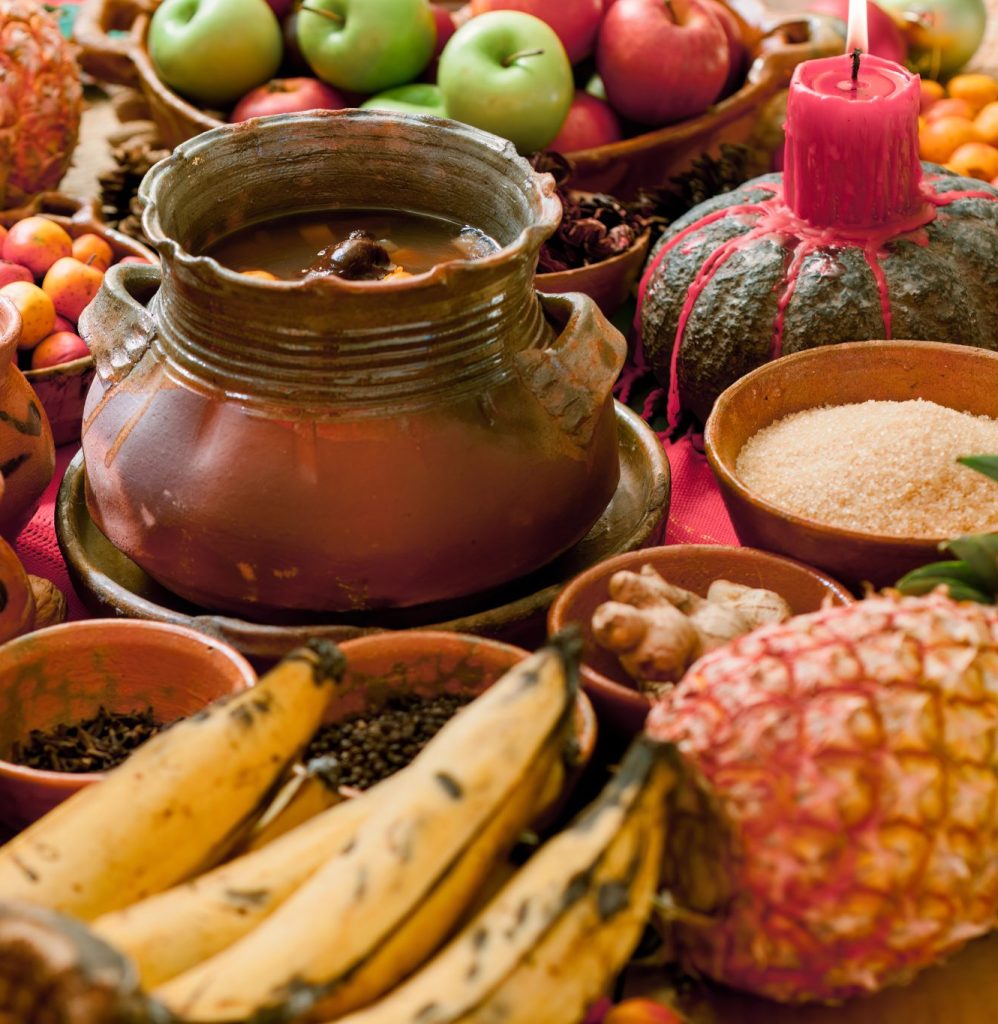
Ingredients for Caliente de Piña Guatemalan Hot Pineapple Drink
1 large ripe pineapple
Peel of the pineapple
8 cups water
1 cinnamon stick
2 or 3 lemon tea leaves or a strip of lemon peel
2 or 3 fig leaves optional but traditional in Xela
4 or 5 slices fresh ginger
1 clove
1 allspice berry
3 or 4 hibiscus flowers
Small piece of cañafístula optional
Sugar to taste
How to Make Caliente de Piña Easy Guatemalan Recipe
-
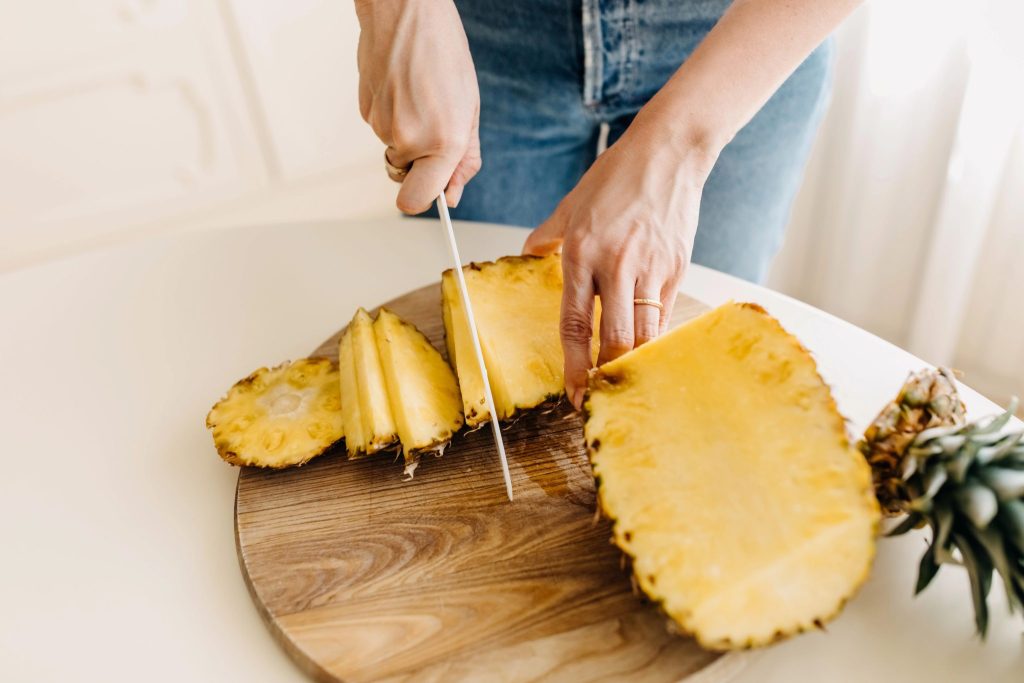
Prepare the pineapple by washing it well, peeling it, and grating or finely dicing the fruit. Save the peel.
-
Make the flavored base by simmering the pineapple peel with water, cinnamon, fig leaves, lemon tea leaves, ginger, hibiscus, clove, allspice, and cañafístula for 20 to 30 minutes.
-
Strain the liquid to remove peels, herbs, and spices.
-
Return the liquid to the pot and add the grated pineapple. Sweeten to taste and simmer for 10 to 15 minutes.
-
Serve warm. This is perfect for a posada, a holiday gathering, or a chilly December night.
Traditional Christmas Foods in Quetzaltenango
Quetzaltenango is up in the Guatemalan highlands, and the colder weather really shapes the food culture there. Xela has so many regional dishes that feel different from the foods you find in other parts of the country. When you spend time there during the holidays, you notice that food becomes part of almost every conversation. People talk about what they are cooking, who makes the best version of a dish, and which house everyone will visit on Christmas Eve. It feels like the whole community is cooking together.
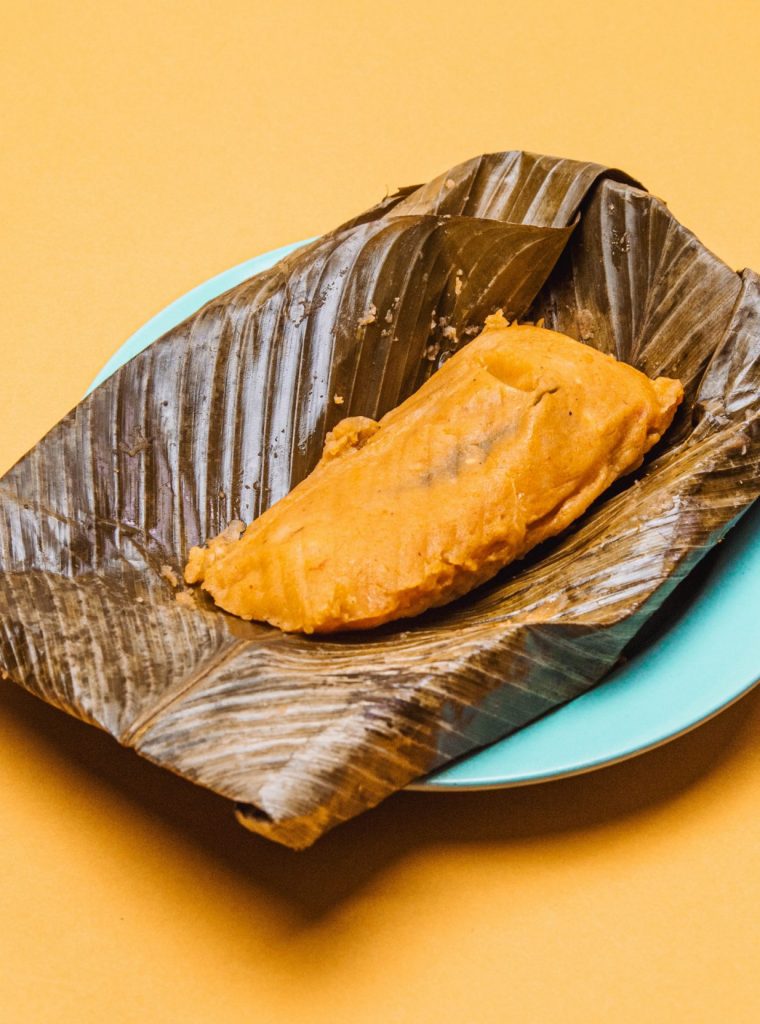
One of the most beloved foods in Xela is paches, which are tamales made from mashed potatoes instead of masa. They are soft and comforting and feel like a warm hug on a cold December night. Families make big batches to share with relatives and neighbors, and the smell of paches steaming in the kitchen is one of the things that truly marks the holiday season in the highlands. You can get my recipe for paches here.
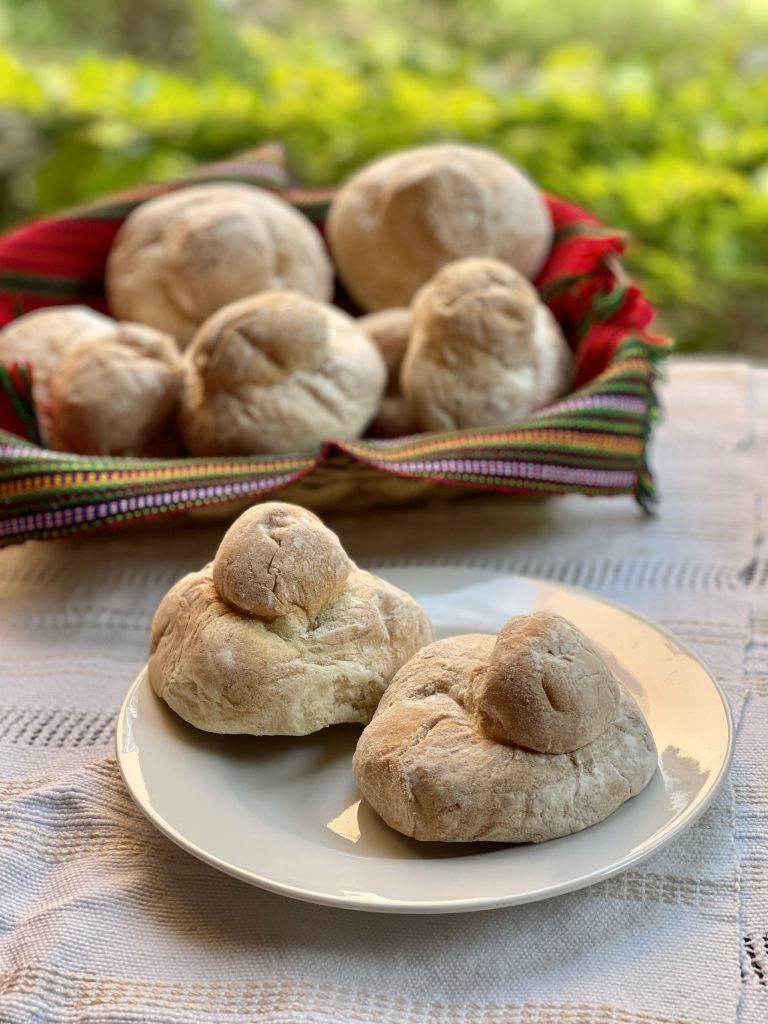
Shecas are another food that is very specific to Xela. These sweet anise breads are easy to find in Quezalteco bakeries and have a simple but cozy flavor that makes them perfect with caliente de piña, coffee, or chocolate caliente. If you spend Christmas in Xela, you will see shecas on almost every table. They are a staple during the holidays and feel like a little piece of home. If youl want to make them at home check out this easy recipe for shecas.
Other Christmas foods in Xela are enjoyed throughout Guatemala too. Tamales colorados and tamales negros are part of almost every Christmas celebration in the country. Families look forward to them all year and everyone has strong opinions about whose recipe is best. Buñuelos en miel are another favorite that you find everywhere during December. These light fritters dipped in warm syrup appear at posadas, Christmas Eve dinners, and family gatherings all month long.
All of these foods come together to make Christmas in Xela feel warm, familiar, and full of tradition. Even if you did not grow up there, it is easy to feel at home when you taste these dishes during the holiday season.
Variations of Caliente de Piña
Families may add chamomile, mamey pieces, more hibiscus, or even a little apple. Some skip sugar entirely and let the natural sweetness of the pineapple shine through. Adults sometimes add rum for holiday celebrations.
Frequently Asked Questions About Caliente de Piña
Is caliente de piña the same as ponche
No, they are two different holiday drinks. Ponche de frutas is thicker, sweeter, and made with many types of fruit like apples, prunes, raisins, papaya, and banana. Caliente de piña is much simpler and lighter. It focuses almost entirely on pineapple and is flavored with herbs and spices. Both are delicious, but caliente de piña has a cleaner, more refreshing taste that many people in the highlands prefer.
Can I make this drink ahead of time
Yes, it reheats very well. You can prepare it up to three days in advance and store it in the refrigerator. When you’re ready to serve it, simply warm it gently on the stove over low heat so the pineapple doesn’t overcook. The flavors actually deepen a little overnight, making it even better the next day.
Do I need fig leaves or cañafístula
Not at all. These ingredients are traditional in Quetzaltenango and add a subtle herbal flavor, but the drink turns out great without them. If you can’t find them where you live, just use the basic ingredients like pineapple peel, cinnamon, ginger, and hibiscus. You’ll still get the authentic flavor of caliente de piña.
Can I use canned pineapple
You can, but the result won’t be the same. Fresh pineapple is ideal because the peel is a key ingredient in the recipe. The peel gives the drink most of its flavor and color. Canned pineapple doesn’t include the peel and tends to be softer and sweeter, so the drink will taste different. Fresh pineapple really makes the biggest difference.
Why is this drink popular in Xela
Quetzaltenango is known for its cold December weather, especially at night. Because of this, hot drinks are part of daily life during the holiday season. Caliente de piña is warm, comforting, and easy to prepare in large batches, so it’s perfect for posadas, family gatherings, and community celebrations. It has become a traditional way to warm up and enjoy the Christmas season in the highlands.
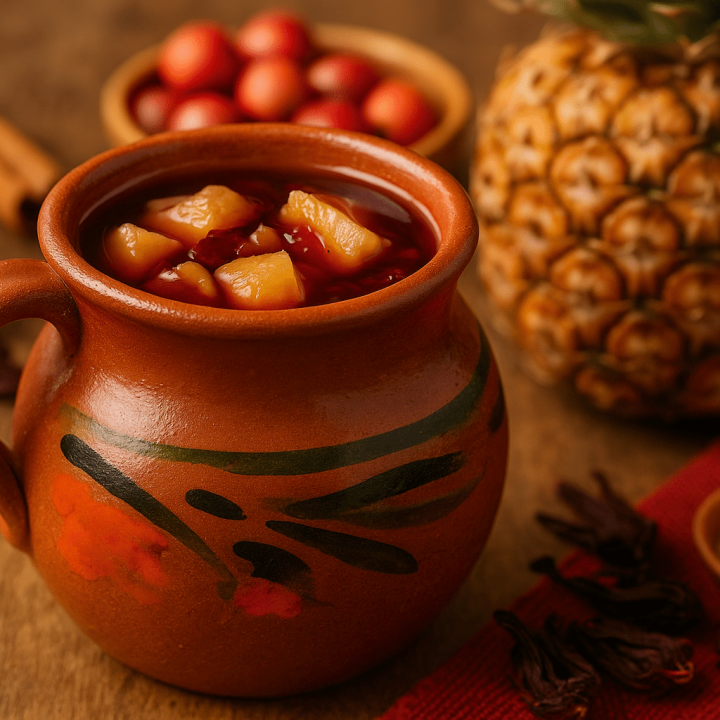
Guatemalan Recipe for Caliente de Piña: A Hot Pineapple Drink From Quetzaltenango
Ingredients
- 1 large ripe pineapple
- Peel of the pineapple
- 8 cups water
- 1 cinnamon stick
- 2 or 3 lemon tea leaves or a strip of lemon peel
- 2 or 3 fig leaves optional but traditional in Xela
- 4 or 5 slices fresh ginger
- 1 clove
- 1 allspice berry
- 3 or 4 hibiscus flowers
- Small piece of cañafístula optional
- Sugar to taste
Instructions
- Prepare the pineapple by washing it well, peeling it, and grating or finely dicing the fruit. Save the peel.
- Make the flavored base by simmering the pineapple peel with water, cinnamon, fig leaves, lemon tea leaves, ginger, hibiscus, clove, allspice, and cañafístula for 20 to 30 minutes.
- Strain the liquid to remove peels, herbs, and spices.
- Return the liquid to the pot and add the grated pineapple. Sweeten to taste and simmer for 10 to 15 minutes.
- Serve warm. This is perfect for a posada, a holiday gathering, or a chilly December night.
Even though I didn’t grow up drinking caliente de piña, trying it as an adult made me appreciate how many unique Christmas traditions Guatemala has. This drink is simple, warm, and full of holiday flavor. If you want to explore more Guatemalan hot drinks or add something special to your Christmas table, this easy recipe is a wonderful way to start. It brings a little of Quetzaltenango’s charm right into your kitchen.
If you enjoyed learning about this traditional Guatemalan Christmas drink, you might also love exploring more of the holiday customs I grew up with. From food to celebrations, Guatemala has so many beautiful traditions that make the season feel special. Be sure to check out my article on Guatemalan Christmas traditions to dive deeper into the flavors, stories, and celebrations that make December in Guatemala unforgettable.
More Guatemalan Christmas Recipes
If you’re exploring traditional holiday foods from Guatemala, here are a few classics that pair beautifully with caliente de piña and bring even more flavor to your Christmas celebrations:
-
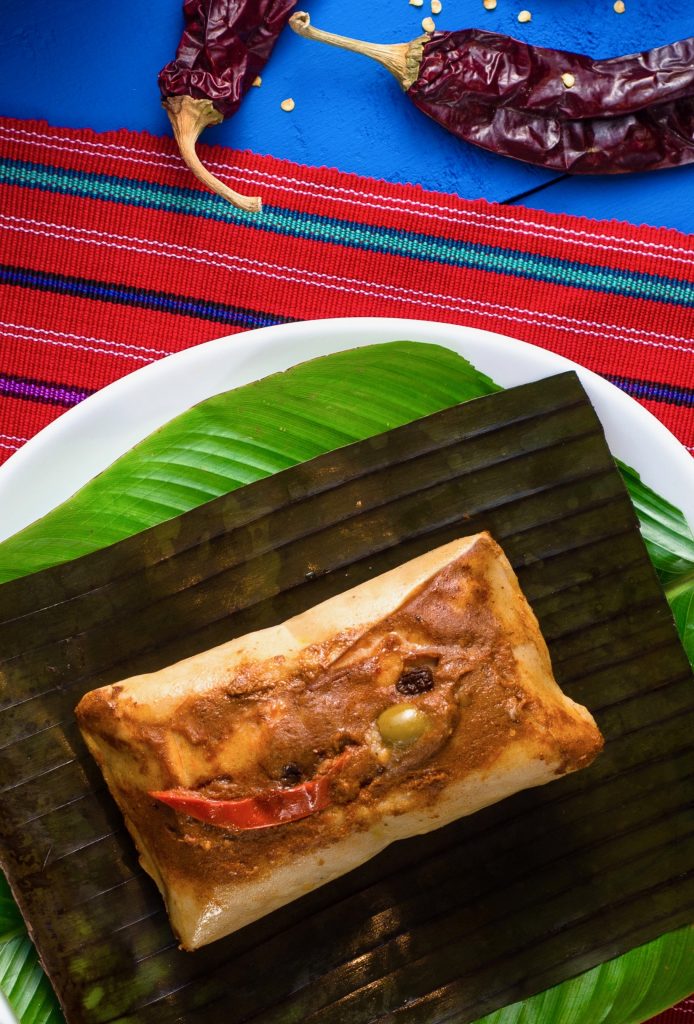
Tamales colorados
Made with a rich red recado and filled with pork or chicken, these tamales are one of the most iconic dishes served on Christmas Eve.
-
Tamales negros
A sweeter, darker version of the traditional tamale, made with chocolate, prunes, raisins, and spices. They’re especially beloved during the holiday season. -
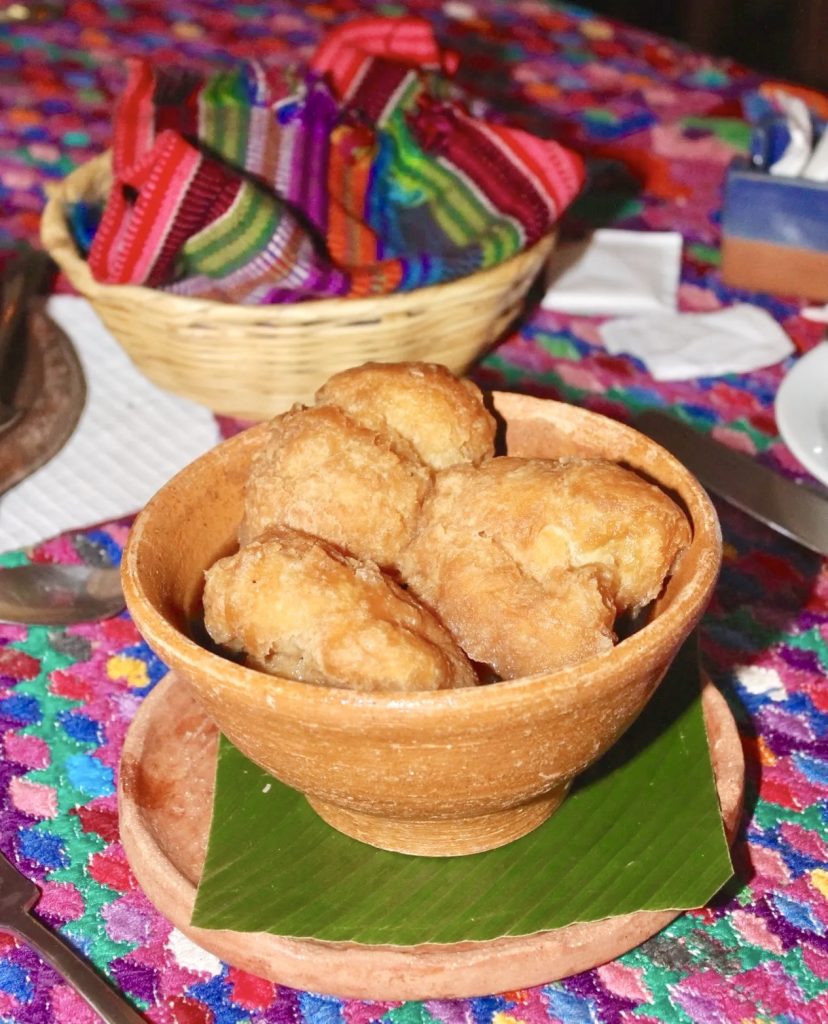
Buñuelos
Light, airy fritters served with warm syrup. They’re a favorite Christmas dessert and perfect with hot drinks.
-
Atol de Elote
A warm, comforting corn-based drink that’s naturally sweet and creamy. It’s one of Guatemala’s most traditional holiday beverages. -
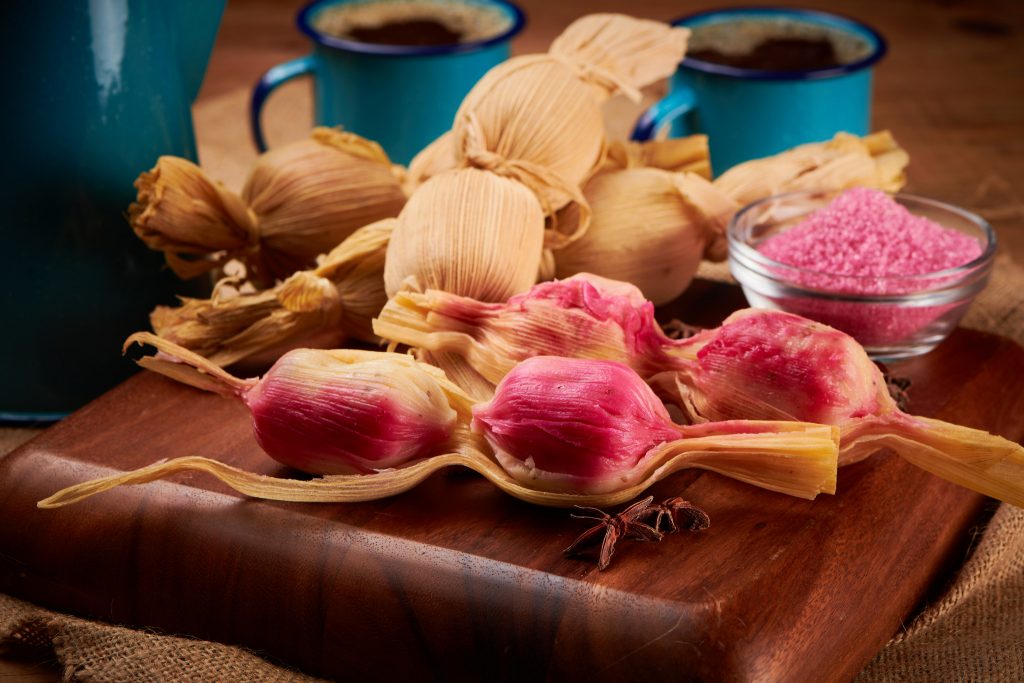
Tamalitos de Cambray
Small, sweet tamalitos filled with raisins and wrapped in small packets. These are often served as a special treat during December celebrations.

Paula studied architecture and now makes a living as a freelance writer,traveler and amateur photographer.She started her writing & publishing career as the editor of Bebé y Mamá, the first parenting magazine in Guatemala.She is the founder of www.GrowingUpBilingual.com and www.365thingsswfl.com and writes articles in Spanish and English for both magazines and the web on travel,food and bicultural and bilingual parenting .
When she is not on a plane or road trip she likes to create recipes inspired in the flavors of her native Guatemala.

