
This post is also available in:
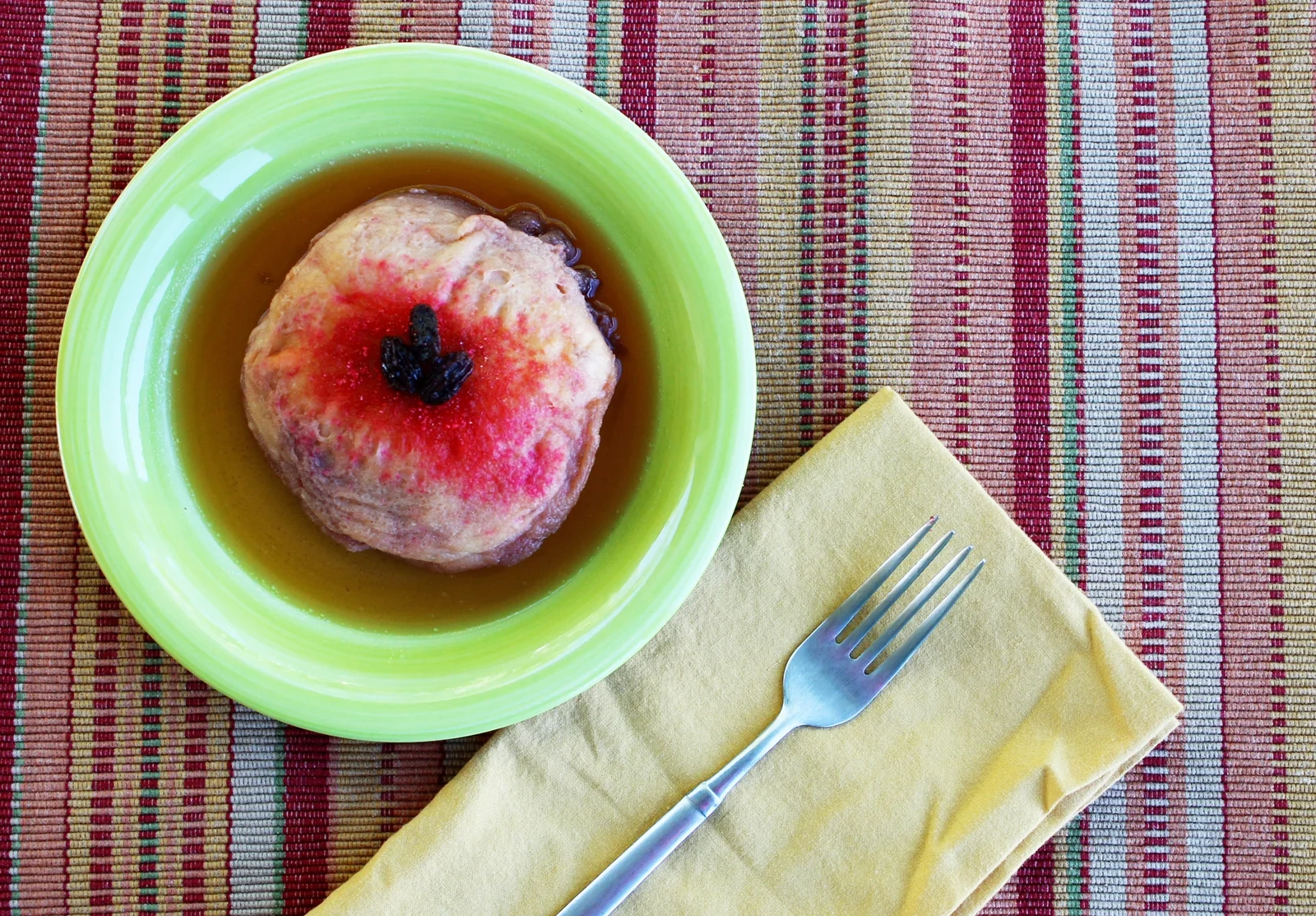
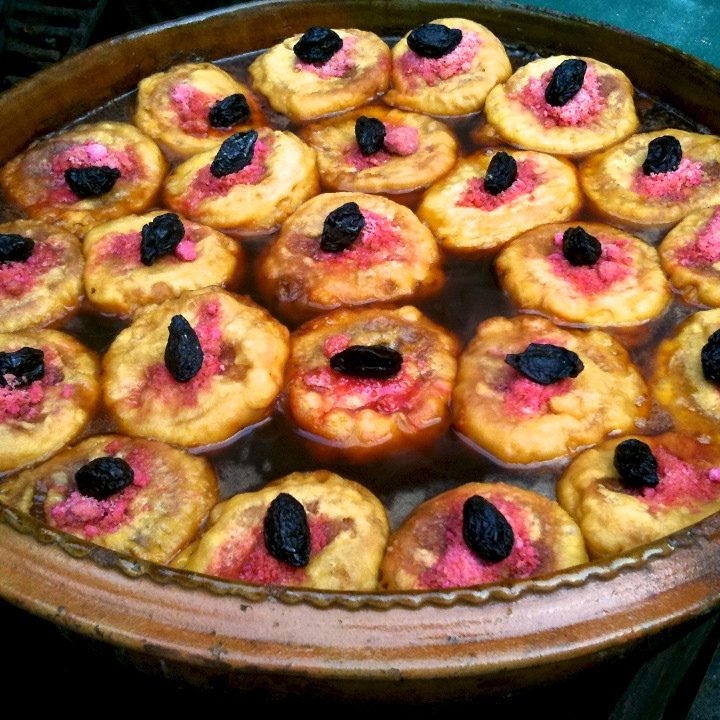
Guatemalan torrejas are the Latin American cousin of French toast: pan dulce or sweet bread dipped in egg, fried until golden, and then soaked in a spiced syrup with raisins and prunes. In Guatemala, they belong above all to Semana Santa, the dessert that appears on tables all over the country during Lent and Holy Week, after the processions, when nobody’s eating meat, and something sweet and substantial fills the gap. They come back around at Christmas, too, and Guatemalans add rum to the syrup, but I went for a kid-friendly recipe here. Everyone makes them a little differently, and this is my easy version, with ingredients you can actually find in the US.
This article contains affiliate links. If you buy something through one of my links, I may earn a small commission at no extra cost to you. I only recommend products and services I have personally used or vetted.
What is a Guatemalan Torreja?
A torreja is pan dulce (Guatemalan sweet bread) dipped in egg, fried in oil, and then bathed in a warm syrup spiced with cinnamon, cloves, and allspice, usually with raisins and prunes cooked into it. If that sounds like French toast, it is: same idea, different finish. French toast stops at the pan, while torrejas keep going into the syrup, which is what makes them a dessert rather than a breakfast.
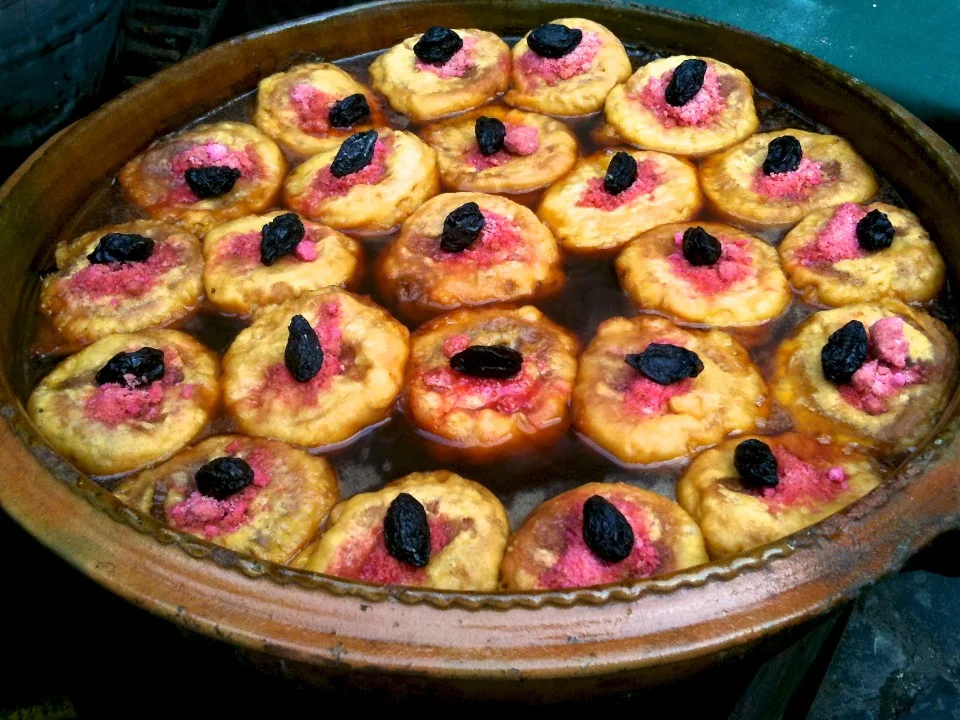
The dish was introduced into Latin America by Spain, where it’s called torrijas and has a centuries-long history as a Lent food; the Romans had a version, and Spanish tradition tied it to Holy Week. In Guatemala, the recipe took on local ingredients and became one of the emblematic desserts of Semana Santa (Holy Week), eaten after the processions during a season when the faithful abstain from meat. Regional versions vary, and plenty of families make them at Christmas too.
When Do Guatemalans Eat Torrejas?
Torrejas are, above all, a Semana Santa dessert in Guatemala. They belong to Lent and Holy Week, when families make them after the processions and during the weeks of abstaining from meat.
However, they also appear at Christmas, and you’ll find them at ferias year-round. But if you ask a Guatemalan when torrejas are “in season,” the answer is Semana Santa first. This is a small but real correction worth making, because many English-language sources list them as Christmas foods and skip the Holy Week connection that actually defines them.
Guatemalan Torrejas vs. Molletes
Even though Guatemalans sometimes use the two names interchangeably, they’re different desserts. Torrejas are whole pan dulce (sweet bread or brioche), dipped in egg, fried, and soaked in syrup. Molletes go through the same process but are cut open and stuffed with manjar, a creamy milk custard, before they’re fried and soaked.
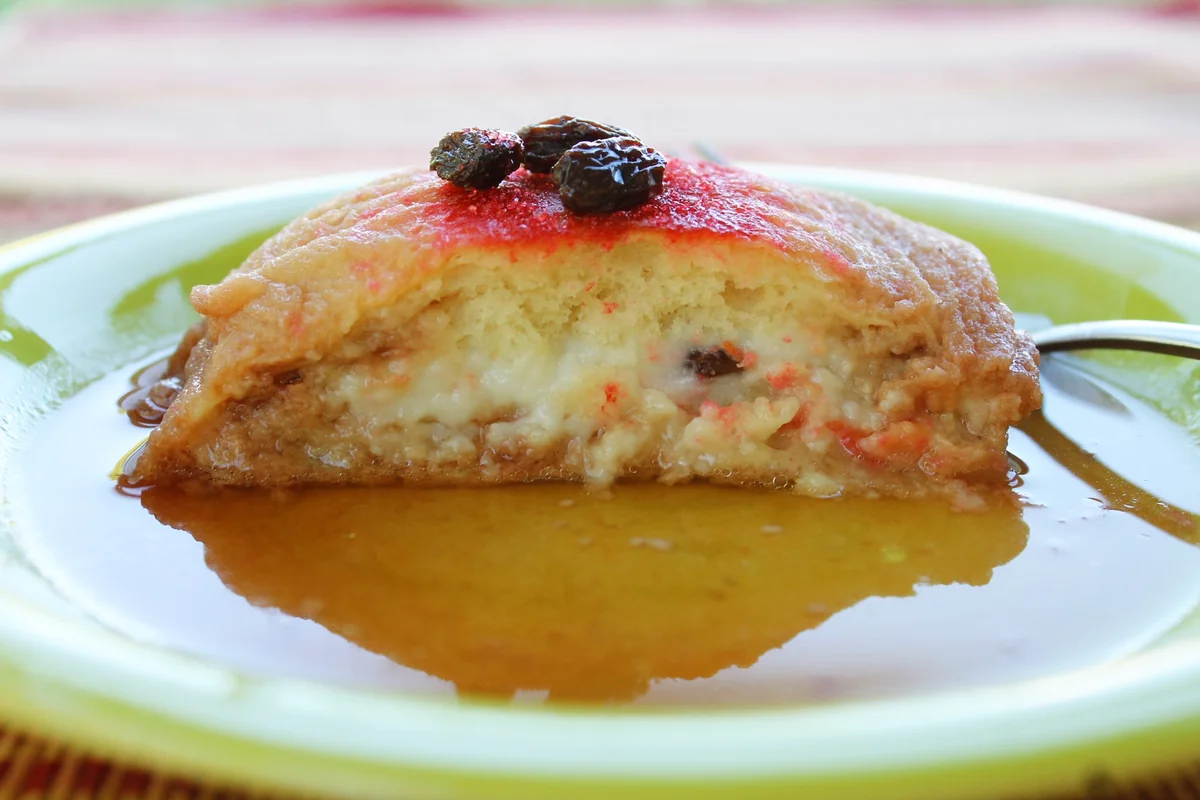
Both Guatemalan recipes are cooked in the same spiced syrup with raisins, so the real difference is the filling: torrejas have none, molletes have custard. If you want to try the stuffed version, my Guatemalan molletes recipe walks you through it step by step.
As a side note, Guatemalan molletes are an entirely different dish from Mexican molletes. As you can see, the Guatemalan version is a traditional dish made with sweet bread, while Mexican molletes are open-faced sandwiches topped with black beans and melted cheese. To taste the difference, try out my easy recipe for this traditional Mexican sandwich.
An Easy Recipe for Guatemalan Torrejas
The main ingredient in torrejas is pan dulce (sweet bread), dunked in an egg-and-flour mixture and fried in oil or butter, just like French toast. I love making them out of any leftover bread I have lying around the kitchen. I strongly recommend picking bread on the stiff side so it doesn’t crumble when soaked in the delicious syrup.
Even within Guatemala, there are different versions of this traditional dish. Some recipes add a bit of rum to the syrup or orange zest. My recipe has no alcohol, as I made it a kid-friendly dessert. Feel free to pour a couple of tablespoons of rum, which will add a distinctive fruity flavor to the torrijas.
Ingredients for the Torrejas
- 2 eggs
- 2 tablespoons of flour
- 12 panes dulces o panes de manteca (lard or sweet bread similar to Mexican conchas), or you can also use brioche bread
- 2 cups of vegetable oil for frying
Ingredients for the Syrup
- 1 lb sugar (or panela for a more traditional, darker syrup)
- 3 cups of water
- zest from one orange
- ½ teaspoon allspice
- 3 whole cloves
- 1 cinnamon stick
- 2 ounces of raisins
- 4 ounces of prunes
How to Make Guatemalan Torrejas
- Beat the eggs until they form stiff peaks; then gently fold in flour. Dip each piece of bread into the egg mixture until fully coated.
- Fry in hot oil, turning them once so both sides go golden. Set the fried bread in a colander and pour hot water over it, and let it drain. This rinses off the surface grease, so the bread soaks up syrup instead of oil.
- To make the syrup: In a large pot, bring the water to a boil, then add the sugar (or panela), orange zest, allspice, cloves, and cinnamon. Simmer until you have a thin syrup, about 10 to 15 minutes; it should coat the back of a spoon and run off in a thread, not drip. Too thick and the torrejas turn sticky on the outside and dry inside; too thin and they won’t take on sweetness. Stir in the raisins and prunes.
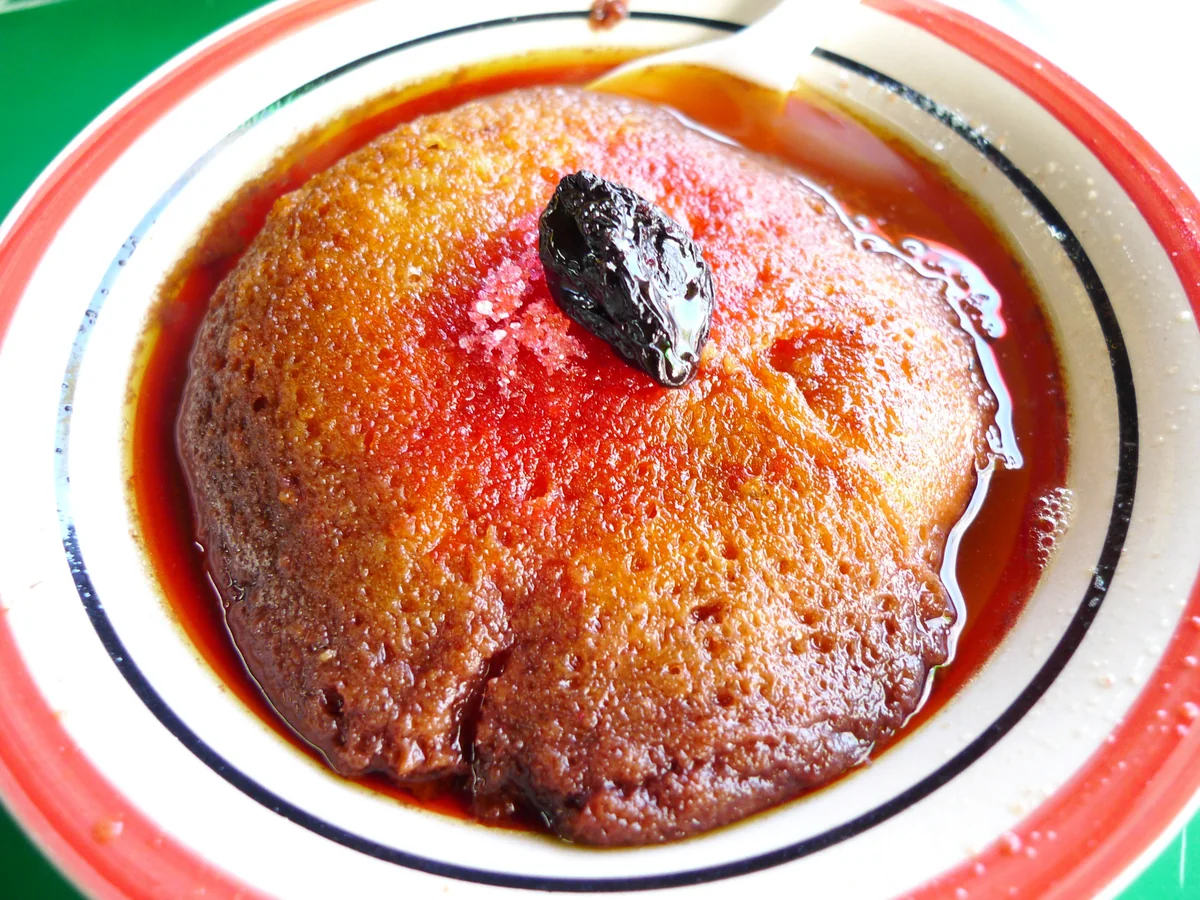
- Place the Torrejas into the syrup and let them soak for a couple of minutes. Serve with a prune in the center and sprinkle with sugar.
Tips for Making the Best Guatemalan Torrejas
- Use day-old bread! Fresh, soft rolls fall apart in the syrup; slightly stale ones hold their shape and take up more syrup. Don’t throw out that bread that’s going stale on the counter; use any leftover loaves you have at home. The trick is letting the bread soak in the delicious syrup.
- Want the traditional kick? Add a couple of tablespoons of rum to the syrup. Leave it out for a kid-friendly version, which is how this recipe is written.
- Fry in small batches: I like frying the bread in small batches; one at a time keeps the oil hot. Also, it keeps the crust crisp and helps it hold better when it goes into the syrup.
- Hot or cold? Honestly, I love them either way! In cold weather, I serve them in a bowl of warm syrup. But if I’m planning a picnic, I place them in an airtight container, and my kids gulp them down at room temperature. And my dad loves eating them right out of the fridge! But hot or cold, I promise you will love both ways as much as my family does.
Make Ahead of Time
Even though you can refrigerate it for up to 3 days, it is best to enjoy this dish immediately after making it. Every time you fry something, it is best to eat it right away, or the grease could break up and make the dish soggy and greasy. And since my recipe is so easy to make, you can whisk up a batch of torrejas for the kids for breakfast or as a delicious dessert after a great family gathering.
Guatemalan Torrejas: The Details That Matter
What bread is best for torrejas?
Any Latin bakery’s pan dulce or pan de manteca is ideal, and Mexican conchas are the easiest stand-in. Brioche rolls or day-old sweet rolls work well, too; slightly stale bread actually holds the syrup better than fresh, so this is a good use for bread that’s past its prime.
What is panela, and what can I substitute for it?
Panela is unrefined whole-cane sugar sold in solid blocks and has a rich molasses flavor. Most US supermarkets stock piloncillo cones in the international aisle, which is the same unrefined cane sugar known by a Mexican name. But if you’re unable to find any, dark brown sugar can be used as a substitute, although it lacks some of the deep molasses notes.
This recipe uses plain sugar, which works. Panela is the more traditional choice for Semana Santa torrejas. Either is fine.
Are torrejas the same as French toast?
Known as Guatemalan-style French toast, they start the same way: bread dipped in egg and fried, but torrejas go one step further and are soaked in a sweet, spiced syrup, turning them from breakfast into dessert.
How are Guatemalan torrejas different from Salvadoran or Mexican torrejas?
Guatemalan torrejas are fried in beaten egg with no milk soak, then finished in a spiced panela syrup with raisins and prunes. Salvadoran torrejas soak the bread in milk first and use a thinner syrup, usually just panela and cinnamon. Mexican versions lean closer to Spanish torrijas: milk-soaked, often finished with cinnamon sugar instead of syrup.
What to Serve with Traditional Guatemalan Torrejas?
The sweet taste of the torrejas is the perfect ending to any meal! I love mixing different textures in every course when I plan a menu, like cooking Guatemalan enchiladas. The crunchiness of the tortilla topped with escabeche and ground beef pairs well with the sweetness of the torreja bread.
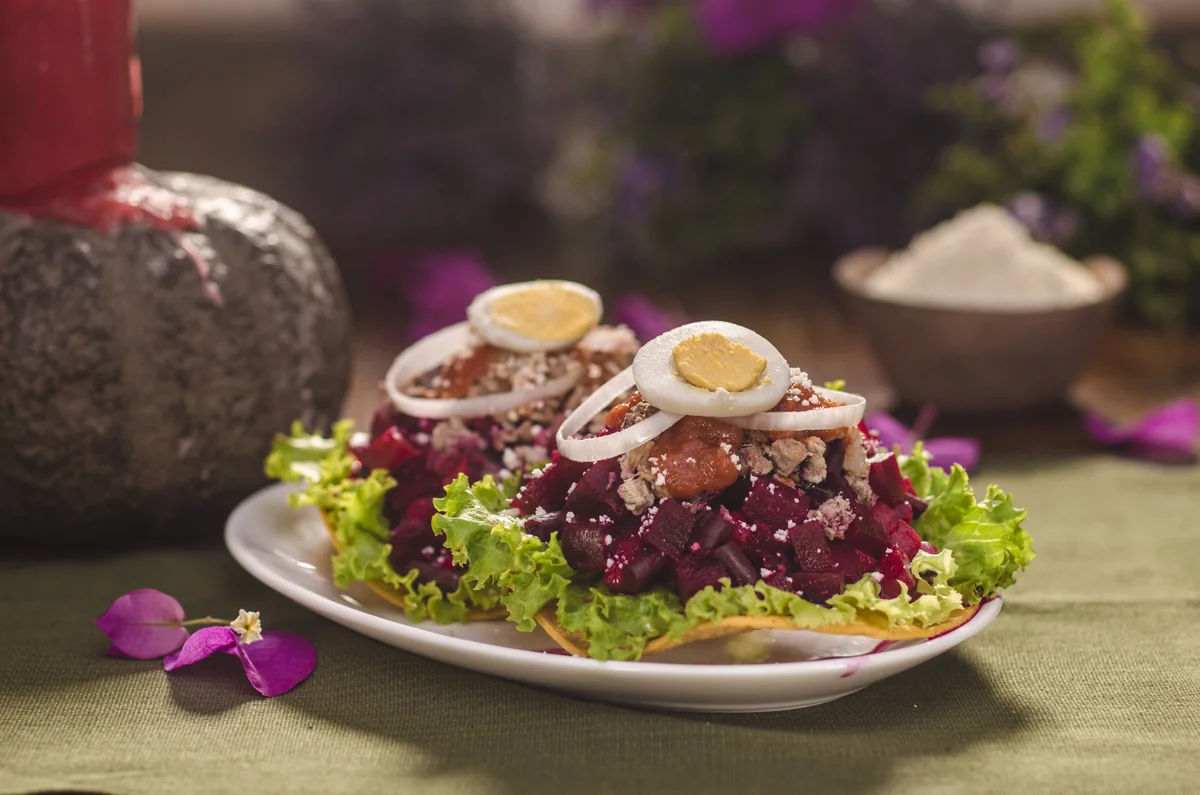
Since this is a very versatile dessert that doesn’t have an overpowering taste, you can make it with any of your favorite recipes. And with a delightful texture and sugary taste, my kids love them for breakfast, lunch, and dinner!
Torrejas During Semana Santa in Antigua
Torrejas hit differently during Semana Santa in Antigua Guatemala, where the streets disappear beneath sawdust alfombras, the processions last for hours, and the smell of frying pan dulce and panela syrup drifts out of every other doorway. So, if you want to know what else lands on the table during Holy Week, my guide to traditional Guatemalan Semana Santa foods walks through it all.
And if you’re dreaming about being there for it, processions, alfombras, and all, I plan custom trips through Guatemala built around the food and the traditions that matter to you.
More Traditional Guatemalan Desserts
Some of Guatemala’s best desserts begin with ingredients that do not sound like dessert at all. Chickpeas, a plantain-and-beans combo, and dough transformed with panela, cinnamon, and slow cooking into comforting sweets. Some belong to holidays like Semana Santa and Day of the Dead, while others are family favorites I make whenever I miss the flavors of home.
Garbanzos en Miel
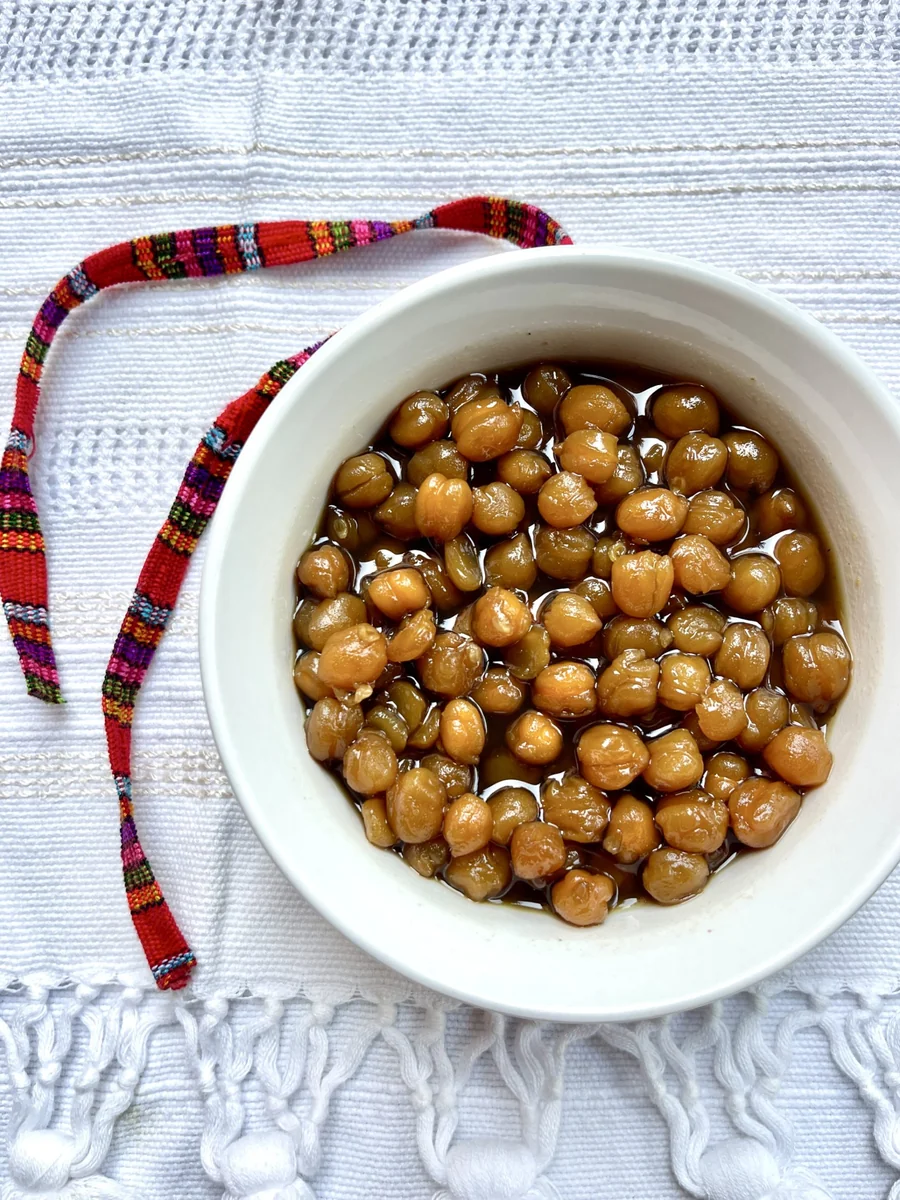
Garbanzos en miel are a true Guatemalan Easter tradition. Tender chickpeas simmered in a sweet syrup made from panela, cinnamon, cloves, and a touch of orange peel.
Tamalitos de Elote
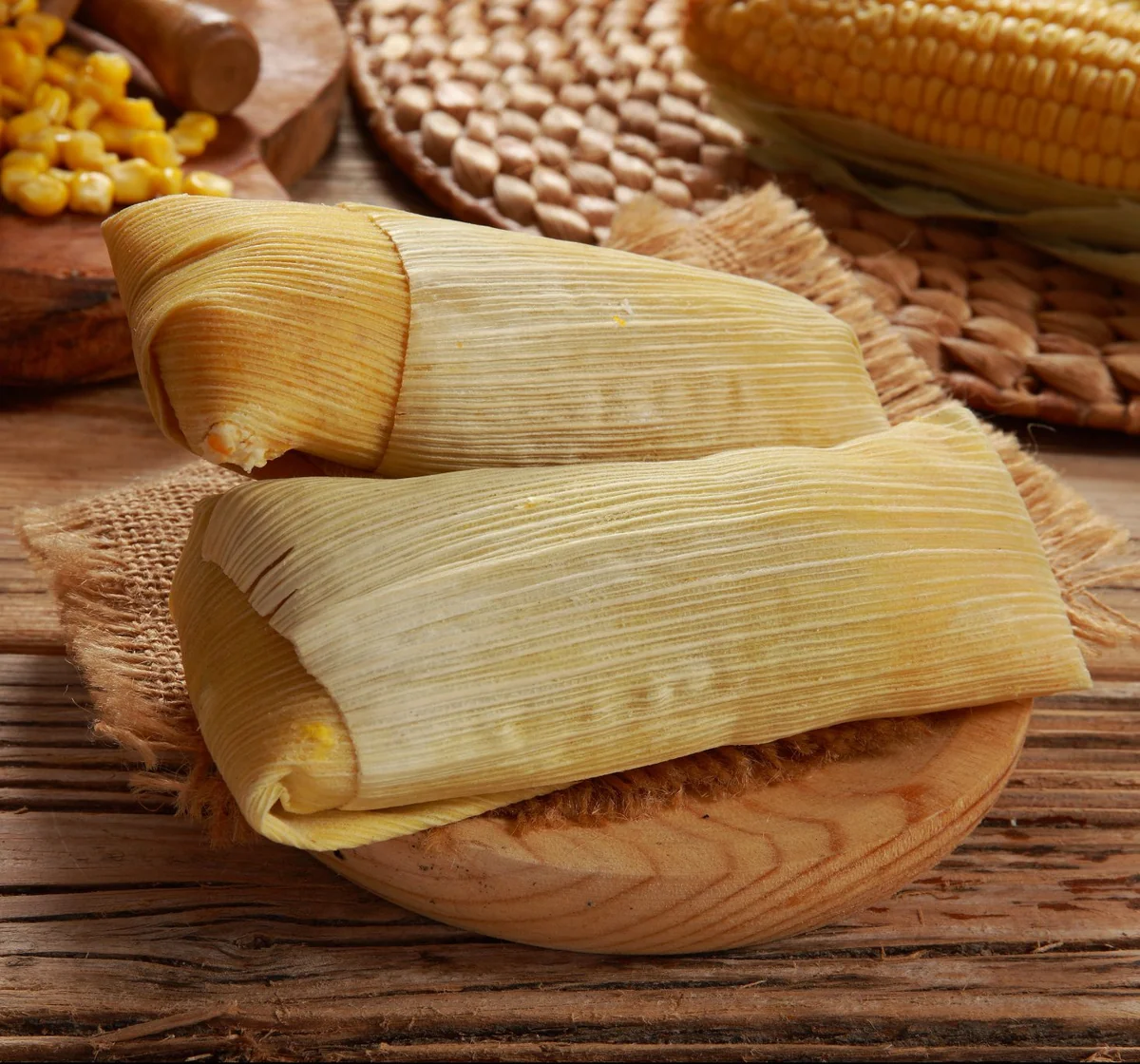
Tamalitos de elote are among the most traditional Guatemalan Semana Santa comfort foods. Made from corn kernels, sugar, and a touch of cinnamon, these sweet corn tamales are steamed in corn husks until tender. The texture is somewhere between a cake and a pudding, making these tamalitos the perfect snack, dessert, or even breakfast during Holy Week.
Rellenitos de Plátano
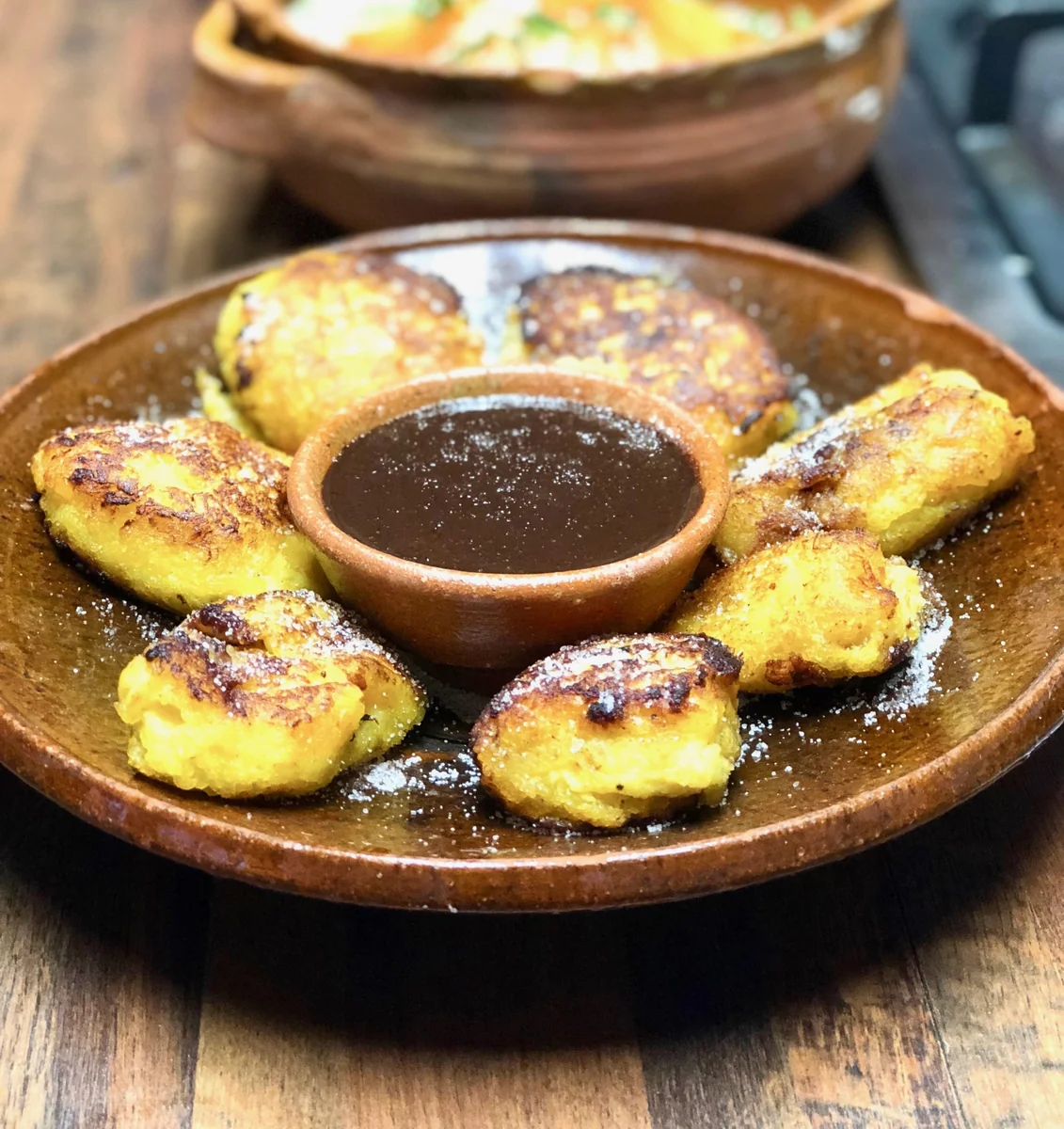
Guatemalan rellenitos are tasty ripe plantains filled with beans and covered in sugar. Although the combination might seem strange, this sweet plantain recipe is one of the most delicious Guatemalan foods!
Canillitas de Leche
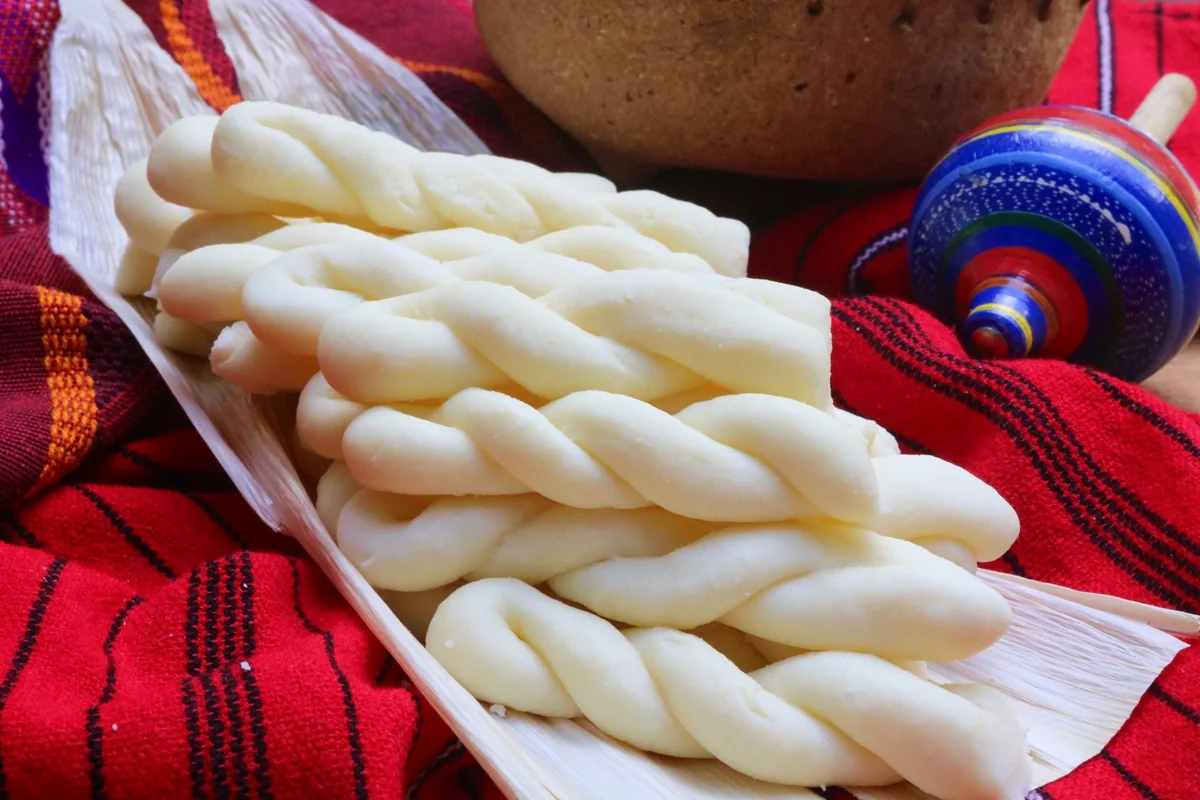
Try a quick and easy recipe for canillitas, a delicious 10-minute dessert that uses only three ingredients you already have in your pantry.
Guatemalan Pineapple Empanadas
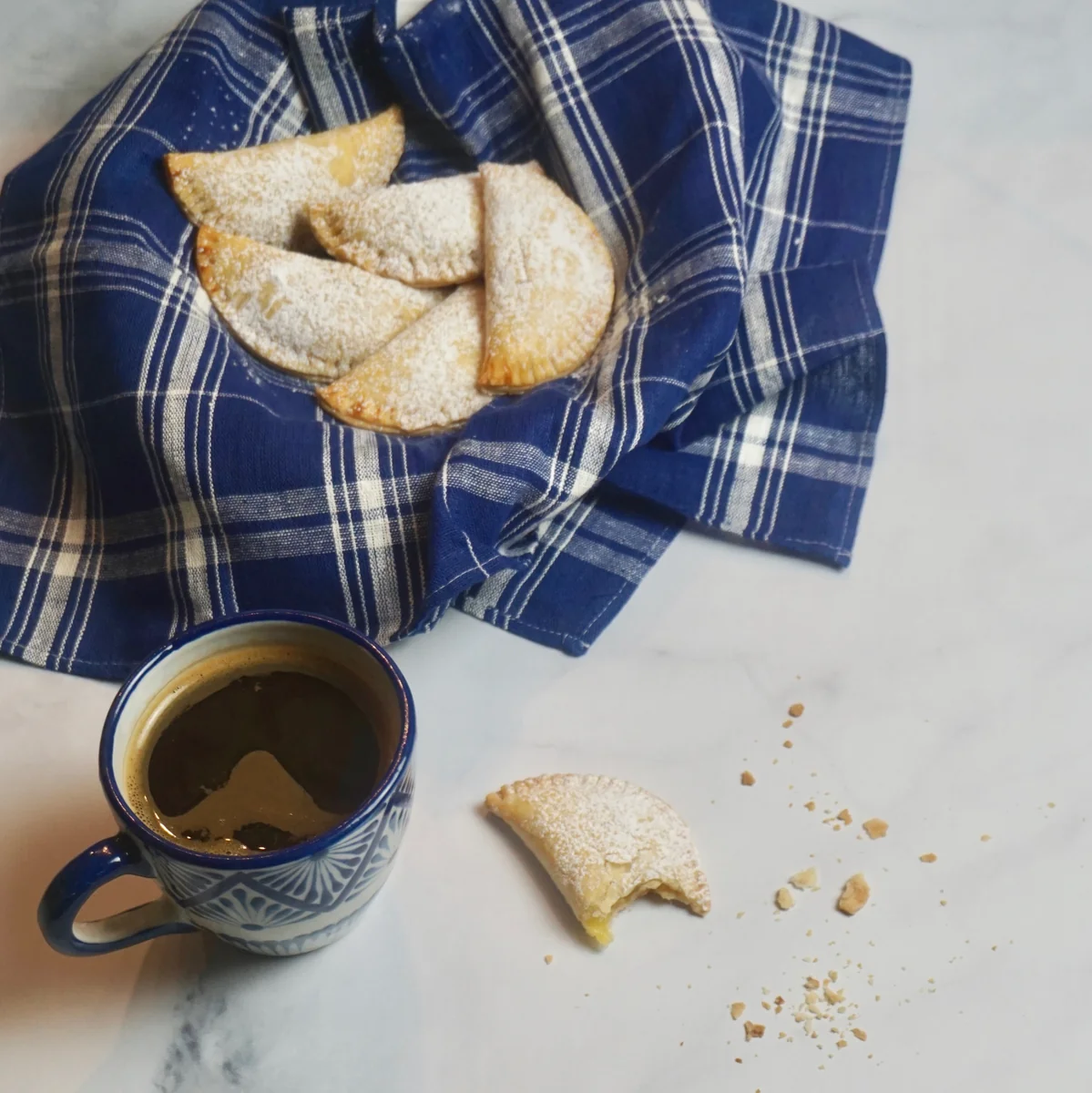
These easy-to-make pineapple empanadas are a great dessert or a quick sweet snack. They travel well and are perfect for entertaining, ideal for picnics, BBQs, or potlucks.
Guatemalan Champurradas
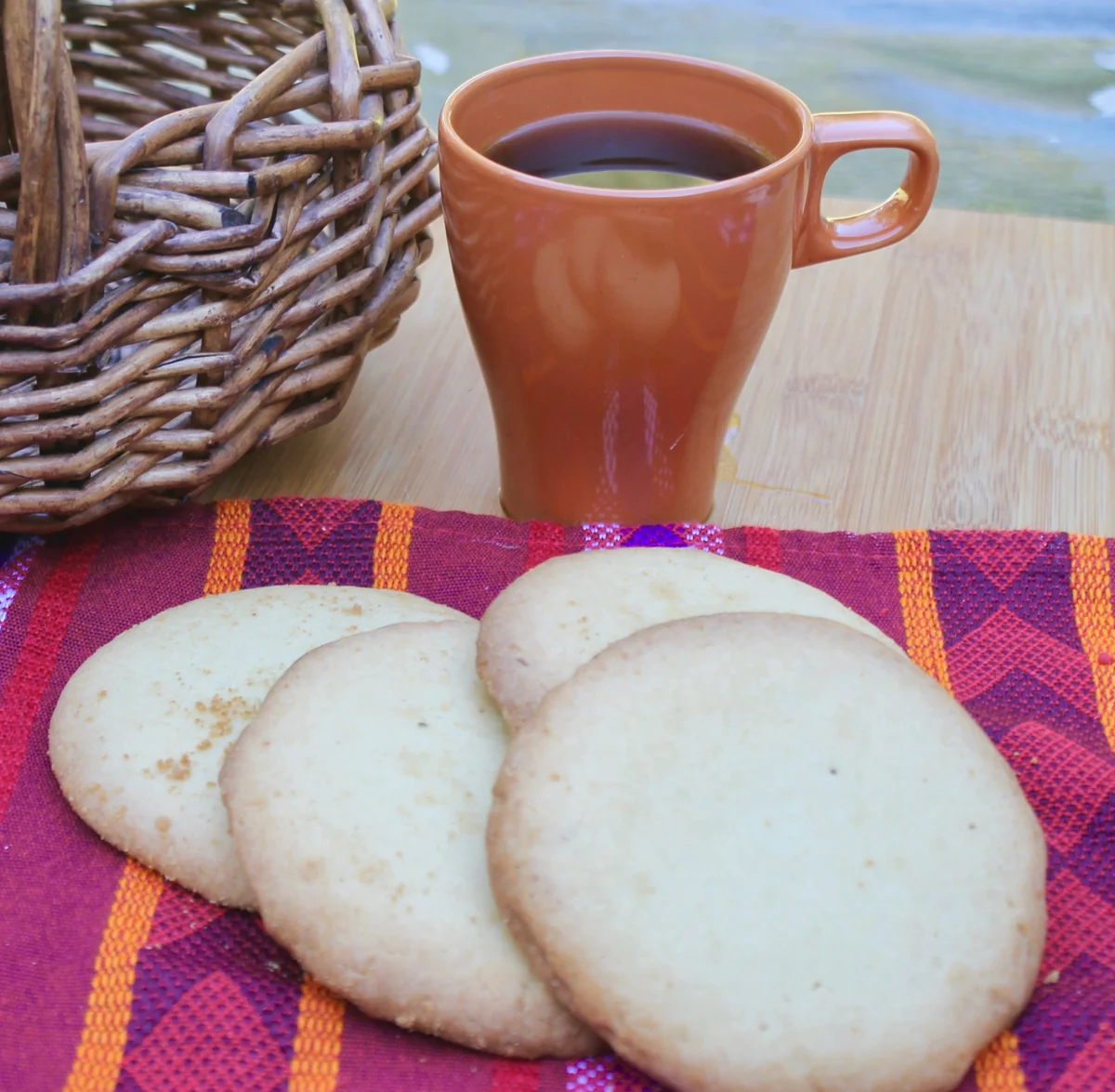
A super easy recipe that will surely be a total success with everyone in the family! Champurradas are scrumptious giant cookies with the perfect level of crunch to dunk in your morning coffee!
Guatemalan Buñuelos
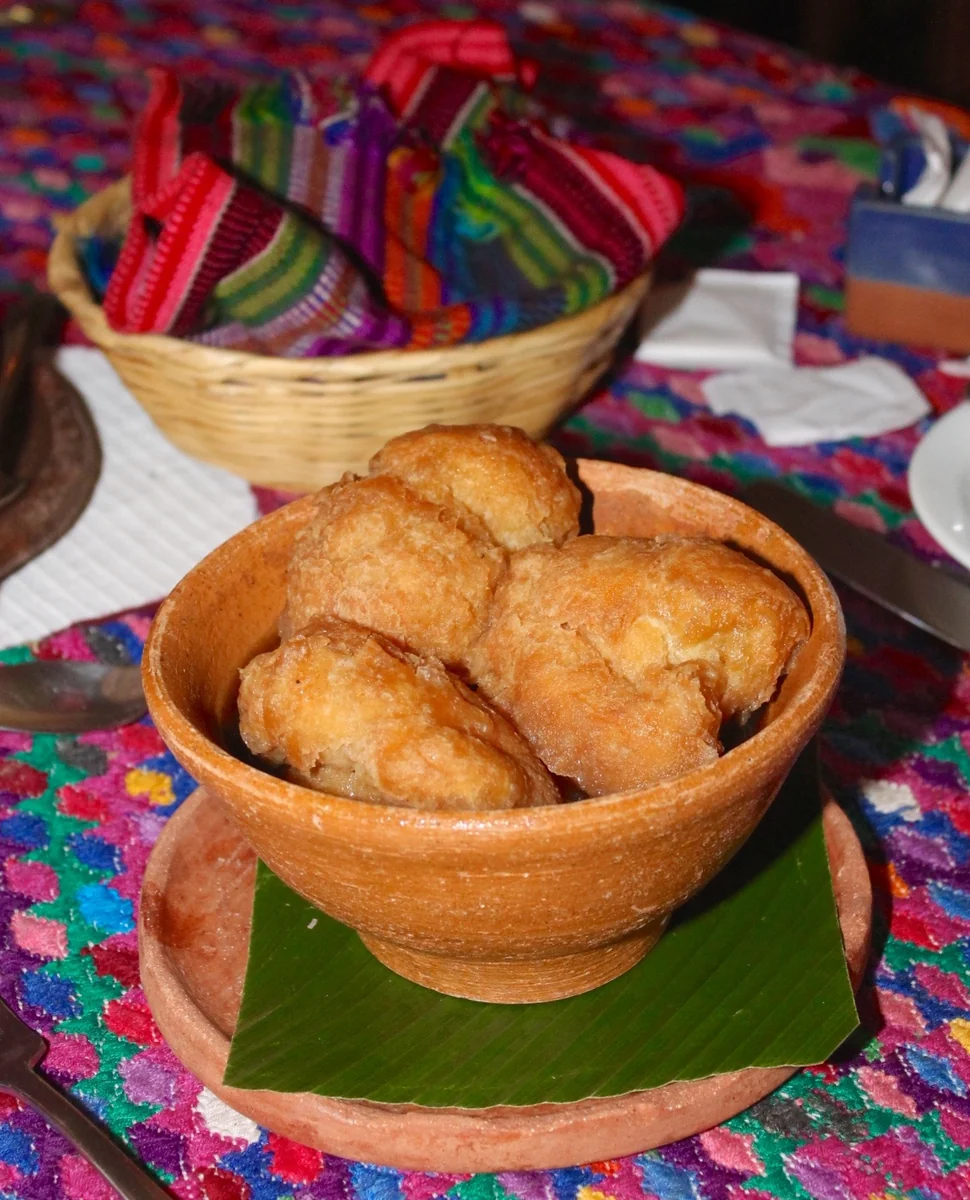
Buñuelos are fried wheat-based dough balls, crisp on the outside and soft inside, covered in white sugar. Serve this delicious Guatemalan dessert in a light syrup your kids will love!
Guatemalan Torrejas
A quick and easy recipe for Guatemalan Torrejas, a delicious pan dulce (sweet bread) soaked in a rich syrup!
Ingredients
For the Torrejas
- 2 eggs
- 2 tablespoons of flour
- 12 panes dulces or panes de manteca (lard or sweet bread similar to Mexican conchas) or brioche bread
- 2 cups of vegetable oil for frying
For the Syrup
- 1 lb sugar (or panela for a more traditional, darker syrup)
- 3 cups of water
- zest from one orange
- ½ teaspoon allspice
- 3 whole cloves
- 1 cinnamon stick
- 2 ounces of raisins
- 4 ounces of prunes
Instructions
- Beat the eggs until they form stiff peaks; then gently fold in flour. Dip each piece of bread into the egg mixture until fully coated.
- Fry in hot oil, turning them once so both sides go golden. Set the fried bread in a colander and pour hot water over it, and let it drain. This rinses off the surface grease, so the bread soaks up syrup instead of oil.
- To make the syrup: In a large pot, bring the water to a boil, then add the sugar (or panela), orange zest, allspice, cloves, and cinnamon. Simmer until you have a thin syrup, about 10 to 15 minutes; it should coat the back of a spoon and run off in a thread, not drip. Too thick and the torrejas turn sticky on the outside and dry inside; too thin and they won't take on sweetness. Stir in the raisins and prunes.
- Place the Torrejas into the syrup and let them soak for a couple of minutes. Serve with a prune in the center and sprinkle with sugar.
Notes
- Traditional kick: Add a couple of tablespoons of rum to the syrup, which will add a distinctive fruity flavor to the torrejas.
- Use day-old bread: Fresh, soft rolls fall apart in the syrup; slightly stale ones hold their shape and take up more syrup.
- Fry in small batches: Cooking one at a time keeps the oil hot and the crust crisp, helping it hold better when it goes into the syrup.
Nutrition Information:
Yield: 12 Serving Size: 1Amount Per Serving: Calories: 333Total Fat: 16gSaturated Fat: 8gUnsaturated Fat: 8gCholesterol: 136mgSodium: 300mgCarbohydrates: 43gFiber: 3gSugar: 12gProtein: 8g
Nutritional values are estimates calculated using standard databases. Actual values may vary based on specific ingredients and brands used.
When Did You Eat Torrejas?
For many Guatemalans, torrejas are Semana Santa in a bowl: the smell of the syrup, the processions outside, an abuela who made them every single year without a written recipe. For others, they’re a Christmas thing or just what you make when there’s stale bread and a sweet tooth. If they’re part of your family’s traditions, or if you had to teach yourself to make them far from home, leave me a comment and tell me when your family eats them and whose recipe you use. I love hearing which season these belong to in different houses.

Through her writing, Paula helps travelers discover Guatemala beyond the typical tourist route with practical advice, local recommendations, and authentic experiences that connect visitors with the country’s people, culture, and traditions.
Planning a trip to Guatemala? Paula offers personalized Guatemala itinerary planning and trip consultation services tailored to your interests, travel style, and budget. Contact her at [email protected] to learn more.
- San Lucas Tolimán Guatemala: Lake Atitlán’s Best-Kept Secret - September 24, 2026
- Hotel Tolimán Lake Atitlán: A Special Stay in San Lucas Tolimán - September 24, 2026
- Guatemala Dreams in San Lucas Tolimán: A Boutique Stay on Lake Atitlán - September 23, 2026


Hi Paula,
I am hosting a Guatemalan dinner party for six people and I am looking for some traditional Guatemalan recipes to make. I would love to get some Mayan recipes in there too, but all the food looks so good! Ideally, I’d like to be able to make it ahead so I don’t have to cook at the party. I would love to get some recipes and dinner traditions from a native Guatemalan! 🙂
Saludos desde Inglaterra 🙂
Hola Patty! Saludos, me encanta tu blog está fantástico.
perdon, pero estas torrejas se paresen a las guatemaltecas pero no son, ademas es la primera vez que leo que las torrejas son un postre tradicional de la navidad, si mi memoria no me falla y si no estoy mal es un plato exclusivo de la semana santa, asi como lo es el pescado seco, pero tal ve hubo cambio en la tradicion. Any way supongo quenlas suyas tambien saben ricas.