
This fresco de chinchivir recipe is my version of one of Guatemala’s most distinctive and least-talked-about traditional drinks — a sharp, spiced lemon and ginger fresco that originated in the colonial city of Antigua Guatemala and has been quenching the thirst of Guatemalans during the hottest part of the year for generations.
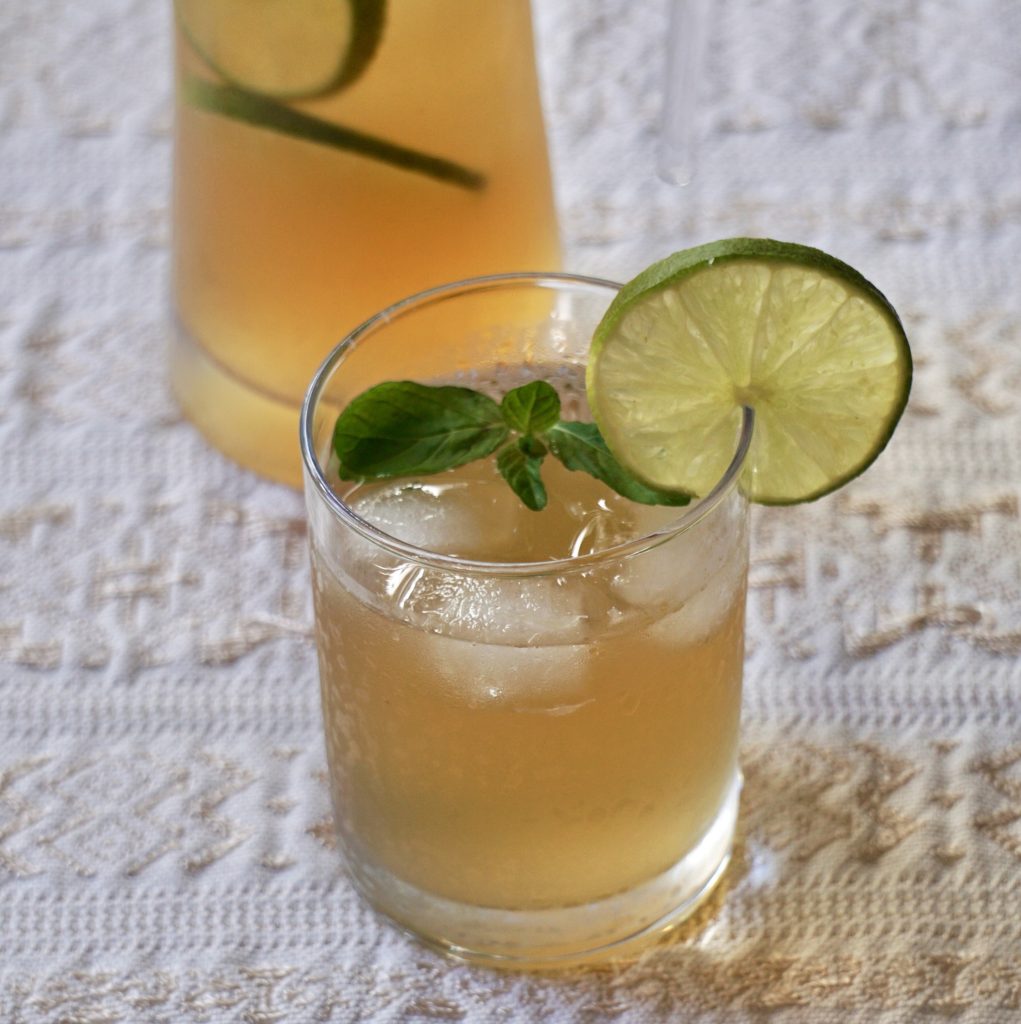
I tried chinchivir for the first time years ago at a market in Antigua. The vendor had a row of those big glass barrels lined up on the counter, the kind you see at every market stall in Guatemala, filled with whatever frescos are in season, colors ranging from deep amber to bright green. I ordered a glass without really knowing what I was getting into, and that first sip — cold, sharp from the lemon, with an unexpected kick of ginger and something warm and spiced underneath — genuinely surprised me. In a good way. It wasn’t what I expected at all, which is exactly what made it so good.
If you’ve never heard of chinchivir, you’re not alone. It’s the kind of Guatemalan drink that tends to stay local; well-loved in Antigua and Sacatepéquez, familiar to most Guatemalans, but almost completely unknown outside the country. That’s a shame, because it’s genuinely one of the most refreshing things you can drink on a hot day.
What Is Chinchivir? Antigua’s Spiced Lemon Ginger Drink
Chinchivir is a traditional Guatemalan drink made from lemon juice and ginger, spiced with cinnamon, allspice, and cloves, sweetened lightly with panela or raw sugar, and served very cold. It belongs to Antigua — that’s where it originated and where it’s most deeply rooted — but you’ll find it at markets and family tables across Guatemala, especially during the dry season.
The most traditional version, preserved by Guatemala’s Ministry of Culture, ferments the lemon juice in a clay pot for two months before the ginger and spices are added. That fermentation gives it a depth and complexity that’s hard to describe until you’ve tasted it. In everyday practice, though, most home cooks and market vendors use a faster method: simmer the ginger and spices in water, add the lemon juice and sweetener, chill it down, and serve over ice. About twenty minutes versus two months — and while the quick version is lighter, it’s still very good and still unmistakably chinchivir.
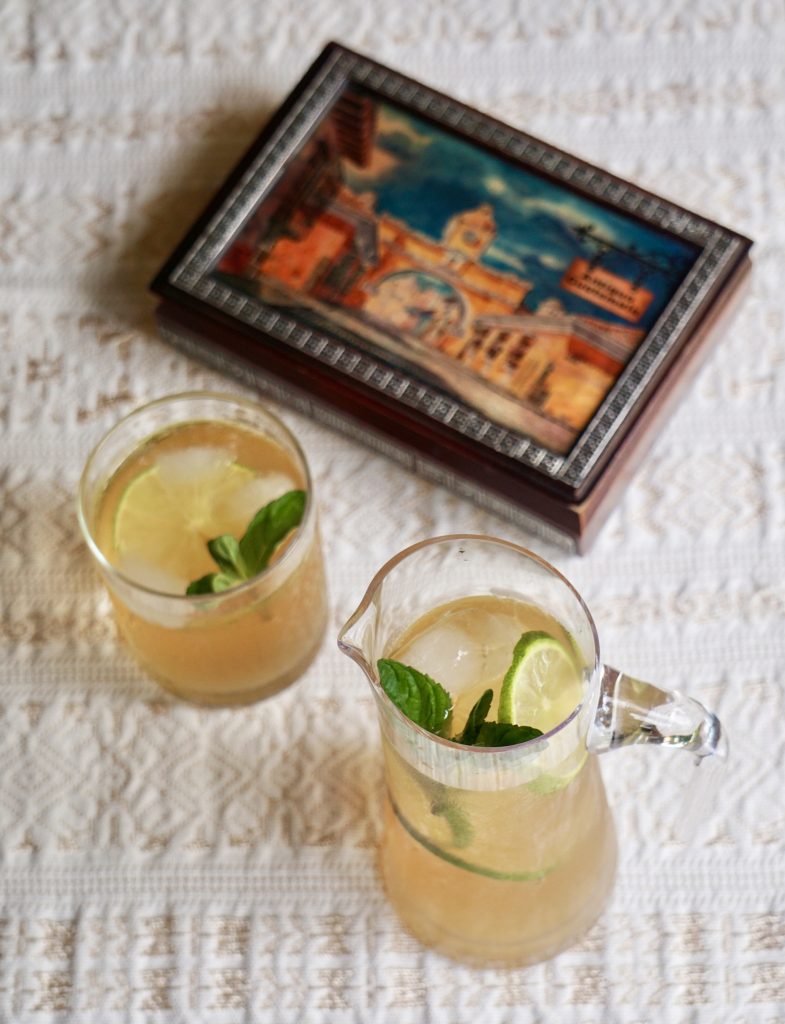
A few things are consistent no matter which version you make. The ginger is essential, it’s the whole backbone of the drink. And it has to be done with limon persa (a large lime). Large limes work well if you’re making this in the US. And keep the sugar restrained. Chinchivir is not a sweet drink. It’s sharp and bright and just a little bitter, and that’s exactly the point.
The Armas family, who’ve been making and selling chinchivir in Antigua since 1936, also want to set the record straight: their version isn’t fermented, it doesn’t contain mint or jacaranda flowers, and it’s available year-round, not only during Cuaresma, despite what many people assume.
What Does Fresco de Chinchivir Taste Like?
Think of a really good ginger lemonade, then push it further. More ginger heat, more lemon brightness, more spice complexity in the background, and less sweetness than you’d expect. That’s the closest I can get to describing it before you actually try it.
It’s nothing like commercial lemonade. The ginger builds a clean, peppery warmth as you drink. The cinnamon and cloves are subtle, more felt than tasted, rounding out the sharpness of the lemon without blunting it. In the traditional fermented version, there’s also cordoncillo root, which adds an earthy, herbal note underneath everything that you can’t quite name but would definitely miss if it weren’t there.
What makes chinchivir genuinely special is how refreshing it is despite having no sweetness to speak of. The tartness and the ginger heat do something together that actually cools you down rather than just satisfying a sugar craving. That’s why cucuruchos reach for it after carrying the anda for hours — it revives you without weighing you down.
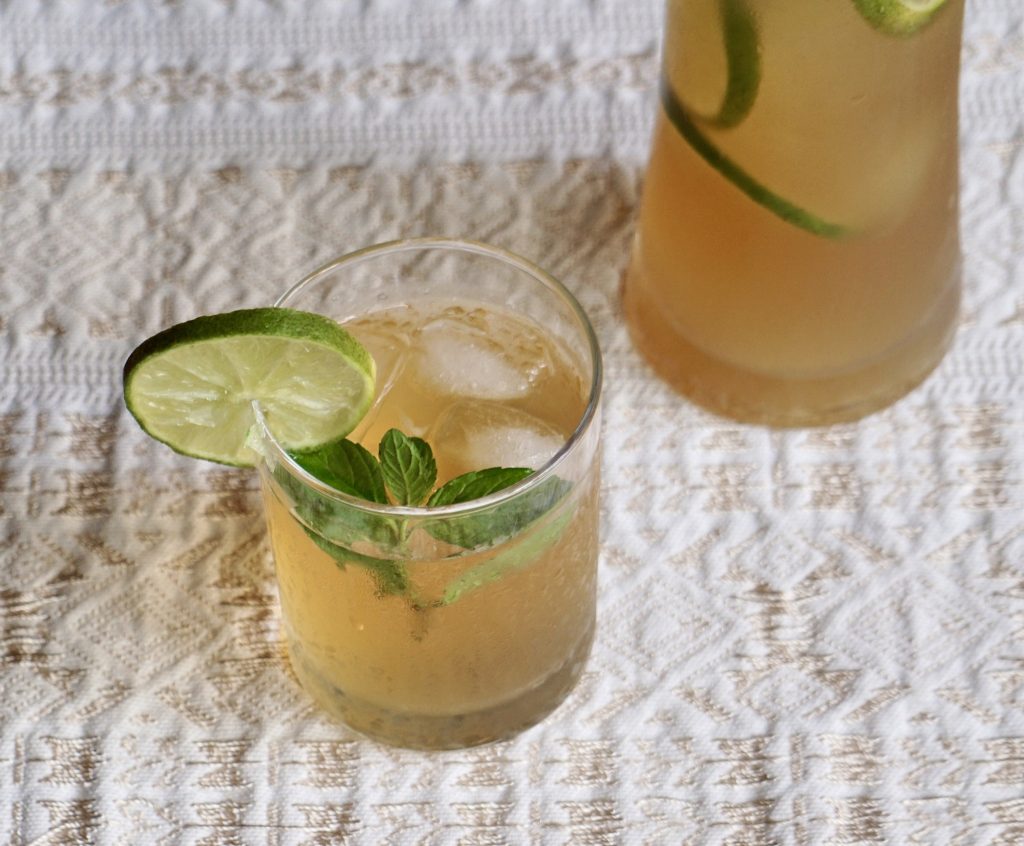
The History and Origins of Chinchivir
Chinchivir’s history is the kind of story that shows up again and again in Guatemalan food culture: something pre-Hispanic gets folded together with colonial ingredients and what comes out is entirely its own thing.
Guatemala’s Ministry of Culture documents that chinchivir’s origins pass through cultural mestizaje. In its earliest form it was likely made from plants and roots native to the area around Antigua — cordoncillo and related herbs among them. When the Spanish arrived, they brought limes, refined sugar, cinnamon, and cloves, and those ingredients got absorbed into the existing drink tradition rather than replacing it. The result landed in the present as a tradition specific to Antigua, deeply associated with the city’s ladino mestizo food culture and with the hot dry season.
Some historians trace it back to the Colonial era. The first documented commercial version dates to 1936 when the Armas family started selling it from their home on the 7th Avenida Norte — but the 1936 date is when it was bottled and sold, not when it was invented.
The Legend of the Limes and the Maya Goddess
There’s a Maya legend some Guatemalans tell about the origin of the limes in chinchivir that I’ve always liked, even if nobody can confirm it’s true.
The story goes that a Maya goddess was bathing in a river when she realized someone was watching her. Overwhelmed by shame, she transformed into a lemon tree. The limes, with their rounded shape, are her. Every time you squeeze one you’re either completing the transformation or perpetuating a wrong, depending on who’s telling you the story.
Jackeline de Armas — whose family has been making chinchivir since 1936 — takes this legend in stride. She can’t confirm it because the family doesn’t have documentation going back that far. What she knows is that their recipe uses large limes, ginger, spices, and care, and it’s tasted the same for nearly ninety years.
What I like about this legend isn’t whether it’s literally true. It’s that it reflects something real about Mesoamerican food culture — the idea that ingredients have histories and meanings, that what you eat and drink connects you to something larger. That feels right for a drink like chinchivir.
The Family Behind Antigua’s Most Famous Chinchivir
If you’ve spent time in Antigua, you’ve probably seen the bottles — clear plastic, slightly yellow liquid, stacked in crates near the market or sold by vendors along the procession routes during Semana Santa. That’s the Armas family’s chinchivir.
Their home is on the 7th Avenida Norte, house 92A. According to Jackeline de Armas, it was her husband José’s grandmother, María Buendía de Armas, who created the commercial version of the recipe. The family started selling it in 1936 — first in recycled soda bottles, then in plastic cups, and eventually in the sealed bottles they produce today. They patented the name in 2009.
The actual recipe is a family secret and Jackeline doesn’t share it. What she does clarify is what’s not in it: no fermentation, no mint, no jacaranda flowers. It’s a lemon drink with spices, made cleanly and consistently for nearly ninety years, available at their home year-round.
What’s very Guatemalan about this story is how ordinary the pattern is. A grandmother’s recipe, sold first from a home on a cobblestone street, eventually bottled and patented but never really separated from the kitchen where it started. That’s how so many of the best things in Guatemalan food survive.
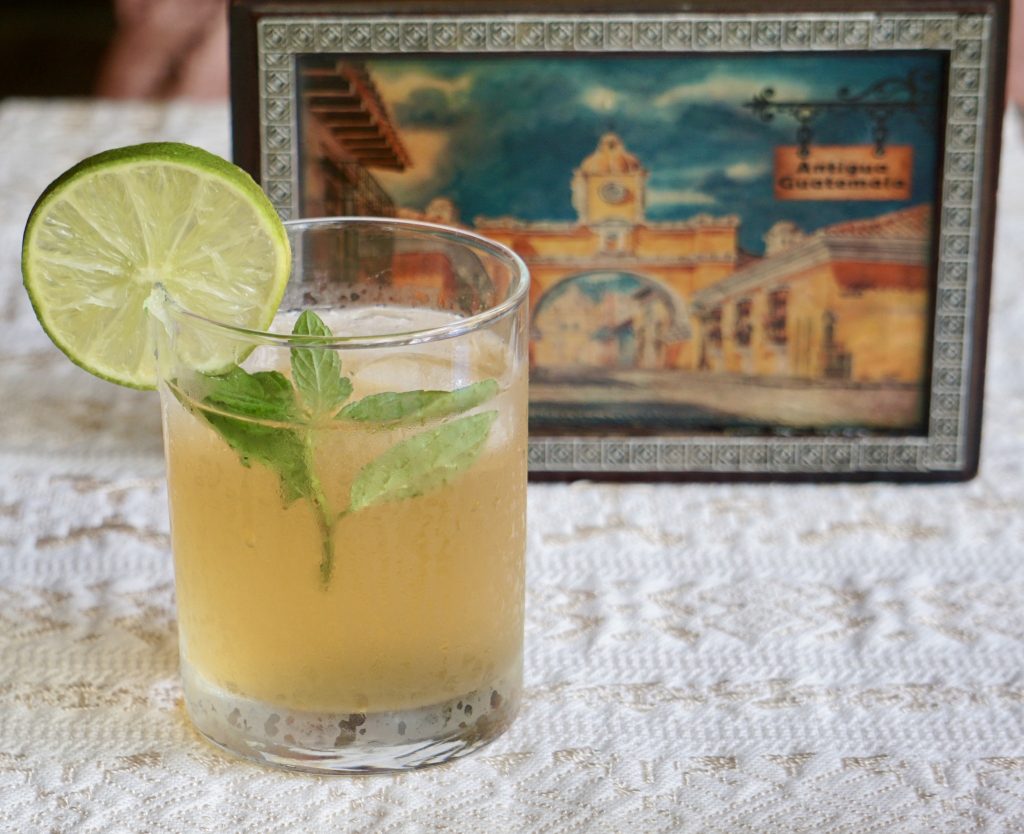
A Hot-Weather Drink That Peaks at Semana Santa
One thing worth clarifying about fresco de chinchivir — a lot of articles describe it as a Semana Santa drink, and while that’s not wrong, it’s not the whole picture. Jackeline de Armas is clear on this: the Armas family sells chinchivir all year. It’s available in January, in July, whenever. They don’t put it away after Easter.
What it really is, is a dry-season drink. Guatemala’s dry season runs roughly November through April, and the hottest days fall in March and April — right when Semana Santa lands. The association with Holy Week is strong and real, but it’s largely because that’s the hottest time of year, and chinchivir is built for heat.
The cultural pairing does run deep, though. Prensa Libre describes chinchivir as the traditional companion to the foods of Cuaresma — tamalitos de viaje, pescado seco, empanadas de manjar — the portable, unpretentious things you eat while fasting from meat and watching the processions. Cucuruchos reach for it after carrying the anda because it revives without being heavy. La Hora covers it specifically as a drink sought for its almost energizing quality during Holy Week.
So make it for Semana Santa — absolutely. But also make it any afternoon in February or March when the heat is doing what the Guatemalan dry season does and you want something cold and sharp and completely satisfying.
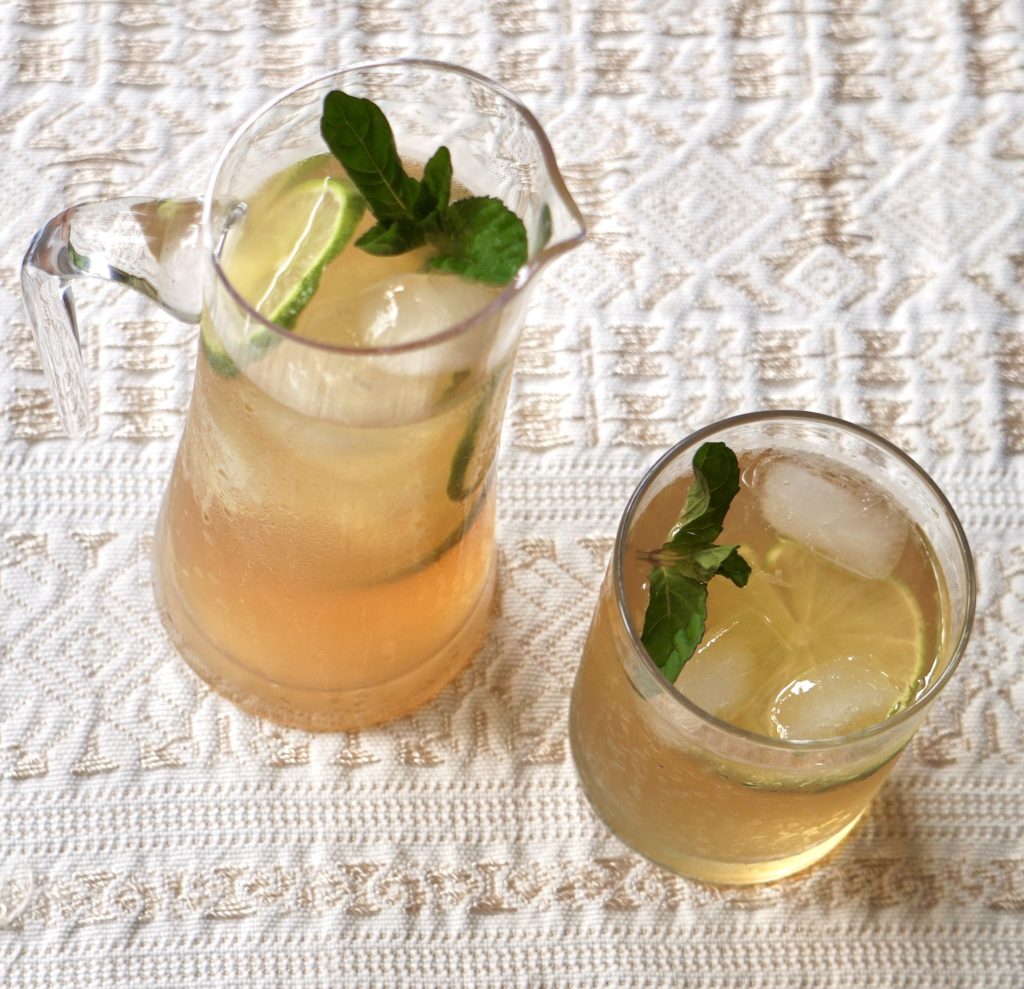
Ingredients for Making Fresco de Chinchivir
There are two versions here. The traditional fermented version from Guatemala’s Ministry of Culture, documented by Yolanda Estela Hernández Solórzano. And the quick everyday version that most home cooks and market vendors use.
Traditional fermented version (yields approximately 8 to 10 glasses — requires 2 months fermentation):
- 20limones persa (large limes), juiced
- 1 piece fresh ginger, toasted on the comal with the skin on
- ½ teaspoon anise seeds
- 1 piece cordoncillo root
- 4 ounces raw brown sugar or panela
- 2 liters water
- Ice for serving
Quick everyday version (yields approximately 8 glasses, ready in about 30 minutes):
- 1 liter water
- 1 large piece fresh ginger, peeled and sliced (about 3 to 4 ounces)
- 2 cinnamon sticks
- 1 teaspoon whole allspice berries (pimienta gorda)
- 4 whole cloves
- ½ cup freshly squeezed lime juice (about 4 to 6 large limes)
- Sugar or panela to taste — start with 3 tablespoons, this should not be sweet
- Fresh mint or hierbabuena for garnish, optional
- Plenty of ice
On limes: Use real large limes, not key limes. In the US, large limes work well. Lemons give you something quite different than what chichivir usually tastes like.
On ginger: Fresh only. Dried or powdered ginger gives you heat without the aromatic complexity the drink needs.
On cordoncillo: This medicinal root shows up in the traditional version and adds an earthy herbal depth that’s hard to replicate. Find it at herbal market vendors in Guatemala or Latin botanical shops (botánicas) in the US. The quick version is good without it, but the traditional version really benefits from it.
How to Make Fresco de Chinchivir
Traditional fermented version
Step 1: Squeeze the juice of 20 limes into a clay pot with a tight lid. Cover and ferment at room temperature for two months. This is where the depth comes from — don’t rush it.
Step 2: After two months, toast the ginger on a dry comal or cast iron skillet, skin on, until charred in spots and fragrant. Toast the anise separately. Add the toasted ginger, anise, cordoncillo root, and raw sugar to the fermented lemon juice and stir well. Add 2 liters of cold water and stir to dissolve the sugar. Strain, chill, and serve over ice.
Quick everyday version
Prep time: 10 minutes Cook time: 10 minutes Chill time: 30 minutes minimum Yield: 8 glasses
- Step 1: In a medium saucepan, combine the water with the sliced ginger, cinnamon sticks, allspice berries, and cloves. Bring to a boil, then reduce to a gentle simmer and cook for 8 to 10 minutes until the water turns pale amber and smells wonderful.
- Step 2: Take it off the heat and let it cool to room temperature. Strain through a fine mesh strainer.
- Step 3: Stir in the lemon juice. Add sugar or panela to taste, starting with 3 tablespoons. Taste as you go — it should be tart and bright, not sweet.
- Step 4: Refrigerate until cold, at least 30 minutes. Serve over plenty of ice. Mint or hierbabuena is optional — nice, but the drink doesn’t need it.
Tips for Making the Best Chinchivir
- Use real limes. This is the one thing you can’t compromise on. Lime juice makes a completely different drink. Large limes (called limon Persa in Guatemala) are what chinchivir is made from and nothing else gives you the same result.
- Don’t over-sweeten it. The most common mistake when making this at home is adding too much sugar. Chinchivir is supposed to be sharp. Start with less than you think you need and taste as you go.
- Toast the ginger first. Even in the quick version, a minute or two in a dry skillet before adding it to the water makes a noticeable difference to the flavor. Worth the extra step.
- Use panela if you can. The molasses warmth of panela works with the lemon and ginger better than white sugar does. Find it as piloncillo at any Latin grocery store.
- Make it the day before. It tastes better the next day — the flavors settle together overnight in a way that freshly made chinchivir hasn’t had time to do.
- Serve it very cold. This is a drink that needs to be icy cold. The chill tempers the ginger heat and lemon tartness in exactly the right way.
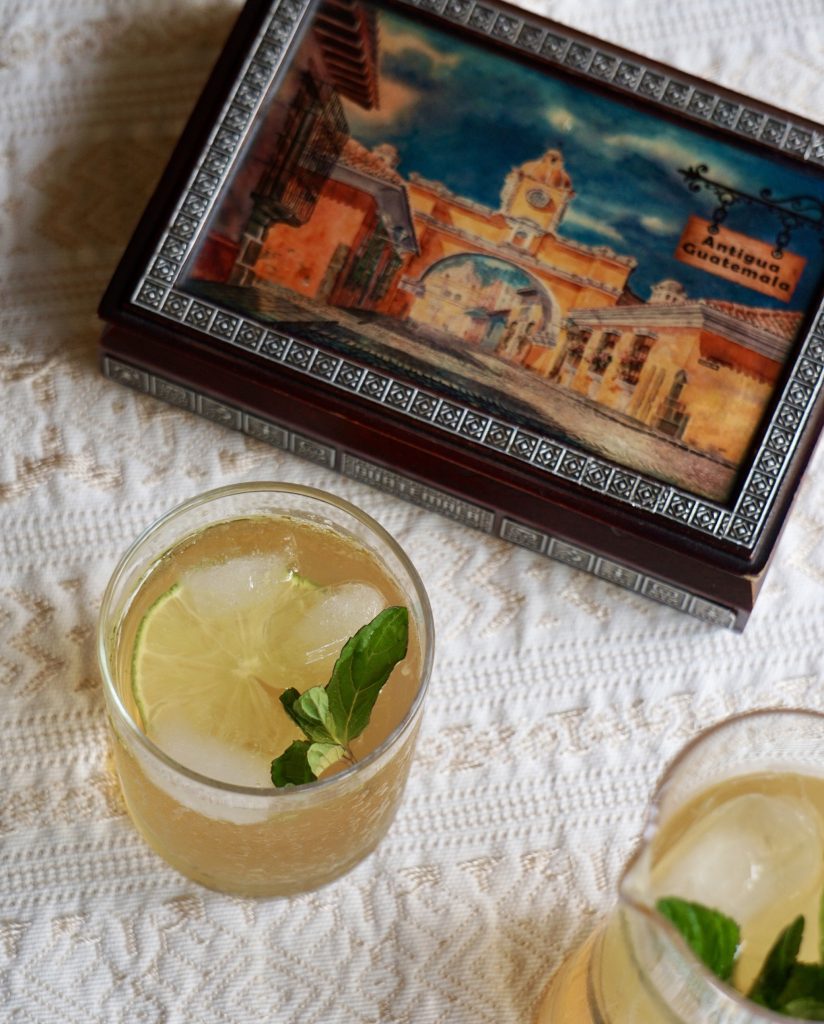
More Traditional Guatemalan Drinks You’ll Love
Fresco de Suchiles: Guatemala City‘s iconic fermented Semana Santa drink — pineapple, toasted corn and barley, tamarind, panela, and medicinal roots. Nothing else tastes like it.
Fresco de Chilacayote: A gently spiced squash drink cooked with panela, cinnamon, cloves, ginger, and allspice. Clear, golden-amber, and delicious cold.
Fresco de Tiste: Guatemala’s ancestral chocolate drink made from toasted cacao and corn ground with cinnamon and cloves. Pre-Columbian and unlike any chocolate drink you’ve had before.
Horchata: Guatemala’s creamy rice drink made unique by toasted pepitoria seeds. The taste of birthday parties and summer afternoons.
Rosa de Jamaicac: Tart, ruby red hibiscus agua fresca. Beautiful and refreshing any time of year.
Have you tried chinchivir before? Did you first have it in Antigua, at a market somewhere, or did someone hand it to you during a procession without explaining what it was? Leave a comment — I’d love to hear. And if you make this recipe, come back and tell me how it went.
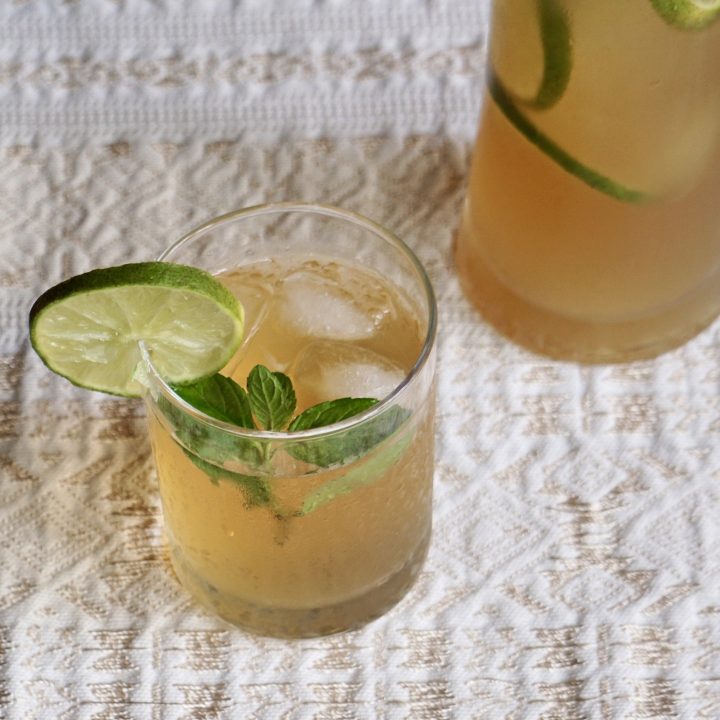
Guatemalan Fresco de Chichivir Recipe
Fresco de chinchivir is a traditional Guatemalan drink from Antigua — a sharp, spiced lemon and ginger fresco that's been part of Guatemalan dry-season culture since at least 1936. Made with fresh lemon juice, ginger, cinnamon, allspice, cloves, and a light touch of panela, it's not sweet the way most aguas frescas are. It's bright, a little peppery, and genuinely refreshing in a way that makes it perfect for the heat of Cuaresma and Semana Santa — or any hot afternoon.
Ingredients
- 1 liter water
- 1 large piece fresh ginger, peeled and sliced (about 3 to 4 ounces / 85 to 115g)
- 2 cinnamon sticks
- 1 teaspoon whole allspice berries (pimienta gorda)
- 4 whole cloves
- ½ cup freshly squeezed lime juice (about 4 to 6 large limes)
- Sugar or panela to taste (start with 3 tablespoons — this should not be a sweet drink)
- Fresh mint or hierbabuena for garnish, optional
- Plenty of ice
Instructions
- In a medium saucepan, combine the water with the sliced ginger, cinnamon sticks, allspice berries, and cloves. Bring to a boil over medium heat, then reduce to a gentle simmer and cook for 8 to 10 minutes until the water turns pale amber.
- Remove from heat and cool to room temperature. Strain through a fine mesh strainer, discarding the solids.
- Stir in the freshly squeezed lime juice. Add sugar or panela to taste, starting with 3 tablespoons. Taste as you go — chinchivir should be tart and bright, not sweet.
- Refrigerate until cold, at least 30 minutes and up to 24 hours.
- Serve over plenty of ice. Garnish with fresh mint or hierbabuena if desired.
Notes
Use large limes (limón Persa), not key limes. This is the single most important thing. Lemon juice gives you a completely different flavor and the result won't taste like chinchivir.
Keep the sweetness low. Chinchivir is not a sweet drink. Start with less sugar than you think you need and taste as you go. The sharpness is the whole point.
Toast the ginger. Even in the quick version, toasting the sliced ginger in a dry skillet for a minute or two before simmering it in the water deepens the flavor noticeably.
Use panela when you can. The molasses warmth of panela works better with the lemon and ginger than white sugar. Find it as piloncillo at any Latin grocery store.
Make it the day before. Chinchivir genuinely tastes better after resting overnight in the refrigerator.
Serve very cold. This drink needs to be icy cold. The chill softens the ginger heat and the lemon tartness in exactly the right way.
Traditional fermented version: Guatemala's Ministry of Culture documents an older version where the juice of 20 limones reales is fermented in a clay pot for two months before adding toasted ginger, anise, cordoncillo root, raw sugar, and 2 liters of water. This version has significantly more depth and complexity. If you have the time and can find cordoncillo root, it's worth trying.
Storage: Keeps refrigerated up to 3 days. Stir before serving as it may settle slightly.
Nutrition Information:
Yield: 8 Serving Size: 1 200ml glassAmount Per Serving: Calories: 40Total Fat: 0gSaturated Fat: 0gTrans Fat: 0gUnsaturated Fat: 0gCholesterol: 0mgSodium: 10mgCarbohydrates: 9gFiber: 0gSugar: 8gProtein: 0g
Compensated affiliate links may be used in this post. As an Amazon Associate and member of other affiliate programs, I earn from qualifying purchases.

Paula studied architecture and now makes a living as a freelance writer,traveler and amateur photographer.She started her writing & publishing career as the editor of Bebé y Mamá, the first parenting magazine in Guatemala.She is the founder of www.GrowingUpBilingual.com and www.365thingsswfl.com and writes articles in Spanish and English for both magazines and the web on travel,food and bicultural and bilingual parenting .
When she is not on a plane or road trip she likes to create recipes inspired in the flavors of her native Guatemala.

