
This post is also available in:
This fresco de pepita recipe is one of those traditional Guatemalan drinks that most people outside the country have never heard of, even though it’s been a staple in Zacapa and Chiquimula forever. It’s made from toasted squash seeds — pepita de ayote — blended with water and sweetened to taste, served cold over ice. Three ingredients, very little effort, and genuinely delicious.
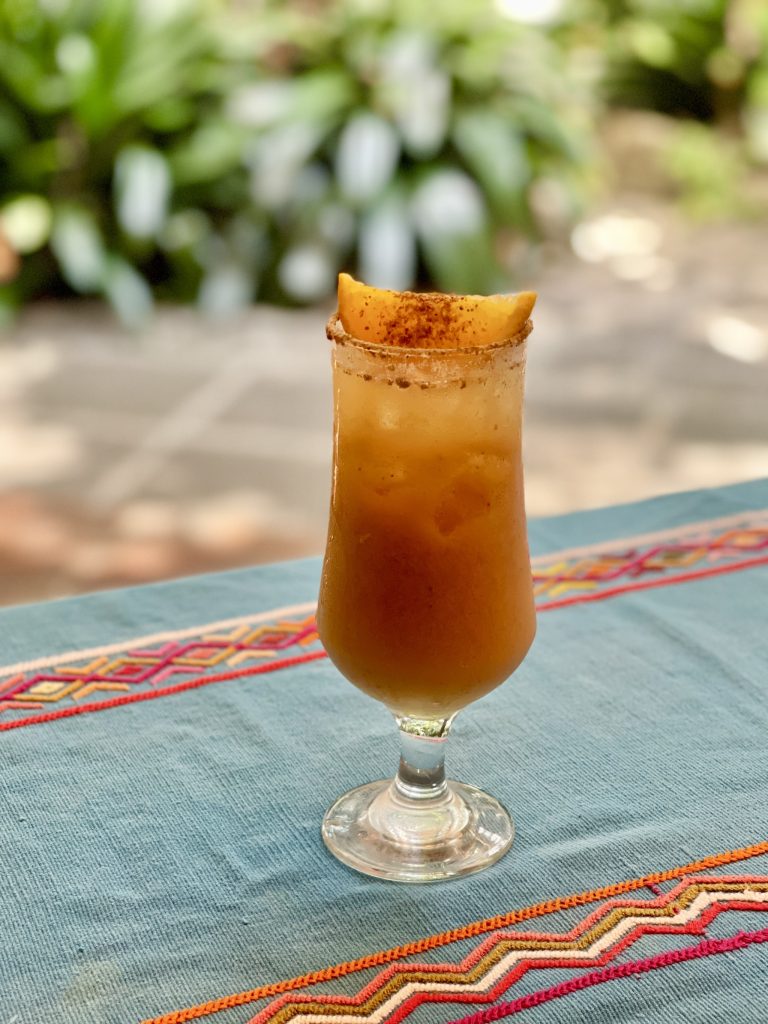
If you’ve spent any time around Guatemalan food you already know pepita is everywhere. In pepián, in salsas, ground up and sprinkled over mangoes at market stalls with chili and salt. So it makes complete sense that someone turned it into a drink too. Once you taste it, it makes total sense.
What Is Fresco de Pepita? Guatemala’s Toasted Squash Seed Drink
Fresco de pepita, also called fresco de pepita de ayote, is a traditional Guatemalan drink made from toasted squash seeds that are ground or blended smooth, mixed into cold sweetened water, and served over ice. The base recipe is just three ingredients: seeds, water, and sugar. Some families add cinnamon, toasted rice, or a splash of milk to make it a little richer. Some versions are thin and light; others have more seeds and more body. Both are good and both are traditional.
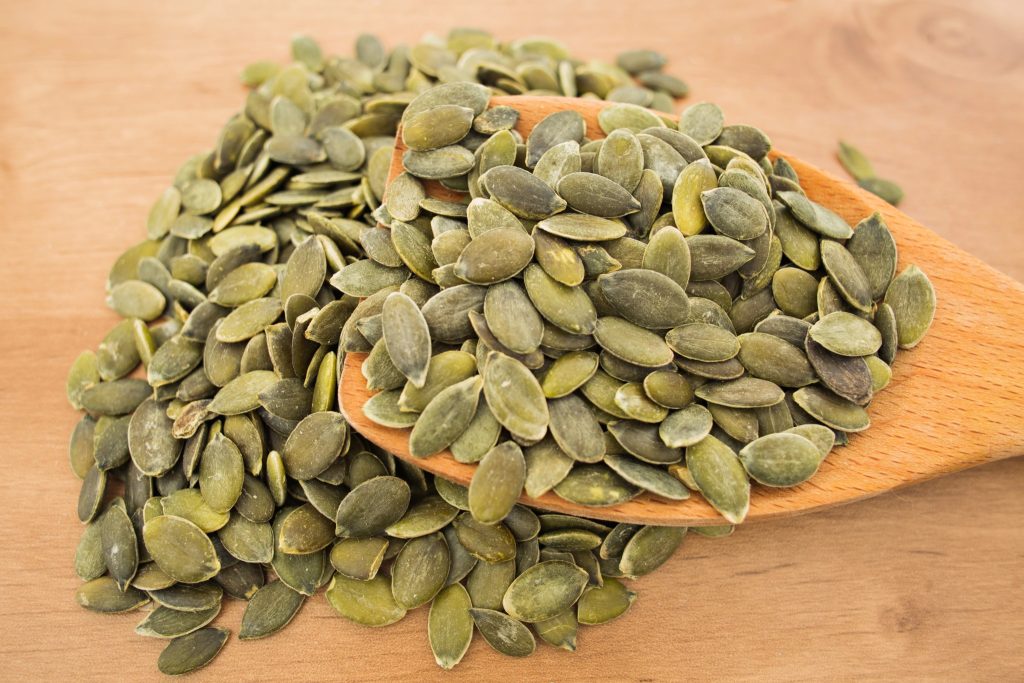
What makes it different from other Guatemalan frescos is the ingredient itself. Pepita de ayote — the flat, slightly green seeds from the ayote squash — is one of the most deeply Guatemalan ingredients there is, going back centuries before the Spanish arrived. Toasting them before blending is what makes the whole drink work. Raw seeds taste like nothing much. Toasted seeds have a warm, nutty flavor that carries the whole fresco.
What Does Fresco de Pepita Taste Like?
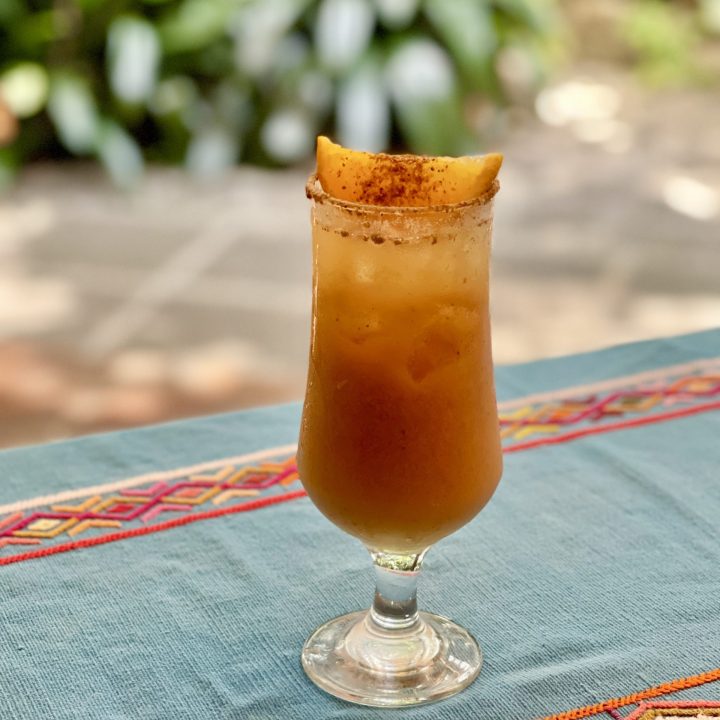
Nutty, lightly sweet, with a warm earthy undertone from the toasted seeds. It’s not heavy — the texture is somewhere between a light agua fresca and a seed milk, depending on how many seeds you use. The color is a pale amber-gold, a little like lightly steeped tea.
The toasted pepita flavor is the main event. It’s subtle but it’s there in every sip, warm and a little roasted. Add cinnamon and it gets more complex and aromatic. The versions without milk are lighter and more refreshing; with a splash of milk they have more body.
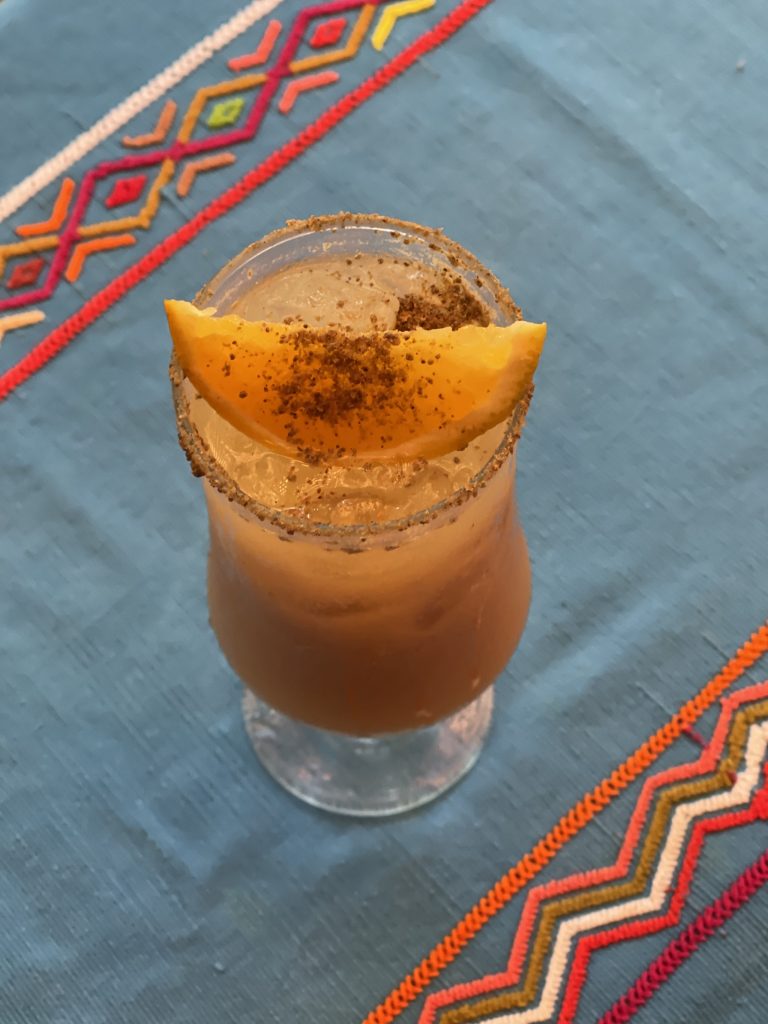
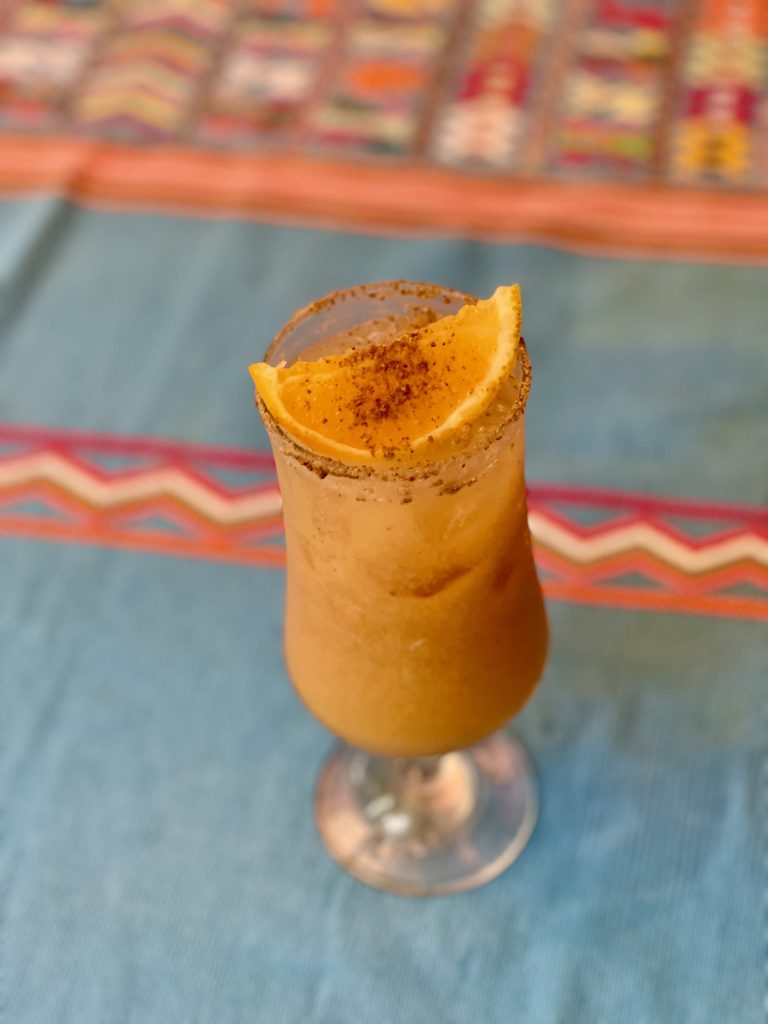
What really works here is the combination with fresh orange wedges, a spiced pepita rim, and a dusting of tajin or chili. The sweetness of the orange with the nutty, slightly earthy fresco and the chili-salt on the rim is a very Guatemalan flavor combination, the same logic behind the pepita sprinkled on fruit at market stalls. It tastes great and it looks beautiful, which is the best possible outcome.
The History and Origins of This Traditional Guatemalan Drink
Fresco de pepita goes back to the Maya. Ayote was one of the foundational crops of Mesoamerican agriculture, grown alongside corn and beans, and its seeds were used in cooking, ceremonies, and drinks long before the Spanish arrived. Pepita de ayote shows up in the Popol Vuh as one of the foods exchanged in important ceremonial moments, which gives you a sense of how valued these seeds were.
The tradition of grinding seeds and mixing them with water is one of the oldest forms of drink-making in Guatemalan food culture. Fresco de pepita fits naturally into the same lineage as tiste, atoles, and other seed and grain-based beverages that have been made here for centuries.
Guatemala’s Ministry of Culture documents fresco de pepita in their Sistema de Información Cultural as a traditional drink of Zacapa and Chiquimula, with the recipe compiled by Yolanda Estela Hernández Solórzano. Eastern Guatemala has a very distinct food identity, and this fresco is one of its most characteristic drinks.
Where in Guatemala Is Fresco de Pepita Most Popular?
Zacapa and Chiquimula. That’s where this fresco is most at home — at market stalls, in family homes, made the way it’s always been made. The same region also gave us fresco de tiste, which makes sense: the eastern departments have been doing interesting things with seeds and grains for a very long time.
Both departments have a hot, dry climate — some of the hottest in Guatemala — and a cold, light fresco is exactly what you want there. If you’ve ever been to a market in Zacapa or Chiquimula and seen those big glass barriles lined up on the counter with different frescos in different colors, the pale amber-gold one is probably this.
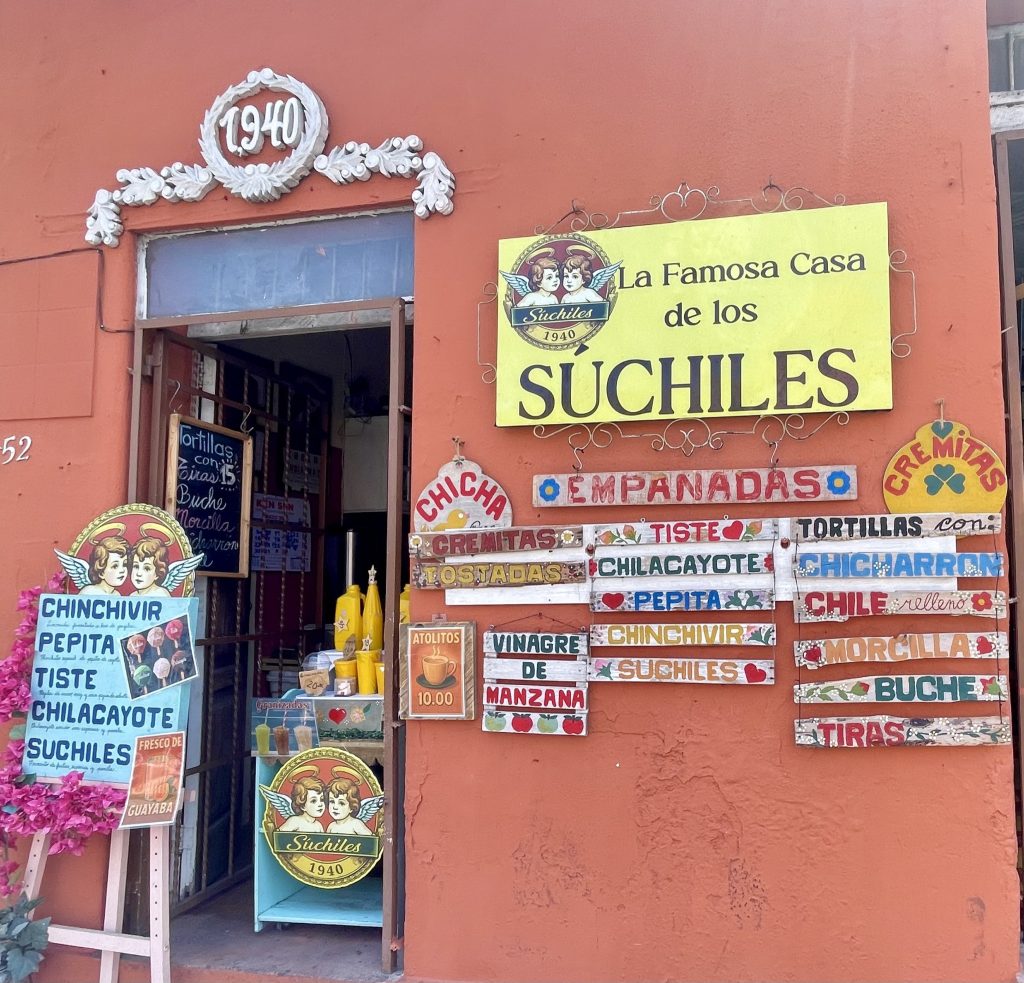
You’ll also find it at the Casa de los Súchiles in Guatemala City’s Zona 1, alongside tiste, chinchivir, and the other eastern frescos.
Ingredients for Making Fresco de Pepita
Based on the traditional recipe documented by Guatemala’s Ministry of Culture (SIC), attributed to Yolanda Estela Hernández Solórzano, with common home variations included.
Basic traditional recipe (yields approximately 4 glasses):
- 4 ounces (about 1 cup) pepita de ayote — raw hulled squash seeds
- 3 liters cold water
- Sugar to taste
Optional additions:
- 1 cinnamon stick (add to the blender — worth it)
- A splash of milk in place of some of the water
- 2 tablespoons toasted rice blended in for more body
For the garnished presentation:
- Spiced rim: ground toasted pepita, ground cinnamon, and a pinch of chili powder or tajín
- Fresh orange wedges or slices
- Extra cinnamon for dusting
On finding pepita de ayote: Raw hulled squash seeds are available at most Latin grocery stores and sometimes in the bulk section at larger stores. Look for the flat, greenish seeds — not the small dark ones in the spice aisle. Pepitoria works too and is easier to find in some Guatemalan specialty markets.
How to Make Fresco de Pepita
Prep time: 10 minutes Cook time: 5 minutes Total time: 15 minutes, plus chilling time Yield: 4 glasses
Step 1: Toast the seeds. In a dry skillet or comal over medium heat, toast the seeds, stirring constantly, for about 4 to 5 minutes until golden and fragrant. Don’t walk away — they go from done to burnt quickly. The moment they smell nutty and start to pop a little, take them off the heat and let them cool.
Step 2: Blend. Add the cooled seeds to a blender with 1 cup of the water (and the cinnamon stick if using). Blend on high for at least 2 full minutes until completely smooth.
Step 3: Strain. Pour through a fine mesh strainer or cheesecloth into a large pitcher, pressing the solids to get everything out. The solids can be saved — the paste is good stirred into oatmeal or spread on toast.
Step 4: Mix and sweeten. Add the remaining cold water to the pitcher. Sweeten to taste starting with 3 tablespoons of sugar. If using milk, add it now in place of some of the water. Stir well.
Step 5: Serve. Serve cold over ice. For the garnished version, mix ground toasted pepita, cinnamon, and a pinch of chili on a small plate. Wet the rim of the glass and press it into the mixture. Add ice, pour the fresco, and garnish with a slice of fresh orange wedges dusted with a little tajin or chili.
Tips for Making the Best Fresco de Pepita
Toast the seeds properly. This is the most important step. Raw seeds make a flat, bland drink. Toasted seeds make a good one. Four to five minutes on medium heat with constant stirring, pulled off the moment they smell nutty.
Blend the full two minutes. A quick blend leaves the fresco gritty. Two minutes on high gets you something smooth that strains cleanly.
Strain well. Press the solids down firmly to extract all the flavor. Cheesecloth gives you a cleaner result than a mesh strainer on its own.
Add the cinnamon. One stick blended in with the seeds is the single best variation you can make to the basic recipe. It adds warmth and rounds out the flavor.
Adjust the seed-to-water ratio. More seeds gives you more flavor and more body. More water makes it lighter and more refreshing. Taste and adjust.
The garnish is worth doing. The combination of the spiced pepita rim, fresh orange wedge, and tajin makes the drink look beautiful and the flavors all work together — it’s the same pepita-on-fruit instinct you see at Guatemalan market stalls, just in a glass.
It keeps well. Make a bigger batch. It keeps in the fridge for up to 2 days and the flavor is actually better the next day.
More Traditional Guatemalan Drinks You’ll Love
Agua de Horchata: Guatemala’s other great seed-based fresco — rice and cinnamon, made distinctive by toasted pepitoria seeds. If you liked fresco de pepita, start here.
Fresco de Tiste: The other iconic eastern Guatemala drink — toasted cacao and corn ground with cinnamon and cloves. Pre-Columbian and completely its own thing.
Fresco de Suchiles: Guatemala City’s fermented Semana Santa drink made with pineapple, toasted corn and barley, tamarind, panela, and medicinal roots.
Fresco de Chinchivir: Antigua’s traditional spiced lemon and ginger drink. Sharp, bright, and perfect for hot days.
Fresco de Chilacayote: A gently spiced squash drink made with panela, cinnamon, cloves, and ginger. Golden amber and delicious cold.
Rosa de Jamaica: The classic ruby hibiscus agua fresca. Tart, floral, and perfect year-round.
Have you tried fresco de pepita before? Is it something you grew up with, or are you discovering it for the first time? Leave a comment and let me know. And if you make this recipe — especially with the garnished presentation — come back and tell me how it went.
Fresco de Pepita Recipe
Fresco de pepita is a traditional Guatemalan drink from Zacapa and Chiquimula, made by toasting pepita de ayote (squash seeds), blending them smooth, and mixing into cold sweetened water. It's nutty, lightly sweet, and refreshing — one of Guatemala's oldest seed-based drinks with roots going back to the Maya. Serve it simply over ice, or dress it up with a spiced pepita rim, an orange slice, and a dust of tajin for a beautiful presentation.
Ingredients
- Basic recipe:
- 4 ounces (about 1 cup / 115g) raw hulled squash seeds (pepita de ayote)
- 3 liters cold water
- Sugar to taste (start with 3 to 4 tablespoons)
- Optional additions:
- 1 cinnamon stick (add to blender)
- Splash of milk (substitute for some of the water)
- 2 tablespoons toasted rice (blend in for extra body)
- For garnished presentation:
- 1 tablespoon ground toasted pepita
- ½ teaspoon ground cinnamon
- Pinch of chili powder or tajín
- Fresh orange wedges or slices
- Extra tajin for dusting
Instructions
- In a dry skillet or comal over medium heat, toast the squash seeds, stirring constantly, for 4 to 5 minutes until fragrant and lightly golden. Do not burn. Remove from heat and cool.
- Add cooled seeds to a blender with 1 cup of the water (and cinnamon stick if using). Blend on high for at least 2 minutes until completely smooth.
- Pour through a fine mesh strainer or cheesecloth into a pitcher, pressing the solids to extract all the liquid.
- Add remaining cold water. Sweeten to taste with sugar. Add milk now if using. Stir well.
- Serve cold over ice.
- For the garnished version: mix ground pepita, cinnamon, and chili or tajin on a small plate, wet the glass rim and press into the mixture. Add ice, pour the fresco, and garnish with an orange wedge dusted with the same mixture.
Notes
Toast the seeds well. Most important step. Raw seeds = flat drink. Toasted seeds = good drink. Medium heat, constant stirring, 4 to 5 minutes.
Full 2 minutes in the blender. Less leaves grit. High speed, full time.
Strain and press. Push the solids down firmly. Cheesecloth gives the cleanest result.
Add cinnamon. One stick blended in makes a real difference.
Adjust thickness. Less water = more flavor and body. More water = lighter and more refreshing.
Storage: Keeps refrigerated up to 2 days. Stir before serving as it settles.
Scale up: The SIC traditional recipe uses 4 ounces seeds per 3 liters water. Scale proportionally for larger batches.
Nutrition Information:
Serving Size: 1 glassAmount Per Serving: Calories: 145Total Fat: 8gSaturated Fat: 1gTrans Fat: 0gUnsaturated Fat: 7gCholesterol: 0mgSodium: 10mgCarbohydrates: 16gFiber: 1gSugar: 13gProtein: 5g
Compensated affiliate links may be used in this post. As an Amazon Associate and member of other affiliate programs, I earn from qualifying purchases.

Paula studied architecture and now makes a living as a freelance writer,traveler and amateur photographer.She started her writing & publishing career as the editor of Bebé y Mamá, the first parenting magazine in Guatemala.She is the founder of www.GrowingUpBilingual.com and www.365thingsswfl.com and writes articles in Spanish and English for both magazines and the web on travel,food and bicultural and bilingual parenting .
When she is not on a plane or road trip she likes to create recipes inspired in the flavors of her native Guatemala.

