This post is also available in:
Indigenous Peoples’ Day is a great excuse to sit down as a family and talk about a date that, for a long time, was told almost entirely from the deck of Columbus’s ships. I prefer to tell the story from the other side: from the peoples who were already living in the Americas and who are still here today. In this article, I share a little history, ideas for talking about Indigenous Peoples’ Day with your kids, and crafts that celebrate the art and traditions of Indigenous cultures across the Americas.
What Is Indigenous Peoples’ Day?
Indigenous Peoples’ Day is observed on the second Monday of October, the same day as Columbus Day. In 2026, it falls on Monday, October 12, exactly on the anniversary of Columbus’s arrival in 1492. The day honors the histories, cultures, and continued presence of Indigenous peoples in the Americas.
Berkeley, California, was the first city to officially observe Indigenous Peoples’ Day in 1992. Since then, more than 200 cities and a growing number of states have adopted it, either in place of Columbus Day or alongside it. It isn’t a federal holiday, and Columbus Day is still the official federal holiday, but in 2021 the White House issued the first presidential proclamation recognizing Indigenous Peoples’ Day.
What Happened on October 12, 1492?
On October 12, 1492, Christopher Columbus reached a Caribbean island that its inhabitants, the Lucayan people, called Guanahaní. Columbus renamed it San Salvador. That day marked the beginning of contact between Europe and the Americas, and with it, the conquest and colonization of the continent.
For Indigenous peoples, what came next meant war, disease, forced labor, and the loss of their lands. But it’s also a story of resistance. Millions of Indigenous people across the Americas still speak their languages, weave, farm, and celebrate their traditions. In Guatemala, for example, 22 Mayan languages are spoken, along with Xinka and Garífuna.
Día de la Raza: How Latin America Marks October 12
In much of Latin America, October 12 has traditionally been called Día de la Raza. The name became popular in the early 20th century. In Spain, it was promoted by Faustino Rodríguez-San Pedro, then president of the Unión Iberoamericana, and in 1917 Argentina declared October 12 a national holiday under the name Día de la Raza. Today in Spain, October 12 is the Fiesta Nacional, also known as Día de la Hispanidad.
Over the years, many Latin American countries renamed the day to put Indigenous peoples and cultural diversity at the center:
- Costa Rica: Día de las Culturas (Day of Cultures), since 1994.
- Venezuela: Día de la Resistencia Indígena (Day of Indigenous Resistance), since 2002.
- Ecuador: Día de la Interculturalidad y la Plurinacionalidad (Day of Interculturality and Plurinationality).
- Bolivia: Día de la Descolonización (Decolonization Day).
- Peru: Día de los Pueblos Originarios y del Diálogo Intercultural (Day of Indigenous Peoples and Intercultural Dialogue).
- Mexico: Día de la Nación Pluricultural (Day of the Multicultural Nation).
Other countries still use the name Día de la Raza, and the topic continues to spark a lot of debate. If you read Spanish and want to learn more about how each country marks the date, this article from elDiario.es explains it really well.
How to Talk to Kids About Indigenous Peoples’ Day
This date is a great opportunity to teach our kids to respect all people, no matter the color of their skin, their language, their culture, or where they come from. All human beings are equal, and the idea that some races are superior to others was used for centuries to justify a lot of injustice.
Here are some ideas for talking about it at home:
- Tell the story from both sides. Ask your kids who was living in the Americas before 1492 and how they think those people felt when they saw the ships arrive.
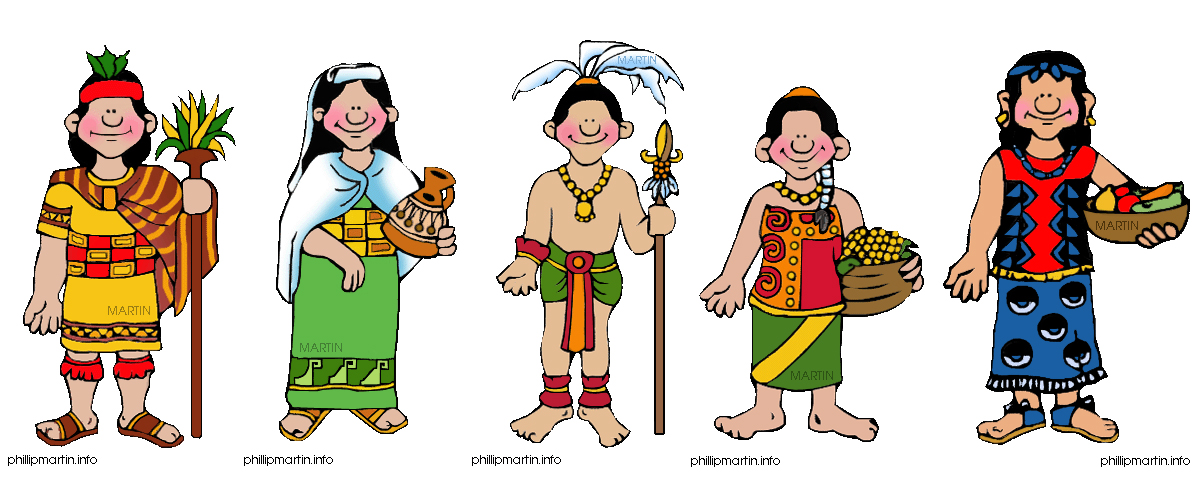
- Talk about Indigenous peoples in the present tense. The Maya didn’t disappear. Today they live in Guatemala, Mexico, and Belize, among other places, and many still speak their language and wear their traditional clothing.
- Look for words that come from Indigenous languages. Chocolate, tomato, and avocado all come from Nahuatl. It’s a fun way to show kids that these cultures are part of our everyday lives.
- Connect with your roots. Ask grandparents where the family comes from, what foods they used to make, and what traditions they remember.
- Make something together. A craft is an easy way to start the conversation, and you’ll find plenty of ideas below.
Latin Americans are the heirs of Indigenous, African, European, Asian, and many other peoples. Feeling proud of those roots starts with getting to know them.
Indigenous Peoples’ Day Crafts That Celebrate Native Cultures
These crafts for kids put the art, symbols, and traditions of Indigenous peoples of the Americas at the center. There are options for all ages, from little ones to older kids who already know how to sew.
Paper Mayan Pyramid
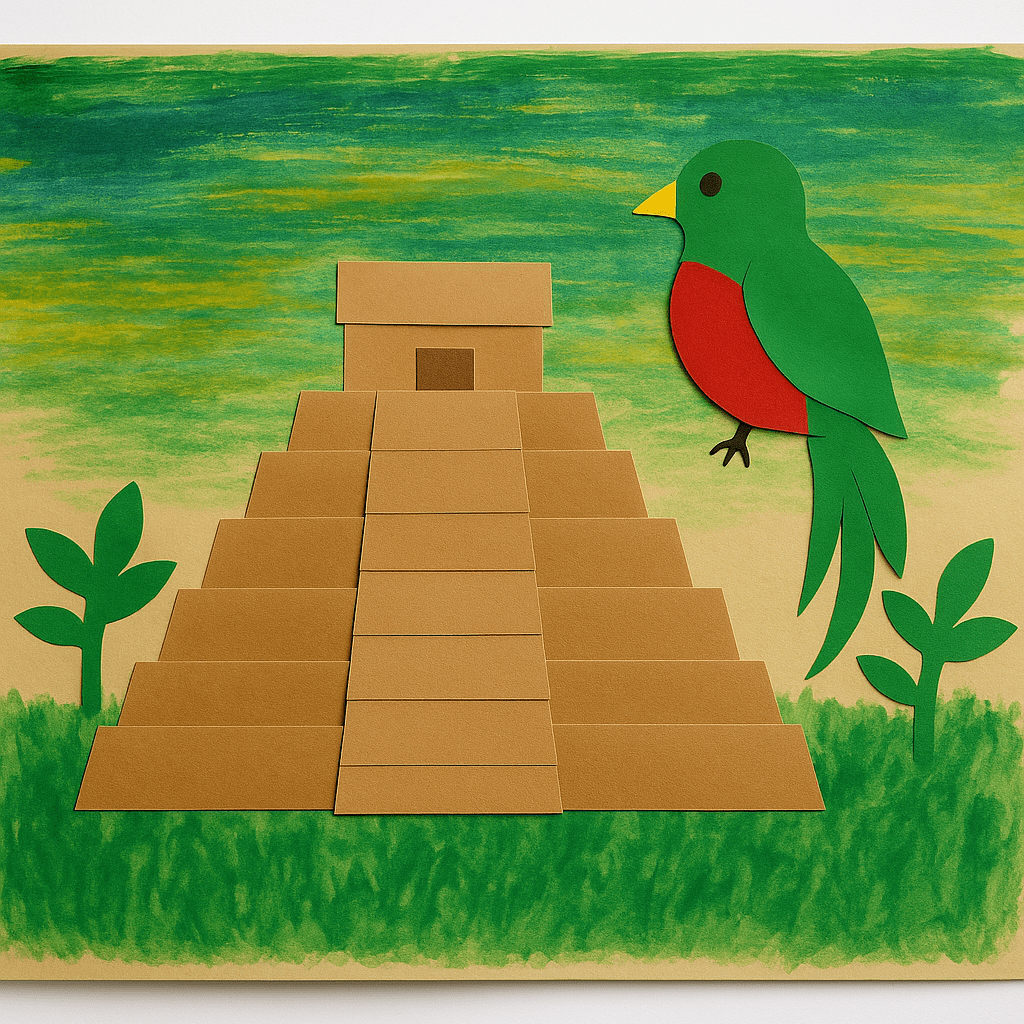
The Maya built impressive cities like Tikal, Yaxhá, and El Mirador, right here in Guatemala. Using brown paper rectangles, each one a little smaller than the last, your kids can build their own step pyramid and see what these temples looked like. The idea also includes a quetzal, the sacred bird of the Maya. You’ll find the full instructions in my post on how to make a Mayan pyramid craft for kids.
Guatemalan Worry Dolls
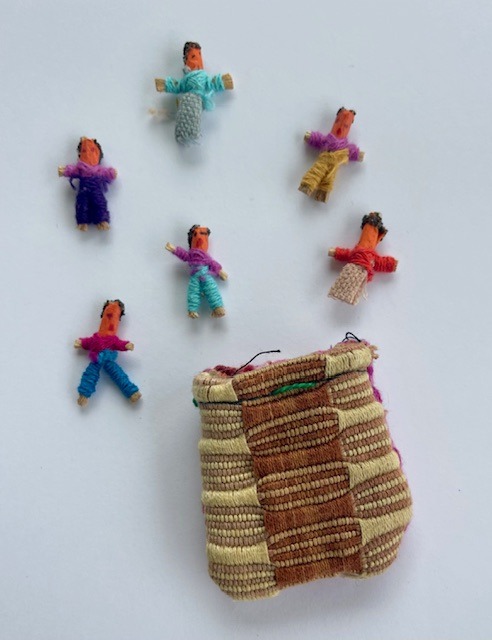
Worry dolls come from the Mayan communities of Guatemala’s highlands. Tradition says you tell them your worries before bed, put them under your pillow, and by morning your worries are gone. They’re made with pipe cleaners and colorful yarn, and they’re a sweet way to talk with kids about their feelings. Here’s my step-by-step guide on how to make Guatemalan worry dolls.
Guatemalan Friendship Bracelet
As a girl, I spent hours making these bracelets with my friends in Guatemala. They’re made with colorful threads and knots, each color has its own meaning, and giving one to someone is a way of telling them you care. It’s a perfect craft for kids who already have a bit of patience with their hands. See how to make a Guatemalan friendship bracelet.

Muñeca María Rag Doll
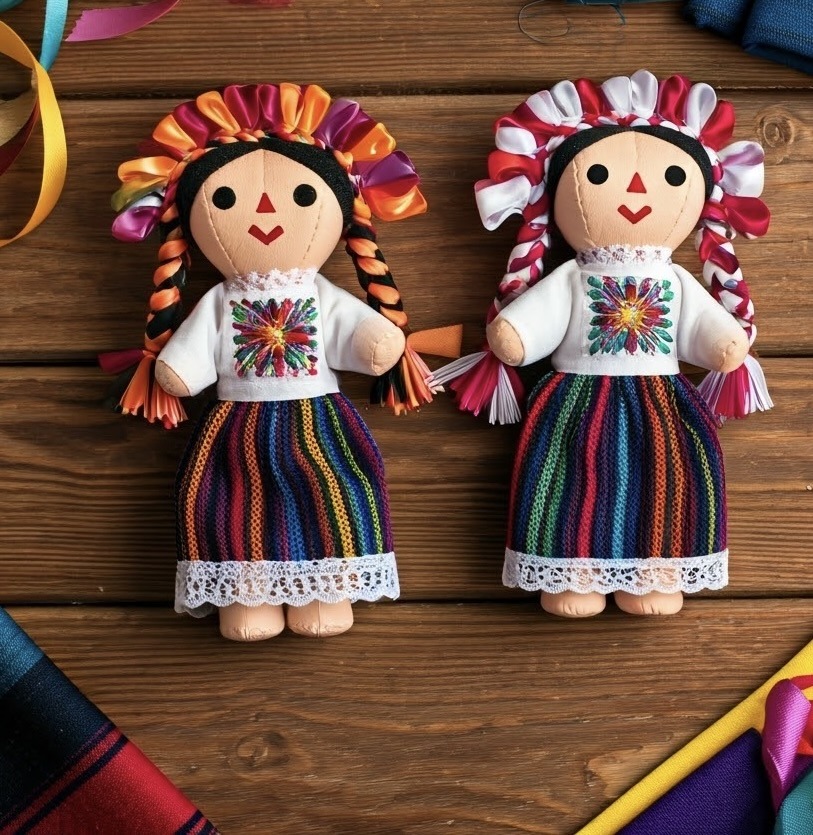
Muñecas Marías are rag dolls made by Otomí and Mazahua artisans, especially in Amealco, Querétaro, in Mexico. They have long braids tied with ribbons and colorful dresses inspired by the traditional clothing of Indigenous women. It’s an easy sewing project for older kids. Find the instructions to make a traditional Mexican muñeca María.
Paper Tube Quetzal
The quetzal is Guatemala’s national bird and was sacred to the Maya, who used its green feathers in their rulers’ headdresses. With a toilet paper tube and green and red tissue paper, kids can make their own flying quetzal. Here’s the step-by-step for this quetzal craft for kids.
Guatemalan Kites (Barriletes)
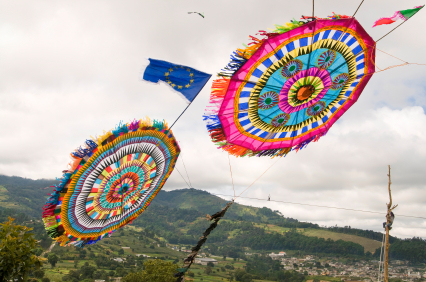
In Sumpango and Santiago Sacatepéquez, Kaqchikel communities near Antigua Guatemala, giant kites are flown every November 1 to honor loved ones who have passed away. In 2024, UNESCO recognized this tradition as Intangible Cultural Heritage of Humanity. With tissue paper, bamboo sticks, and string, your kids can make their own kite at home. You’ll find an easy version in my list of Guatemalan crafts for kids, and if you want to share the story behind them, here’s the history and meaning of Guatemala’s giant kites.
Paper Guna Mola
Molas are textile panels made by Guna women in Panama and Colombia. They’re created by layering colorful fabrics and then cutting and stitching them to form animals, plants, and geometric designs. Kids can make their own version by cutting and gluing layers of colored paper onto black cardstock. The Lam Museum of Anthropology at Wake Forest University has a great guide to make a paper mola.
Huichol Yarn Painting
The Wixárika people, known as the Huichol, live in Mexico’s Sierra Madre Occidental, in states like Nayarit, Jalisco, Zacatecas, and Durango. They’re famous for their yarn paintings: they cover a board with beeswax and press colorful yarn onto the design. Kids can make a simple version with cardboard, glue, and yarn. The same museum has instructions to create a Huichol yarn painting.
Taíno Petroglyph Rocks
The Taíno and Lucayan peoples were the first to meet Columbus in the Caribbean. They carved designs into rocks near rivers and caves, with symbols like frogs, the sun, and human figures. For this craft, all you need are smooth rocks, permanent markers, and Taíno symbols as a guide. Kid World Citizen explains how to make Taíno petroglyphs with kids.
Inca Yarn Quipu
The Inca didn’t use writing the way we know it, but they kept records with quipus: colorful cords with knots that represented numbers. Making a quipu with yarn is a fun way to mix history and math, since the position of each knot marks ones, tens, and hundreds. Kids Discover has several activities about the Inca, including how to make and read a quipu.
More Ideas to Celebrate Our Roots
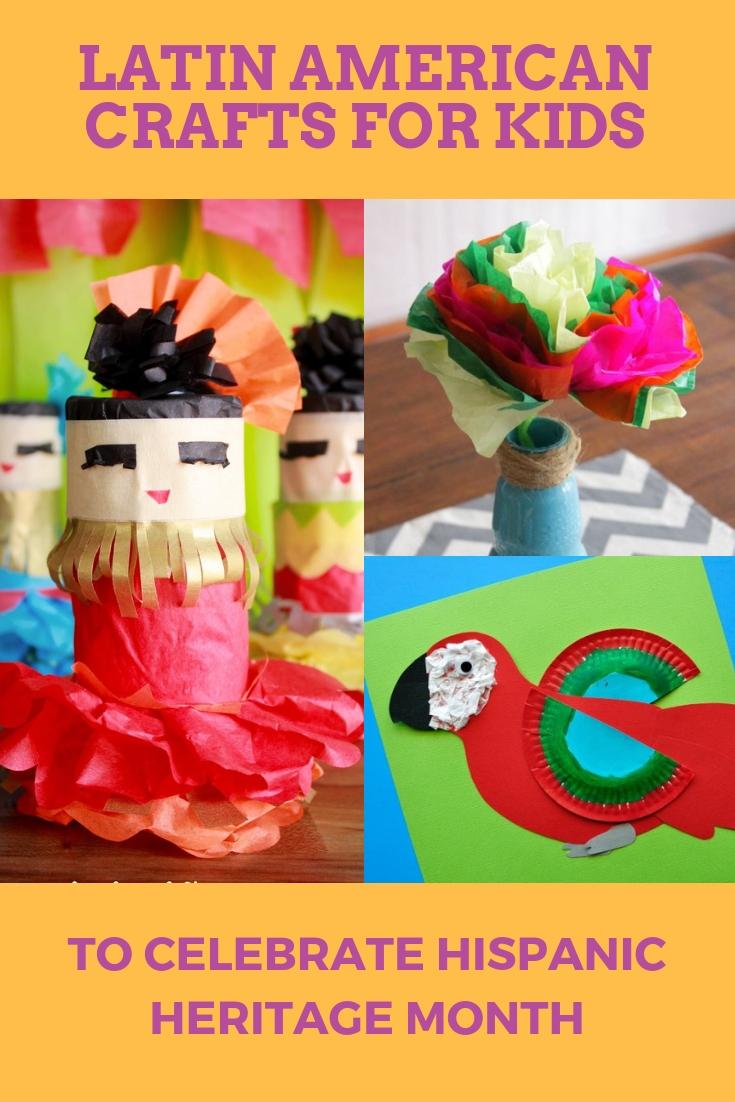
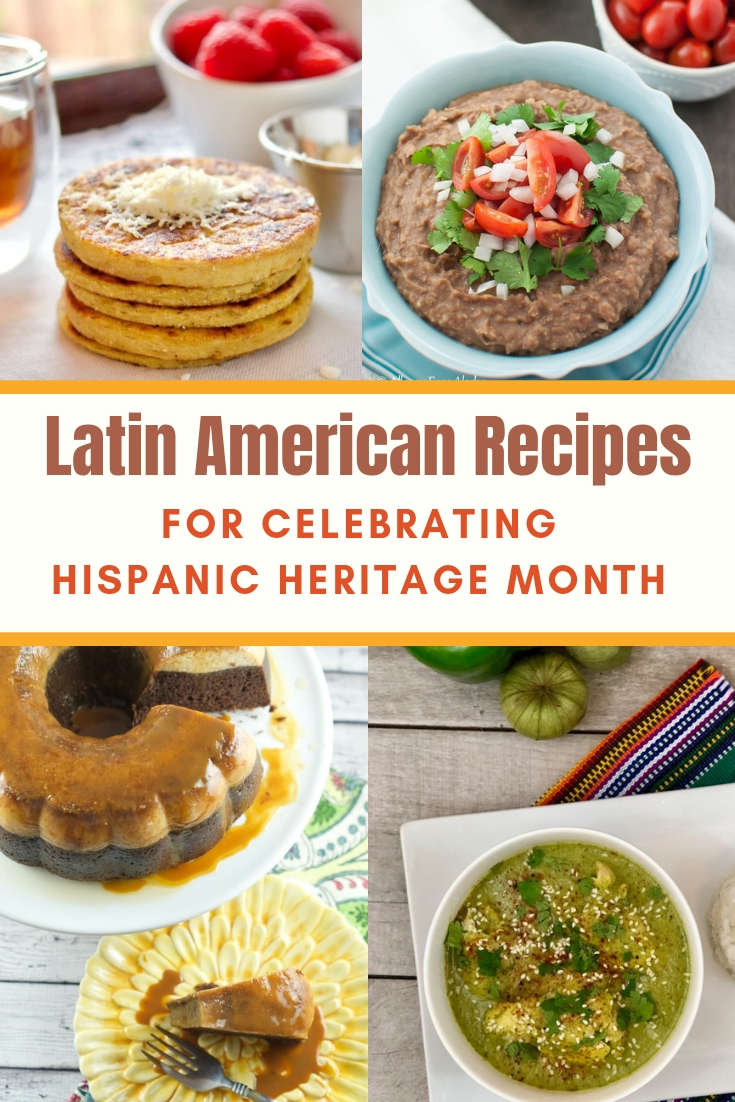
If you want more, here are more Latin American crafts for kids, my list of Guatemalan crafts and activities, and some Latin American recipes to cook together as a family.
Through her writing, Paula helps travelers discover Guatemala beyond the typical tourist route with practical advice, local recommendations, and authentic experiences that connect visitors with the country’s people, culture, and traditions.
Planning a trip to Guatemala? Paula offers personalized Guatemala itinerary planning and trip consultation services tailored to your interests, travel style, and budget. Contact her at [email protected] to learn more.
- San Lucas Tolimán Guatemala: Lake Atitlán’s Best-Kept Secret - September 24, 2026
- Hotel Tolimán Lake Atitlán: A Special Stay in San Lucas Tolimán - September 24, 2026
- Guatemala Dreams in San Lucas Tolimán: A Boutique Stay on Lake Atitlán - September 23, 2026


Muy buenas ideas todas y creo que es una magnifica oportunidad para enseñar sobre nuestra cultura y nuestras raíces a nuestros hijos.