La Quema del Diablo is one of the first Guatemalan Christmas traditions that truly marks the beginning of the season, and it is also one of the most fascinating. When people ask me what La Quema del Diablo is, why Guatemalans burn the devil, or what the meaning of La Quema del Diablo really is, I always go back to my childhood memories. I grew up in Guatemala, and every year on December 7, the whole neighborhood stepped outside to watch the flames rise and the devil burn.
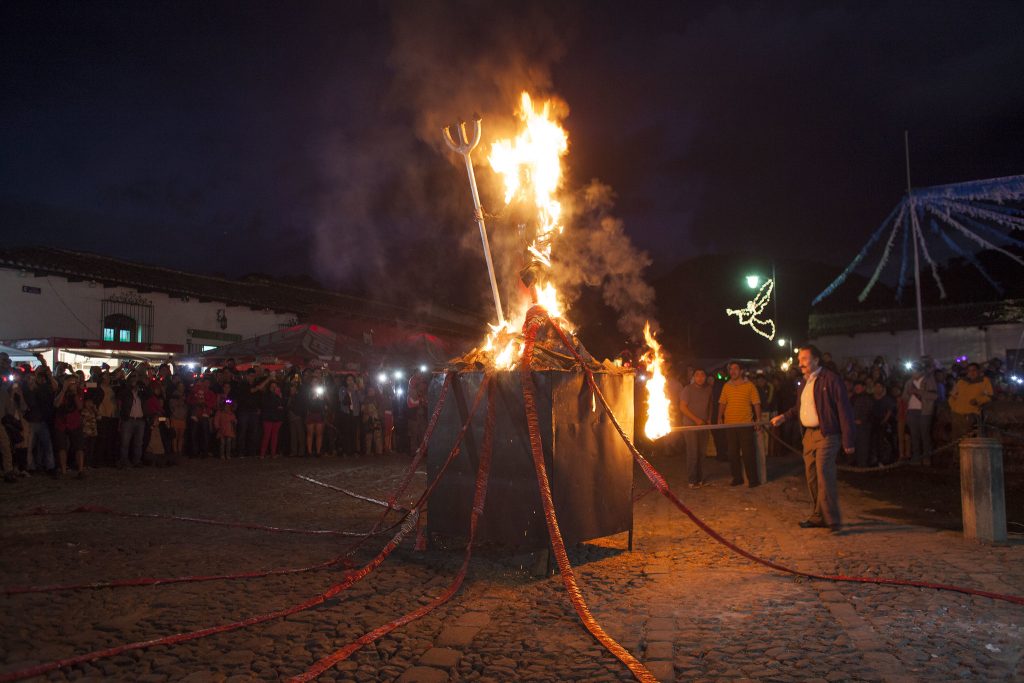
What many people do not realize is that this tradition dates back to the sixteenth century, during the early colonial period. Before electricity, Guatemalans lit their homes with candles and small oil lamps, which produced soot. As the Feast of the Immaculate Conception approached on December 8, families performed a deep cleaning of their homes. Old papers, worn-out objects, and anything considered “impure” were burned outside as a symbolic act of purification. Street bonfires also helped illuminate the route of religious processions at night, and over time these small fires evolved into the ritual we now know as La Quema del Diablo. Burning the devil became a way to represent clearing out the old and preparing spiritually for the Christmas season.
If you have never experienced Burning of the Devil, imagine the smell of smoke mixing with the cool December air, the sound of children laughing, and the loud snapping of firecrackers and metralletas running down the street. Mixed with these are volcanos, star showers, estrellitas, and other small fireworks that glow at ground level. On this night, it feels like the entire country takes a deep breath together and releases the weight of the year.
This tradition has survived for centuries, and today it continues to evolve with modern creativity, political humor, and community celebrations. I want to share what this tradition means, what its history is, how Guatemalans celebrate it today, and why it still matters so much.
What Is La Quema del Diablo
La Quema del Diablo, or Burning of the Devil, is a tradition where families and communities burn a devil figure, a devil piñata, or a small pile of paper and cardboard to symbolically remove negativity and prepare for the Christmas season.
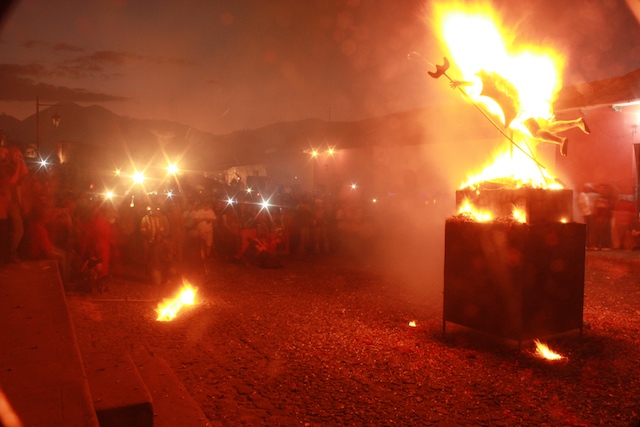
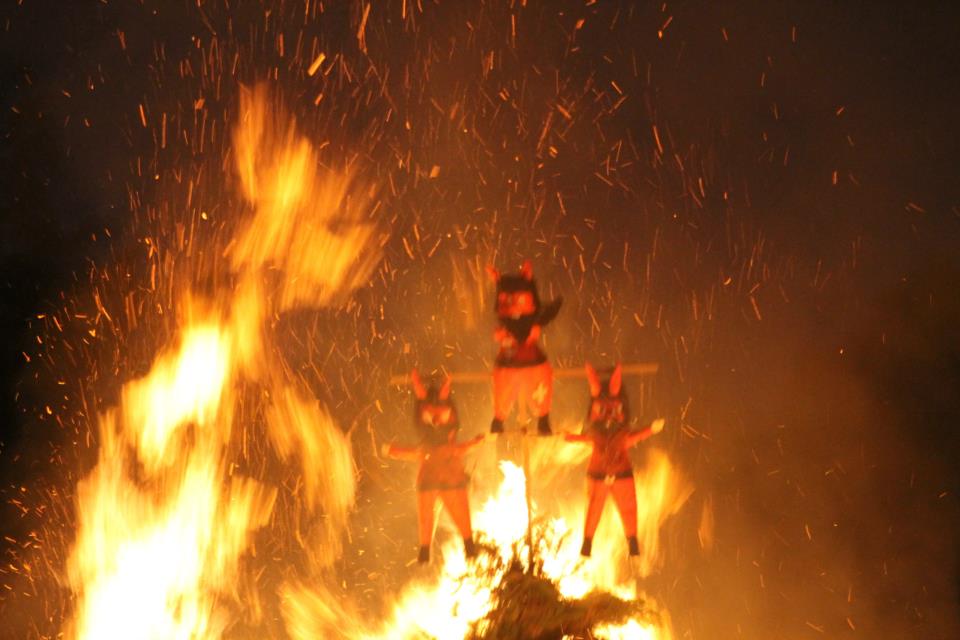
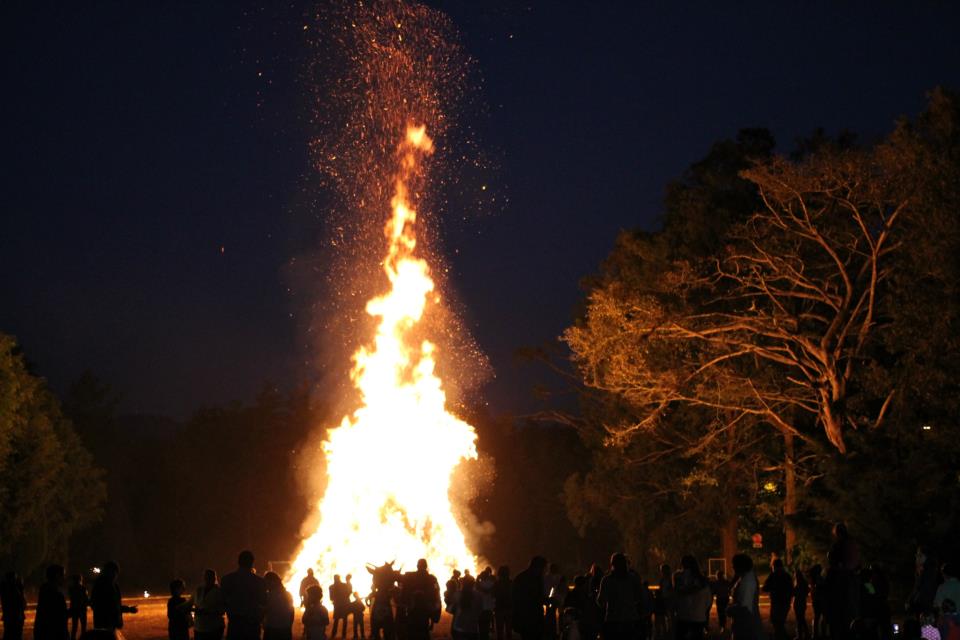
When I was young, I watched neighbors gather old notebooks, cardboard, and dried branches. Some families placed a small devil on top of the pile, while others saved up to buy a bigger piñata with bright red horns. At exactly six in the evening, someone lit the match and the fire took off. Sparks floated up like tiny glowing flecks and the warmth of the flames touched our faces. All around us we heard the steady pop pop pop of firecrackers, the long rattle of metralletas, and the whoosh of a volcano firework beginning to glow.
If you want to feel the nostalgia and see how it looked in the past, I share many of my childhood memories in my article that talks about my memories of celebrating La Quema del Diablo and how the burning of the devil may be a dying tradition.
When Is Burning of the Devil Celebrated
Burning of the Devil takes place every year on December 7 at six in the evening. This date falls right before the Feast of the Immaculate Conception, which is celebrated on December 8.
Growing up, I always felt like this was the true start of Christmas. Earlier that day, people cleaned their homes and decorated with pine branches, nacimientos, and lights. Street vendors began selling churros and atoles, and families visited the markets to buy last-minute devil piñatas.
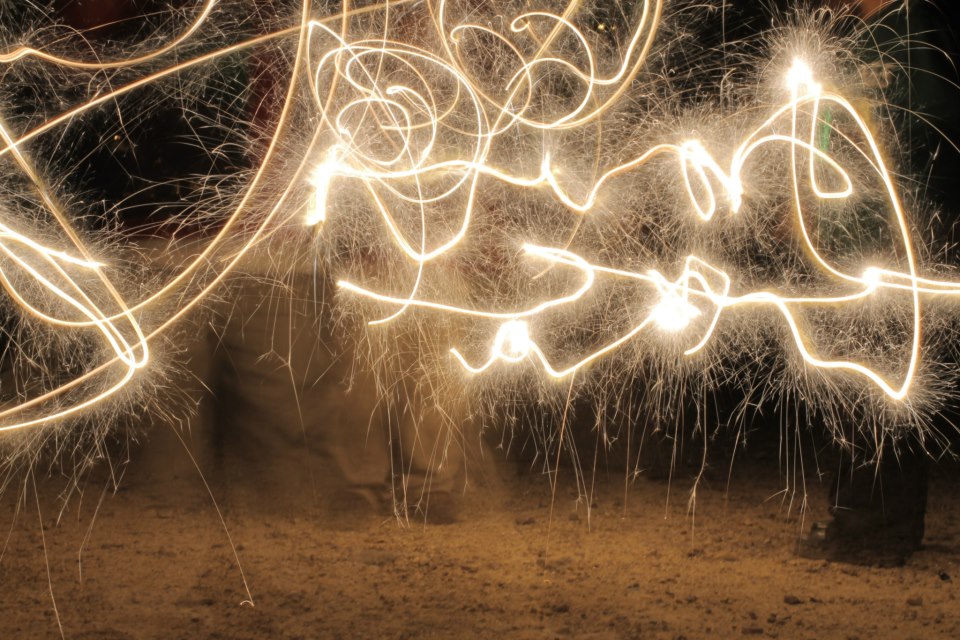
By the time the sun set, the entire city buzzed with energy. Children grabbed sparklers. Metralletas and firecrackers echoed in the background. Adults gathered in small groups, waiting for the moment when everything would ignite.
It is one of the earliest and most meaningful Guatemalan Christmas traditions. If you want to learn how it fits into the rest of the season, you can read more in my article on Guatemalan Christmas traditions.
Why Do Guatemalans Burn the Devil
People often ask why Guatemalans burn the devil and what the meaning behind the Burning of the Devil is. The answer is simple and symbolic. Fire cleanses. Burning the devil represents letting go of everything negative from the year. It is a way to begin the holiday season feeling lighter.
Historically, the devil figure was added as a symbol of evil, sin, or negative energy that needed to be expelled before the religious celebrations of December. In colonial Guatemala, fire was believed to purify the soul and restore spiritual order, representing the triumph of good over evil. This explains why the ritual always takes place on the eve of the Immaculate Conception: it served as a spiritual “reset,” clearing away anything associated with darkness before honoring the Virgin Mary the following day.
In the past, people believed that fire removed evil or misfortune. Today, the meaning is more personal. You are symbolically releasing stress, sadness, fear, and anything heavy that has followed you through the year.
As a child, I did not think about symbolism. I only cared about the excitement. The sound of firecrackers, the glow of volcanos, the rattling metralletas, and the cheering of kids made the night feel alive. But as an adult, I understand why families keep this tradition. It gives us a sense of renewal and reminds us that we can always start fresh. Still, this tradition has changed a lot throughout my lifetime. There are fewer bonfires and more piñatas, which get more creative each year, and some people don’t even burn the piñata anymore. The symbolism is still there, but the tradition has evolved.
The History and Origins of the Tradition
The origin of La Quema del Diablo goes back to colonial times. Before electricity, homes were lit with candles and small oil lamps that produced soot. As December began, families cleaned their homes for the December 8 celebration of the Virgin Mary. They collected dust, paper, and scraps, then burned everything outside.
According to historians, this ritual began in the sixteenth century as a way to prepare both physically and spiritually for the Christmas season. Because there was no public lighting, bonfires were set in the streets to illuminate the processions of the Virgin. Over time, these fires became linked with the idea of burning away impurities. People would throw out old newspapers saved throughout the year, broken objects, and anything seen as carrying bad energy. The act of burning these items symbolized purification, renewal, and the removal of anything associated with misfortune or evil.
The practice slowly became a symbolic cleansing ritual. The devil figure appeared later and represented anything people wanted to remove from their lives. By the late 1800s, neighborhoods turned the event into a public celebration with bonfires, music, and gatherings.
The tradition grew so deeply rooted in Guatemalan culture that the related religious observances were eventually recognized as one of the oldest processional traditions in the Americas. Today, La Quema del Diablo is officially considered part of Guatemala’s Intangible Cultural Heritage, reflecting its long history and spiritual importance.
This history connects to broader traditions around the world, where fire is used to symbolize renewal. You can read about fire symbolism and religon, which explain how fire has played a role in many cultures.
What makes the Guatemalan tradition unique is how it blends faith, humor, creativity, and community into one celebration.
What Exactly Gets Burned
People burn different things depending on the neighborhood and the family. Some burn a small pile of cardboard and paper. Others burn devil piñatas. And some build larger piles that include wood, old furniture scraps, or symbolic objects they want to leave behind.
Traditionally, families burned the oldest or most worn-out items from their homes: newspaper bundles saved throughout the year, broken household items, dried branches, and anything considered “old energy.” This deep household purge was a form of spiritual cleaning—fire was believed to consume negativity and clear the home before Advent. Even though environmental concerns have reduced how much people burn today, this idea of renewal is still part of the ritual.
In my home, the devil was usually a small paper figure with a painted smile. My cousins and I placed it on the pile, stepped back, and watched it catch fire. The flames rose quickly, and the sound of popping firecrackers and crackling flames mixed together. Everyone clapped when the devil began to curl and turn to ash.
This tradition has changed over time, and today many families avoid burning trash altogether and focus on piñatas or clean materials to reduce smoke.
Modern Devil Piñatas: Giant Art, Creativity, and Political Satire
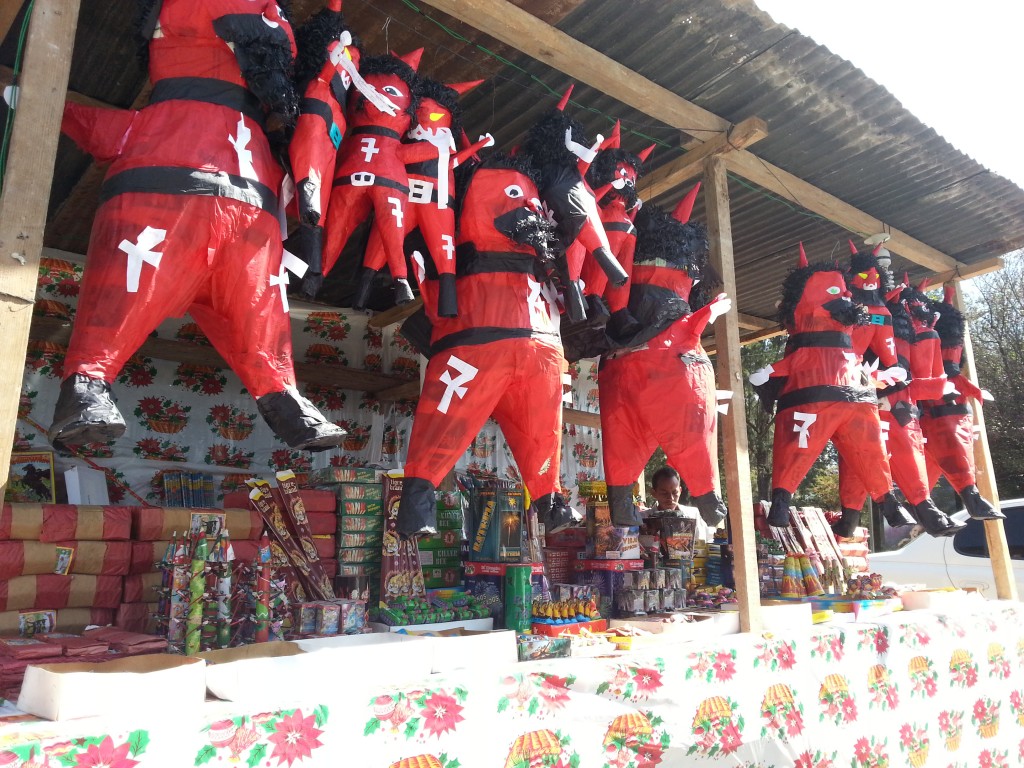
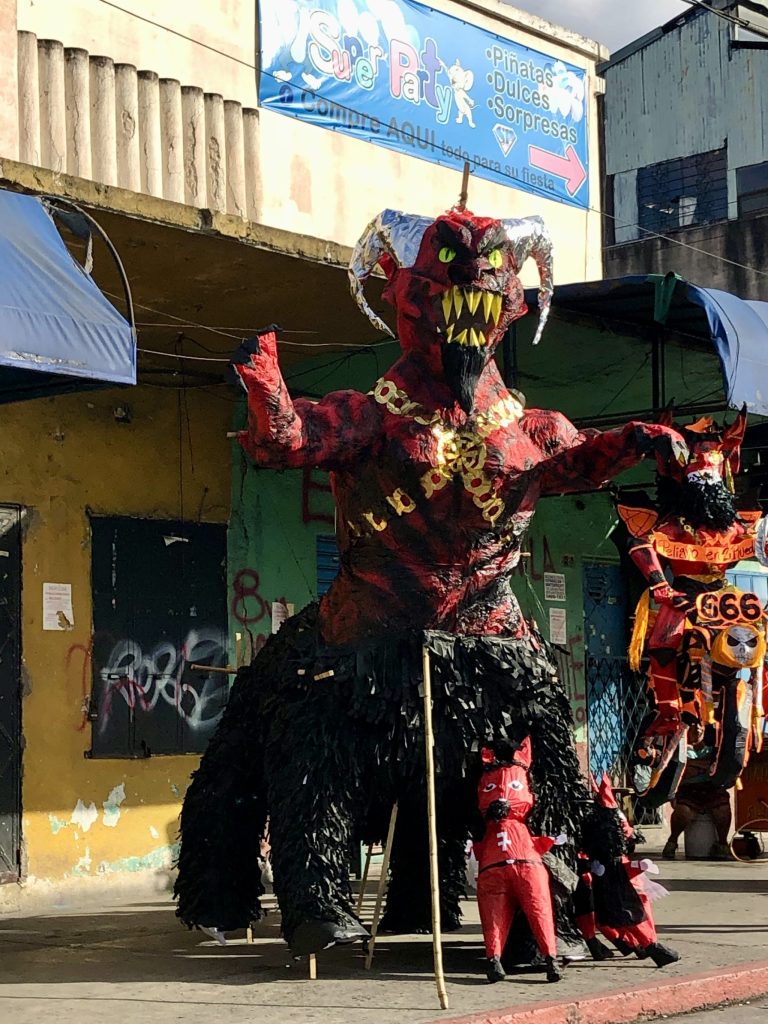
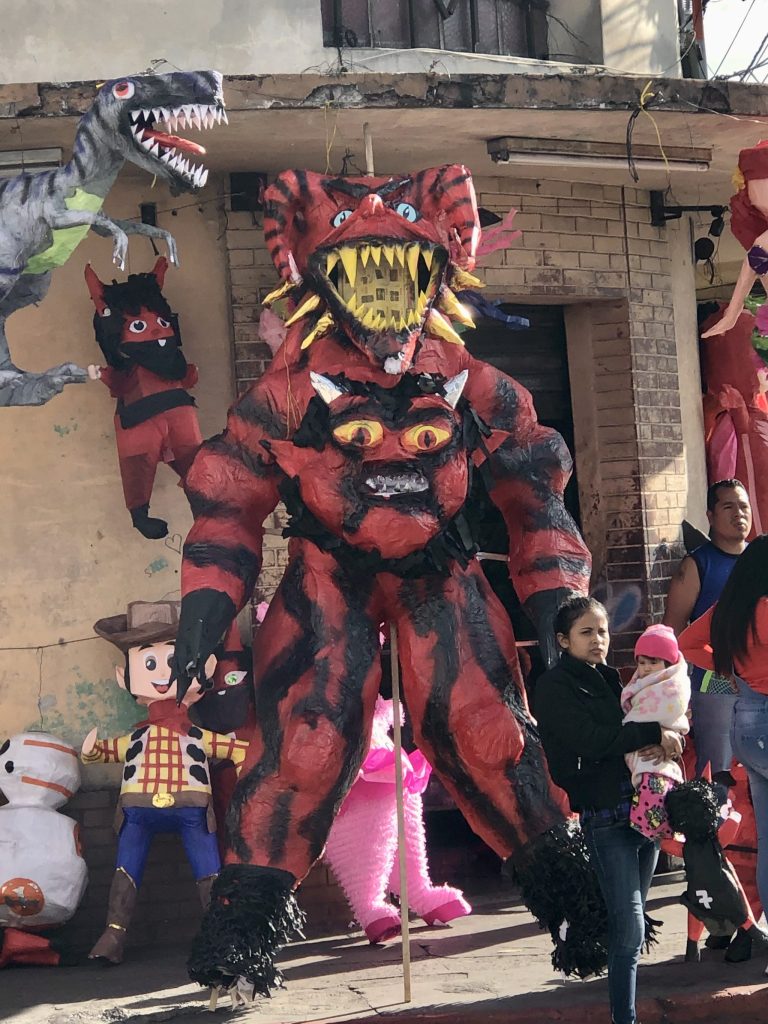
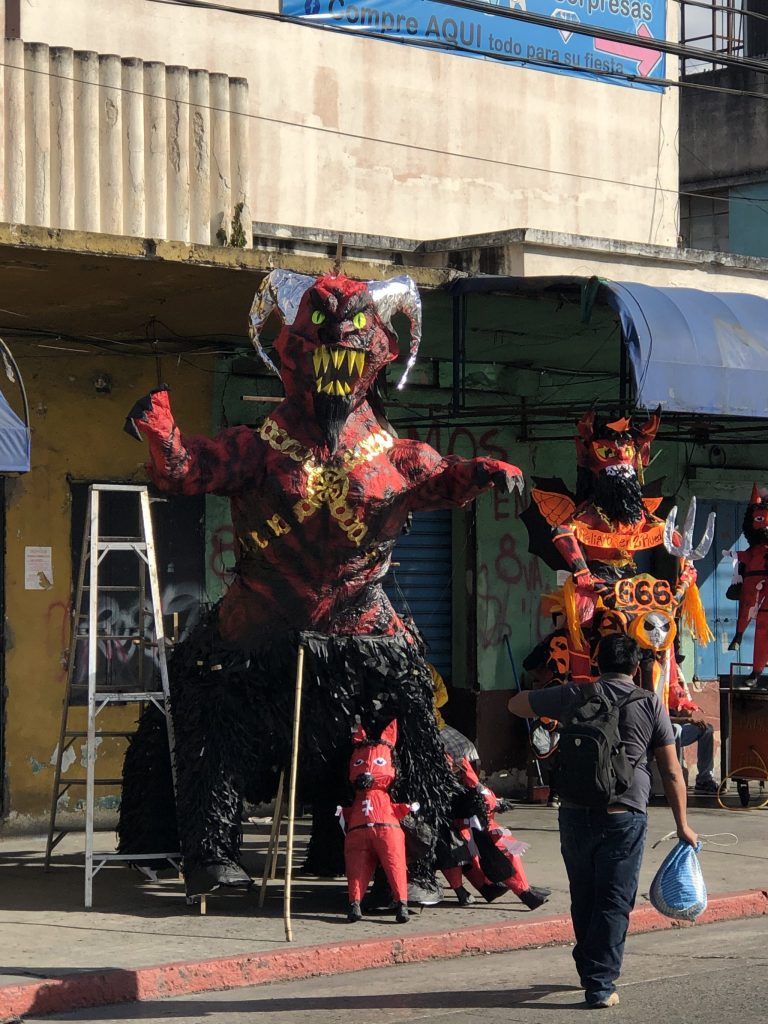
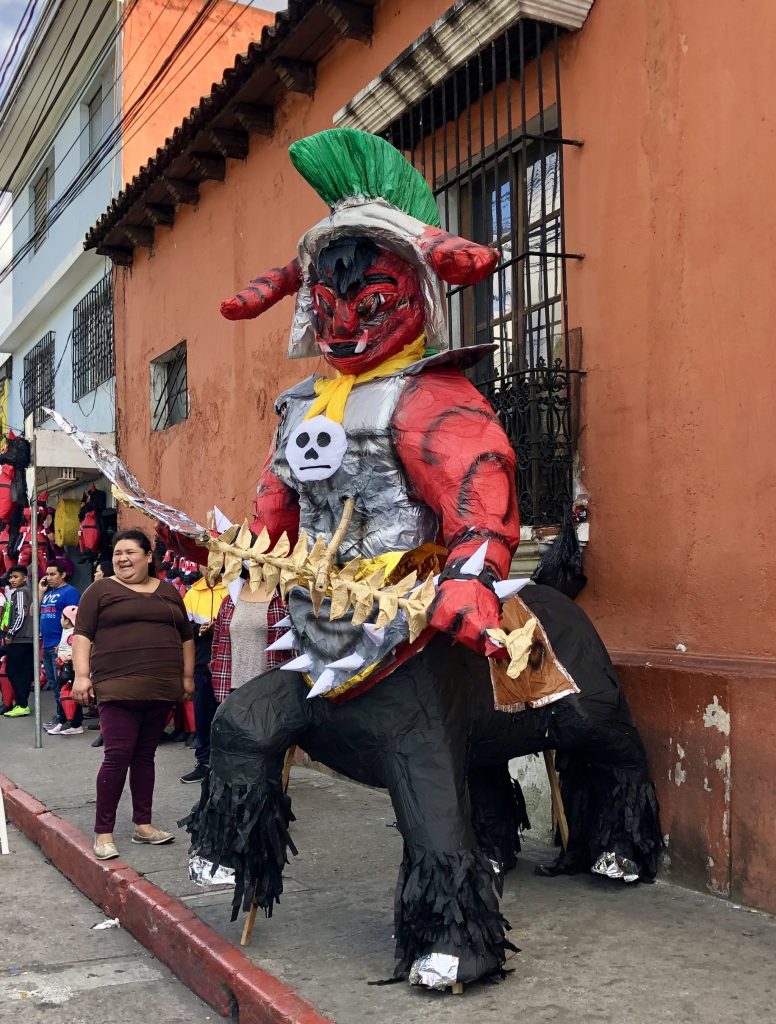
One of the most surprising and entertaining parts of La Quema del Diablo today is the evolution of devil piñatas. In Guatemala City, especially near Parque Colón, you can find stands filled with devils of every size. The small ones start at around Q20, which is about three dollars.
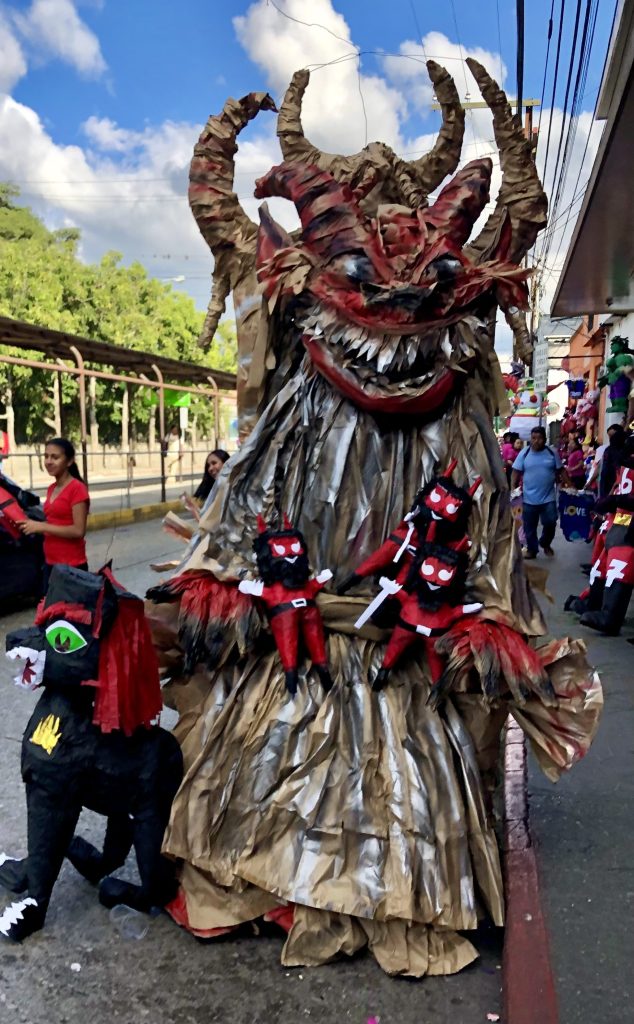
But the large devils are something else. Some stand over six feet tall and are covered in detailed paint and sculpted features. Some artists create monsters with wings, horns, and glowing eyes. Others design devils with multiple faces or exaggerated expressions. The most elaborate ones can cost up to Q1800, or about two hundred twenty-five dollars.
And then there is the political satire. In the last few years, people have burned devils shaped like the Guatemalan president, complete with tiny horns. Others have burned Trump devils with his distinctive hair. These piñatas get laughs, selfies, and jokes. Burning them feels like burning frustration or disappointment, and humor has long been part of how Guatemalans cope with difficult moments.
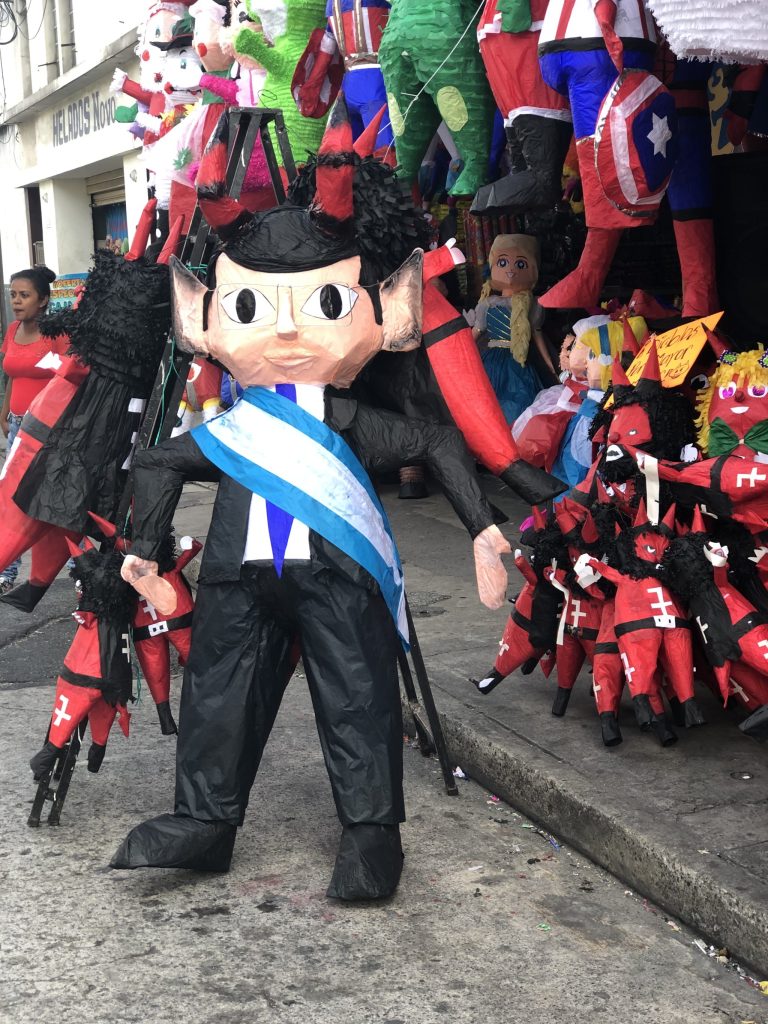
These creative piñatas show that La Quema del Diablo is not fading. It is growing, changing, and staying alive through art and imagination.
How Guatemalans Celebrate La Quema del Diablo Today
Even with changes over time, the heart of La Quema del Diablo stays the same.
On December 7, people step outside as the sun goes down. Kids hold sparklers while adults talk with neighbors they might not have seen for weeks. The smell of pine, food, and smoke fills the air. Small volcanos glow on the ground, silbadores whistle through the streets, and firecrackers explode every few seconds.
Environmental Concerns and Modern Changes
As more people understand how smoke affects the environment, the tradition has shifted. Burning trash produces air pollution, and many communities now ask people to avoid burning plastics and other materials that produce thick or toxic smoke.
Some families use tiny symbolic fires, others light candles, and many focus on breaking piñatas instead of burning them. These changes help the tradition stay alive while respecting the environment and the health of those around us.
Modern Eco-Friendly Alternatives
Even though many families still burn a devil in the traditional way, the celebration has changed as people become more aware of the smoke and pollution the fires create. Burning trash creates heavy smoke that affects neighbors, pets, and air quality. Because of this, many Guatemalans have started choosing symbolic activities instead of lighting a bonfire.
One of the most popular alternatives is lighting a candle at six in the evening. The soft glow represents the luminarias de la Virgen, which were meant to guide and honor the Virgin Mary during early December celebrations. Lighting a candle keeps the heart of the tradition without producing smoke.
Breaking a devil piñata has also become a fun and eco-friendly option. Families fill the piñata with candy and celebrate the idea of letting go of negativity without burning anything. Some people still buy the traditional red devil, go to a garden or open space, light a few sparklers or star showers, and then break the piñata to mark the moment.
If someone still chooses to burn a small piñata, there are also safety recommendations. People are encouraged not to burn trash, plastics, or old tires, since these produce toxic smoke. Pets should be kept indoors and children should be supervised. Many families keep a bucket of water or sand nearby. These simple steps help protect the environment while keeping the tradition alive.
No matter how it is celebrated, La Quema del Diablo continues to bring people together.
Frequently Asked Questions About La Quema del Diablo
What is La Quema del Diablo
La Quema del Diablo is a Guatemalan tradition where people burn a devil figure or a small pile of clean materials to symbolically remove negativity and begin the Christmas season. The fire, the sounds of firecrackers, and the gathering of neighbors create a moment that feels both spiritual and festive. It is one of the most recognizable traditions in Guatemala.
Is Burning of the Devil Dangerous
Burning the devil can be dangerous if people build fires that are too large or burn unsafe materials. As a child, I learned quickly how fast flames can spread and why adults always told us to stay back.
Today, many families burn only clean materials, choose smaller piñatas, or use symbolic activities instead. Community events now rely on controlled fires and have firefighters or volunteers nearby. With a little care, the tradition can be enjoyed without unnecessary risks.
Why do Guatemalans burn the devil
Guatemalans burn the devil to symbolically cleanse their homes and hearts before the holidays. In the past, it was believed that the fire burned away bad luck or evil. Today, the meaning is more personal. It represents letting go of stress and beginning the season with a clearer mindset.
When is Burning of the Devil celebrated
Burning of the Devil is celebrated every year on December 7 at six in the evening. The date leads into the Feast of the Immaculate Conception, and for many families it marks the real beginning of Christmas. The sound of firecrackers, metralletas, volcanos, and silbadores sets the tone for the night.
What do people burn during Burning of the Devil
Families often burn devil piñatas of all sizes. Some burn cardboard or old papers. Many now avoid burning trash to reduce smoke. Devil piñatas can be simple or incredibly elaborate. In Guatemala City, especially near Parque Colón, you can find piñatas ranging from small figures that cost Q20 to massive six-foot devils that cost up to Q1800. Burning these figures is both symbolic and fun.
Where can I buy devil piñatas
In Guatemala City, Parque Colón is the main place to find devil piñatas. Vendors fill the sidewalks with small paper devils, medium sizes shaped like traditional demons, and huge six-foot figures that look like works of art. Prices range from Q20 to around Q1800. Smaller stands appear all over the city, but Parque Colón is the most famous.
Is Burning of the Devil part of Guatemalan Christmas traditions
Yes. La Quema del Diablo is one of the first events of the holiday season. It prepares the home and heart for what comes next, including las posadas, nacimientos, and all the celebrations in December. You can learn how this tradition fits into the season by reading my article on Guatemalan Christmas traditions.
Where can I learn more about the cultural meaning
If you want a personal look at the tradition, you can read my article about my memories of celebrating La Quema del Diablo. If you want a visual sense of how events look today, you can explore my article that features photos of La Quema del Diablo. For broader cultural context, external sites like Smithsonian Folklife and Britannica offer helpful explanations of fire rituals and seasonal traditions around the world.

Paula studied architecture and now makes a living as a freelance writer,traveler and amateur photographer.She started her writing & publishing career as the editor of Bebé y Mamá, the first parenting magazine in Guatemala.She is the founder of www.GrowingUpBilingual.com and www.365thingsswfl.com and writes articles in Spanish and English for both magazines and the web on travel,food and bicultural and bilingual parenting .
When she is not on a plane or road trip she likes to create recipes inspired in the flavors of her native Guatemala.

