
This guide brings together some of the best places to eat or order tamales in Guatemala City, Antigua Guatemala, Lake Atitlán, Quetzaltenango, and Cobán. I have included what kind of tamal each place serves, where to find it, and what you should know before going. Some are restaurants where you can sit down for a complete meal. Others are places where you pick up a warm bundle wrapped in leaves and take it home, which may be the most Guatemalan way to eat a tamal anyway.
This article contains affiliate links. If you buy something through one of my links, I may earn a small commission at no extra cost to you. I only recommend products and services I have personally used or vetted.
A Local’s Guide to Finding Tamales
Saturday nights in Guatemala City used to mean watching for the red light. A red foco hanging outside a neighbor’s door meant the tamales were ready, and my mom would send one of us kids out with a stack of plates and a few quetzales. We would follow the smell of masa and banana leaves down the block, hoping to get there before the pot was empty.
That little red light still appears outside some homes, especially on Saturday evenings, but it is harder to find than it used to be. These days, most visitors will have better luck looking in traditional restaurants, bakeries, municipal markets, and small family businesses that prepare tamales for pickup.
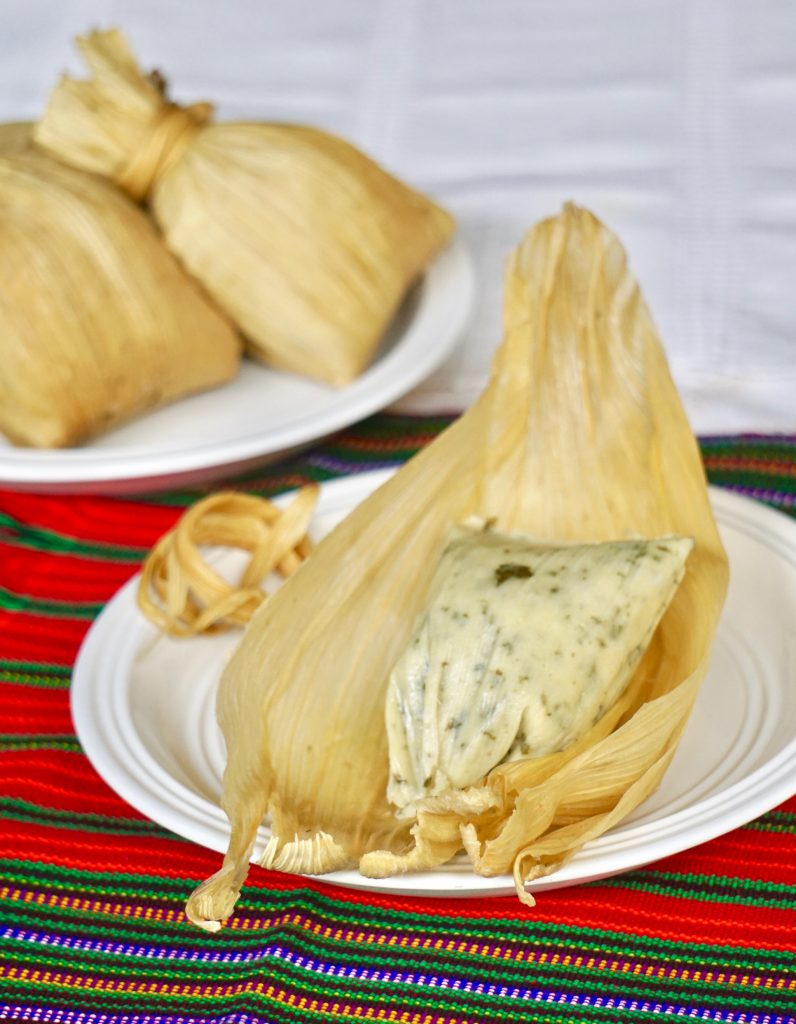
Not sure what separates a tamal colorado from a tamal negro, chuchito, pache, or tamalito de chipilín? Start with my guide to the different types of traditional Guatemalan tamales. This article focuses on where to find them while you are traveling.
A NOTE BEFORE YOU GO
Tamales are not always an all-day, everyday menu item. Some businesses prepare them only on Saturdays, while paches are traditionally associated with Thursdays. Tamales negros, tamales navideños, and other special varieties may appear mainly during Christmas or by advance order. Menus and preparation days change, so check the restaurant’s current page or call before making a special trip.
THE CAPITAL
Where to Eat Tamales in Guatemala City
Guatemala City has the widest range of choices in this guide. You can sit down to a tamal colorado in the Centro Histórico, pick up a dozen from a specialist in Zona 10, or go into the Mercado Central looking for the kinds of refacciones that have been served there for generations.
These are the places I would prioritize rather than trying to create an endless list of every bakery and restaurant that occasionally puts a tamal on the menu.
- La Carmelita, Zona 10: If you want to buy tamales rather than turn the meal into a restaurant outing, this is the place to start. La Carmelita is a small takeout business built around tamales and has long been one of the city’s best-known places for ordering them by the unit or by the dozen. The two classics are the tamal colorado, with pork and red recado, and the slightly sweet tamal negro. Depending on the season, you may also find chuchitos, tamalitos de chipilín, paches, and sweet tamalitos de cambray. It is located at 12 Avenida 15-27, Zona 10. Go early, especially on Saturdays, and place Christmas orders well in advance.
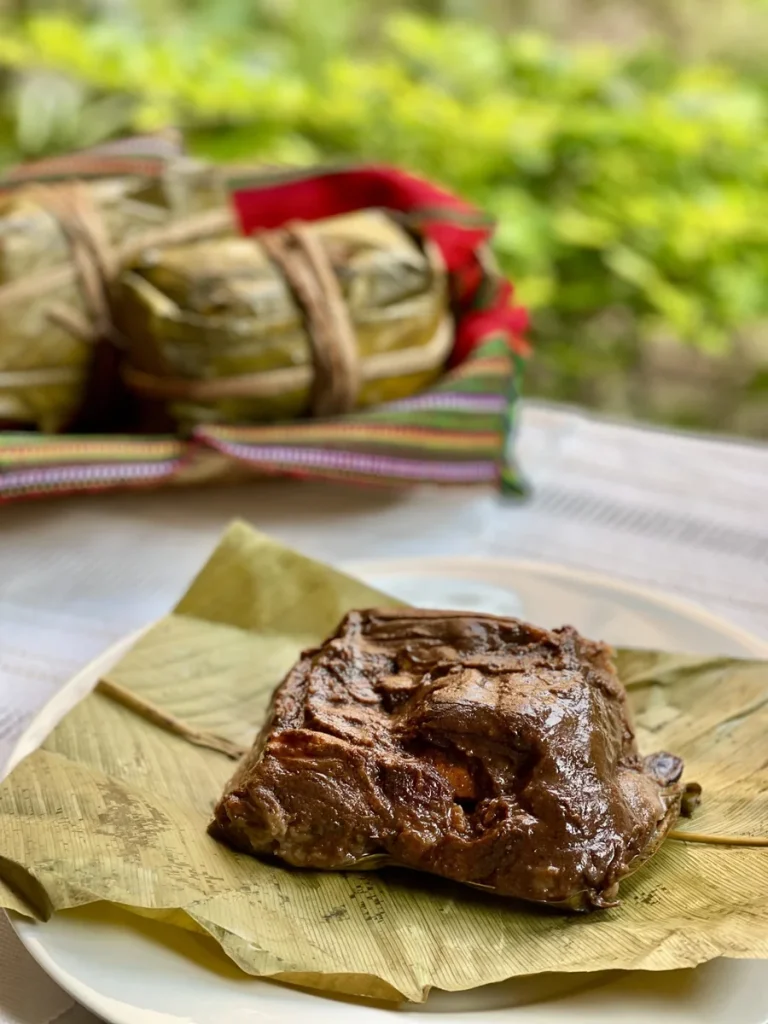
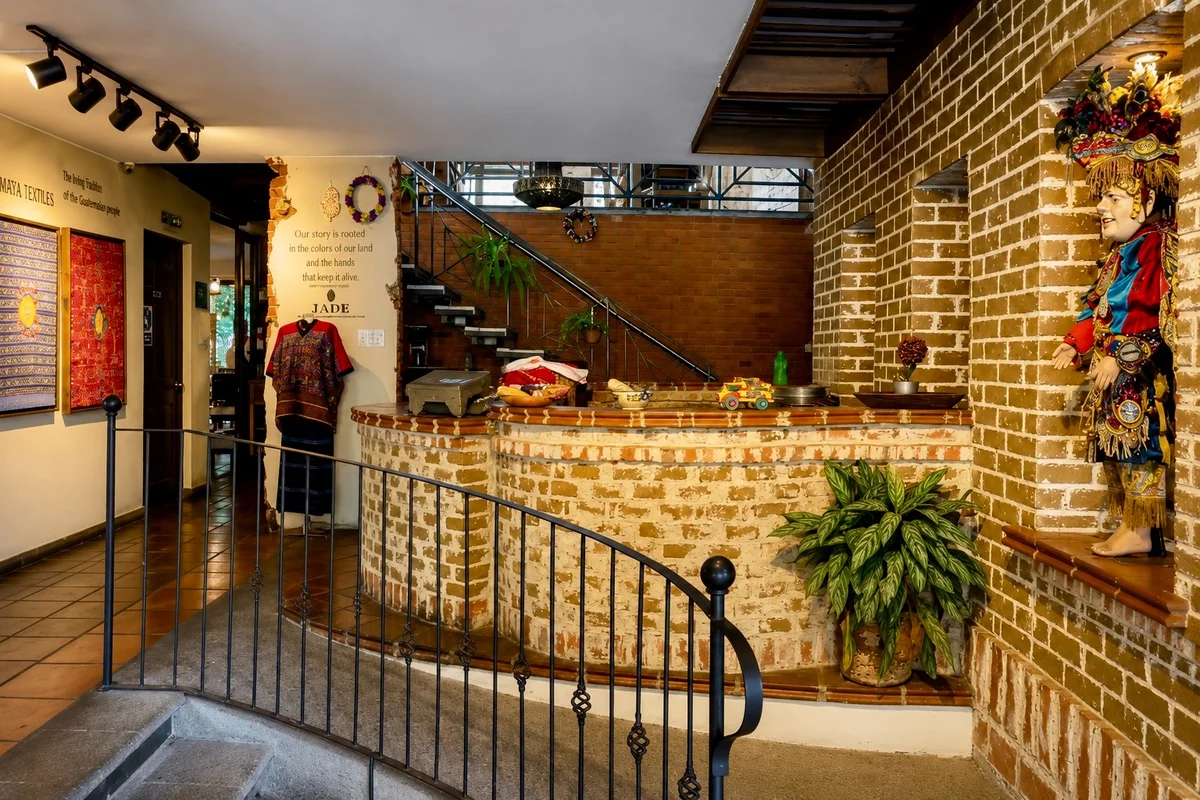
Tamales negros at home, which I bought from La Carmelita - El Adobe, Zona 1 and Zona 10: El Adobe is my choice when you want to enjoy a traditional Guatemalan meal in a sit-down restaurant rather than pick up tamales to take home. Ask which tamales are available that day, since the selection may change, and pair your meal with another traditional dish if you want to try more of Guatemala’s regional cooking. Both Guatemala City locations also feature live marimba from Thursday through Sunday beginning at 1:00 p.m., adding the kind of music that brings back memories of family lunches and special occasions. The original Centro Histórico restaurant is at 7a Avenida 9-45, Zona 1, making it a convenient stop while exploring downtown. The Zona Viva location is at 8a Calle 3-14, Zona 10, behind the Mexican Embassy, and is easier to reach if you are staying near the city’s hotels and business district. Check the restaurant’s current schedule before visiting, especially if you are going specifically for the marimba.
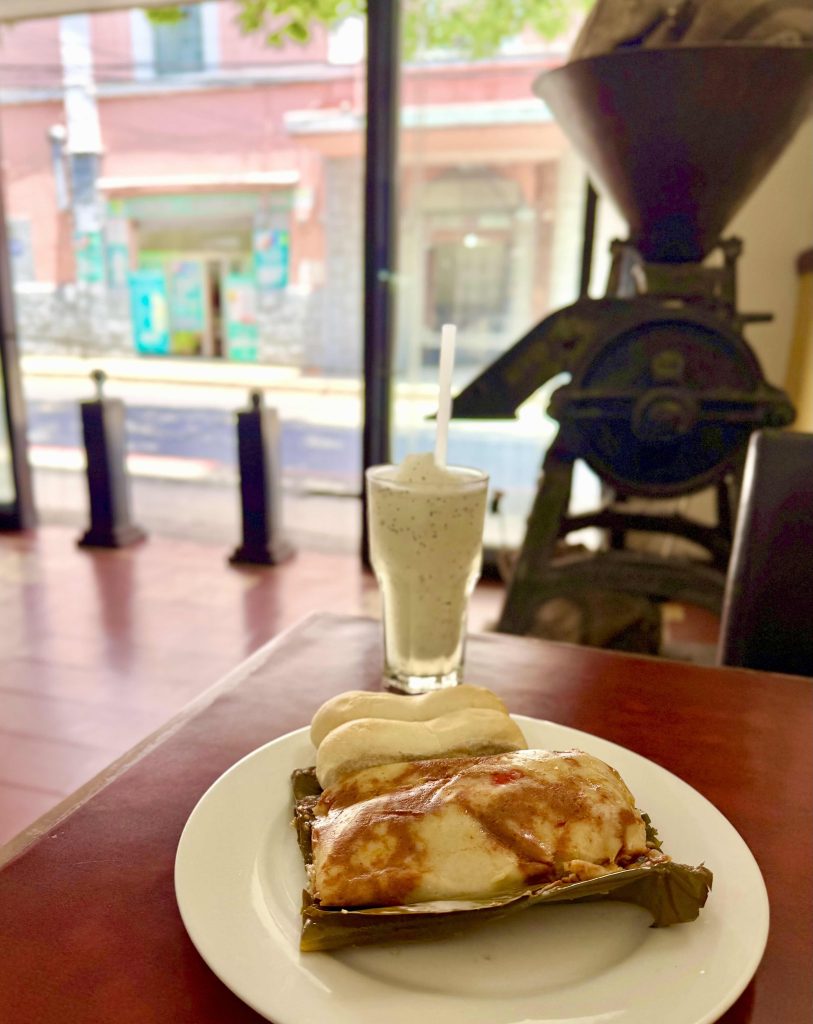
Inside El Adobe, Zona 10 - Café León, Centro Histórico: Just a block from El Adobe, Café León offers a very different experience. This unassuming coffee shop has been part of downtown Guatemala City for generations: Café León was founded in 1938, and this location originally housed its coffee production plant before opening as a café around 1970. You can still see the original mill inside, along with old photographs and details that make the space feel pleasantly unchanged by time. While El Adobe offers a more polished, visitor-friendly introduction to traditional Guatemalan food, Café León still feels like an everyday downtown café, where you are far more likely to share the room with office workers, longtime customers, and local families than with tour groups. Come on Thursdays for paches, chuchitos, and tamalitos de chipilín, or on Fridays for tamales colorados and tamales negros. I especially love their tamales colorados and would put them in the same league as La Carmelita’s. The masa is firm and moist without becoming soft or falling apart, and the recado has exactly the rich, balanced flavor I look for in a good tamal. They make them only with chicken, not pork, and each one comes with a generous piece of chicken breast rather than a few small shreds. Order one with a cup of Guatemalan coffee and take your time enjoying a place that still feels deeply connected to the history of the Centro Histórico. Café León is located at 8a Avenida 9-15, Zona 1, a short walk from the Plaza de la Constitución.
- Le Café, several locations: Le Café is useful when you want tamales to take back to your hotel, bring to a gathering, or pack carefully for later. This Guatemalan bakery and café has been around for more than three decades and sells tamales in packages, commonly in sets of three. Check the current selection before visiting, since varieties and availability can differ by branch. Le Café has locations in and around the city, including Plaza Decorísima, Etú Plaza, Deco City, Sur Plaza, and Petit.
- Doña Mela, Mercado Central: Doña Mela is one of the most emblematic food stalls inside the Mercado Central, a family business whose history reaches back more than 60 years. Tamales are not necessarily the everyday reason to visit—the stall is better known for its chicharrones, revolcado, tacos, tostadas, mole, and other refacciones—but it prepares tamales colorados and tamales navideños for special dates and advance orders. During the Christmas season, this is one of the most meaningful places in the city to order them. You will find Doña Mela inside the Mercado Central, beneath the Plaza de la Constitución in Zona 1.
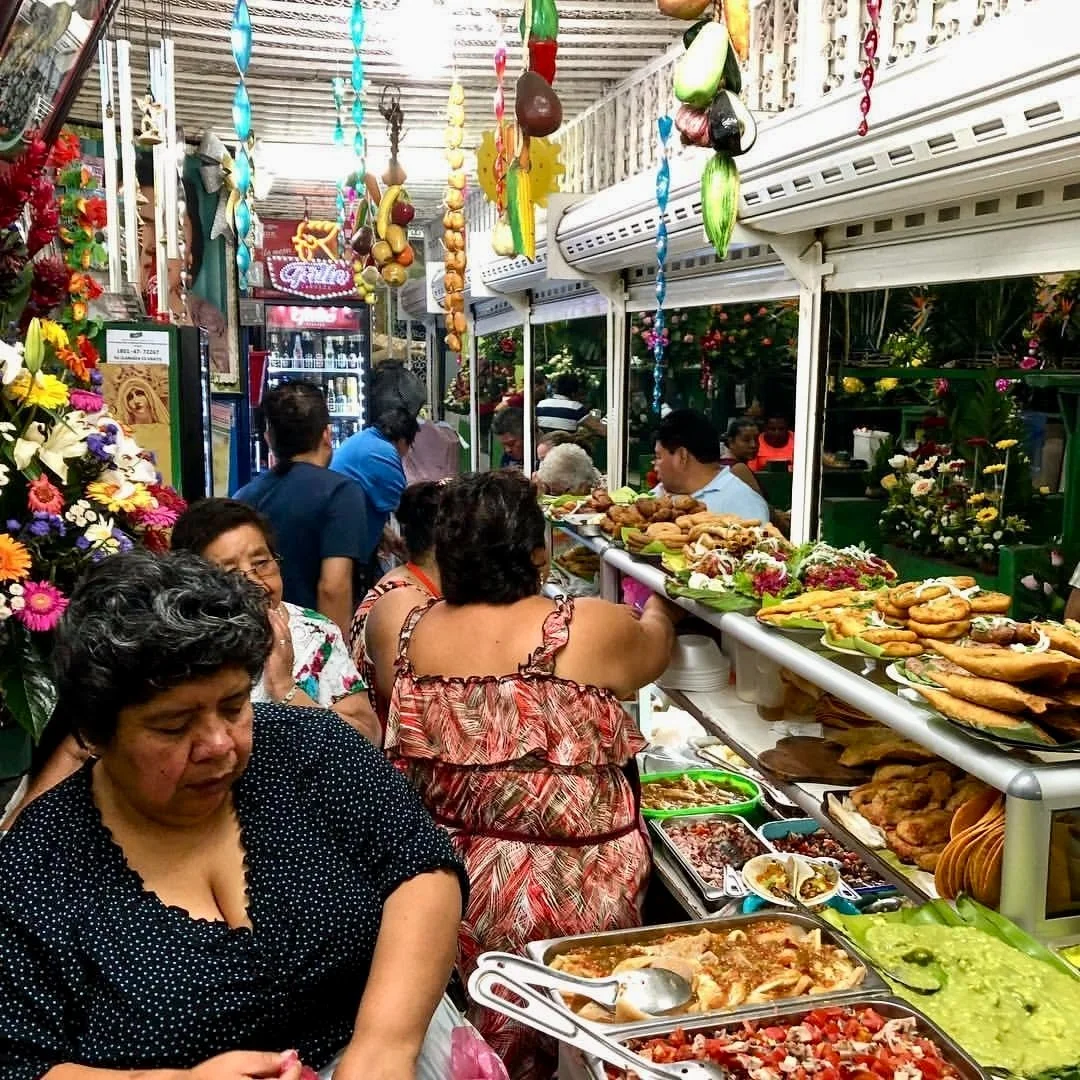
Doña Mela’s stall inside the Mercado Central - Comida Típica Doña Berta, Zona 15: This small neighborhood business in Colonia Trinidad is a great option when you want traditional tamales and Guatemalan antojitos without heading into the center of the city. Thursdays are for paches de papa (Q12), while tamales colorados (Q15) and tamales negros (Q22) are available on Fridays and Saturdays. From Thursday through Saturday, they also prepare chuchitos and tamalitos de chipilín for Q7, along with chiles rellenos and rellenitos. Everything is made in limited batches, so order before they sell out. Comida Típica Doña Berta is located at 10 Avenida 2-82, Zona 15, Colonia Trinidad, and offers delivery for an additional fee depending on the area. To reserve, call or message 4166-7570 or 5399-1617.
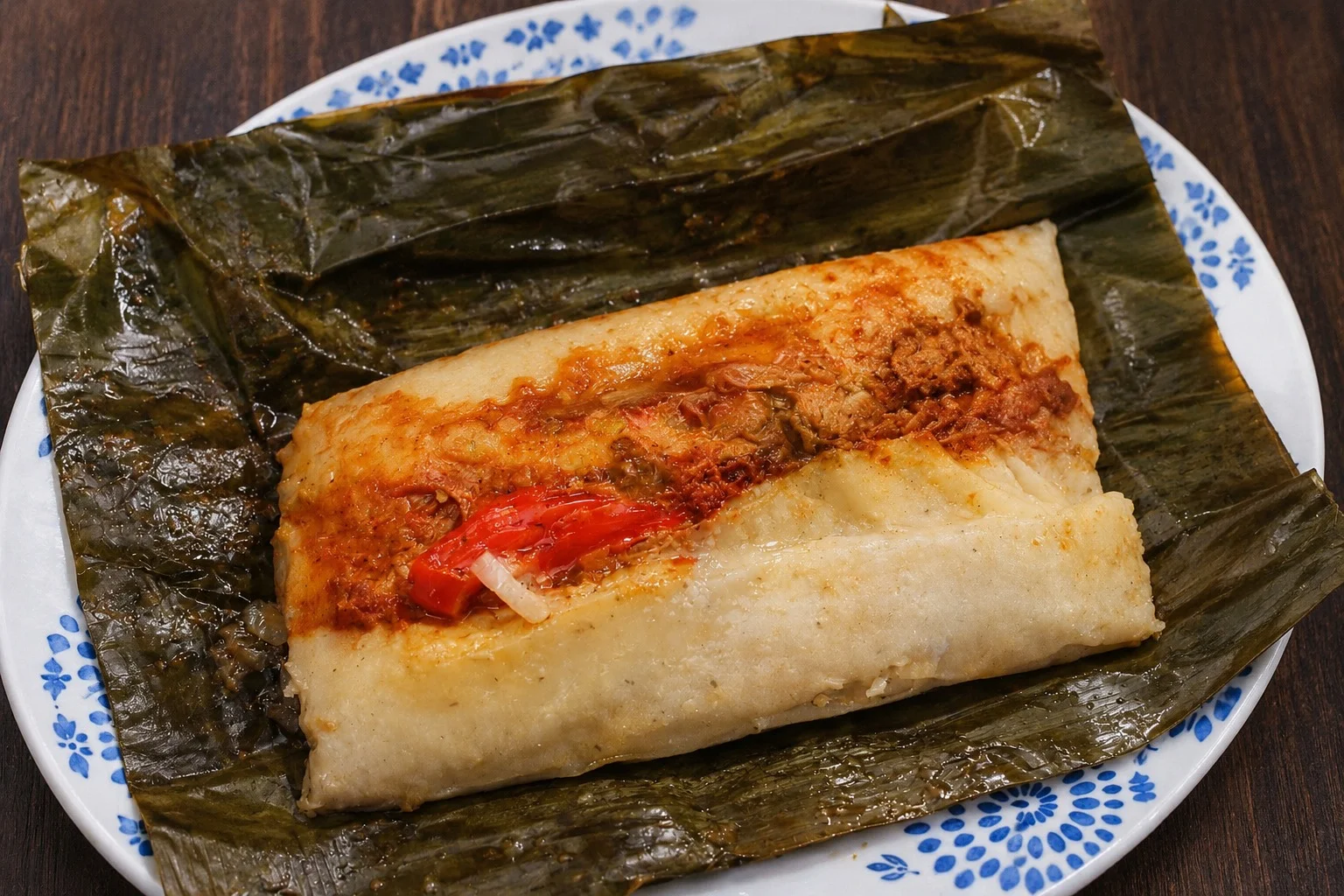
Tamal colorado from Comida Típica Doña Berta
MARKET TIP
The Mercado Central is still worth exploring even when Doña Mela is not making tamales. Look around the comedor and refacción stalls in the morning and ask what has just come out of the pot. You may find chuchitos, tamalitos de chipilín, tamalitos de elote, or seasonal tamales from smaller vendors that have little or no online presence.
Tamales are only one reason to spend time in the capital. My guide to where to eat in Guatemala City includes more traditional restaurants, contemporary Guatemalan cooking, markets, and local favorites. You can pair lunch in Zona 1 with the museums, plazas, and historic buildings in my guide to the best things to do in Guatemala City.
COLONIAL CITY
Where to Eat Tamales in Antigua Guatemala
Antigua has no shortage of restaurants serving Guatemalan food, but fewer places where the tamal itself is the reason to go. The best choices range from a traditional restaurant where you select your lunch from clay pots to a creative chuchito casserole served on a rooftop terrace.
- La Cuevita de los Urquizú, 2a Calle Oriente: This is my first choice for a traditional Guatemalan meal in Antigua. Instead of reading a long printed menu, you can look at the day’s dishes in clay pots and choose the recado, meat, and sides that appeal to you. Their published breakfast menu includes a tamal colorado, while the traditional lunch plates are served with a tamalito blanco. The food feels generous and familiar rather than staged for visitors, and the tortillas are made by hand. La Cuevita is at 2a Calle Oriente No. 9, a few blocks from Parque Central.
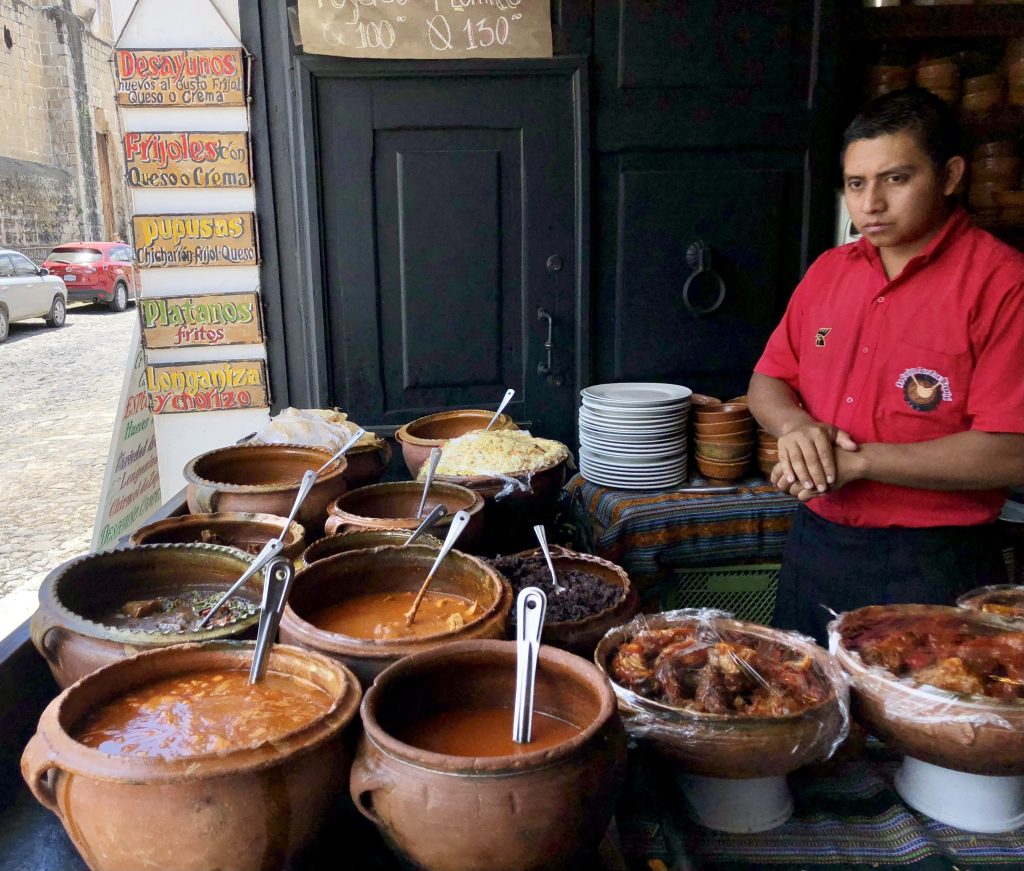
La Cuevita de los Urquizú restaurant in Antigua Guatemala serving traditional Guatemalan dishes. - El Adobe Antigua, 5a Calle Oriente: The Antigua branch of El Adobe is a good alternative when you want a polished sit-down restaurant with a broad menu of Guatemalan dishes. Ask which tamales are available that day, since the selection can change. I prefer the atmosphere of this location to the city branch for an evening meal: the colonial setting makes dinner feel special without losing the focus on traditional food. It is located at 5a Calle Oriente 10A.
- Los Tres Tiempos, 6a Avenida Sur: Go here for the Cacerola de Doña Emma, described on the menu as a soufflé-style casserole made with chuchitos, red sauce, and melted cheese. It is not the chuchito you would buy from a market stall or eat at a family celebration, but it is a clever, comforting reinterpretation that works on its own terms. The Antigua restaurant also has a rooftop terrace with views across the tiled roofs and toward the Santa Catalina Arch. Los Tres Tiempos is at 6a Avenida Sur No. 7.
- Los Moros at Porta Hotel Antigua: The afternoon refacción menu includes two chicken chuchitos served with tomato sauce. This is a convenient choice when you want to sit in a comfortable courtyard or need a reliable restaurant for a family group. The chuchitos are served during the restaurant’s afternoon refacción hours, so check the current schedule before going. Porta Hotel Antigua is on 8a Calle Poniente No. 1.
FOR SOMETHING LESS FORMAL
Antigua’s best tamal may not come from a restaurant at all. Around Alameda Santa Rosa and 1a Avenida, a local vendor is known for selling tamalitos de chicharrón in the afternoons. Street vendors move, take days off, and sell out, so there is no dependable website or schedule. That uncertainty is part of the experience. Look for the small crowd gathering around the cart and ask what is still warm.
For tostadas, dobladas, atoles, and all the things you will be tempted to eat between tamales, see my complete guide to the best street food in Antigua Guatemala. My Antigua Guatemala travel guide can help you build the rest of the day around your meal, including the ruins, viewpoints, museums, and nearby villages worth visiting.
AROUND THE LAKE
Where to Eat Tamales at Lake Atitlán
Lake Atitlán is different from Guatemala City. There is no single tamal shop I can point to and say, “Go there and order a dozen.” Around the lake, tamales and tamalitos are more likely to appear in municipal markets, as part of a traditional breakfast, beside a recado, or during a cooking experience arranged in advance.
That makes finding them less predictable, but it can also make the experience more meaningful.
- Restaurante Las Espadas at Posada de Don Rodrigo, Panajachel: Ask whether the Ki Wai Maya is currently available. This dish has been prepared with slices of tamalito de loroco when in season or tamalito de chipilín, accompanied by black, red, and white beans, tomato sauce, and cream. It is a lovely way to taste a tamalito as part of a composed restaurant dish rather than as a standalone tamal. The restaurant is at the end of Calle Santander, directly on the lake, and Saturday evenings may include live music and traditional dancing.
- Restaurante Cakchiquel at Porta Hotel del Lago, Panajachel: The hotel’s traditional menu has included chuchitos and other Guatemalan specialties. This is not where I would send someone solely to hunt down the most rustic tamal at the lake, but it is a dependable option when you are already staying at the hotel or want a comfortable meal with one of Panajachel’s best lake and volcano views. Check the current menu or ask the restaurant which tamalitos are available that day.
- 7 Caldos, Panajachel: Most people go to 7 Caldos for the soups and traditional Guatemalan main dishes, but its selection of antojitos has also included tamales and tamalitos. The advantage is that you can build a broader meal around them, especially when traveling with people who all want something different. Ask what is available before ordering, since traditional snacks can rotate.
- Mercado Municipal de Panajachel: For a simpler and more local option, go to the municipal market in the morning and walk through the prepared-food section. You may find chuchitos, tamalitos de chipilín, rice tamales, or tamalitos served beside a caldo or recado. Thursday and Sunday are Panajachel’s main market days, although food vendors operate throughout the week. There is no single stall I would promise will have every variety every day, so go early and ask what was made that morning.
- Deleite Ancestral, San Juan La Laguna: Deleite Ancestral is not a conventional restaurant with a fixed online menu. It is a Tz’utujil culinary project offering meals, demonstrations, and cooking experiences arranged by reservation. Guests choose the menu in advance, and traditional preparations may include patín, recados, tortillas, and tamalitos de chipilín. This is one of the best options at the lake when you want to do more than order a plate—you learn how the ingredients are prepared and understand how the food fits into daily Tz’utujil life. Contact them before visiting to ask specifically about including tamalitos in your meal or cooking class.
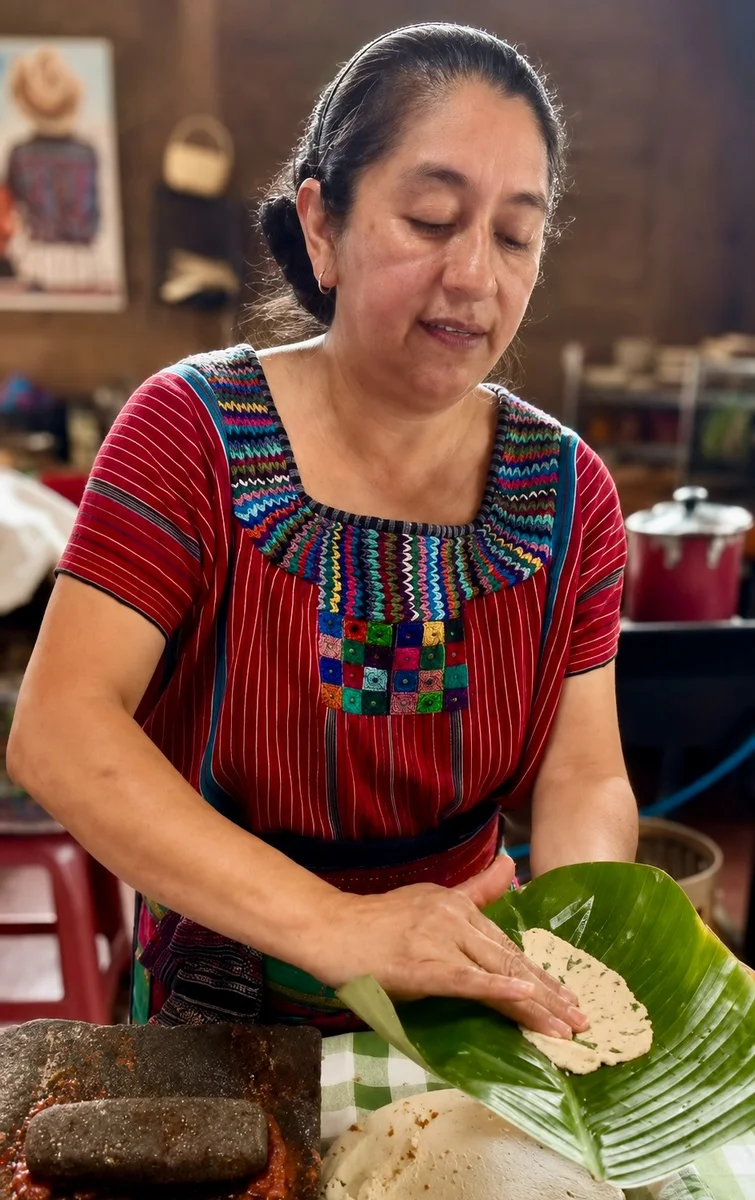
A cooking demonstration at Deleite Ancestral - Mercado Municipal de Santiago Atitlán: Santiago is one of the best towns at the lake for experiencing food as part of daily life rather than through a hotel restaurant. Visit the market in the morning and look for tamalitos, chuchitos, and regional dishes such as patín. The selection changes from one vendor and one day to the next, so this is more of a “go see what is cooking” recommendation than a specific order. My complete guide to Santiago Atitlán explains how to get there, where the market is, and how to plan the rest of your visit.
The villages around the lake are not interchangeable, especially when food and culture are part of the reason you are going. My complete Lake Atitlán guide compares the different towns, while the guides to Panajachel and San Juan La Laguna go deeper into the places mentioned here. Before crossing the lake, read my guide to Lake Atitlán boat routes and public lanchas; going to the correct dock matters more than most first-time visitors realize.
FOOD CAN SHAPE THE ROUTE
Plan a Guatemala Trip With Time for the Table
The best food experiences do not always fit neatly into a standard sightseeing itinerary. Some happen only on market days, some require a reservation, and others mean arriving in a village early enough to see what is cooking. I create custom Guatemala itineraries that bring together the places you want to see with the markets, restaurants, local experiences, and regional dishes that make the journey memorable.
THE WESTERN HIGHLANDS
Where to Eat Paches and Tamales in Quetzaltenango
In Xela, the conversation changes from ordinary corn masa to potatoes and rice. The city is closely associated with paches, made with mashed potato instead of corn, as well as the softer tamales de arroz found across the western highlands.
Thursday is traditionally pache day, while some businesses also prepare paches and rice tamales on Saturdays. Because many of the best places are small family businesses, calling or messaging before going is particularly important here.
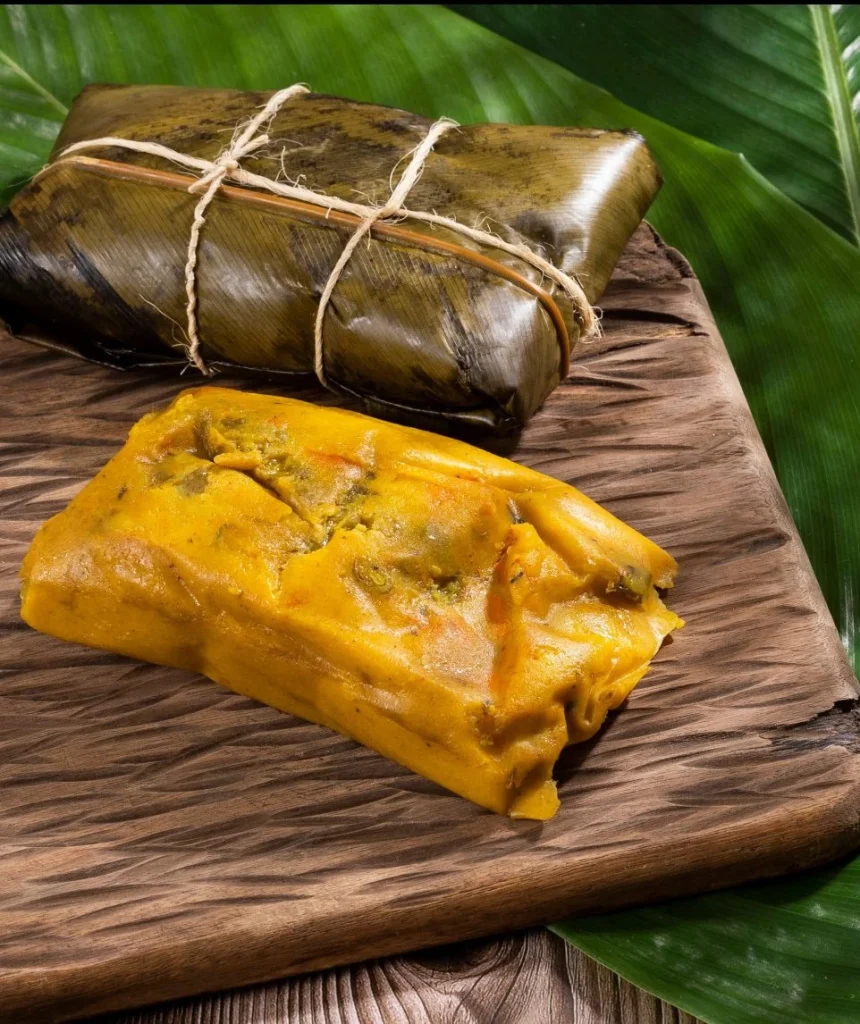
- La Fuente Café & Restaurante, Zona 1: La Fuente is one of the clearest restaurant options for trying the highland versions in a sit-down setting. The restaurant has traditionally offered paches de papa and tamales de arroz on Thursdays and Saturdays, and its Sunday breakfast buffet has also included both alongside atoles, tortillas, and other regional foods. It is housed in an old building near the historic center at 13 Avenida 6-20, Zona 1. Confirm the preparation days before going, since weekly specials can change.
- Tamales y Paches Zelada, El Cenizal: This is a small local business rather than a tourist restaurant, and that is exactly the appeal. It is known for tamales de arroz and paches, including darker, sweeter varieties prepared for special dates. The business is near Parque Bolívar at Avenida El Cenizal 3-98. Published information points to Thursday and Saturday sales, but verify before making the trip because small tamal businesses often work by limited batches and advance orders.
- Café La Luna, Centro Histórico: Café La Luna is part café, part informal museum of Xela, filled with old photographs and objects connected to the city’s history. Its expanded menu has included paches, tamales, chuchitos, and other highland foods alongside chocolate, shecas, and more contemporary dishes. This is a good choice when you want a sense of place with your meal, particularly on a cool Xela afternoon. Check its social media or ask what traditional items are available that day.
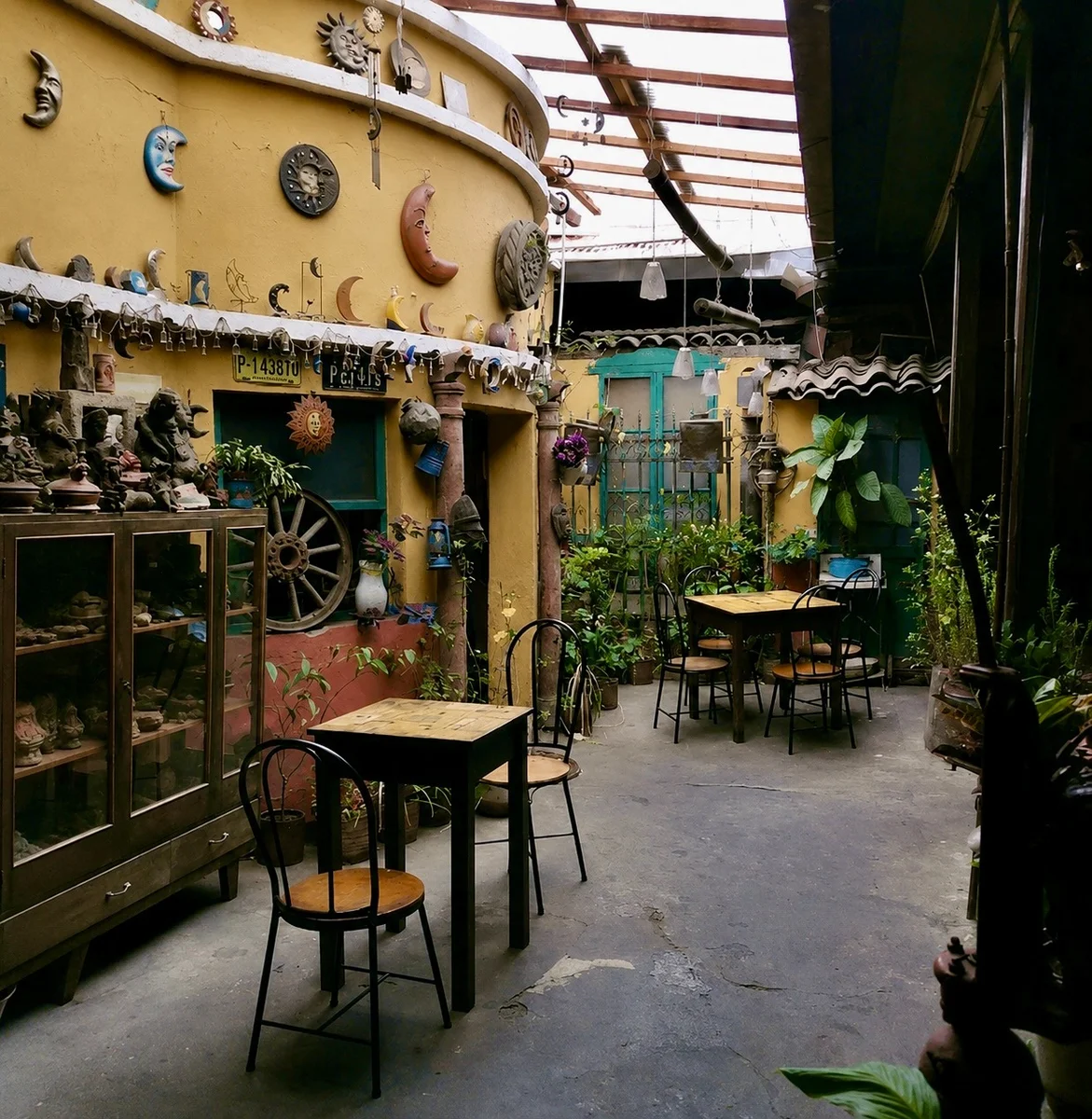
The courtyard at Café La Luna in Quetzaltenango - Fiambre y Antojitos Doña Mary, Zona 8: Doña Mary is another local option for paches de papa and tamales de arroz, along with fiambre, enchiladas, patitas, and other Guatemalan antojitos. It is more useful for ordering or picking up food than for building a polished restaurant outing, so message the business directly to ask what is being prepared and whether you need to reserve in advance.
WHAT TO ORDER IN XELA
Try both a pache de papa and a tamal de arroz if you have the chance. They are not two names for the same thing. A pache is based on mashed potato, while a tamal de arroz replaces the usual corn masa with a soft rice mixture. The texture, weight, and flavor are completely different, even when both contain meat and recado.
Xela is colder, slower, and less oriented around international tourism than Antigua, which is part of what makes eating here so interesting. Paches with bread and coffee make much more sense when the evening temperature drops and the streets around Parque Centro América begin to empty.
ALTA VERAPAZ
Where to Eat Tamalitos in Cobán
In Cobán, you will often find tamalitos as part of the meal rather than listed as the main dish. Plain tamalitos de masa are served in place of bread, especially beside kaq’ik, suban’ik, caldo de gallina, and other dishes with enough broth or recado to call for something soft to dip into it.
Do not treat the tamalito as an afterthought. The way it absorbs the broth is part of the dish.
- Xkape Koban, Zona 2: Xkape Koban is one of the best-known places in the city for regional food. Order the kaq’ik, the red turkey broth associated with Q’eqchi’ cuisine, which is served with rice and tamalitos. The restaurant is at Diagonal 4, 5-13, Zona 2. It is a good introduction for travelers because you can try the traditional combination in a comfortable restaurant without losing the focus on local ingredients and regional cooking.
- Restaurante Delicias Tía Eu, Zona 1: Tía Eu has one of the most useful published menus for understanding how tamalitos appear in Cobán. Its suban’ik—gallina and pork rib cooked in a traditional recado—is served with rice and tamalitos, as is the caldo de gallina criolla. The menu also includes kaq’ik and other regional dishes. Tía Eu was founded in Cobán in 2004 and is located at 6a Avenida 3-66, Zona 1.
- El Peñascal, central Cobán: El Peñascal is another strong choice for trying kaq’ik with its traditional accompaniments. The full experience commonly includes the turkey broth, rice, tamalitos de masa, chile cobanero, and small tastes or explanations that help put the meal into context. It is especially useful for someone trying kaq’ik for the first time and wanting to understand how each part of the plate is meant to be eaten.
Cobán is a long way to travel for one meal, but it is surrounded by some of the most extraordinary landscapes in Guatemala. My guide to Cobán and Las Verapaces covers the cloud forests, caves, waterfalls, natural pools, and cultural sites that make this region worth several days rather than a rushed stop on the way to Semuc Champey.
BEYOND RESTAURANTS
How to Find Tamales Wherever You Travel in Guatemala
The truth is that some of the best tamales in Guatemala will never appear on a restaurant website. They are made in home kitchens, sold through neighborhood WhatsApp groups, carried to markets in covered baskets, or prepared in batches so small that they are gone before lunch.
Ask the person at your hotel where they buy tamales for their own family—not simply where the nearest traditional restaurant is. Visit municipal markets early in the day. On Thursdays, ask about paches. On Saturdays, look for tamales colorados. Around Christmas, order in advance and ask whether the kitchen is also making tamales negros.
And if you see a red light glowing outside a doorway on a Saturday evening, you now know what it means.
KEEP EXPLORING
More Guatemala Recipes and Travel Guides
Keep exploring Guatemala through its food traditions, or use these itineraries to start planning where to go next.
|
RECIPE Tamales de Cambray: Guatemalan Sweet Tamales Learn how to make these colorful sweet tamales filled with raisins and almonds, a traditional Guatemalan treat often served at celebrations. |
TRAVEL GUIDE 5-Day Guatemala Itinerary: Antigua and Lake Atitlán Follow a realistic five-day route combining Antigua and Lake Atitlán, with time for markets, local food, culture, and the region’s most memorable sights. |
|
RECIPE These soft, lightly sweet tamalitos are made with fresh corn and taste especially good served warm with cream, cheese, or a cup of coffee. |
TRIP PLANNING The Best Guatemala Itinerary for Every Trip Length Compare routes for trips ranging from a few days to several weeks, with options connecting Guatemala’s cities, highlands, lakes, ruins, and food traditions. |
A TRIP THAT FEELS PERSONAL
Let’s Build Your Guatemala Itinerary
I create custom Guatemala itineraries around the experiences that matter to you, whether that means local food and markets, Maya culture, birding, family-friendly activities, history, or time to simply enjoy the places you came this far to see.
The tamal has never needed a restaurant to survive. It has survived in family kitchens, market stalls, neighborhood bakeries, and behind little red lights glowing on Saturday nights—passed from one pair of hands to the next, still warm inside its leaves.
Through her writing, Paula helps travelers discover Guatemala beyond the typical tourist route with practical advice, local recommendations, and authentic experiences that connect visitors with the country’s people, culture, and traditions.
Planning a trip to Guatemala? Paula offers personalized Guatemala itinerary planning and trip consultation services tailored to your interests, travel style, and budget. Contact her at [email protected] to learn more.
- San Lucas Tolimán Guatemala: Lake Atitlán’s Best-Kept Secret - September 24, 2026
- Hotel Tolimán Lake Atitlán: A Special Stay in San Lucas Tolimán - September 24, 2026
- Guatemala Dreams in San Lucas Tolimán: A Boutique Stay on Lake Atitlán - September 23, 2026

