
This post is also available in:
Guatemalan tamales are corn masa (dough) cooked on the stove, filled, wrapped in banana leaves or corn husks, and then steamed. There are far more types of Guatemalan tamales than most people expect: the red tamal colorado from Christmas Eve, the sweet and dark tamal negro, small husk-wrapped chuchitos, potato paches, pink tamalitos de cambray, and more. Whether for a holiday dinner or to celebrate Guatemala’s Independence Day, it is one of the most popular Guatemalan dishes you won’t soon forget. These authentic tamale recipes are toothsomely delicious!
This article contains affiliate links. If you buy or book through them, I may earn a small commission at no extra cost to you. As an Amazon Associate I earn from qualifying purchases.
Guatemalan Tamales: A Mouthwatering Tradition
When I was a kid, I looked forward to my Abuelita’s famous tamales all year. She made banana-leaf tamales for our family Christmas dinners, for Día de Candelaria (Candlemas Day, February 2), and for any holiday that mattered. She’d invite the whole family over for a “Tamalada,” a tamal-making party.
Since making certain types of Guatemalan tamals take a little work, we all had jobs assigned. So, while the kids set the table and ran around eating treats, the grownups worked together to create delicious Guatemalan food. Everyone was laughing, reminiscing, and enjoying each other’s company.
The Tamale Legacy Lives On
Since my family and I moved to Florida, finding an excellent Guatemalan tamale has been more challenging (at least one as good as my grandma’s). Yet, it is one Guatemalan dish I miss the most! So, I made it my mission to learn how to make homemade tamales.
We enjoy them during the holidays, birthday celebrations, or when I crave traditional Guatemalan food. I especially love cooking authentic dishes for Hispanic Heritage Month; it is my tribute to my grandma and our Latino roots. So, after some tweaking and experimenting, I decided to round up my favorite authentic tamale recipes. I can now share a little piece of Guatemalan traditions with my kids.
What is a Guatemalan Tamale?
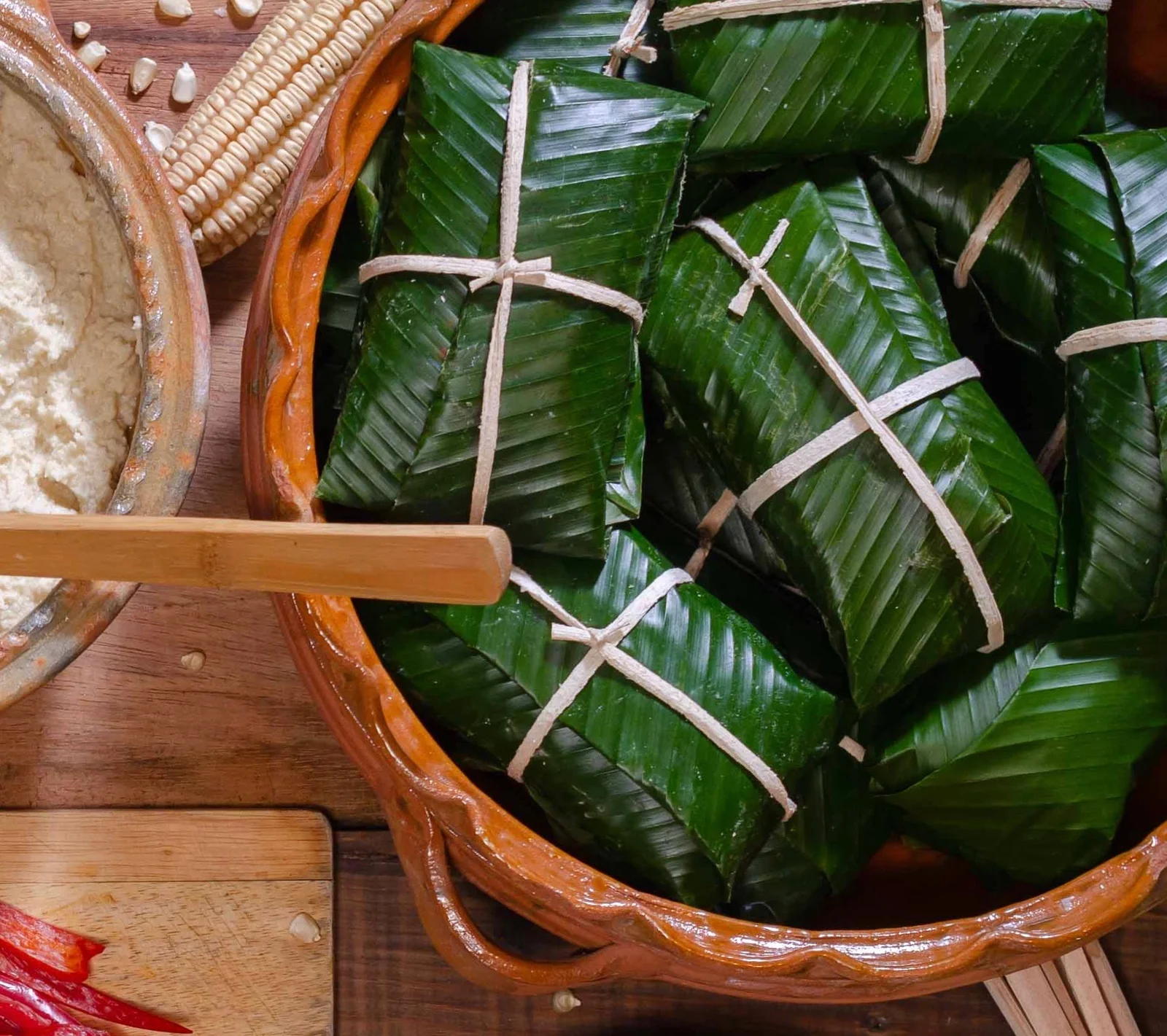
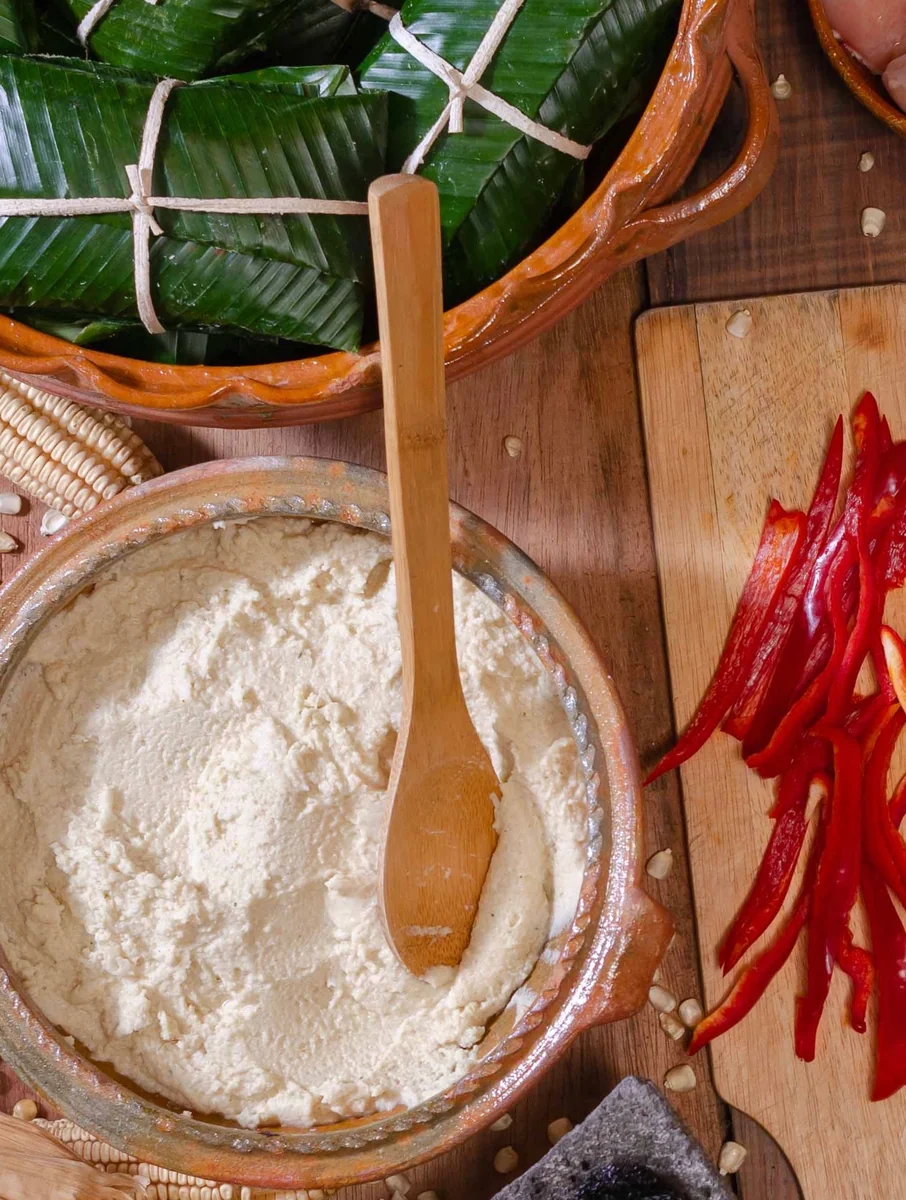
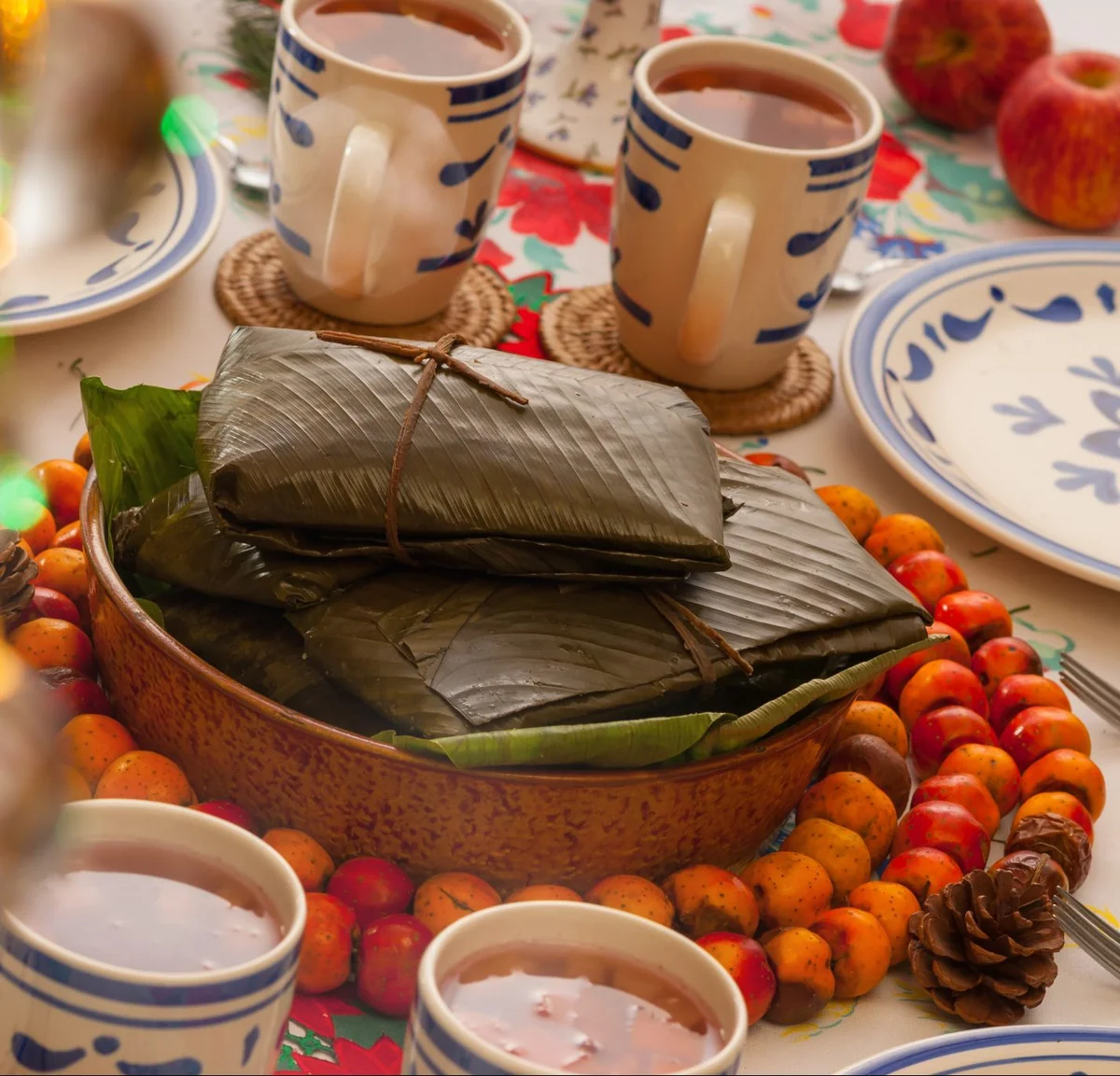
A Guatemalan tamal is made with corn-based dough called masa, first cooked in a pot, then filled, wrapped in a banana leaf or corn husk, and finally steamed. Compared with most Mexican tamales, the masa is softer and moister. Plus, the recado (sauce) is a mild tomato sauce rather than a chile-heavy one, and you typically wrap the big ones in banana leaves instead of corn husks.
The types of Guatemalan tamales vary from region to region. The small ones are called tamalitos, and the small husk-wrapped ones with meat are chuchitos. But say “tamal” with nothing else, and most people picture the tamal colorado, the big red one that’s on the table at midnight on Christmas Eve.
From savory to spicy and even a sweet version, tamales are a popular Guatemalan dish that many consider a national treasure! Nothing beats one straight out of the pot with a pan francés (Guatemala’s white-roll bread). Yummy!
What Are Guatemalan Tamales Made Of?
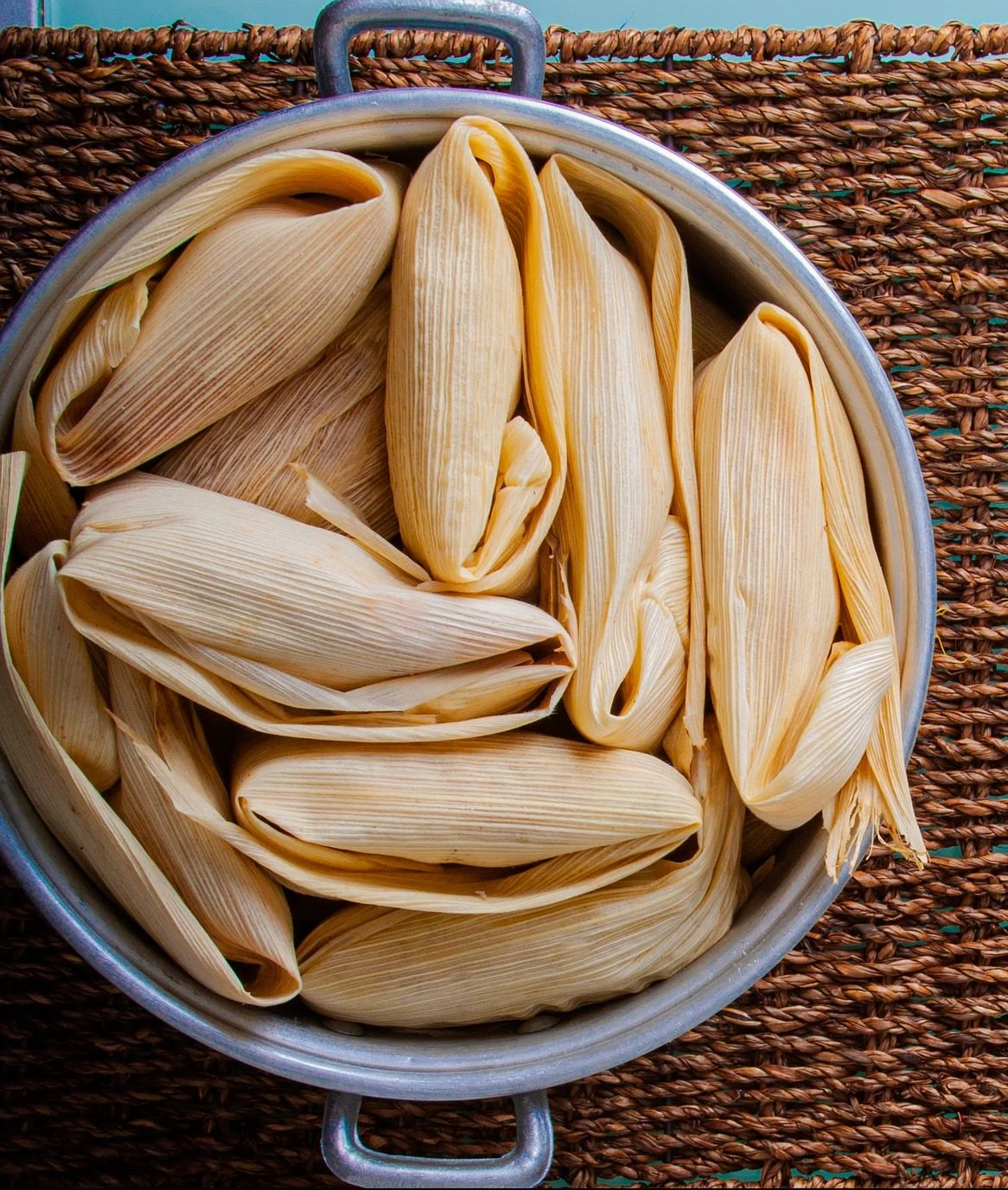
With few exceptions, like rice or potato, the main ingredient is freshly ground corn, then turned into a soft masa (dough). You then stuff it with savory fillings like chicken or pork and glaze it with a tomato-and-red-pepper-based sauce called recado. Finally, wrap the dough in banana leaves or corn husks and steam it inside a deep pot called a Tamalera.
Depending on the region and the occasion, the ingredients for Guatemalan tamales may vary. For example, some Chapines add veggies for Lent, while others add dried fruit and nuts to their Christmas tamales for a sweet touch. And there is a delicious dish called paches, made from mashed potatoes that turned ordinary Thursdays into Jueves de Paches—a Guatemalan twist on Taco Tuesday!
Do You Eat the Leaf of Tamales?
You should never eat the “wrapper”. It is used only to hold the dough together and give this delicious Guatemalan dish a mild, earthy flavor. The word tamal comes from the Nahuatl word tamalli, meaning wrapped. It describes how cooks fold tamales in banana or plantain leaves before steaming them. Banana leaves have a wide range of uses because they are large, flexible, and waterproof, making them perfect for steaming tamales.
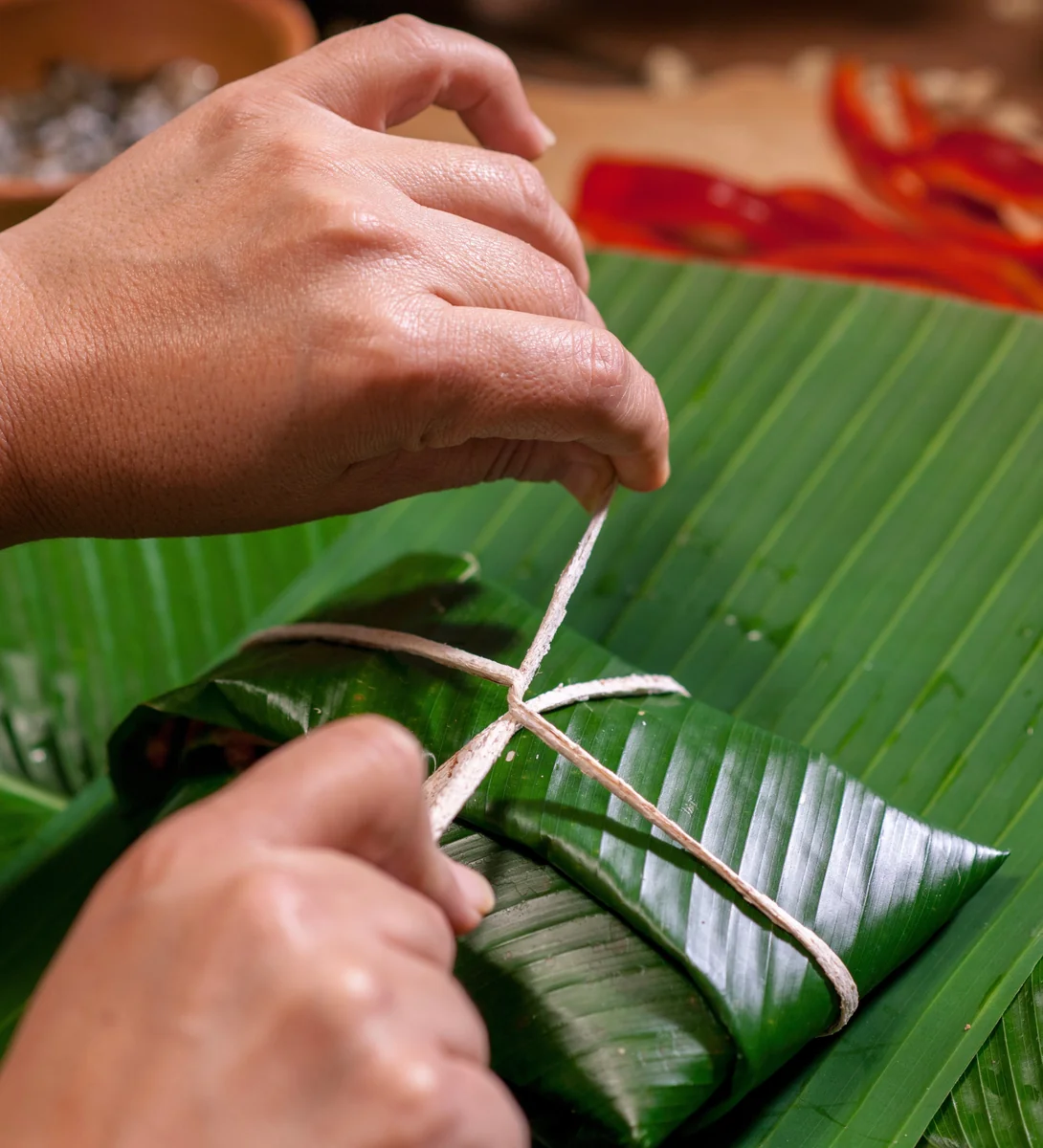
Besides cooking and steaming, Guatemalans also use banana leaves as decorations when serving traditional Guatemalan food. To eat a tamal, place it on a plate and gently unfold the leaves to uncover the masa and filling. Leave the wrapper underneath as you eat so it catches the sauce and keeps everything together.
Where Are Tamales Originally From?
Tamales come from Mesoamerica, the region that runs from central Mexico through Guatemala and into Central America, and they’re thousands of years old. Some of the oldest pictures of them are in Guatemala. Archaeologists William Saturno, Karl Taube, and David Stuart identified tamales in the San Bartolo murals in Petén, painted around 100 AD. The Classic Maya also had a written glyph for tamal, found on pottery from roughly 200 to 1000 CE.
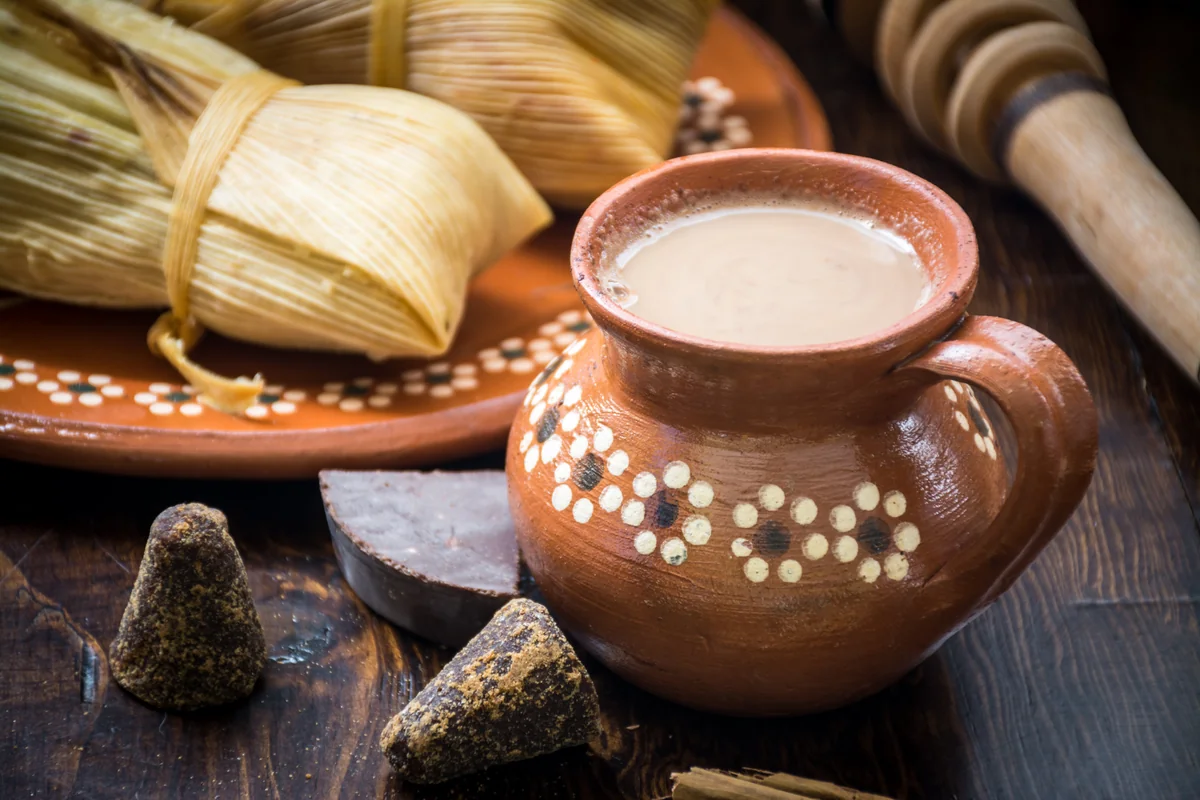
So are tamales Mexican or Guatemalan? They’re older than both countries. The Maya, the Aztecs, and earlier cultures made tamales, and every country in the region kept its own versions. Guatemala’s just happens to be the one I grew up with, one of the oldest foods still alive and kicking in households today!
Guatemalan vs. Mexican vs. Salvadoran Tamales
The biggest differences with Mexican tamales are the wrapper, the masa, and the heat. Mexico’s best-known tamales are wrapped in corn husks, and the masa is whipped with lard and steamed once. Guatemala’s big tamales are wrapped in banana leaves, the masa is cooked in a pot before it’s wrapped, and the recado is mild. The leaf alone isn’t the rule, though: in Oaxaca, Chiapas, Veracruz, and the Yucatán, Mexican cooks wrap tamales in banana leaves too.
Salvadoran tamales are the closest cousins. They’re also corn masa wrapped in banana leaves, usually filled with chicken, and they’re Christmas food in El Salvador, too. El Salvador also has tamales pisques, filled with beans and eaten during Holy Week, as well as its own sweet corn tamales de elote. If you grew up with one, the other will taste familiar, just not quite like home.
Types of Guatemalan Tamales
Guatemala has more tamales than most people realize, and every family has an opinion about which one is best. Nobody keeps an official count. But I can tell you that there’s nothing like homemade tamales out of the steaming pot! They are a staple of Guatemalan cuisine, and you will find different versions across the country.
But how many types of tamales are there? Well, a lot! Depending on the time of year, they can range from savory and spicy to sweet. They are a fundamental part of Guatemalan traditions that will take you on a culinary journey of exquisite proportions! Not sure where to start?
- Cooking for Christmas Eve: tamales colorados or tamales negros.
- Feeding a crowd or wanting something smaller: chuchitos.
- No meat: tamalitos de chipilín or plain tamalitos de masa.
- Something sweet: tamalitos de elote or tamalitos de cambray.
- It’s Thursday: paches!
So, here are my all-time favorite Guatemalan tamales you must try:
Tamales de Masa
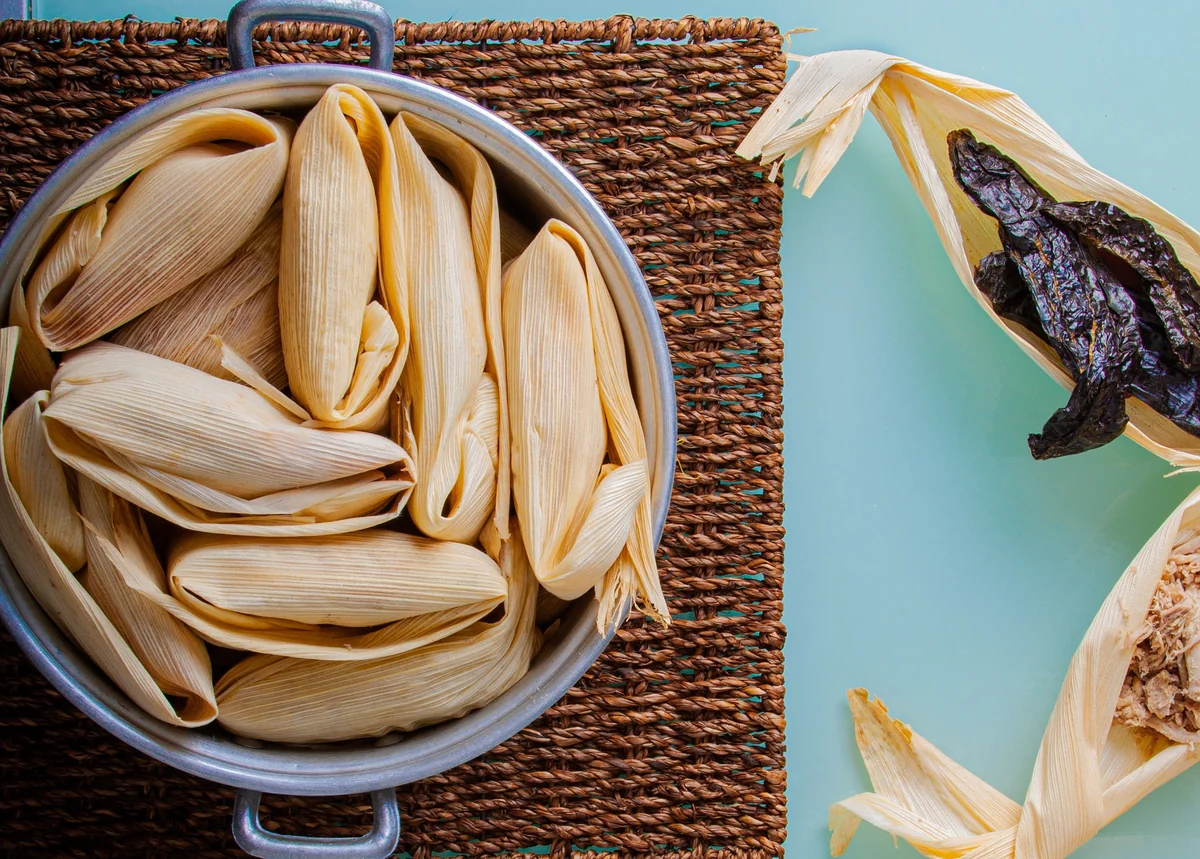
These little tamalitos are the simplest version, the starting point to making the best homemade tamales. A tamal de masa usually has no filling or sauce; people typically wrap them in corn husks. Their thicker consistency makes them the perfect replacement for bread to dunk in soups and salsas.
Tamales Colorados (Red Tamales)
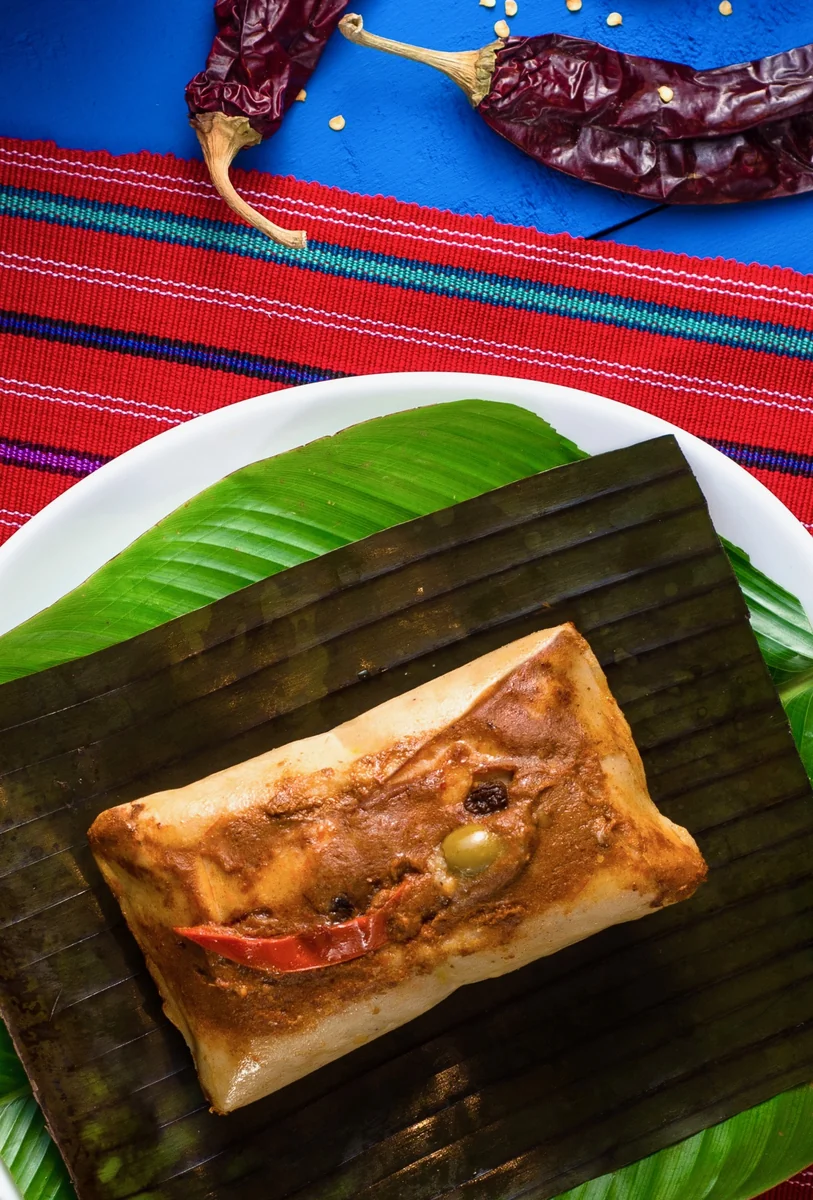
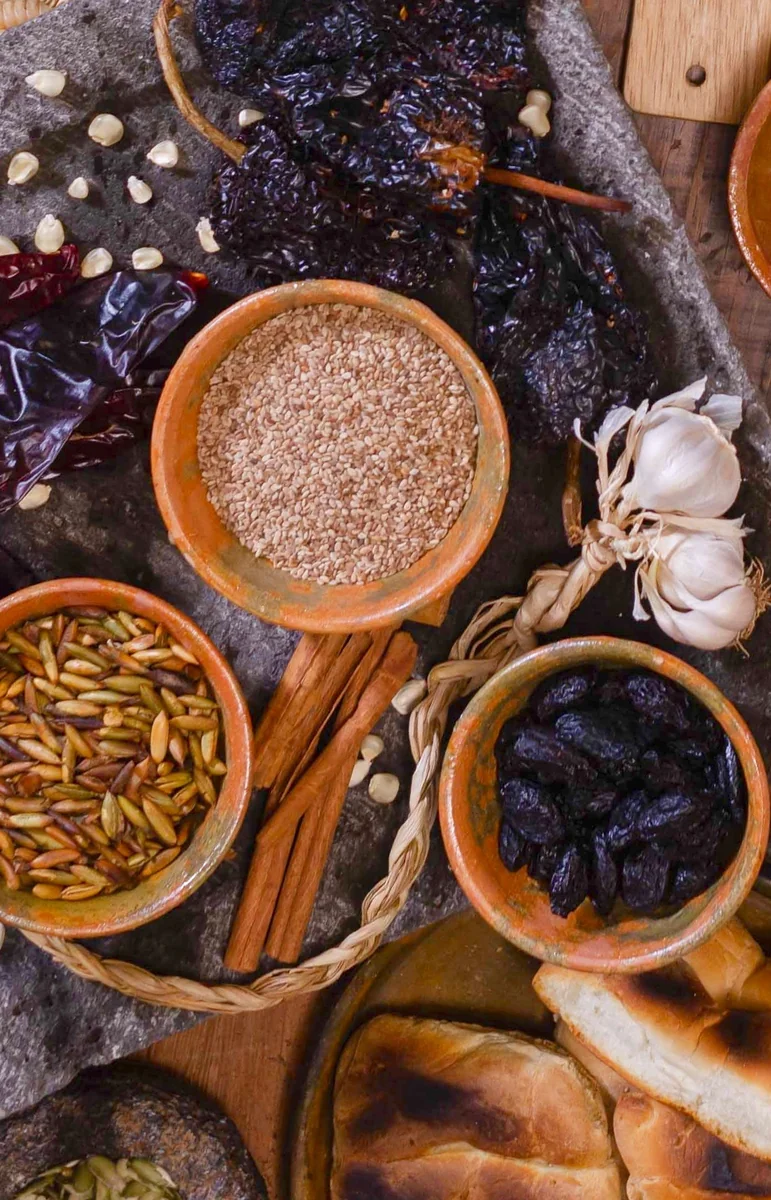
The tamal colorado is the classic: corn masa with a piece of pork or chicken, a red recado thickened with toasted pumpkin and sesame seeds, an olive, and a strip of red bell pepper, all wrapped in banana leaves. One of Guatemala’s most famous dishes, this savory tamal is served on its own with a lime wedge and pan francés. The famous banana leaf tamale is typically part of Christmas celebrations, Guatemala’s independence on September 15, and plenty of ordinary Saturdays.
Tamales Negros (Sweet Black Tamales)
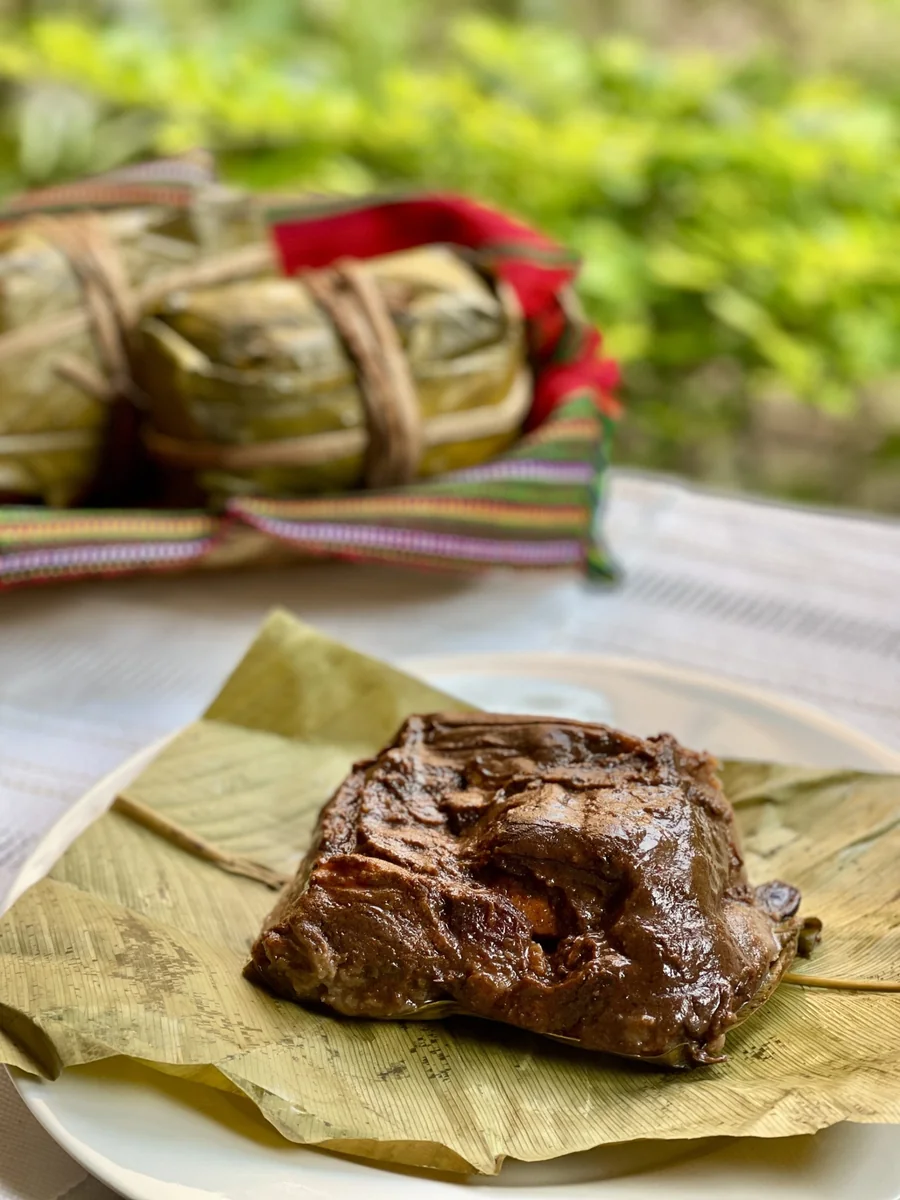
A sweeter, darker cousin of the tamal colorado, tamales negros are made mostly for the holidays. The filling is chicken, pork, or turkey in a sweet mole-style recado with chocolate, which is where the name comes from. You usually garnish with almonds, raisins, and prunes and wrap it in banana leaves, just like its red counterpart.
Chuchitos Tamales
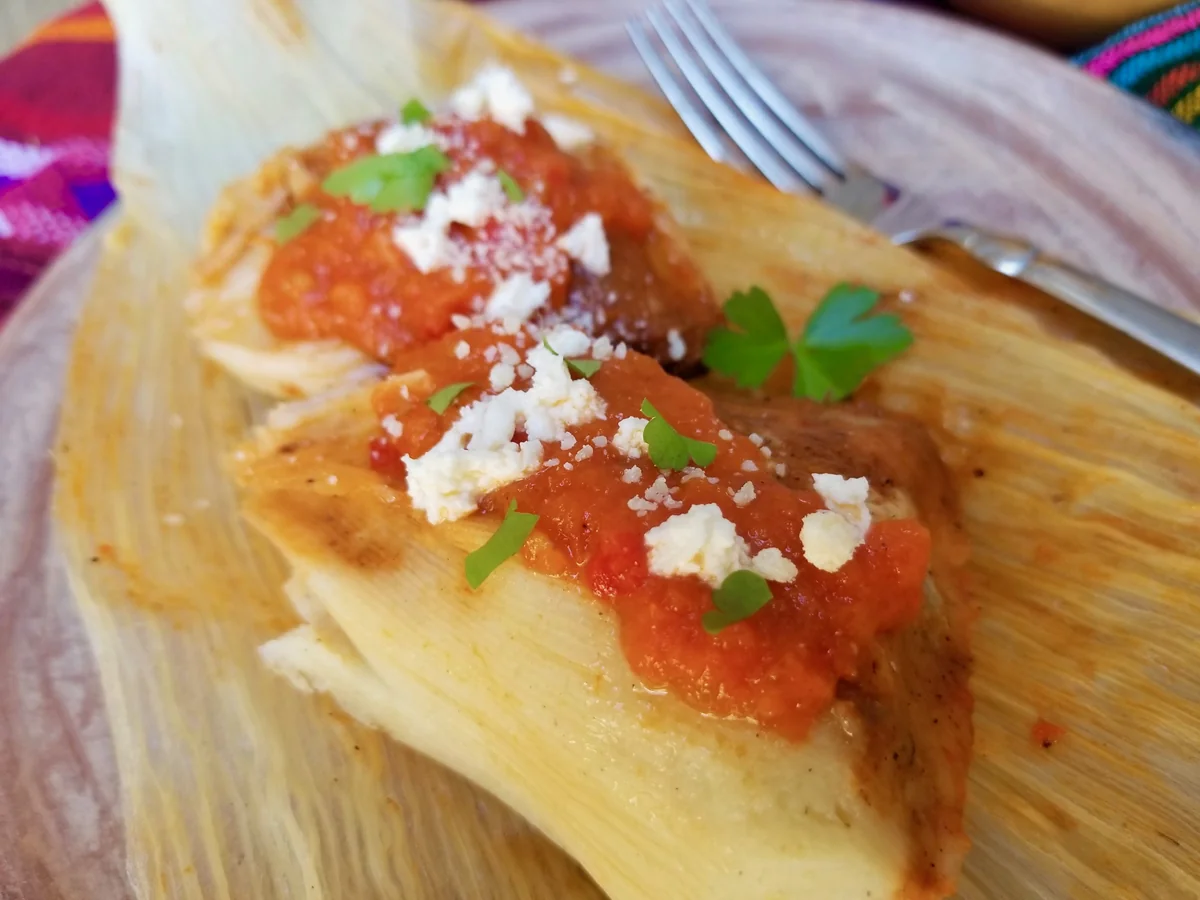
Smaller and firm, chuchitos tamales have a corn-based masa and a tomato recado. You stuff them with pork or chicken, often topping them with salsa and crumbled dry cheese. Unlike red tamales, you wrap chuchitos in dried corn husks rather than banana leaves. They are a popular Guatemalan dish, and you’ll find them at ferias (town fairs), from street vendors, and on just about any day of the week!
Tamales de Chipilín
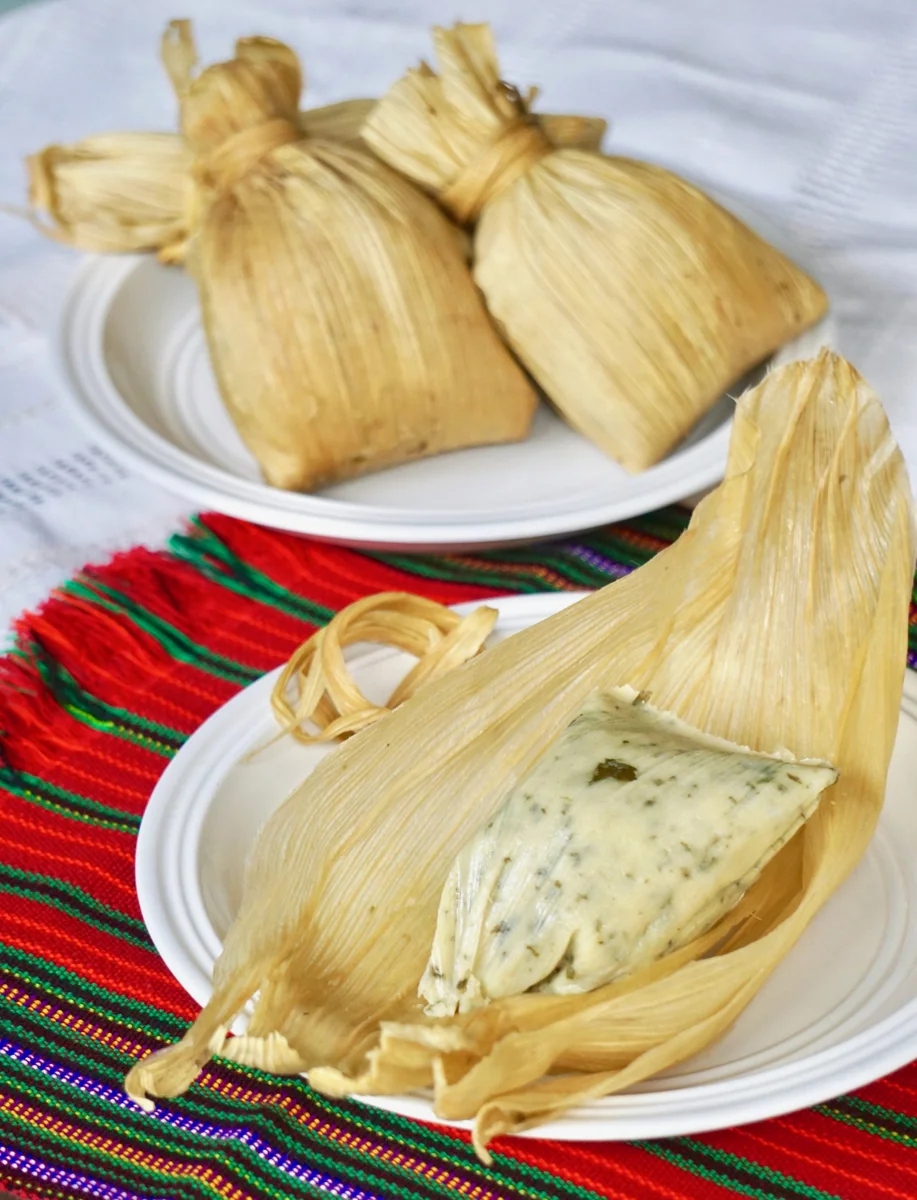
Simple yet delicious, tamalitos de chipilín are about the size of chuchitos and wrapped in corn husks, but they have no meat. Instead, you mix the masa with chipilín (also called chepil), a leafy green with an earthy flavor. And although there is no meat in them, chipilín leaves deliver a unique seasoning to this Guatemalan dish that will leave you asking for more!
Paches (Potato Tamales)
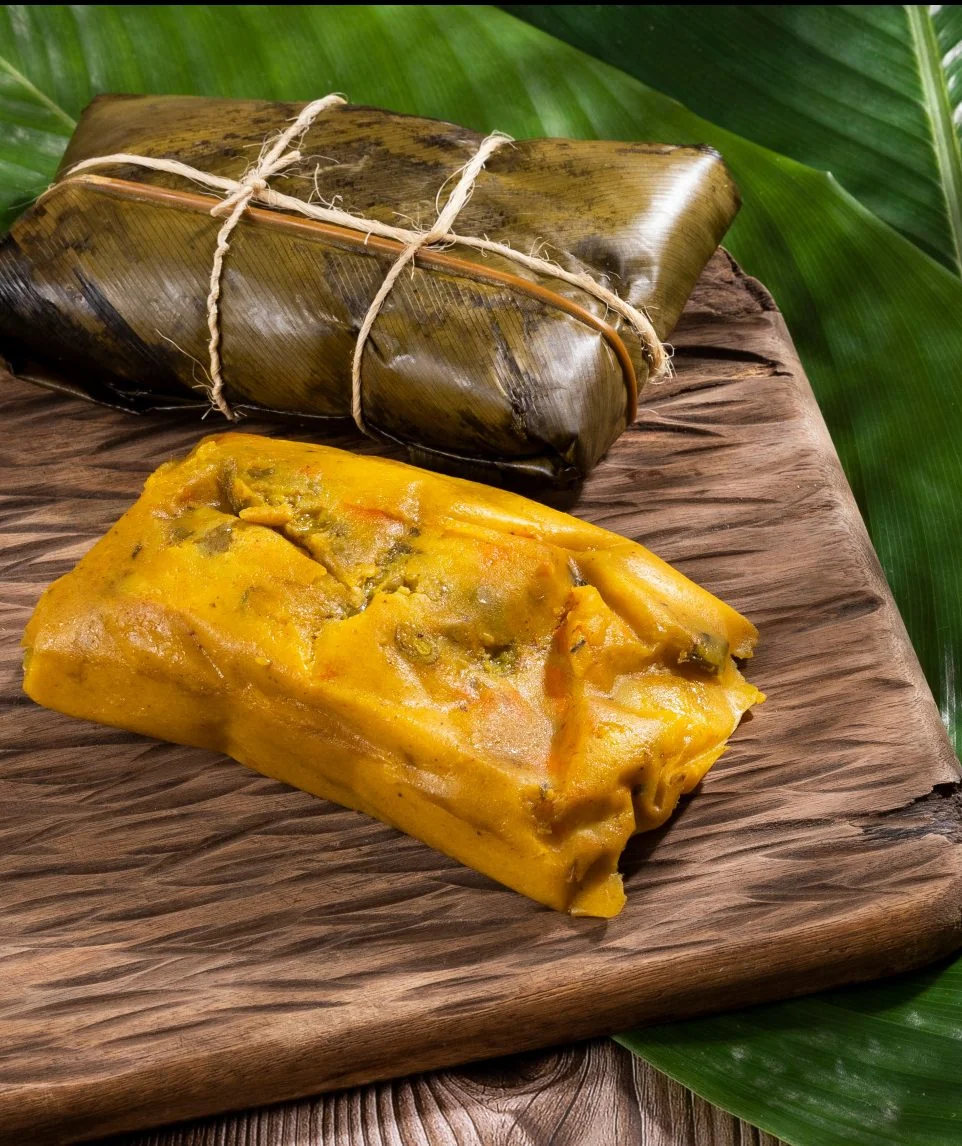
Paches swap the corn dough for mashed potatoes, mixed with bread or a little corn masa so the dough holds together, plus a tomato recado that turns it reddish. They’re wrapped in banana leaves like tamales colorados. Thursdays are Jueves de paches (paches Thursday) for many Guatemalan families.
Tamales de Arroz (Rice Tamales)
Rice tamales come from the Guatemalan highlands. Instead of corn masa, the dough is rice cooked down with water and salt until it’s thick, and the recado is close to the one in tamales colorados. Some cooks go halfway and mix ground rice into corn masa. The rice dough gives these tamales a softer, more delicate bite, letting the rich recado stand out. If you love tamales colorados, this is another version worth trying.
Tamales de Elote
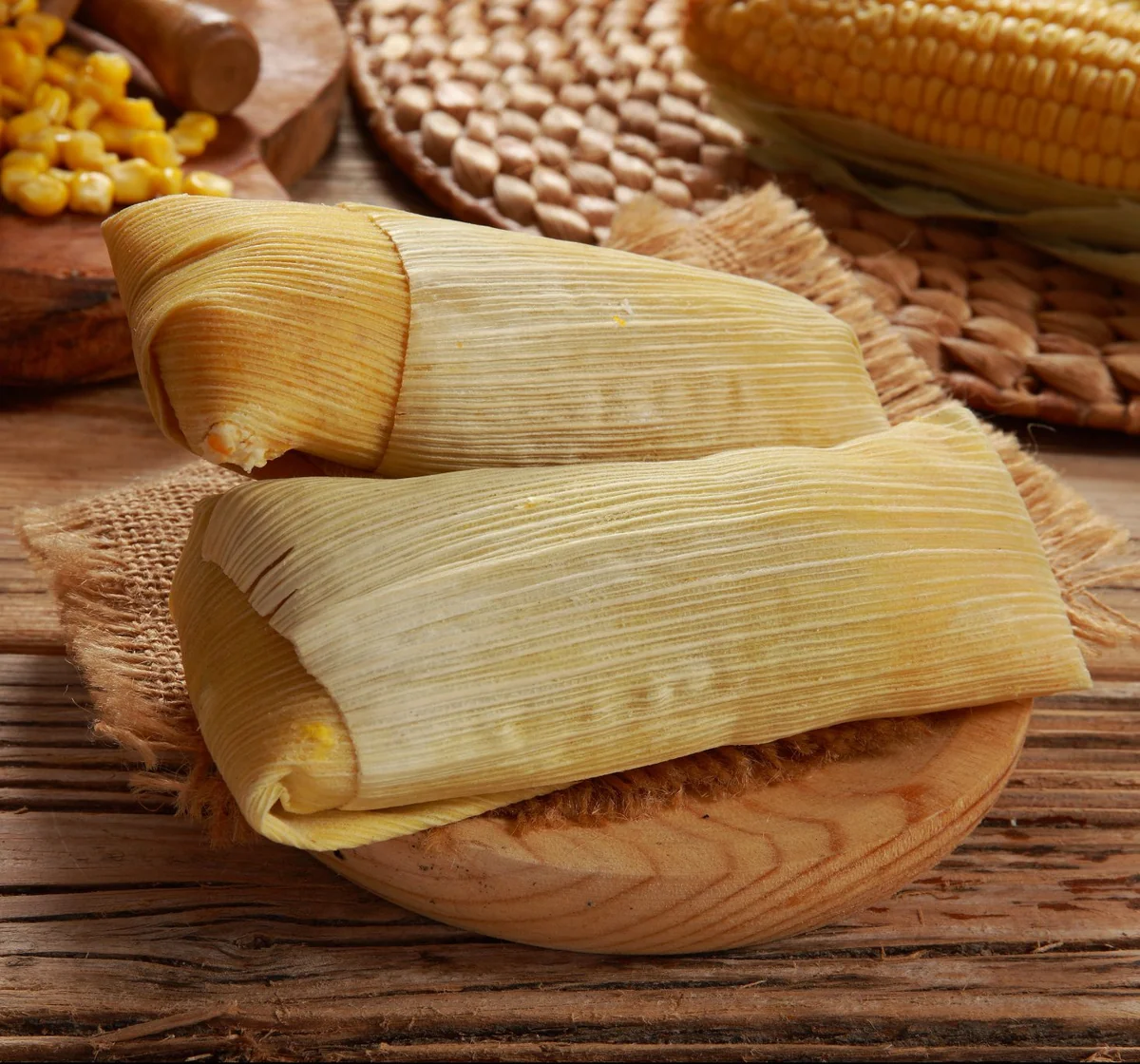
Tamalitos de elote are made with fresh sweet corn blended into a batter rather than the usual masa, and no meat. I like to leave a few whole kernels in. Soft, sweet, and fluffy, they work as dessert or an afternoon snack with a steaming cup of Guatemalan coffee. The right amount of sugar to bring a smile to your face!
Tamalitos de Cambray
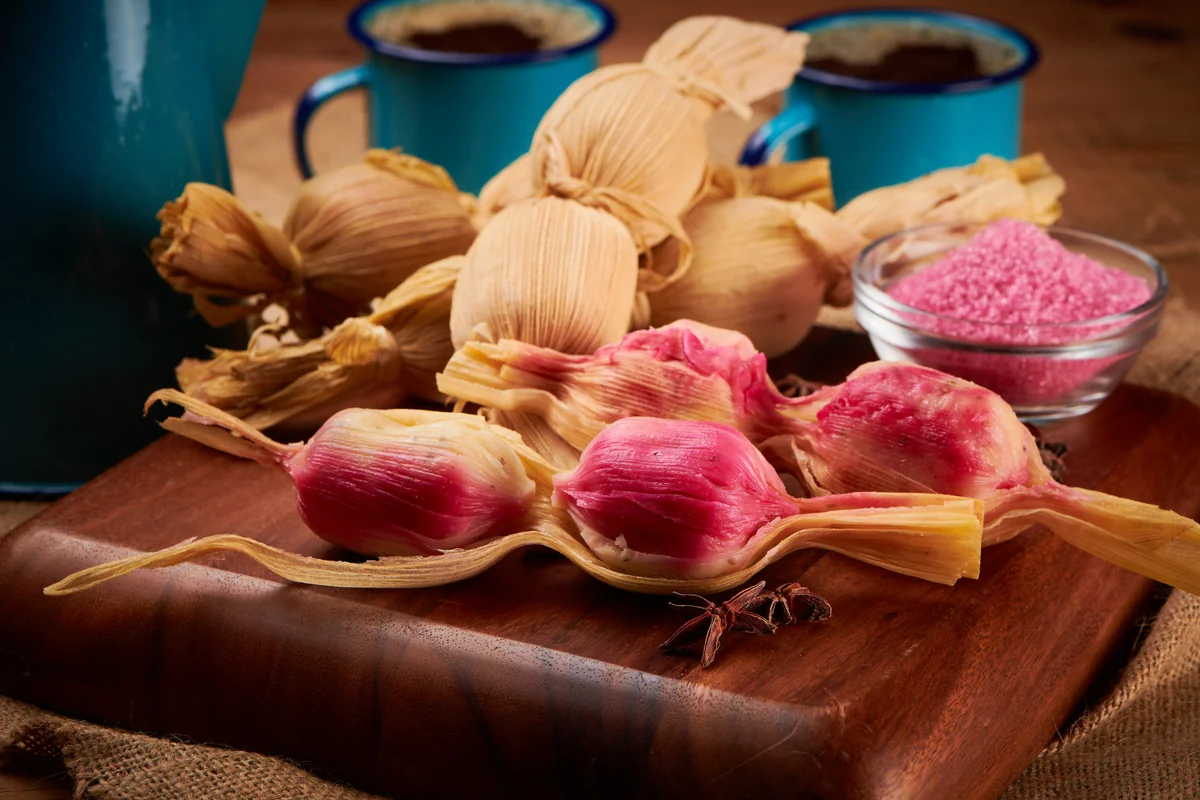
Tamalitos de cambray are the pink ones. The masa is sweetened with pink sugar (regular sugar dyed light red) and flavored with cinnamon or anise. Each cambray tamal gets a raisin and an almond, then gets tied into two little cornhusk balls, so it looks like a pair of beads. They’re a special-occasion sweet, perfect as a stand-alone dessert or a snack, and best with a cup of Guatemalan hot chocolate.
When Do People Eat Tamales?
Any day is a good day for a tamal if you ask me. Traditionally, though, Guatemalans eat them at midnight on Christmas Eve and again on New Year’s Eve, often with hot chocolate and ponche (warm fruit punch), and they’re part of every list of Christmas traditions in Guatemala. They also show up on Independence Day, September 15, and at birthdays and baptisms.
Guatemalan tamales are also a popular meal on Saturdays, when little tiendas (neighborhood stores) will light a red lantern to let people know they are ready for sale. And you will always see a vendor on the street at the town fairs with their canastas (big woven baskets covered with cloths) shouting that the tamalada is ready!
What Are the Best Side Dishes for Guatemalan Tamales?
For Chapines, the perfect side dish for most types of Guatemalan tamals is a crunchy loaf of pan francés (a traditional Guatemalan bread). You usually serve tamales as a stand-alone main course with a lime wedge and a side of refried black beans or white rice. I also love non-traditional side dishes like avocado and tangerine salad to cut through all the starchy flavors.
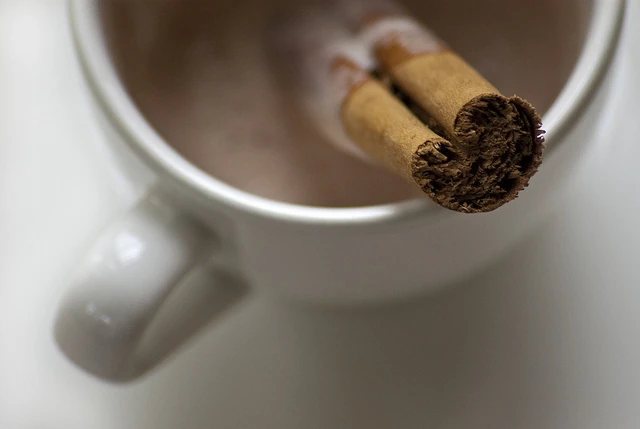
And for the sweeter versions, drizzle Mexican crema, dulce de leche (caramel sauce), or condensed milk on top to add milky depth to the dish. And the best combo for a sweet tamale is a steaming cup of hot chocolate, just like my Abuelita used to make.
Let’s Talk Guatemalan Tamales: From Names to Favorites
What do Guatemalans call their tamales?
Even with so many types of Guatemalan tamales, locals simply call them tamales or tamalitos for the small ones. The big red ones are tamales colorados, and the dark, sweet ones are tamales negros; small husk-wrapped ones with meat are chuchitos. You’ll also hear tamales chapines, because chapín is what Guatemalans call themselves.
How many kinds of tamales are there in Guatemala?
There’s no official number. Recipes change from region to region and from one family to the next. The nine types of Guatemalan tamales in this guide are the ones you’re most likely to find in homes, markets, and on Saturdays in Guatemala City.
What are the pink tamales called?
In Guatemala, pink tamales are tamalitos de cambray. The color comes from pink sugar in the masa. You tie each one into two little balls, one with a raisin and the other with an almond.
Which country makes the best tamales?
I’m Guatemalan, so you know my answer. Honestly, the best tamal is the one you grew up with. For me, that’s a tamal colorado at midnight on Christmas Eve, and nothing from anywhere else has ever tasted quite as right.
Tasting Them All in Guatemala
Some of these are easy to find, and some take a little looking. You can find chuchitos on street corners all year, while tamales negros mostly show up in December. I put together a guide to where to eat the best tamales in Guatemala, city by city, with what each place makes.
A good meal deserves a spot on the itinerary, not just whatever time is left between sights. I can help you plan a trip to Guatemala that makes room for both, with food stops woven into your route so you can try more of the dishes that caught your eye here.
Other Traditional Guatemalan Foods You Must Try
There’s plenty more traditional Guatemalan food to try beyond tamales, from crisp enchiladas piled with toppings to hilachas in a rich tomato sauce. These recipes give you a few more reasons to keep cooking Guatemalan dishes at home.
Traditional Guatemalan Enchiladas
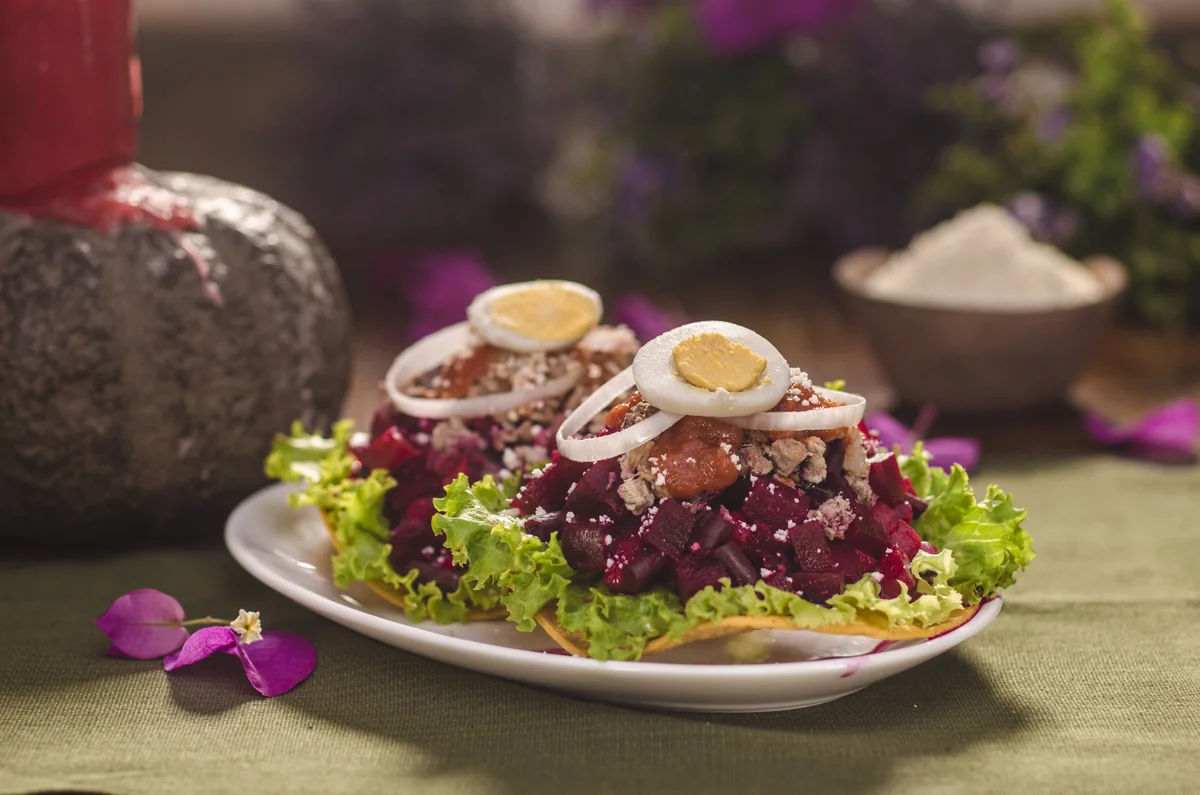
A toasted tortilla topped with vegetable escabeche, ground beef, and tomato sauce. Enchiladas (or jardineras) are one of my favorite authentic Guatemalan dishes to make for a crowd.
Guatemalan Hilachas
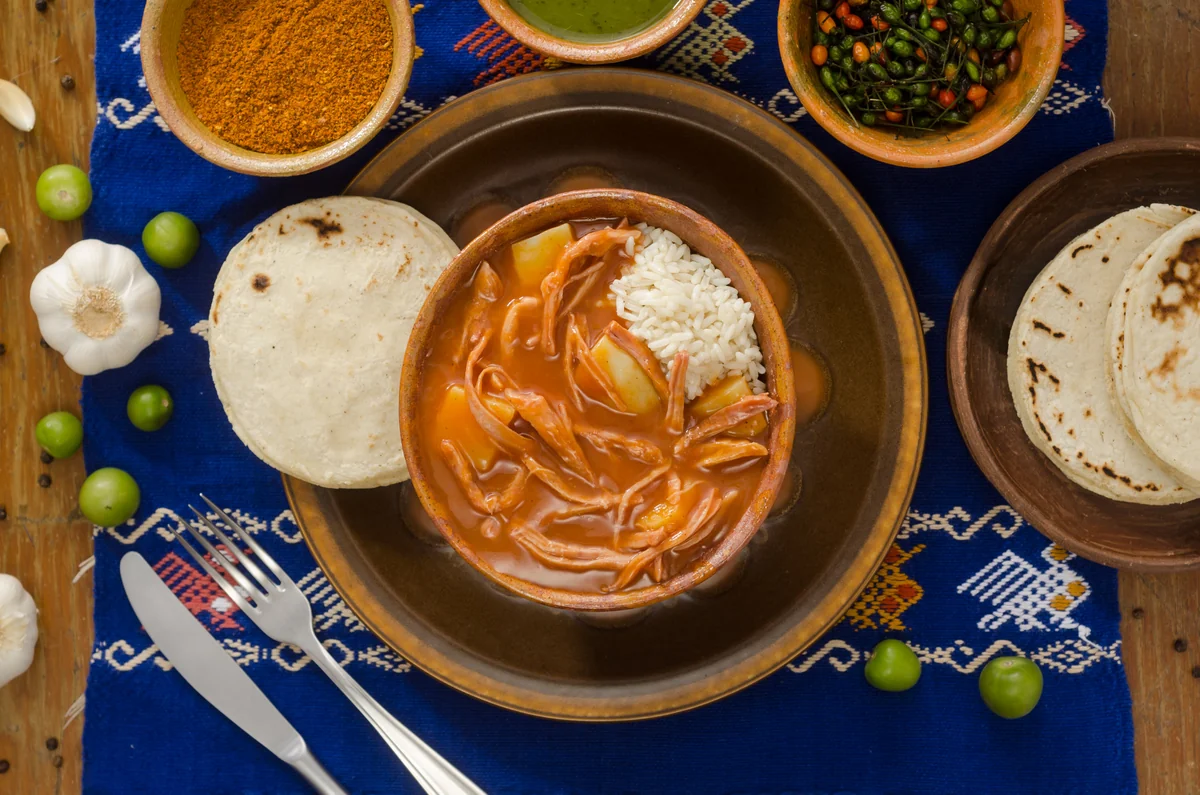
Shredded beef simmered in a tomato recado makes this Guatemalan hilachas recipe perfect for the Instant Pot or slow cooker. Similar to the Cuban’s Ropa Vieja, it’s a flavorful, easy-to-make stew for cold-weather days!
Guatemalan Chiles Rellenos
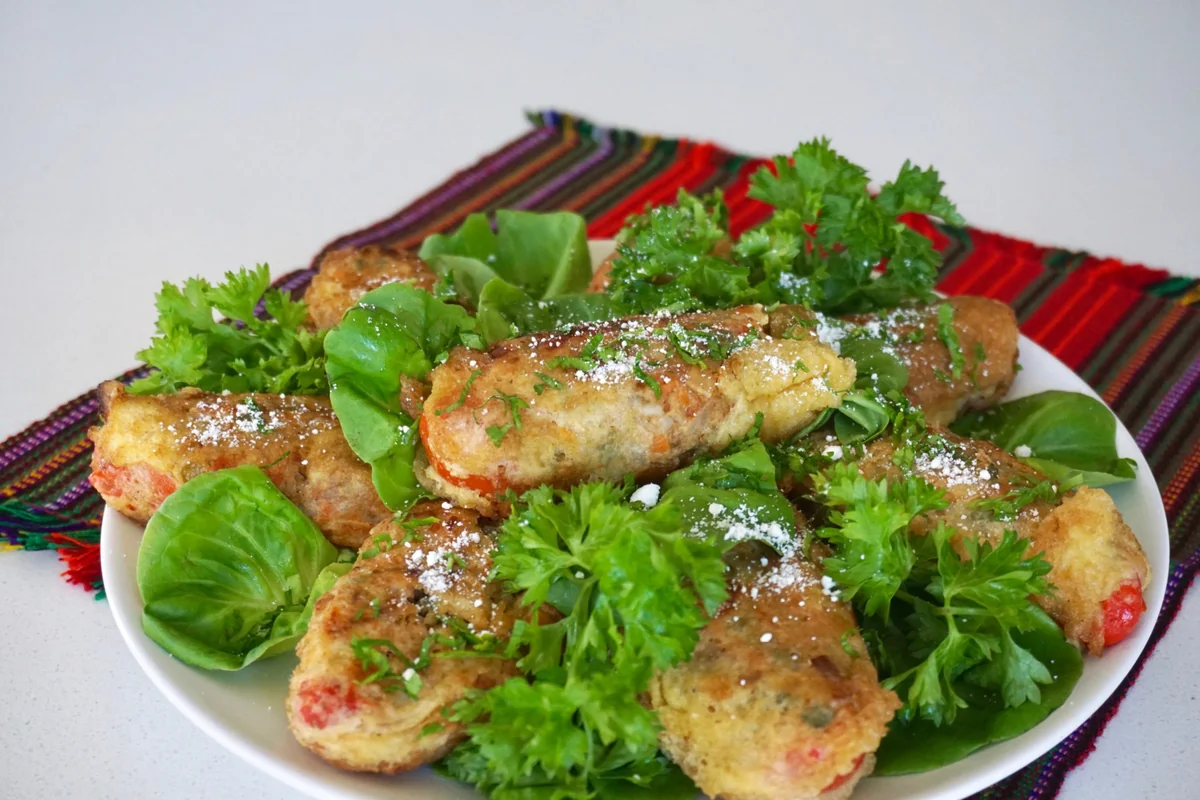
Chiles rellenos are sweet peppers stuffed with beef and vegetables, finished with tomato sauce, and different from the Mexican version.
Pepián De Pollo
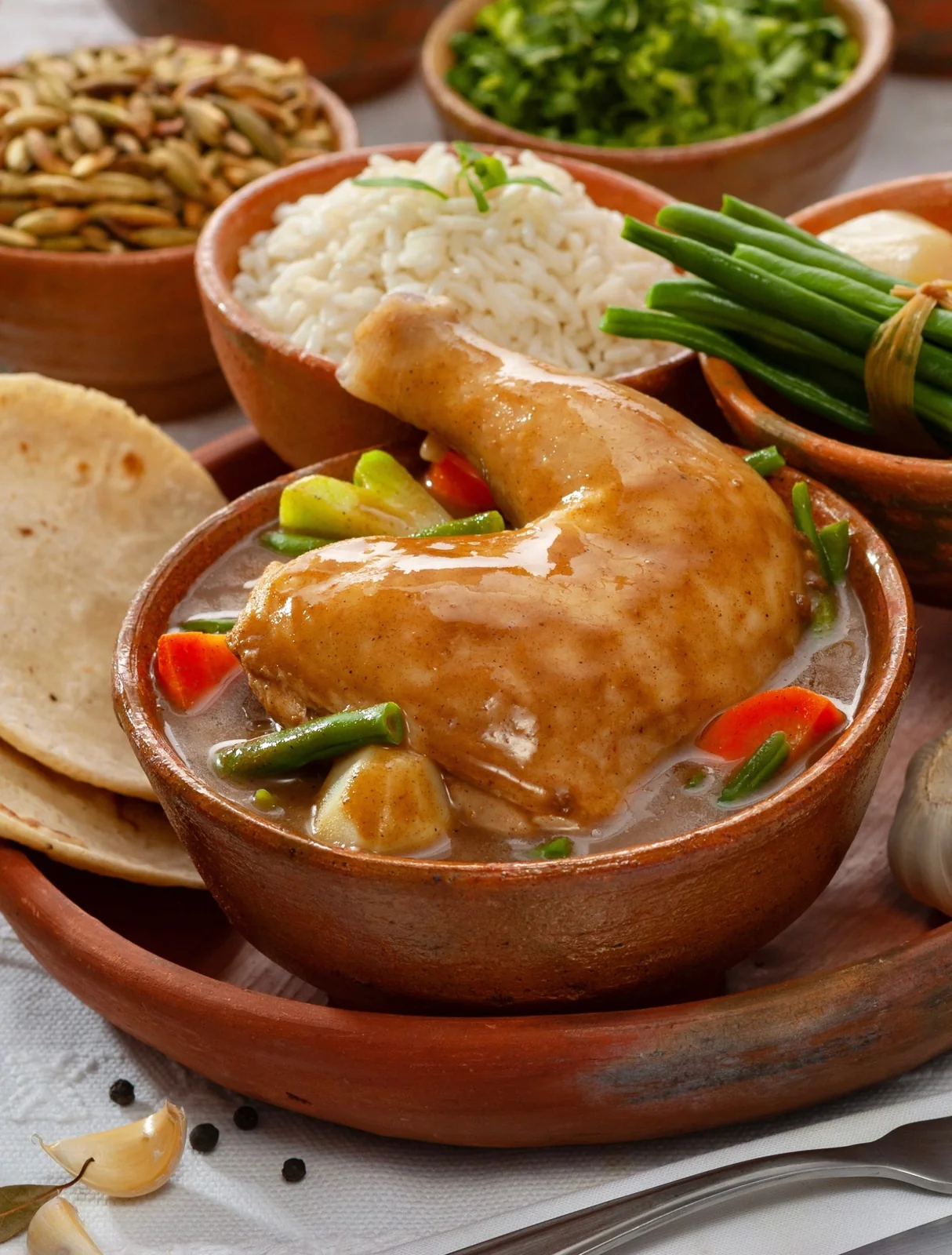
A chicken stew with toasted seeds and chiles in a tomato-based sauce. You can make Guatemalan pepián with chicken, beef, or pork.
Best Guatemalan Desserts: Traditional Sweets & Candy
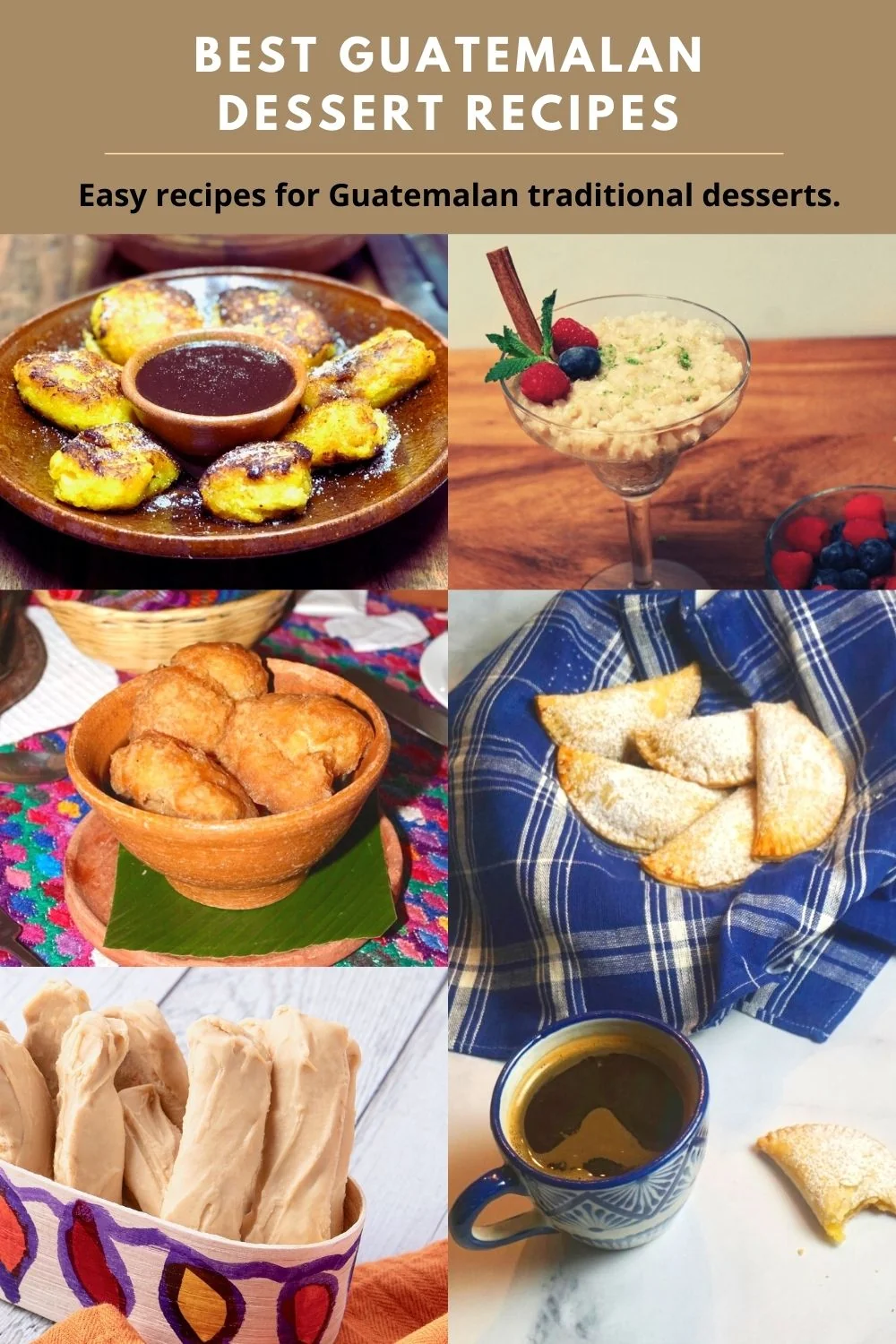
Whether you are in the mood for crunchy cookies, soft puddings, or creamy candies, you’ll find many delicious Guatemalan dessert recipes to choose from. Here are all the traditional Guatemalan sweets perfect for after the tamales!
Ponche de Frutas
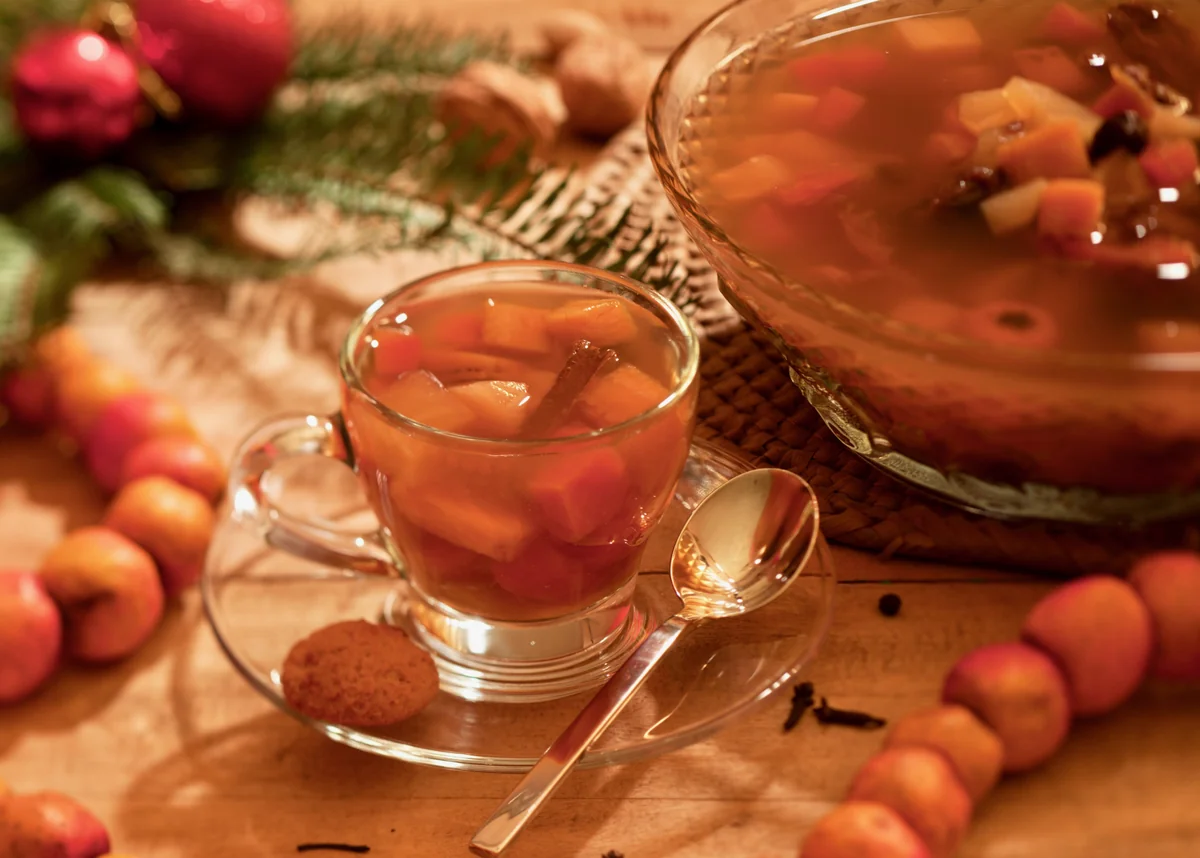
The warm Christmas fruit punch Guatemalans drink with their tamales at midnight!
Which Tamal Does Your Family Make?
My grandmother’s tamales are still the ones I measure every other tamal against, and making them for my kids is how I keep her table going. If you’re making tamales this year, try one kind you’ve never made before. Turn the making of this mouthwatering Guatemalan dish into a Tamalada party! Then tell me in the comments: which type of Guatemalan tamales does your family make, and when?

Through her writing, Paula helps travelers discover Guatemala beyond the typical tourist route with practical advice, local recommendations, and authentic experiences that connect visitors with the country’s people, culture, and traditions.
Planning a trip to Guatemala? Paula offers personalized Guatemala itinerary planning and trip consultation services tailored to your interests, travel style, and budget. Contact her at [email protected] to learn more.
- San Lucas Tolimán Guatemala: Lake Atitlán’s Best-Kept Secret - September 24, 2026
- Hotel Tolimán Lake Atitlán: A Special Stay in San Lucas Tolimán - September 24, 2026
- Guatemala Dreams in San Lucas Tolimán: A Boutique Stay on Lake Atitlán - September 23, 2026


La comida Guatemalteca
Es extensa, variada y deliciosa
Me gusto leer este articulo
Gracias..!!!
Me agradó leer todo este artículos acerca de el traditional tamal típico de Guatemala, confieso me dió nostalgia, y Leer sobre los tradicionales chuchitos ahh, que bendición, gracias.muchas gracia, bendiciones.