

The Acatenango hike is the volcano experience almost every visitor to Guatemala asks me about, usually right after seeing a video of Fuego erupting in the dark and wondering if that could actually be them standing there. It can be. But the real hike is harder, colder, dustier, muddier, and more complicated than most short videos make it look.
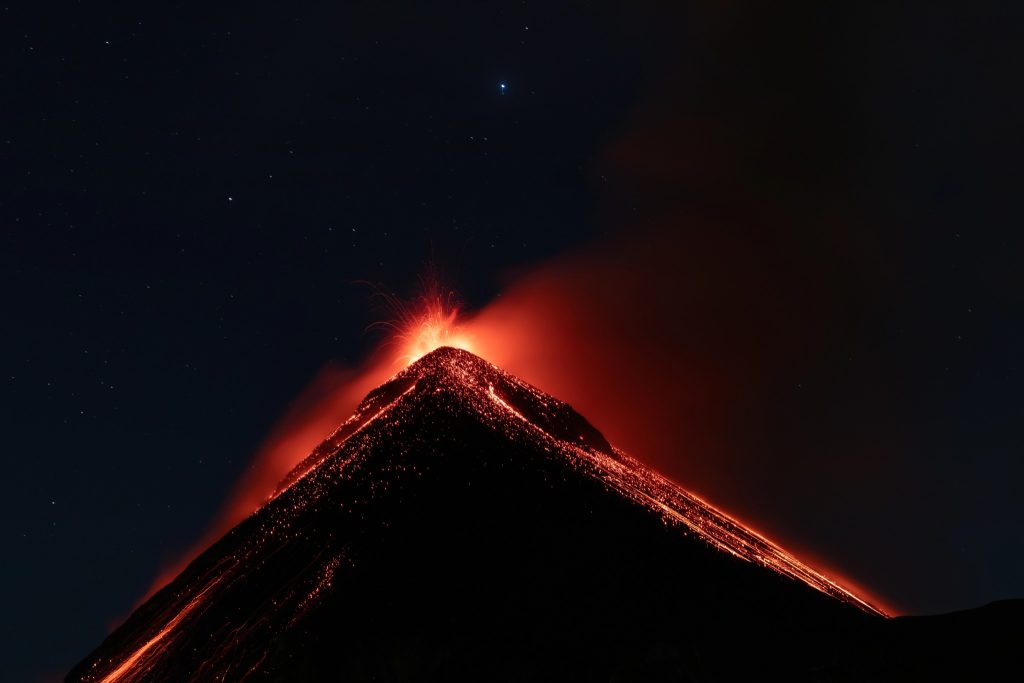
I grew up in Guatemala City, spent many years in the United States, and now live in Antigua, close enough to Acatenango that I see its silhouette almost every day. I climbed it myself with my ex-husband and our teenager, and over the years I have also sent friends, family members, and travel-planning clients up that mountain. I have heard both versions of the story: the people who come down saying it was the hardest thing they have ever done and the people who say it was one of the most unforgettable nights of their lives. Often, they are the same people.
Our own trip was a good one. We had clear weather, no mud, no snow, and no major drama. We went with a solid operator, but I am not naming them here because I do not want this guide to become an ad for one company. I also did not do the optional Fuego add-on hike myself, so when I talk about that part later, I am very clear about what comes from guides, operators, official warnings, and other climbers rather than my own feet on that trail. We also hiked the full route instead of taking the 4×4 option, though we met people at base camp who had chosen that version and were completely happy with it.
This is the Acatenango guide I wish I had before my first climb: honest about the difficulty, clear about the weather, realistic about the Fuego add-on, careful with safety, and practical about choosing an operator. If after all of that you still want to go, and I do think it can be worth it, I can help you figure out which operator and itinerary actually fit you.
This guide is for
✓ First-time climbers deciding if they are fit enough
✓ Travelers comparing Acatenango tour operators
✓ Anyone who wants the honest safety picture before booking
QUICK FACTS
- Location: Trailhead near La Soledad, about one hour from Antigua
- Summit elevation: 3,976 meters / 13,045 feet
- Distance: Usually around 13-15.5 km round trip, depending on route and camp location
- Elevation gain: Around 1,500 meters from the trailhead to the summit
- Typical format: 2 days / 1 night, with base camp on Acatenango and views of Fuego
- Difficulty: Strenuous, even for reasonably fit travelers
- Best season: November through April for drier trails and better visibility
- Biggest risks: Altitude, cold, dehydration, loose volcanic terrain, and changing Fuego activity
TIMING
When to Climb Acatenango
November through April is the dry season in Guatemala, and it is the better window for Acatenango. You have a better chance of firmer trail conditions, clearer skies, and the kind of Fuego view that makes the climb feel worth it. But dry season is not a guarantee. You can still get fog, wind, cold, or clouds in January, and I have also heard from people who climbed in July and had a perfect night.
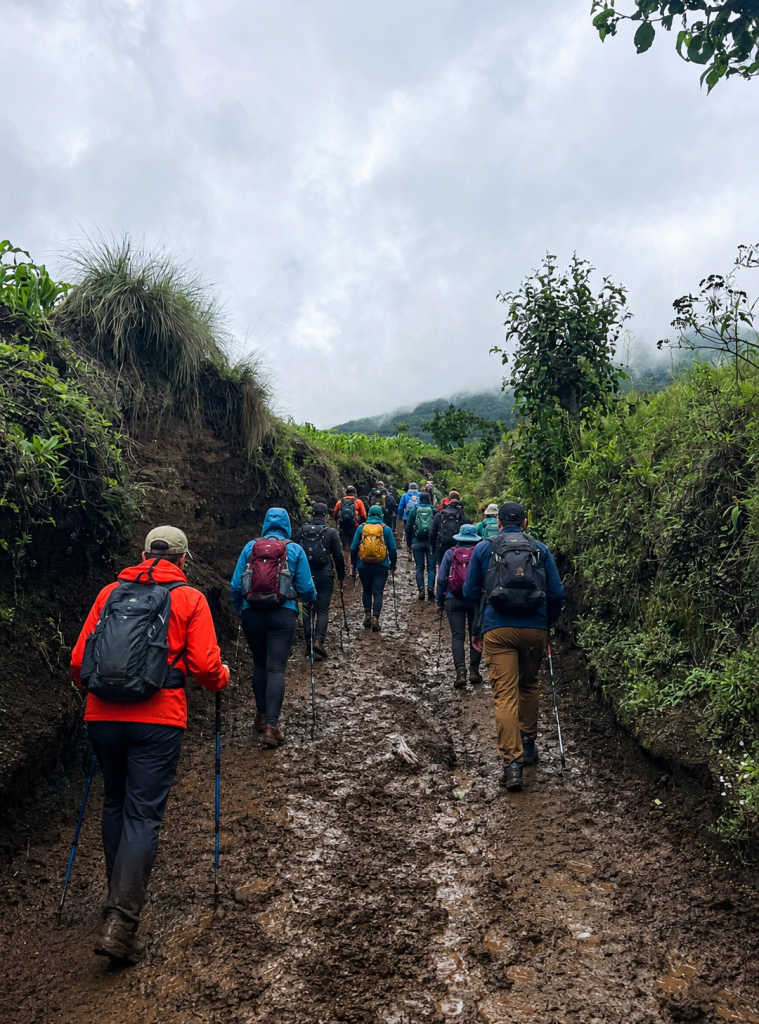
If you go during rainy season, especially September or October, plan for mud and be mentally ready for itinerary changes. The optional Fuego hike and sunrise summit push are more likely to be cancelled in poor weather. The good news is that Fuego can sometimes rise above the cloud line even when base camp feels cloudy or wet, so a rainy-season climb does not automatically mean you will see nothing. It just means you need more flexibility.
📌 Worth knowing: Whatever month you go, the temperature swing is real. You can start the trailhead sweating in a t-shirt and end the night at base camp near freezing. December and January can dip below freezing, and frost or even snow is possible in unusual cold fronts.
I also recommend scheduling Acatenango toward the beginning of your Guatemala trip rather than saving it for the very last night. If weather, volcanic activity, or trail conditions force your operator to postpone, you will have a little room to adjust instead of losing the hike completely.
THE PHYSICAL TRUTH
How Hard Is the Acatenango Hike, Really?
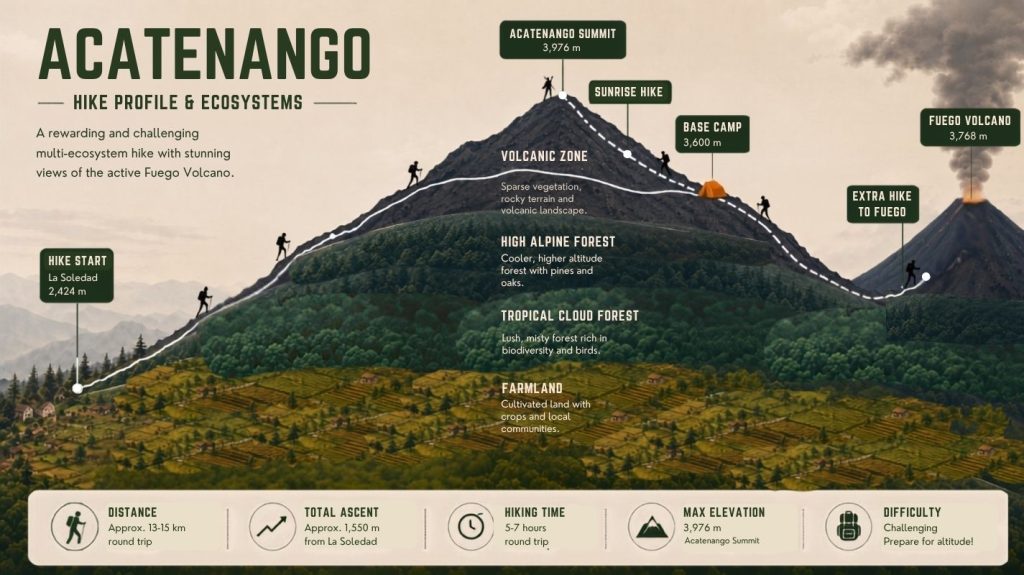
Many tour listings call Acatenango “moderate,” but I think that undersells it. This is a strenuous hike. You gain roughly 1,500 meters of elevation, climbing from a trailhead around 2,400 meters to base camp around 3,600 meters, with the summit at 3,976 meters. The distance itself is not what surprises people. It is the constant uphill, the altitude, the loose volcanic sand, and the cold night after your body is already tired.
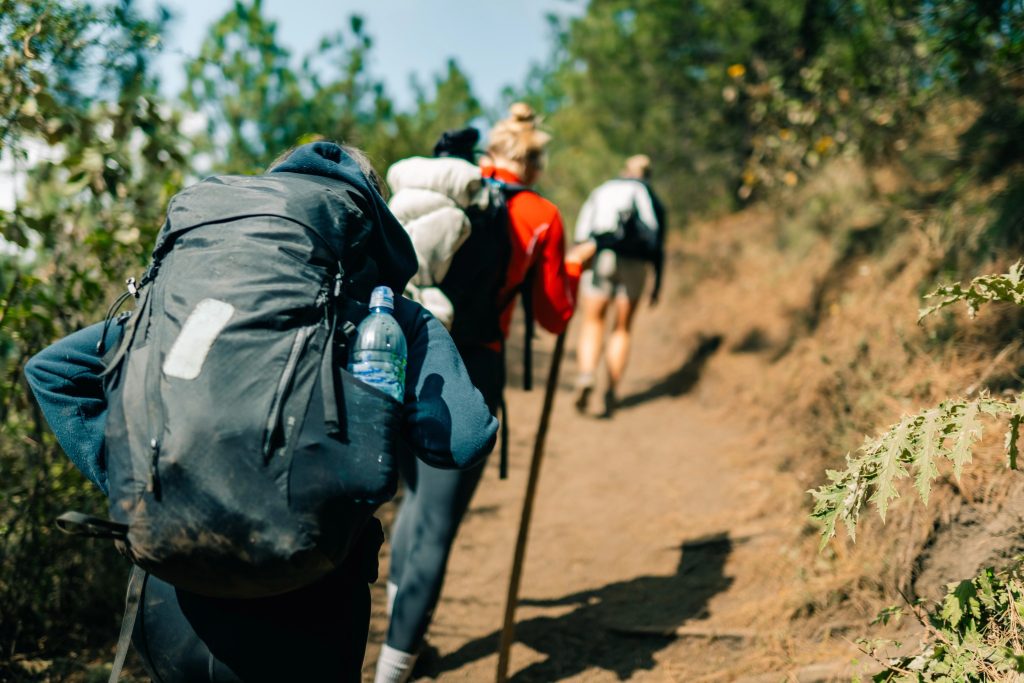
Here is the gut check I give people: if you can hike uphill for five hours at sea level carrying a six to ten kilogram pack and finish tired but not destroyed, you can probably finish Acatenango with the right pace and a good guide. You do not need to be an athlete. I have seen older travelers, teenagers, and families do it successfully. But you do need to respect the mountain and avoid treating it like a casual viewpoint walk.
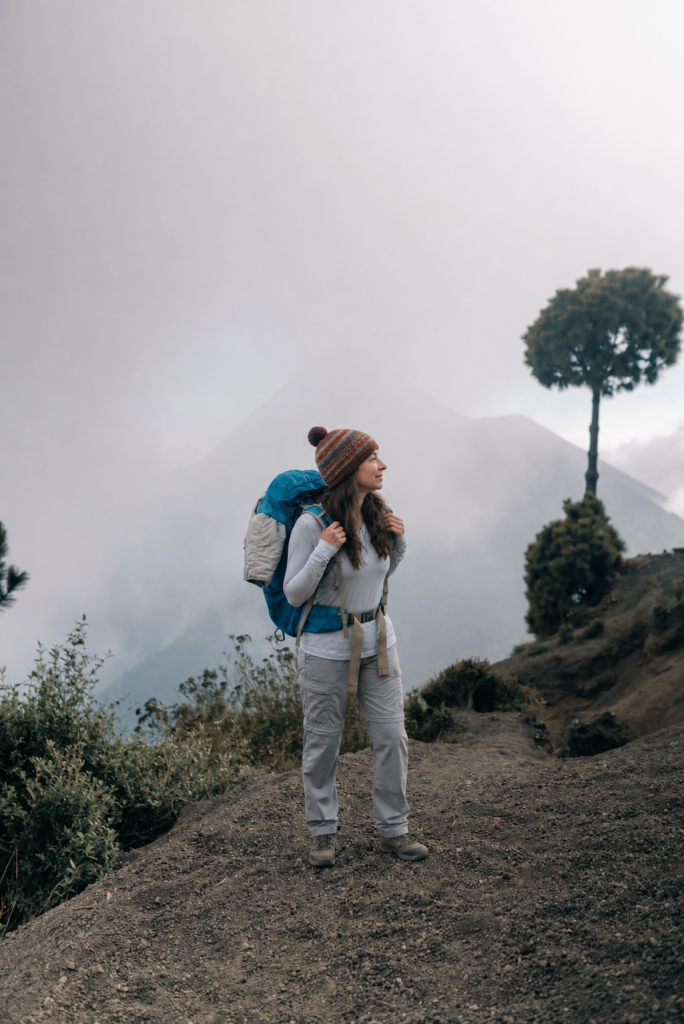
Altitude is the part you cannot fully predict. Some very fit people get headaches or nausea, and some less experienced hikers feel fine. Antigua is already at elevation, so spending a day or two there before the hike helps, but it does not make you immune. Hydrate, eat, avoid alcohol the night before, and let your guide set a steady pace.
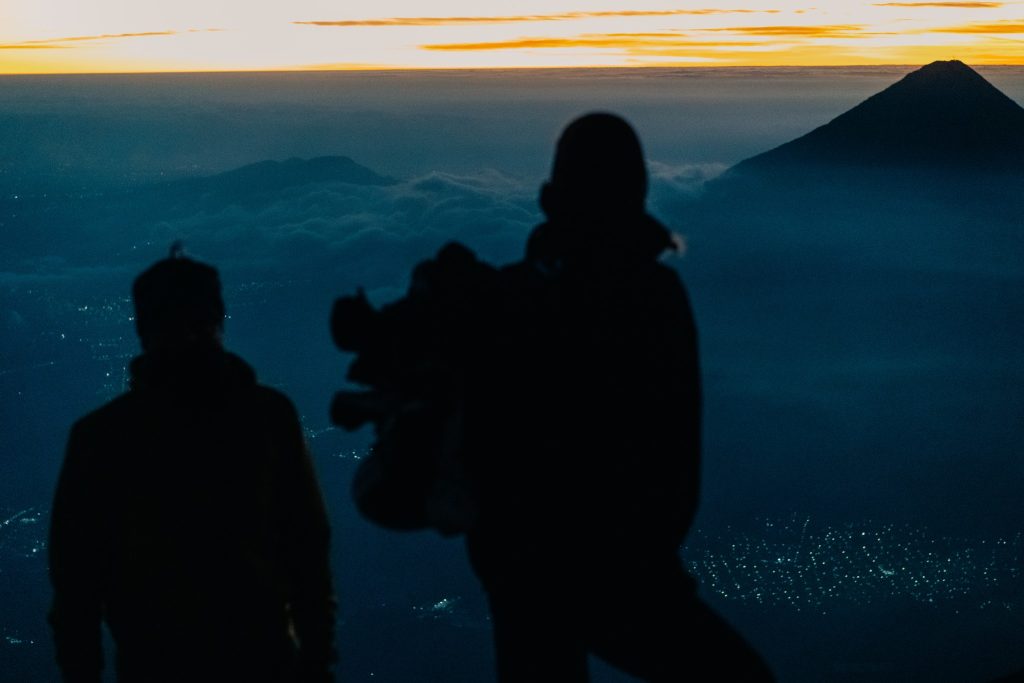
The hardest part for many hikers is not the climb to base camp. It is the optional sunrise summit push the next morning, after a cold and often restless night. Plenty of people plan to do it and then choose to stay at camp once morning arrives. There is no shame in that. Base camp itself can still give you an incredible view of Fuego, especially at night.
✨ A NOTE FOR FAMILIES
If you are deciding whether your kids can handle this, age matters less than mindset, stamina, and expectations. A hired porter can make a huge difference for younger hikers or anyone with knee, back, or endurance concerns. Most operators can arrange porters from La Soledad, and that money goes directly into the local community when handled well.
FOUR CLIMATES IN ONE CLIMB
The Ecosystems You Walk Through on Acatenango
One thing I love about this hike is how much the landscape changes in a single day. You are not just grinding uphill for hours. You move through farmland, forest, high mountain vegetation, and finally volcanic ash and exposed rock. Even before Fuego starts erupting in the distance, the trail itself tells you a lot about this part of Guatemala.
Farmland, roughly 2,000 to 2,400 meters. The trail starts in cultivated, volcanic-ash-enriched fields where local families grow corn, beans, and coffee. This lower section can feel surprisingly warm, especially under full sun.
Cloud forest, roughly 2,400 to 3,000 meters. This is the humid, green stretch, with moss, ferns, oaks, and mist. Depending on the season, this section can feel beautiful or muddy, and sometimes both.
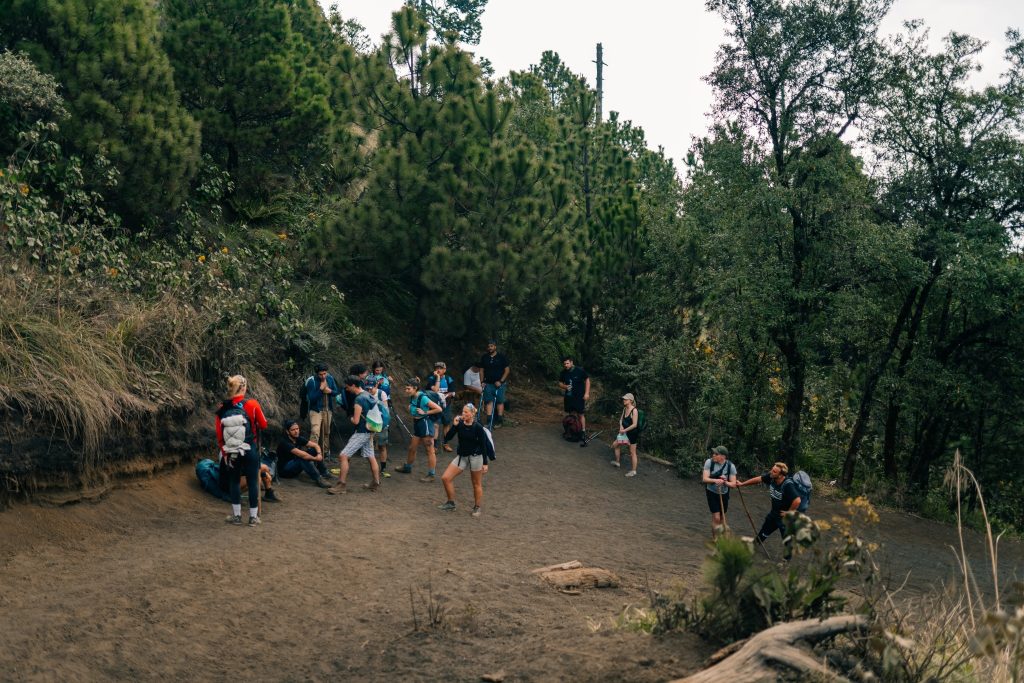
Pine-oak forest, roughly 3,000 to 3,700 meters. The air thins, the vegetation changes, and the temperature starts dropping faster. Many base camps sit in or near this zone, where the views of Fuego begin opening up.
The volcanic alpine zone, roughly 3,700 meters to the 3,976-meter summit. Above the treeline, the trail becomes exposed, cold, windy, and loose underfoot. This is the most dramatic part of the climb, but also the section where weather and footing matter most.
YOUR ROUTE OPTIONS
On Foot, by 4×4, With a Guide, or on Your Own
Most people do Acatenango as an overnight hike: leave Antigua in the morning, start from the La Soledad area, hike to base camp, watch Fuego after dark, sleep at camp, then decide whether to do the sunrise summit push before descending the next morning. That is the classic Acatenango experience, and it is still the version I recommend for most travelers.
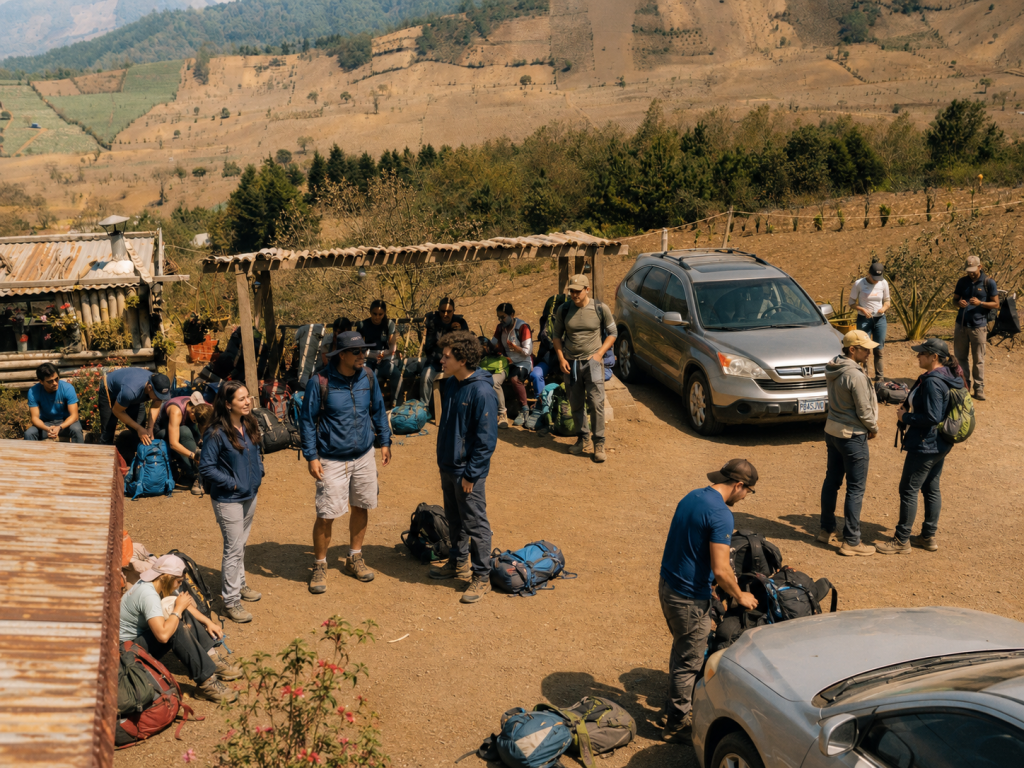
Day hikes exist, but you miss the main reason most people climb Acatenango: watching Fuego after dark. If you only have one day, it is possible, but I would not choose that version unless your schedule truly leaves no other option.
The 4×4 option is real and worth mentioning without judgment. A few operators drive partway up rough mountain roads, cutting the hiking portion down dramatically. This can make sense for older travelers, families with younger kids, people with knee issues, or anyone who wants the Fuego-at-night experience without committing to the full five-hour climb. It is not the same accomplishment as hiking the whole route, but it is still an Acatenango experience.
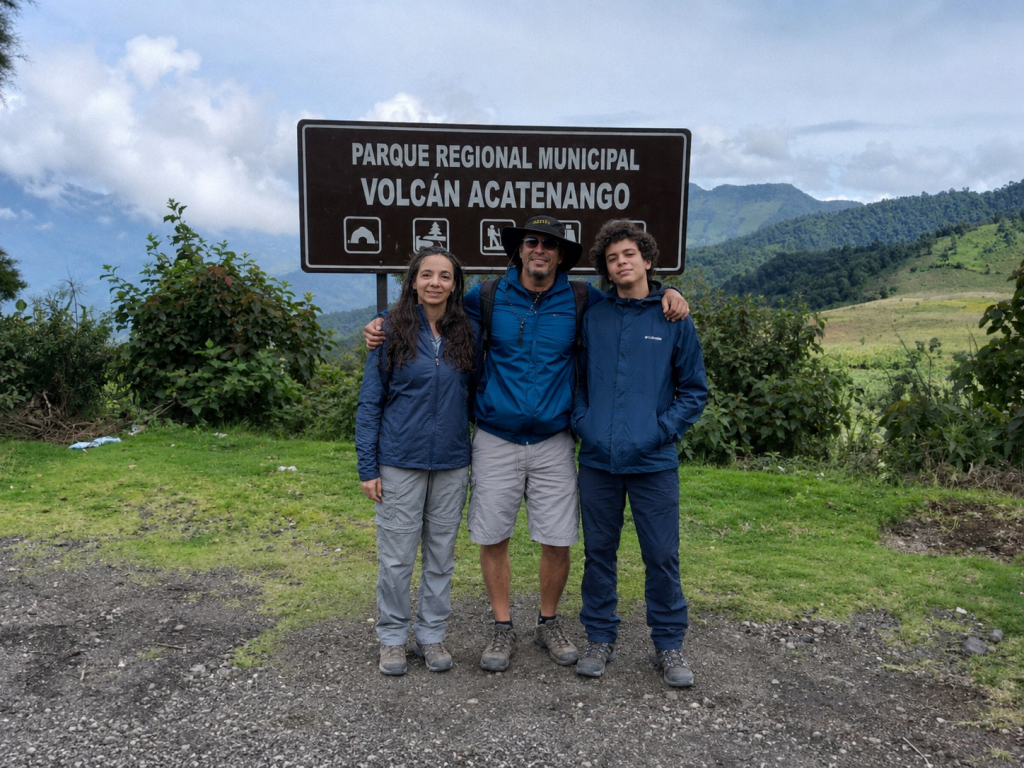
Independent hiking is more complicated. Some hikers report doing it on their own, while some current tour and park information describes a guide as required or strongly expected. Enforcement and local rules can shift, especially after closures or volcanic activity. For most travelers, I recommend going with a reputable operator, not because you cannot walk uphill alone, but because gear, weather calls, transportation, local knowledge, and emergency judgment matter on this mountain.
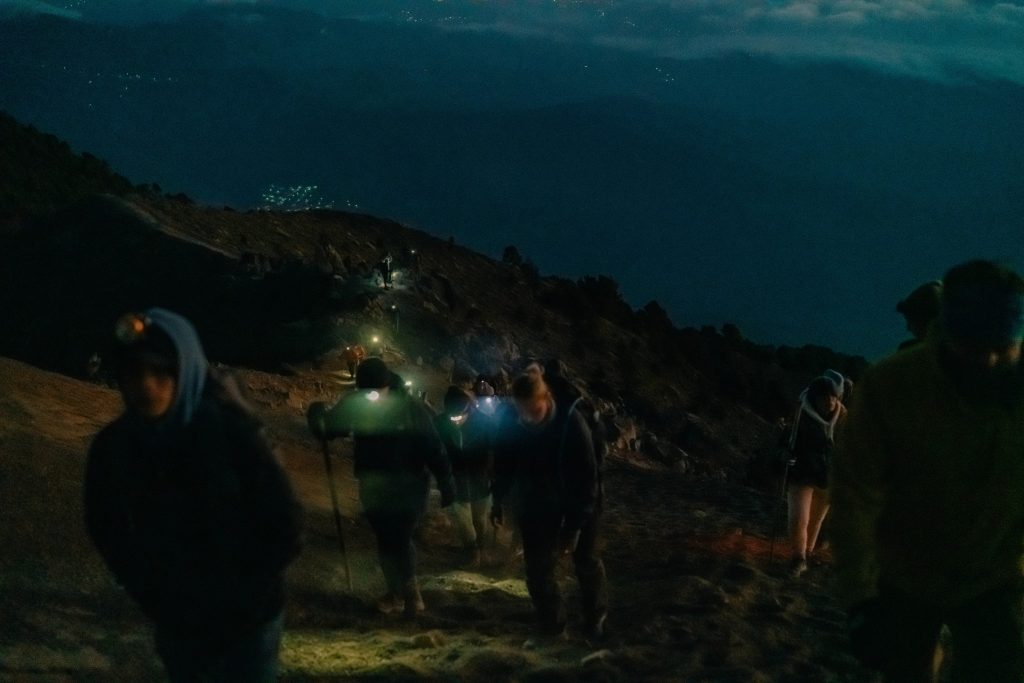
📌 Typical 2-day rhythm: Most overnight tours leave Antigua in the morning, reach base camp by late afternoon, offer the optional Fuego add-on around sunset or early evening if conditions allow, start the optional Acatenango summit push around 4am, and return to Antigua by late morning or early afternoon the next day.
GEAR THAT ACTUALLY MATTERS
What to Pack for Acatenango
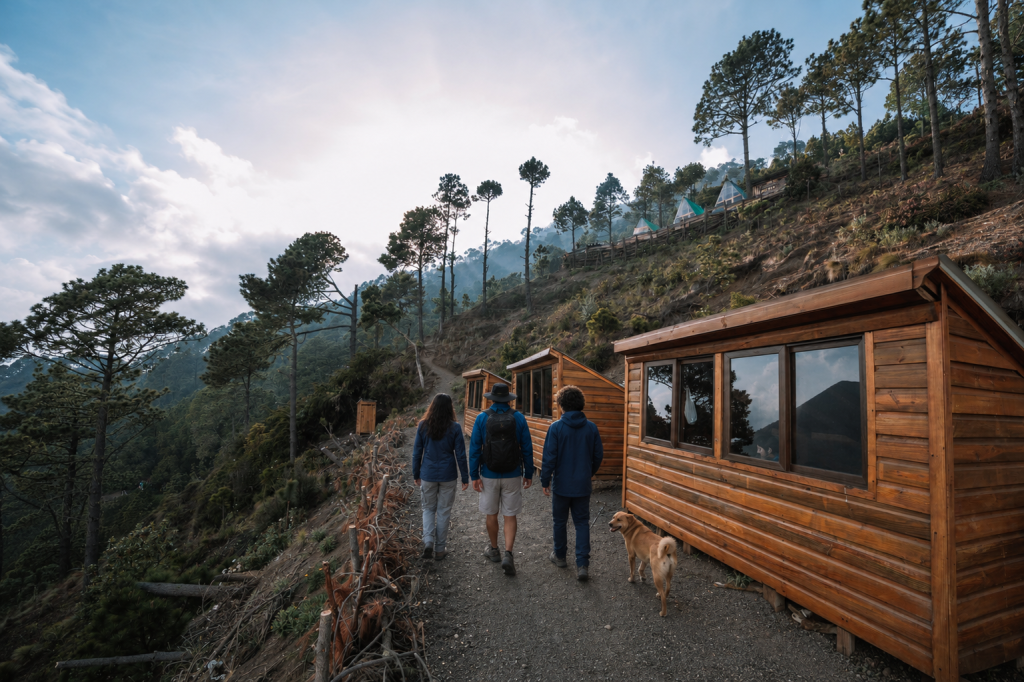
Most overnight operators provide the big camp items: tents or cabins, sleeping bags, sleeping mats, dinner, and breakfast. Some also rent or lend jackets, gloves, beanies, and headlamps. But do not assume. Ask before you book exactly what is included, what condition the gear is in, and what you still need to bring yourself.
The layering logic is simple once someone says it clearly: pack for heat, cold, wind, dust, and possibly rain. You may start the hike sweating and end the day wearing every warm layer you brought.
- Thermal base layers, top and bottom, plus a real fleece or down jacket.
- A waterproof shell, especially if hiking from May through October.
- Gloves, a beanie, and a neck buff. The wind at camp cuts through thin layers fast.
- Worn-in hiking boots or trekking shoes with good grip. Do not do this in sandals.
- Two extra pairs of dry socks. Wet feet can ruin the hike quickly.
- A headlamp with backup batteries, especially for the Fuego add-on or sunrise summit push.
- Trekking poles if your knees complain on steep descents.
- At least three liters of water, and four liters if your operator does not provide water or you know you drink a lot.
- Electrolytes and snacks you actually like eating when you are tired or slightly nauseous from altitude.
- Sunscreen, sunglasses, lip balm, and a hat for the exposed sections.
- Toilet paper, hand sanitizer, and a small bag for packing out wipes or trash.
- Cash for the entrance fee, porter, tips, optional add-ons, and any last-minute rentals.
💡 If you do not own this gear: several outdoor shops and tour operators in Antigua rent jackets, gloves, headlamps, and other cold-weather items. You do not need to buy a full mountain kit for one night, but you do need to make sure you have it before leaving town.
THE HONEST SAFETY PICTURE
Is Acatenango Safe?
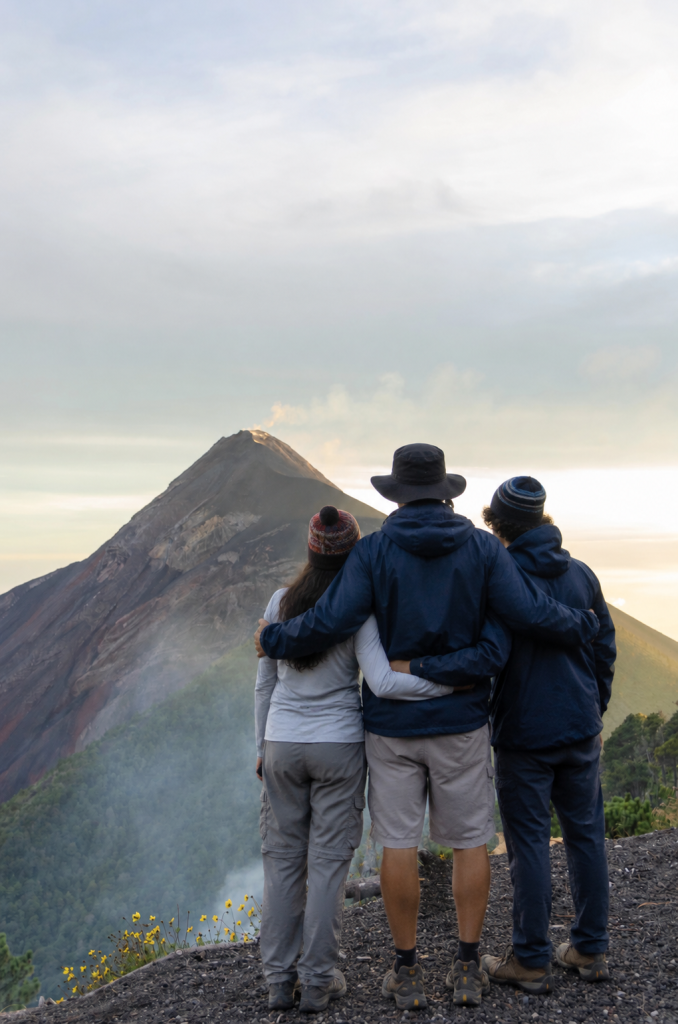
Acatenango itself is considered dormant. Its last recorded eruption was in 1972. The explosions, ash, glowing lava, and rumbling you see from base camp come from Volcán de Fuego, a separate and very active volcano nearby. That difference matters because the Acatenango hike is not usually dangerous in the way people imagine from videos. The real risks are altitude, cold, dehydration, loose terrain, bad weather, poor operator decisions, and getting too close to Fuego when conditions are not safe.
A good operator, proper gear, realistic expectations, and a willingness to turn back if conditions change make a huge difference. This is not a hike I would choose based only on the cheapest price or the prettiest Instagram photos.
Altitude Sickness
Altitude sickness is one of the most common issues on Acatenango because you are sleeping around 3,600 meters and may summit close to 3,976 meters. Fitness helps with the climb, but it does not make you immune to altitude.
- Watch for: headache, nausea, dizziness, unusual shortness of breath, loss of appetite, or feeling worse instead of better after resting.
- Reduce your risk: spend at least a day or two in Antigua before the hike, hydrate well, skip alcohol the night before, eat even if you are not very hungry, and let your guide set a slow pace.
- If it happens: tell your guide early. Do not hide symptoms because you are embarrassed or worried about slowing the group down. If symptoms get worse, descending is the right call.
Cold and Hypothermia
Cold is the risk I take most seriously on this mountain. The weather can shift fast, and the temperature after sunset feels nothing like the warm trailhead. In January 2017, six young campers died of hypothermia on Acatenango during a severe cold front. They were hiking independently and were not properly equipped for the conditions, which is exactly why gear and guide choice matter so much here.
- Watch for: uncontrollable shivering, confusion, slurred speech, clumsiness, or someone suddenly becoming quiet and unresponsive.
- Reduce your risk: change out of sweaty clothes before sunset, layer properly, keep your hands and head warm, and get into dry clothes before sitting still at camp.
- If it happens: get the person into dry layers and a sleeping bag immediately and tell your guide. Do not wait to see if it passes.
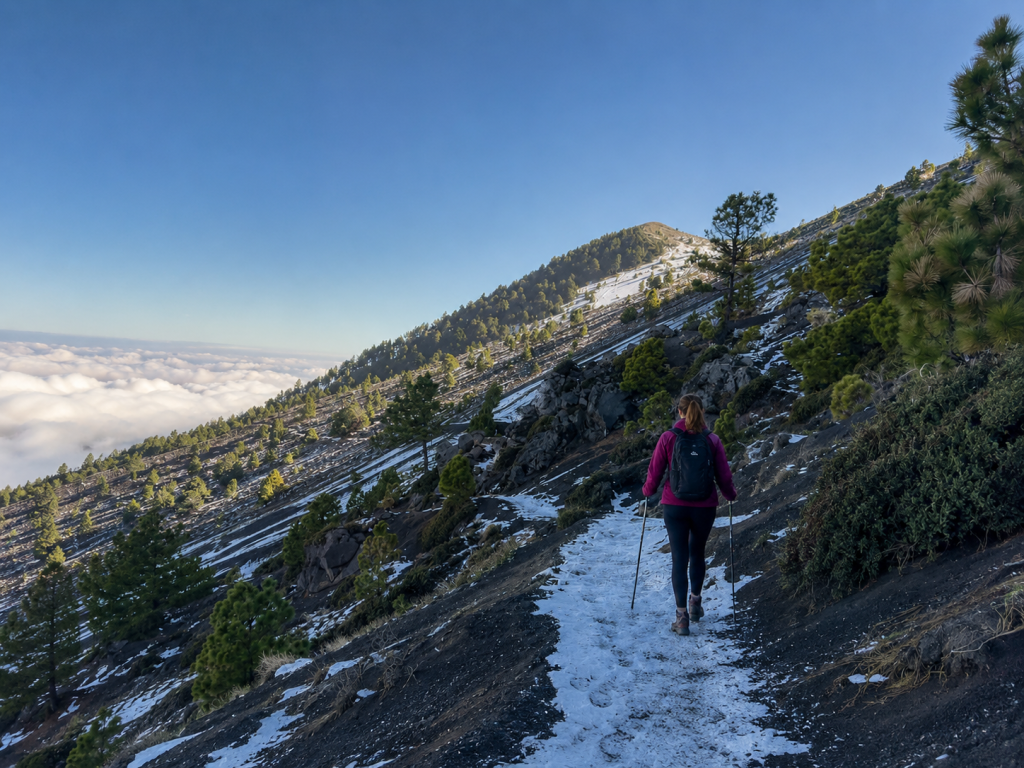
I want to be fair here too: most people do not experience extreme conditions. Our own night was cold but dry and clear. But the mountain is high enough that you should prepare for the hard version, not just hope for the easy one.
Other Things That Trip People Up
- Dehydration: easy to miss in cooler air. Drink regularly, not only when you feel thirsty.
- Sunburn: altitude makes the sun stronger, even when the air feels cool. Wear sunscreen and lip balm.
- Blisters: wet socks from sweat or rain are a common problem. Bring extra dry socks.
- Dust: dry season can be very dusty on the descent. A buff or mask helps more than you might expect.
- Falls and rolled ankles: loose volcanic scree near the top can be slippery. Good shoes and trekking poles make a real difference.
Rules, Fees, and Local Regulations
The rules around Acatenango can feel confusing because park access, municipal fees, guide expectations, and Fuego restrictions do not always get explained clearly to visitors. Here is the practical version.
- Expect to pay an entrance fee. Current Acatenango information lists foreigners at Q100 / about USD $13. Guatemalans and students have lower listed rates, and some camping or municipal charges may apply depending on route and setup.
- Ask what your tour price includes. Some operators include park access, meals, gear, and transportation in one price. Others list the entrance fee, Fuego add-on, porter, or gear rental separately.
- Guide rules can be confusing. Some current park and operator information strongly points travelers toward guided ascents, while independent hikers have reported mixed enforcement. For most visitors, I recommend going with a reputable guide for safety, logistics, gear, and weather decisions.
- Ask whether your operator handles registration or access paperwork. Many organized tours collect visitor details in advance and handle the process for you.
- Horse and mule use is restricted and ethically complicated. Do not assume you can ride a horse up Acatenango. Ask operators directly how they handle porters, pack animals, and fair pay.
- Areas near Fuego may be restricted. If volcanic activity increases, guides and operators should follow CONRED, INSIVUMEH, municipal, and INGUAT guidance, even if that means canceling an add-on.
The Fuego Add-On: What You Are Really Deciding
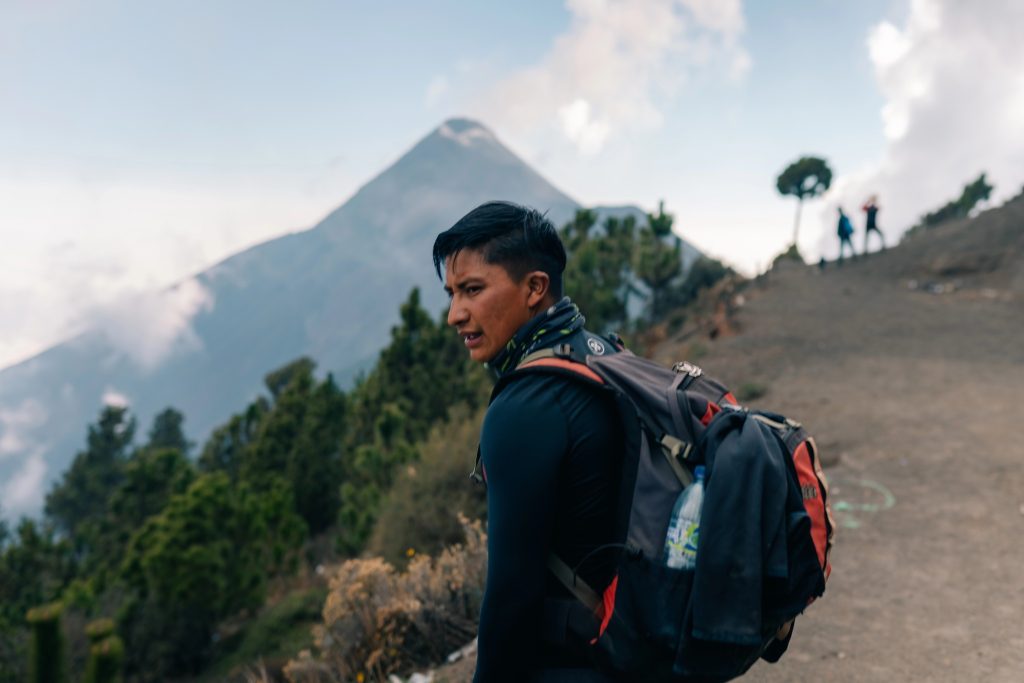
The optional Fuego add-on is the part of this hike that deserves the most careful decision-making. This is the evening hike from Acatenango base camp toward a ridge closer to Fuego, where many of the dramatic lava photos and videos are taken. I did not do this add-on myself, so I am not going to pretend I experienced it firsthand. What I can tell you is that guides, operators, official warnings, and recent incidents all point to the same thing: this part is higher risk than watching Fuego from Acatenango base camp.
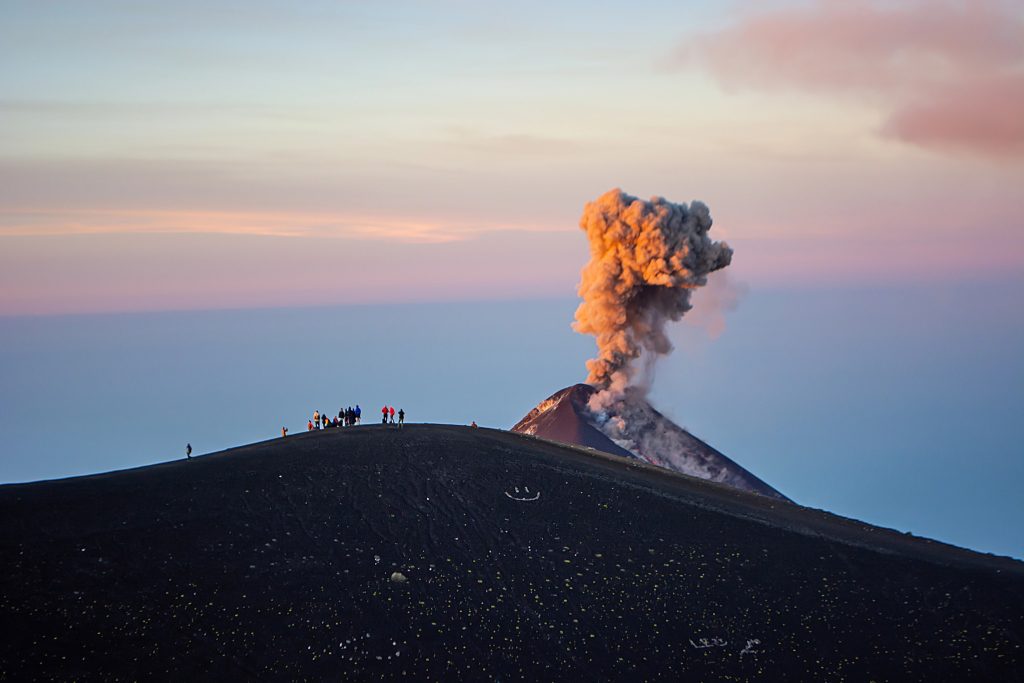
CONRED has specifically warned about areas near Fuego such as El Camellón and La Meseta because volcanic material, ash, avalanches, and rockfall can affect zones visited by hikers from Acatenango. Recent incidents in 2025 and 2026 are a reminder that this risk is not theoretical. That does not mean every Fuego add-on is reckless, but it does mean you should only consider it with a guide who is actively checking current conditions and willing to cancel when the volcano is not cooperating.
📌 HOW TO CHECK BEFORE YOU GO
INSIVUMEH posts regular volcanic activity bulletins for Fuego, and CONRED issues public updates when activity creates added risk. A reputable operator should be able to tell you what the current guidance is, whether the Fuego add-on is running, and what conditions would make them cancel it.
Travel insurance matters more here than on a normal city or beach trip. Many basic travel insurance policies exclude high-altitude hiking, adventure sports, or evacuation above certain elevations, and Acatenango sits well above those limits. Before booking, check the fine print and consider a policy with adventure sports coverage.
How to Choose a Tour Company That Actually Keeps You Safe
Price matters, but it should not be the only thing you compare. The operator you choose affects your pace, safety, camp comfort, food, gear, guide ratio, and what happens if someone in the group struggles. This is the checklist I would use before booking.
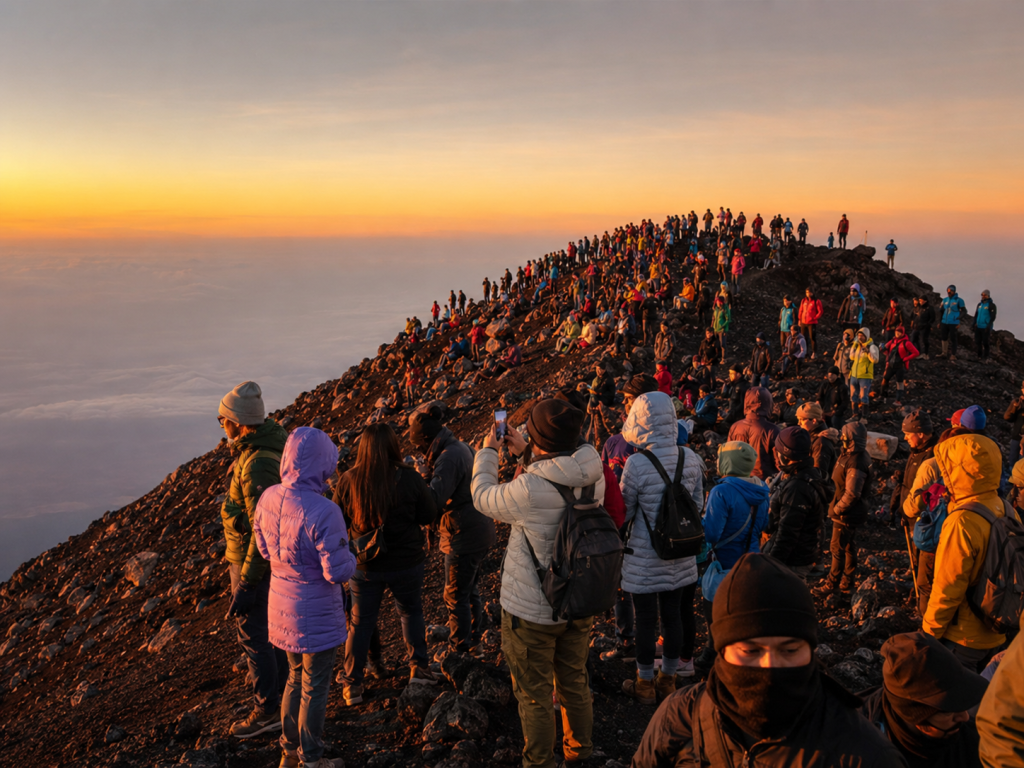
- Guide-to-hiker ratio. Ask directly how many hikers each guide is responsible for, and whether the group can split by pace.
- Recent reviews. Look at reviews from the last six months, not only the overall rating. Group size, food, camp, and policies can change.
- Safety briefing and gear check. A good operator should check layers, water, headlamps, and cold-weather gear before you start walking.
- Weather and volcano policy. Ask what happens if Fuego activity increases, if rain hits, or if the summit or Fuego add-on is unsafe.
- Registered or established operation. Look for companies with a clear local presence, proper communication, and ideally registration or recognition through Guatemala’s tourism system.
- Porter and animal practices. Ask whether they use porters, how they pay them, and whether they use horses or mules at all.
- Base camp setup. Ask where their camp is, whether it has cabins or tents, what the sleeping setup is, and what the toilet situation looks like.
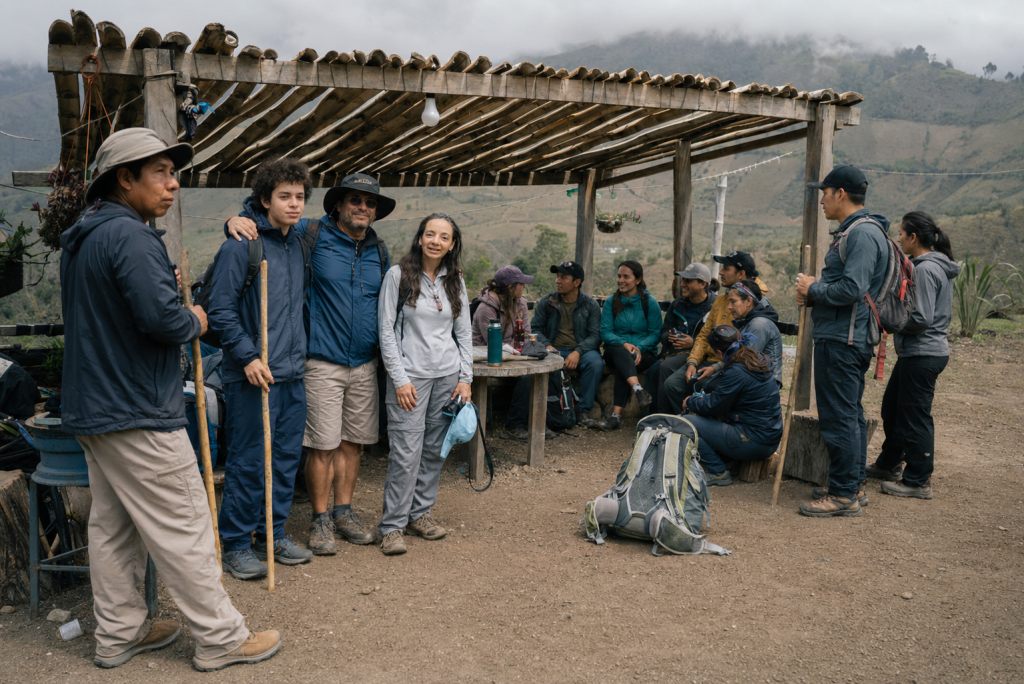
A few operator names come up often in traveler reviews and independent trip reports: Wicho and Charlie’s for cabins and plant-based meals, V-Hiking and Soy Tours for local family-run operations, OX Expeditions for a more expedition-style approach, and Camp AKT or Lava Trails for smaller group experiences. I do not have a financial relationship with these companies, so take this as a starting point for research, not as a paid recommendation. The best operator for you depends on your fitness, budget, comfort level, and how much support you want.
One very practical thing people do not always mention: the toilet situation varies a lot by camp. Some operators have basic but usable facilities. Others are extremely rough. Bring toilet paper and hand sanitizer no matter who you book with, and do not expect running water on the mountain.
Choosing an Acatenango Operator?
Let’s Match the Hike to the Way You Actually Travel
Every operator advertises the same sunset and Fuego view. What changes is group size, guide ratio, gear, camp comfort, food, pace, and how they handle safety. I can help you choose an option that fits your body, budget, and comfort level.
WHAT IT ACTUALLY COSTS
Entrance Fees and Total Budget
For 2026, current Acatenango visitor information lists the entrance fee for foreigners at Q100, or about USD $13. Guatemalan visitors and students have lower listed rates, and some camping or municipal charges may apply depending on the route, camp, or operator. Because fees can shift, confirm directly with your tour company before you go and ask whether the entrance fee is included in your package.
For the tour itself, budget options may start around $50, while mid-range operators often land closer to $90-$140. Premium or private tours can cost $150-$250 or more, depending on cabins, gear quality, guide ratio, meals, and transportation. A porter usually costs extra, and the optional Fuego add-on is often paid separately once you arrive at camp.
My advice: do not compare Acatenango tours by price alone. A slightly more expensive operator with better gear, smaller groups, and a stronger safety culture may be worth every quetzal once you are cold, tired, and three hours into the climb.
WHERE TO BASE YOURSELF
Staying in Antigua Before and After
Most Acatenango tours leave from Antigua, and many depart early. I recommend spending at least one night in Antigua before your hike, and ideally leaving yourself a slow day afterward. You will want a shower, real food, and a comfortable bed when you come back down.
|
⭐ FOR COMFORT BEFORE YOUR HIKE El Convento Boutique Hotel A central Antigua hotel with the kind of calm courtyard and comfortable rooms that make the night before the hike feel like part of the trip, not just a stopover. |
⭐ FOR RECOVERY AFTER YOUR HIKE Mesón Panza Verde Quiet, intimate, and close to good food, which is exactly what your legs will want the day after coming down from base camp. |
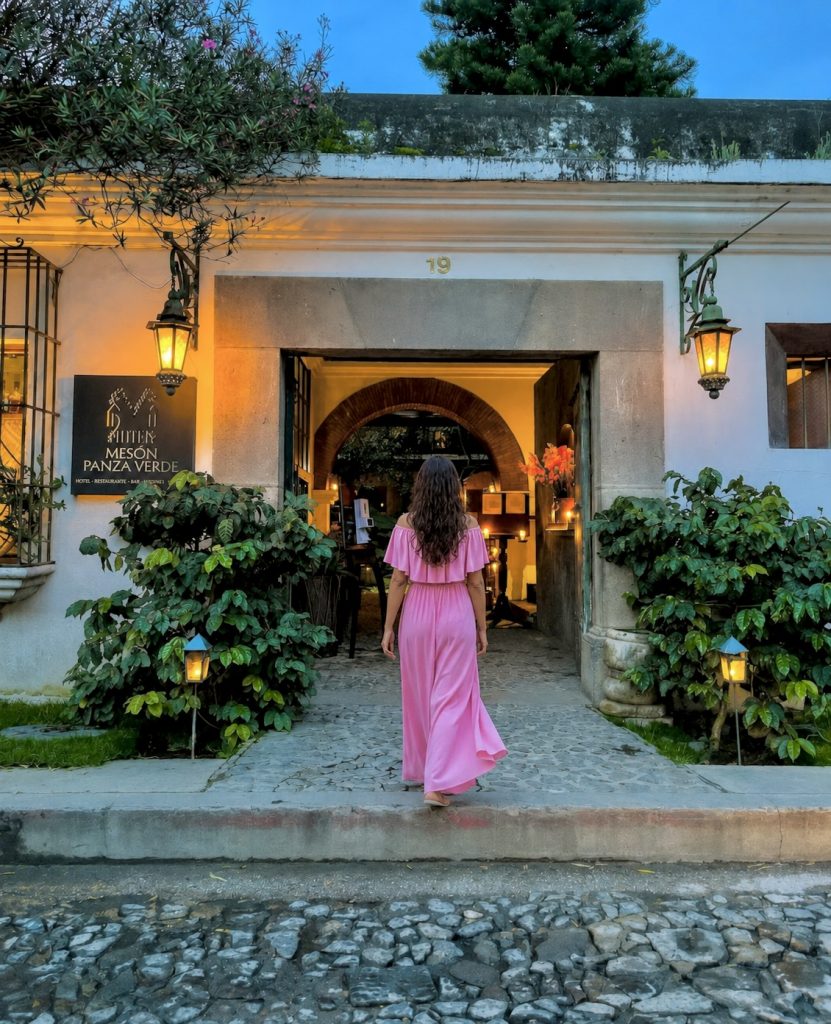
You do not need a rental car for the hike itself because operators handle transportation to and from the trailhead. But if you want to explore beyond Antigua before or after, whether that means Lake Atitlán, Iximché, or a slower road trip through the highlands, renting a car in Guatemala can make sense for the rest of your itinerary.

💡 One more practical thing: there is no reliable signal at base camp and service is spotty for much of the trail. Set up anything important before leaving Antigua: pickup times, emergency contacts, insurance details, and offline maps. If you want data for the rest of your Guatemala trip, an eSIM with HolaFly can help once you are back in service areas. Use code PAULAGUB for 5% off.
Let’s Build the Rest of Your Trip Around This
Acatenango can be a Guatemala trip highlight.
The rest of the trip should still work around it.
Most people climbing Acatenango are also trying to fit in Antigua, Lake Atitlán, Tikal, or the Pacific Coast. I help travelers build an itinerary where this hike fits naturally instead of wrecking the rest of the schedule.
QUESTIONS PEOPLE ASK
Your Questions About the Acatenango Hike Answered
How much does it cost to hike Acatenango?
Budget Acatenango tours can start around $50, while mid-range tours with better gear, food, and cabins often cost $90-$140. Premium or private tours may cost $150-$250 or more. Also budget for the park entrance fee, optional porter, tips, gear rental, and the optional Fuego add-on if you decide to do it.
How hard is the Acatenango hike?
Acatenango is strenuous. The hike gains roughly 1,500 meters of elevation over loose volcanic terrain, and you sleep at high altitude in cold conditions. You do not need to be an athlete, but you do need decent stamina, good shoes, warm layers, and realistic expectations.
Can beginners hike Acatenango?
Yes, beginners can hike Acatenango with the right operator and expectations. Go slowly, hire a porter if carrying a pack feels like too much, and do not pressure yourself into the sunrise summit or Fuego add-on if your body is not feeling good.
How long does the Acatenango hike take?
Most overnight tours take two days and one night. The climb to base camp usually takes about five to six hours, depending on pace, weather, and group size. The optional summit push adds another early-morning climb, and the descent usually takes three to four hours.
Is the Fuego add-on worth it?
The Fuego add-on can be incredible, but it is also the higher-risk part of the trip. Only consider it with a reputable operator who checks current volcanic activity and is willing to cancel when conditions are unsafe. Watching Fuego from Acatenango base camp is already an unforgettable experience.
Can you hike Acatenango without a guide?
Some hikers have done Acatenango independently, but rules and enforcement can change. For most travelers, I recommend hiring a reputable operator. A good guide helps with pacing, safety, weather decisions, gear, transportation, camp logistics, and what to do if altitude or cold becomes a problem.
Do you need a passport for Acatenango?
You do not need a passport to enter the park as if you were crossing a border, but some operators ask for passport details for registration, insurance, or liability forms. Bring a photo of your passport or ask your operator what they need before pickup.
Is Acatenango volcano still active?
Acatenango itself is dormant, with its last recorded eruption in 1972. The explosions and lava you see during the hike come from nearby Volcán de Fuego, which is one of Guatemala’s most active volcanoes.
How cold does it get on Acatenango?
Base camp can get close to freezing, and in December or January it can dip below freezing. Wind makes it feel colder. Pack thermal layers, gloves, a hat, a warm jacket, and dry socks even if Antigua feels warm when you leave.
Is Acatenango harder than Kilimanjaro?
I have not personally climbed Kilimanjaro, so I will not pretend to compare them from experience. From climbers who have done both, Kilimanjaro is the longer and higher-altitude challenge, while Acatenango is shorter but steep, loose, cold, and intense over one or two days. They are different kinds of hard.
RELATED READING
This Is My Country
Let me help you climb it the right way
I love helping travelers experience the real Guatemala with the right level of support. If Acatenango is part of your trip, I can help you choose an operator, place it in the right part of your itinerary, and build the rest of your route around it.
Fuego has been erupting longer than any of us have been alive, and it will keep going long after we leave. Acatenango gives you one cold, unforgettable night to sit across from it and remember how small we are.
Through her writing, Paula helps travelers discover Guatemala beyond the typical tourist route with practical advice, local recommendations, and authentic experiences that connect visitors with the country’s people, culture, and traditions.
Planning a trip to Guatemala? Paula offers personalized Guatemala itinerary planning and trip consultation services tailored to your interests, travel style, and budget. Contact her at [email protected] to learn more.
- San Lucas Tolimán Guatemala: Lake Atitlán’s Best-Kept Secret - September 24, 2026
- Hotel Tolimán Lake Atitlán: A Special Stay in San Lucas Tolimán - September 24, 2026
- Guatemala Dreams in San Lucas Tolimán: A Boutique Stay on Lake Atitlán - September 23, 2026

