
This post is also available in:
This fresco de suchiles recipe is one of the most iconic and culturally significant traditional Guatemalan drinks you’ll ever make. This lightly fermented, deeply aromatic Semana Santa drink that’s been poured in Guatemala City’s Zona 1 for generations. This is a unique traditional Guatemalan drink that almost nobody outside Guatemala has ever heard of.
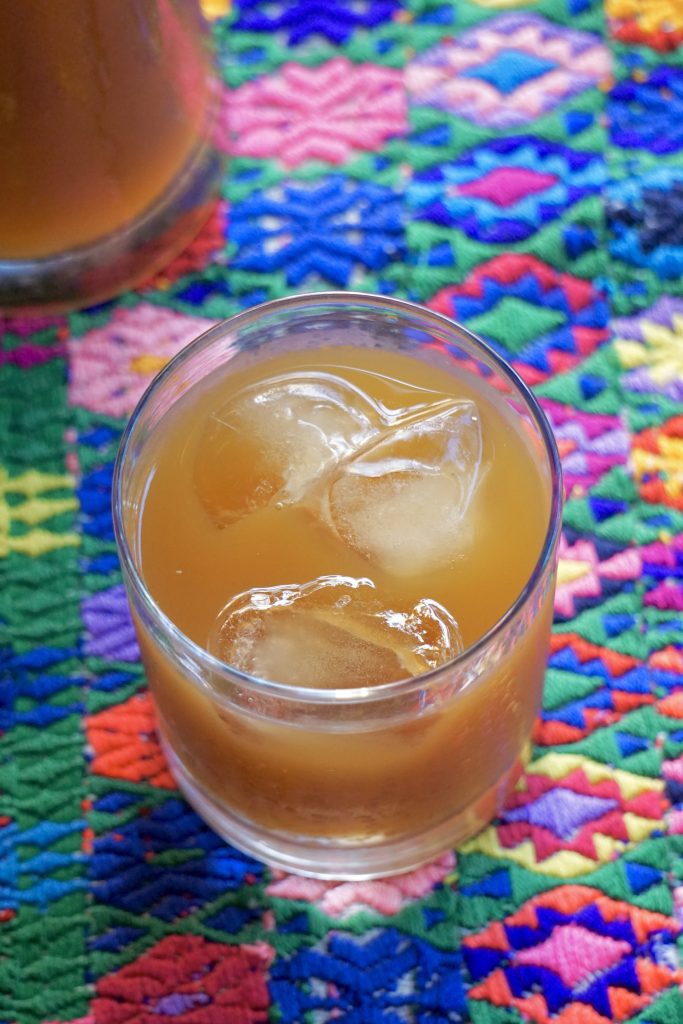
If you grew up in Guatemala or have ever spent Holy Week in the capital, you already know what I’m talking about the moment you read those two words: fresco de suchiles. Just hearing the name takes me straight back to standing on the sidewalk during a procession, the smell of incense and sawdust thick in the air, a plastic cup of something cold and mysterious pressed into my hand by a tía I barely knew. That first sip — earthy, lightly sweet, faintly fermented, with a herbal depth I couldn’t quite name — was unlike anything else. It was unmistakably Guatemalan.
If you’re part of the diaspora, this is your invitation to bring it home. And if you’ve never tried it, I hope this recipe helps you understand why this drink holds such a cherished place in our culture.
Fresco de Suchiles: Guatemala’s Sacred Semana Santa Drink
There are drinks you enjoy, and then there are drinks that belong to a specific moment so completely that one sip takes you right back. For Guatemalans, fresco de suchiles is that second kind. It’s the drink of Semana Santa in Guatemala City — the thing people reach for during the long hours of watching the processions wind through the streets of the capital.
Growing up, Semana Santa was one of the most vivid sensory experiences of my year. The purple and black alfombras spread across the cobblestones, the slow, mournful sound of the brass bands, the enormous andas carried on the backs of dozens of cucuruchos in purple robes. And threading through all of it, the vendors offering fresco de suchiles from big clay pots or tall pitchers full of ice.
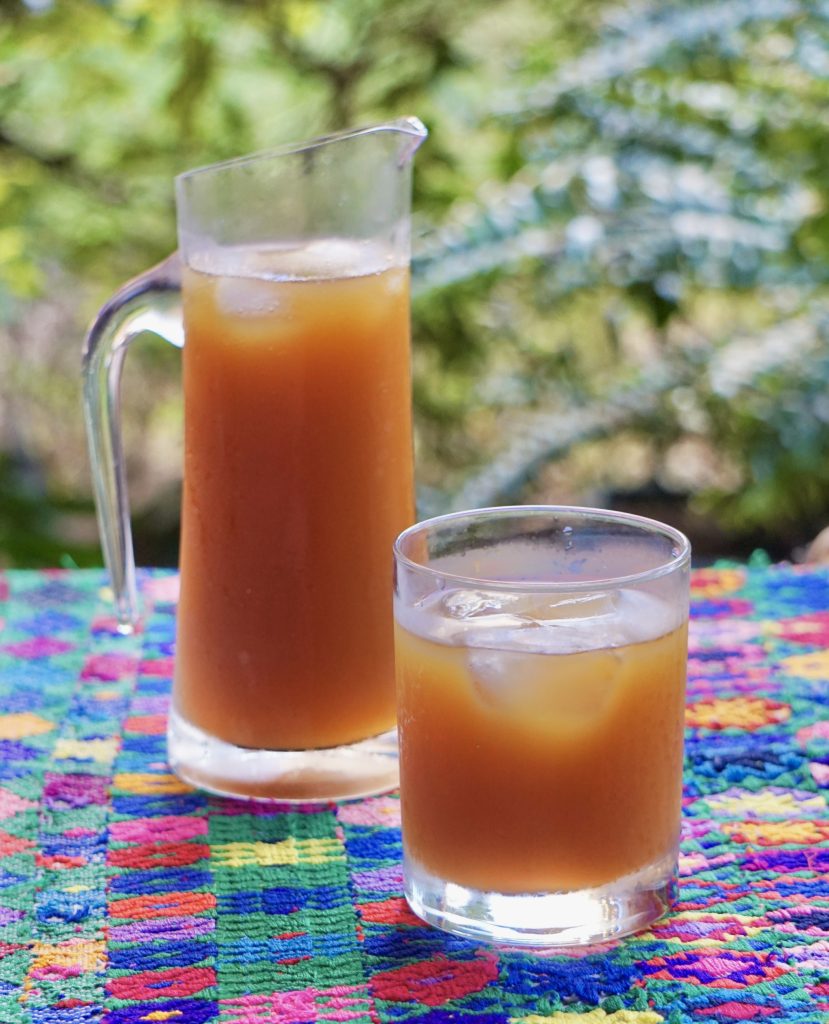
I didn’t fully appreciate what I was drinking then. I just knew it was cold and good and that it felt like part of something larger than myself. Now, watching Semana Santa from a distance when I’m not in the city for it, I understand that this humble fermented drink is a vessel for memory and identity. It’s as much a part of Holy Week as the processions themselves.
If you are wondering what else Guatemalans eat during Holy Week or are looking for your favorite Guatemala Semana Santa recipe check out my guide for Traditional Semana Santa Foods in Guatemala.
What Is Suchiles? The Flower Behind the Fresco
The first question most people ask is: what exactly is a suchile? The word comes from the Nahuatl xóchitl, meaning flower. In Guatemala, suchiles refers to a bright orange tropical flower, related to the magnolia family, that blooms during the dry season — which coincides almost perfectly with Lent and Semana Santa.
The flower itself isn’t always the central ingredient in every version of the fresco. Over centuries the recipe has evolved into several regional variations: some built around the suchil flower steeped in water, others built around a fermented base of pineapple, corn, barley, tamarind, and medicinal roots. What connects all of them is the fermentation and the season. Fresco de suchiles is a Cuaresma drink — it belongs to the weeks of Lent and peaks during Holy Week.
The version most commonly made in Guatemala City today typically includes pineapple peel and pulp, toasted barley and corn, tamarind, ginger, panela, and a selection of medicinal roots and spices — cordoncillo, cañafístula, zarzaparrilla, cloves, allspice, and cinnamon. Everything goes into a clay pot and ferments for five to eight days, producing a drink that’s naturally lightly fizzy, deeply aromatic, and subtly sweet.
What Does Fresco de Suchiles Taste Like?
Describing fresco de suchiles to someone who’s never had it is a little like trying to describe the smell of copal incense or the sound of a marimba. You can gesture toward it, but the experience is really its own thing.
The closest comparison would be a very mild, lightly fermented agua de tamarindo crossed with a herbal tea — but richer and more complex than either. The fermentation gives it a gentle tang without making it taste like alcohol. The pineapple adds brightness. The panela rounds everything out with a warmth that refined sugar just can’t replicate. And the medicinal roots — cordoncillo and zarzaparrilla in particular — give it an earthy, slightly resinous quality that’s unlike any commercial drink I’ve ever had.
It’s not sweet the way agua de horchata is sweet. It’s more savory, more complex. The kind of drink you find yourself thinking about hours later.
The History and Origins of This Traditional Guatemalan Drink
Fresco de suchiles is one of the oldest traditional Guatemalan drinks still being made today. Its roots go back to pre-Columbian traditions of fermented corn and fruit beverages — similar in spirit to chicha — that were deeply tied to ceremonial life in Mesoamerica.
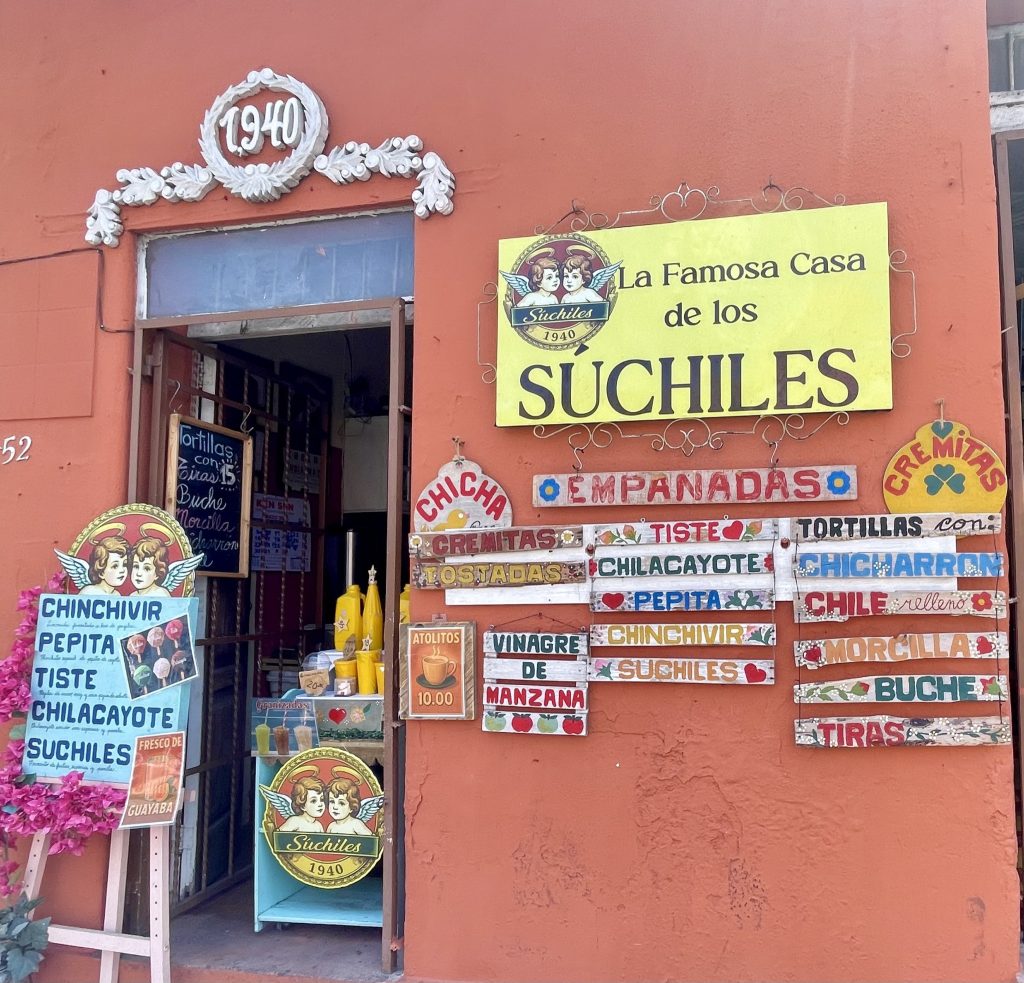
When the Spanish arrived and introduced Catholic observance, those fermented indigenous drinks were gradually woven into the new religious calendar. Semana Santa became the occasion when this particular combination of pineapple, corn, and herbal roots came to define the drink. The tradition of drinking it while watching the processions pass is believed to go back centuries in Guatemala City’s Zona 1, where the famous Casa de los Súchiles has been serving it for generations.
The fermentation process is a big part of what makes it special. Unlike most aguas frescas, which you make and serve the same day, fresco de suchiles requires patience — a minimum of five days, and ideally seven to eight. That waiting period made it a drink that required planning and intention. You didn’t throw this together the night before. You started it before Semana Santa began.
Guatemala’s Ministry of Culture officially recognizes fresco de suchiles as part of the country’s intangible cultural heritage, noting that it fuses indigenous fermentation traditions with Catholic devotional practice. That combination — indigenous and colonial, sacred and everyday — is very Guatemalan.
Fresco de Suchiles During Semana Santa: More Than Just a Drink
To understand why this drink matters so much, you have to understand what Semana Santa in Guatemala is actually like. It’s not a quiet, private observance. It’s one of the most spectacular public religious events in the world, and Antigua and Guatemala City are its epicenter.
The processions can last many hours. Thousands of people line the streets — some as spectators, some as cucuruchos taking a turn carrying the massive andas. Street vendors set up along the entire route selling traditional Cuaresma foods: torrejas, buñuelos, mole, atol de elote, rellenitos. And fresco de suchiles.
Buying a glass from a street vendor during a procession is one of those small, specific rituals that Guatemalans carry with them forever. It tastes like waiting. It tastes like the weight of the anda moving slowly down the street. It tastes like the particular exhaustion and beauty of watching something ancient happen right in front of you.
If you’re making this at home in the United States or anywhere outside of Guatemala, you can still create that feeling. Make the fresco a week before Easter, let it ferment, and serve it during Holy Week. Put on the sound of a Guatemalan marimba or pull up the procession videos from Antigua. Pour it cold over ice. Close your eyes. You’ll be there.
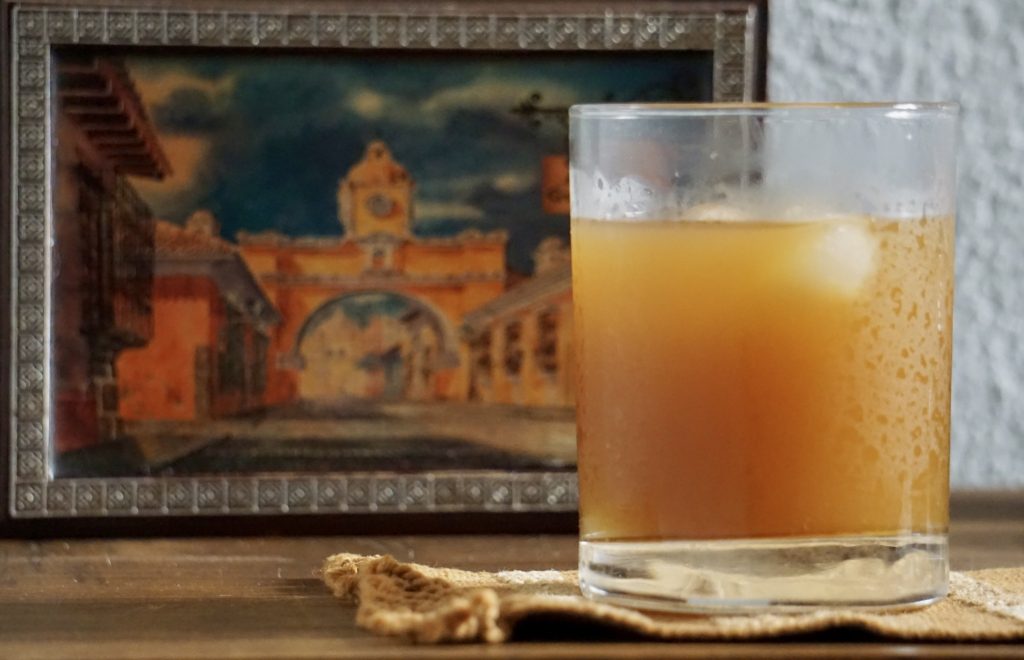
Ingredients for Making Fresco de Suchiles
This recipe is based on the traditional Guatemala City version documented by the Sistema de Información Cultural of Guatemala’s Ministry of Culture, attributed to Ana Patricia Guzmán Durán, a recognized keeper of this culinary tradition. It yields approximately 5 liters, or about 20 glasses.
- 1 whole pineapple (you’ll use both the peel and the pulp)
- ½ pound tamarind, peeled
- 1 piece of fresh ginger, peeled
- 2 tablespoons barley, toasted
- 3 tablespoons yellow corn, toasted
- 3 cordoncillo sticks (available in Guatemalan and Latin markets)
- 1 cañafístula pod
- 1 ounce zarzaparrilla root
- 3 whole cloves
- 3 allspice berries (pimienta gorda)
- 2 cinnamon sticks
- 1 block of panela, broken into pieces
- 5 liters of water
For a simpler version (easier to make outside Guatemala, without the medicinal roots): 1 pound toasted yellow corn, 1 pound toasted barley, 2 ounces allspice, 1 ounce cloves, 1 ounce cinnamon with a pinch of anise, and 1 block of panela. Ferment 5 to 8 days, strain, and serve. This version comes from Antonieta Lima, who has been making fresco de suchiles for many years.
A note on sourcing: Cordoncillo, cañafístula, and zarzaparrilla are medicinal roots you’ll find at any traditional Guatemalan market vendor selling hierbas medicinales. In the US, check Latin botanical shops (botánicas) or order them online.
How to Make the Traditional Fresco de Suchiles Recipe
Prep time: 1.5 hours Fermentation time: 5 to 8 days Yield: 5 liters (approximately 20 glasses)
Step 1: Prepare the pineapple. Wash the pineapple thoroughly. Peel it, saving every piece of skin — you’ll use both the skin and the pulp. Chop the pulp into small pieces.
Step 2: Toast the grains. On a comal or dry skillet, toast the barley and yellow corn separately over medium heat until they’re fragrant and lightly golden. Don’t let them burn. Let them cool completely before adding to the pot — this toasting step is what gives the fresco its deep, characteristic flavor.
Step 3: Build the fermentation vessel. In a large container with a lid — a clay pot if you have one — add the 5 liters of water. Add the pineapple skin and chopped pulp. Peel the tamarind and ginger and add them in. Stir to combine.
Step 4: Add the remaining ingredients. Add the cooled toasted barley and corn, then the cordoncillo, cañafístula, zarzaparrilla, cloves, allspice, cinnamon sticks, and panela. Stir everything together until the panela starts to dissolve.
Step 5: Ferment. Cover the container tightly and let it rest in a cool place for a minimum of 5 days, up to 8. The longer it ferments, the more depth of flavor you’ll get. You’ll watch the liquid darken to a rich brown color over the days — that’s exactly what you want.
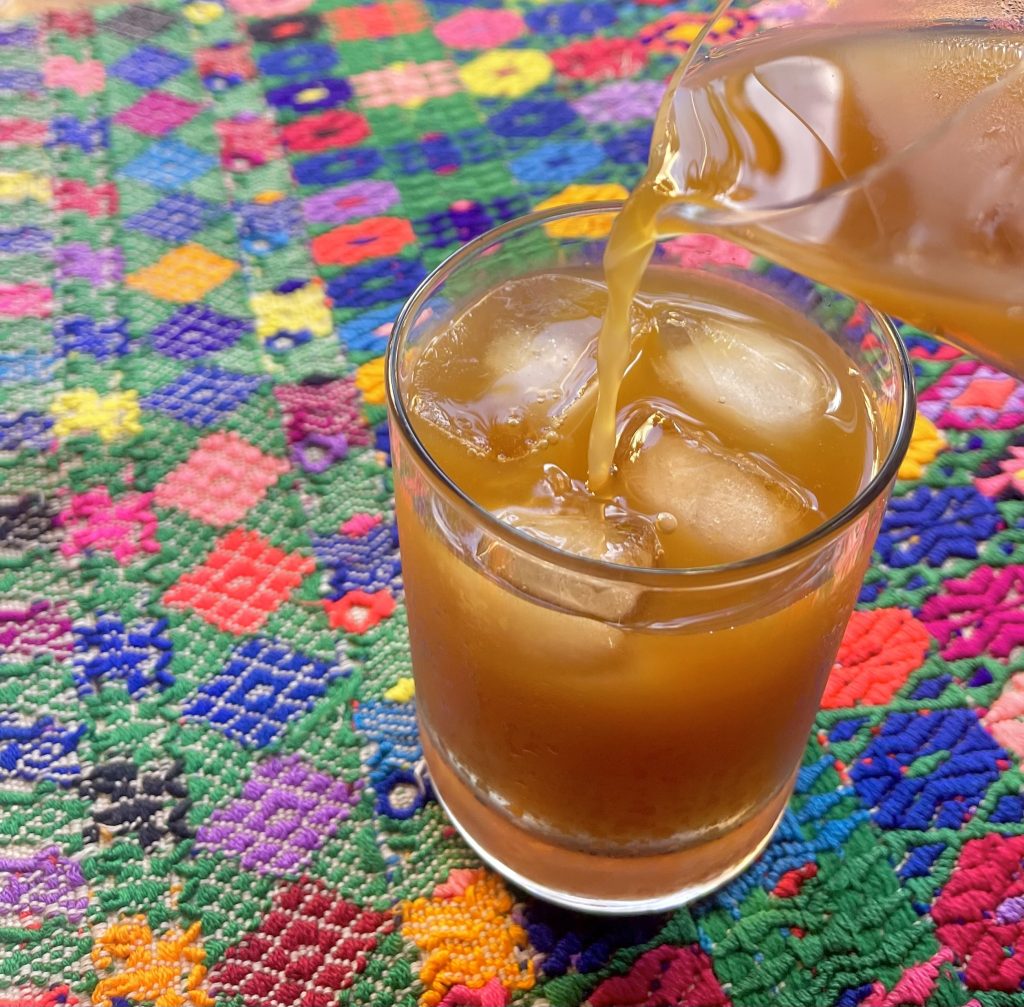
Step 6: Strain and serve. Remove the lid. The liquid will be deep amber to brown, with a complex, fragrant aroma. Strain through a fine mesh strainer or cheesecloth. Taste — if it’s too strong, add a little water and sugar to balance it. Serve very cold, over plenty of ice.
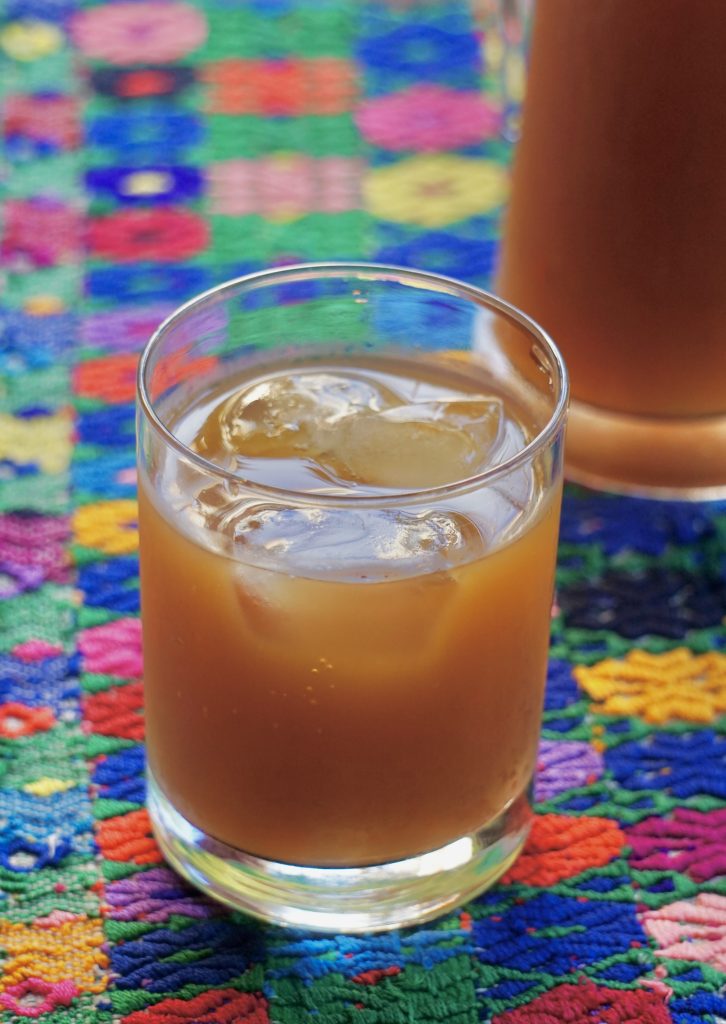
Tips for Making the Best Fresco de Suchiles
Use a clay pot if you can. The barro isn’t just tradition — it genuinely contributes to the flavor. If you don’t have one, a large glass or ceramic container with a tight lid is your next best option.
Don’t rush the fermentation. Five days is the minimum, but seven to eight days gives you a richer, more complex result. The fermentation is what sets this apart from every other agua fresca in Guatemala.
Plan ahead. If you want this ready for Easter Sunday, start it the Saturday before Palm Sunday. That gives you a full week.
Serve it very cold. Fresco de suchiles is always served cold, with plenty of ice. Room temperature does it no favors.
The medicinal roots really matter. Cordoncillo and zarzaparrilla in particular give it that earthy, distinctive depth that nothing else replicates. If you can’t find them, use the simpler barley-and-corn version rather than leaving them out entirely and hoping for the best.
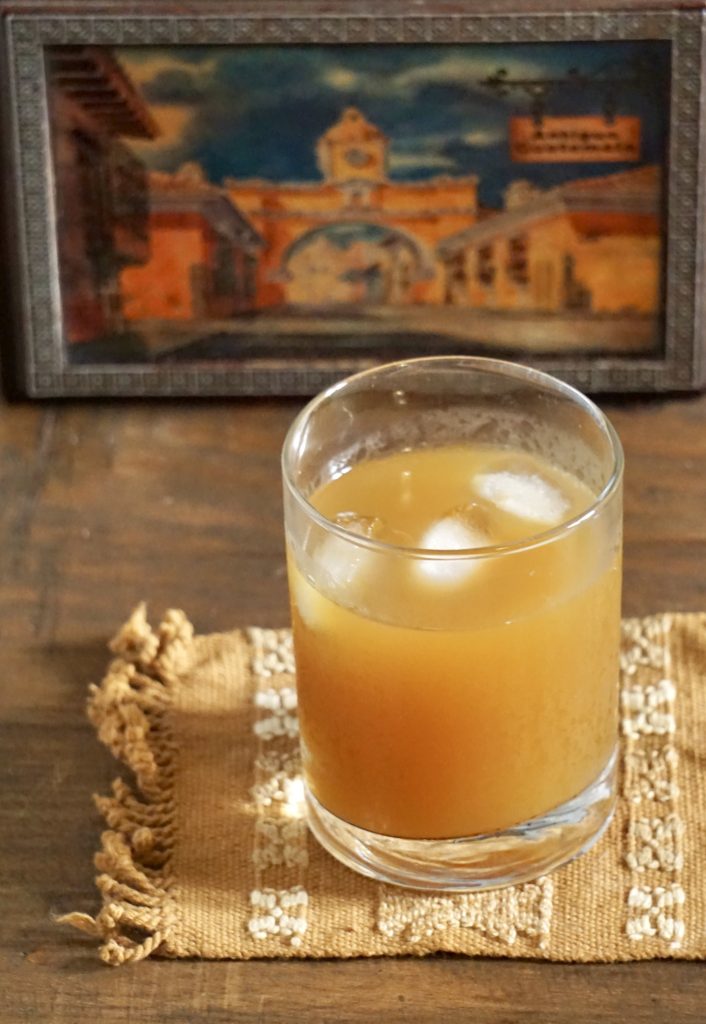
More Traditional Guatemalan Drinks You’ll Love
If fresco de suchiles has you curious about Guatemalan drinks, here are a few more worth exploring:
Fresco de Chinchivir: Antigua’s beloved spiced lemon and ginger drink — sharp, bright, and totally refreshing. A dry-season staple that peaks during Semana Santa.
Fresco de Chilacayote: A gently spiced squash drink cooked with panela, cinnamon, cloves, ginger, and allspice, served cold with chunks of cooked chilacayote in the glass. One of the most quietly beautiful drinks in Guatemalan cuisine.
Fresco de Tiste: Guatemala’s ancestral chocolate drink made from toasted cacao and corn ground with cinnamon and cloves. Pre-Columbian in origin and unlike any chocolate drink you’ve ever had.
Agua de Horchata: Guatemala’s creamy, cinnamon-scented rice drink, made unique by toasted pepitoria seeds. The drink of birthday parties and hot afternoons.
Agua de Tamarindo: Tangy, bright, and refreshing — and the tamarind in it is the same tamarind that goes into your fresco de suchiles.
Rosa de Jamaica: The vivid ruby hibiscus drink that belongs on every Guatemalan table year-round.
Fresco de Pepita: The toasted squash seed drink from Zacapa and Chiquimula, including the elevated version with spiced rim and orange garnish.
Have you ever tried fresco de suchiles? Did you grow up drinking it during Semana Santa? I’d love to hear your memories in the comments below. And if you make this recipe, please come back and tell me how it turned out.
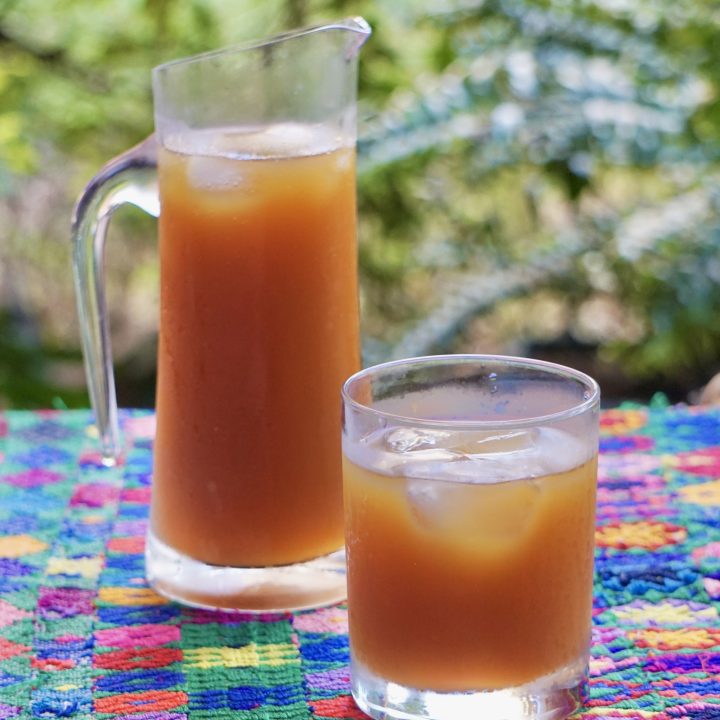
Fresco de Suchiles Recipe: A Traditional Guatemalan Semana Santa Drink
Fresco de suchiles is Guatemala's most iconic Semana Santa drink — a lightly fermented, deeply aromatic traditional beverage made with pineapple, tamarind, toasted corn and barley, panela, and medicinal roots. It has been served in Guatemala City's Zona 1 for generations and is recognized by Guatemala's Ministry of Culture as part of the country's intangible cultural heritage. Unlike most aguas frescas, this one requires patience: it ferments for 5 to 8 days in a clay pot before serving, which is exactly what gives it its distinctive earthy depth and gentle natural fizz.
Ingredients
- 1 whole pineapple (peel and pulp both used)
- ½ pound (225g) tamarind, peeled
- 1 piece fresh ginger, peeled (about 2 inches)
- 2 tablespoons yellow corn, toasted
- 2 tablespoons barley, toasted
- 3 cordoncillo sticks
- 1 cañafístula pod
- 1 ounce (28g) zarzaparrilla root
- 3 whole cloves
- 3 allspice berries (pimienta gorda)
- 2 cinnamon sticks
- 1 block panela (piloncillo), broken into pieces
- 5 liters water
Instructions
- Wash the pineapple thoroughly. Peel it, reserving every piece of skin. Chop the pulp into small pieces. Set both aside — you'll use both the skin and the pulp.
- On a dry comal or skillet over medium heat, toast the yellow corn and barley separately until fragrant and lightly golden, about 5 to 8 minutes each. Don't let them burn. Set aside to cool completely.
- In a large container with a tight-fitting lid — a clay pot is ideal — pour in the 5 liters of water. Add the pineapple peel and chopped pulp. Peel the tamarind and ginger and add them in. Stir to combine.
- Add the cooled toasted corn and barley, then add the cordoncillo, cañafístula, zarzaparrilla, cloves, allspice berries, cinnamon sticks, and panela. Stir until the panela begins to dissolve.
- Cover the container tightly and let it rest in a cool place for a minimum of 5 days, up to 8 days. The liquid will darken to a rich amber-brown color as it ferments. The longer it ferments, the more complex the flavor.
- After fermentation, remove the lid. Strain the liquid through a fine mesh strainer or cheesecloth into a large pitcher or container, discarding the solids. Taste — if it's too strong, add a little cold water and sugar to balance. Serve very cold over plenty of ice.
Notes
Use a clay pot if you can. The barro genuinely contributes to the flavor in a way that plastic or glass containers don't. If you don't have one, glass or ceramic with a tight lid is your next best option.
Don't rush the fermentation. Five days is the minimum, but 7 to 8 days produces a richer, more complex fresco. The fermentation is what sets this apart from every other agua fresca.
Plan ahead. If you want this ready for Easter Sunday, start it the Saturday before Palm Sunday for a full 8 days.
The medicinal roots matter. Cordoncillo, cañafístula, and zarzaparrilla give the fresco its distinctive earthy depth. In Guatemala find them at any market herb vendor. In the US, check Latin botanical shops (botánicas) or order online.
Simpler version (diaspora-friendly): If you can't source the medicinal roots, use 1 pound toasted yellow corn, 1 pound toasted barley, 2 ounces allspice, 1 ounce cloves, 1 ounce cinnamon with a pinch of anise, and 1 block of panela. Ferment 5 to 8 days, strain, and serve. Recipe shared by Antonieta Lima, a longtime keeper of this tradition.
Serve very cold. Always over ice. Room temperature does this drink no favors.
Storage: Keeps refrigerated for up to 5 days after straining. The flavor continues to develop slightly even after straining.
Nutrition Information:
Yield: 20 Serving Size: 1 cupAmount Per Serving: Calories: 85Total Fat: 0gSaturated Fat: 0gTrans Fat: 0gUnsaturated Fat: 0gSodium: 10mgCarbohydrates: 21gFiber: o.5gSugar: 18gProtein: 0.5g

Paula studied architecture and now makes a living as a freelance writer,traveler and amateur photographer.She started her writing & publishing career as the editor of Bebé y Mamá, the first parenting magazine in Guatemala.She is the founder of www.GrowingUpBilingual.com and www.365thingsswfl.com and writes articles in Spanish and English for both magazines and the web on travel,food and bicultural and bilingual parenting .
When she is not on a plane or road trip she likes to create recipes inspired in the flavors of her native Guatemala.

