
This post is also available in:
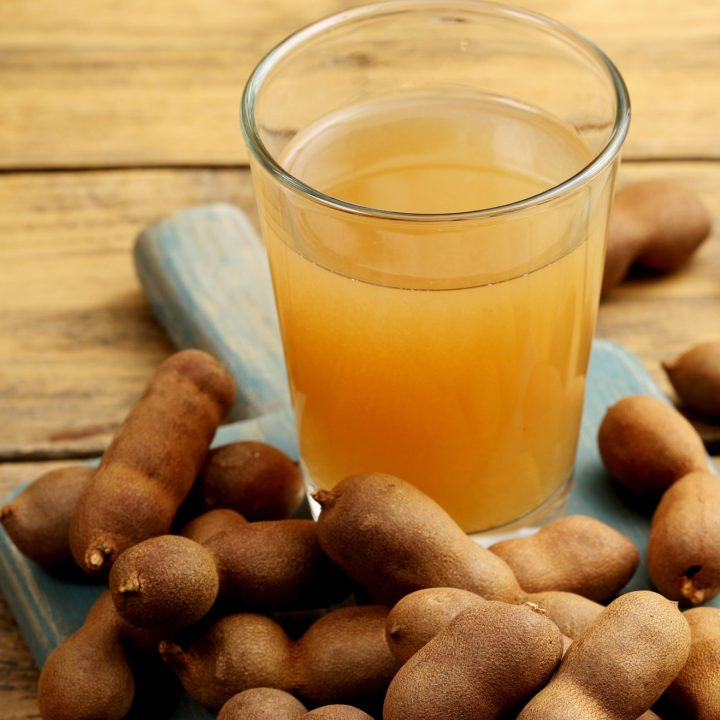
Agua de tamarindo is a refreshing Guatemalan tamarind drink made by steeping tamarind pulp in water and sweetening it just enough to balance the tang. If you’ve spent any time around Latin American cooking, you might already know this tamarindo drink by sight, even if you’ve never made it yourself: the deep amber agua fresca in the big glass jar at the taquería or the market, poured over ice on a hot afternoon. I make it year-round, but this refreshing Guatemalan drink earns its spot in summer, when nothing cuts the heat like a cold glass of tamarindo.
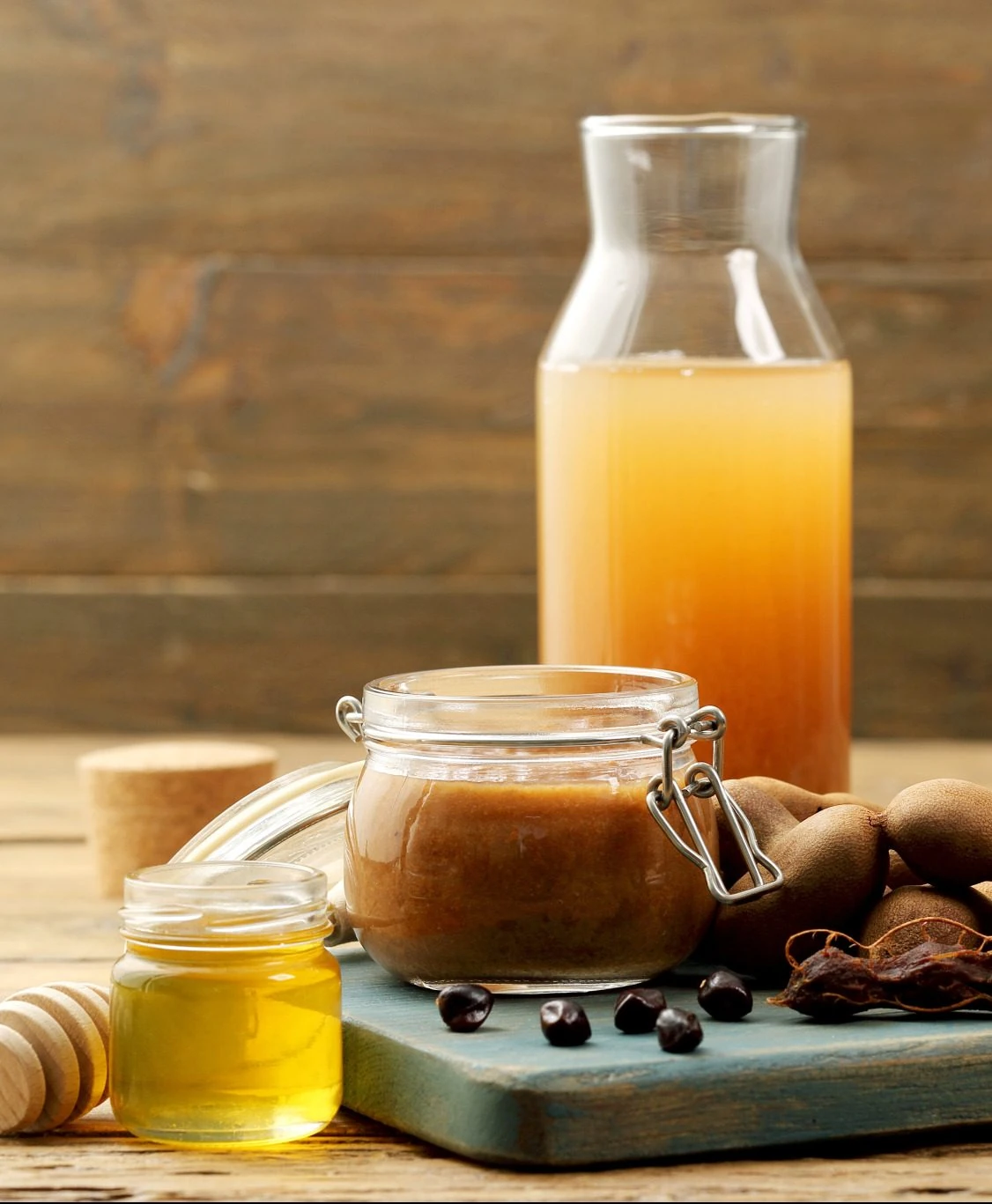
What is Agua de Tamarindo?
Agua de tamarindo is an agua fresca, a light fruit water, made from the sticky pulp inside tamarind pods. It’s a staple drink in many Latin American countries, including Guatemala. Simmer the pulp with water and sugar until it thickens into a syrup, then strain out the seeds and fibers. Mix the syrup with water and chill.
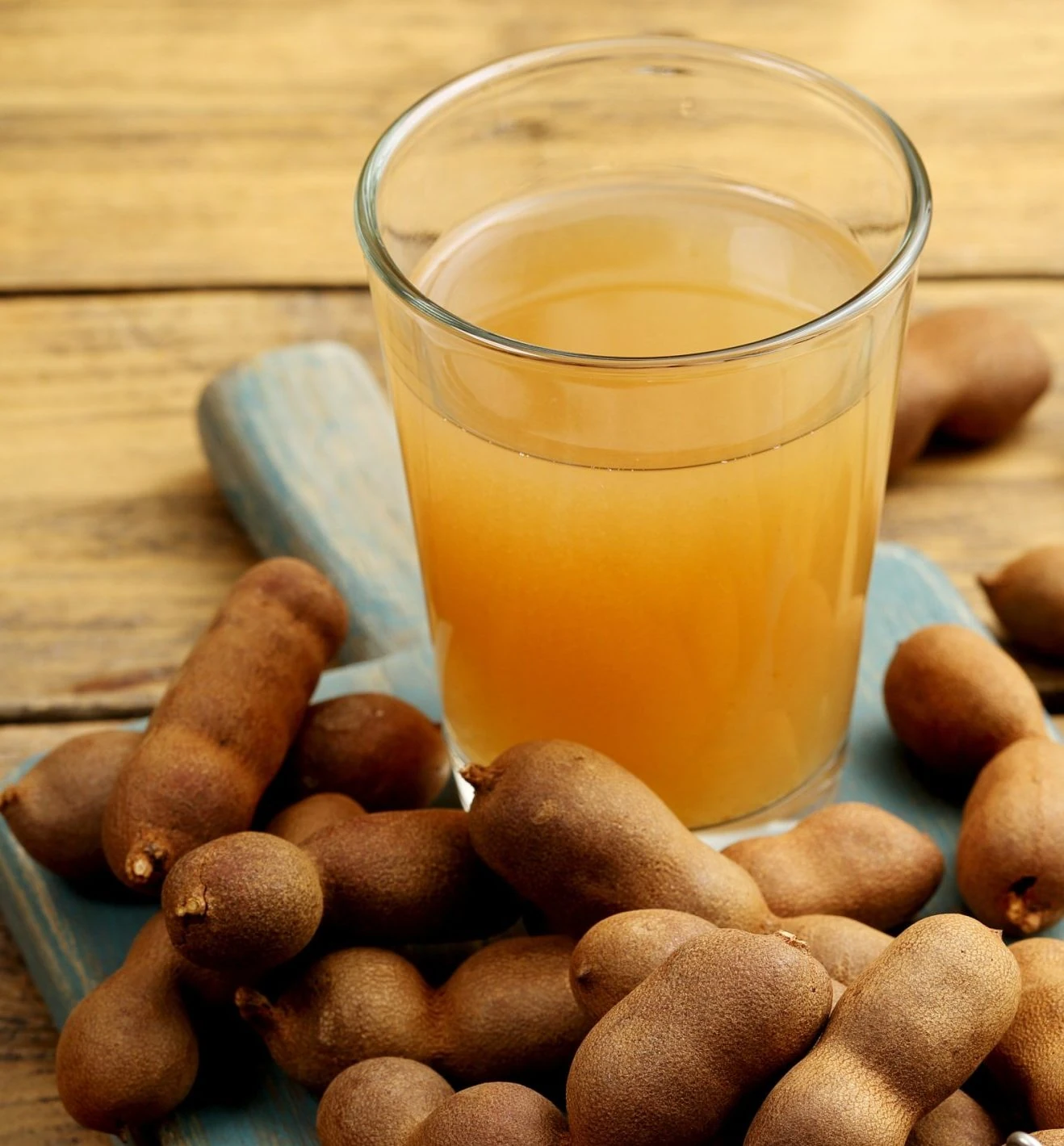
The flavor lands somewhere between lemonade and dried apricot: sweet, tart, and a little citrusy. In Guatemala, you’ll find it alongside horchata and rosa de Jamaica at markets and street stalls. And it pairs well with snacks like tostadas and chiquiadores, especially once the weather turns hot.
What is Tamarind?
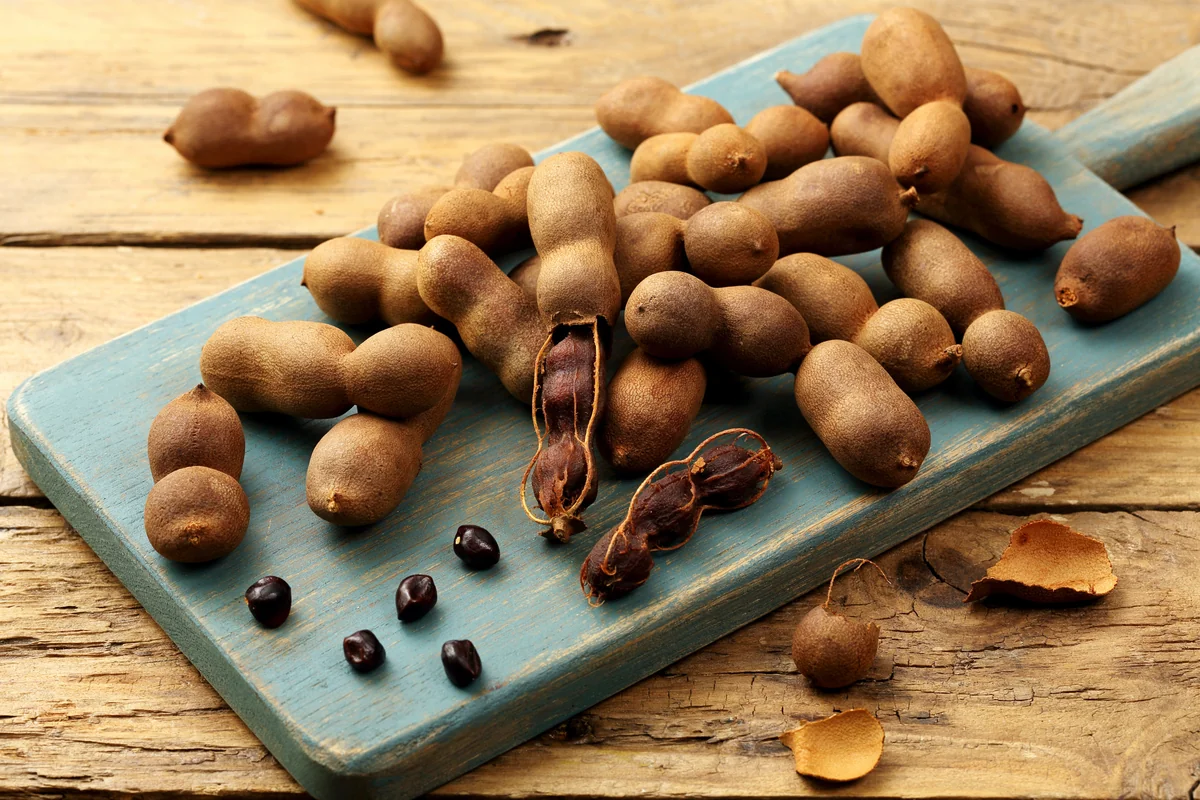
Tamarind is a tropical fruit from the tamarind tree, native to Africa and now grown across South Asia, the Caribbean, and Latin America. The fruit grows on a large, long-lived tree, often used in cooking to add a distinctive flavor to dishes.
The sticky pulp inside its brown pods is sweet and sour at once, which is what gives agua de tamarindo its signature tang. The pulp is used fresh or dried and processed into the paste this drink recipe calls for. You can also use it as a base for sauces, marinades, candy, and syrups.
Health Benefits of Tamarind
Agua de tamarindo is mostly a treat, but the fruit behind it does bring a few real nutrients to the glass. Tamarind pulp is a good source of:
- Magnesium, a mineral involved in hundreds of processes, from muscle and nerve function to bone health
- Potassium, which helps with fluid balance and blood pressure
- B vitamins like thiamine and folate, plus some vitamin C
- Calcium and iron
- Antioxidant plant compounds, including polyphenols and beta-carotene
According to the Cleveland Clinic, the potassium and polyphenols in tamarind have anti-inflammatory effects, though no single food fixes inflammation on its own; they work as part of an overall healthy diet. Some early animal research suggests tamarind’s antioxidants may help protect against the oxidation of LDL cholesterol, but human studies are still limited, so it’s fair to call that promising rather than proven.
One key note: most of the calories in tamarind pulp come from natural sugar, and agua de tamarindo is sweetened on top of that. Enjoy it as the refreshing treat it is, and if you’re watching your sugar, cut back on added sugar and let the natural tartness lead.
What Are The Ingredients For Agua de Tamarindo?
Tamarind water, or agua de tamarindo, is super easy to make. This makes about 6 servings, with just four core ingredients!
- 1 cup store-bought tamarind paste (or make your own from pods—recipe below)
- 4 cups water, plus more to taste
- 1/2 cup sugar, to taste
- 1/4 tsp salt
- Lime juice or mint leaves (optional or as garnish)
How To Make The Best Agua De Tamarindo
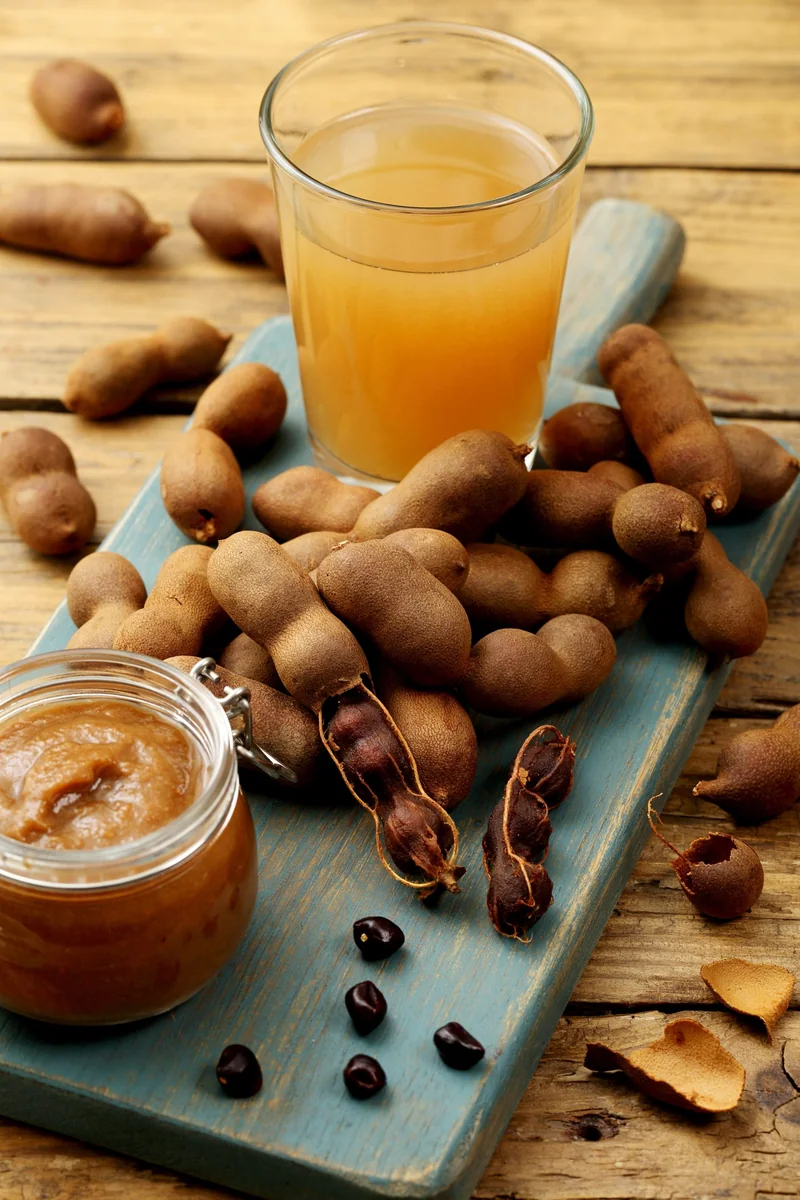
To make agua de tamarindo, you can start with fresh tamarind pods. You can get these fresh pods at most U.S. supermarkets (I always see them at Walmart) or at Mexican grocery stores. But starting from a ready paste is much easier and faster!
- Combine the tamarind paste, water, sugar, and salt in a medium saucepan.
- Cook over medium heat, stirring occasionally until the sugar has dissolved and the mixture thickens slightly, about 10 minutes.
- Allow the mixture to cool, and then strain it through a fine-mesh strainer to remove any remaining seeds or fibers. Press on the solids to extract as much liquid as possible, then discard them.
- Stir in the lime juice to taste, if you like. Let the drink cool to room temperature.
- Serve the agua de tamarindo chilled, over ice.
How To Make Tamarind Paste From Pods
Starting from whole pods? Alright, let’s make some tamarind paste! Here’s what you’ll need:
Ingredients for Making Tamarind Paste
- 1 lb of tamarind pods
- warm water
- a large bowl
- a fine mesh strainer
- a spoon
- a saucepan
- sugar (optional)
How to Make Tamarind Paste
- First things first, let’s prep the tamarind pods. Remove and discard the shells. You should be left with the soft, fleshy pod parts containing the seeds.
- Soak the tamarind in warm water for about 15 minutes. This will soften it up and make it easier to work with.
- While the tamarind is soaking, grab your large bowl and a fine mesh strainer. Once the tamarind is soft, use your hands to mash it in the bowl. This will help break up any clumps and release the juice.
- Strain the tamarind through the fine mesh strainer into a saucepan. Use the spoon to press on the solids, extracting as much juice as possible.
- Discard the solids and add sugar to taste, if you like.
- Turn the heat to medium-low and let the tamarind mixture simmer for about 10 minutes or until it thickens into a paste.
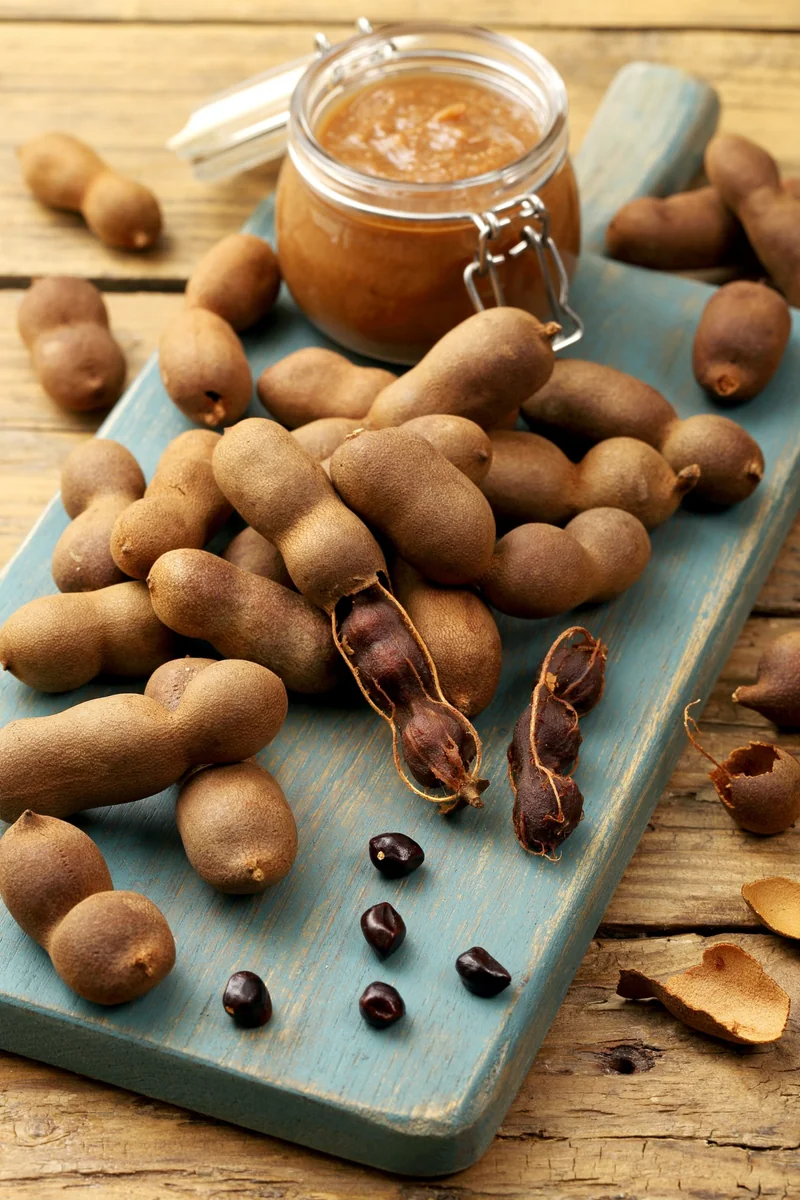
And that’s it! You now have fresh tamarind paste. Store it in an airtight container in the fridge for up to a month, or freeze it for up to 6 months.
Tips for Making Tamarind Water
- Stir Before Serving: Agua de tamarindo tends to settle, so mixing it well before serving is always essential.
- Add a Little Zest: A squeeze of fresh lime or a few fresh mint leaves will give agua de tamarindo a brighter and more refreshing taste. Use both or just one.
- Make Extra Paste: I like to double or triple the recipe for making tamarind paste. Since you can store tamarind paste in the freezer for about six months, it’s easier to grab it when I want to make agua de tamarindo. I also use the paste to make other tamarind recipes, like tamarind citrus shrimp kabobs, tamarind-poached pears, and frozen tamarind margaritas.
- Pair It with Spicy Food: Agua de tamarindo is especially refreshing alongside spicy dishes. I love serving it with easy Latin football appetizers like chuchitos or chipotle shrimp tostadas. Its sweet-tart flavor also pairs well with Peruvian ceviche, especially when the dish has plenty of citrus and chile.
Where to Drink Agua de Tamarindo in Guatemala
The best agua de tamarindo I’ve had wasn’t one I made. It came knotted in a plastic bag with a straw poked through the top, sold for a few quetzales from a cart outside the market, so cold it started sweating before I finished it. That’s how tamarindo lives here. It’s less a recipe than something you grab on a hot afternoon between errands.
The stalls around Antigua are still some of my favorite places for exactly this, where the aguas frescas sit in big glass barrels, and the vendor scoops each one to order. It’s the same everyday experience you’ll find all over the local Antigua Guatemala street food scene.
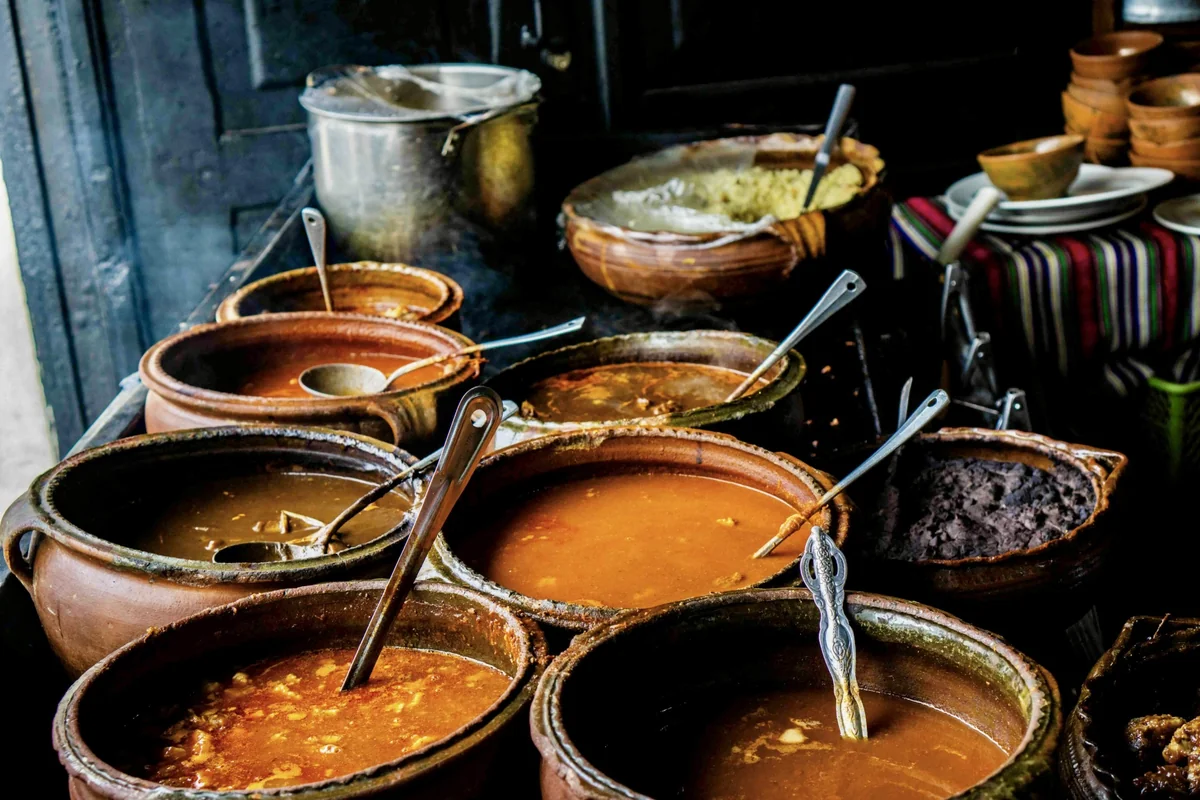
Somewhere along the way, these markets became part of my work. These days, I spend as much time introducing visitors to places like this as I do enjoying them myself. I put together custom Guatemalan food trips built around local markets, dining experiences, tamarindo in a plastic bag, and tortillas straight off the comal. Those are the moments I think people remember long after they get home.
Common Questions About Agua de Tamarindo
Is tamarindo a Mexican or Guatemalan drink?
Both, and more. Agua de tamarindo is enjoyed across Mexico, Guatemala, and much of Latin America. In Guatemala, it’s a market and street-stall staple alongside horchata and rosa de Jamaica. The tamarind tree itself originated in Africa and Asia centuries ago, so no single country owns the drink.
What does tamarindo taste like?
Sweet and sour at once, like a cross between lemonade and dried apricot or date. The salt and sugar round it out, making it refreshing rather than puckering.
Who should not drink tamarindo?
Most people can enjoy it freely. Because it’s sweetened, anyone limiting sugar should go easy or cut the added sugar. If you take medication and have concerns, check with your doctor, since tamarind can interact with a few drugs. As a homemade agua fresca, it’s a treat, not medicine.
Does tamarindo have caffeine?
No. Agua de tamarindo is naturally caffeine-free, part of why it’s a go-to for kids and for hot afternoons when you don’t want coffee or soda.
More Guatemalan Drinks & Recipes Perfect for Summer
Are you looking to add a bit of Latino flair to your summer meals? I got you covered! With its rich blend of indigenous and Spanish influences, Guatemalan food offers a flavorful culinary experience.
From refreshing Guatemalan drinks to savory snacks, these dishes are perfect for warm-weather entertaining or simply enjoying a taste of the tropics. So get ready to spice up your culinary repertoire with these delicious Guatemalan recipes!
Guatemalan Horchata
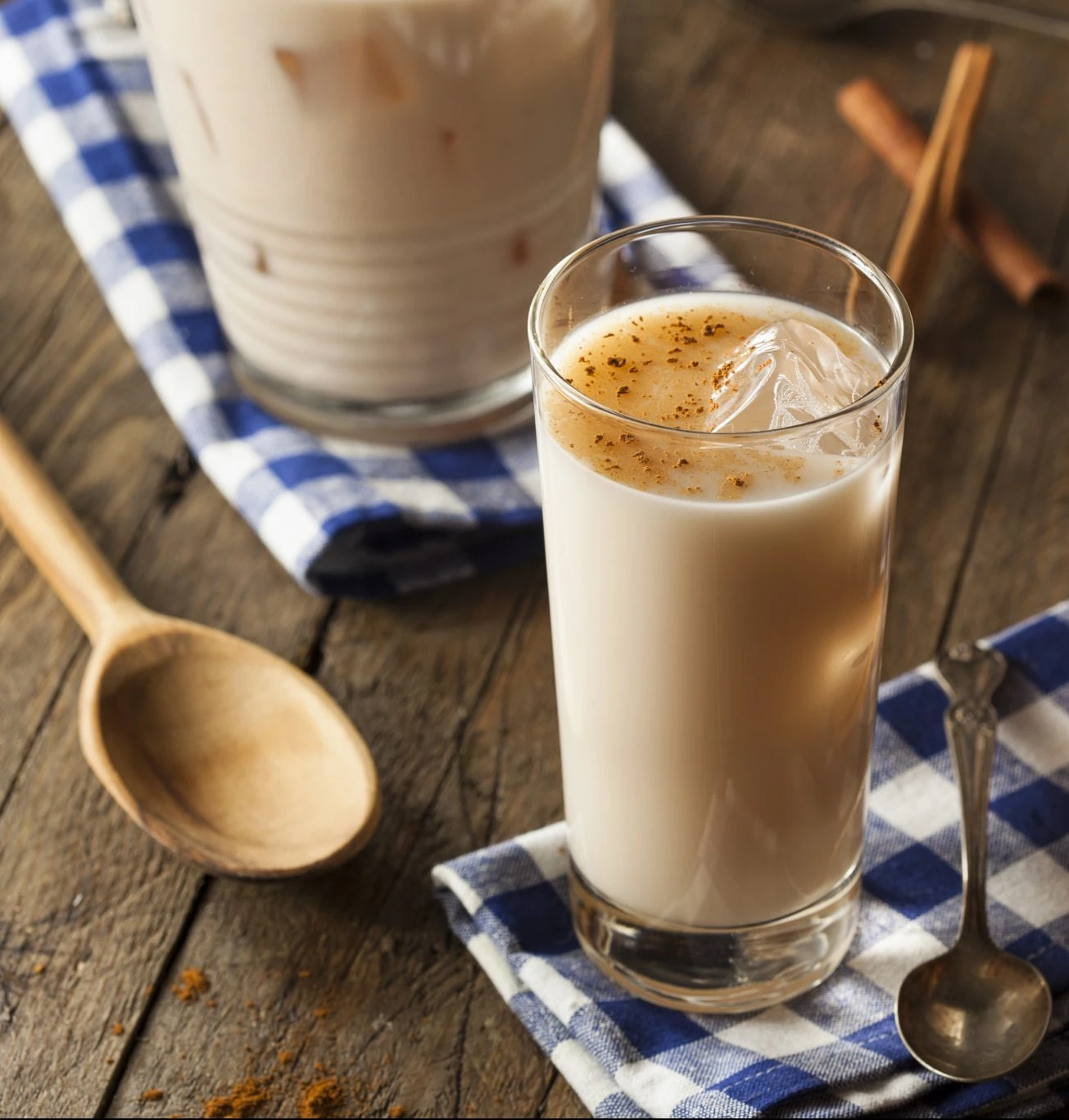
This refreshing drink from Guatemala is a total game-changer! With its creamy blend of rice, cinnamon, and vanilla, this traditional Guatemalan horchata is the perfect treat on a hot day. But it’s also a light dessert or snack your kids will love. So, kick back, relax, and sip your way to paradise with every delicious drop!
Tostadas
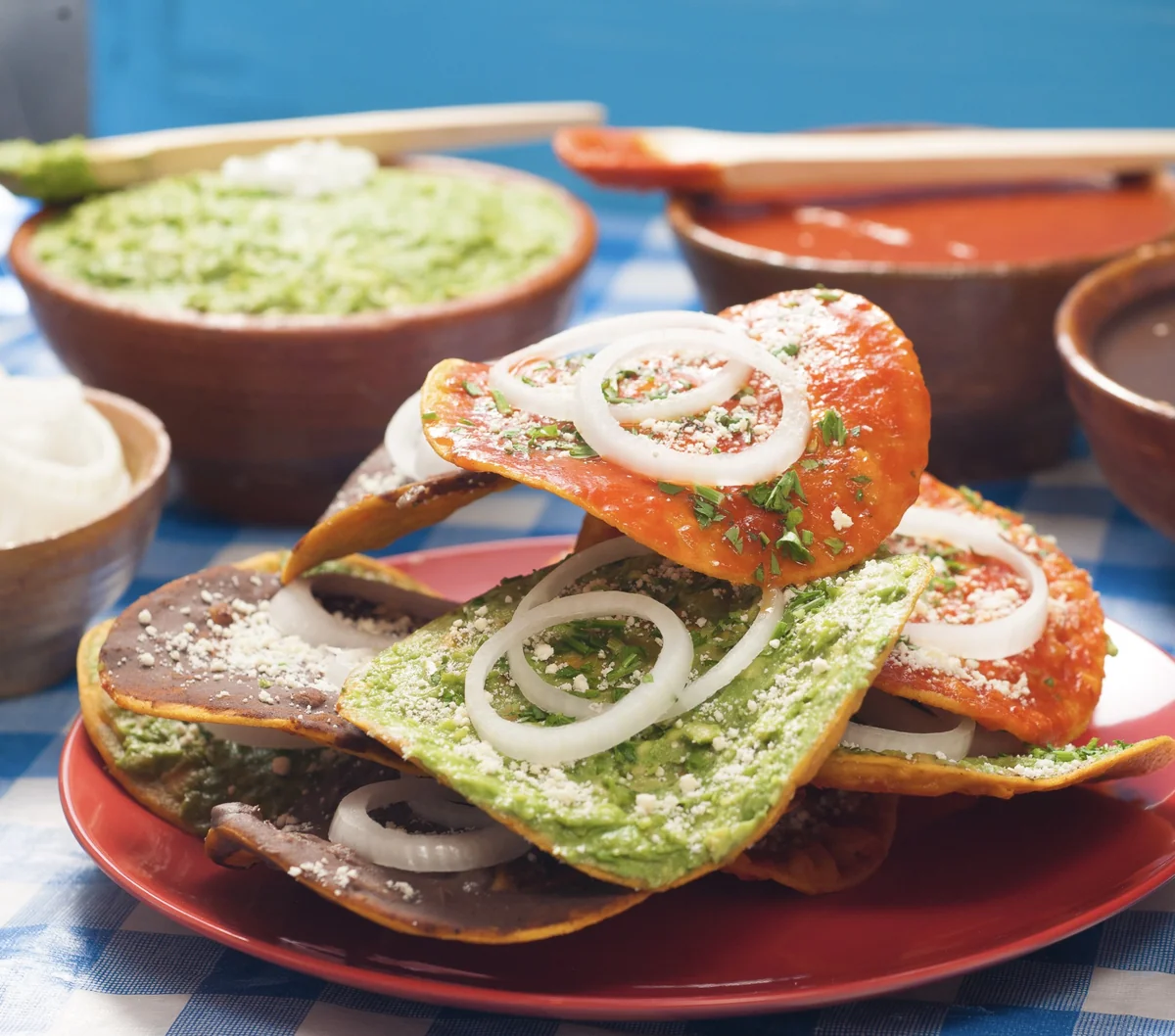
Tostadas guatemaltecas are deep-fried or oven-toasted corn tortillas topped with various ingredients. It creates a delicious concoction of flavors! You typically spread recado salsa, refried black beans, or guacamole. Then, top them off with crumbled cheese, sliced onions, and fresh cilantro. Finally, this crunchy dish is ready, the perfect finger food!
Fish Ceviche (Or Seviche)
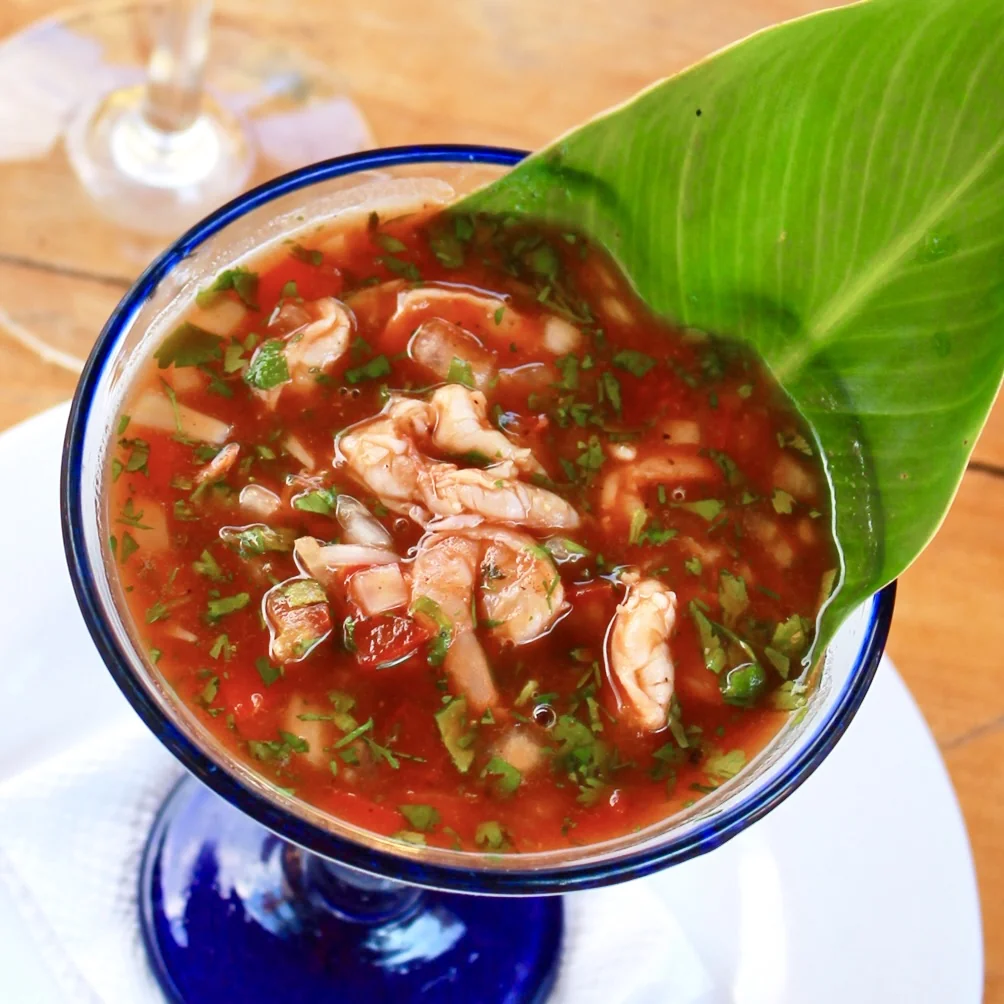
If you’re looking for a delicious and easy fish recipe, I recommend starting with Guatemalan ceviche. Marinated in lime juice and seasonings, this Guatemalan recipe requires no cooking. It is a seafood dish similar to a shrimp cocktail. Ketchup, a dash of Worcestershire sauce, and fresh veggies create a tasty appetizer, perfect for a hot day.
Traditional Guatemalan Enchiladas or Jardineras
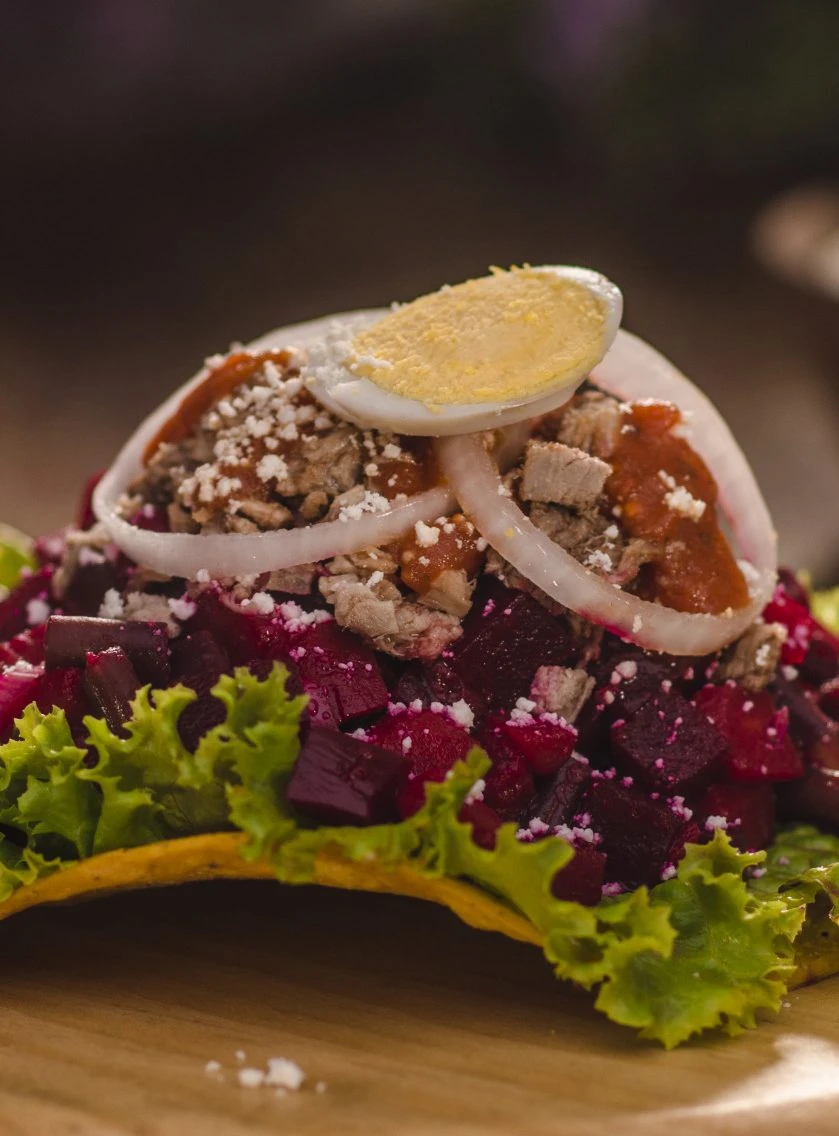
A traditional Guatemalan dish, Enchiladas (jardineras) are a relatively easy recipe. It is one of my favorite authentic Guatemalan foods, made with a toasted tortilla topped with a vegetable mixture or escabeche, ground beef, and tomato sauce.
Salpicon de Res
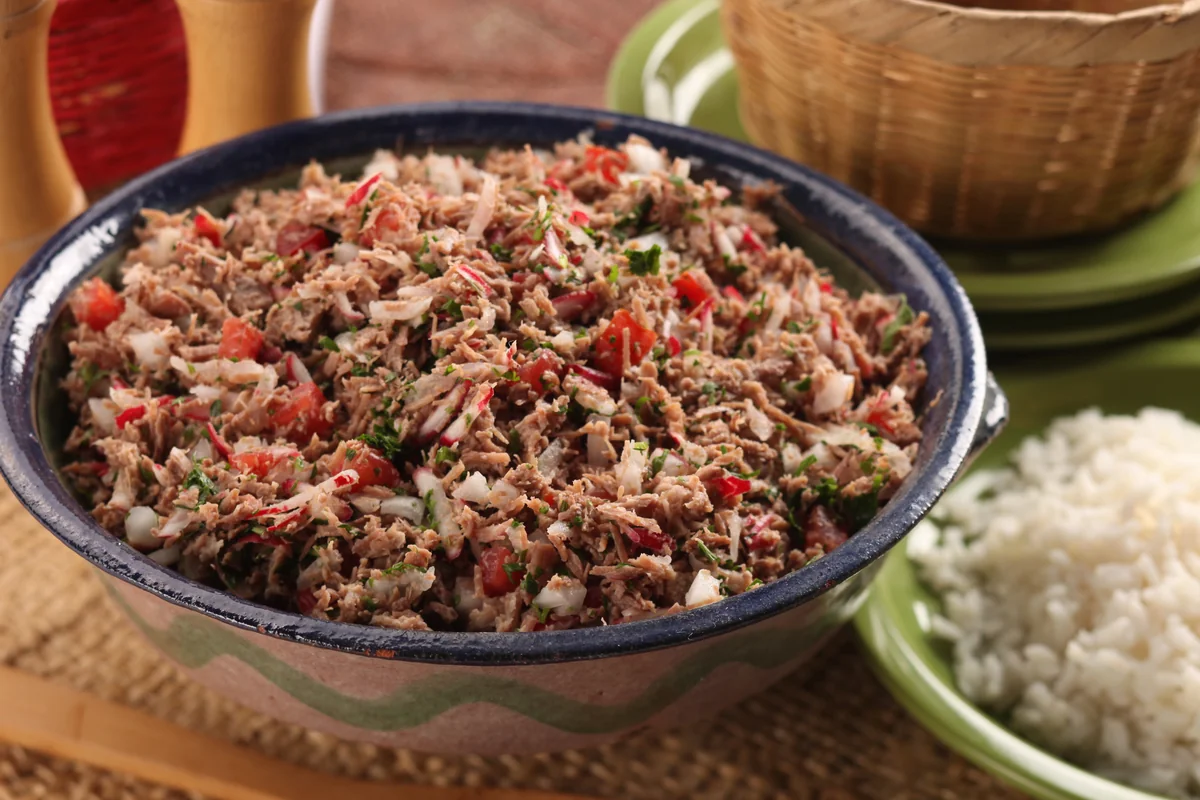
Salpicón de res (o salpicón de carne) is a shredded beef salad loaded with citrusy flavors. It is full of fresh vegetables and a delicious marinade! It is so versatile that you can serve it over crispy tostadas as a tasty appetizer. Or better yet, eat it as a stand-alone main dish with a side of rice!
Rosa de Jamaica Hibiscus Drink
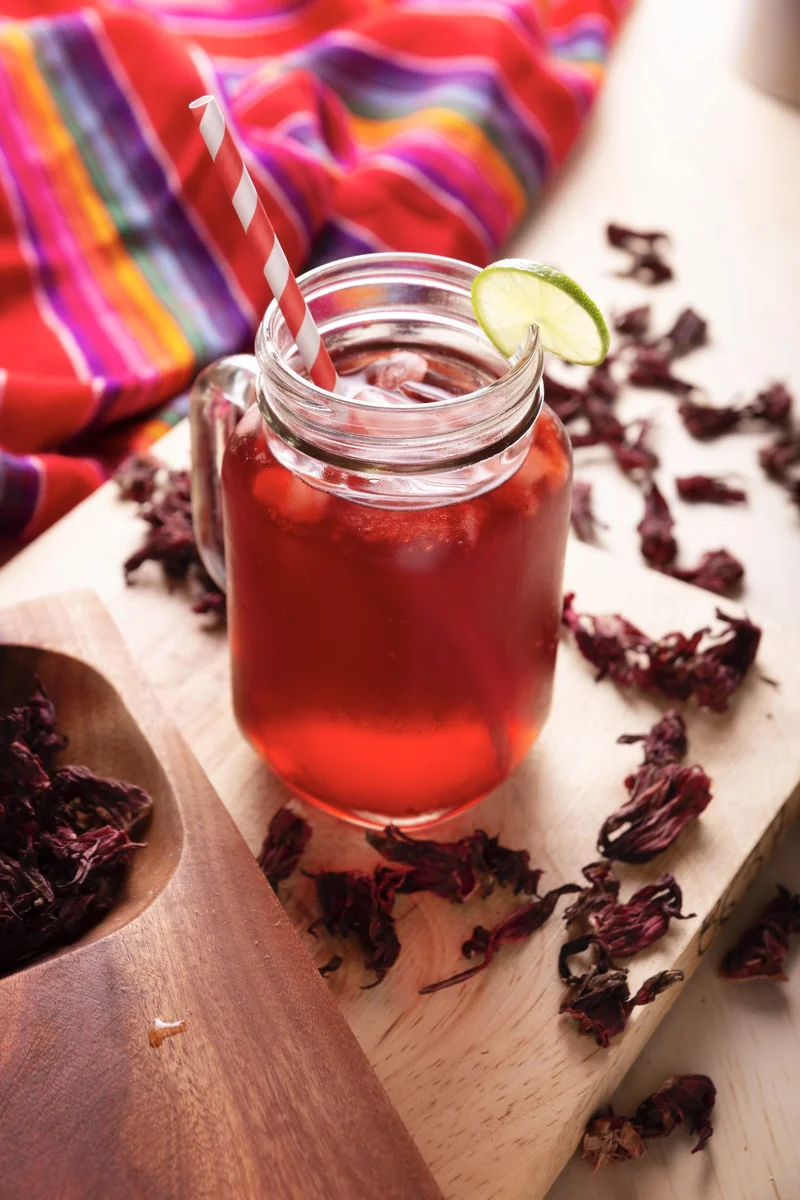
Rosa de Jamaica (hibiscus iced tea) is one of those classic Guatemalan drinks that’s sweet, tart, and incredibly refreshing. It’s easy to see why it’s a staple at family meals and local restaurants.
Make This Agua de Tamarindo Drink Your Own!
No two pitchers of agua de tamarindo taste the same. Every family has its own way of making it. Some like it sweeter, some add fresh lime, and others swear a pinch of chile powder gives it a little kick that brings everything together. That’s one of the things I love most about Guatemalan aguas frescas. The recipe is simple, but almost every family has a small twist that makes it feel like their own.
If your family has its homemade version, I’d love to hear about it. Leave a comment and tell me what makes your tamarindo drink special. I read every one, and I’ve discovered some of my favorite variations thanks to readers sharing their family recipes.
Tamarindo Drink (Agua de Tamarindo)
This refreshing agua de tamarindo drink is perfect for a hot summer day
Ingredients
- 1 cup of tamarind paste
- 4 cups water
- 1/2 cup of sugar, to taste
- 1/4 tsp of salt
- Lime juice (optional)
- Fresh mint (for garnish)
Instructions
- Combine the tamarind paste, water, sugar, and salt in a medium saucepan.
- Cook over medium heat, stirring occasionally until the sugar has dissolved and the mixture has thickened slightly, about 10 minutes.
- Allow the mixture to cool and then use a fine mesh strainer to remove any remaining seeds or fibers.
- Press on the solids to extract as much liquid as possible. Discard the solids.
- Stir in the lime juice to taste, if desired. Let the drink cool to room temperature.
- Serve the agua de tamarindo chilled, over ice if desired.
Nutrition Information:
Yield: 6 Serving Size: 1Amount Per Serving: Calories: 177Total Fat: 0gSaturated Fat: 0gTrans Fat: 0gUnsaturated Fat: 0gCholesterol: 0mgSodium: 105mgCarbohydrates: 47gFiber: 3gSugar: 37gProtein: 1g
This recipe uses estimated serving sizes based on a 2,000-calorie-a-day diet. Nutrition information is provided as an estimate only and may vary depending on ingredients, brands, homemade preparations, ripeness of produce, and serving sizes.

Through her writing, Paula helps travelers discover Guatemala beyond the typical tourist route with practical advice, local recommendations, and authentic experiences that connect visitors with the country’s people, culture, and traditions.
Planning a trip to Guatemala? Paula offers personalized Guatemala itinerary planning and trip consultation services tailored to your interests, travel style, and budget. Contact her at [email protected] to learn more.
- San Lucas Tolimán Guatemala: Lake Atitlán’s Best-Kept Secret - September 24, 2026
- Hotel Tolimán Lake Atitlán: A Special Stay in San Lucas Tolimán - September 24, 2026
- Guatemala Dreams in San Lucas Tolimán: A Boutique Stay on Lake Atitlán - September 23, 2026

