
For years, one of my biggest challenges was dealing with late-night cravings. I could be mindful about what I ate all day, but about an hour before bed, it felt as though my brain had been hijacked. Before I knew it, I was standing in front of the refrigerator with my hands full of snacks.

I used to think I simply needed more willpower. Over time, however, I realized that cravings at night are not always something to fight. Sometimes I was genuinely hungry because I had skipped a meal or had not eaten enough during the day. Other times, food had become part of how I relaxed after work, parenting, and everything else competing for my attention.
Understanding the reason behind a craving has helped me far more than treating food like an enemy. These practical strategies are not about ignoring hunger or following a rigid diet. They are about noticing patterns, meeting your needs, and making evening eating feel more intentional.
Quick answer: Late-night cravings may be caused by genuine hunger, skipped or unbalanced meals, stress, boredom, habit, lack of sleep, or simply being awake for more hours. If you are physically hungry, it is okay to eat. A snack containing protein, fiber, or both will usually be more satisfying than trying to suppress hunger with water alone.
What Do Late-Night Cravings Mean?
A late-night craving is a strong desire to eat a particular food during the evening or close to bedtime. It is not a diagnosis, and having nighttime food cravings does not automatically mean that there is anything wrong with you.
The first question to ask is whether you are feeling hunger, a craving, or both. Physical hunger often develops gradually and may come with a growling stomach, low energy, irritability, or a willingness to eat several different foods. A craving can feel more specific: you may want something sweet, salty, crunchy, or comforting even though your stomach does not feel empty.
The distinction does not have to be perfect. Hunger and emotions can overlap, and you do not need to prove that you are “hungry enough” before eating. The goal is simply to become curious about what your body and mind may be asking for.
Why Do I Get Cravings at Night?
There is rarely one explanation for nighttime food cravings. Some of the most common reasons include:
- Not eating enough during the day: Skipping meals, eating very small portions, or trying to “save” calories for later can leave you genuinely hungry by bedtime.
- Meals that are not satisfying: A meal may be filling at first but fail to keep you satisfied if it lacks protein, carbohydrates, fat, or fiber.
- Stress and emotional fatigue: After a demanding day, familiar foods can provide comfort and become part of your decompression routine.
- Boredom or habit: If you regularly eat while watching television or gaming, your brain may begin to associate that activity with having a snack.
- Staying up late: The longer you are awake, the more opportunity there is to become hungry again—especially when dinner was several hours earlier.
- Poor sleep: Inconsistent or insufficient sleep can affect appetite and make it harder to interpret hunger and fullness signals.
Stress is a major trigger for me, and it affects more than my eating habits. If that sounds familiar, these mental health tips for improving your wellbeing include some of the practices I use when I feel anxious, overwhelmed, or emotionally drained.
How to Manage Late-Night Cravings Without Ignoring Hunger
1. Eat Regularly Throughout the Day
My nighttime cravings are much stronger when I skip breakfast or lunch, eat very little during the day, or wait too long between meals. Eating regularly gives your body consistent energy and makes it less likely that you will arrive at bedtime extremely hungry.
Try to build meals around a combination of carbohydrates, protein, fat, and fiber rather than focusing on one “perfect” food. Vanderbilt Health also recommends balanced meals and fiber-rich foods to improve satisfaction and reduce nighttime snacking. You can read its guidance on nighttime snacking for additional ideas.
2. Pause and Identify What You Need
Before automatically heading to the kitchen, I pause for a moment and ask myself a few simple questions:
- When did I last eat?
- Does my body feel hungry?
- Am I tired, stressed, bored, lonely, or thirsty?
- Would a snack satisfy me, or am I looking for another kind of comfort?
If the answer is hunger, I eat. If I am mainly trying to decompress, I may still choose a snack, but I also consider what else might help: talking with my wife, playing a board game, reading, watching a show, taking a shower, or stepping away from work.
3. Make Dinner More Satisfying
Moving dinner slightly later may help if there is a long gap between dinner and bedtime, but timing is only part of the equation. A very light dinner can leave you hungry regardless of when you eat it. Include foods you enjoy along with protein, carbohydrates, vegetables or fruit, and some fat so the meal feels complete.
There is no universal dinner schedule. A time that works for someone who goes to bed at 9 p.m. may not work for someone who stays awake until midnight. Consider your own schedule instead of forcing yourself to follow an arbitrary rule about when eating must stop.
4. Plan a Late-Night Snack Instead of Forbidding One
Telling myself that the kitchen is completely off-limits can make a craving feel more urgent. It is often more helpful to keep a few easy, satisfying snacks available. Planning does not mean you must eat one every night; it simply removes the panic and all-or-nothing thinking from the decision.
If you want more ideas for making nutritious choices part of your routine, these small steps toward a healthier lifestyle focus on manageable changes rather than overnight transformations.
5. Eat Without Distraction When You Can
Eating directly from a bag while watching television makes it difficult for me to notice whether I am enjoying the food or feeling satisfied. I now try to put my snack on a plate or in a bowl and sit down to eat it. This is not about controlling the portion. It is about giving the snack enough attention that I can experience and enjoy it.
6. Create a Different Way to Decompress
If food has become the only reward at the end of a difficult day, add other comforting options instead of simply taking food away. A short walk, gentle stretching, music, a hobby, a warm shower, or a conversation with someone you trust can help signal that the workday is over.

I like to run when I have time. Even 15 minutes can help me shift out of work mode. Movement should not be punishment for eating, however, and you do not need to “earn” a snack with exercise. Choose an activity because it helps you feel calmer, stronger, or more rested.
7. Build a Consistent Evening and Sleep Routine
A predictable routine can help separate true hunger from a habit linked to a particular time or activity. Dimming the lights, putting work away, brushing your teeth, and preparing for bed can become useful cues that the evening is winding down. Brushing your teeth is not a rule that prevents you from eating later; if you become hungry, you can have a snack and brush again.
If stress tends to follow you from one day into the next, creating a calmer start may help too. My slow morning routine for managing stress offers realistic ideas that do not require completely restructuring your life.
8. Track Patterns Without Judging Yourself
For a week or two, make a simple note of when cravings happen, what and when you ate earlier, how much sleep you had, and what you were feeling. This is not a calorie log. You are looking for patterns: perhaps cravings are strongest after skipped lunches, stressful meetings, very early dinners, or nights when you stay awake much later than usual.
Once you see a pattern, test one small adjustment at a time. You may need a more substantial afternoon snack, a satisfying dinner, an earlier bedtime, or a better way to transition out of work mode.
What to Eat for Late-Night Cravings
If you are hungry at night, choose something you enjoy and that is likely to satisfy you. Combining carbohydrates with protein, fat, or fiber can make a snack more substantial. Depending on your needs, preferences, allergies, and dietary restrictions, ideas include:
- Greek yogurt with berries or granola
- A banana or apple with peanut or almond butter
- Whole-grain crackers with cheese
- Toast with avocado, nut butter, or turkey
- Hummus with vegetables, pita, or crackers
- Oatmeal with milk and fruit
- A healthy smoothie
- Popcorn with nuts or cheese
- A small turkey sandwich
- Cereal with milk
- Leftovers from dinner if that is what sounds satisfying
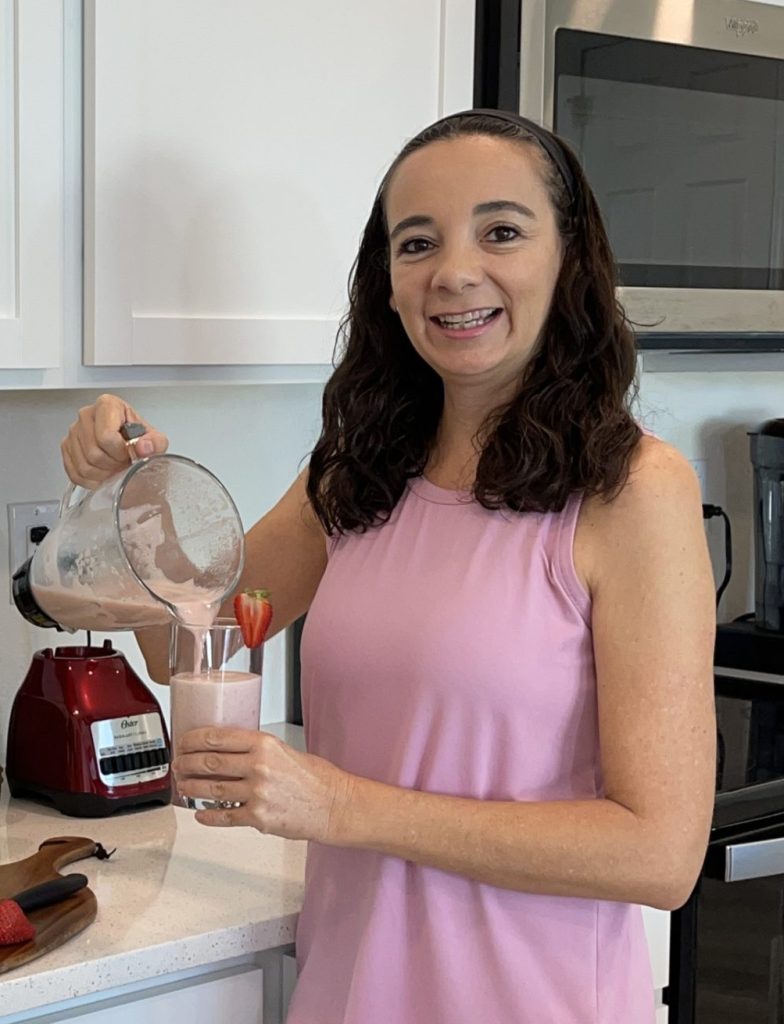
You do not have to choose the lowest-calorie option, and foods do not become morally “good” or “bad” because of the time on the clock. If you experience reflux or another digestive condition, ask your healthcare provider whether eating close to bedtime or particular foods may worsen your symptoms.
For times when routines change, these tips for maintaining healthy habits while traveling include convenient snack ideas and ways to stay active without making health the entire focus of your trip.
When Late-Night Eating May Be More Than a Craving
Occasional late-night eating is common. It is also important not to use the terms “binge” and “overeating” interchangeably. Binge eating disorder involves recurrent episodes of eating an unusually large amount of food while feeling unable to stop or control what or how much you are eating, together with significant distress. It is a real mental health condition—not a lack of discipline or willpower.
If you frequently feel out of control around food, eat in secret, experience shame or distress after eating, or find that food and body concerns are interfering with daily life, talk with a physician or an eating-disorder-informed mental health professional. Specialized binge eating disorder therapy may include therapy, nutritional support, medical care, and different levels of treatment based on a person’s individual needs.
Waking repeatedly during the night specifically to eat can also be associated with night eating syndrome, which is different from simply wanting a bedtime snack. The Cleveland Clinic’s overview of night eating syndrome explains the symptoms and when to speak with a healthcare provider. The National Institute of Mental Health also provides information about eating disorders and finding support.
Frequently Asked Questions About Late-Night Cravings
What do late-night cravings mean?
Late-night cravings are a desire for food during the evening or near bedtime. They may reflect physical hunger, an eating schedule that leaves you underfed, stress, boredom, habit, lack of sleep, or a preference for a particular food. A craving by itself is not an eating-disorder diagnosis.
How do I stop late-night cravings?
Start by eating enough at regular intervals during the day and making dinner satisfying. Then look for patterns involving stress, boredom, screen time, and sleep. If you are physically hungry, having a planned snack may be more helpful than trying to suppress the feeling. Persistent distress or loss of control around eating deserves professional support.
Should I eat if I am hungry at 2 a.m.?
If you are awake and genuinely hungry, it is okay to eat. Choose something that feels satisfying and sits comfortably for you. If you frequently wake from sleep needing to eat, cannot return to sleep without food, or the pattern disrupts your life, discuss it with a healthcare provider.
What are healthy late-night snacks?
A helpful late-night snack is one that satisfies your hunger and works for your medical and dietary needs. Yogurt and fruit, toast with nut butter, cheese and crackers, cereal with milk, oatmeal, hummus and pita, or a small sandwich are practical options. Pairing carbohydrates with protein, fat, or fiber often makes a snack more satisfying.
Why do I crave sweets at night?
You may crave sweets because you did not eat enough earlier, want quick energy, associate dessert with relaxation, or use sweet foods for comfort after a stressful day. Rather than banning sweets, look at whether your daytime meals are adequate and whether another form of rest or comfort would also help.
Are late-night cravings bad for weight loss?
A nighttime snack does not automatically prevent weight loss, and ignoring genuine hunger can sometimes lead to feeling deprived or eating past comfort later. Because individual energy and medical needs vary, anyone pursuing weight loss—especially someone with a history of disordered eating—should seek personalized advice from a physician or registered dietitian rather than follow rigid food rules.
A More Helpful Way to Think About Nighttime Cravings
I no longer think of every late-night craving as a battle I have to win. Some evenings I need a snack. On others, I realize I am exhausted or stressed and need a different kind of care. Paying attention without judging myself has been much more sustainable than relying on willpower.
Small changes still matter: eating regularly, preparing satisfying snacks, getting enough rest, and finding more than one way to decompress. The goal is not to be perfect or to keep yourself away from the refrigerator at all costs. It is to understand what you need and respond in a way that supports both your physical and emotional wellbeing.
This article is for general informational purposes and is not a substitute for personalized medical, nutritional, or mental health advice.

- Keto Hot Dog and Egg Tacos - October 4, 2021
- Soccer Snack Board - April 8, 2021
- Cilantro Lime Butter Salmon Sheet Pan Fajitas - February 22, 2021

