This post is also available in:
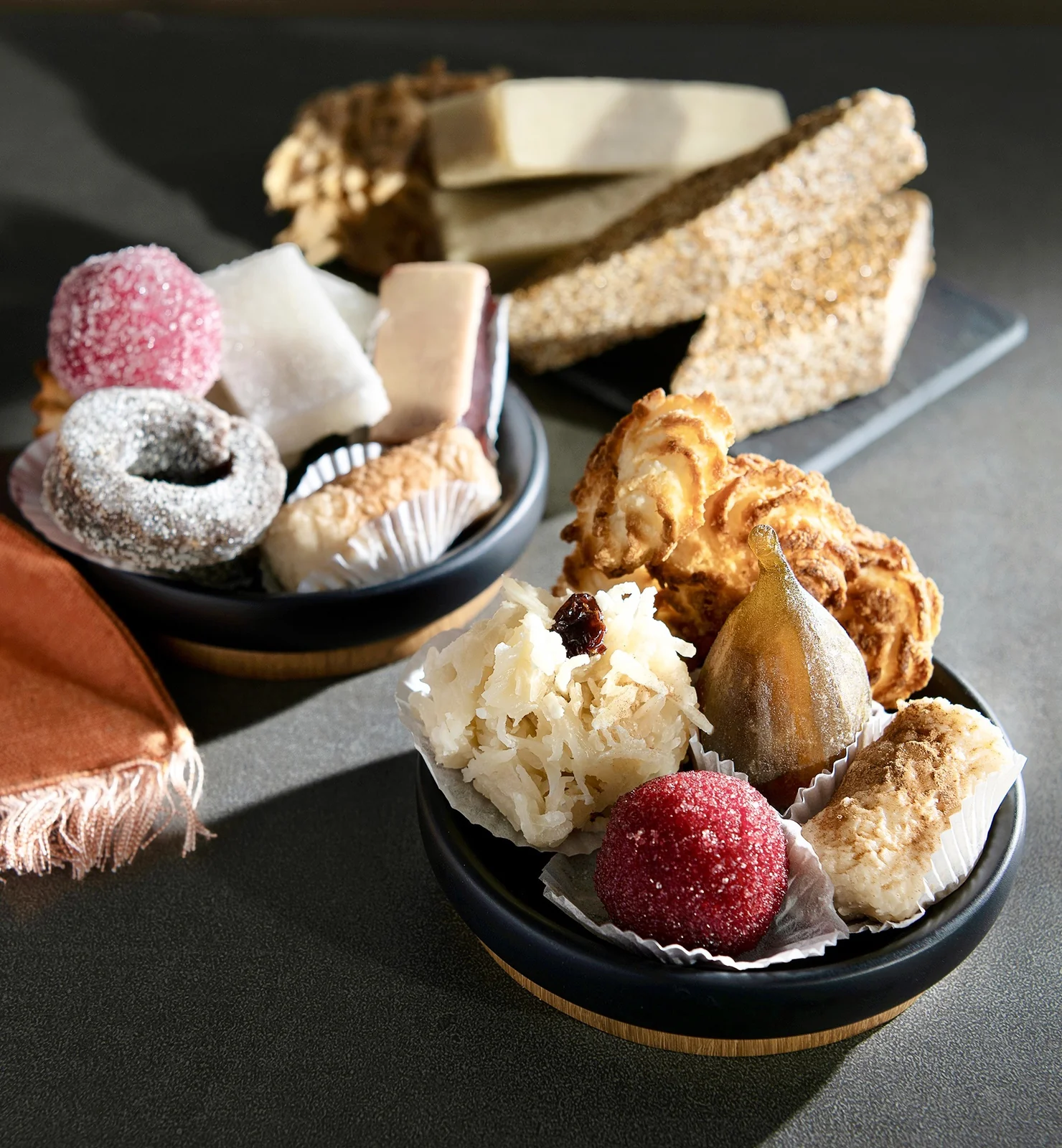
Guatemalan candy, known across the country as dulces típicos, is a family of traditional confections built on panela, seeds, milk, and tropical fruit. Sold by weight from glass jars at ferias patronales and from candy shops that have been in the same families for generations. Most sweets never see an oven. Instead, confectioners boil them, crystallize them, or hand-pull them, often with techniques that predate the sugar itself. Growing up, I loved standing in line at dulcerias in Antigua, excitedly trying to decide which sweet treat to enjoy first. That is still how I think about them: not as a category but as a craft full of choices to make.
This article contains affiliate links. If you buy something through one of my links, I may earn a small commission at no extra cost to you. I only recommend products and services I have personally used or vetted.
What Makes Guatemalan Candy Different
Traditional Guatemalan candy is more than a sweet. It grew out of the same colonial kitchens as many traditional Guatemalan desserts, and families have passed the recipes down for generations. So if you only try one handmade Guatemalan treat, make it a dulce típico. The only problem is that you will never manage to pick just one.
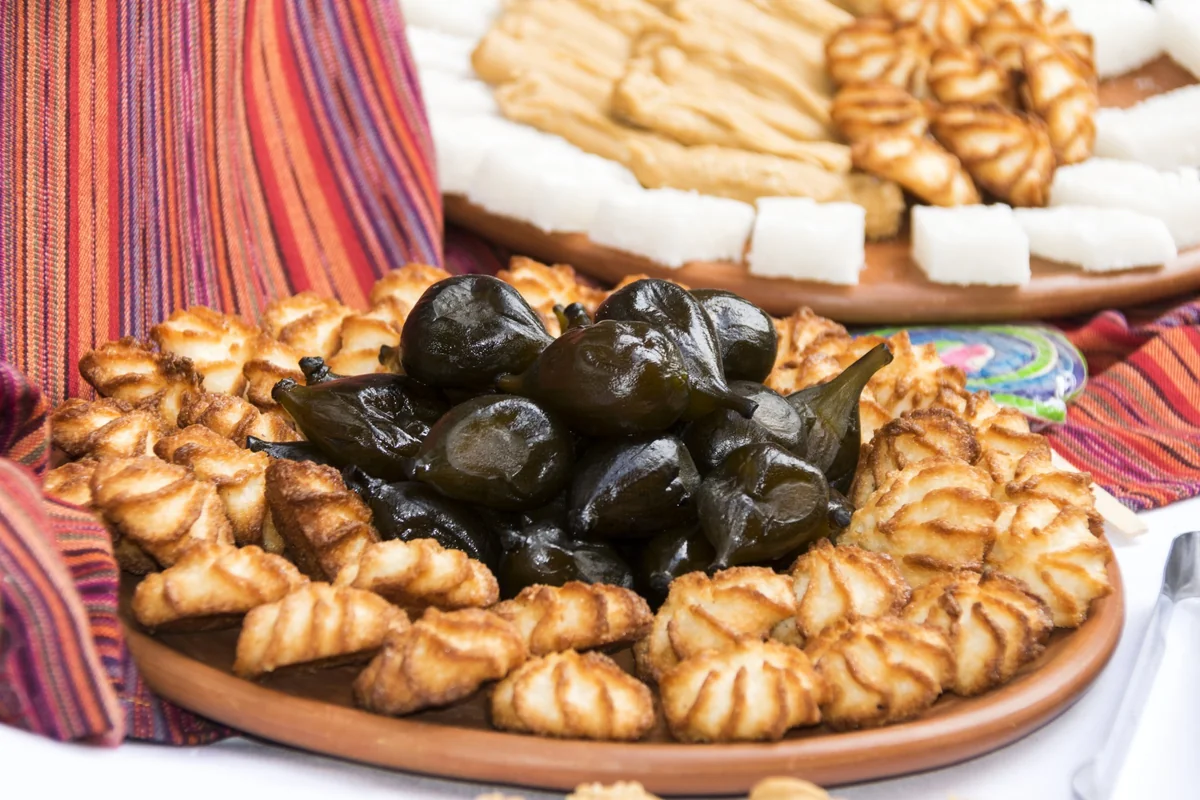
Confectioners still make each piece by hand, turning fruit, milk, and seeds into sweets like cocadas, frutas de mazapán, naranjitas, and maletas de higos. These candies give you a taste of traditional Guatemalan food, but they also reflect the country’s history, from the Mayan civilization to Spanish colonial kitchens. That’s why dulces típicos sit so close to the center of Guatemalan culture.
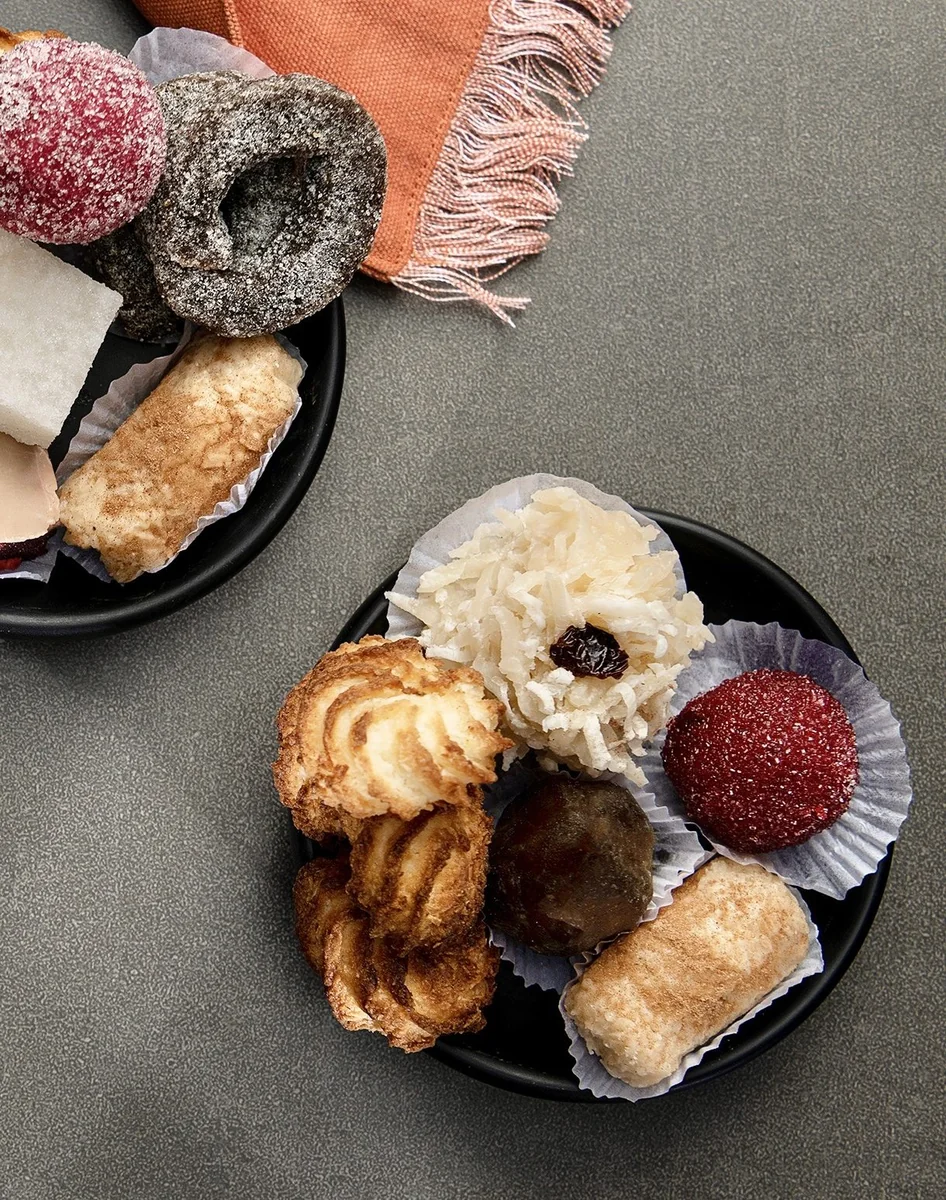
For me, dulces típicos are pure happy childhood memories. I still recall the excitement and anticipation of visiting Doña Maria Gordillo in Antigua Guatemala. Standing in line, waiting for our turn to order, looking through the glass at the infinite varieties of candy, and trying to decide which to choose.
I vividly remember biting into a canillita de leche and feeling it melt in my mouth, or popping a bolita de tamarindo and waiting for the sour to hit right after the sugar. Of all the treats in that glass case, those two are what I think of first.
The History of Traditional Guatemalan Sweets
Guatemalan traditional candies, also known as dulces típicos, have been around for centuries. After the Spanish arrived in Guatemala in the 1500s, candy-making became a respected craft, and a folklore researcher at the Universidad de San Carlos traced the artisanal tradition back to the Spanish nuns who arrived after the Conquest. A document from 1613 even mentions a confectioners’ guild.
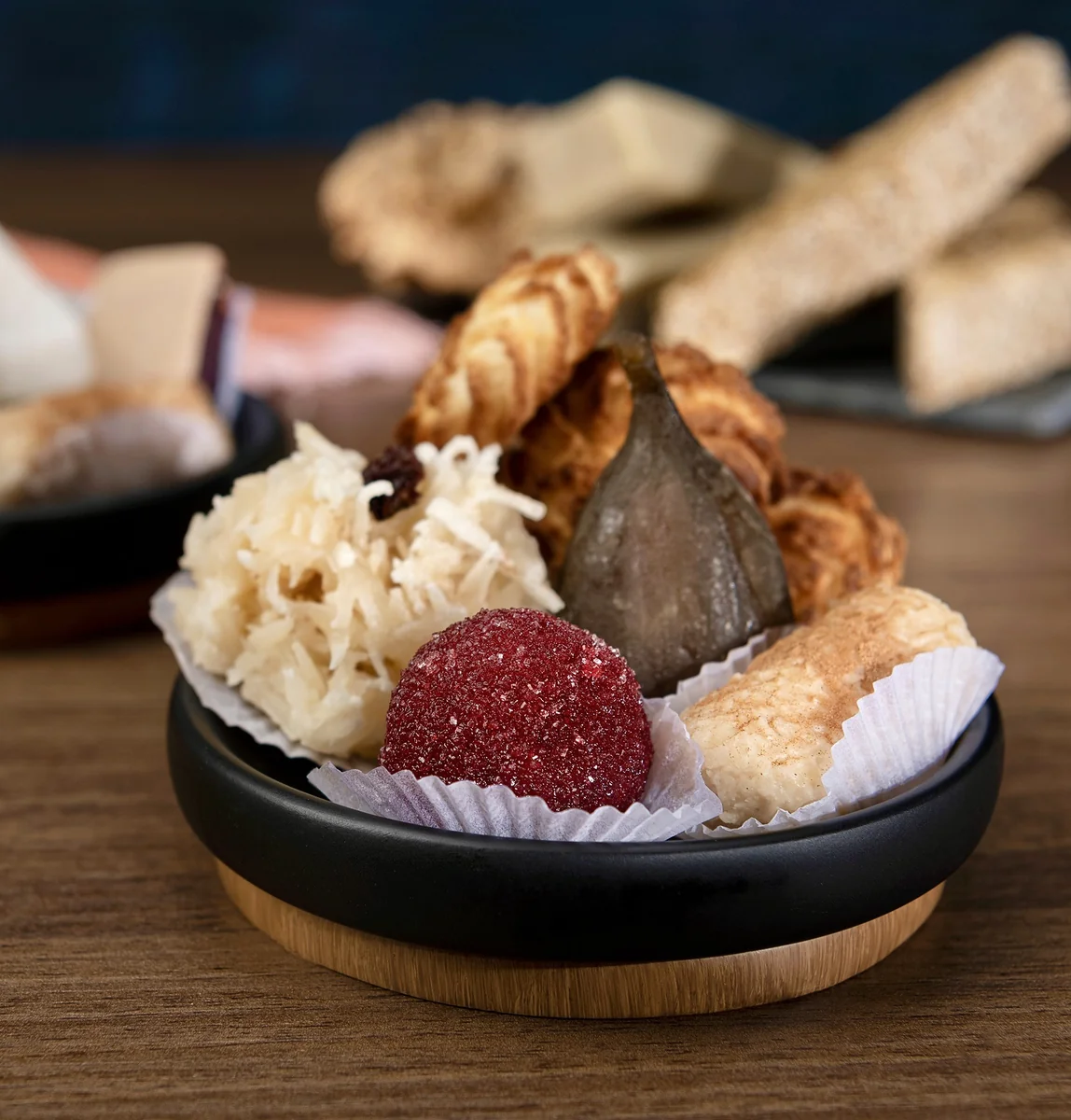
How Spanish Sweets Became Guatemalan
The history of Guatemalan candy is really the history of sugar. People first domesticated sugarcane in New Guinea thousands of years ago, and from there it traveled to India, then to Ancient Greece and Rome, and later to the plantations of Spain and Portugal. In the 1550s, the Spanish brought sugarcane to Guatemala, where it quickly became the backbone of Guatemalan candy-making.
Spain brought many candy-making techniques to its colonies, including Guatemala, some of which were Arabic long before they became Spanish. However, the sweets that stuck are rarely straight imports. Most blend pre-Hispanic and European cooking, pairing Spanish technique with local fruit, which is exactly what makes them Guatemalan.
Later, when coffee arrived in the 1870s, it added a whole new flavor to the case, and coffee sweets have been popular ever since.
The Secret Behind Guatemala’s Crystallized Fruit
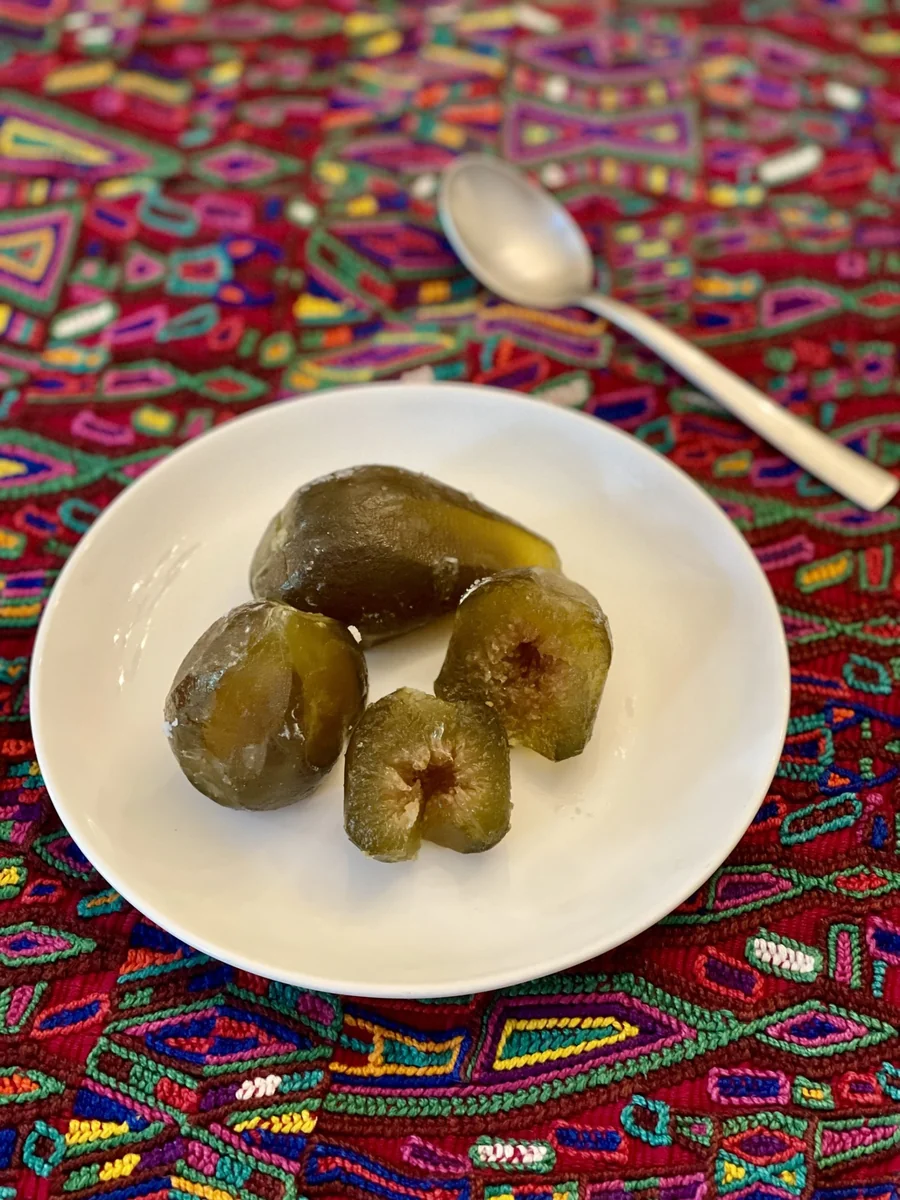
Many of the traditional Guatemalan candies we know today pair ingredients the Spanish introduced, like cane sugar, with local fruit and native cooking methods. Confectioners still use one of those methods, nixtamalization, to make sweets such as chilacayote and candied figs, and it depends on food-grade lime or cal.
Nixtamalization is the technique the Maya and other Mesoamerican cultures developed to treat corn with an alkaline solution. Applied to fruit, it preserves the fruit and firms it up. Originally, it kept fruit usable year-round. Then the Spanish brought cane sugar, and cooks started simmering those nixtamalized fruits again in syrup, which is how you get the glossy candies we eat today: crunchy on the outside and soft on the inside.
Guatemalan Towns Famous for Their Sweets
La Antigua Guatemala, formerly known as Santiago de Guatemala, has become a hub for Guatemalan sweets. It’s not surprising given its rich history. This sweet-making tradition has spread to other places like Guatemala City (Nueva Guatemala de la Asunción), Quetzaltenango, Cobán, Esquipulas, Amatitlán, and even the sweet-making factories of San Martín Jilotepeque. As a result, these areas are well-known for their popular candies.
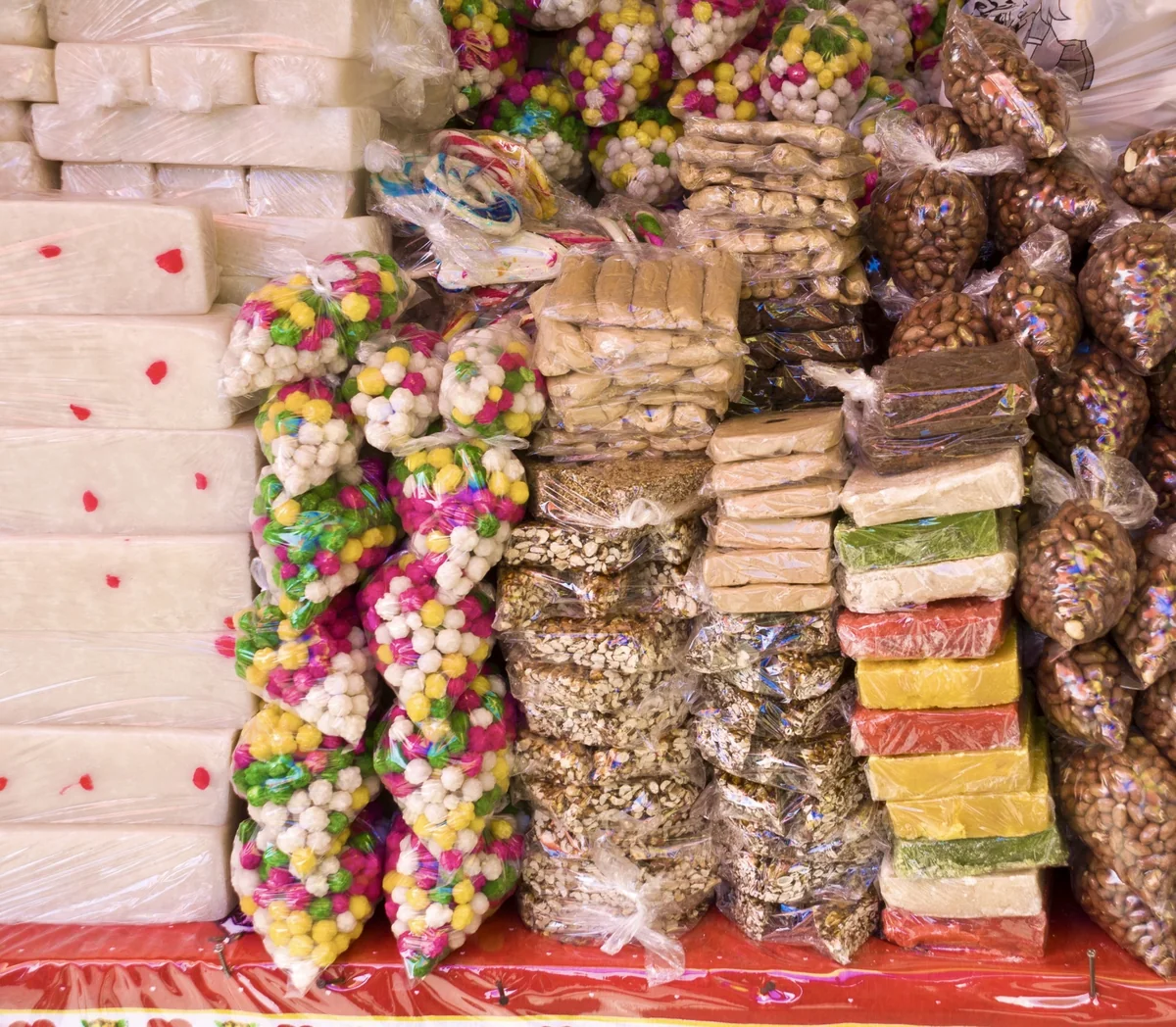
Different towns in Guatemala are well-known for their unique and delicious traditional candies. For example, Amatitlán is famous for its traditional sweets like pepitoria, marzipan, chancaca, matagusano, and colación. Meanwhile, Cobán and Las Verapaces are known for their delectable café con leche sweets, and Quetzaltenango has some delicious menrenge treats like espumillas.
And if you’re looking for nuégados and tartaritas, Antigua Guatemala is the place to be! Despite their differences, sweet traditions have continued to thrive all over the country.
The Diversity of Guatemalan Candy
Traditional Guatemalan candies blend flavors from two directions: some have roots in Arabic and Spanish traditions, while others build on native fruit and pre-Hispanic cooking techniques. A manuscript from 1844 lists over 224 candy recipes, and more than 90 of those types are still made today.
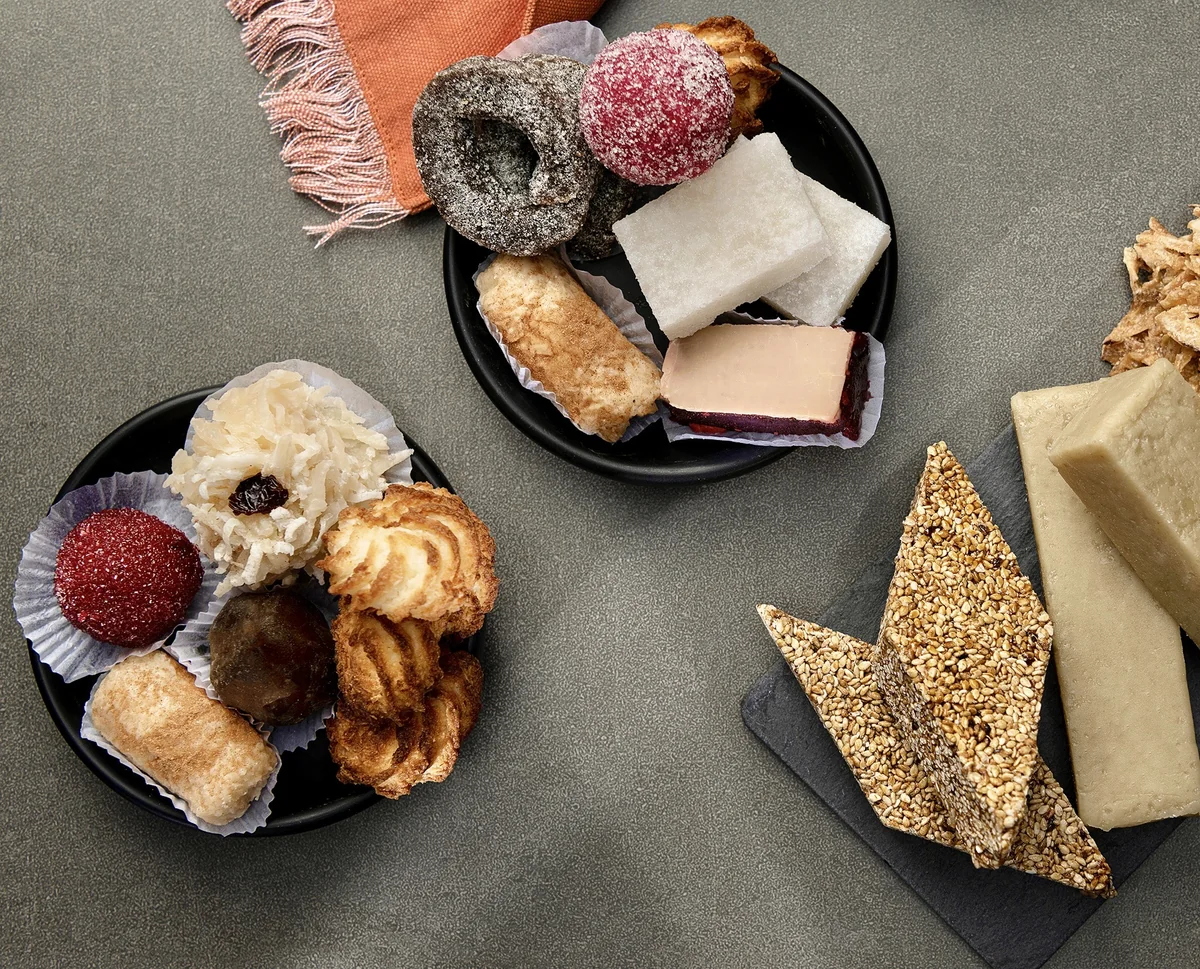
Here is a list of some of the most popular Guatemalan “dulces típicos” or traditional candy varieties:
Barras (Seed Bars)
Crunchy bars made with caramelized sugar and different types of seeds.
- Barra de ajonjoli: Sesame seeds held together with caramelized sugar for a sweet and crunchy bar.
- Barra de manía: Roasted peanuts mixed with caramelized sugar, nutty and sweet. You can make Guatemalan barras de manía at home with my easy recipe.
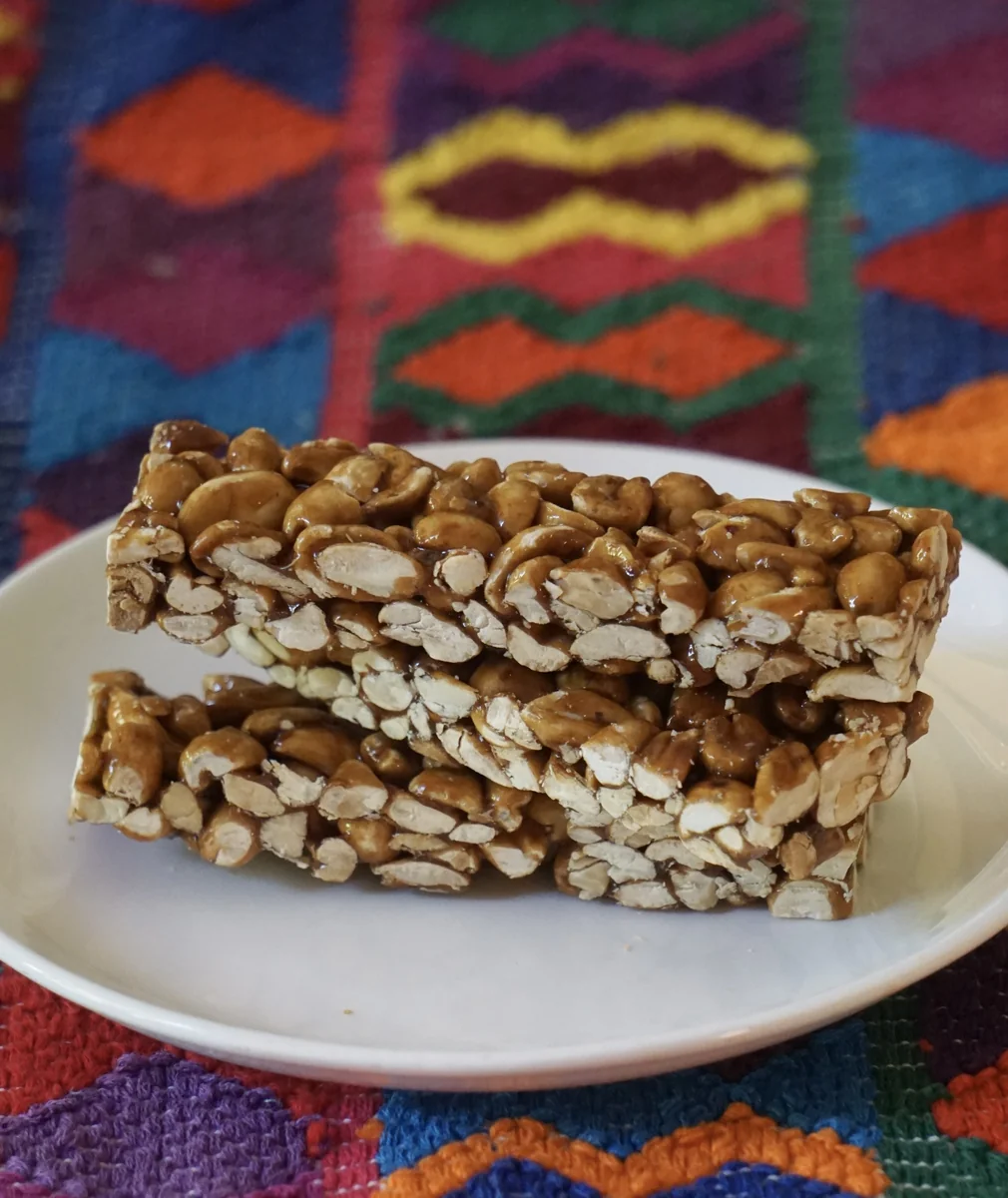
Barras de manía, easy to make at home - Barra de pepitoria: A traditional candy bar made from pepitas, hulled pumpkin seeds mixed with caramelized sugar.
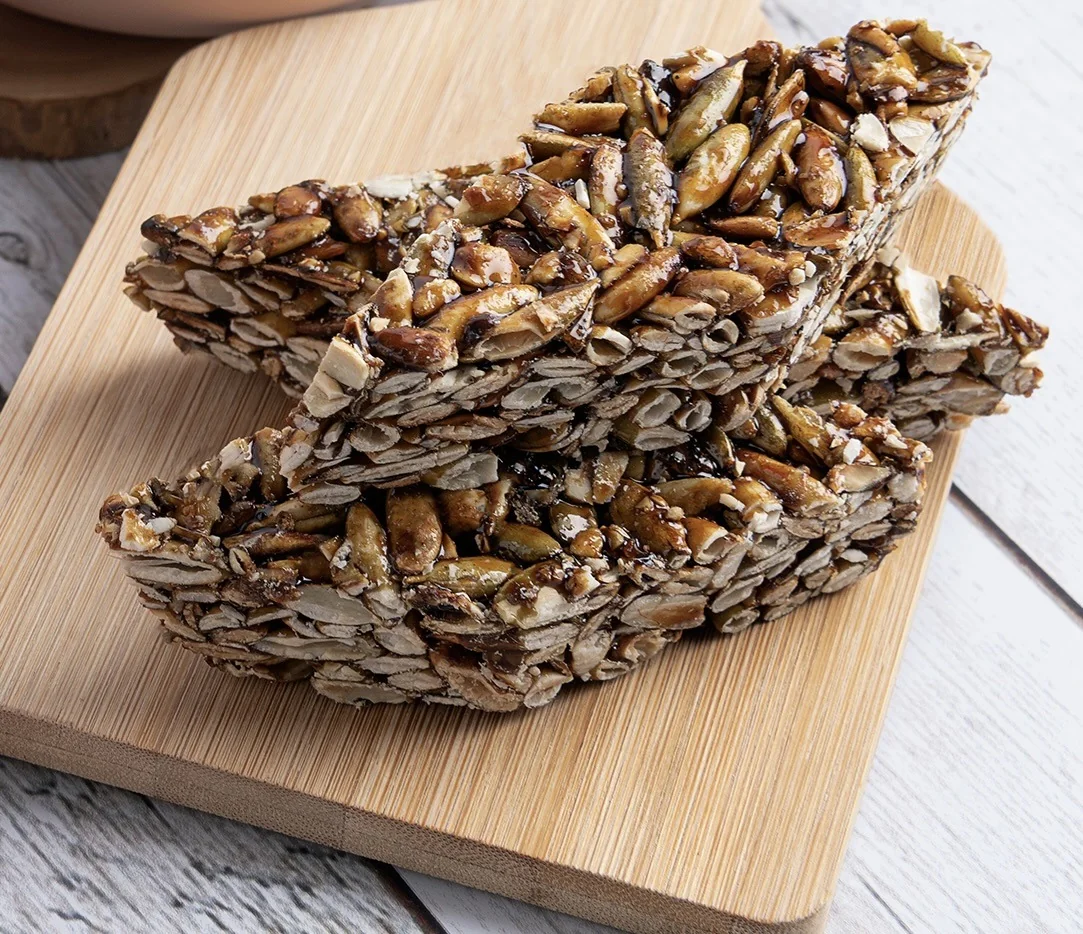
Barras de pepitoria, seeds, and panela
Bolitas
Cooks mix fruit pulp with sugar, roll it into balls, and coat them in more sugar to make bolitas in different flavors.
- Bolitas de naranja o Naranjitas: Orange-flavored balls made from concentrated orange pulp and sugar, rolled in sugar crystals.
- Bolitas de tamarindo: Sour tamarind pulp mixed with sugar and rolled into balls, then coated in sugar for a balance of sweet and tart.
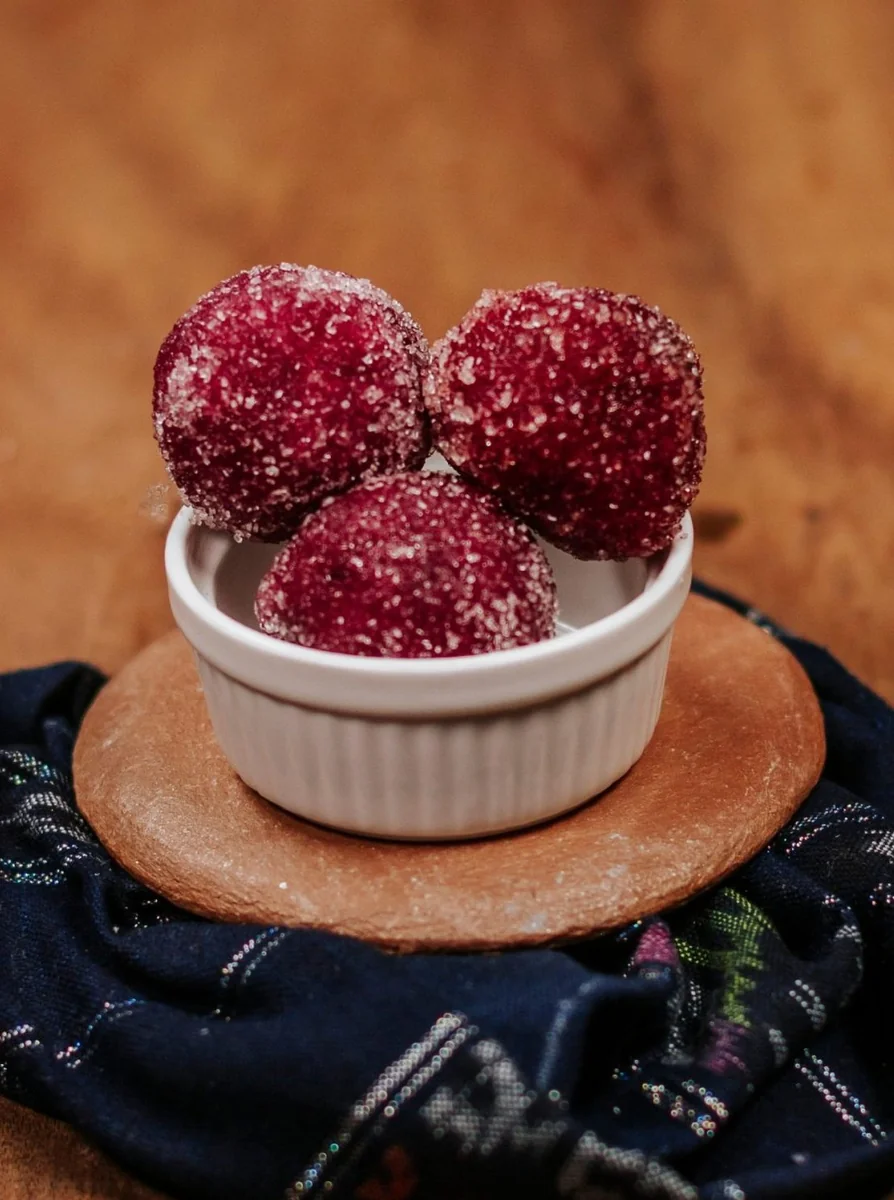
Bolitas de tamarindo, sweet and sour
Coconut Candy
- Conserva de coco: A sweet, chewy coconut bar, showcasing the natural flavor of coconut.
- Cocadas: Cocadas are deliciously chewy coconut cookies, in fact, very similar to coconut macaroons.
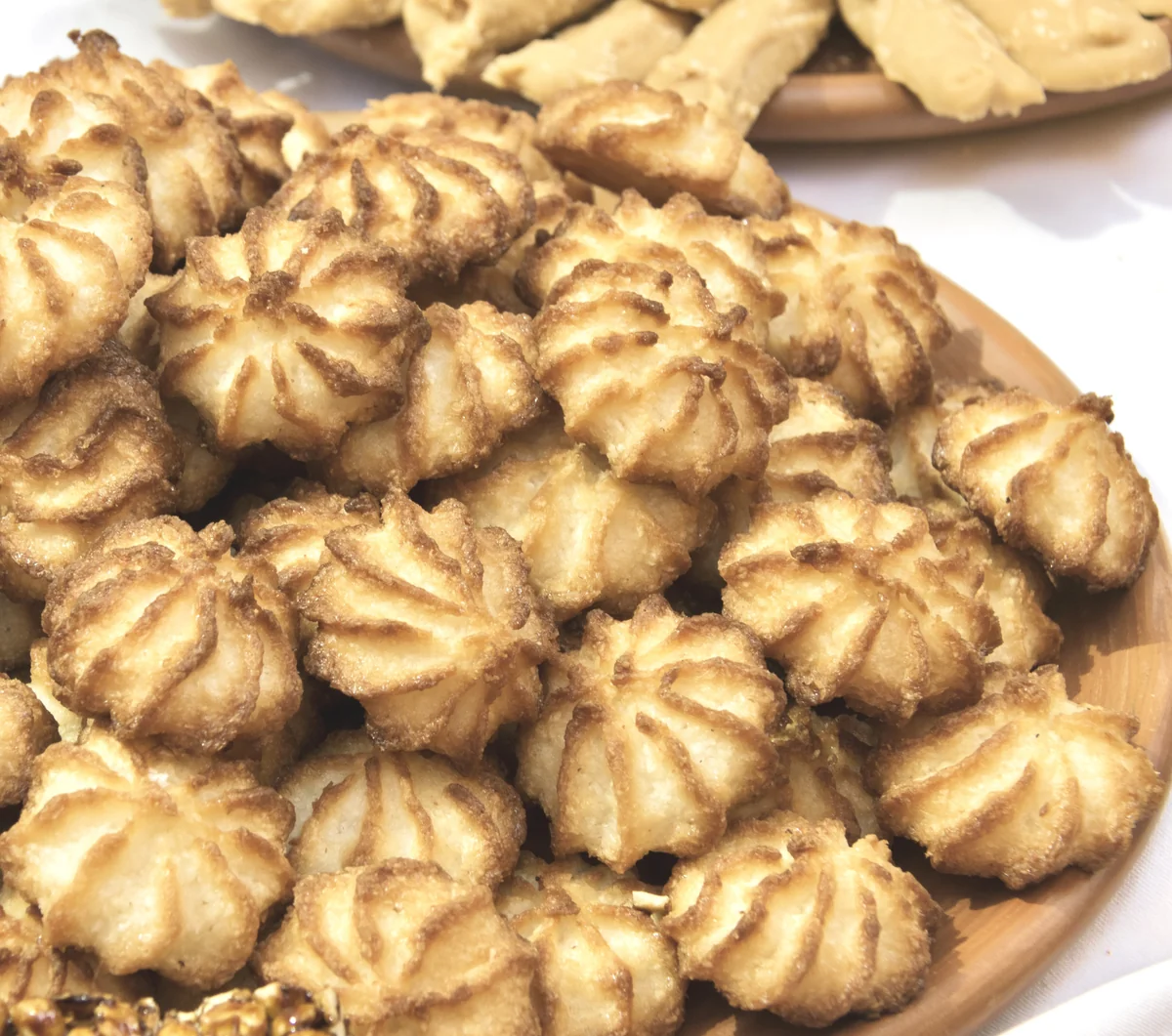
Cocadas, coconut cookies - Cocadas reales: Coconut candy made with grated coconut and condensed milk for a creamy texture and sweet flavor.
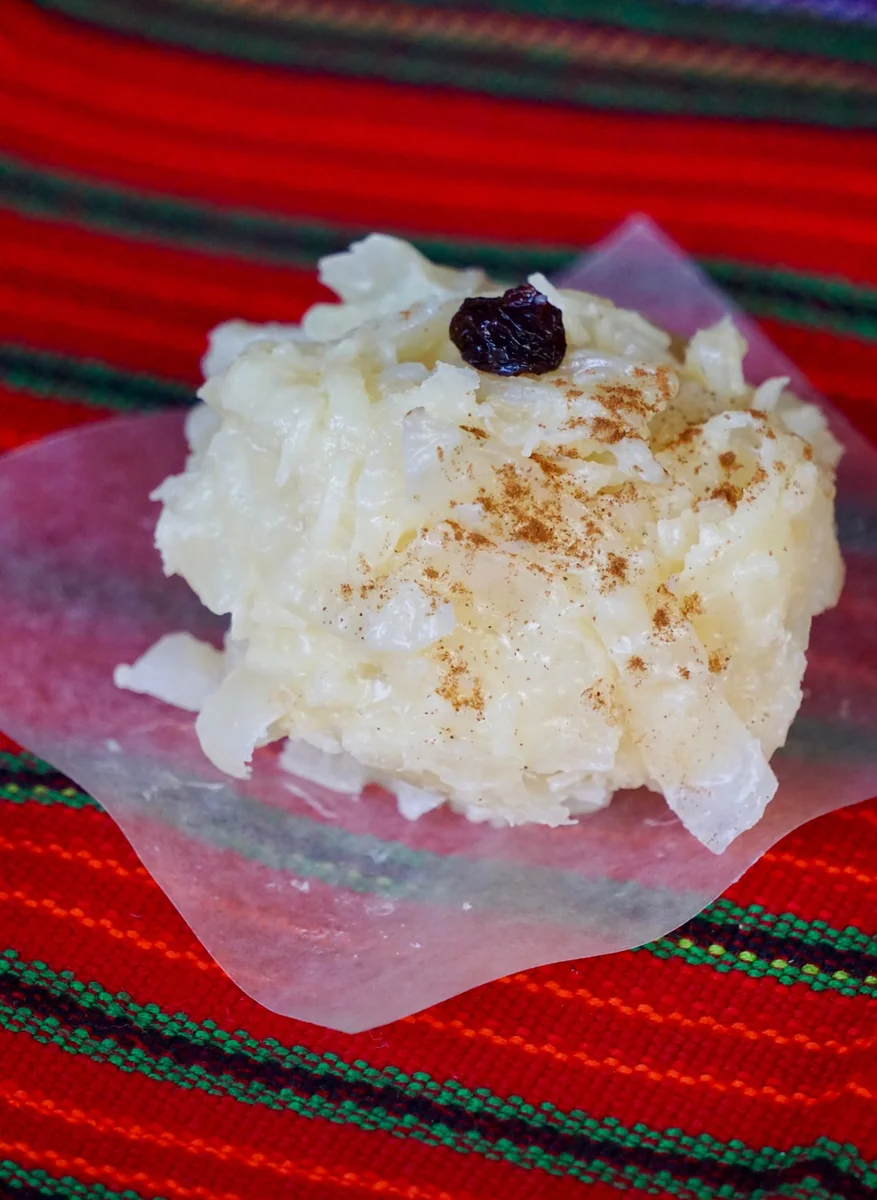
Cocadas reales, creamy and sweet
Colochos de Frutas
To make colochos, you cook fruit jelly until it holds a shape. Then spread it on a board, cut it into long strips, sprinkle the board with sugar, and roll each strip inward before coating it in more sugar. That roll is what gives “colochos” (curls) their name.
- Colochos de fresa: Soft candy curls with a bright strawberry flavor and a sparkling sugar finish.
- Colochos de mango: Similarly, ripe mango gives these chewy twists a mellow tropical sweetness.
- Colochos de mora: Blackberry adds a deeper berry flavor with a slightly tart finish that balances the sugar coating.
- Colochos de piña: These pineapple curls, however, have a tangier bite that keeps them from tasting overly sweet.
- Colochos de guayaba: Guava gives these soft curls their fragrant tropical flavor beneath a layer of sugar crystals. You can make them at home with this easy recipe for colochos de guayaba.
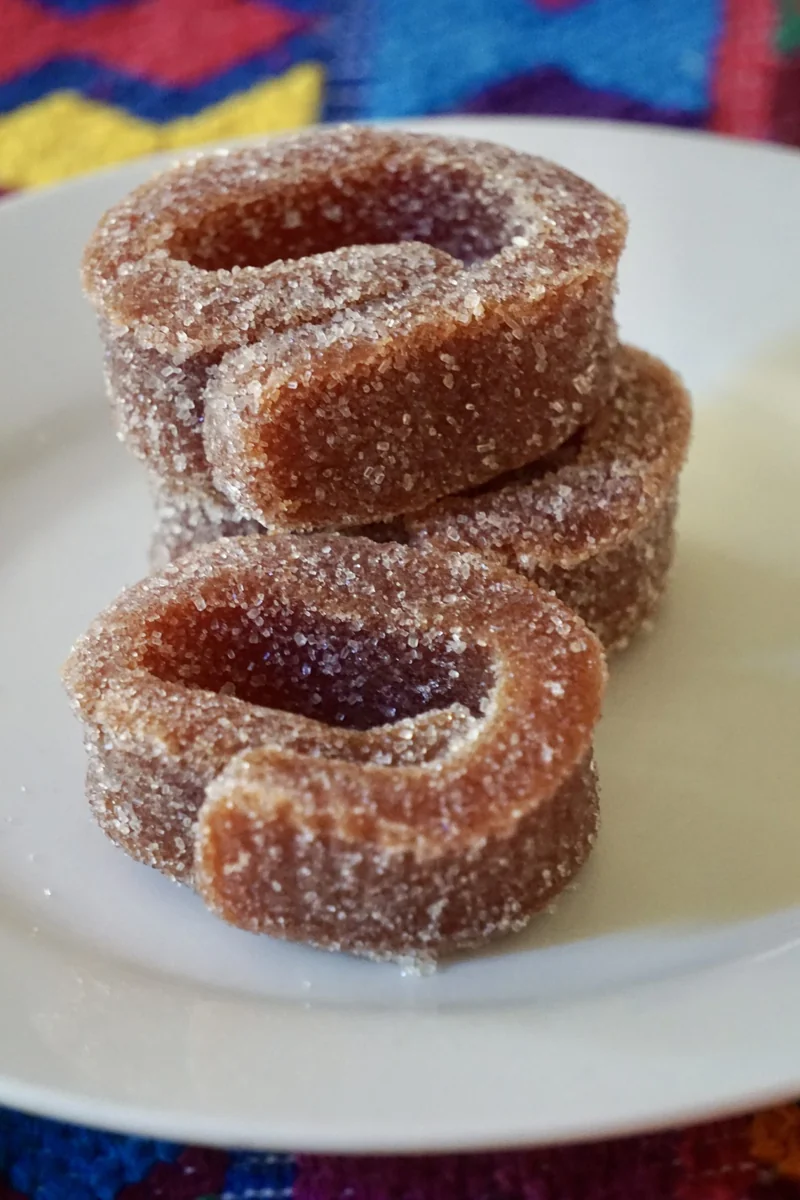
Colochos de guayaba, rolled by hand
Candied Fruit
- Camote en dulce: Sweet potatoes candied in syrup, often spiced with cinnamon for extra flavor.
- Chilacayote: Candied chilacayote squash, crystallized on the outside and soft on the inside.
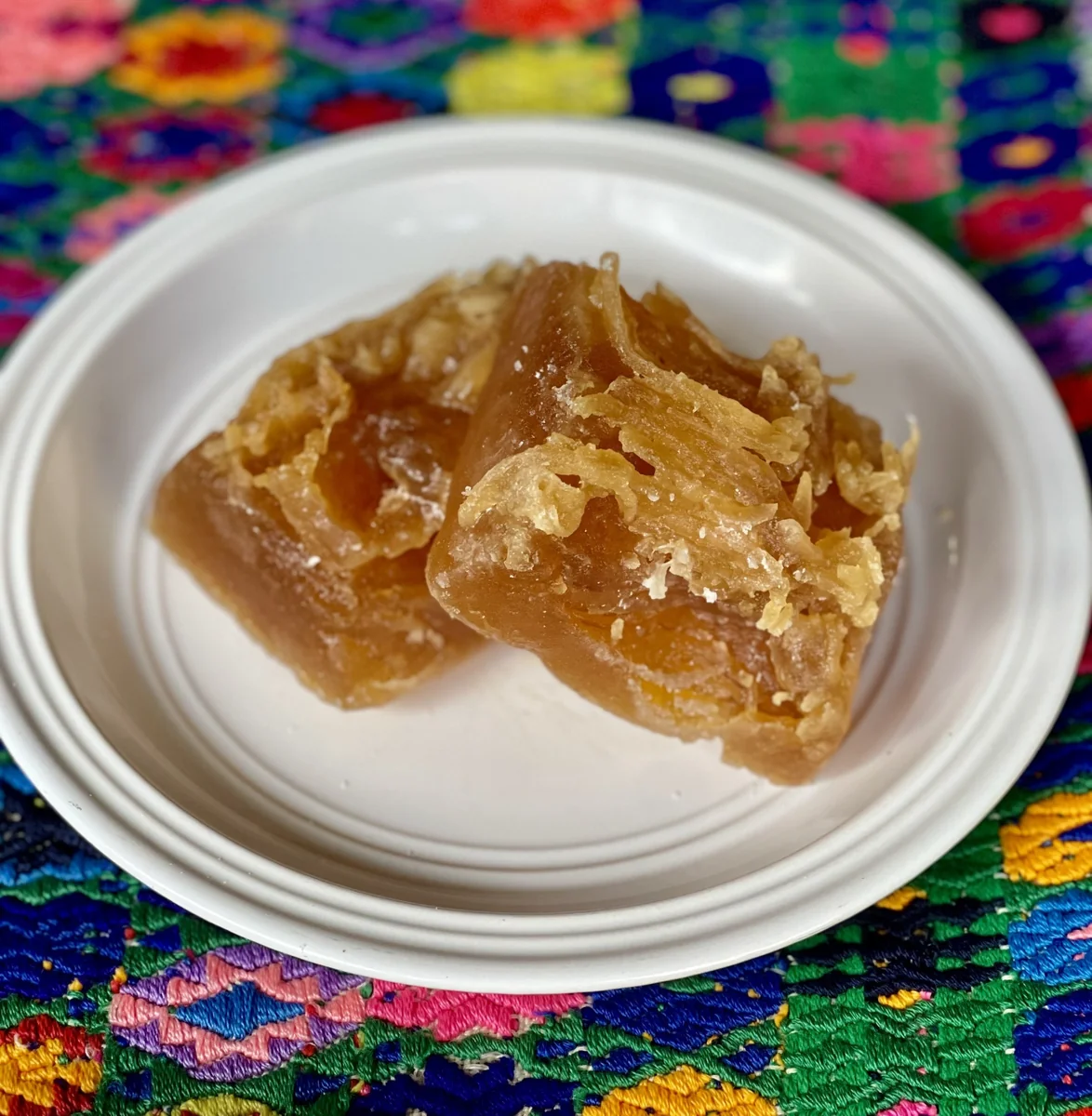
Chilacayote, crisp outside and soft inside - Higos rellenos de coco: Candied figs stuffed with sweetened coconut filling, combining the chewiness of figs with the tropical taste of coconut.
- Higos rellenos de mazapán: Candied figs filled with marzipan instead, blending almond flavor with the natural sweetness of figs.
- Higos (maleta de higos): Candied figs packed in sugar and usually served in (mallets) groups of four or five. Make them at home with my recipe for higos en maleta.
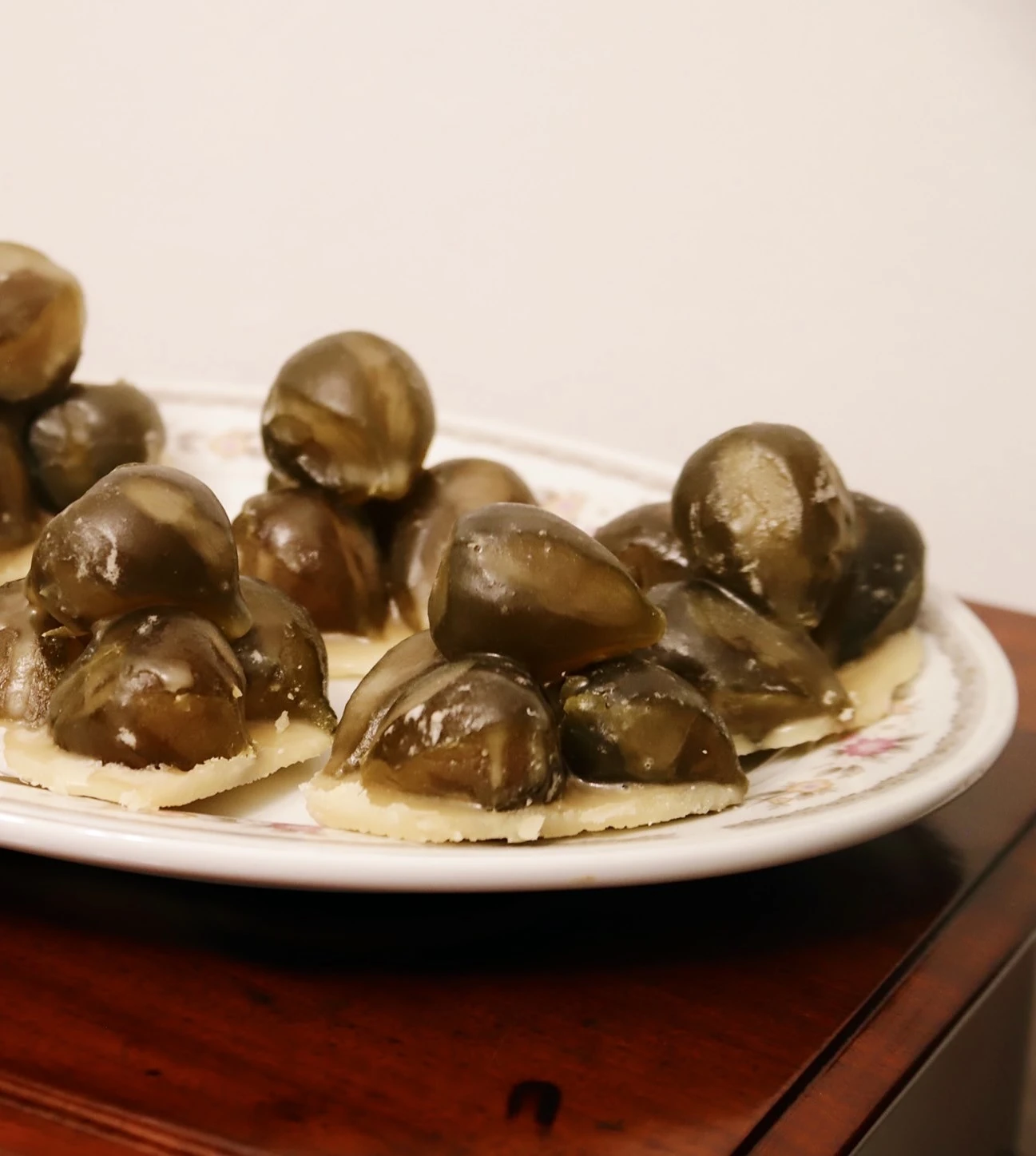
Maleta de higos, sold four or five at a time
Naranjas
- Naranja con mazapan: Candied oranges filled with marzipan, so you get citrus flavors with the sweet, almond taste of marzipan in the same bite.
- Naranja rellena de coco: Candied oranges also come with sweet coconut filling, blending citrus and tropical flavors.
- Naranja en miel: Orange halves that sit in syrup until the peel turns glossy and amber, sweet and citrusy at once. You can make Guatemalan naranjas en miel at home with my recipe.
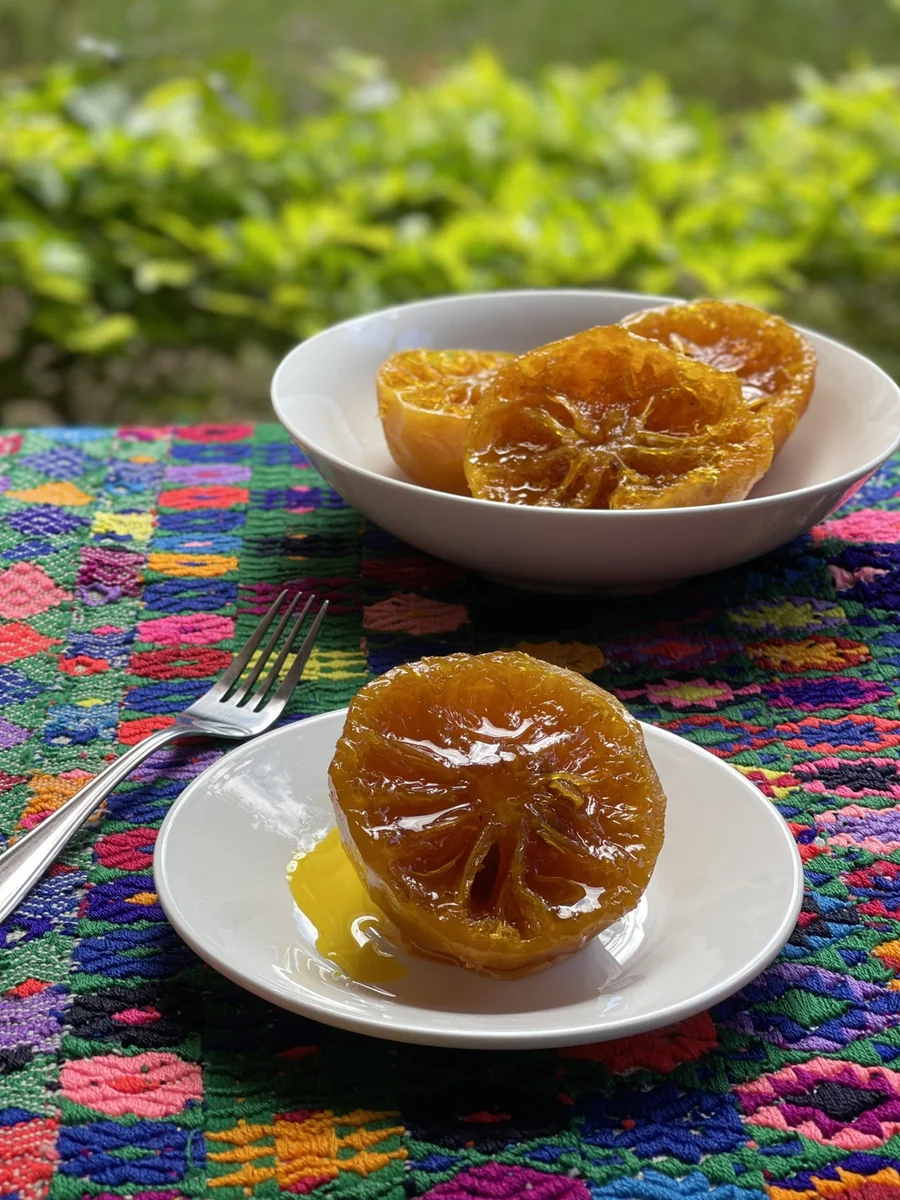
Naranjas en dulce, peel and all
Tartaritas
- Tartaritas de almendra: Small tartlets with an almond filling, offering a nutty and sweet flavor.
- Tartaritas de piña y coco: Pineapple and coconut tartlets, combining tropical flavors in a bite-sized pastry.
- Tartaritas de leche: Milk-based tartlets, creamy and sweet, often topped with a sprinkle of cinnamon or coconut.
Marzipans
- Mazapán: Traditional marzipan, a soft, nutty confection of almond paste and sugar.
- Frutas de mazapan: Marzipan candies shaped and colored like fruits, offering a sweet almond paste flavor.
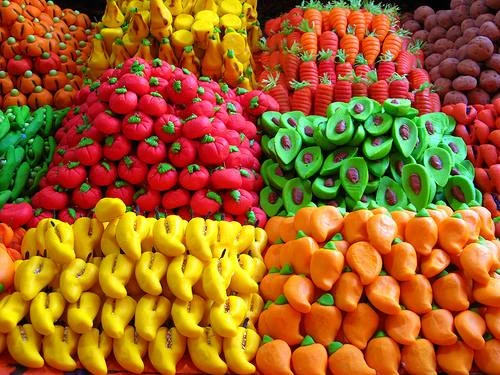
Frutas de mazapán, shaped by hand
Milk-Based Candy
- Bolitas de leche: Milk candy balls, creamy and sweet, often flavored with vanilla or cinnamon.
- Canillitas de leche: A milk-and sugar candy shaped into small tubes, sweet and with a creamy texture. Make them at home: canillitas de leche are ready in under 30 minutes!
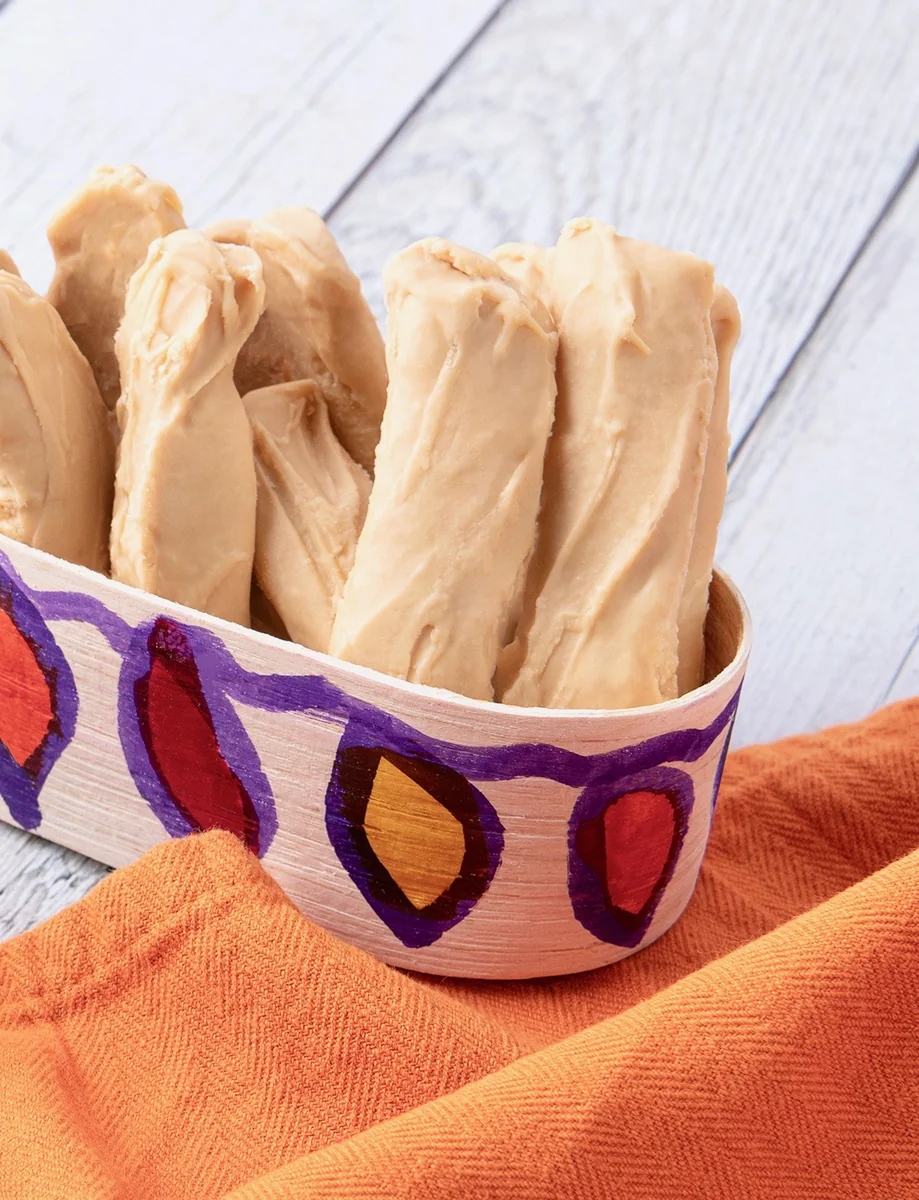
Canillitas de leche, the one people name first
Fried and Baked Sweets
- Corbatas en miel: Literally “honey bow ties,” these are fried pastries soaked in honey, crispy and sweet.
- Paciencias: Thin, crispy cookies, simple yet flavorful, perfect for dipping in coffee or tea.
- Espumillas: baked meringue treats, light and crunchy on the outside, but still slightly chewy on the inside.
- Alfajores: Sandwich cookies filled with dulce de leche, coated in powdered sugar, offering a soft and sweet experience.
- Nuégados: Small balls of fried dough under a white sugar glaze. Dulcerías sell them stacked in little towers of four or five nuégados.
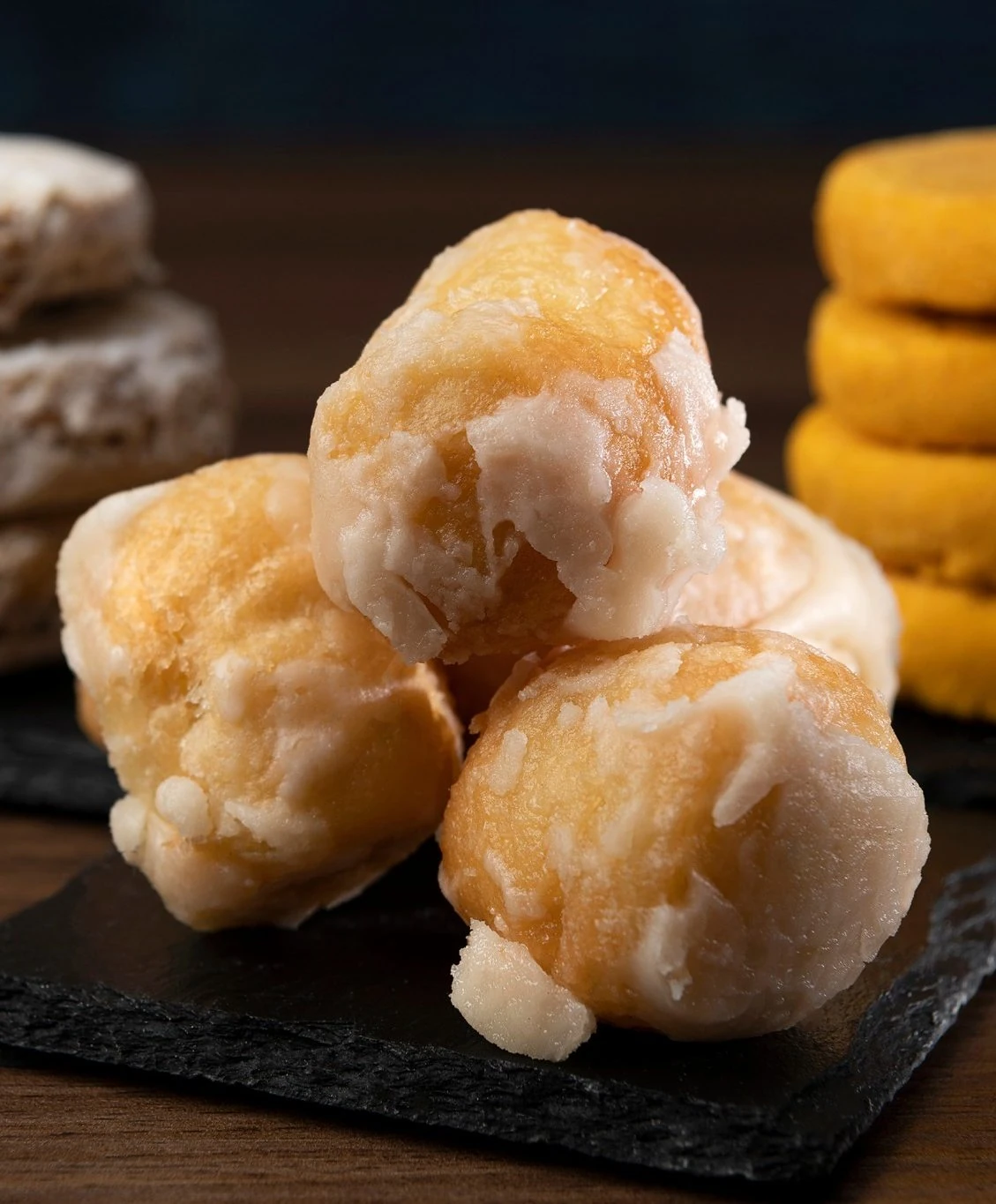
Nuégados, sold in little towers
Guatemalan Sweets in a Category of Their Own
- Turrón or turrones: Soft and sweet, turrones are a meringue of whipped egg whites and sugar. Unlike most meringues, turrón never goes in the oven, so it stays soft and sticky.
- Zapotillos or Zapote con canela: Candied zapote fruit spiced with cinnamon, offering a unique and traditional flavor.
- Chancaca: Hardened panela pressed into rounds or bars, sometimes with peanuts or seeds worked through it. It’s closer to raw sugar than to candy, and people break pieces off rather than bite into it.
- Matagusano: A dark, dense panela sweet whose name means “worm killer,” a leftover from when parents gave it to children as a folk remedy. It tastes strongly of molasses and oranges and very little else, which is the point.
- Huevo chimbo o chimbitos: A dessert made from eggs soaked in a sweet syrup, light and airy with a sweet coating.
- Quiebradientes: Literally “tooth breakers,” these hard sugar candies come with bits of peanuts, and you suck on them rather than chew them, for obvious reasons.
- Botellitas de miel: Small bottle-shaped candies shaped and filled with honey, so you bite through the shell and then hit the sweet liquid center.
- Café con leche: Delicious candies made with pure cow’s milk and Guatemalan coffee, then wrapped in waxed paper with a texture similar to toffee.
- Colación: Small round candies coated in a hard sugar shell, usually in pale pastel colors. They turn up at fairs and in the little paper bags handed out at processions.
- Melcochas: Taffy pulled by hand from hot panela syrup until it turns pale and chewy, then twisted into pink and white ropes. They are sold coiled, and you tear pieces off.
- Chocolate artesanal: Dark chocolate bars made from native cacao. The Maya drank cacao for centuries before anyone pressed it into bars, and these still taste closer to that: dark and far less sweet than a candy bar.
- Alborotos: Popped sorghum (great millet) balls held together with a sweet syrup, a crunchy and sweet snack.
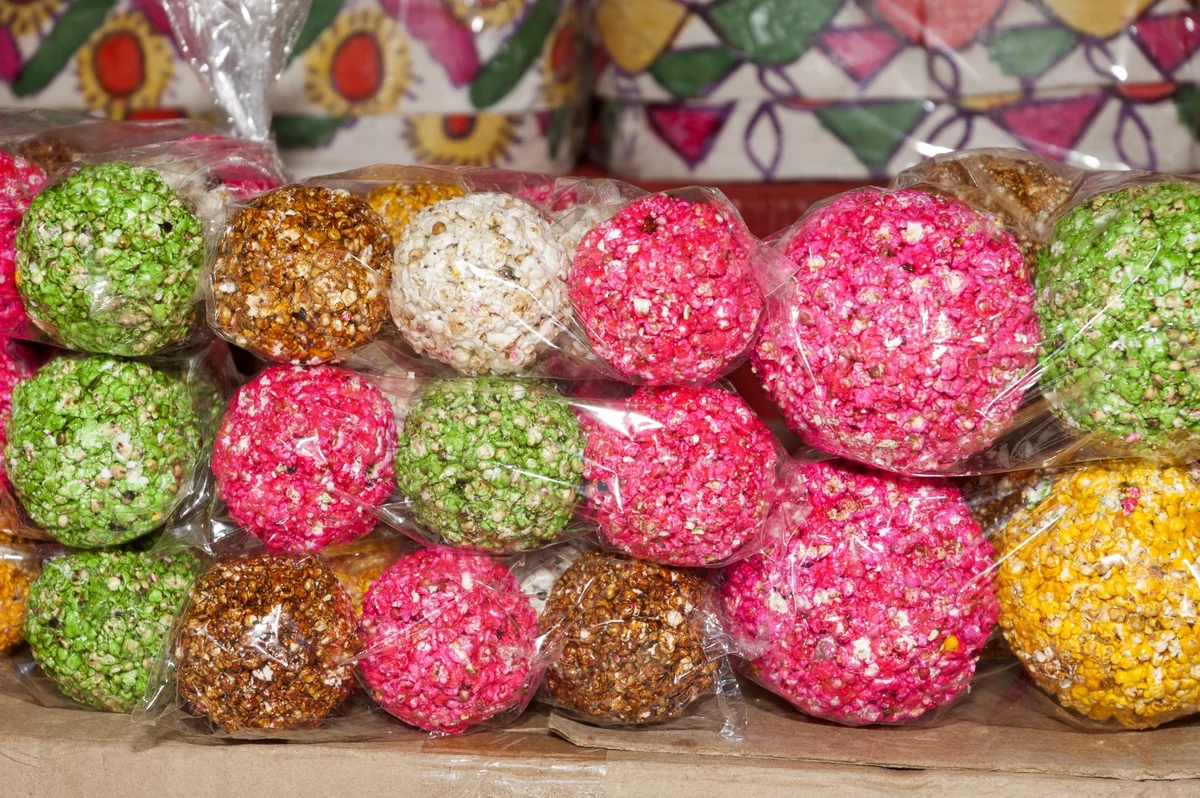
Alborotos, crunchy and bright
Commercial Guatemalan Candy
Not everything Guatemalans snack on comes from a dulcería. Guandy, the brand name of Guatemalan Candies S.A., makes the marshmallows, gummies, and chocolates you will find in tiendas (corner stores) all over the country. Guayabitas are small guava candies with a chocolate twist, and Granada makes the milk-and-caramel toffees that end up at the bottom of every school bag.
None of them are dulces típicos in the strict sense, but leaving them out would give a false picture of what candy means in Guatemala.
Where to Find Traditional Guatemalan Candy
Where you buy dulces típicos matters more than it does with almost any other Guatemalan food. They come in small batches, sold by weight, and do not keep the way factory candy does. So the shop makes the difference, and in Guatemala, the good shops have been the same ones for decades.
Now, if you are actually going to Guatemala, the dulcerías are worth building into the route. Antigua has the famous ones, but Amatitlán, Cobán, and Quetzaltenango each make things you will not find anywhere else. I plan custom trips through Guatemala, and I build food into the route, so come tell me what you’re hoping to eat!
The Best Dulcerías in Antigua Guatemala
If you visit La Antigua Guatemala, I highly recommend checking out some of the local candy stores called dulcerías. The best place to buy traditional Guatemalan candy is at Doña María Gordillo, 4a Calle Oriente #11. The Consejo Nacional para la Protección de La Antigua Guatemala (National Council for the Protection of Antigua Guatemala) gave her family the Diego de Porres Gold Award for their commitment to preserving Guatemala’s candy-making traditions.
You won’t want to miss the impressive array of traditional sweets on offer, each made with the finest ingredients and crafted with exceptional skill. Just know that the prices reflect it.
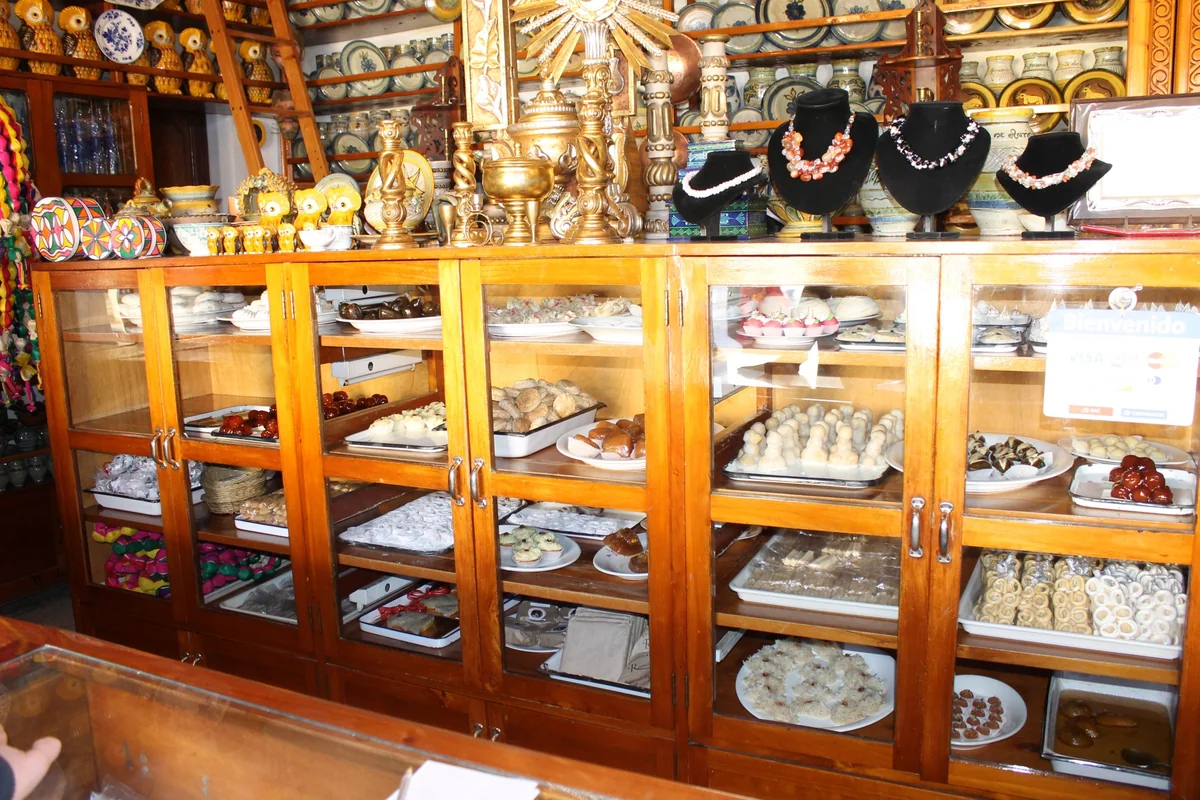
Other great candy stores in Antigua include La Casa at 7a Calle Oriente #20-A, and El Sombrerón at 4a Calle Poniente #11 and 4a Calle Oriente #24, which carries a wide variety of Guatemalan candy at more affordable prices.
Amatitlán: Where Dulces Típicos Take to the Streets
Antigua has its famous dulcerías. In Amatitlán, candy is more often sold from market stalls, lakeside casetas, feria stands, and small corner vendors. The tradition grew alongside some of the region’s most important sugar mills and trapiches, making Amatitlán one of Guatemala’s historic candy-making centers.
The five sweets traditionally identified with Amatitlán are pepitoria, mazapán, chancaca, matagusano, and colación. Three of them, chancaca, matagusano, and colación, have come close to disappearing. According to oral tradition, matagusano’s unusual name (which roughly means “worm killer”) came from mothers giving it to children as a remedy. Colación was pressed into tiny animals, plants, and other figures using carved wooden molds.
Today, you’re more likely to find canillitas de leche, colochos de guayaba, conserva de coco, alborotos, and fruit jellies around the lake, in the central market, or from vendors at the Santa Cruz fair in May. Not all of these sweets originated in Amatitlán, but they have become part of the colorful candy spread visitors associate with a day by the lake.
Buying Dulces Típicos Outside Guatemala
Most dulces típicos do not travel well, and that is not a failure in the shipping; it’s the nature of the candy. Dulcerías make them fresh, sell them by weight, and use almost no preservatives. So you will rarely find canillitas de leche or colochos de guayaba in a US store, no matter how good the Latin grocery is.
Travel items are shelf-stable: marzipan, seed bars, maletas de higos, and wrapped milk toffees are popular carry-backs. If someone is visiting from Guatemala, ask for these and avoid fresh milk products. Many of the recipes above take under 30 minutes and use common ingredients you can find at your local grocery store.
What to Know About Guatemalan Candy
What is the most famous Guatemalan candy?
Canillitas de leche are the ones most Guatemalans name first. They are thin tubes of milk candy, boiled with sugar and a little cinnamon, then piped into shapes resembling small legs, which is where the name comes from. After that, it’s usually a tie between bolitas de tamarindo and frutas de mazapán. In Antigua, though, the answer depends entirely on which dulcería the person grew up going to.
What are the traditional ingredients in Guatemalan candy?
Panela (piloncillo cones) does most of the work. It’s unrefined cane sugar, and it carries a molasses note that refined sugar simply does not have. After that come seeds (pepitoria, sesame, peanuts), milk, and tropical fruit like tamarind, guava, figs, and oranges. Cacao shows up at the chocolate end of the category. Very little of it involves an oven; most are cooked on the stove at low heat and a bit of patience.
What is the difference between Guatemalan candy and Guatemalan desserts?
Dulces típicos are confections with a long shelf life, traditionally sold by weight at dulcerías and ferias, and many of them are easy to make at home. Guatemalan desserts, like rellenitos, buñuelos, and molletes, are dishes you cook and serve, usually warm. The two meet at the edges, so the quick test is shelf life: if it keeps in a jar for a week, it’s probably a dulce típico.
Do Guatemalans eat dulces típicos as a snack or as dessert?
Mostly as a snack. People pick up a few pieces at a feria or a dulcería and eat them through the afternoon, often with coffee. They turn up after meals too, especially around the holidays, but nobody treats them as a course the way they would a plated dessert.
Can you bring Guatemalan candy back to the US?
Shelf-stable dulces típicos travel fine. Marzipan, seed bars, maletas de higos, and wrapped milk candies all survive a suitcase. Anything with fresh milk or uncooked fruit is a different matter and will not keep. So buy them near the end of a trip rather than the start, and leave them in the original box, which is typically rigid enough to protect them.
More Guatemalan Food to Try
Dulces típicos are one corner of a much bigger table. If you came here for the sweet side, Guatemalan desserts are the next stop. You can make them at home rather than bought, and several of them are easier than the candy on this page.
Torrejas
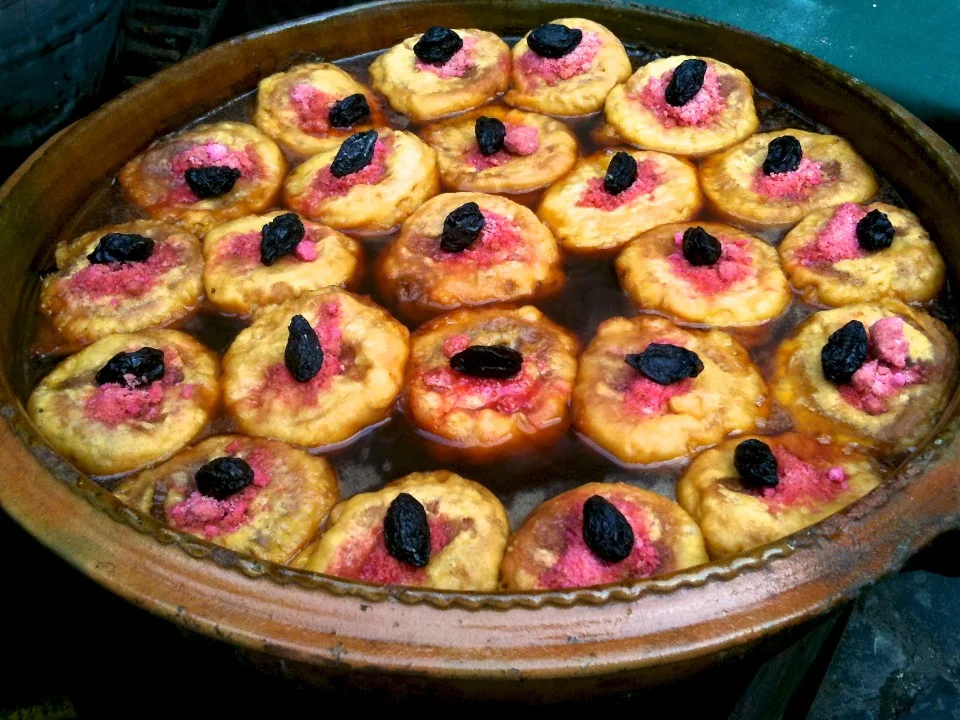
Torrejas are sweet bread fried and simmered in panela syrup, the Semana Santa (Holy Week) dessert.
Buñuelos
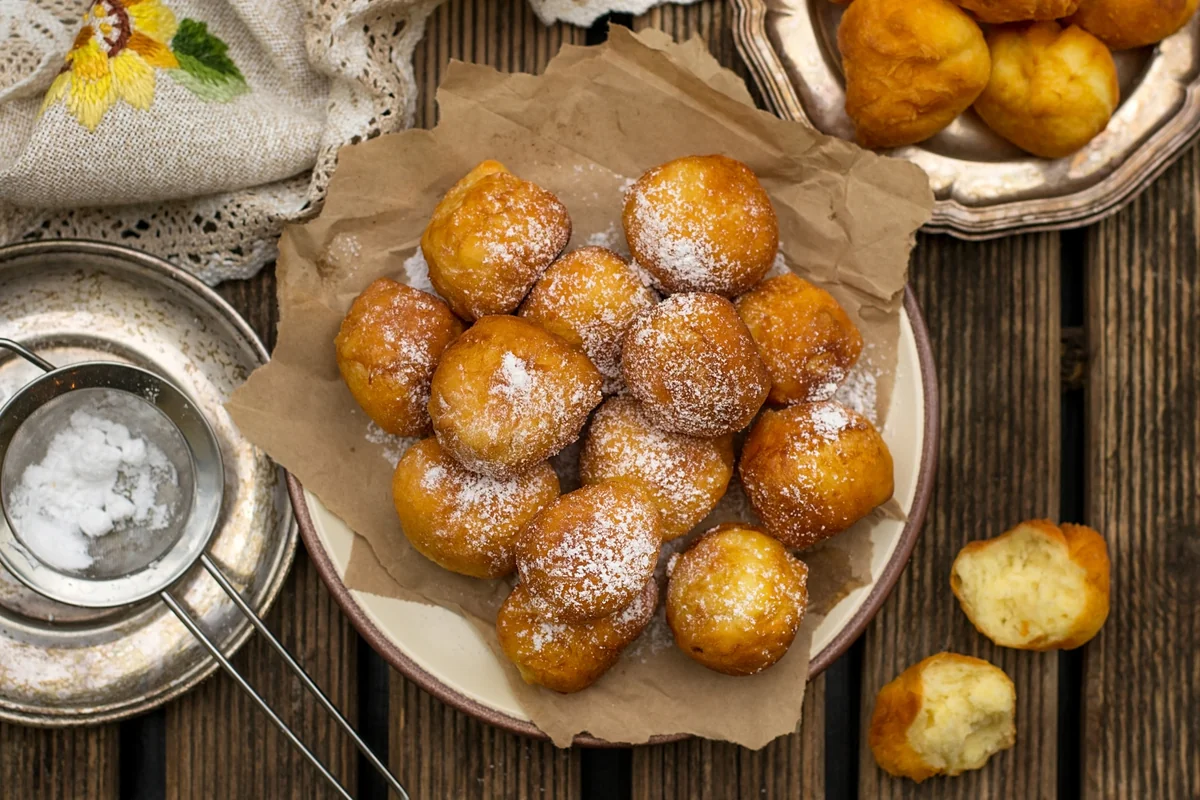
Buñuelos, a fritter-like ball of dough soaked in rich syrup commonly sold by street vendors, at state fairs, and during the holidays.
Rellenitos De Plátano
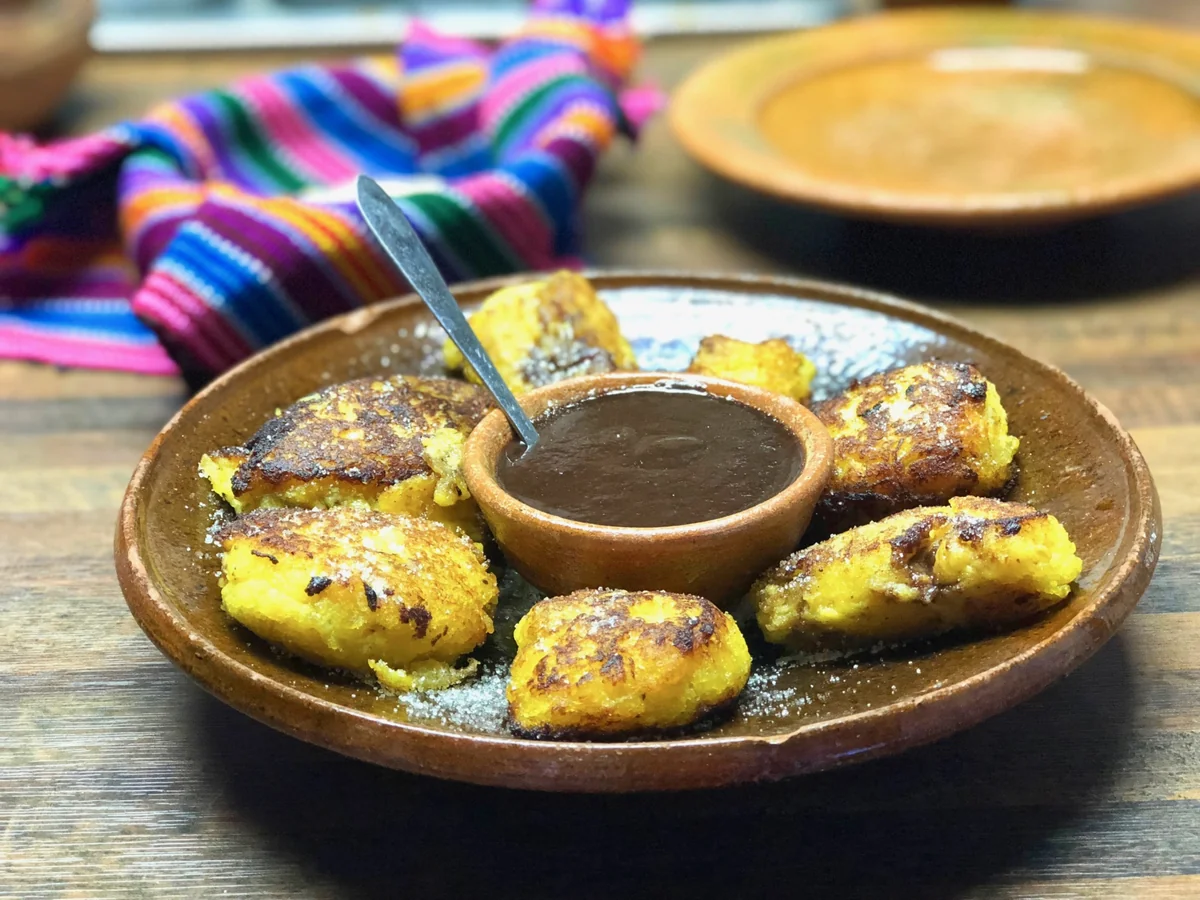
Rellenitos de plátano, ripe plantains stuffed with refried black beans and covered in sugar. It’s a must-try Guatemalan dish if you’re in the mood for something sweet and unique!
Molletes
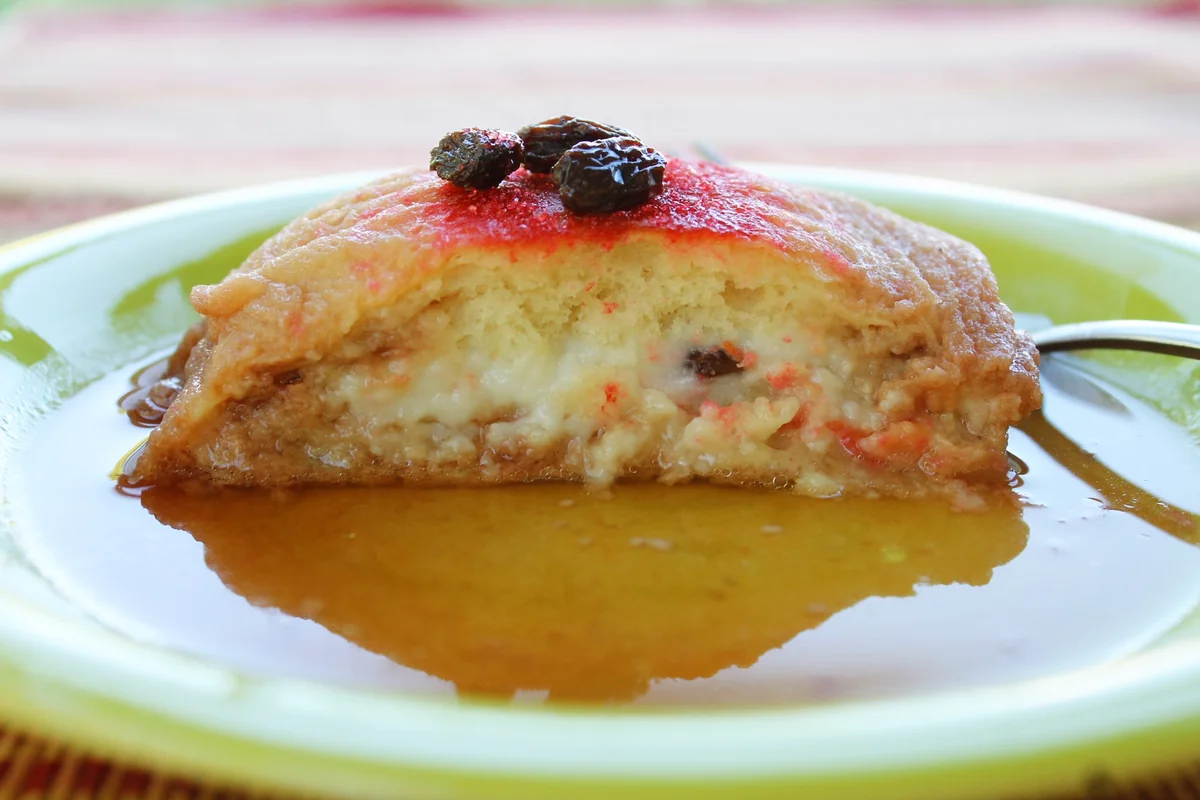
Molletes are sweet bread filled with manjar and bathed in syrup for Día de Todos los Santos (Day of the Dead) celebrations.
Chocobananos
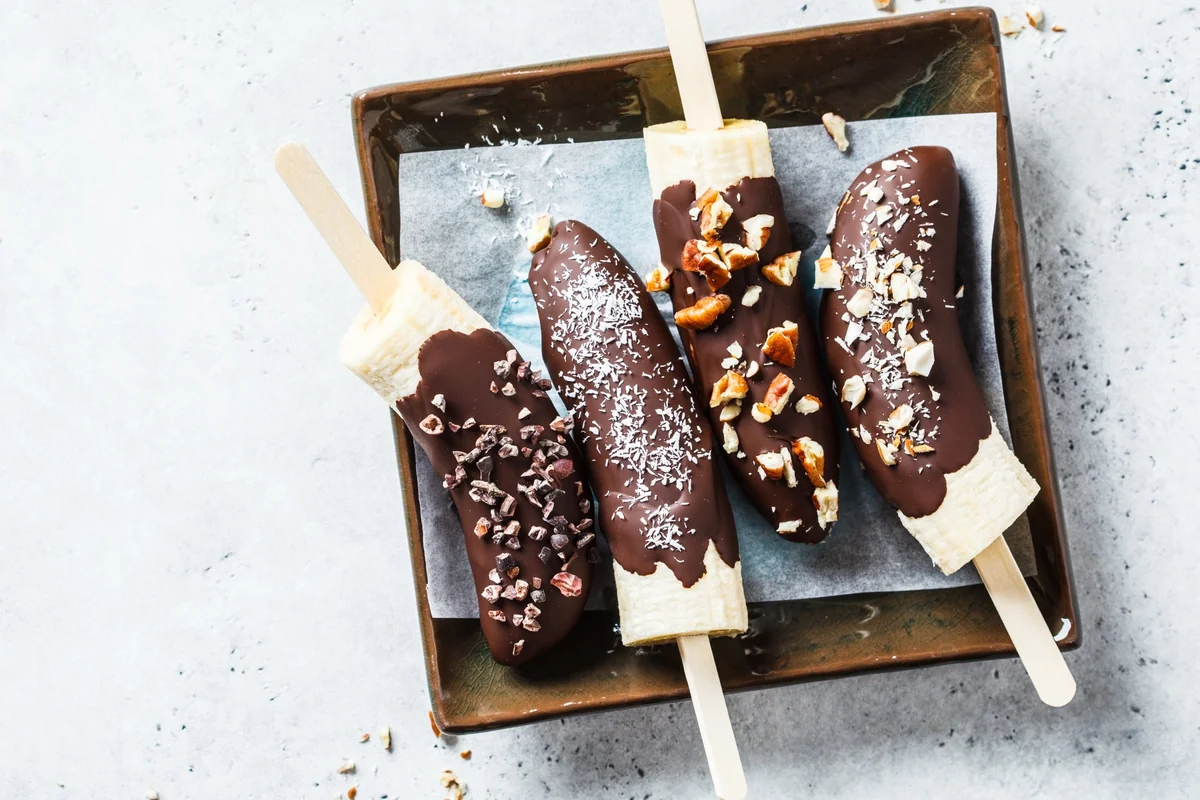
Chocobananos, frozen bananas dipped in chocolate, are the street sweet every Guatemalan kid knows.
Which Sweet Would You Pick First?
Everyone who grew up with these has a favorite and an opinion about which dulcería makes it properly. So if yours isn’t on the list, or if I have described one differently from how your family makes it, tell me in the comments. And if you make one of the recipes, come back and say how it went!

Through her writing, Paula helps travelers discover Guatemala beyond the typical tourist route with practical advice, local recommendations, and authentic experiences that connect visitors with the country’s people, culture, and traditions.
Planning a trip to Guatemala? Paula offers personalized Guatemala itinerary planning and trip consultation services tailored to your interests, travel style, and budget. Contact her at [email protected] to learn more.
- San Lucas Tolimán Guatemala: Lake Atitlán’s Best-Kept Secret - September 24, 2026
- Hotel Tolimán Lake Atitlán: A Special Stay in San Lucas Tolimán - September 24, 2026
- Guatemala Dreams in San Lucas Tolimán: A Boutique Stay on Lake Atitlán - September 23, 2026

