
This post is also available in:
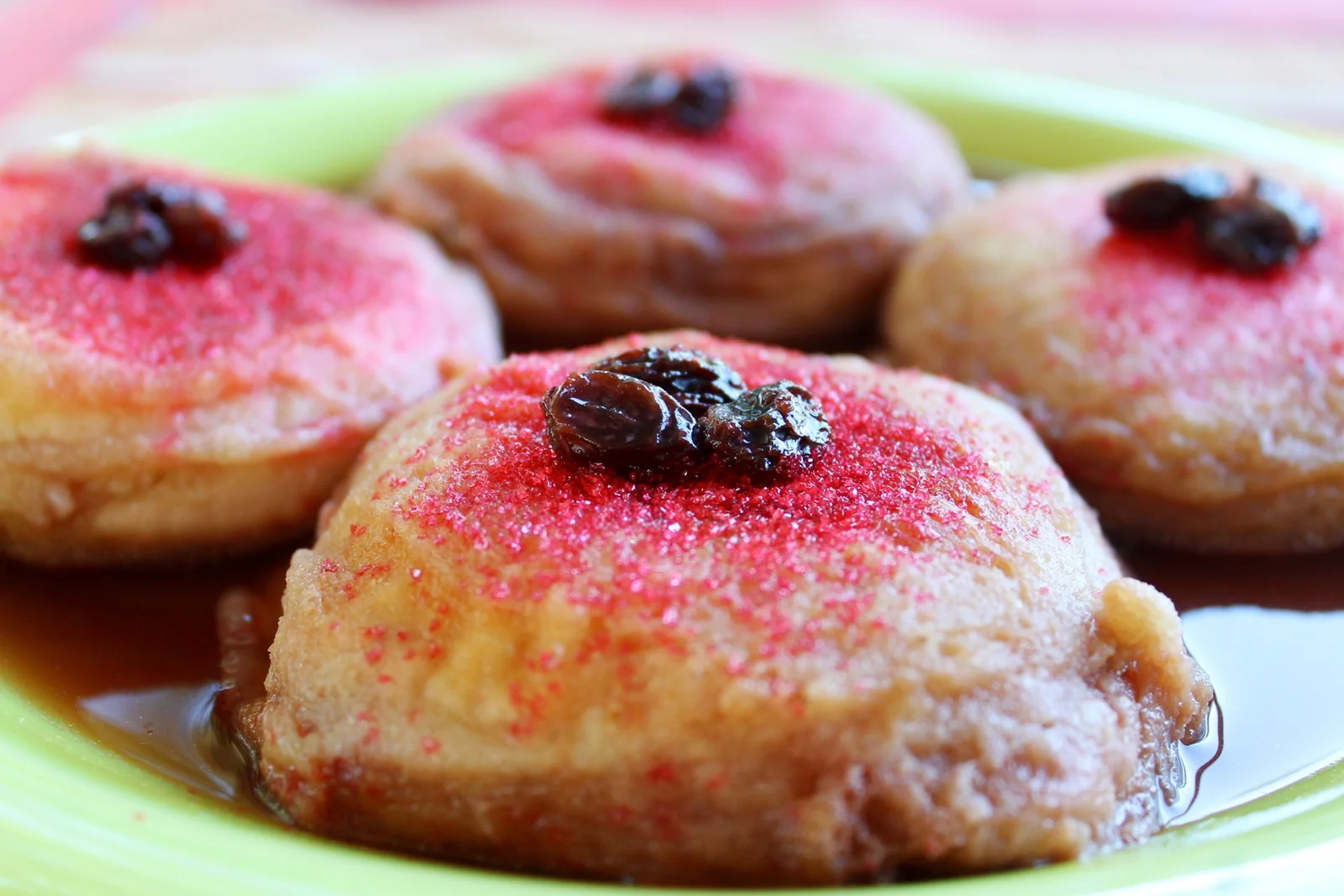
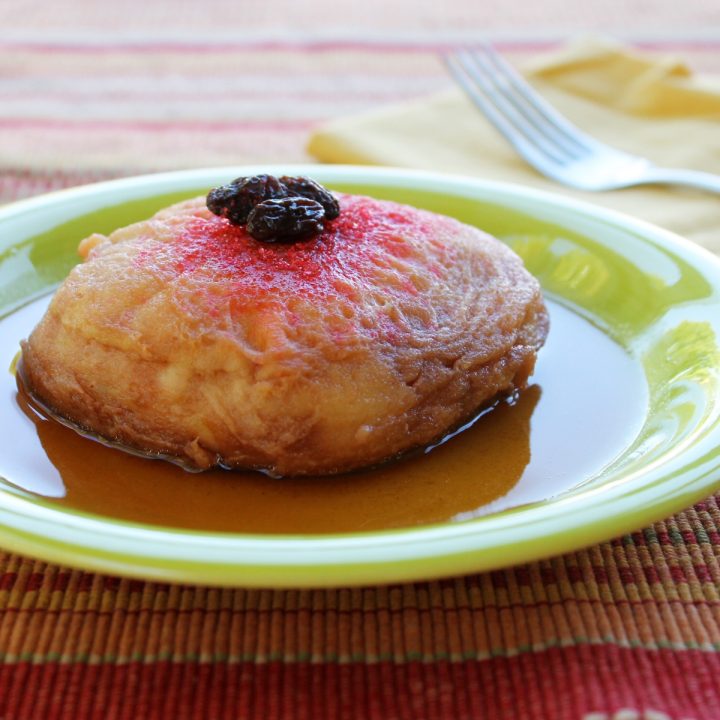
Guatemalan molletes are small sweet bread rolls stuffed with manjar custard, fried like French toast, and soaked in a warm panela syrup spiced with cinnamon, cloves, and allspice. In Guatemala, they show up on the table at very specific moments: on the Day of the Dead, right next to the fiambre; during Lent and Semana Santa; at Christmas; and at every feria worth its name, always with a sprinkle of red sugar on top. If you can hollow out a bread roll, you can make this delicious Guatemalan dessert that will have your kids licking their fingers!
This article contains affiliate links. If you buy something through one of my links, I may earn a small commission at no extra cost to you. I only recommend products and services I have personally used or vetted.
What Are Guatemalan Molletes?
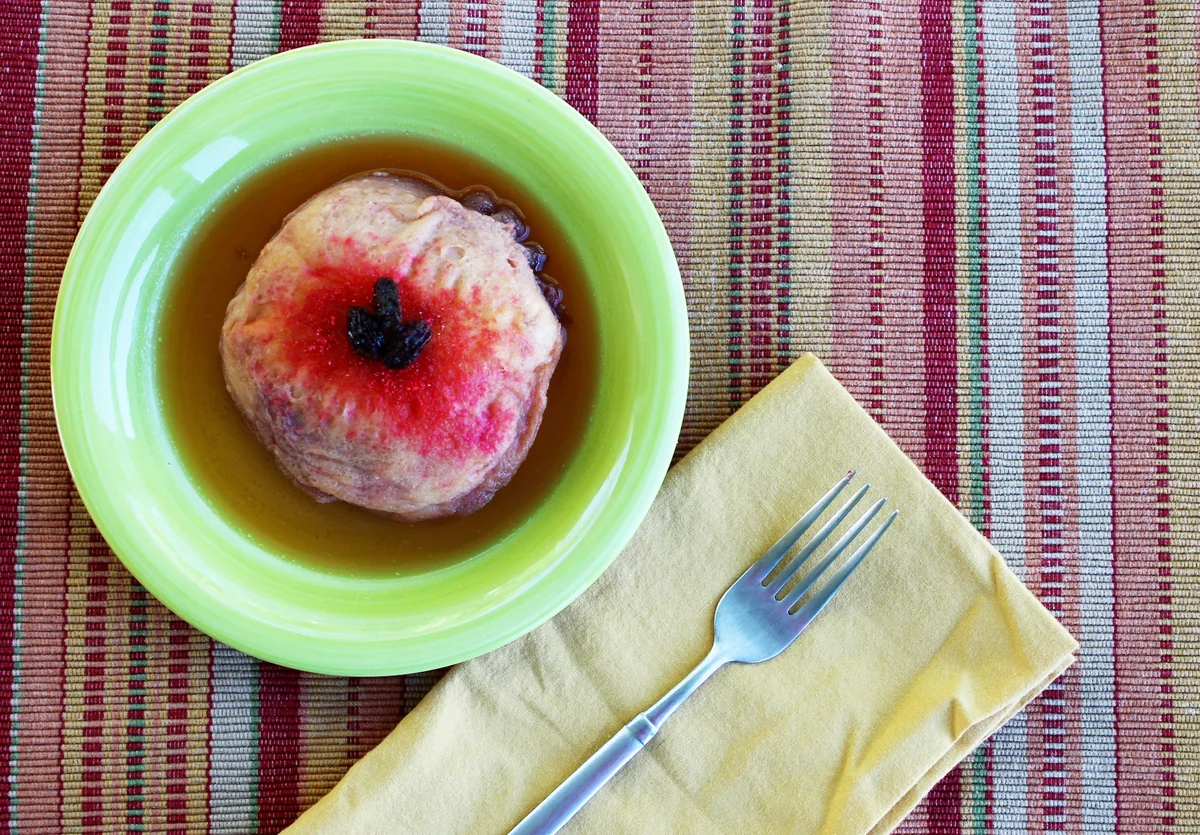
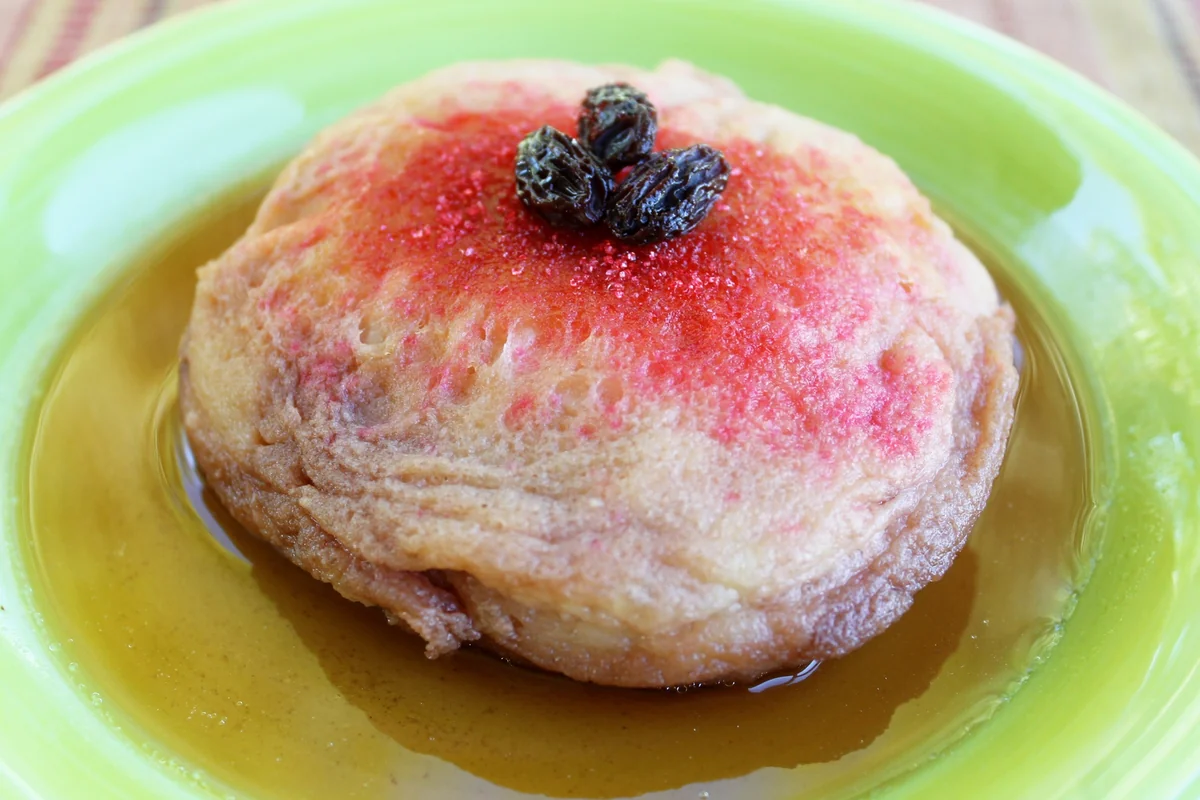
Molletes are pan dulce (sweet bread) or pan de manteca rolls that get their tops cut off, centers hollowed out, and their cavities filled with manjar, a cinnamon milk custard thickened with cornstarch. The stuffed rolls are dipped in beaten egg, fried until golden, and then simmered gently in almíbar, a syrup made from panela, water, and whole spices. You eat them warm or cold, in a deep bowl, with plenty of syrup spooned over the top.
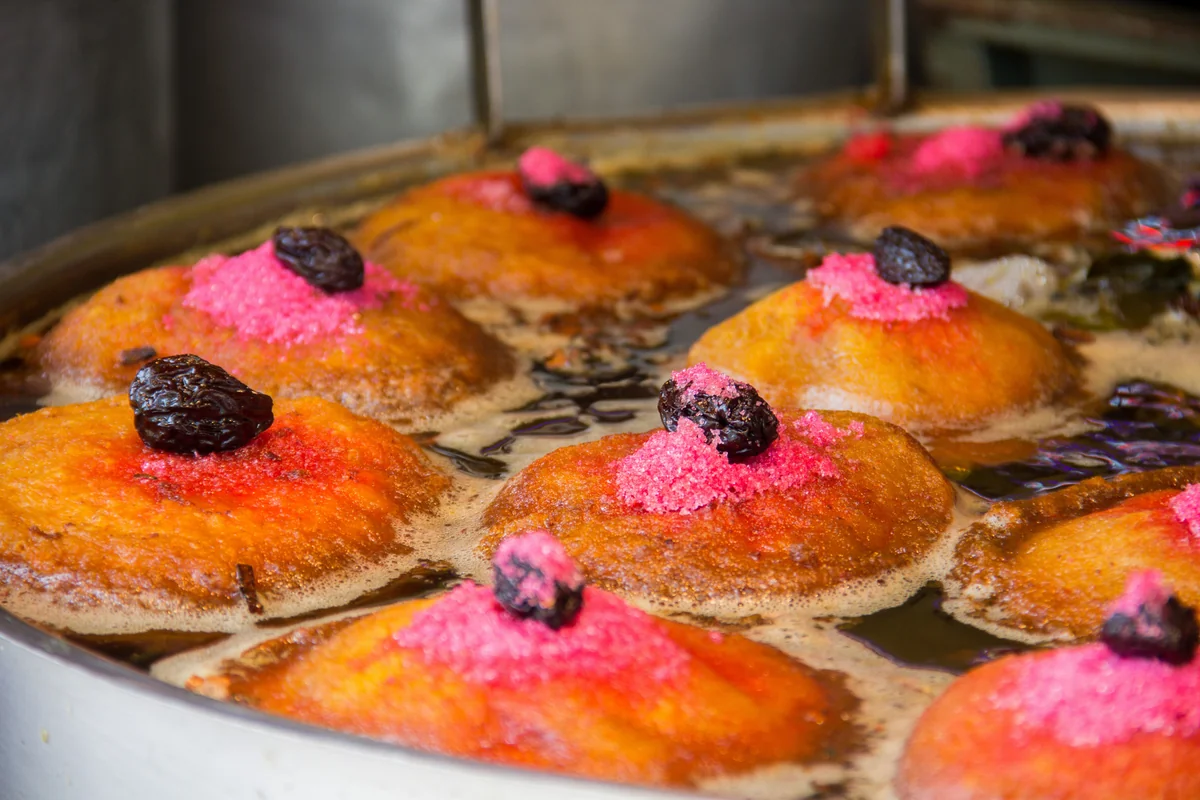
The dish descends from Spanish torrijas, the fried-bread-in-syrup tradition that colonial cooking brought to Guatemala, and, over the centuries, Guatemalan kitchens have made it their own by stuffing the bread with manjar.
Molletes hold up for hours at room temperature, which is exactly why they became a classic Day of the Dead food: Families spend the entire day at the cemetery, and molletes travel well. Street vendors and feria stands sell them topped with bright red sugar, and most families have their own version of the syrup.
A Dessert for Day of the Dead, Lent, and Christmas
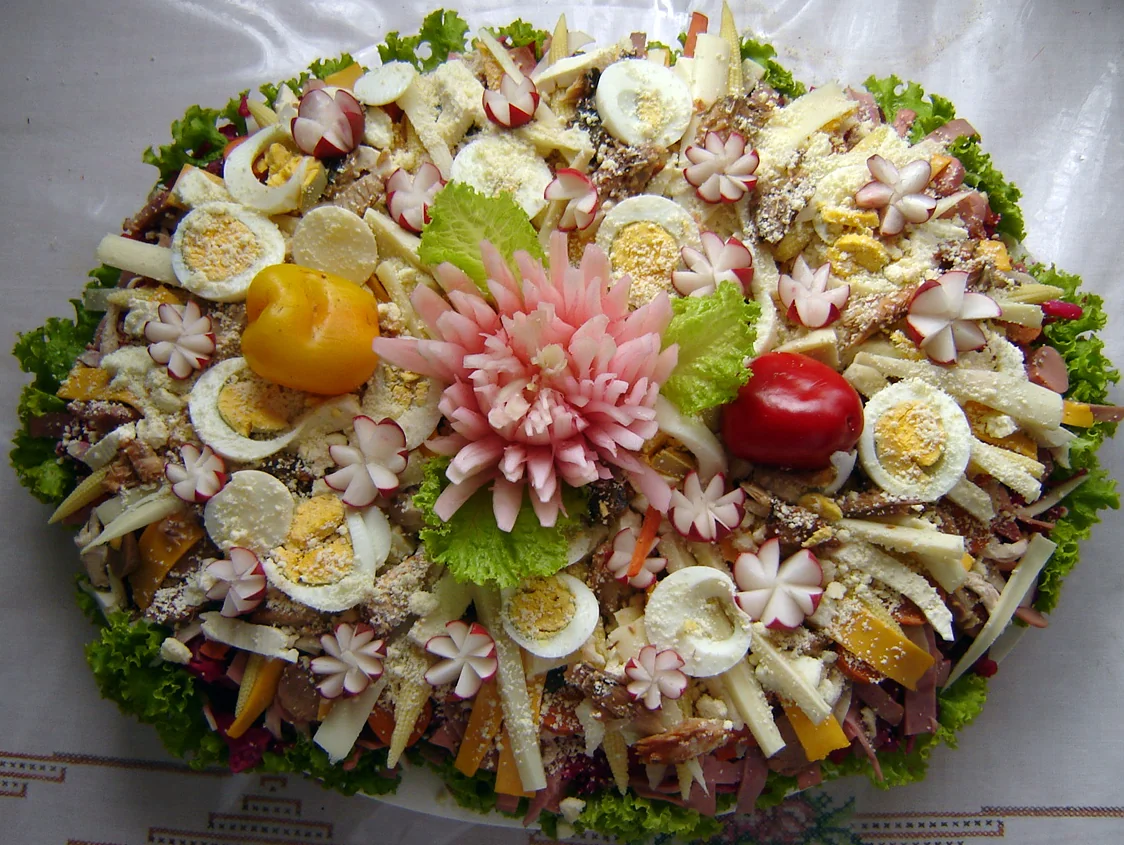
In Guatemala, most Day of the Dead celebrations take place on November 1st, el Día de Todos los Santos (All Saints Day), when families gather to remember loved ones who’ve passed. The food that day does a lot of the remembering for us: fiambre as the centerpiece and molletes to end on a sweet note.
The same molletes come back during Lent and Semana Santa (Holy Week), alongside torrejas and garbanzos en miel, and again at Christmas.
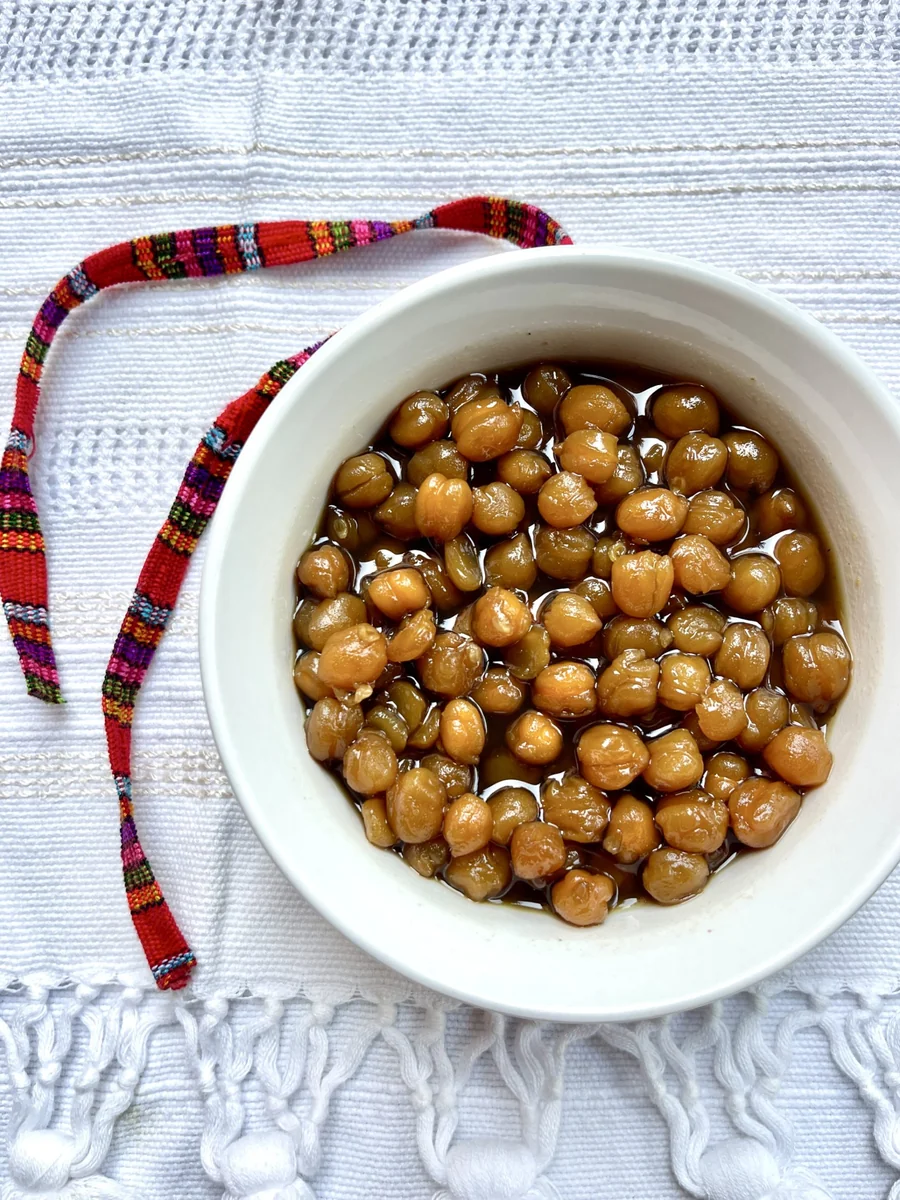
I never made molletes myself until I moved to the United States. Even though they take a little time, I was surprised at how simple they are. Not only that, but I even created my own spin on two traditional Guatemalan desserts: Molletes stuffed with garbanzos en miel.
When my family gathers in the kitchen to make molletes, I tell my kids stories about my grandmother and how good hers were. They love hearing about Guatemalan traditions and their great-grandparents. And they always end up fighting over the leftover manjar; every single time.
Guatemalan Molletes or Torrejas?
If the bread has a filling, it’s a mollete. If it doesn’t, it’s a torreja. People use the two names interchangeably all the time, but they’re different Guatemalan desserts: torrejas are whole sweet rolls fried and soaked in syrup, while molletes go through the same process but stuffed with a creamy manjar (custard).
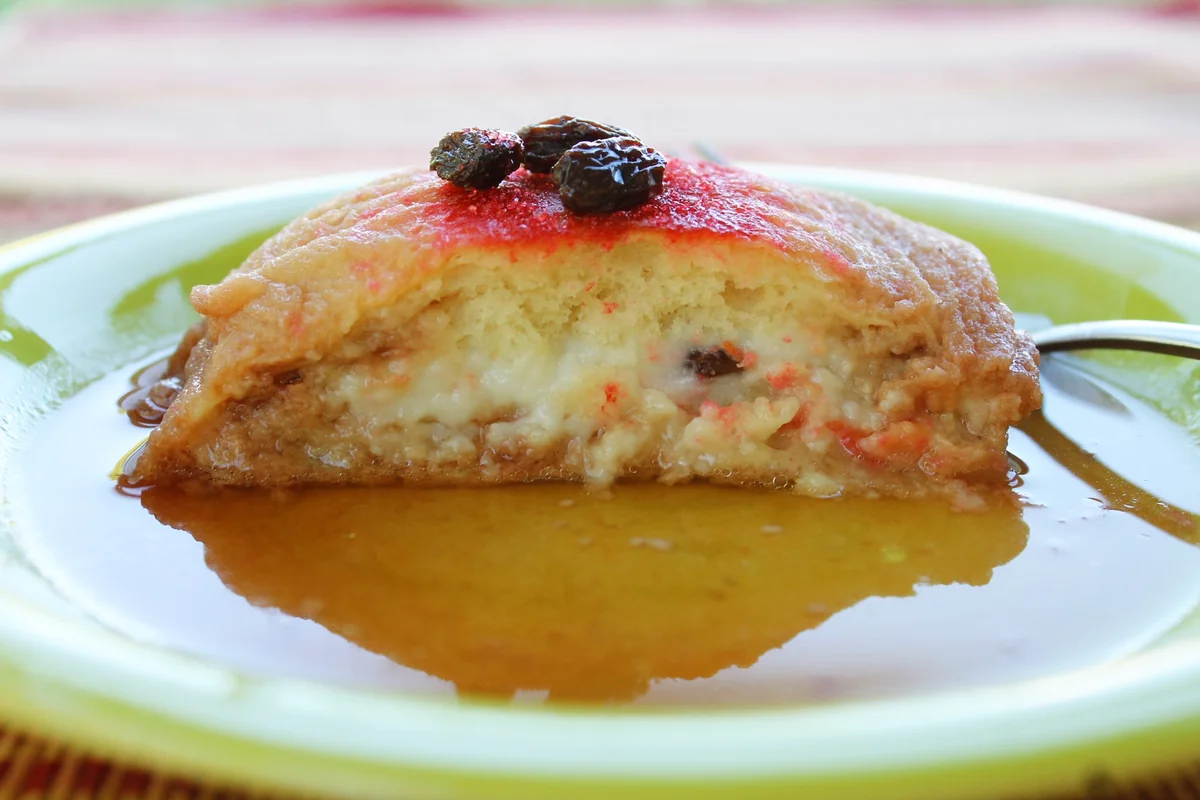
I love both, and honestly, it comes down to whether you’re a custard person. If you want the unstuffed version, my Guatemalan torrejas recipe walks you through it. You will find both recipes appear during Lent and Christmas, but molletes are traditionally made during All Saints’ Day, Guatemala’s Day of the Dead celebrations.
You can eat them hot or cold, making them easier to carry to the cemetery to visit family and friends who have passed away. Along with the delicious fiambre, it is a popular tradition to make these Guatemalan foods during the Day of the Dead as ofrendas to honor the deceased.
Guatemalan Molletes vs. Mexican Molletes
The difference between Guatemalan molletes and Mexican is simple: Guatemalan molletes are a dessert made of fried pan dulce bathed in sweet syrup. In comparison, a Mexican mollete is a “sub” sandwich cut in half, topped with refried beans, and covered with melted cheese. To top it off, you sprinkle pico de gallo and salsa over the open sandwich.
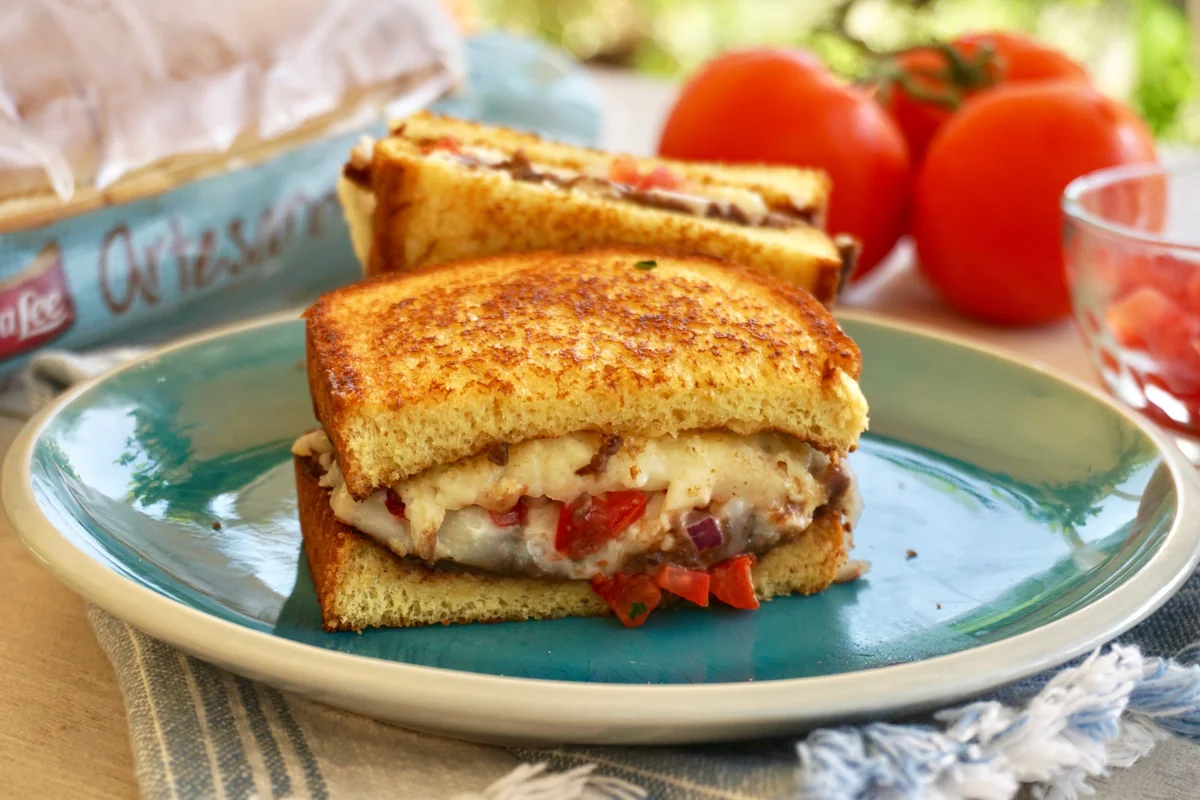
Same word, two entirely different dishes, and the confusion is real if you grew up in both cultures. If it’s beans and cheese on a bolillo, it’s Mexican. If it’s sweet bread in syrup with custard inside, it’s Guatemalan, and it’s the one this recipe makes. I have a super easy recipe for Mexican molletes for days when you want the savory one.
Easy Step-By-Step Guatemalan Molletes Recipe
The main ingredient in any Guatemalan molletes recipe is pan dulce (lard or sweet bread rolls) stuffed with a creamy custard and dipped in an egg-and-flour mixture. Next, it is fried (like French toast) and then bathed in a sweet syrup made from sugar and spices. Finally, Guatemalans add a little rum, orange, or lime zest as a final touch for a little extra kick. However, you can leave the rum out for a kid-friendly version.
Ingredients for Guatemalan Molletes
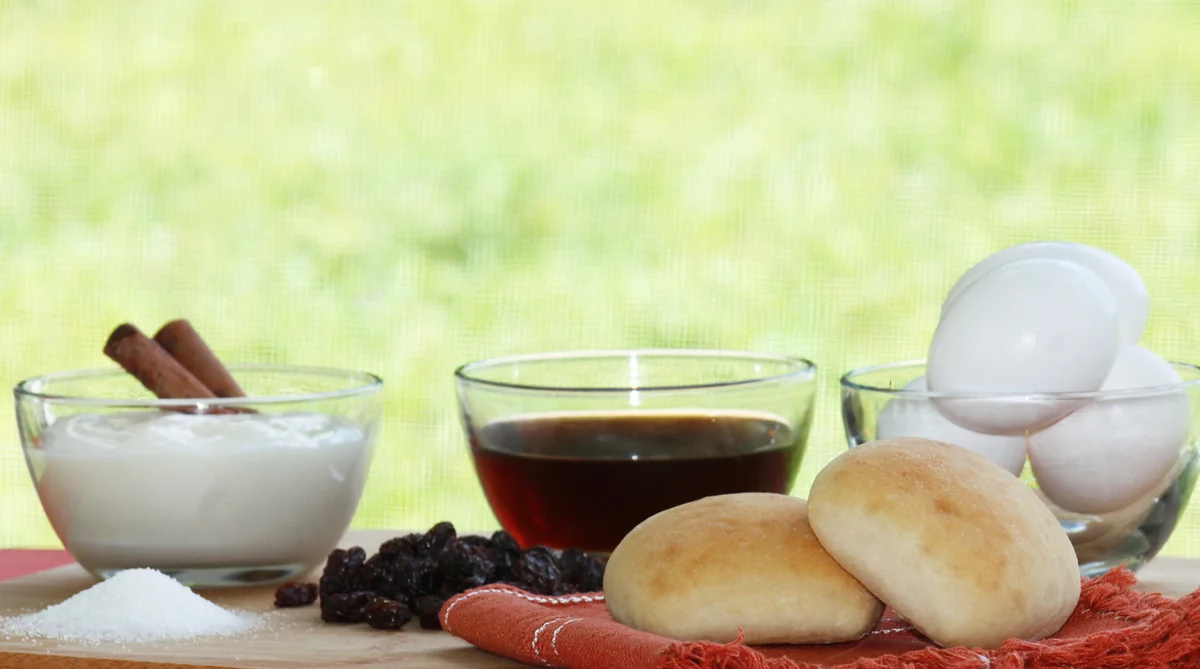
For the Molletes
- 3 eggs
- 2 tablespoons of flour
- 1 tablespoon of sugar
- 12 small sweet bread rolls (pan de manteca or pan dulce)
- 2 cups of vegetable oil for frying
- ¼ cup raisins
- Red decorating sugar for garnish
For the Manjar (Custard)
- 2 ¼ cups of whole milk
- ½ cup sugar
- 6 tablespoons of cornstarch
- 1 cinnamon stick
- ¼ teaspoon salt
- 1 teaspoon vanilla
For the Panela Syrup
- 2 cups panela or raw sugar
- 3 cups of water
- ½ cup of rum (optional)
- Zest of 1 lime
- ½ teaspoon allspice
- 3 whole cloves
- 1 cinnamon stick
How to Make Guatemalan Molletes
Start with the Manjar
- In a saucepan over medium heat, bring 2 cups of milk, the sugar, cinnamon, and salt to a boil.
- While the milk is heating up, mix the cornstarch and ¼ cup of cold milk in a small bowl.
- Once the milk reaches the boiling point, lower the heat. Take ½ cup of the hot milk and add it to the cornstarch, mixing well.
- Pour the cornstarch mixture back into the saucepan and cook, stirring constantly, until the custard thickens.
- Remove from heat, stir in the vanilla. Let it cool completely.
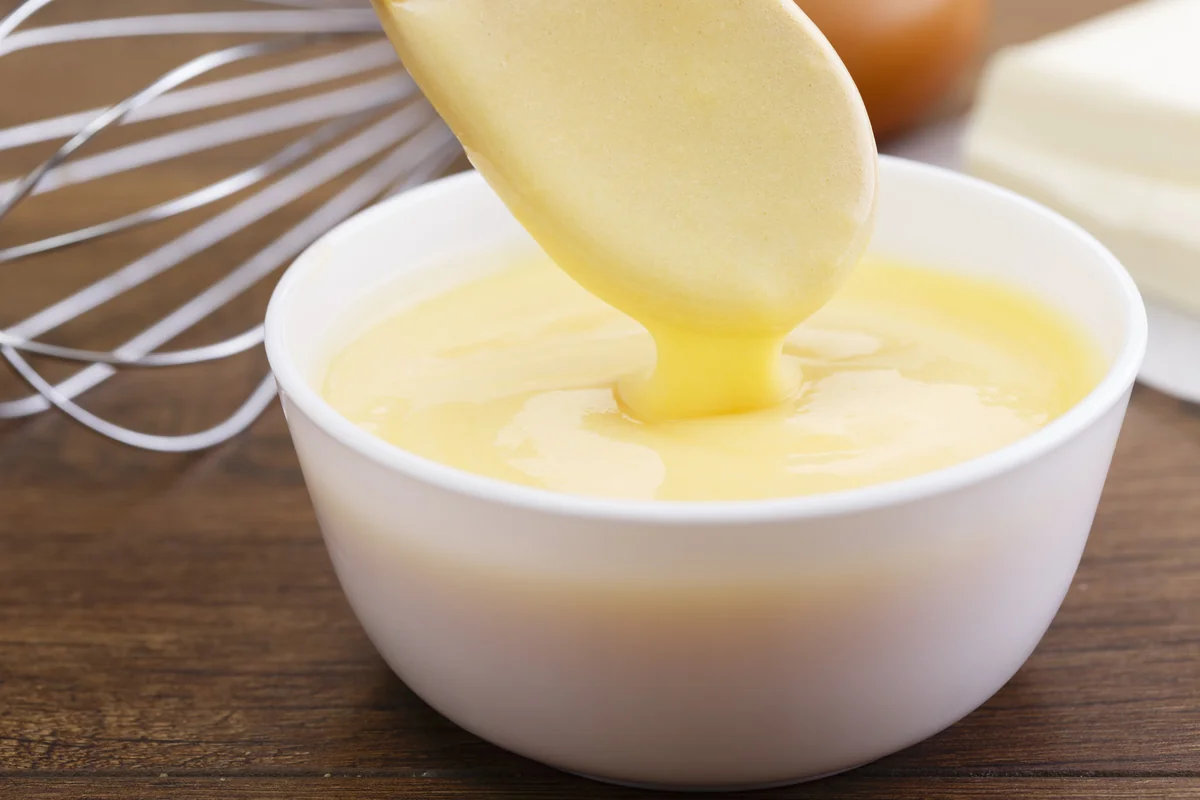
Manjar de leche, the custard filling
Make the Syrup
- Combine the panela, water, lime zest, allspice, cloves, cinnamon stick, and rum in a large pot and bring to a boil.
- Lower the heat and let it simmer down while you work on the bread.
Stuff and Fry
- Cut off the top of each mollete (or bread roll). Pull out some of the crumb to make a cavity.
- Drop 3 to 4 raisins inside each one. Then fill with cooled manjar custard and place the lid back on, pressing gently to close.
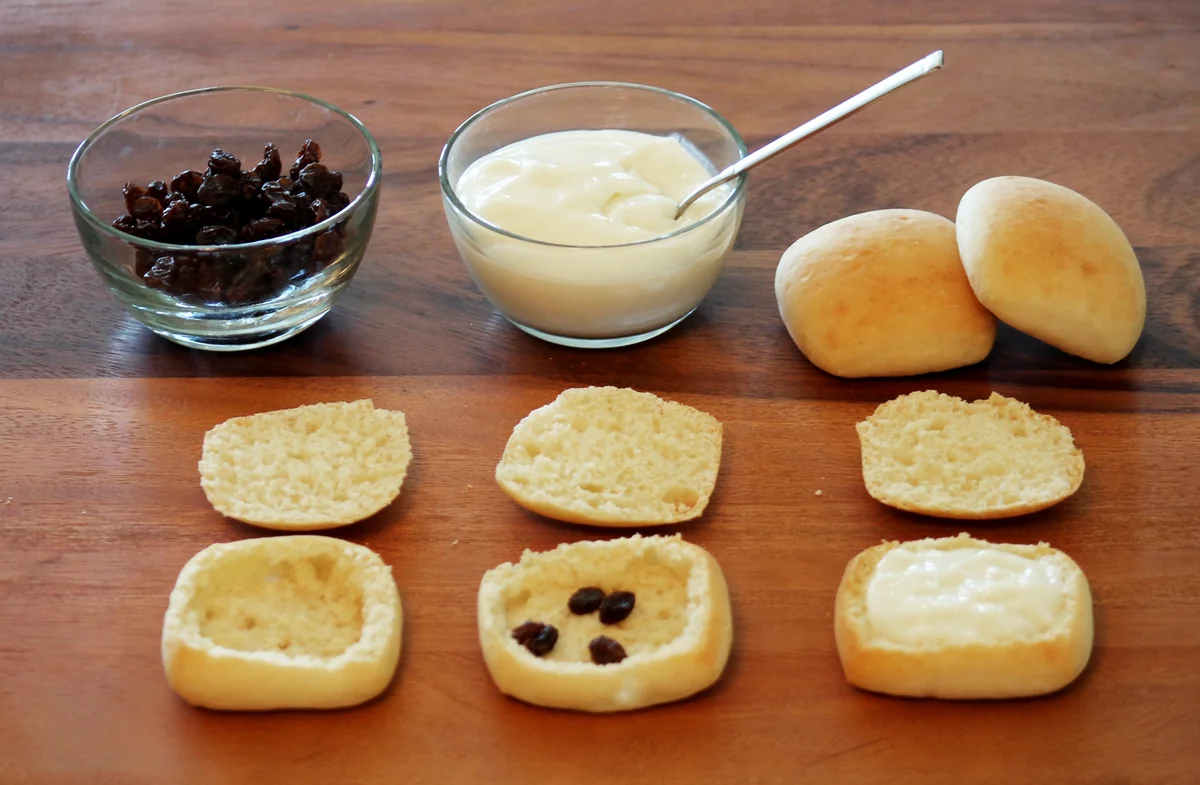
How to stuff Guatemalan molletes - In a large bowl, beat the egg whites to stiff peaks. Next, beat in the yolks, flour, and sugar for two more minutes.
- Heat the oil in a large pan. Dip each stuffed roll into the egg batter and carefully place them in the hot oil. Fry them for a minute or less on each side until golden.
- Remove the sweet breads from the pan and place them in a colander. Set the colander over the sink and pour boiling water over them. Pat them dry to remove excess water.
Don’t skip this step: the hot rinse strips the surface oil so the bread drinks the syrup instead of repelling it.
Finish in the Syrup
- Lower the fried rolls into the simmering syrup and cook gently over low heat until soft. Don’t stir them or they’ll fall apart; spoon syrup over the tops instead.
- Sprinkle red sugar on top as garnish.
- Serve warm or cold in a deep dessert bowl with extra syrup.
Tips for Making the Best Guatemalan Molletes
- Fry in small batches: Think of it like making French toast; one or two at a time works best. The oil stays hot, and the crust stays crisp and ready for soaking in the syrup bath.
- Day-old bread wins! I use a day-old pan dulce for this recipe, but you can use any leftover bread you have at home. You can also use brioche or any stiff bread. Fresh, soft rolls fall apart in the syrup; slightly stale ones hold their shape and absorb more syrup.
- Skipping the rum? Although I used rum in the syrup, you can easily make it kid-friendly. Leave it out entirely, and the recipe still works; add a strip of orange zest to the syrup for the missing depth. The result is remarkably similar: a delicious Guatemalan dessert that all your guests will love.
Make Ahead of Time
I like cooking everything the same day and eating it right out of the pot. But one thing you can do a couple of days in advance is to make the manjar (custard) to stuff the bread. First, let it cool down, put it in an airtight container, and place it in the fridge. Then, when you are ready to fill the rolls with the custard, take it out and let it reach room temperature before you start stuffing.
When you try a recipe that calls for something fried, it is always best to eat it right away. It is because the butter or oil can break up and make any dish soggier. Still, you can keep the bread rolls in the fridge for up to 3 days. But believe me, once your kids taste the sweetness of the syrup and the milky custard, they won’t last that long!
Molletes Ingredients: Manjar, Panela, and the Right Bread
What is manjar made of?
Manjar is a stovetop milk custard made from whole milk, sugar, cornstarch, cinnamon, salt, and vanilla. It thickens in about 10 minutes and needs to cool completely before you use it as filling.
What is panela, and what can I substitute for it?
Panela is unrefined whole cane sugar sold in solid blocks, with a deep molasses flavor. Most US supermarkets carry piloncillo cones in the international aisle, and it’s the same unrefined cane sugar under a Mexican name. Dark brown sugar is the fallback, though you lose some of the molasses depth.
What bread should I use for molletes?
Traditional molletes use pan de manteca or plain pan dulce. You can probably find them at any Latin bakery, but you may have to ask for them in advance. No Latin bakery nearby? Brioche rolls or slightly stale dinner rolls on the sweet side do the job; day-old bread actually holds the syrup better than fresh bread.
What to Serve with Guatemalan Molletes?
I love to serve molletes as part of the Day of the Dead celebrations to end on a sweet note. After the tanginess of the traditional fiambre rojo, the sweet taste of the molletes brings the perfect balance to the meal. This traditional sweet bread brings back so many memories from back home. And this molletes recipe is so easy, you can make it part of your daily menus, a delicious snack, or just for fun.
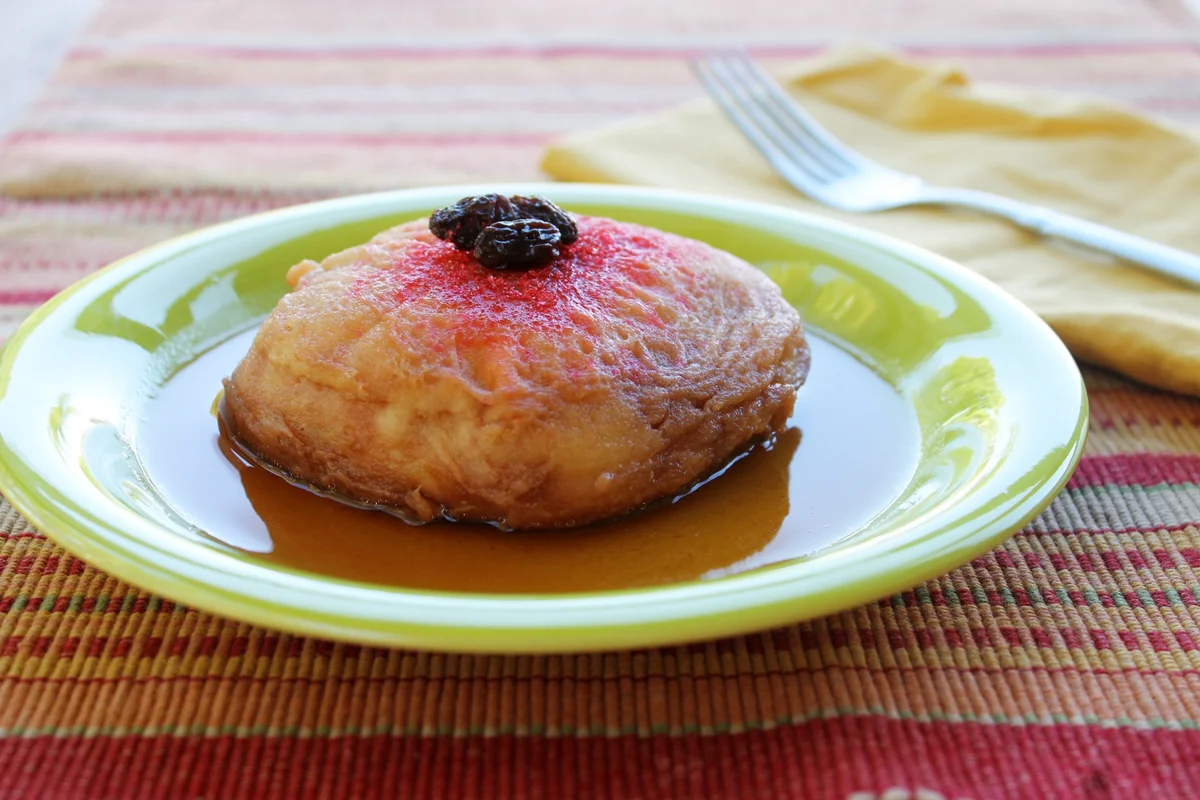
Guatemalan molletes are also common during Lent and Christmas festivities in Guatemala. During Semana Santa, I enjoy eating them after having a savory bacalao a la vizcaina. I just love how easy molletes are to make, and I hope you enjoy making and eating them as much as we do.
Where to Experience Molletes in Guatemala
Molletes taste different when you eat them where they belong: out of a plastic bag at a feria (street fair) or at a cemetery in early November with flowers everywhere and giant kites overhead. If you’ve never seen how Guatemala spends November 1st, start with my guide to the Day of the Dead traditions in Guatemala.
And if you’re dreaming about being there in person, I plan custom trips through Guatemala built around food and the traditions that matter to you. Tell me what you want to taste, and I’ll build the route!
More Traditional Guatemalan Desserts You Must Try
Have you ever tried Guatemalan desserts? It’s a delightful combination of Mayan and Spanish flavors, resulting in a one-of-a-kind taste experience. From rich, syrupy jocotes to the unique blend of rellenitos, your taste buds are in for a real treat. Trust me, once you try it, you won’t be able to resist whipping up some of these recipes at home. So, let’s get our aprons on and get cooking!
Plátanos En Mole
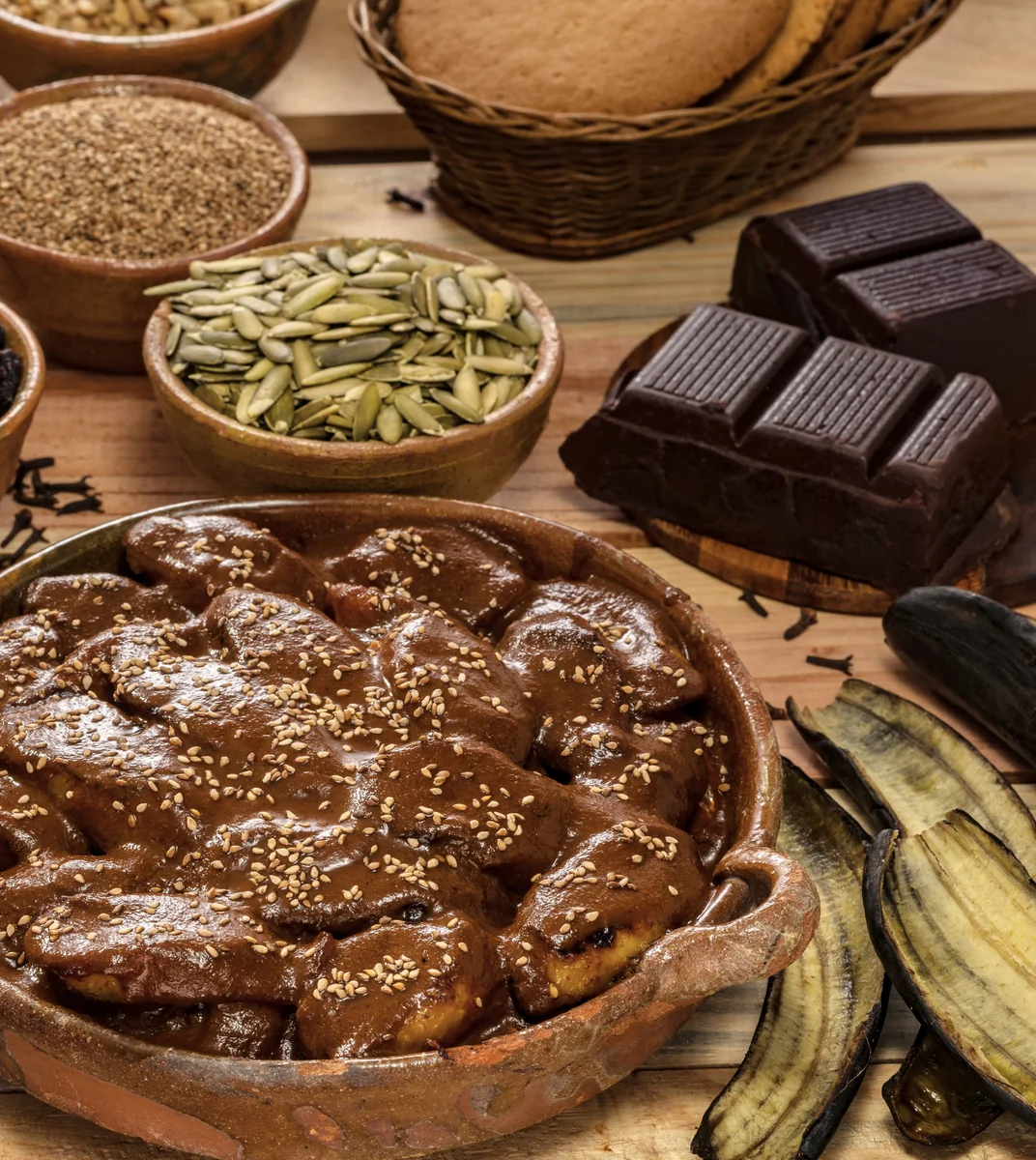
Indulge in the rich, velvety flavors of platanos en mole, a sweet-and-savory Guatemalan dessert that will tantalize your taste buds. Featuring tender ripe plantains coated in a rich chocolate mole sauce, this traditional dish is perfect for any occasion.
Jocotes en Miel
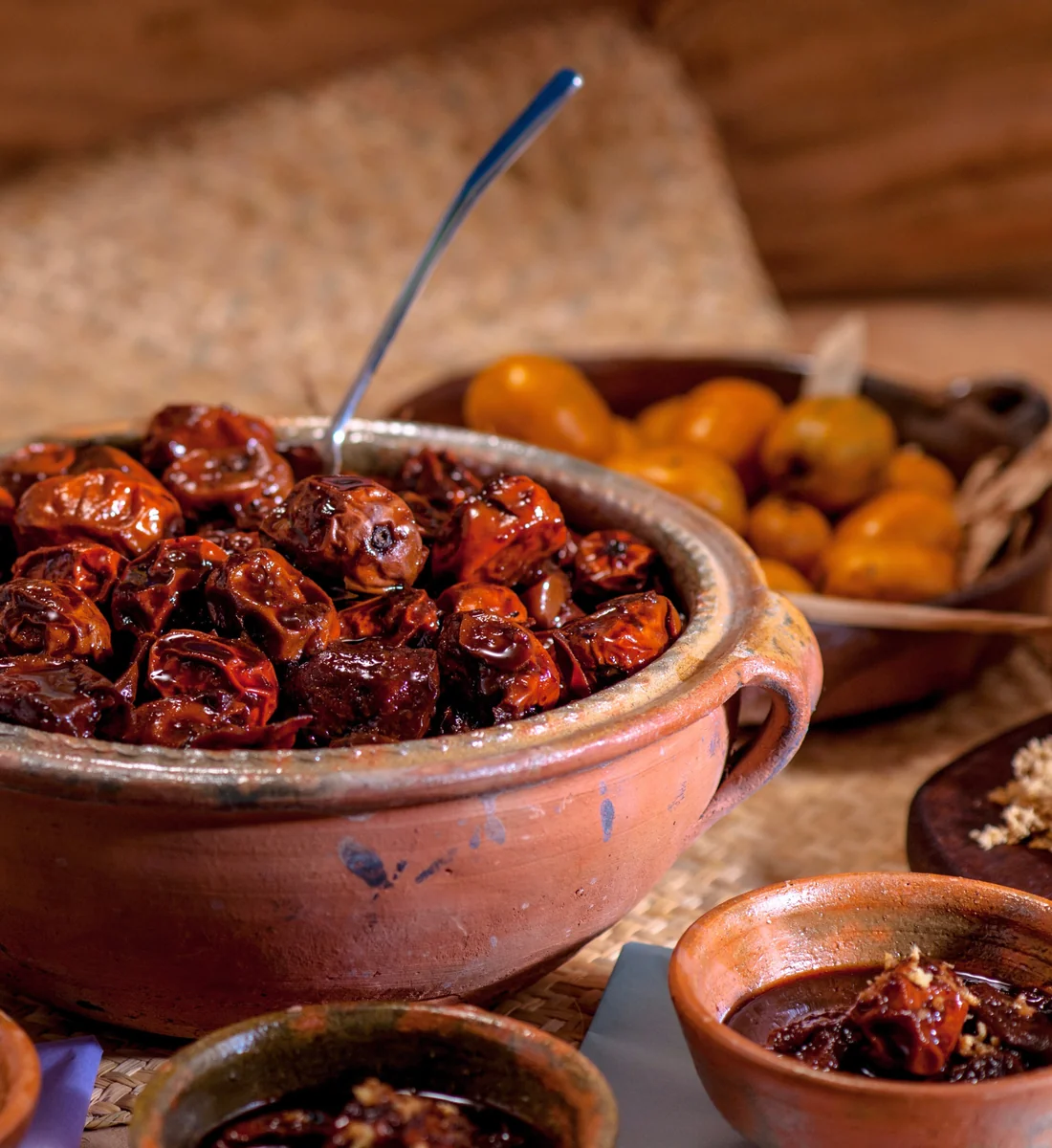
A traditional Guatemalan dish widely shared during the Day of the Dead festivities, jocotes en miel are juicy hog plums cooked in a bubbling sweet syrup and heavenly spices.
Guatemalan Pineapple Empanadas
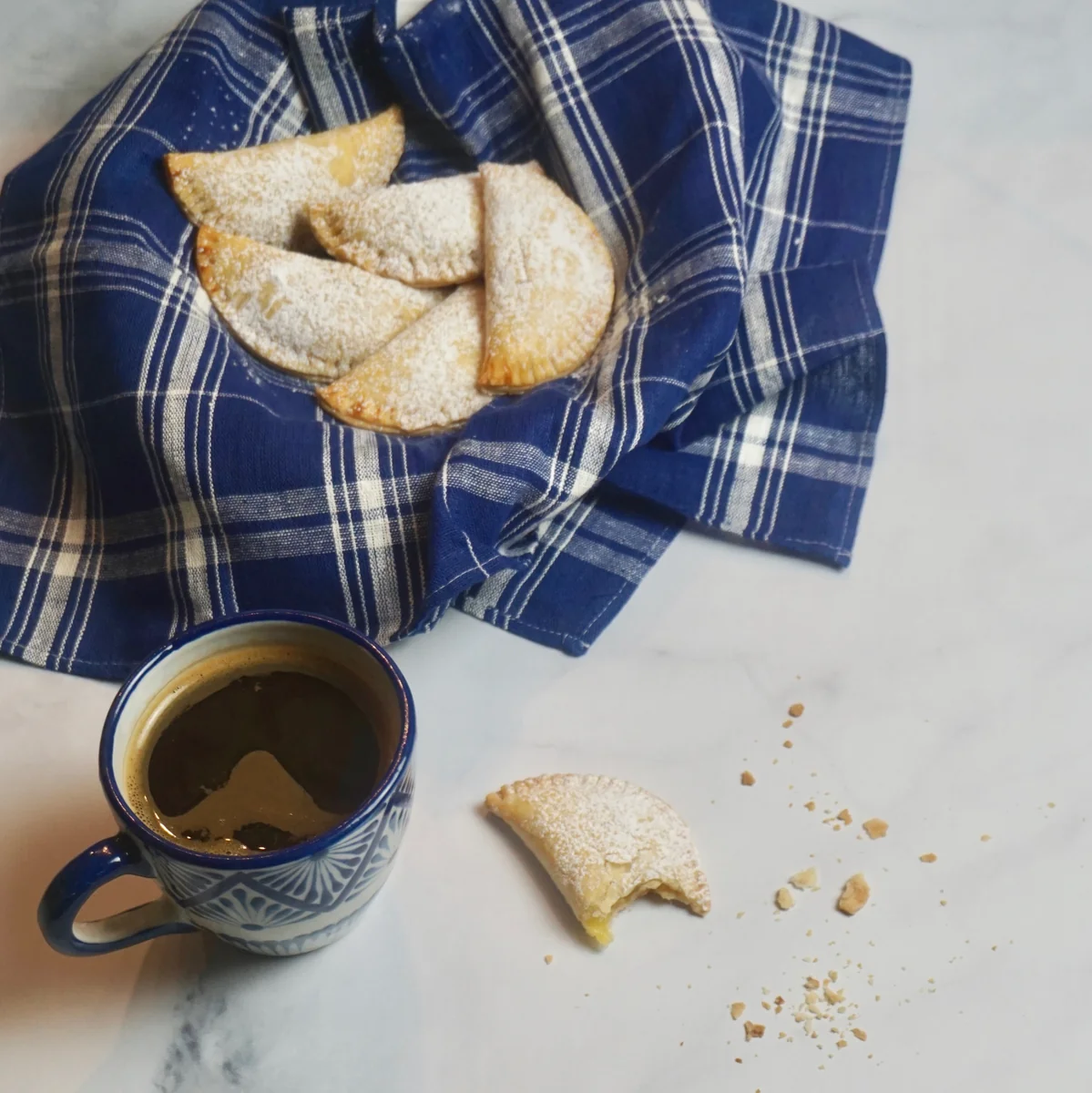
Looking for a tropical twist on a classic dish? Try my Guatemalan Pineapple Empanadas. These crispy, golden pastries filled with juicy pineapple and a hint of cinnamon are perfect for a snack or dessert.
Champurradas
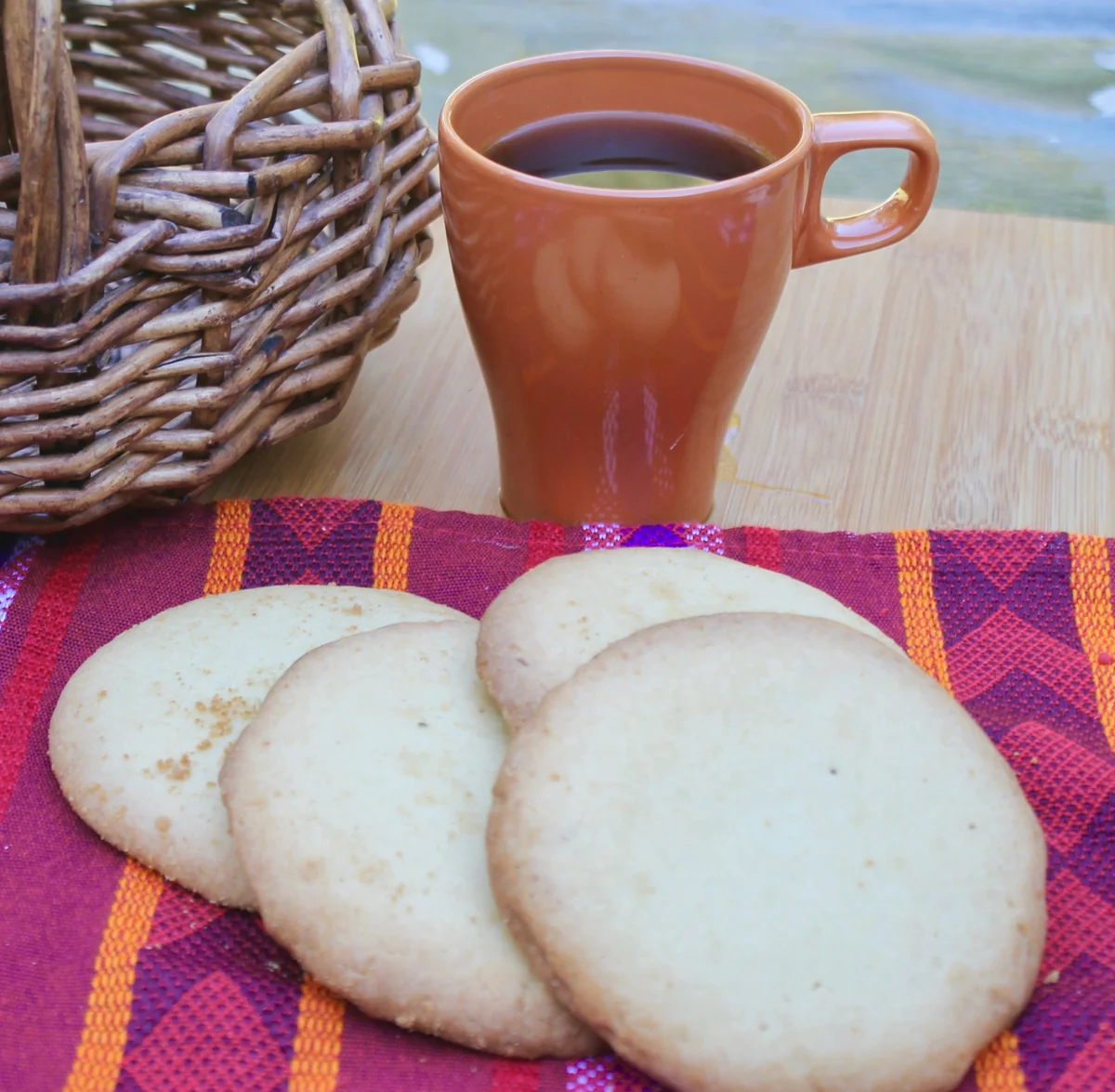
A super easy recipe that will surely be a total success with everyone in the family. Guatemalan champurradas are scrumptious giant cookies with the perfect level of crunch to dunk in your morning coffee.
Rellenitos de Plátano
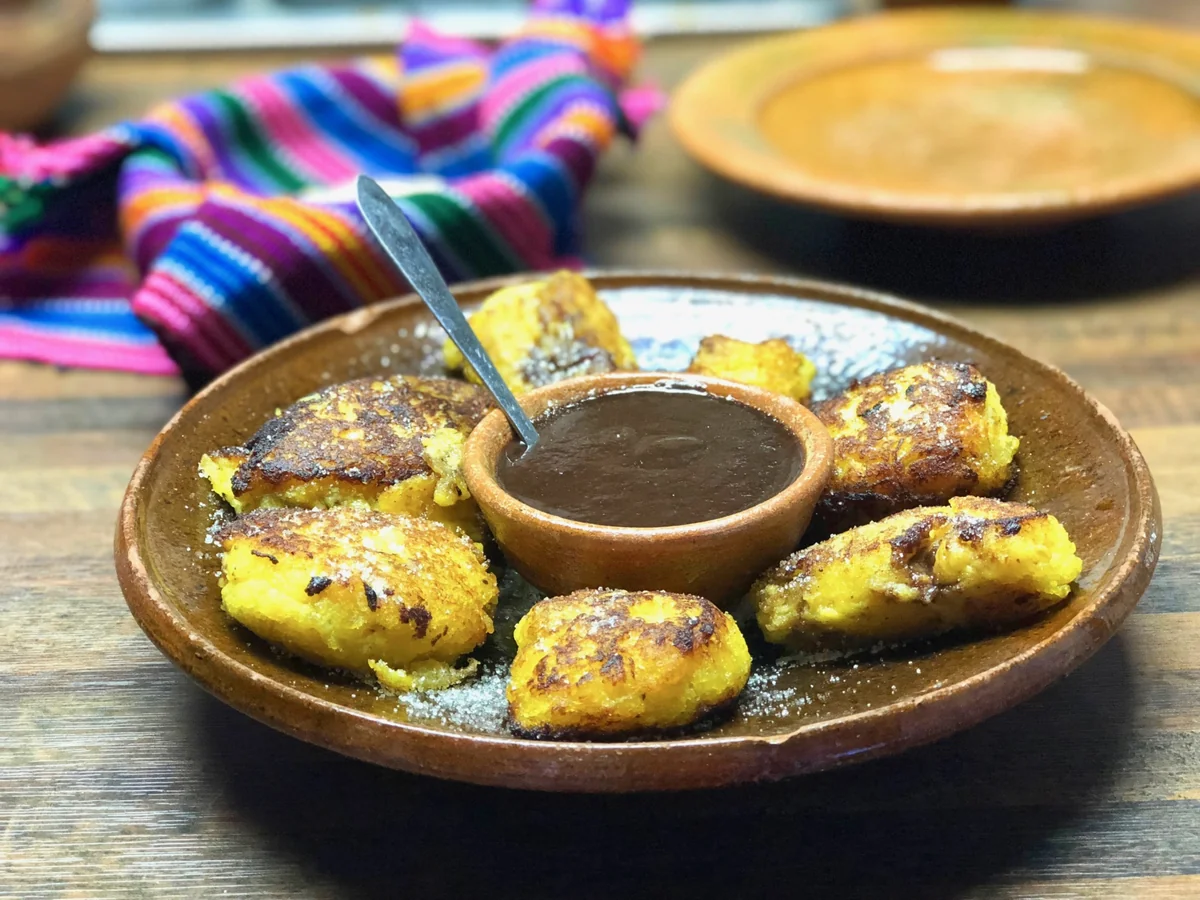
Tasty ripe plantains filled with beans and covered in sugar. Although the combination might seem strange, this rellenitos de plátano recipe is one of the most delicious Guatemalan foods.
Canillitas de Leche
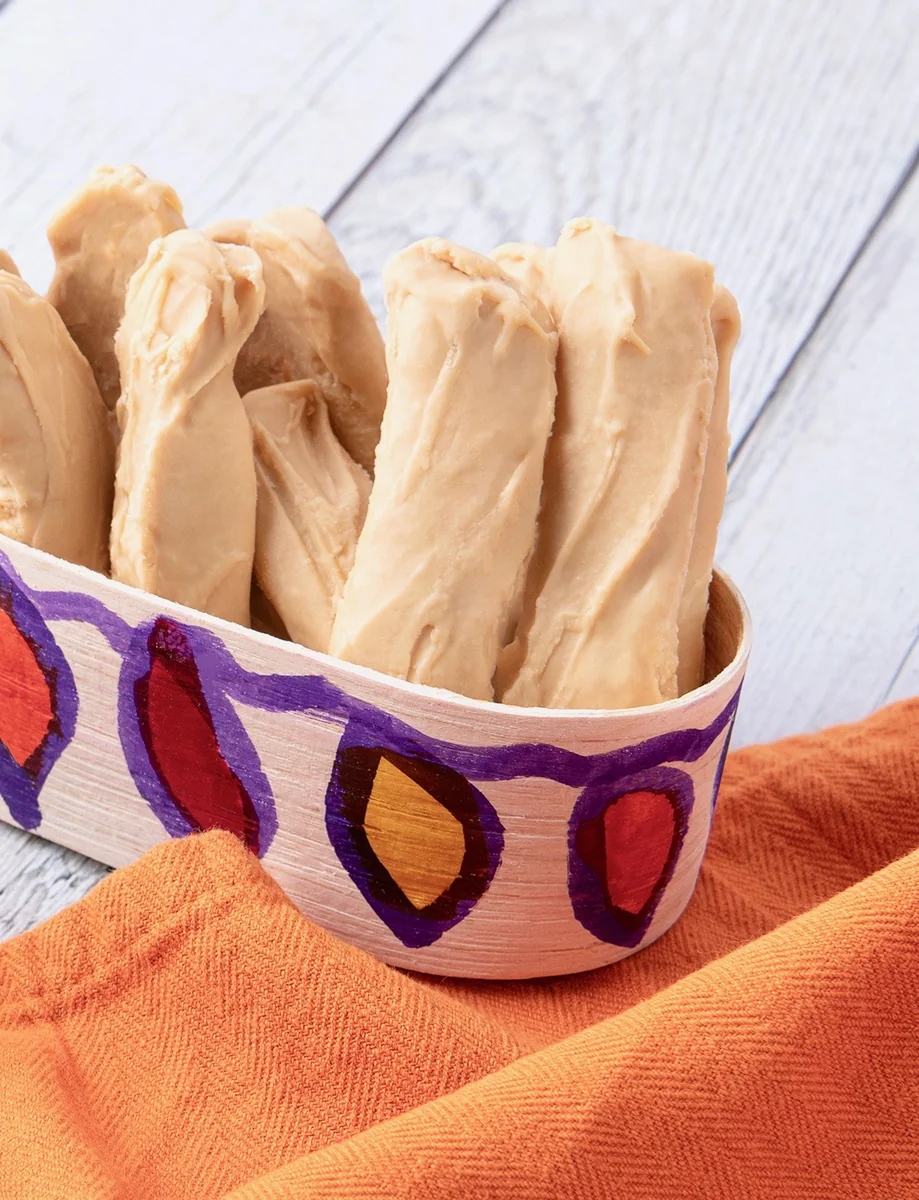
Try a quick and easy recipe for canillitas de leche, a delicious no-cook 10-minute dessert that uses only three ingredients you already have in your pantry.
Empanadas de Manjar de Leche
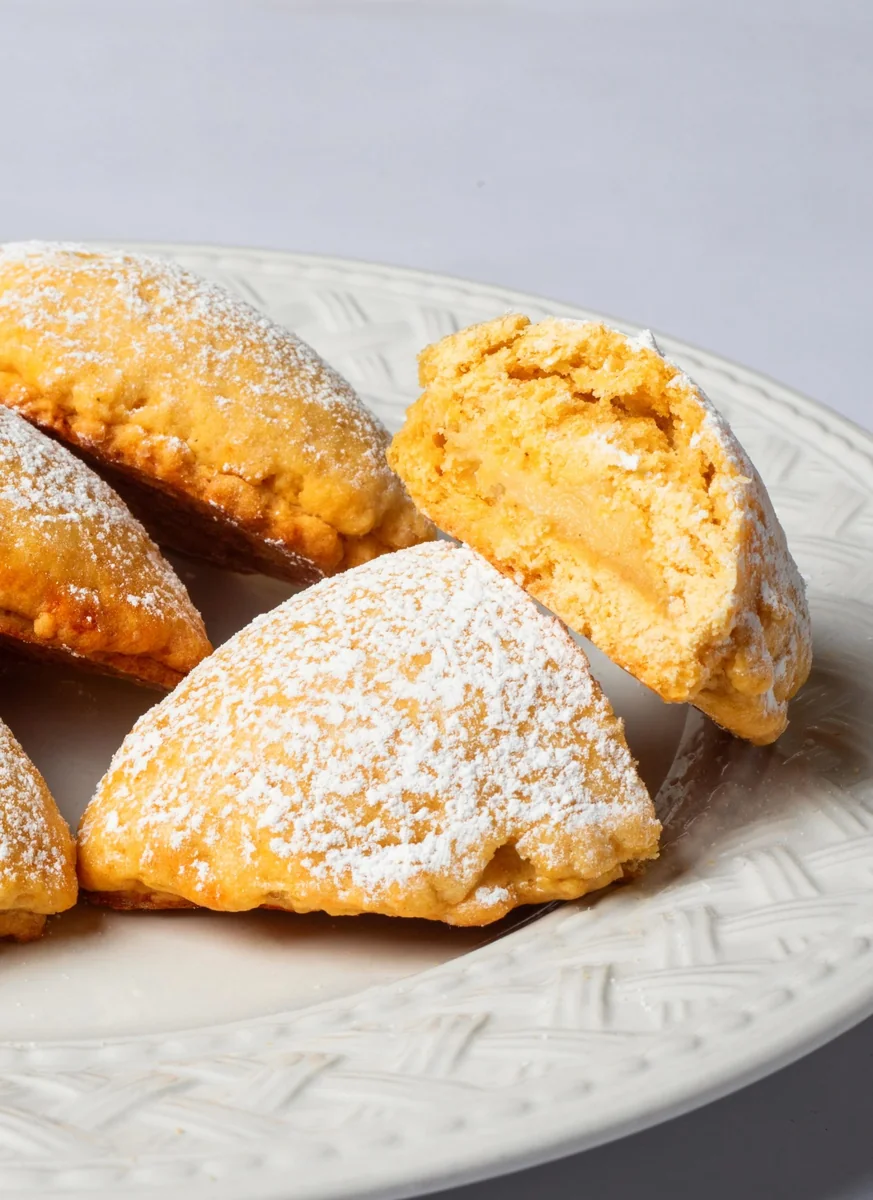
Empanadas de manjar (or empanadas de leche) are pie-like pastries filled with a milk-based creamy filling. This easy recipe for Guatemalan empanadas de manjar de leche will have you enjoying this traditional dessert at home in no time.
Ayote en Miel
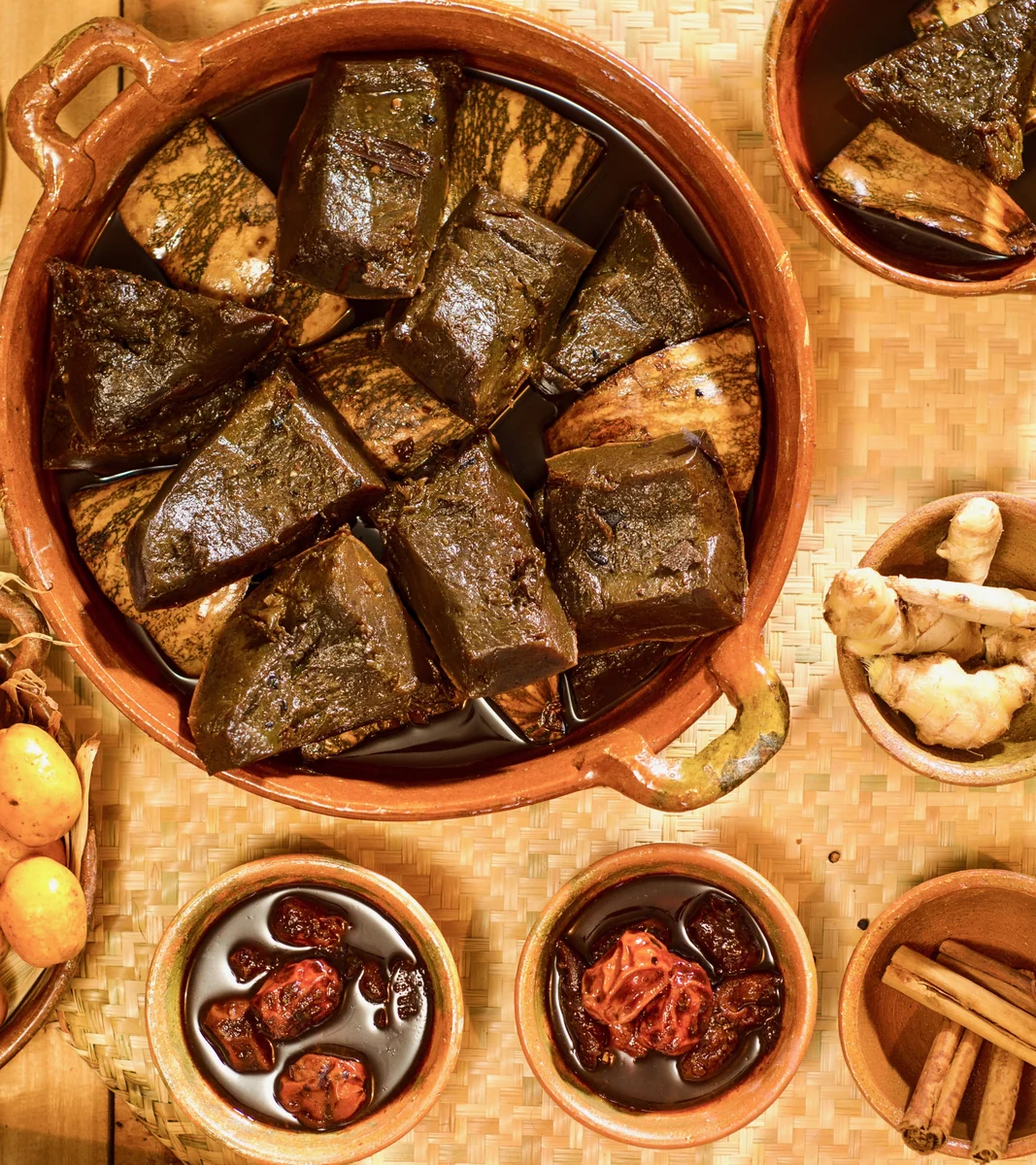
Ayote en miel is another delicious Guatemalan dessert typically served on the Day of the Dead celebrations in Guatemala. A delicious squash cooked in a sweet syrup of panela (unrefined cane sugar) and spices.
Guatemalan Molletes: Custard-Stuffed Sweet Bread
Guatemalan molletes are sweet bread rolls stuffed with creamy manjar custard, fried golden, and soaked in a warm panela syrup with cinnamon and cloves.
Ingredients
For the Molletes
- 3 eggs
- 2 tablespoons of flour
- 1 tablespoon of sugar
- 12 sweet bread rolls
- 2 cups of vegetable oil
- ¼ cup raisins
- Red sugar for garnish
For the Manjar (Custard)
- 2 ¼ cups of whole milk
- ½ cup sugar
- 6 tablespoons of cornstarch
- 1 cinnamon stick
- ¼ teaspoon salt
- 1 teaspoon vanilla
For the Syrup
- 2 cups panela or raw sugar
- 3 cups of water
- ½ cup of rum (optional)
- Zest from one lime
- ½ teaspoon allspice
- 3 cloves
- 1 cinnamon stick
Instructions
Start with the Manjar
- In a saucepan over medium heat, bring 2 cups of milk, the sugar, cinnamon, and salt to a boil.
- While the milk is heating up, mix the cornstarch and ¼ cup of cold milk in a small bowl.
- Once the milk reaches the boiling point, lower the heat. Take ½ cup of the hot milk and add it to the cornstarch, mixing well.
- Pour the cornstarch mixture back into the saucepan and cook, stirring constantly, until the custard thickens.
- Remove from heat, stir in the vanilla. Let it cool completely.
Make the Syrup
- Combine the panela, water, lime zest, allspice, cloves, cinnamon stick, and rum in a large pot and bring to a boil.
- Lower the heat and let it simmer down while you work on the bread.
Stuff and Fry
- Cut off the top of each mollete (or bread roll). Pull out some of the crumb to make a cavity.
- Drop 3 to 4 raisins inside each one. Then fill with cooled manjar custard and place the lid back on, pressing gently to close.
- In a large bowl, beat the egg whites to stiff peaks. Next, beat in the yolks, flour, and sugar for two more minutes.
- Heat the oil in a large pan. Dip each stuffed roll into the egg batter and carefully place them in the hot oil. Fry them for a minute or less on each side until golden.
- Remove the sweet breads from the pan and place them in a colander. Set the colander over the sink and pour boiling water over them. Pat them dry to remove excess water.
Don’t skip this step: the hot rinse strips the surface oil so the bread drinks the syrup instead of repelling it.
Finish in the Syrup
- Lower the fried rolls into the simmering syrup and cook gently over low heat until soft. Don’t stir them or they’ll fall apart; spoon syrup over the tops instead.
- Sprinkle red sugar on top as garnish.
- Serve warm or cold in a deep dessert bowl with extra syrup.
Notes
- Fry in small batches: One or two at a time works best. The oil stays hot, and the crust stays crisp and ready for soaking in the syrup bath.
- Use day-old bread: Use any leftover bread you have at home. You can also use brioche or any stiff bread. Fresh, soft rolls fall apart in the syrup; slightly stale ones hold their shape and absorb more syrup.
- Skip the rum: You can easily make it kid-friendly by leaving the rum out entirely, and the recipe still works. Add a strip of orange zest to the syrup to add depth.
Nutrition Information:
Yield: 12 Serving Size: 1Amount Per Serving: Calories: 637Total Fat: 13gSaturated Fat: 3gUnsaturated Fat: 10gCholesterol: 70mgSodium: 201mgCarbohydrates: 114gFiber: 4gSugar: 12gProtein: 11g
Nutritional values are estimates calculated using standard databases. Actual values may vary based on specific ingredients and brands used.
Did You Grow Up Eating Molletes?
Every Guatemalan family makes these a little differently: more rum, no rum, orange zest instead of lime, manjar so thick it holds a spoon upright. If your abuela’s version had a trick mine didn’t, I want to hear it. Leave me a comment and tell me how your family makes them or which feria you remember eating them at. Reading those stories is my favorite part of sharing these recipes from far away.

Through her writing, Paula helps travelers discover Guatemala beyond the typical tourist route with practical advice, local recommendations, and authentic experiences that connect visitors with the country’s people, culture, and traditions.
Planning a trip to Guatemala? Paula offers personalized Guatemala itinerary planning and trip consultation services tailored to your interests, travel style, and budget. Contact her at [email protected] to learn more.
- San Lucas Tolimán Guatemala: Lake Atitlán’s Best-Kept Secret - September 24, 2026
- Hotel Tolimán Lake Atitlán: A Special Stay in San Lucas Tolimán - September 24, 2026
- Guatemala Dreams in San Lucas Tolimán: A Boutique Stay on Lake Atitlán - September 23, 2026

