This post is also available in:
Pepián, fiambre, tamales colorados — the food I grew up with in Guatemala and the dishes I missed for years after moving to the U.S. Most Americans have never tasted any of it. This is the complete starter guide: 30+ traditional Guatemalan recipes, five regions worth knowing, the drinks and desserts that round out the table, and what sets Guatemalan cuisine apart from Mexican food and other Latin American dishes.
This article contains affiliate links. If you buy something through one of my links, I may earn a small commission at no extra cost to you. I only recommend products and services I have personally used or vetted.
Guatemala, Land of Eternal Spring
Thanks to its tropical rainforests and fantastic weather, Guatemala earned the nickname “El país de la Eterna Primavera.” You can see its diversity in many ways, and its food is no exception. From slow-cooked stews to tamales and desserts, Guatemalan food is a pleasure to all senses.
When visiting Guatemala, sampling the delicious local cuisine is a must. Its gastronomy is far more flavorful and complex than most travelers expect. And yes, I’m completely biased because Guatemala City is my hometown. But that bias comes from years of eating these dishes at family tables, markets, roadside stops, and tiny local places you’d probably miss if you didn’t know where to look.
Traditional Guatemalan recipes always take me back to my family’s kitchen. Seeds toasting on the comal. Tamales wrapped in banana leaves. Beans simmering from early morning. And that unmistakable smell of recado, the kind you recognize before you even see what’s cooking.
I grew up with those flavors, but I didn’t truly understand them until I moved to the United States and had to learn how to make them far from home. Every trip back to Guatemala to visit family helped me discover dishes I had never even tried as a child. Each trip left me wanting to learn more, to cook what I had tasted, and to understand why every region offers something so different.
A Cuisine With a Story of Its Own
Most of what’s below isn’t on the menu at your local Latin restaurant. Guatemalan cooking is its own thing: built on toasted-seed sauces called recados, anchored by corn and black beans, and a small library of chiles you’ve probably never heard of.
The dishes are old. Pepián, our national dish, traces back to pre-Columbian Maya kitchens. You also see Spanish colonial influence in the slow-cooked stews, rice, dairy, and sweets simmered in panela syrup. Those layers created a cuisine that feels deeply Guatemalan.
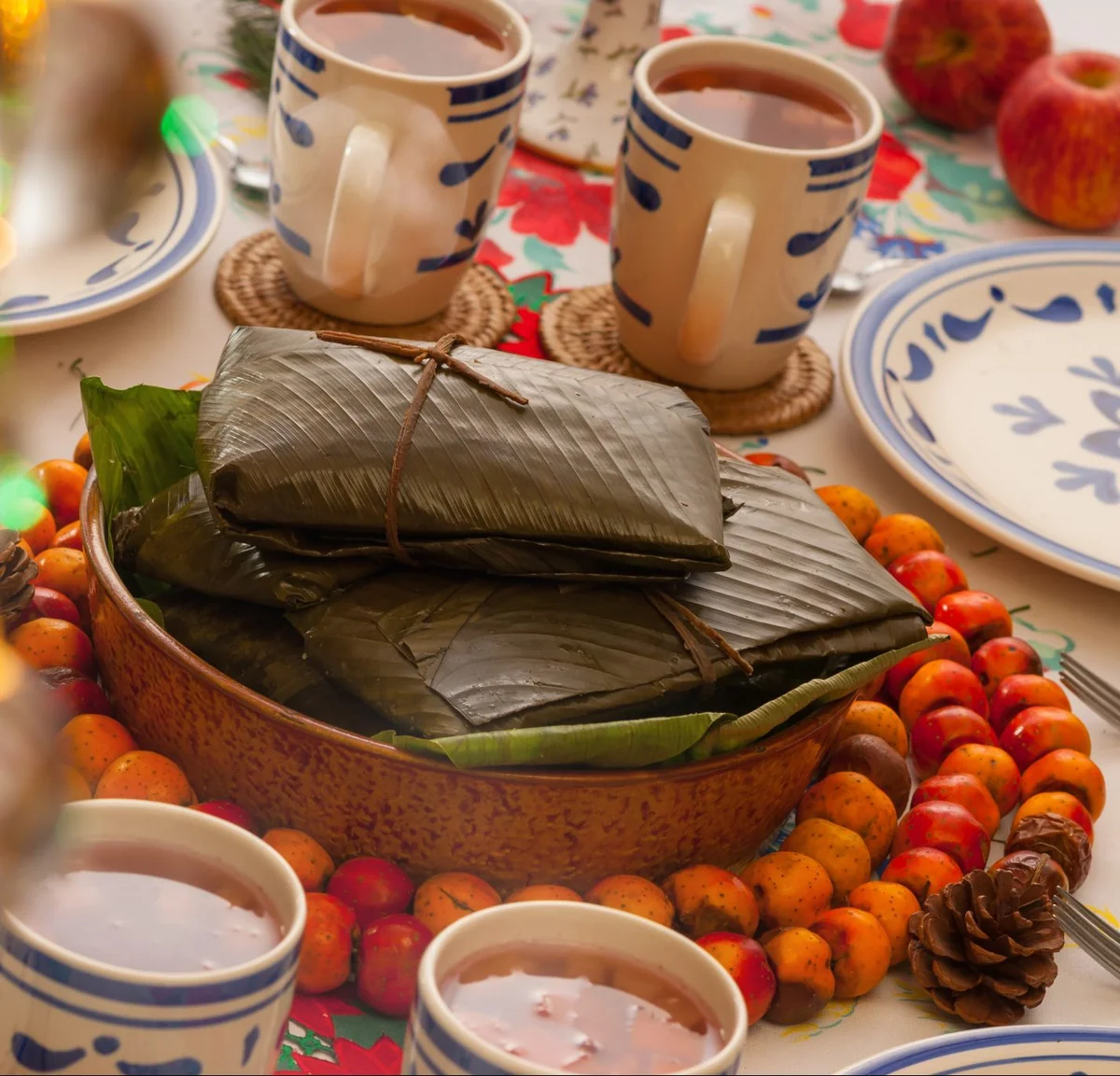
Some recipes are everyday comfort food. Others belong to a specific date. Tamales colorados wrapped in banana leaves are what Chapines eat at midnight on Christmas Eve. Fiambre, the multi-ingredient salad that appears only on November 1st, is a Day of the Dead tradition that takes a household days to put together. And almost every breakfast plate comes with platanitos fritos next to the beans!
This is the guide I wish I had when I started cooking far from home: a walk through the dishes, ingredients, and traditions that make Guatemalan cuisine so different. I grew up eating most. Other foods I discovered later on trips back home. Each visit left me wanting to learn more, cook more, and understand why each dish revealed something new.
What Is Guatemalan Food?
Guatemalan food is the cooking of a country built on Maya foundations and reshaped by three centuries of Spanish presence. The dishes that define it, like pepián, kak’ik, fiambre, tamales colorados, and jocón, are rooted in pre-Columbian Maya cooking and finished in colonial kitchens. The result is food that’s older than the Spanish empire at its core and Spanish-Catholic in its calendar.
Pepián is the national dish, declared Patrimonio Cultural Intangible de la Nación (Intangible Cultural Heritage of the Nation) in 2007. It’s a thick, smoky stew built on toasted pumpkin seeds (pepitoria), sesame, dried chiles guaque and pasa, and tomatoes, simmered with chicken, beef, or pork, served over white rice.
Three other dishes share that 2007 designation: kak’ik, the Q’eqchi’ Maya turkey soup from Cobán; jocón, the green chicken stew; and plátanos en mole, the sweet-savory plantain dessert. Fiambre joined the list in 2019, and the recados (the entire family of toasted-seed-and-chile sauces) were protected as a category in 2023.
Corn anchors everything, but Guatemalans use it differently than Mexicans do. Tortillas show up at every meal. Tamales get wrapped in banana leaves more often than corn husks. Small masa preparations like chuchitos and tamalitos de chipilín have no widespread Mexican equivalent. And the chiles cooked into Guatemalan dishes (such as chile guaque, chile pasa, and chile cobanero) are different from the ones a Mexican kitchen reaches for first.
Guatemalan food is also less spicy than Mexican food, on average. Heat usually arrives on the side: a small bowl of chiltepe (a tiny wild chile, blistering hot, eaten one at a time) or chirmol with raw onion that the diner spoons over their plate. Building serious heat into the sauce itself is rare in traditional Guatemalan cooking, and it’s the thing most foreigners notice first.
Ancient Roots: A Brief History of Guatemalan Cuisine
Guatemalan food started with the Maya, who built their entire spiritual and agricultural life around maize. The Popol Vuh, the sacred K’iche’ Maya text recorded in the 16th century, describes humans as literally made from masa de maíz (corn dough).
That isn’t just mythology. The Maya developed nixtamalización, soaking and cooking corn with cal (slaked lime) to transform it into masa, more than 3,000 years ago. It’s the same process a Guatemalan home cook uses today and the reason corn tortillas have sustained the region for millennia. The maize that fed the Classic Maya cities of Tikal and Quiriguá is the maize ground for tortillas today. The continuity is real and unbroken.
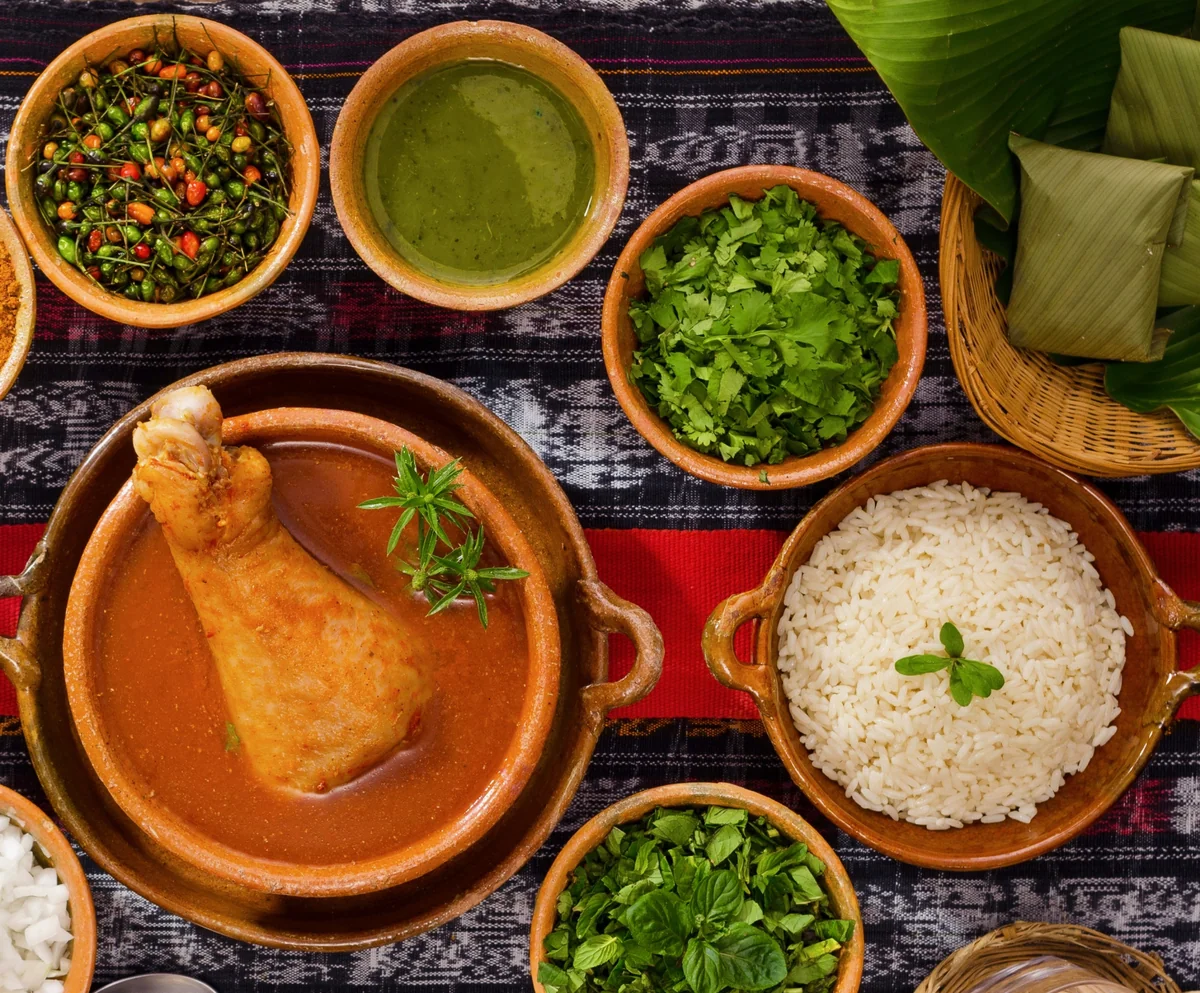
Pedro de Alvarado arrived in 1524, and three centuries of Spanish rule followed, ending with independence on September 15, 1821. The Spanish brought beef, pork, chicken, dairy, wheat, sugar, citrus, onions, and garlic.
They also brought the techniques that turned indigenous toasted-seed sauces into colonial recados, combining native pepitoria and chiles with imported aromatics, tomatoes, and lard. Empanadas, the Christmas tamal tradition, the dessert culture of buñuelos and torrejas in panela syrup — all of it dates to this fusion.
What you eat in a Guatemalan kitchen today is the result of 3,000 years of corn culture and 300 years of Spanish colonial kitchens. The proportions vary by region (more Maya in Cobán, more Spanish in Antigua, more Caribbean in Livingston), but the foundation is shared.
Guatemalan Cuisine and What Sets It Apart
Walk into a US grocery store, ask for Guatemalan ingredients, and they’ll point you to the Mexican aisle. The labels look right: masa harina, dried chiles, banana leaves. The dishes a Guatemalan makes from that aisle are not the dishes a Mexican cook makes.
A few things set Guatemalan cuisine apart from Mexican food. Once you understand them, the rest of the cooking makes immediate sense.
Recados, the Heart of Guatemalan Cooking
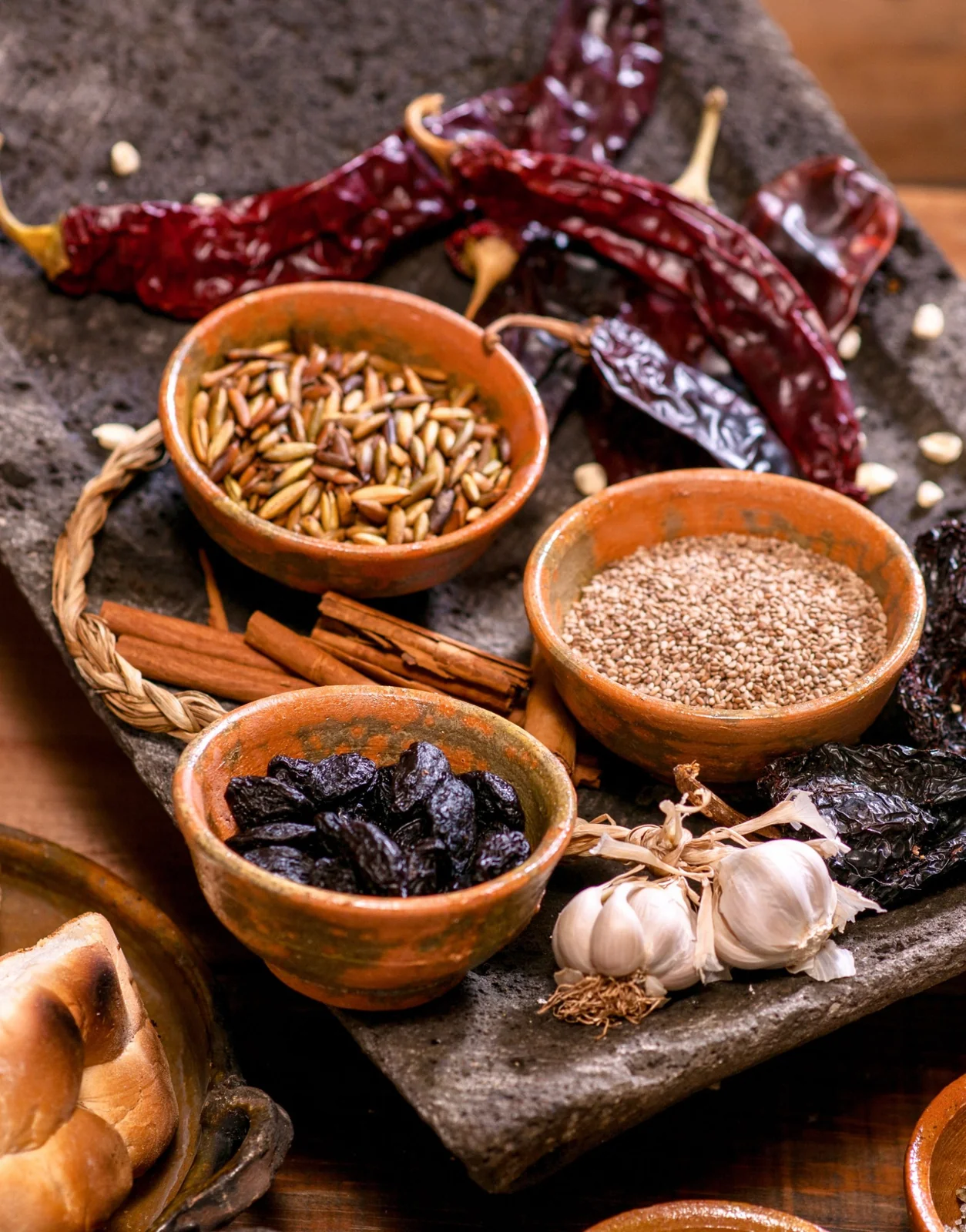
Every Guatemalan kitchen runs on recados. These are sauces made by toasting seeds, chiles, tomatoes, and aromatics on a comal, then grinding everything and simmering it into the meal. The recado isn’t a topping. It’s the body of the dish.
The technique is what matters. Pumpkin seeds (pepitoria) and sesame (ajonjolí) toasted until they pop and turn golden. Dried chiles guaque and pasa browned until fragrant. Tomatoes and miltomates get charred. Then it all gets crushed, traditionally on a piedra de moler (grinding stone), and simmered until it thickens into a sauce that coats everything cooking in it.
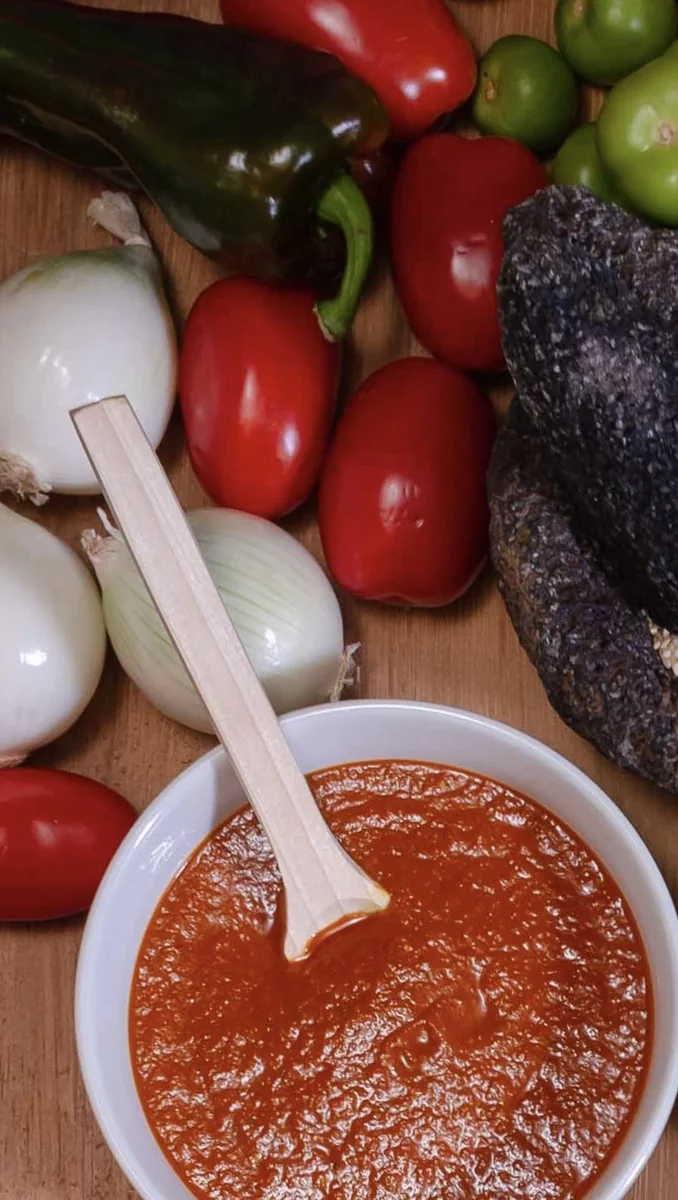
Four recados anchor the most important dishes: the red recado of pepián and tamales colorados; the green recado of chicken jocón, built on miltomates and cilantro; the deep red-brown recado of kak’ik with its mint note; and the dark, almost-sweet recado of tamales negros, carrying chocolate and prunes. Mexican cuisine has parallels (mole, adobo). Still, Guatemalan recados are built on toasted seeds, not the chocolate-and-nut base of the most famous Mexican moles.
Here’s why it matters historically: pepitoria and ajonjolí are pre-Columbian seeds. The Mayans were toasting and grinding them into sauces long before the Spanish arrived. The recado tradition isn’t a colonial adaptation; it’s an indigenous technique that survived three centuries of Spanish rule and absorbed Spanish ingredients without losing its core foundation.
Banana Leaves Beat Corn Husks
Both Guatemala and Mexico are corn cultures. Both make tortillas, tamales, and atoles. But Guatemalan tamales are wrapped in banana leaves more often than corn husks, which gives them a sweeter, more fragrant steam and a softer texture.
Smaller masa preparations like chuchitos, tamalitos de chipilín, and paches (a potato-based tamale) don’t have direct Mexican equivalents. A Guatemalan Christmas dinner isn’t tamales with mole; it’s tamales colorados served at midnight on December 24th, with a slice of pan francés and a cup of ponche. Swap one tradition for the other, and neither family would recognize the meal.
Heat Lives in the Chiltepe, Not the Pot
Mexican food builds heat into the salsa or sauce. Guatemalan food keeps the heat on the side. Most Guatemalan stews are seasoned to be savory rather than spicy.
The chiltepe (a tiny, blistering-hot wild chile) lives on the table, not in the pot. A chapina might wonder where the picante is in a habanero salsa; a Mexican might wonder where it is in a bowl of mild pepián. Both reactions are real, and both make sense once you know the rules of each cuisine. Same hemisphere, same colonial period, same Mesoamerican corn foundation. Different food.
Ingredients You’ll Only Find in Guatemala
A handful of Guatemalan ingredients aren’t in standard US nutrition databases or grocery stores because they’re rare outside Central America. None of these are a dealbreaker. Still, it’s useful to know them, even if you cook with substitutes. But if you ever find the real thing at a Latin grocery, it’s worth the trip.
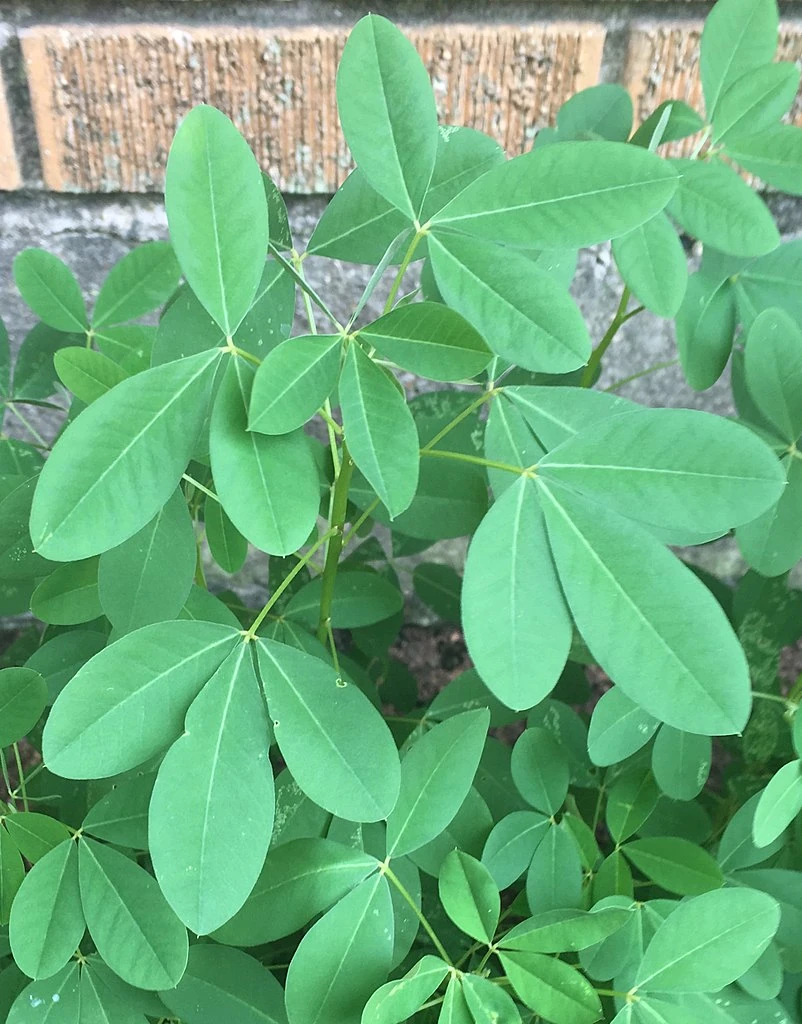
Chipilín is a small Mesoamerican legume leaf with a mild, earthy, slightly bitter flavor, used in tamalitos and soups. Fresh is nearly impossible to find in the US; the closest substitute is a mix of spinach and watercress. Loroco is an edible flower bud with a grassy, almost asparagus-like taste, folded into pupusas and scrambled eggs. Squash blossom is the nearest US substitute.
Güisquil (called chayote almost everywhere else) is a pale-green pear squash that turns up in soups and stews. It is increasingly common in US stores. Pacaya is the flower of a palm, blanched and battered for fiambre and Lenten dishes. It’s bitter, distinctive, with no real substitute, so leave it out if you can’t find it canned. Miltomate is the small Guatemalan tomatillo at the base of jocón and many green recados; standard US tomatillos work in its place.
Guatemalan Food by Region
Guatemala is the size of Tennessee, but food varies sharply across regions. Guatemala has 22 departamentos (subdivisions like states) and five distinct regional kitchens. The climate does a lot of the work: tropical coasts, cool highlands, and a temperate central valley each grow different things, so each region cooks differently.
I’m grouping them by geography because that’s the most useful way to picture it, whether you’re planning a first trip to Guatemala or just trying to understand where a dish comes from. If you only know one destination, you’re missing 75% of the cuisine!
Guatemala City and Central Valley
The cooking of the central valley (the departments of Guatemala, Sacatepéquez, and Chimaltenango) is the version most people meet first, at home and abroad. Antigua and Guatemala City are the main tourist hubs, and this is the everyday food most Guatemalans eat.
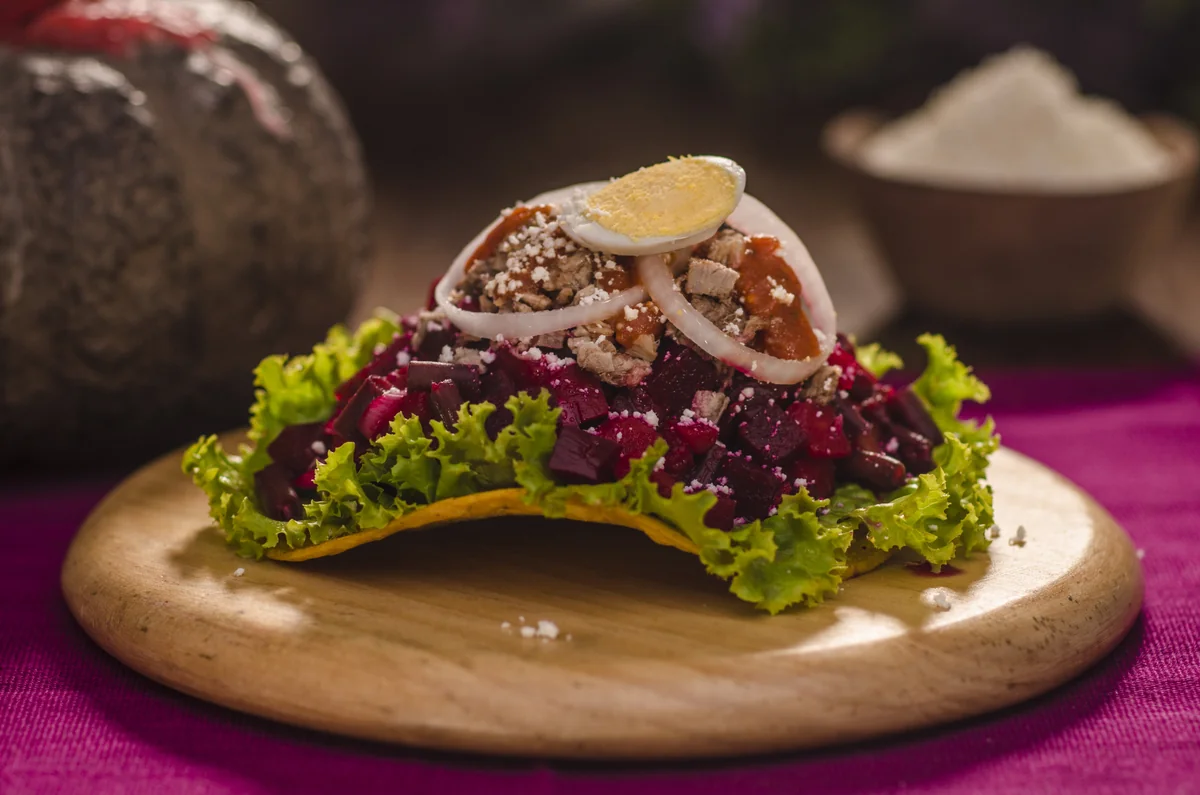
This is the home of chuchitos, small corn tamales filled with meat and red recado, wrapped in corn husks. Think of them as the snack-sized cousin of the bigger tamal. Guatemalan enchiladas also come from here, and they’re nothing like the Mexican version: a flat, crisp tostada piled with pickled cabbage, ground beef, beet, cheese, and a slice of hard-boiled egg.
Pepián de pollo, the chicken stew that’s arguably the national dish, is central-valley cooking, and so are tamales colorados, the banana-leaf tamales filled with pork or chicken in red recado that show up at Christmas Eve dinner. Piloyada antigüeña, a hearty salad of pinto beans with pork and cured sausages, comes specifically from Antigua.
The Highlands
The western mountains (Quetzaltenango, Huehuetenango, Sololá, Totonicapán) are home to a largely Maya population, and the highland kitchen is the most deeply Maya in the country. Pulique, typical of Quetzaltenango, is a stew similar to pepián but simpler and lighter. Paches, which come from Quetzaltenango (Xela to locals), swap the usual corn masa for a potato-based dough, steamed in banana leaves.
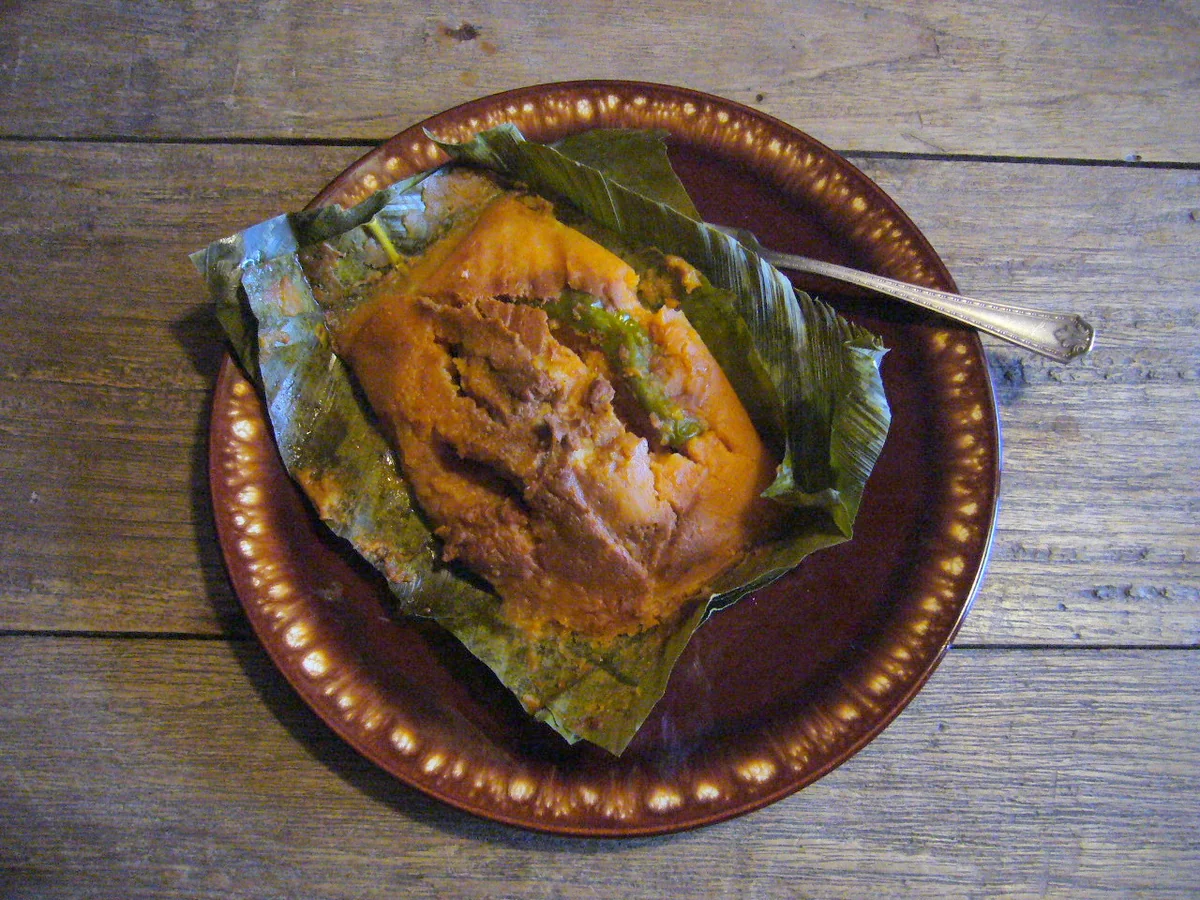
Boxbol is a Maya specialty from San Marcos and Huehuetenango, made by rolling masa and greens inside güisquil leaves (pear squash) and steaming them. And subanik, one of the oldest and most complex dishes in all of Guatemalan cooking, is a pre-Columbian three-meat stew steamed inside mashán leaves.
The Eastern Region (El Oriente)
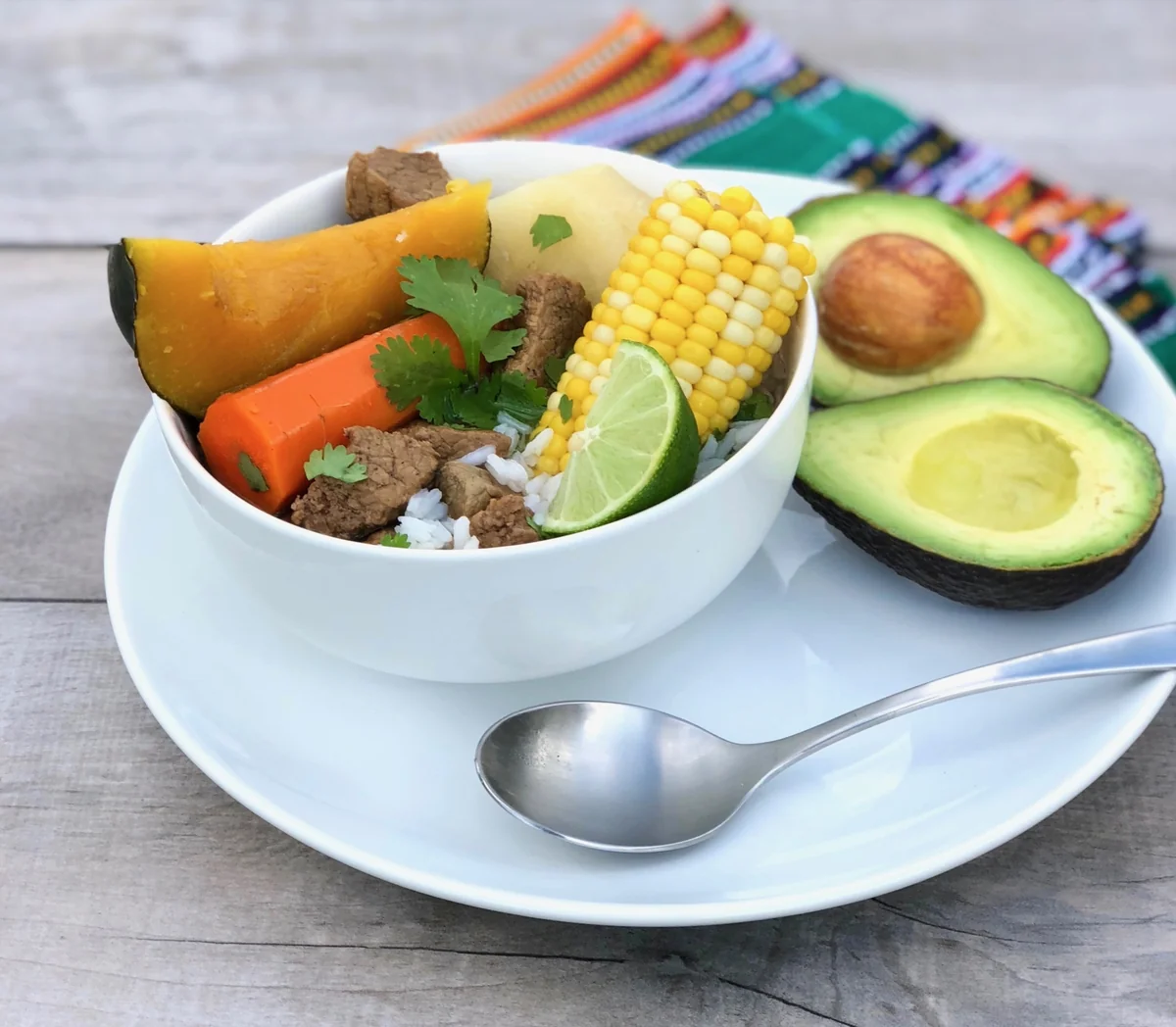
Guatemala’s hottest, driest region (Jutiapa, Jalapa, Chiquimula, Zacapa) sits near the Honduran and Salvadoran borders, and the cooking leans on beef and pork with fewer vegetables than the rest of the country. Cocido, a beef-and-vegetable soup eaten all over Guatemala, was arguably perfected here.
Hilachas, shredded beef simmered in tomato sauce (similar to Cuban ropa vieja, but with its own Guatemalan flavor), is an eastern staple. Revolcado, a rich stew of pork belly in red recado, is one of the region’s most traditional dishes, and tripe in tomato sauce (panza en tiras) is another regional favorite.
The Pacific Coast (La Costa Sur)
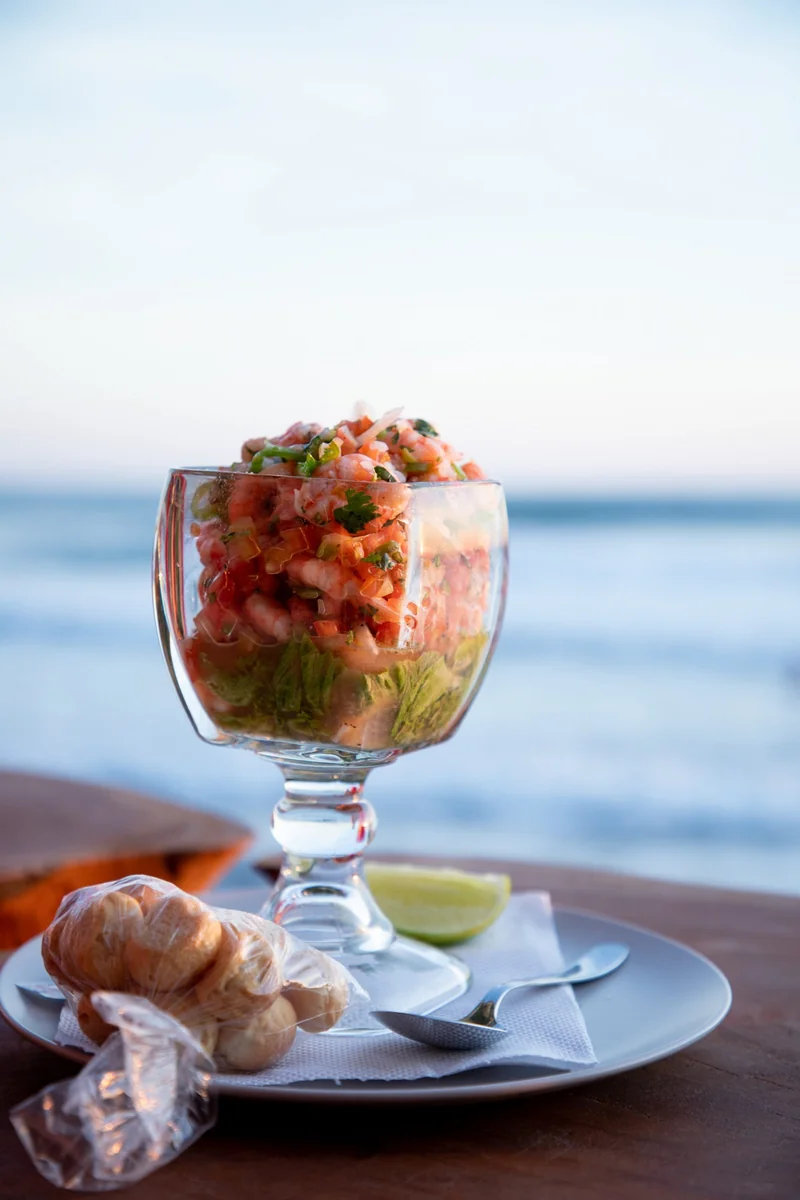
The southern Pacific strip (Escuintla, Santa Rosa, Suchitepéquez) is hot, agricultural country that produces sugar, cattle, and seafood, so the coastal kitchen leans on fish and shellfish. Guatemalan ceviche is different from the Peruvian seviche: fish marinated in lime with tomato, onion, cilantro, and every so often a little tomato sauce.
Grilled fish (pescado a la plancha) shows up on every coastal restaurant menu. And while chiles rellenos (sweet peppers stuffed with spiced meat, dipped in egg, and fried) are eaten nationwide, they’re especially good in this warm region, served in a light tomato broth.
The Verapaces, the Caribbean, and the Petén Jungle
Three regions share a humid, tropical geography but cook three distinct ways. The Verapaces are Q’eqchi’ Maya country; Izabal is the Atlantic coast with its Garífuna and Caribbean presence. Petén is the northernmost part of the country, known for its lush jungles.
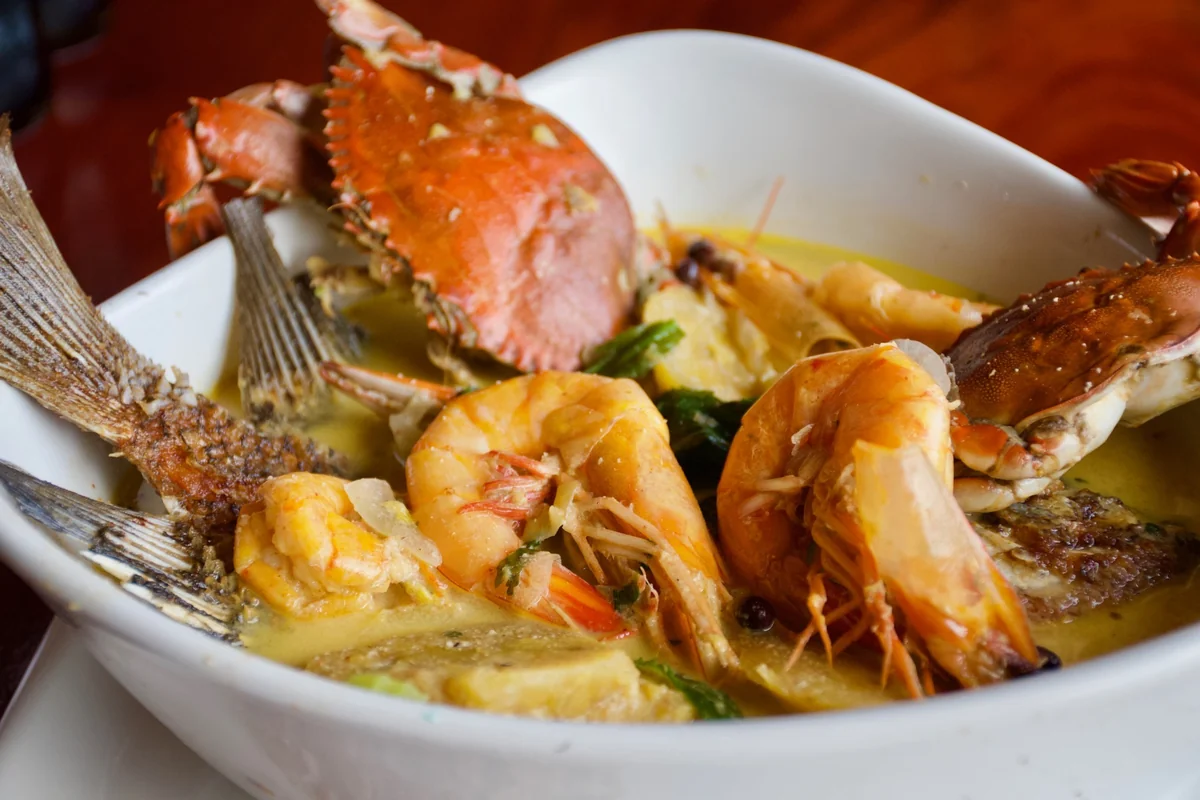
Kak’ik is the emblematic dish here, a Q’eqchi’ turkey soup from Alta Verapaz built on a deep-red recado of achiote, chile cobanero, tomato, and fresh herbs, traditionally served with small white tamales and rice. On the Caribbean coast, tapado is the dish to know: a Garífuna seafood stew of fish and shellfish simmered in coconut milk with green plantains, born in the town of Lívingston in Izabal, which you can only reach by boat.
And in Petén, cooks still make dishes with wild game and keep Maya recipes alive with less colonial influence than anywhere else in the country.
Stocking a Guatemalan Pantry
Most Guatemalan recipes call for ingredients that aren’t standard in US supermarkets. But don’t you worry; most are easy to find online or at any Latin grocery store. A small pantry of staples covers most of what’s below.
- Achiote Paste (or Annatto Seeds): The orange-red colorant that gives recado rojo its tamales-colorados shade. Goya makes the most accessible version. A jar lasts a long time; refrigerate after opening.
- Dried Chile Guaque and Chile Pasa: The two chiles at the heart of most recados (Guaque for smoky depth and color, Pasa for mild sweetness). The authentic Guatemalan versions are challenging to find in US stores. Guajillo and Ancho are the closest supermarket substitutes (flavor shifts slightly toward Mexican, but the dishes still work).
- Banana Leaves: Tamales colorados, paches, subanik — anything that isn’t a chuchito needs banana leaves. The frozen ones thaw in 10 minutes, and you can’t tell the difference from fresh banana leaves.
- Raw Pumpkin Seeds (Pepitoria): The soul of pepián. Pre-toasted pepitas don’t work. The pepitoria seeds need to be raw, so you can toast them on a comal until they pop.
- Corn Masa Flour: Tortillas, tamales, chuchitos, and tamalitos de chipilín all start here. Almost every US grocery store carries it in the Hispanic aisle. Maseca is the go-to for making tamales (the one most Guatemalans use).
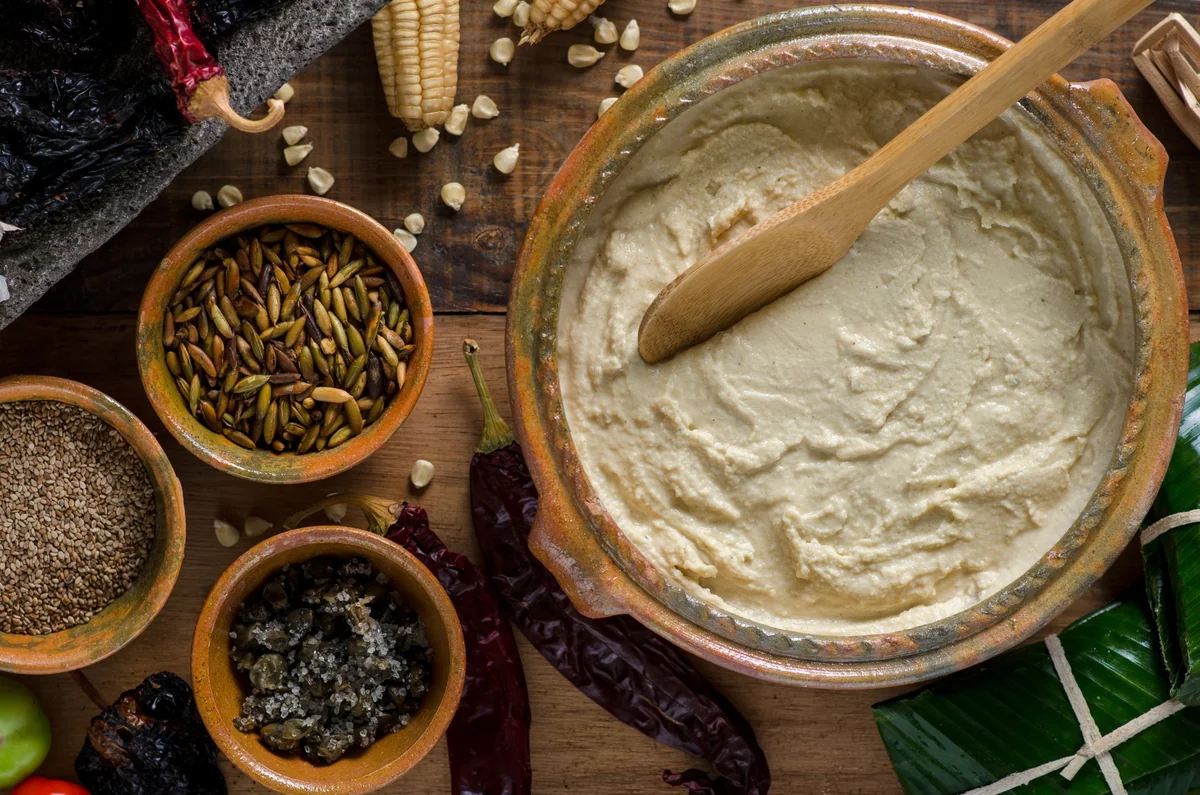
Add panela (or piloncillo) for sweets, Mexican crema for finishing stews, and dried chipilín if you can find it. For the harder-to-find produce and pantry items, I’ve been using Misfits Market. Finding good, fresh ingredients can be one of the hardest parts of making traditional recipes at home, and I love that they make it easier to cook more at home while helping reduce food waste. It is worth a look if you cook a lot and want fresh produce and pantry staples delivered.
The dishes that need true specialty ingredients (like mashan leaves or fresh loroco) are recipes for a trip to Guatemala, not a Tuesday in Florida.
Guatemalan Ingredient Substitutes
Some fresh ingredients are difficult to find outside Guatemala, unless you shop at specialty Latin markets. No substitution is perfect, but the suggestions below, based on my experience, will help you get closer to authentic Guatemalan flavor.
- Chipilín — spinach + watercress (mixed)
- Loroco — squash blossom
- Güisquil — chayote (same vegetable, different name) or pear squash
- Miltomate — Mexican tomatillo
- Chile guaque — guajillo chile
- Chile pasa — ancho (pasilla in a pinch) chile
- Chiltepe — piquín chile
- Pepitoria — raw hulled pumpkin seeds (pepitas)
- Panela — piloncillo, or dark brown sugar
- Pacaya — no real substitute; omit if unavailable
Traditional Guatemalan Food: 30+ Recipes Worth Knowing
Guatemalan cuisine is full of life and flavor. So I decided to compile my all-time favorite recipes to prove it! Traditional Guatemalan food (plus a few must-try street foods) makes Guatemala a unique culinary experience. To upgrade your foodie list, try these Guatemalan dishes that will melt your heart away:
Soups and Stews
Experience a bowlful of Guatemalan culture with every spoonful! From rich and hearty beef broth to savory chicken stews, my list will take your taste buds on a journey through the unique flavors of Guatemala. So get ready to savor the warmth and heart of these recipes and let yourself be captivated by their exquisite flavors!
Pepián de Pollo
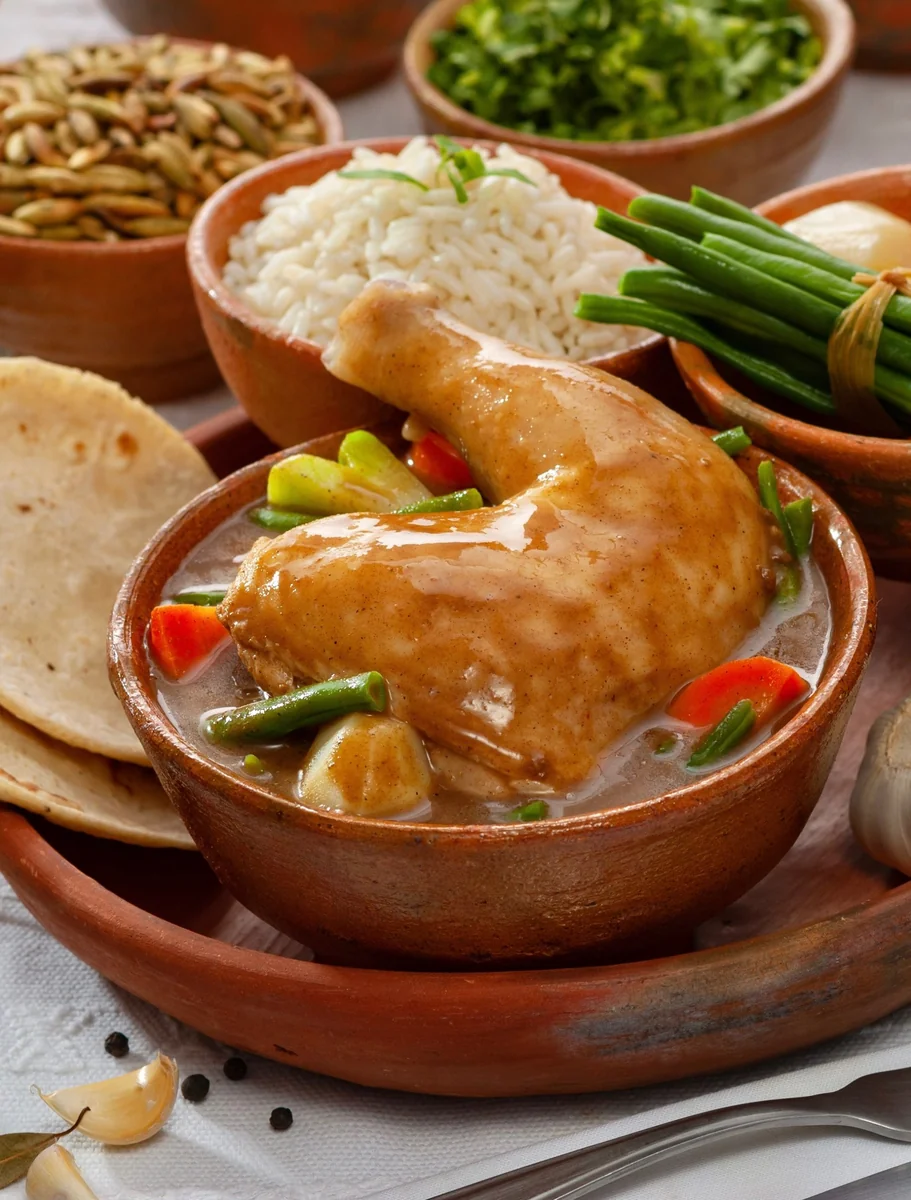
The authentic pepián de pollo, or chicken pepián, is Guatemala’s national dish. Toasted pepitoria, ajonjolí, tomatoes, chile guaque, and chile pasa, ground into a thick stew, simmered with chicken, beef, or pork and served over rice. This chicken stew is one of the oldest Guatemalan recipes. It traces back to pre-Columbian Maya kitchens and is one of the four dishes declared cultural heritage in 2007. If you’re going to cook one Guatemalan dish in your life, this is it — the dish I’d hand a non-Guatemalan first.
Cocido de Res
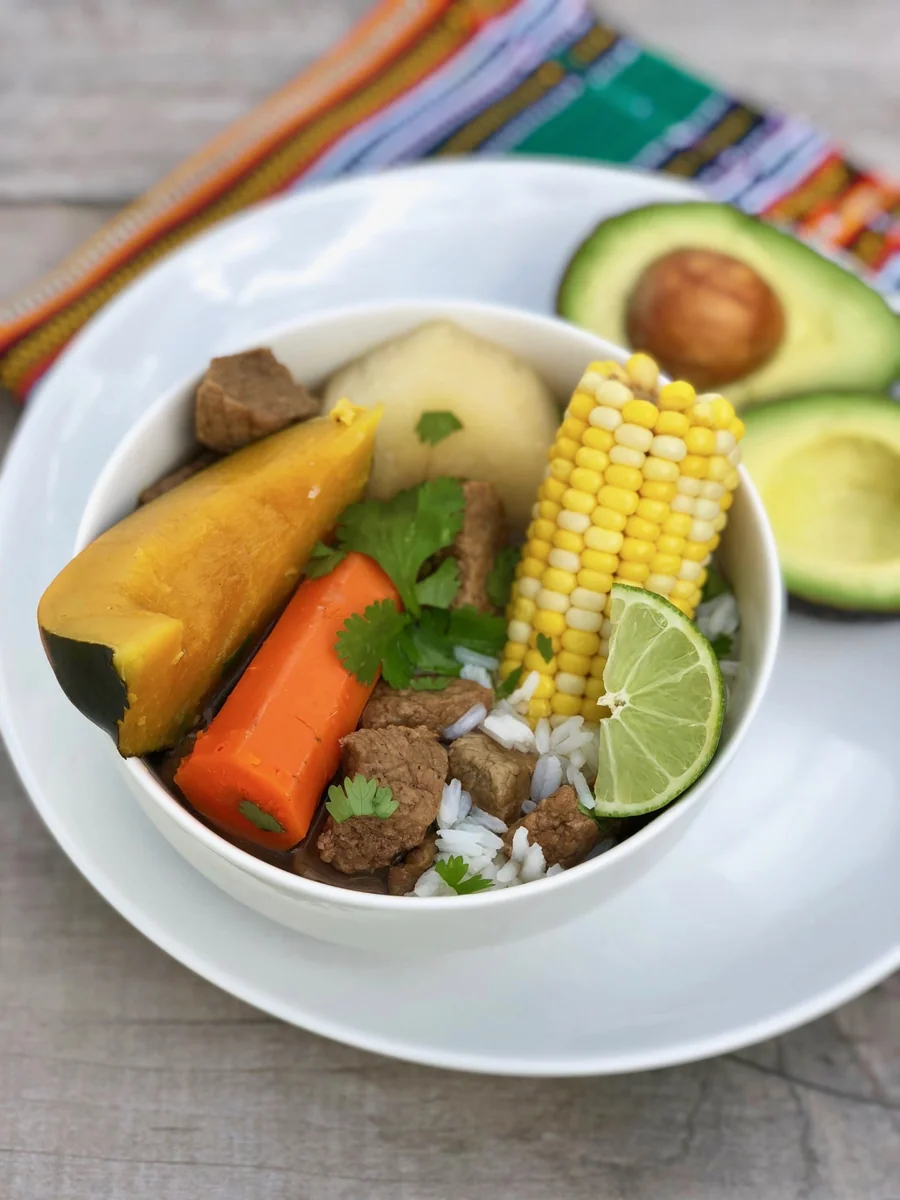
The Cocido de Res is the ultimate Guatemalan comfort soup. It is a simple beef-and-vegetable stew served over rice with avocado and fresh tortillas. Beef shanks cook slowly with corn on the cob, carrots, potatoes, güisquil (pear squash), and ayote. This version is my grandmother’s slow-cooker adaptation — the recipe in my rotation that tastes like home!
Planning a Trip to Guatemala?
I Know Exactly Where to Find Every Dish on This List
I grew up eating pepián at my grandmother’s table and cocido at every family gathering. If you want to experience Guatemalan food the way locals actually eat it, not the tourist version, I can put together a trip built around the real thing.
Kak’ik, Guatemalan Turkey Soup
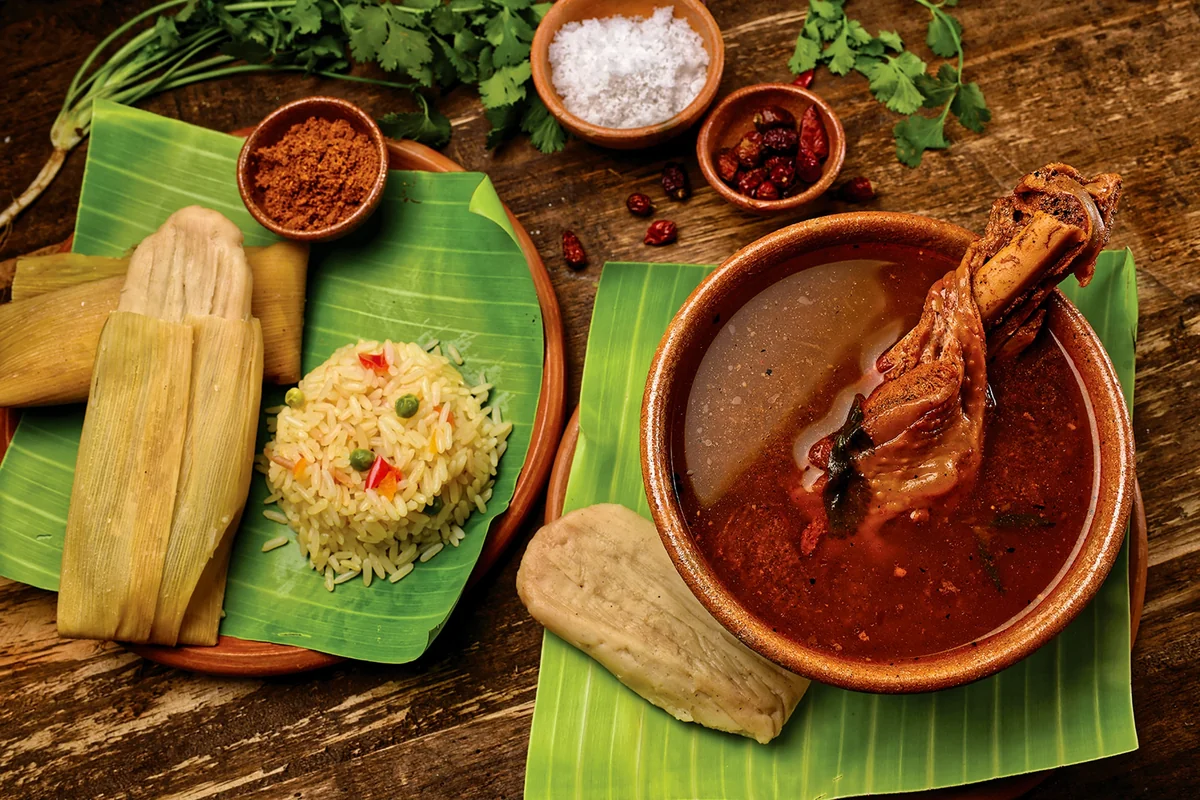
Kak’ik is a Q’eqchi’ turkey soup bursting with flavor, featuring juicy turkey, spices, and vegetables. Turkey is the star ingredient in this traditional dish, but the broth gives it its unforgettable taste. Chile guaque, tomatoes, miltomates, garlic, cilantro, and mint are blended into a fragrant, deep-red base for the turkey to cook in. Lighter than pepián despite the color, with mint as the surprise note. Served with tamalitos blancos for soaking up the broth and a wedge of lime.
Tapado (Seafood Stew)
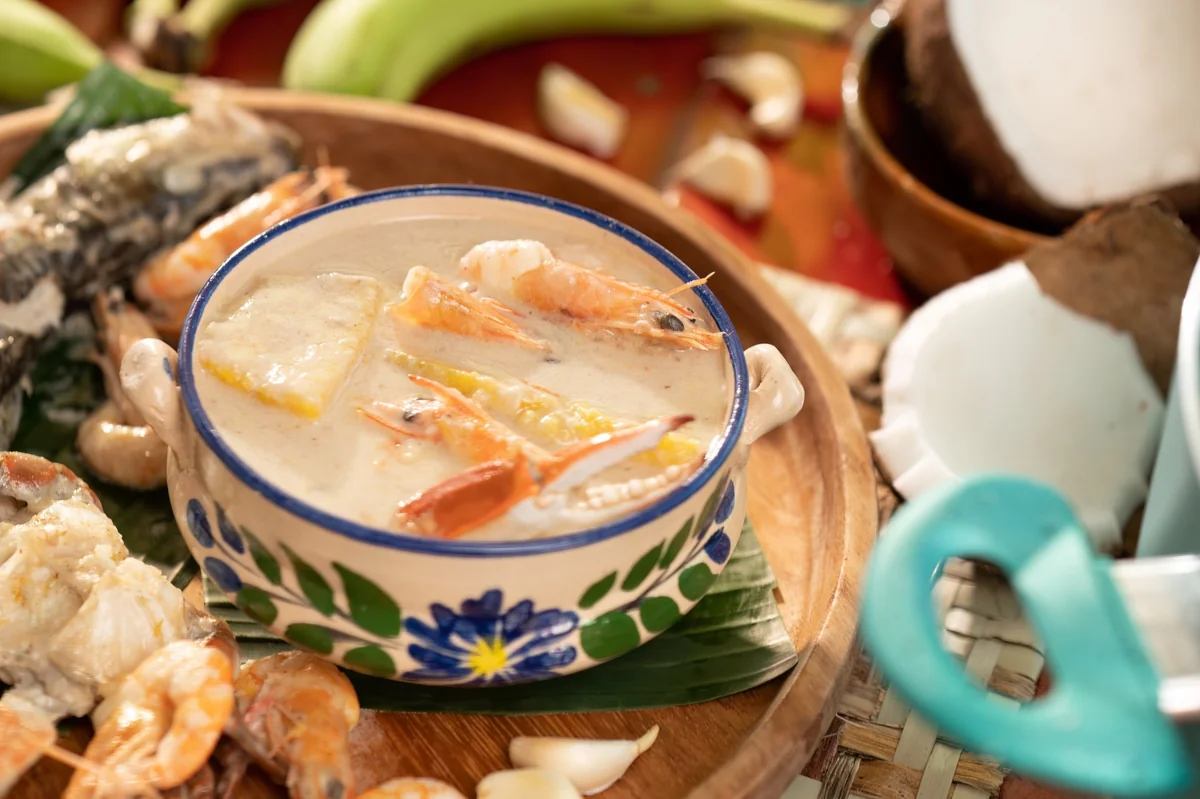
Guatemala’s Tapado seafood soup is a culinary legacy. The Caribbean coast’s contribution to the national table — a Garífuna coconut-milk seafood stew built with crab, shrimp, fish, and green plantains in a coconut broth.
Pollo en Jocón
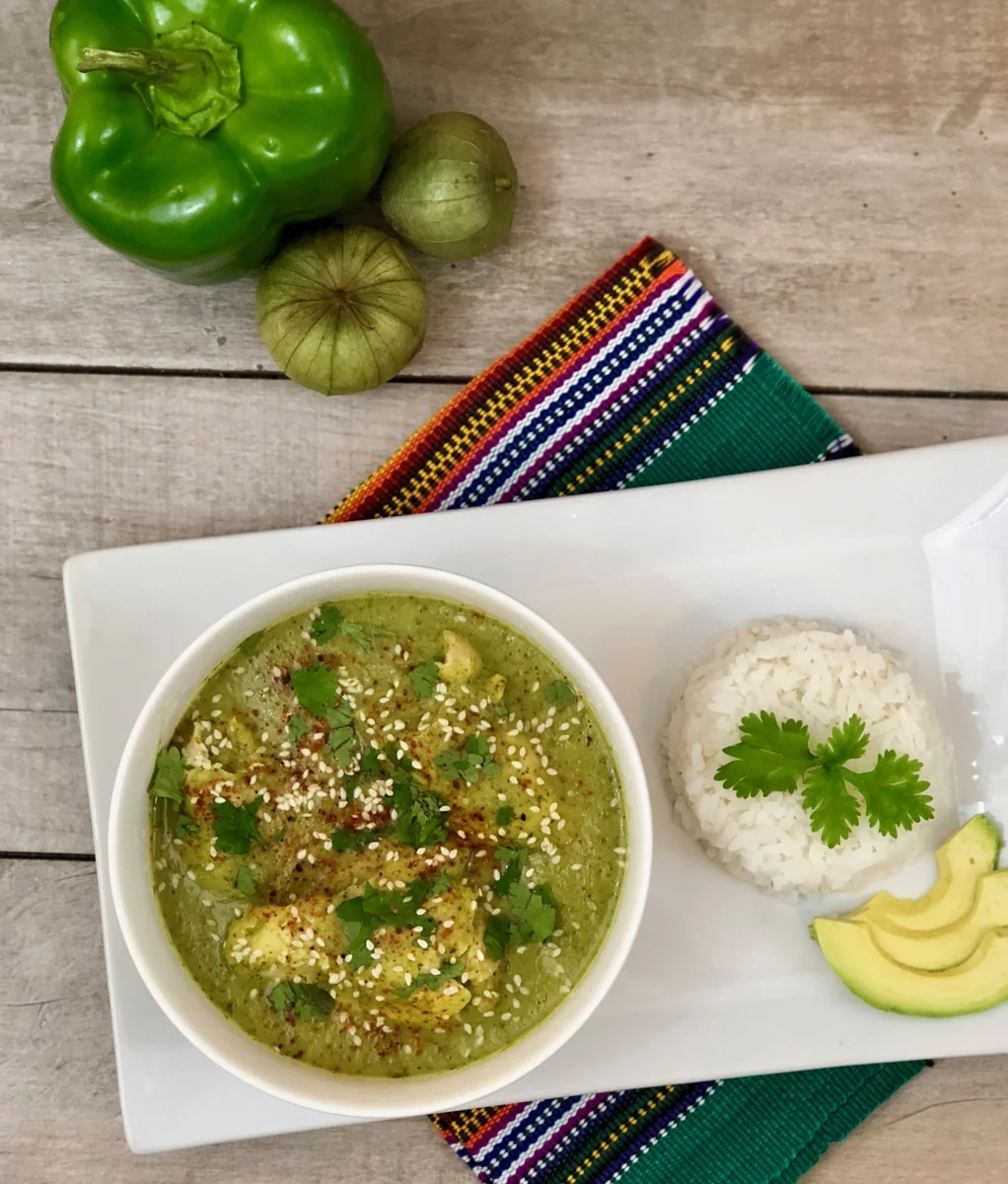
A green chicken stew from the Q’eqchi’ tradition, this is one of the most traditional Guatemalan dishes. The name “Jocón” comes from the K’iche’ word for green recado. Chicken simmers in tomatillos, cilantro, toasted pumpkin seeds, sesame, and tortillas that thicken the sauce as it cooks. Lighter than pepián, brighter than most stews — pollo en jocón is delicious and easy to make, the weeknight version of Guatemalan cooking.
Hilachas
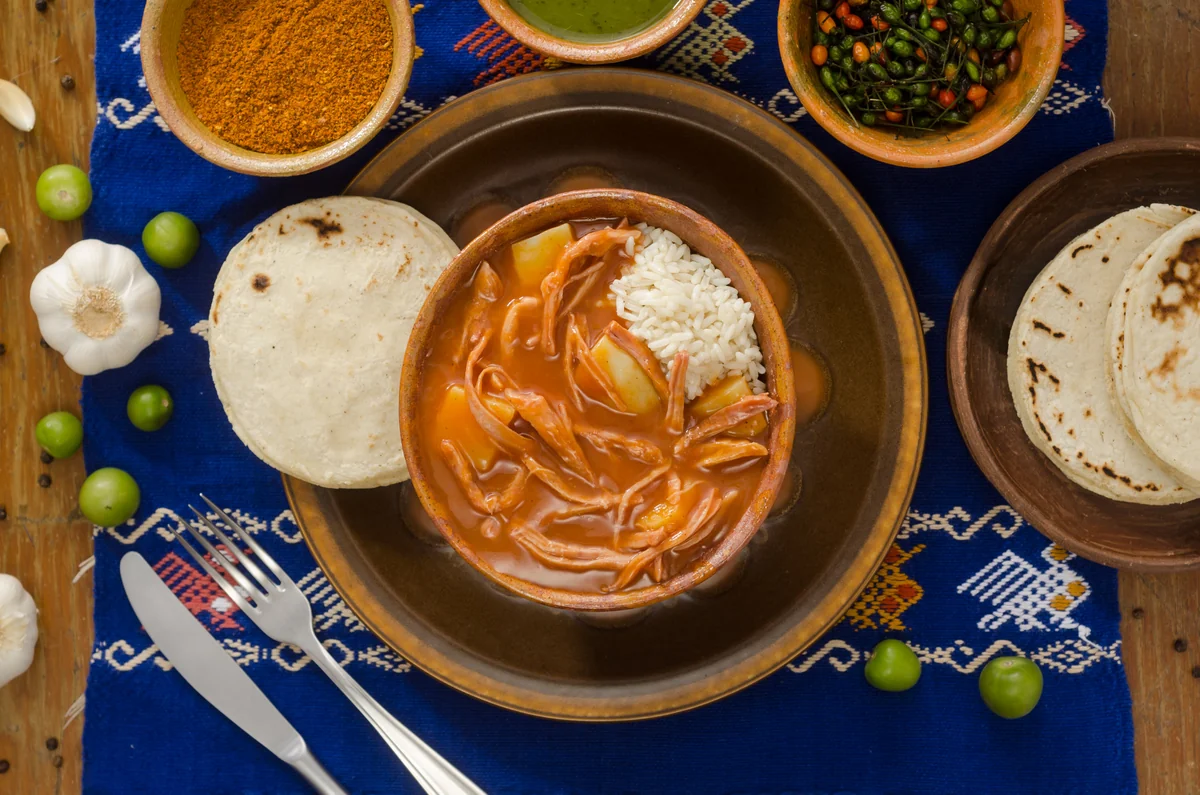
Often compared to Mexican ropa vieja, hilachas guatemaltecas is a shredded beef stew. The rich recado of tomatoes, chile guaque, and toasted seeds is what sets it apart. The thin strips of brisket give the dish its name (hilacha = strand) and its raggedy consistency. A traditional recipe I reach for when feeding a crowd.
Subanik
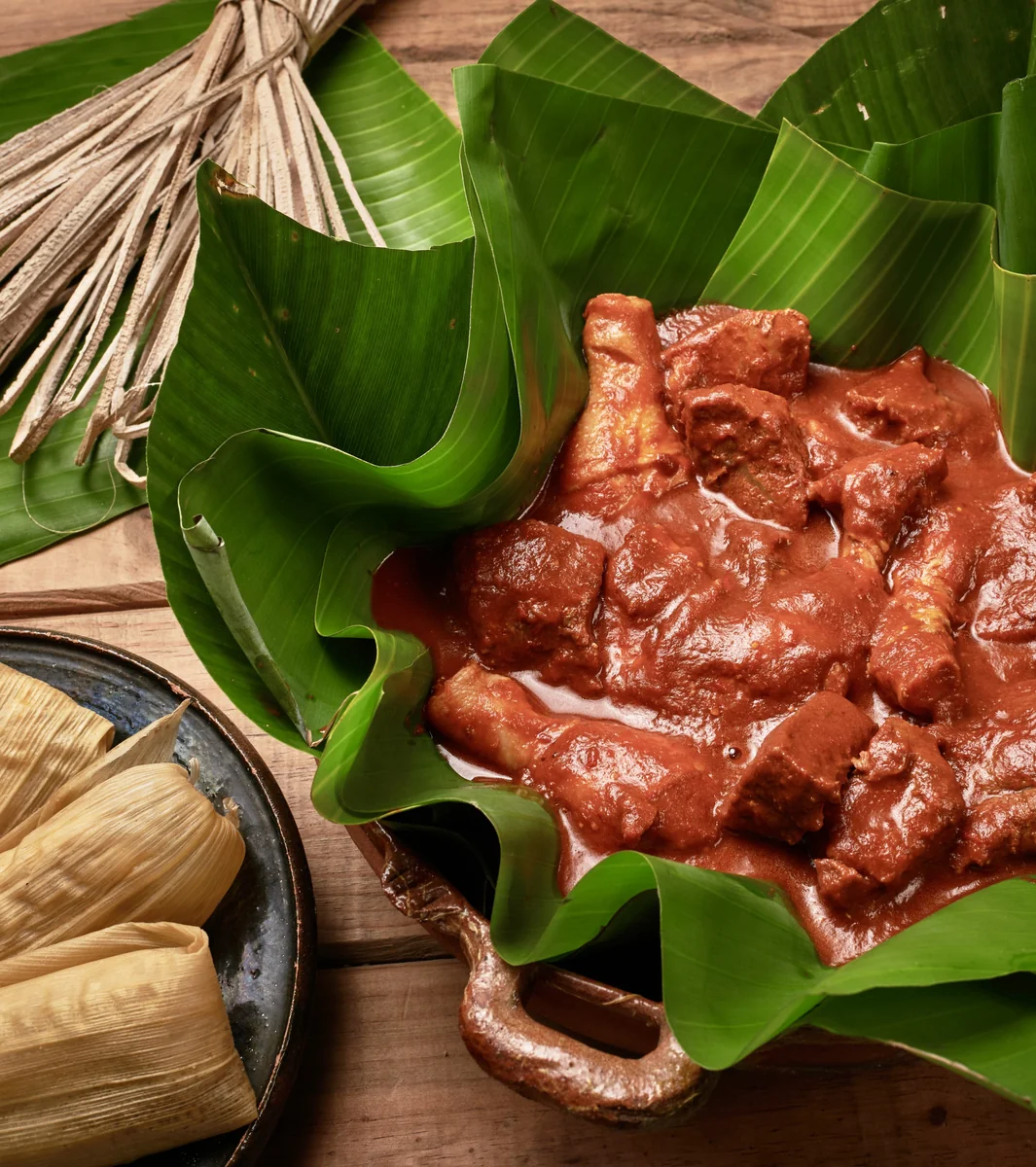
Subanik is a beloved Mayan stew renowned for its hearty, flavorful taste. A three-meat stew (chicken, pork, and beef) in a spicy-sweet tomato-and-chile recado thickened with corn flour or masa, wrapped in mashan leaves and steamed. The mashan leaf wrap tied with a Cibaque rope is the signature and makes it feel ceremonial. Special-occasion cooking is genuinely hard to find outside Guatemala. If you ever see it on a menu there, order it.
Lengua En Salsa Roja (Beef Tongue)
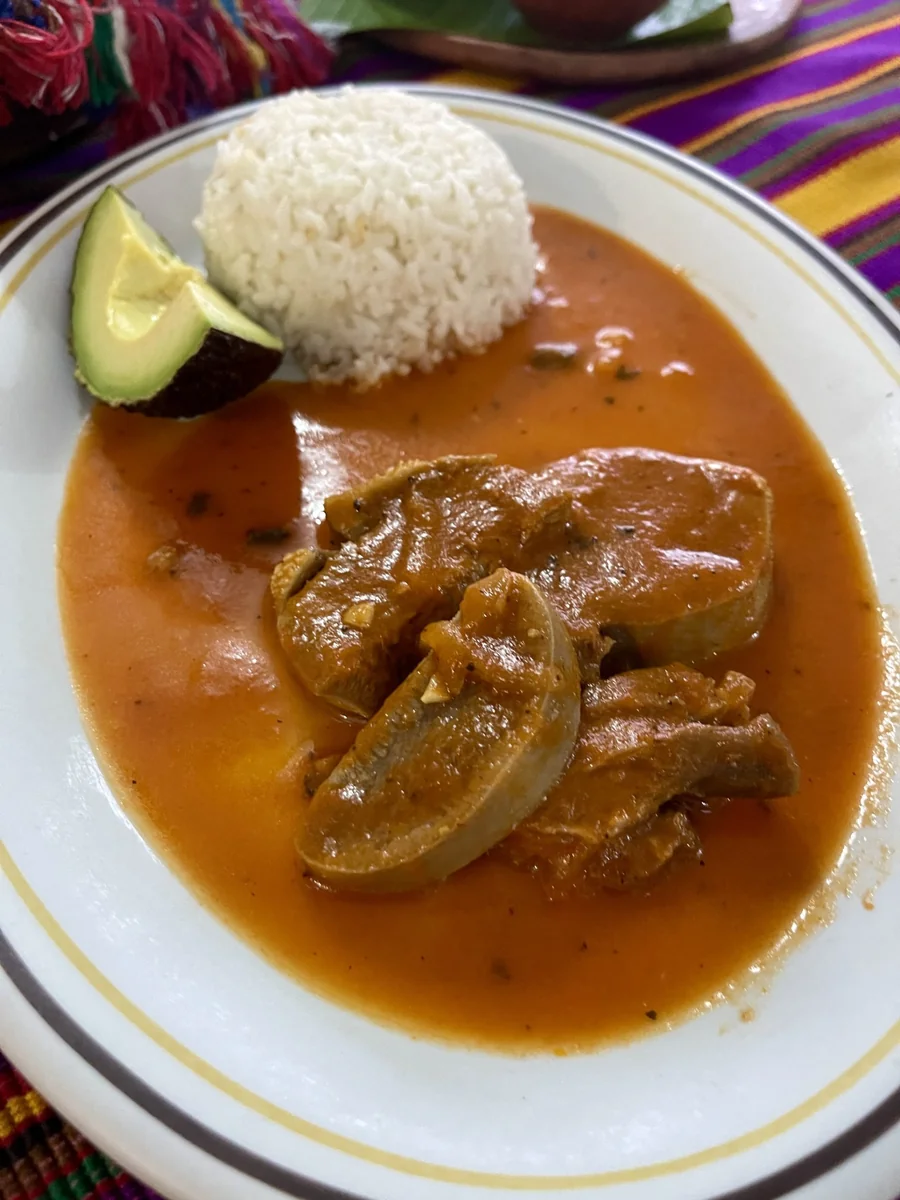
Lengua en salsa roja, or beef tongue in red sauce, is a traditional Guatemalan dish. This recipe slowly cooks beef tongue in a rich tomato sauce, showcasing Guatemala’s deep-rooted culinary traditions. The combination of soft and rich, almost buttery beef tongue with the deep flavors of the sauce makes it a favorite in many homes across Guatemala.
Guatemalan Revolcado
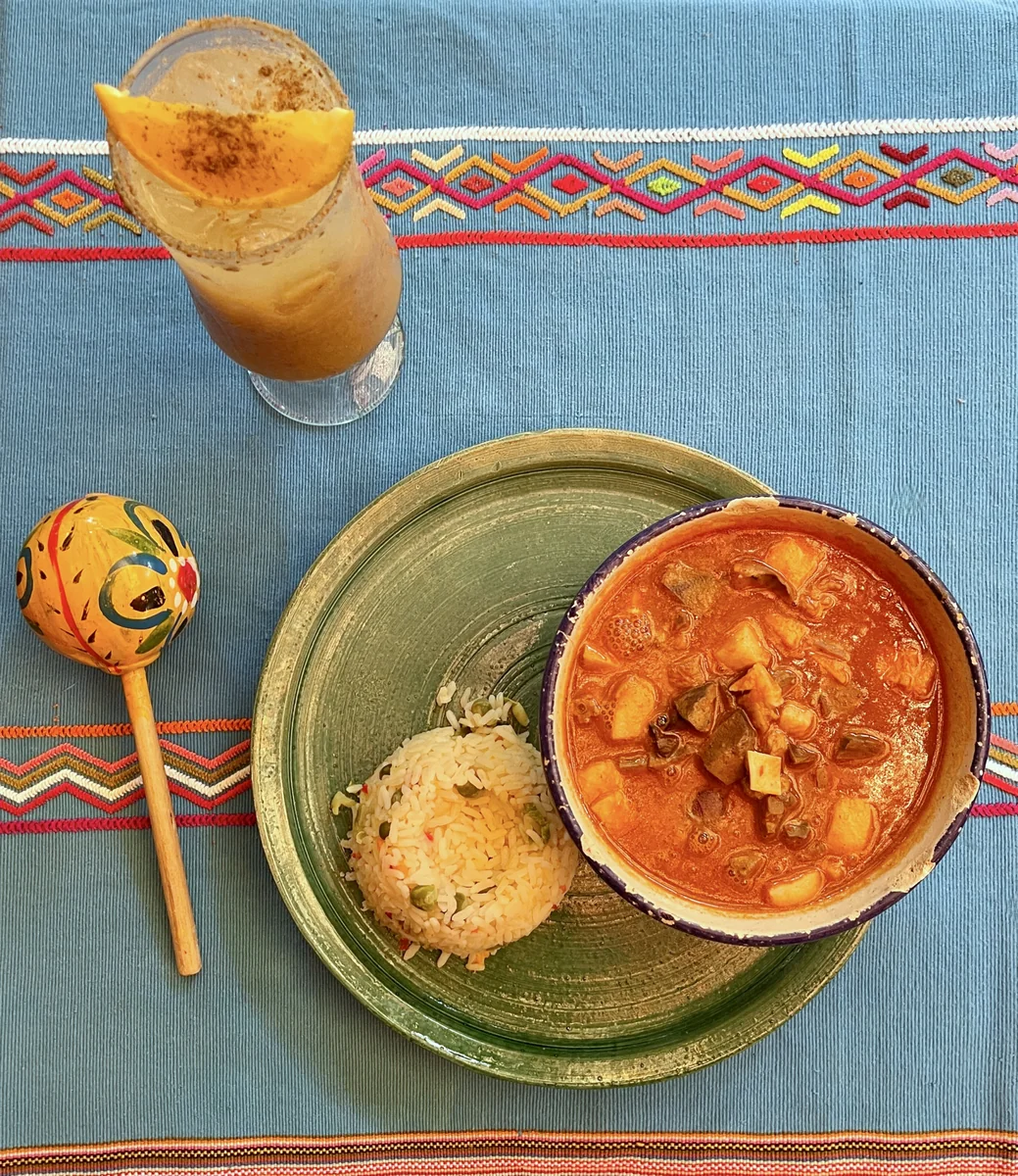
Revolcado, a traditional stew made from pig’s head, is a staple in Guatemala. This recipe brings together the tender parts of the pig’s head, slow-cooked with spices, tomatoes, and other traditional ingredients, making Revolcado a widely celebrated dish in Guatemala. The step-by-step guide makes it simple to prepare this authentic dish right in your kitchen.
Frijoles Blancos Con Espinazo
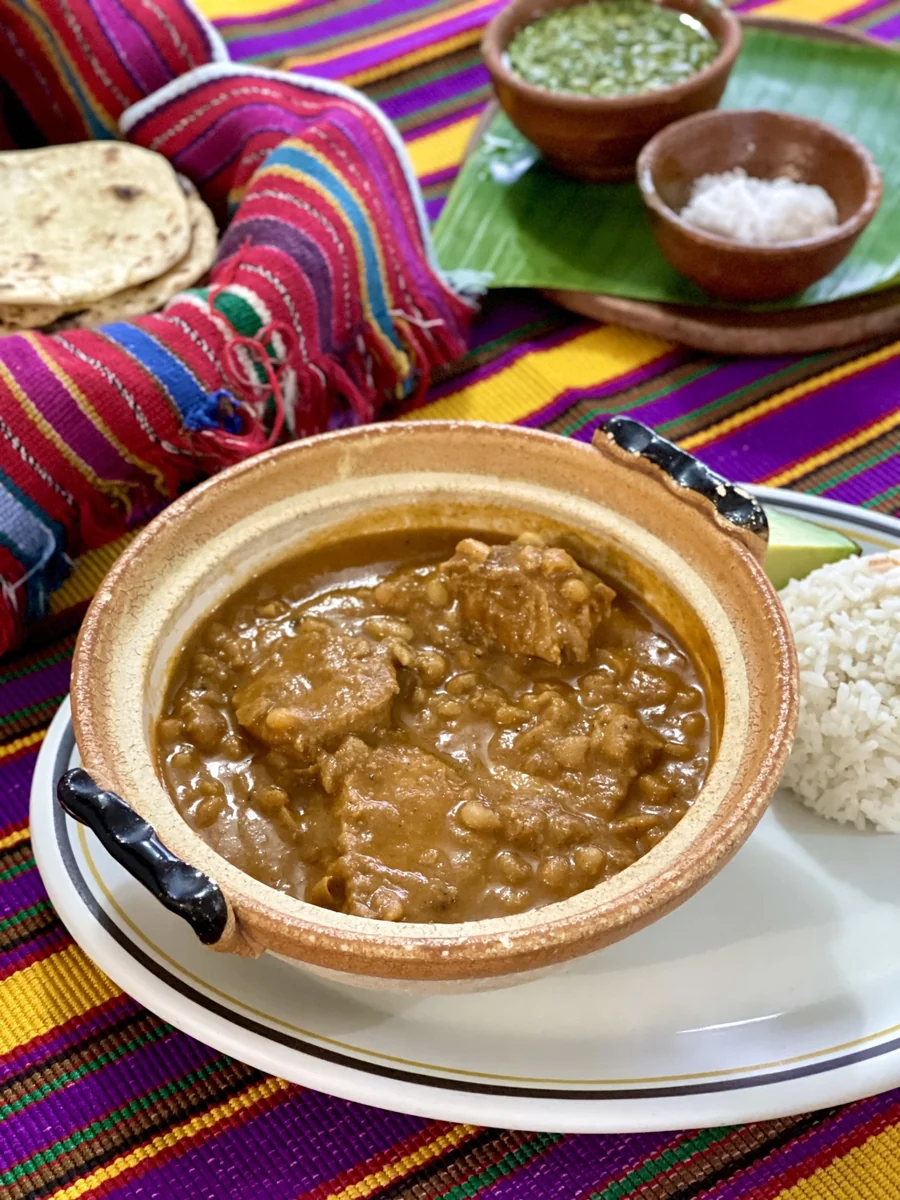
White beans simmered with pork spine (espinazo) for hours in one pot — traditional cooking that fills the family kitchen with the smell of slow pork and bay leaves all afternoon. The bone gives the broth weight; the beans soak it up. Frijoles blancos con espinazo is a dish made at family gatherings, not in restaurants, that brings out an enduring part of Guatemala’s culinary culture.
Pinol de Gallina
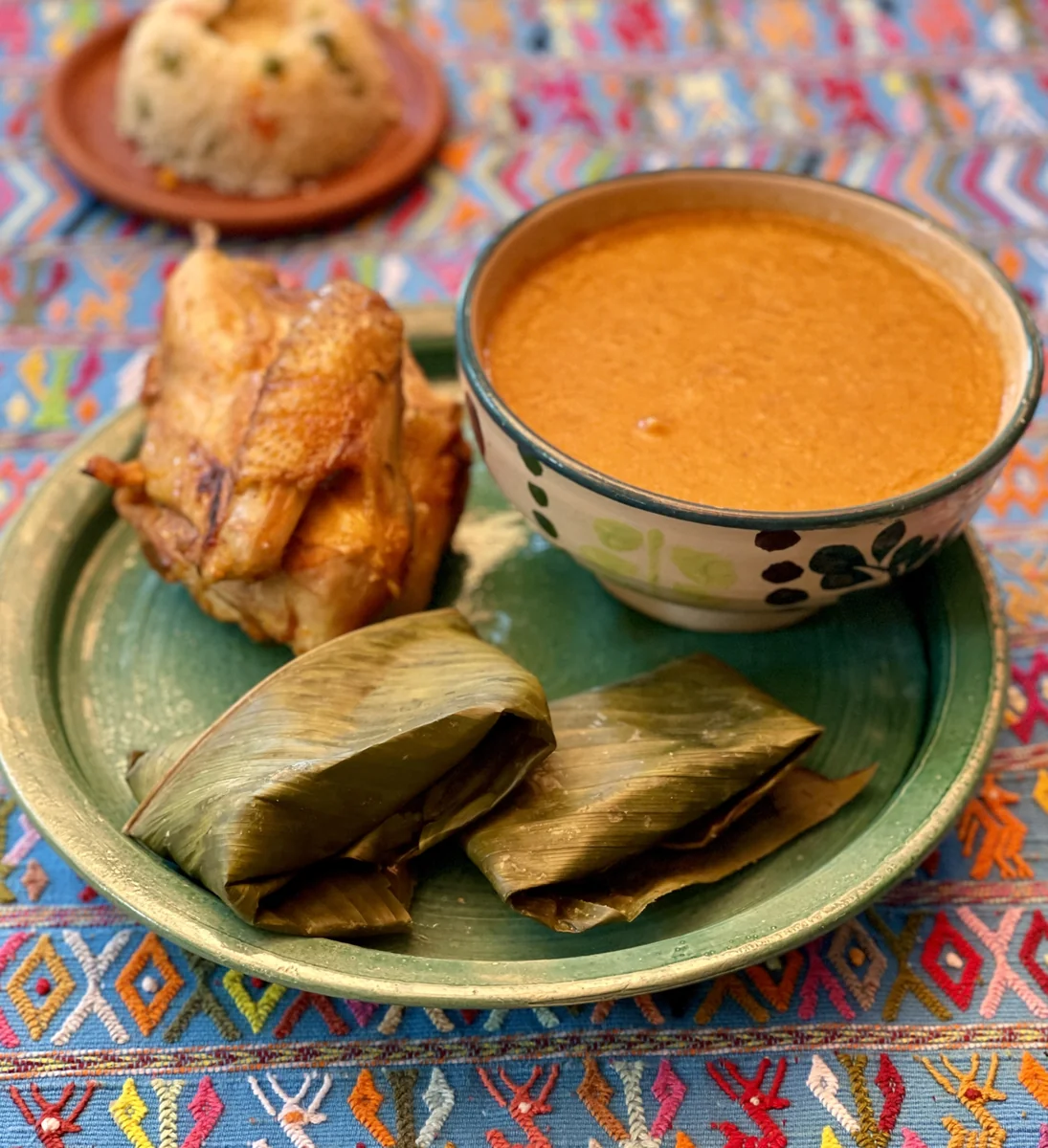
Pinol de gallina is a traditional dish from Guatemala’s central highlands, made with hen and toasted masa, which thickens the broth and gives it such a distinctive flavor. It’s an old, homemade, deeply Guatemalan recipe, the kind you make slowly for family gatherings, celebrations, or days when you miss the flavors of home.
Mondongo (Panza En Tiras) In Tomato Sauce
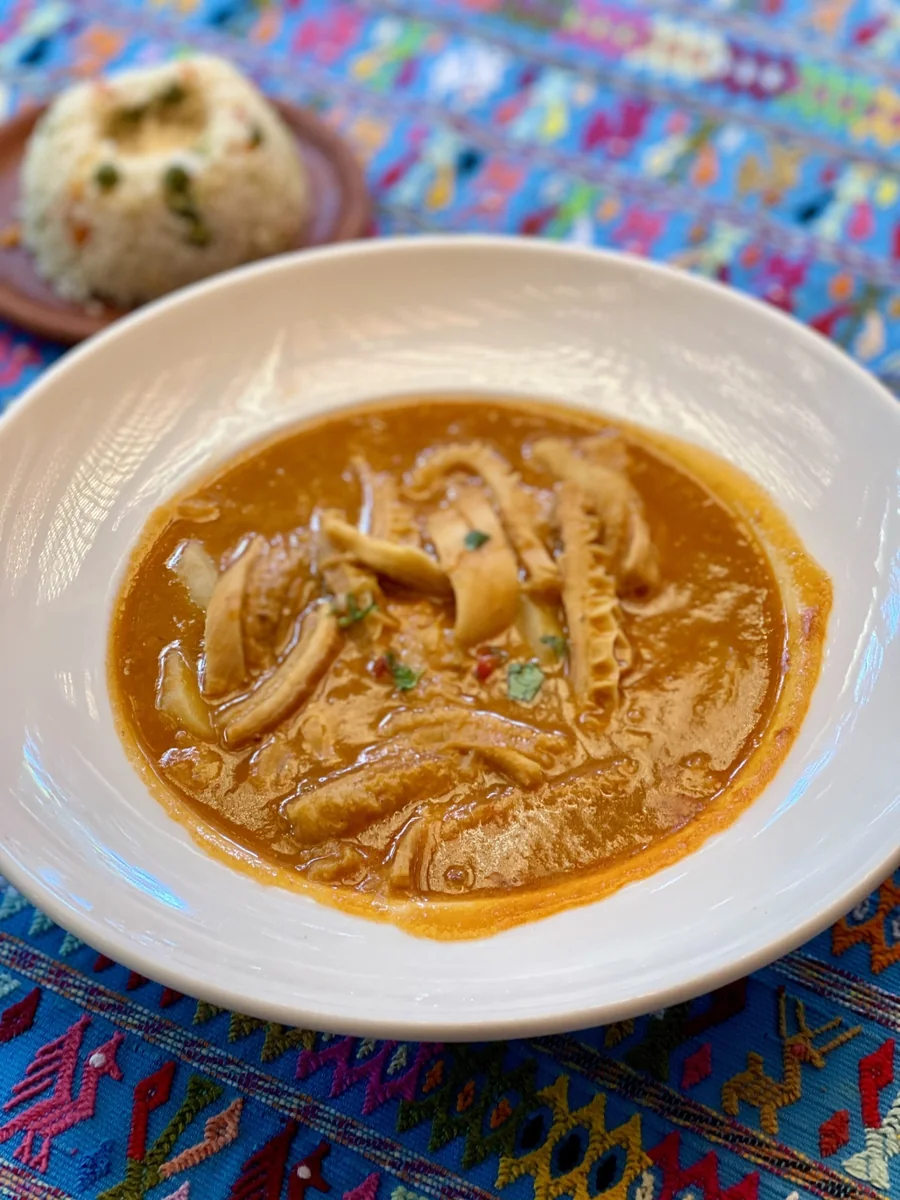
Guatemalan Mondongo (tripe stew in tomato sauce) is a cherished dish in Guatemala, loved in both bustling cities and quiet towns. Called “tiras de panza,” this stew combines tripe’s unique flavor and texture with a rich sauce made from tomatoes, tomatillos, chiles, and spices, creating a hearty, warming meal.
Appetizers, Salads, and Snacks
Discover the vibrant and colorful flavors of Guatemalan cuisine with every bite! My handpicked collection of appetizers, salads, and snacks (including my favorite street food) will take your taste buds on a journey through Guatemala’s rich culinary traditions. Get ready to experience the perfect blend of textures and flavors in every dish! If you’ve never cooked Guatemalan food before, start here.
Fish Ceviche (or Seviche)
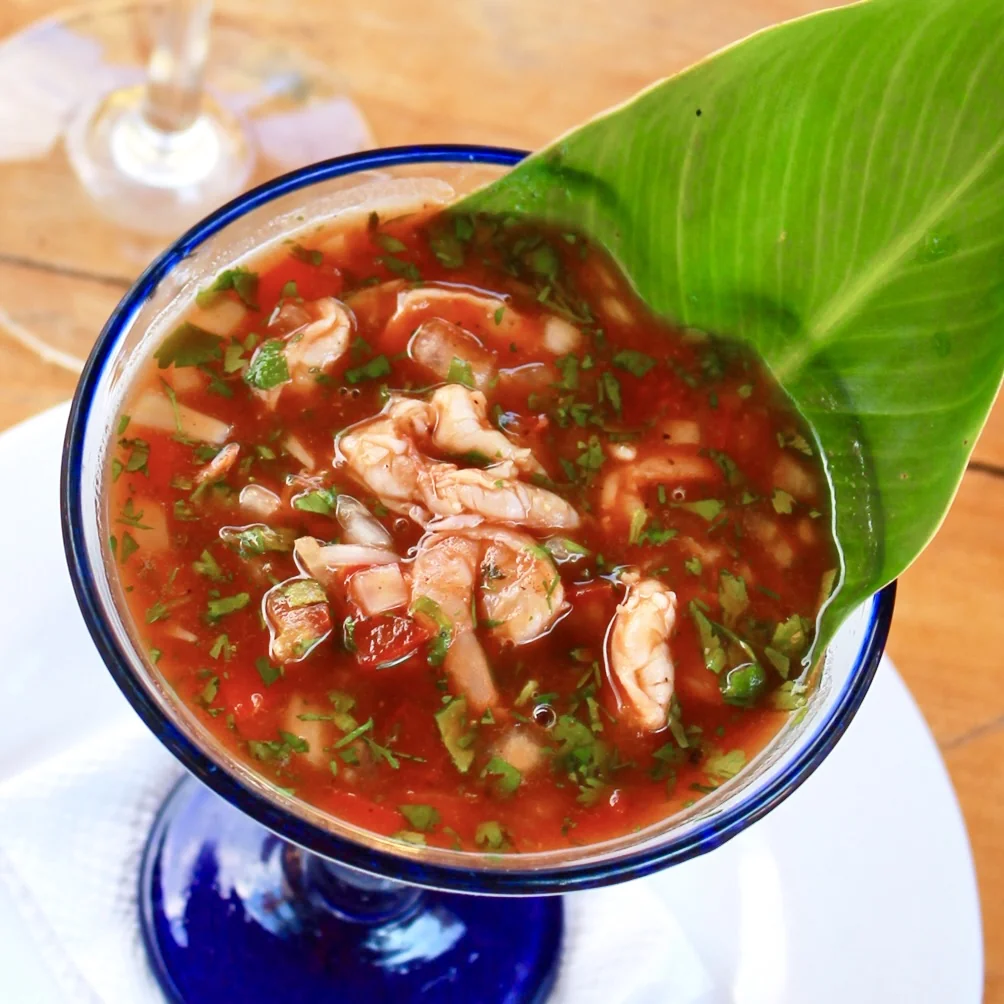
If you’re looking for a delicious and easy fish recipe, I recommend starting with ceviche. Marinated in lime juice and seasonings, this Guatemalan recipe requires no cooking. Ceviche is a seafood dish similar to a shrimp cocktail. Ketchup, a dash of Worcestershire sauce, and fresh veggies create a tasty appetizer, perfect for a hot day.
Guatemalan Enchiladas (Jardineras)
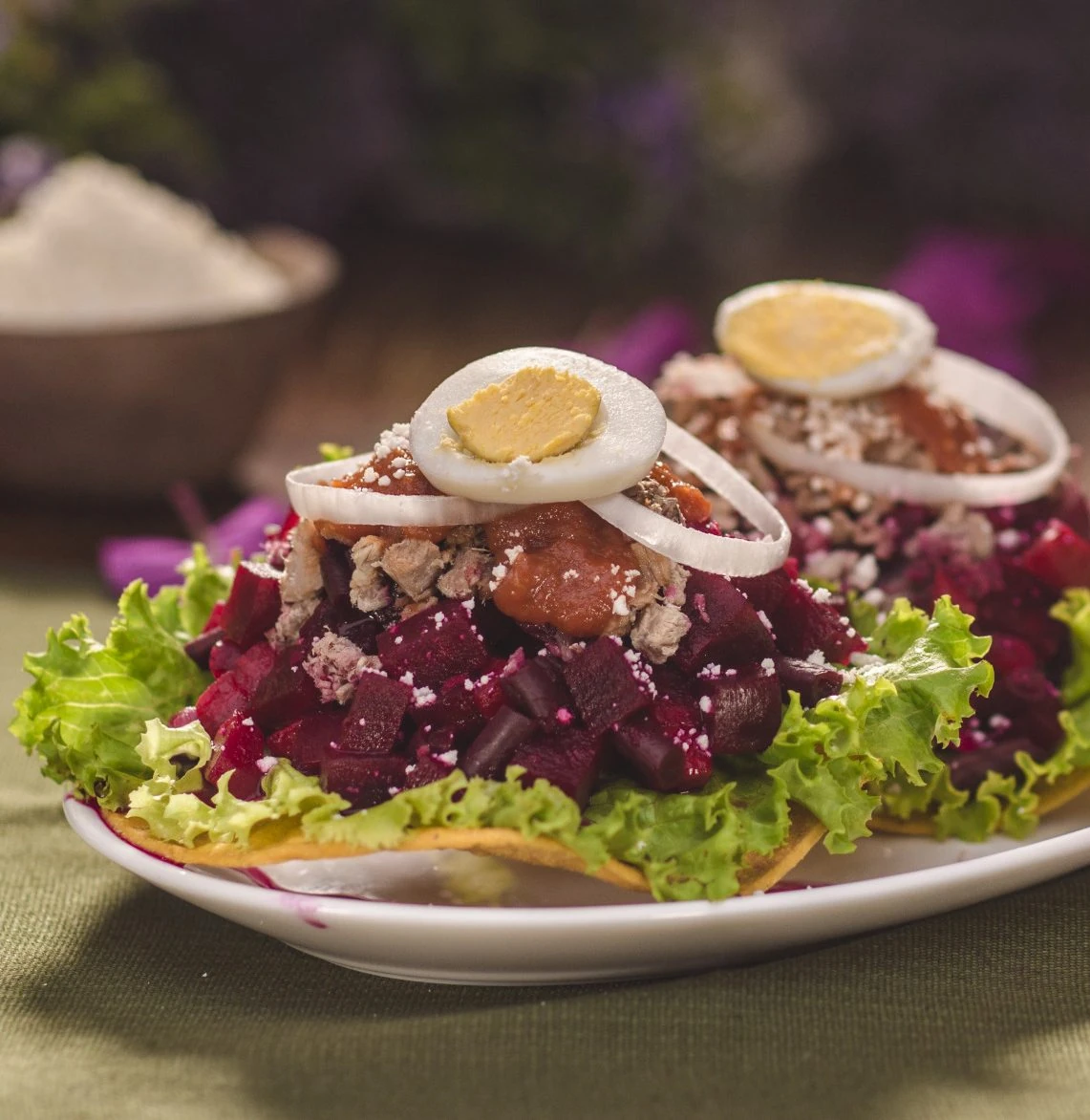
Nothing like the rolled Mexican version, Guatemalan enchiladas are flat: a fried corn tortilla topped with beet-and-vegetable curtido, ground beef picadillo, a slice of hard-boiled egg, and crumbled queso fresco. Bright pink from the beet curtido, built like a tostada, eaten like a snack. Standard street vendor food, and one of the easier dishes to make at home.
Chojín con Chicharrones
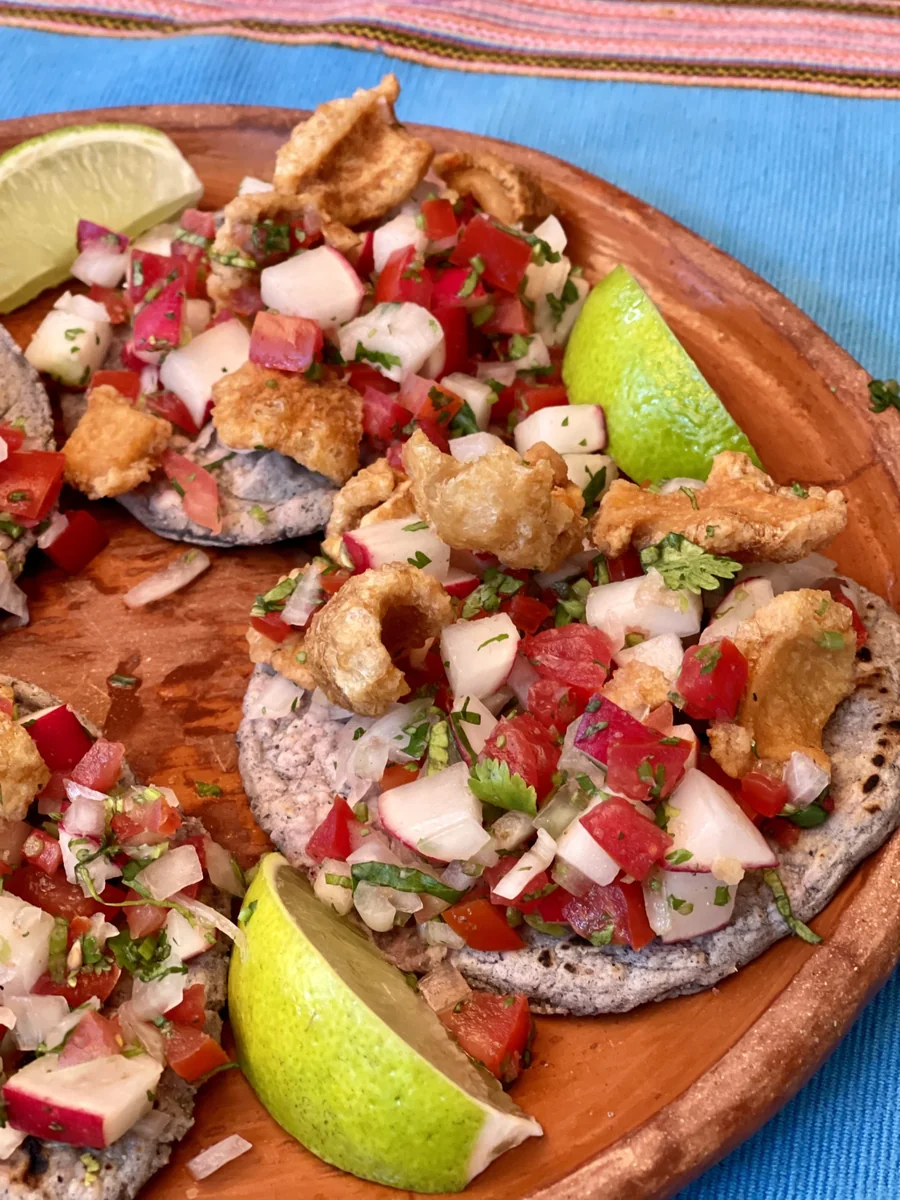
This easy recipe for Guatemalan chojin con chicharrones, a delicious radish salad, is so simple to prepare. Chojin is a traditional Guatemalan dish that combines the flavors of fresh radishes, tomatoes, and onions, resulting in a delightful and refreshing salad. This easy-to-make Guatemalan recipe is perfect for enjoying on a warm summer day.
Tostadas Guatemaltecas
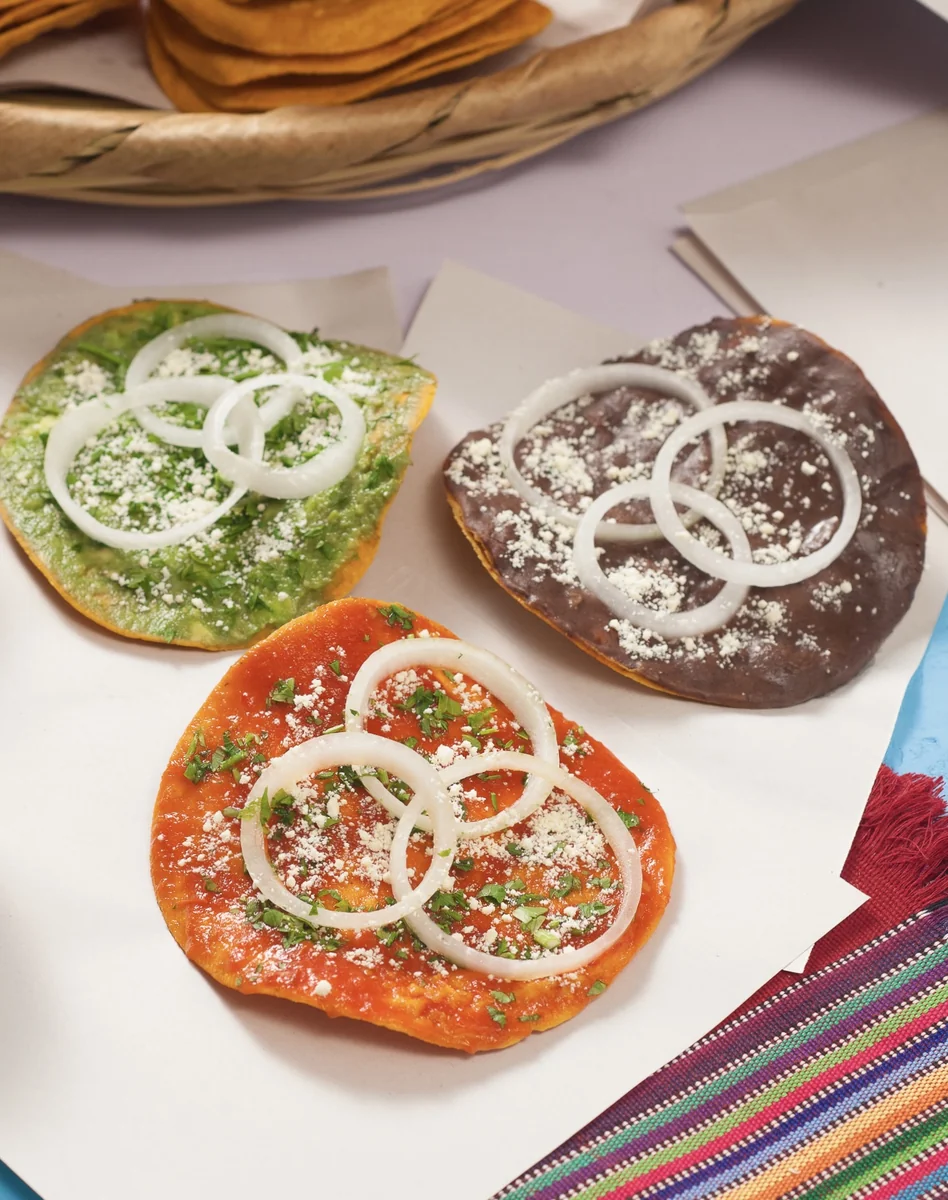
Deep-fried or oven-toasted corn tortillas, served with three classic toppings: recado salsa, refried black beans, or guacamole, finished with crumbled queso fresco and raw onion. Sold by street vendors and at state fairs all over Guatemala, tostadas are better at a sidewalk cart than in any restaurant. The secret at home is the tortilla — fried fresh until rigid, not store-bought shells. The perfect finger food!
Salpicon de Res
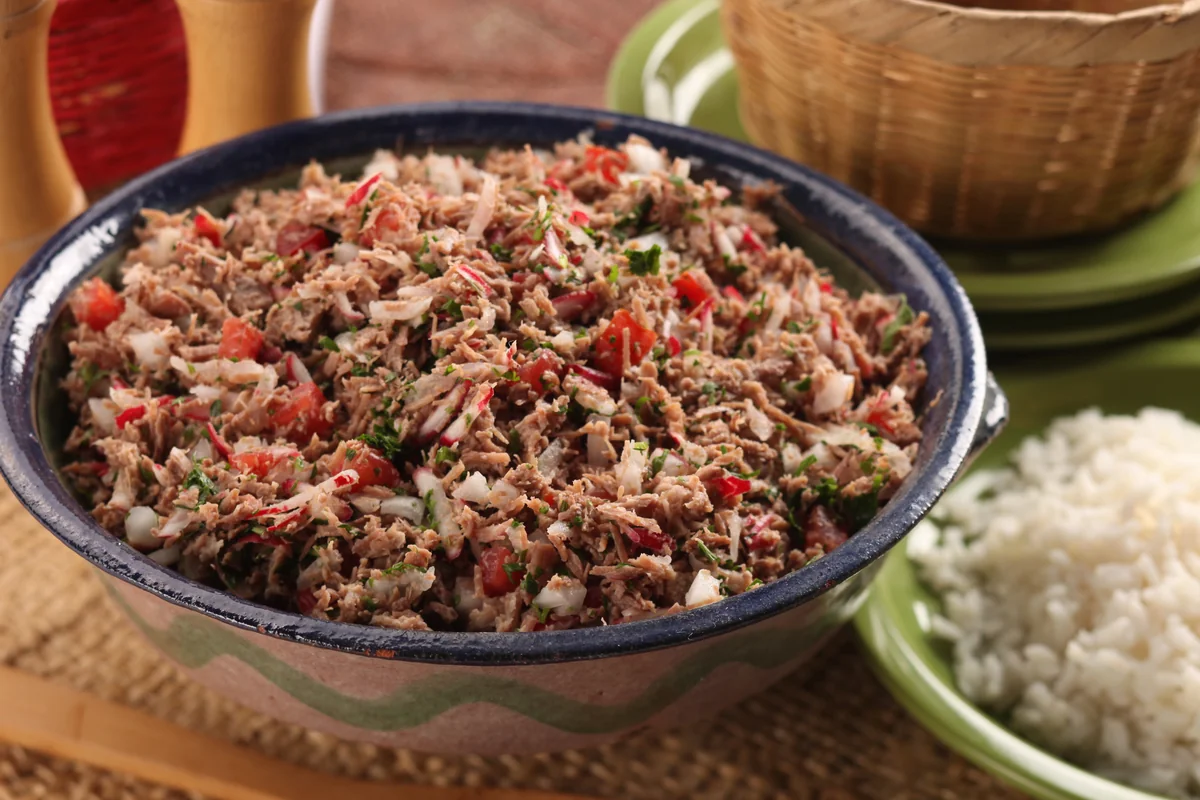
A shredded-beef salad loaded with citrus, mint, radishes, and a sharp lime marinade, served over crispy tostadas as an appetizer or as a main with rice. Salpicón de res is one of the most-cooked recipes in my regular rotation, and the dish I’d recommend after chuchitos for anyone learning Guatemalan cooking — forgiving, fast, and the leftovers are better the next day.
Main Dishes
Get ready to embark on a mouthwatering journey through the heart of Guatemalan cuisine! Along with the stews, these are the plates that anchor a Guatemalan table — special-occasion mains, holiday dishes, and the home cooking that doesn’t fit neatly into soup or tamal. From the iconic tamales wrapped in banana leaves to the spicy chiles rellenos stuffed with meat and cheese, my list will transport you to Guatemala’s bustling markets and vibrant kitchens.
Guatemalan Chilaquilas
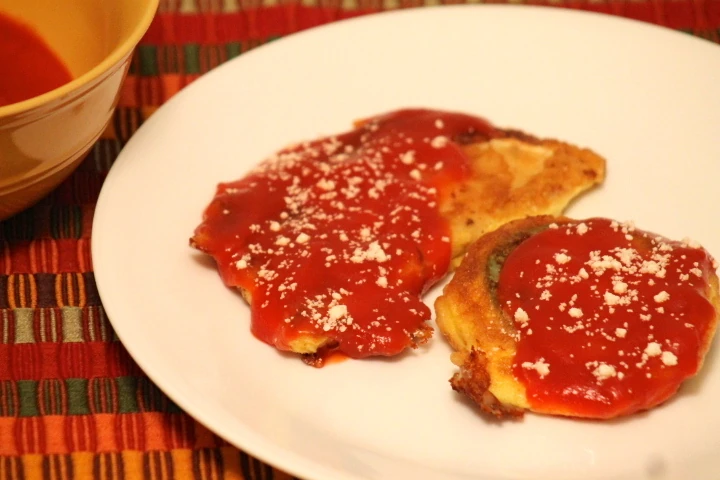
Chilaquilas are like a tortilla or güisquil (pear squash) grilled cheese. This Guatemalan staple dish is simply a corn tortilla filled with queso fresco. Then, soak it in battered eggs, fry, and serve with a recado sauce. They are perfect as a snack or as a light main course for kids!
Piloyada Antigüeña
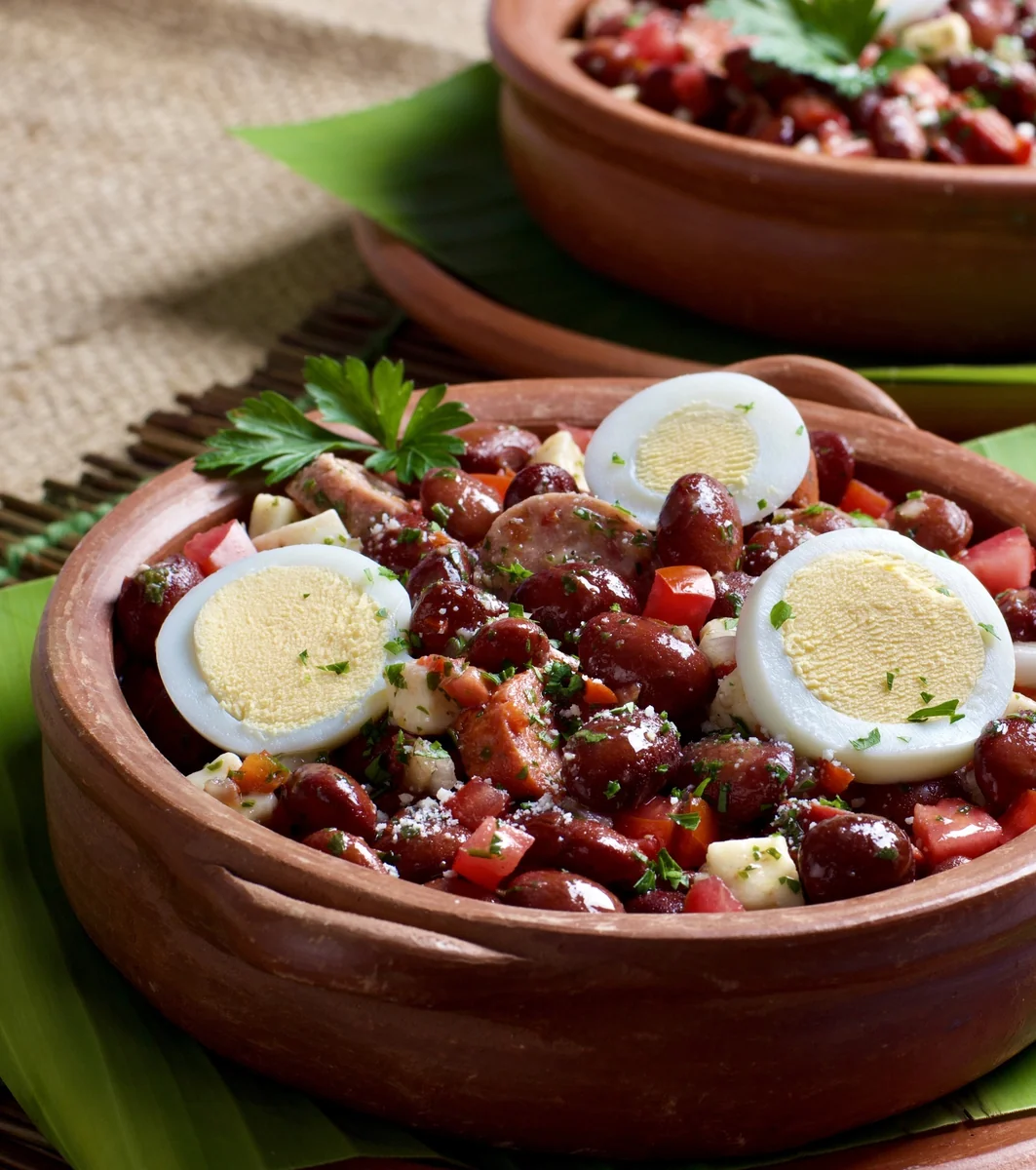
Piloyada Antigüeña is a traditional pork-and-beans dish from Antigua Guatemala. It combines piloy beans (a variety similar to kidney or pinto beans) with chorizo, pork, vegetables, and a homemade dressing. This meal is a favorite for its nutritious and delicious flavors, highlighting how simple ingredients can come together to create a special dish that’s a key part of Guatemalan tradition.
Gallina En Pepián Dulce
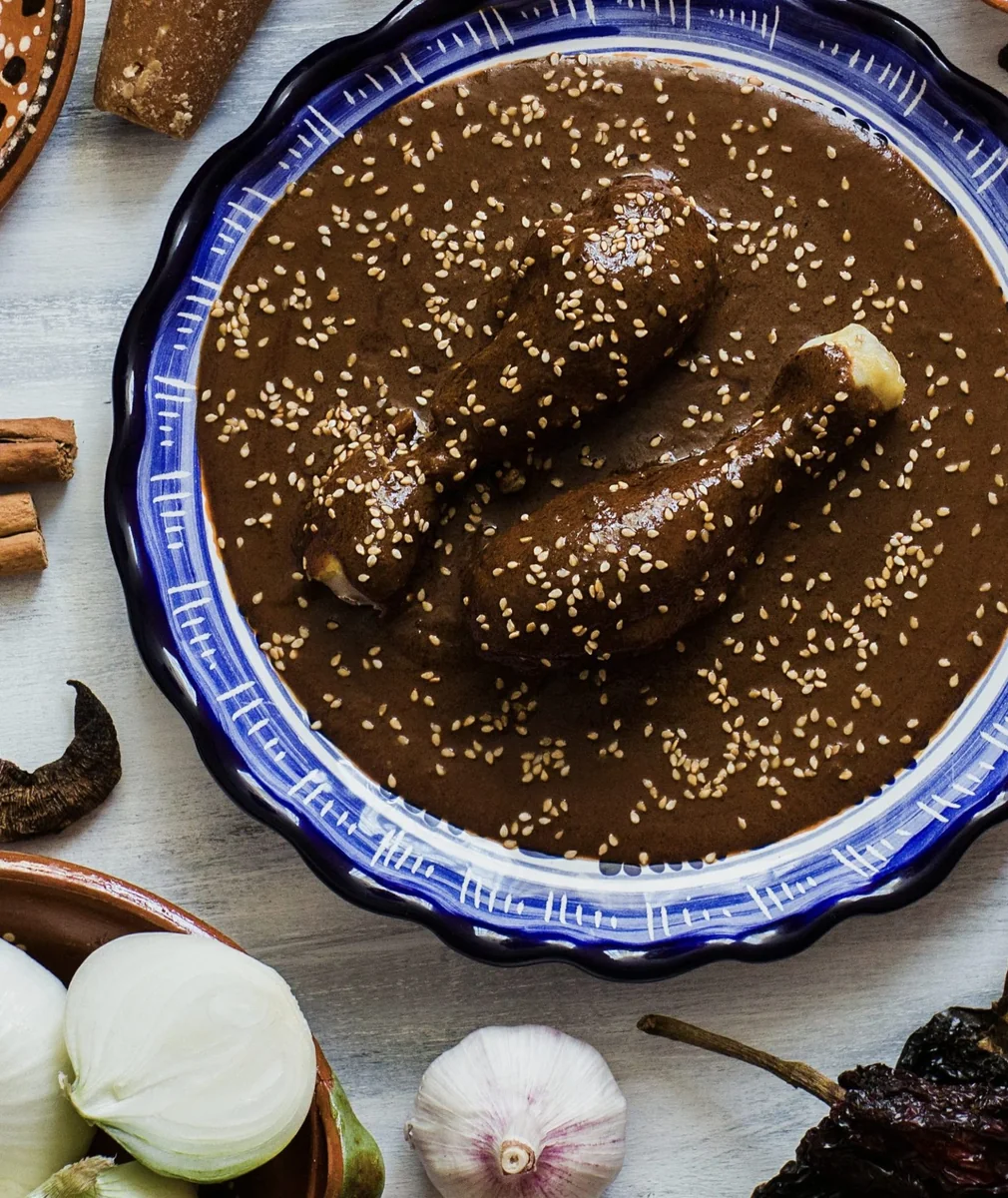
Hen in sweet Pepian sauce is a delicious and traditional dish from Guatemala that combines tender chicken with a flavorful and aromatic sauce made from roasted sesame seeds, pumpkin seeds, and chili peppers. Complete with a delicious chocolate sauce, this dish is the perfect balance of sweet and savory.
Chiles Rellenos
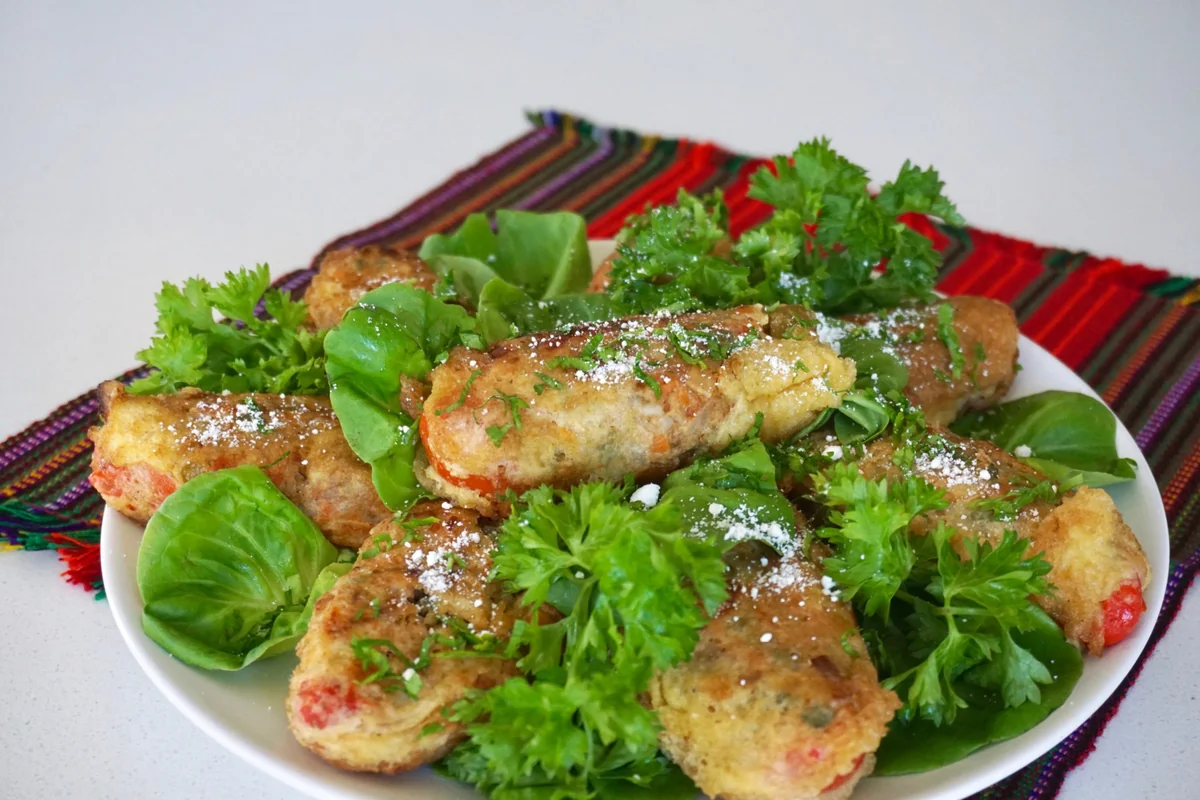
A sure crowd-pleaser! Roasted sweet peppers stuffed with beef-and-vegetable picadillo, dipped in beaten egg whites, pan-fried, and topped with homemade recado sauce. Most Guatemalans eat chiles rellenos inside a tortilla or pan francés (sort of like a Mexican torta)—ending the need for cutlery. Heavenly!
Shucos
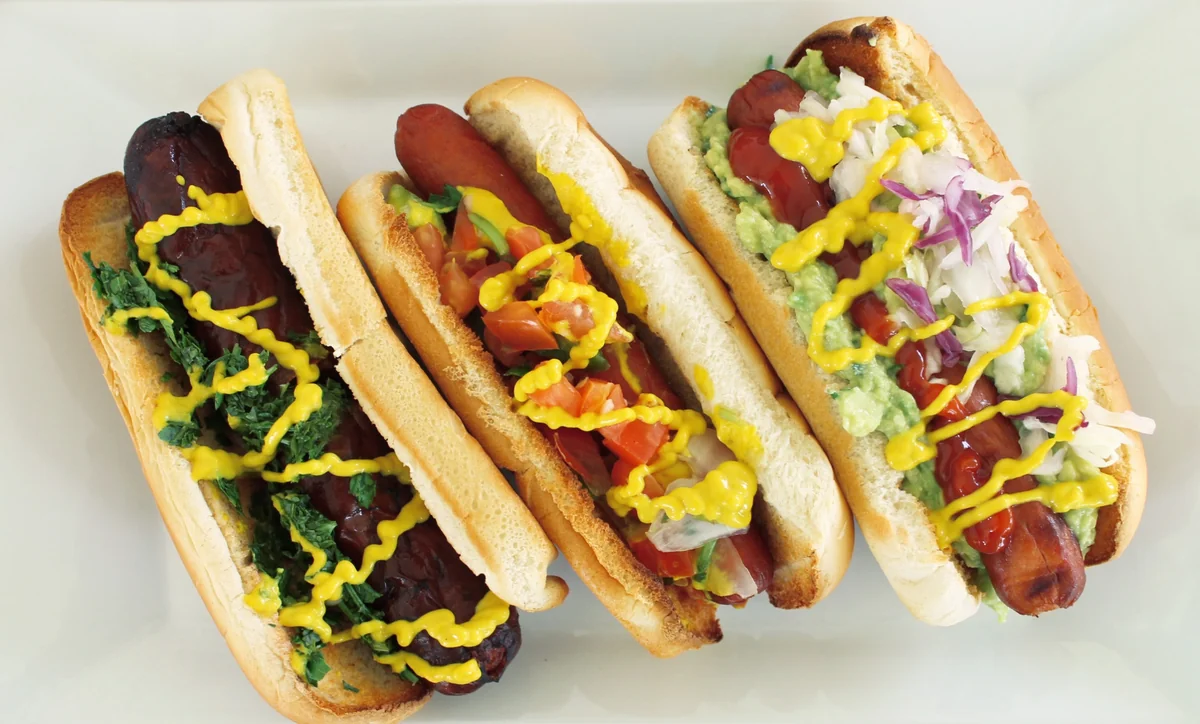
Shuco is a popular Guatemalan street food sold on carts and at fairs. It is a Guatemalan-inspired hot dog with delicious toppings. A grilled sausage in a French roll with guacamole, repollo (sauerkraut-style cabbage), and an assortment of meats (chorizo and longaniza sausages among the most common). Top it with chimichurri, hot sauce, or anything you like! And if you ever visit Guatemala, look for a Shuco cart on any street corner and try one!
Guatemalan Tamales: From Savory to Sweet
Tamales are in a category of their own in Guatemala: main dish, holiday centerpiece, street breakfast, and comfort food, depending on which one you’re eating. Some are rich and savory, wrapped in banana leaves with recado and meat tucked inside. Others are smaller, sweeter, or simple enough to eat with coffee.
As chapines, we know exactly which tamal belongs to which moment, from Christmas Eve dinner to family celebrations, weekend markets, and the foods we crave most when we’re far from home.
Guatemalan Tamales Colorados
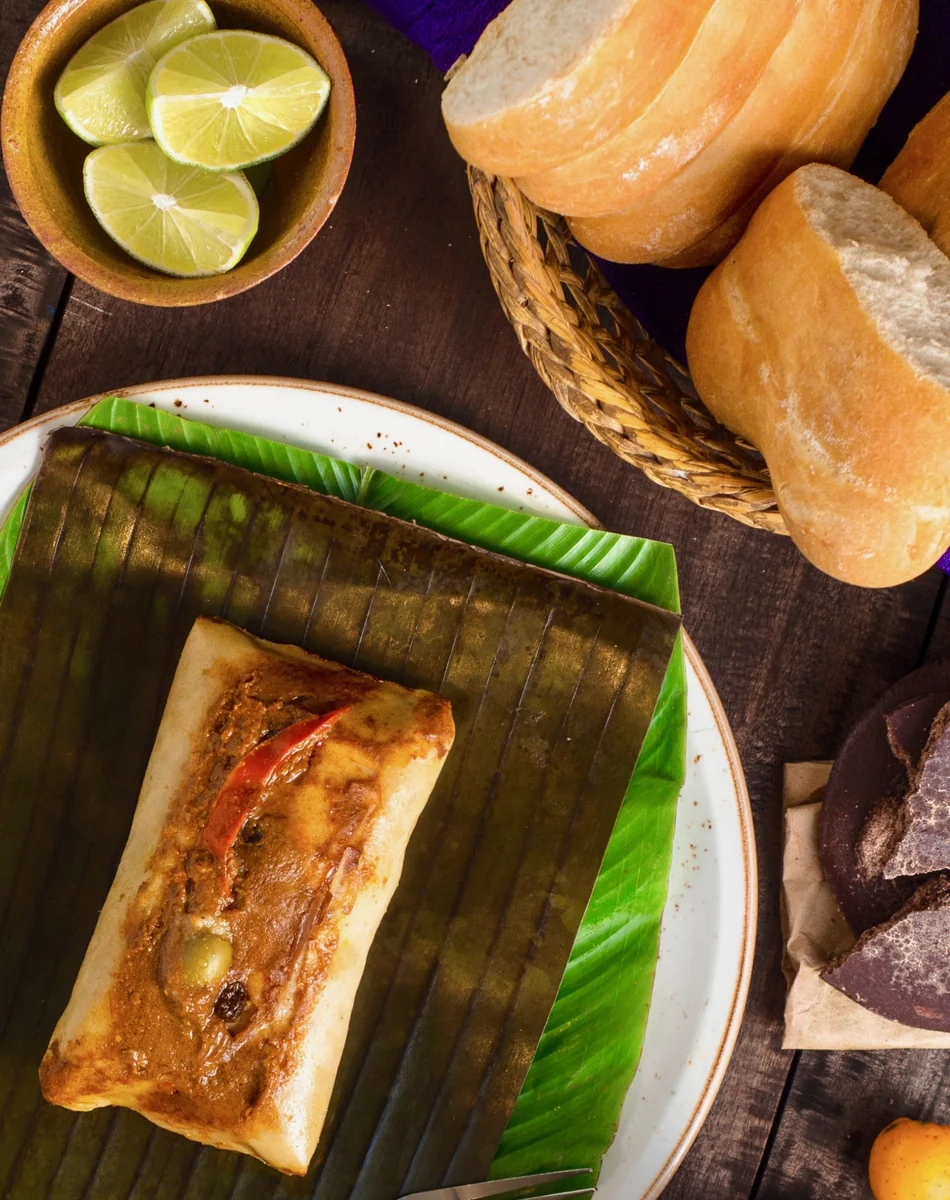
Tamales colorados (red tamale) are considered by many to be Guatemala’s national dish. The authentic tamal colorado is a savory tamale made of corn dough and meat. Then wrap them in large banana leaves and steam them to perfection! Served at midnight on December 24th, on September 15th for Independence Day, and at every major celebration. Bigger and softer than Mexican tamales, wrapped in banana leaves instead of corn husks, which gives them their unique fragrance.
Guatemalan Tamales Negros
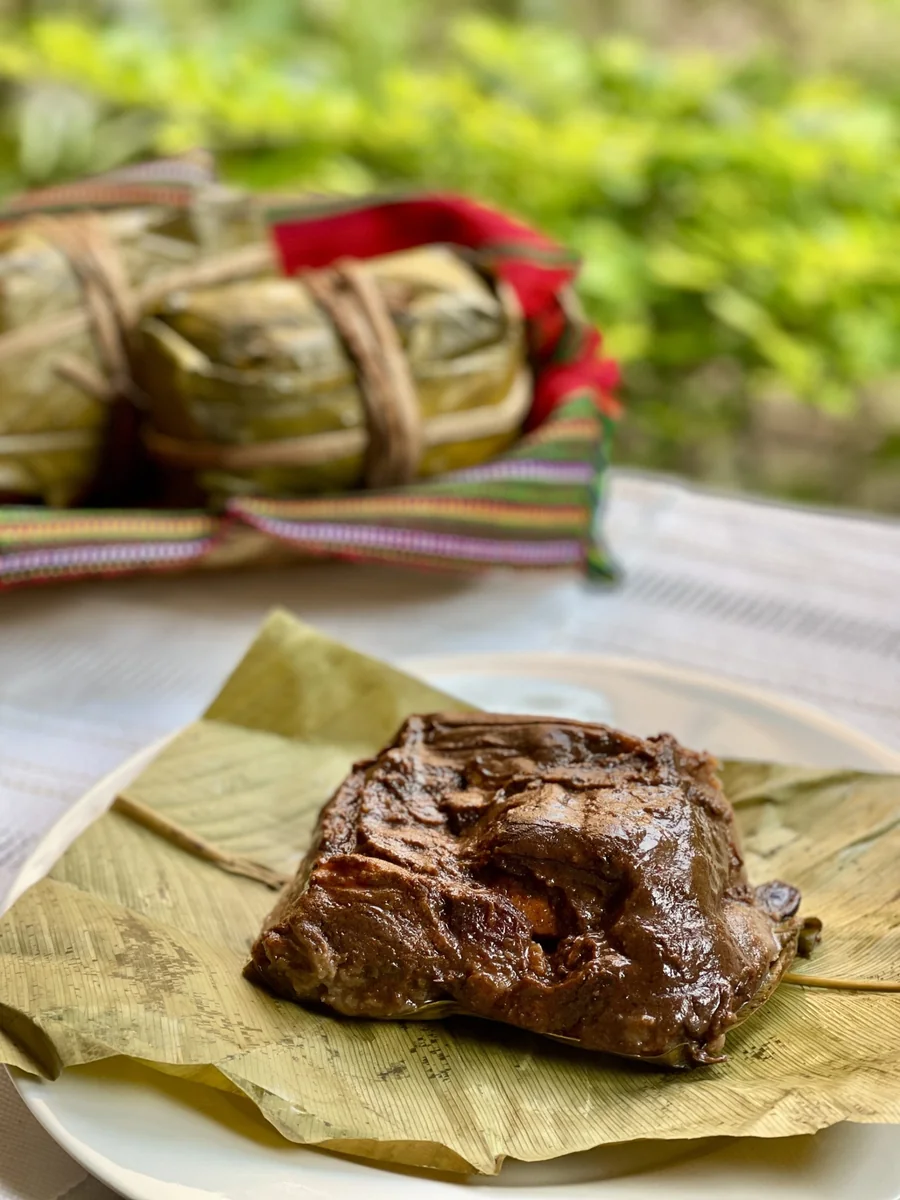
Slightly sweet and deeply fragrant, tamales negros are made with recado negro, a dark sauce flavored with chocolate, prunes, raisins, toasted chiles, and warm spices. They’re one of the tamales Guatemalan families wait for during the holidays, especially on Noche Buena (Christmas Eve), when they often share the table with tamales colorados. They also show up for Las Posadas, Año Nuevo (New Year), and other special celebrations.
Paches, Guatemala’s Potato Tamales
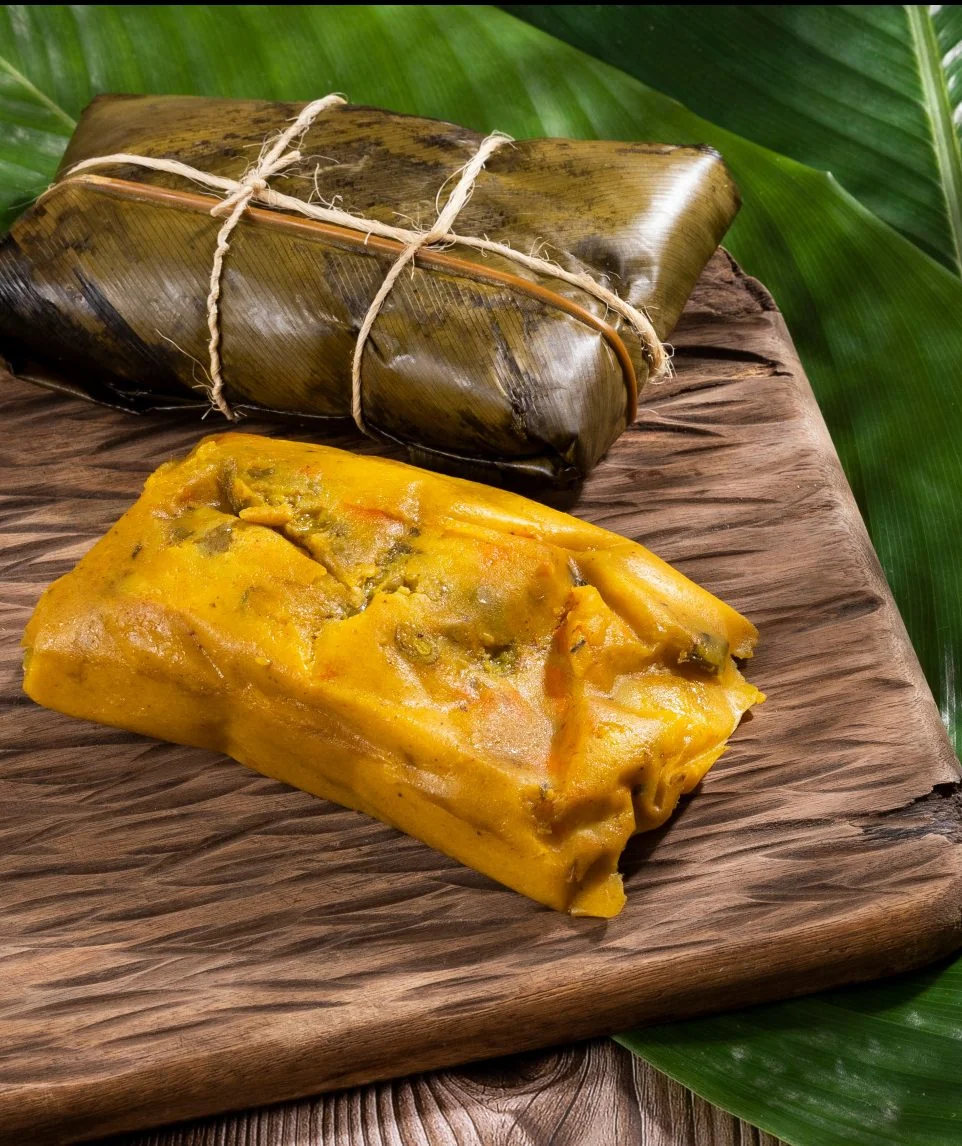
Paches are a special sort of potato-based tamales — mashed potatoes thickened with breadcrumbs, stuffed with meat and recado, wrapped in banana leaves, steamed. Denser than masa tamales, almost a savory potato cake, and somehow lighter. If you visit Guatemala, you will hear about the famous Jueves de Paches (Pache Thursdays). It is a popular tradition, our tamale version of “Taco Tuesdays.” But of course, once you try these delicious tamales, you’ll probably end up craving them on Saturdays and Sundays, too!
Chuchitos
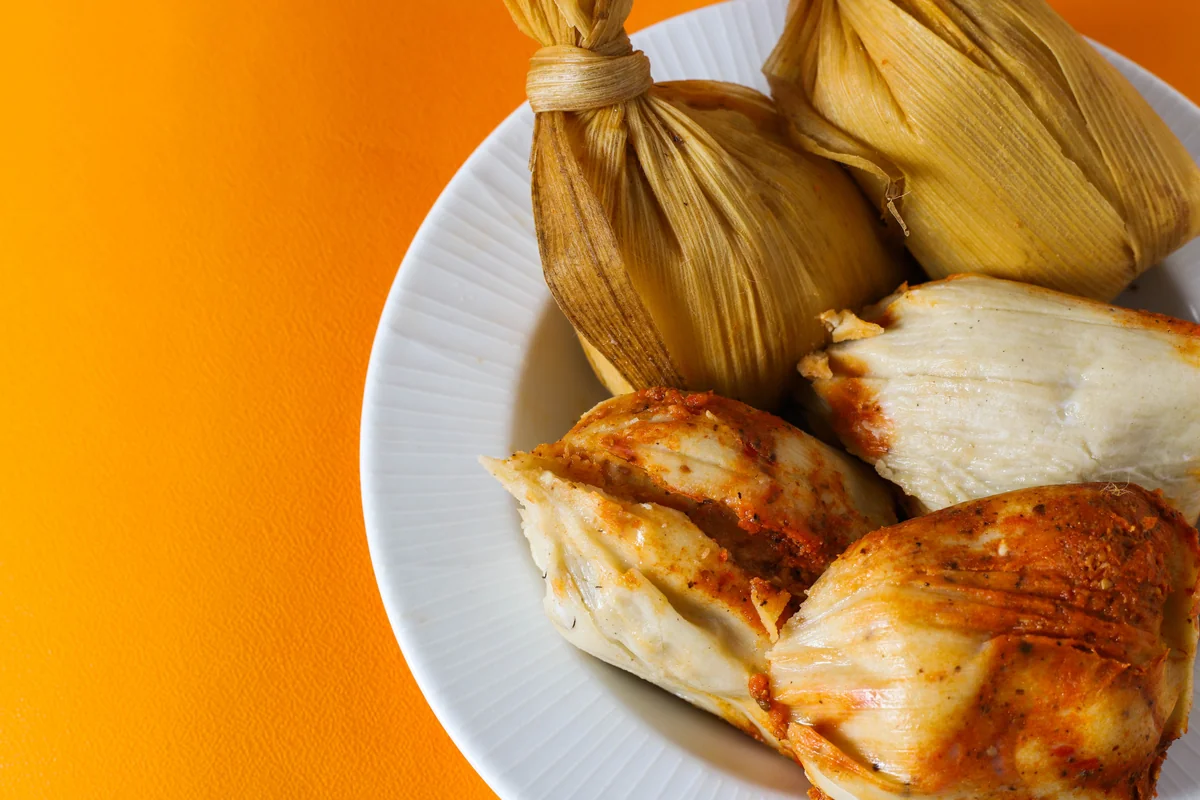
Along with the legendary tamales colorado, chuchitos are among the most famous Guatemalan tamales. Small tamales wrapped in corn husks, filled with pork or chicken and a tomato-based recado. Served with refried black beans and pan francés — the standard street-cart breakfast or quick lunch. The easiest Guatemalan tamal to make at home, and the recipe most Guatemalan moms hand down first. If you’ve never made a tamal, start here!
Tamalitos de Chipilin
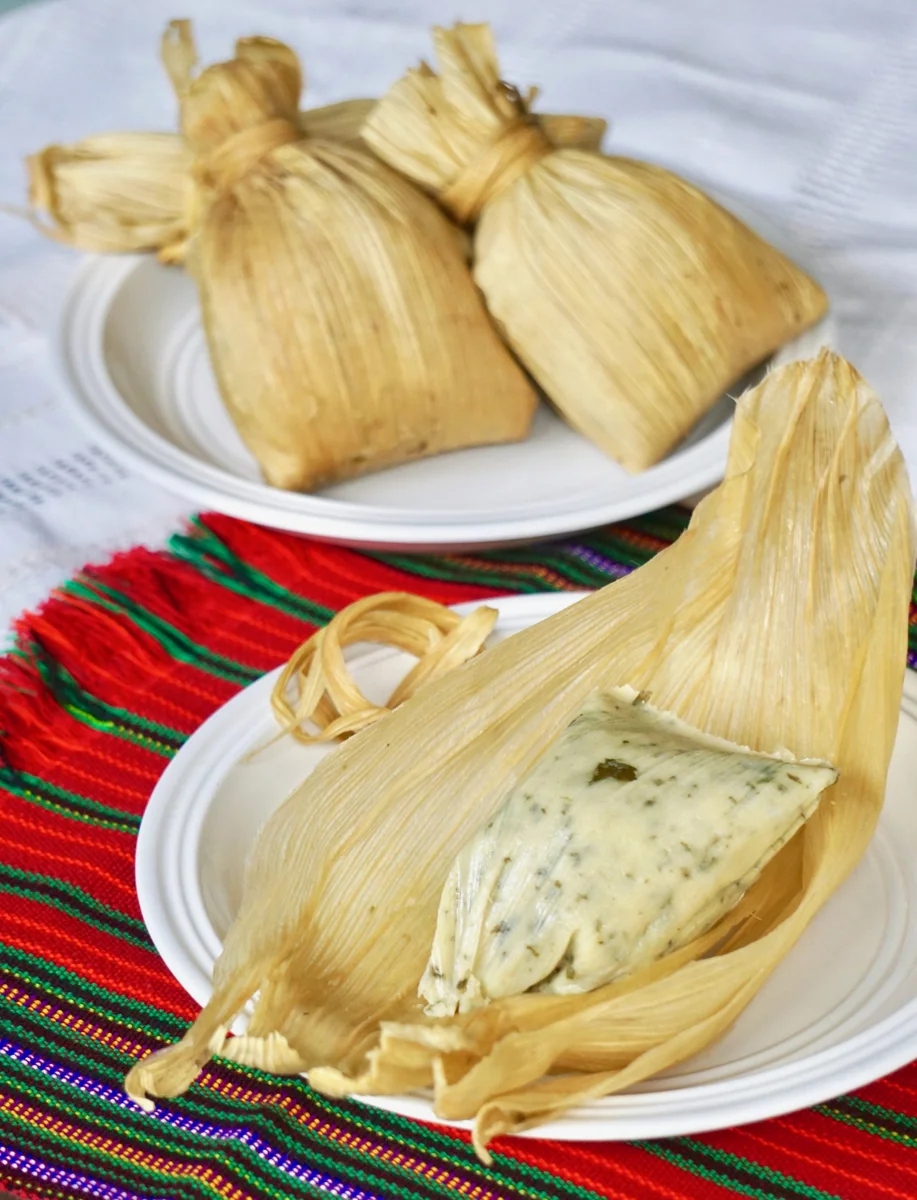
Simple yet delicious, these tamales de chipilin are a traditional Guatemalan food you must try! Small masa tamales, built around chipilín (a mild, earthy Mesoamerican legume leaf), wrapped in corn husks and steamed, served with recado and Mexican crema. Chipilín is hard to find in the US; spinach and watercress are the closest substitutes. One of the most distinctly Guatemalan dishes here, and one of the hardest to recreate authentically abroad.
Tamal de Elote
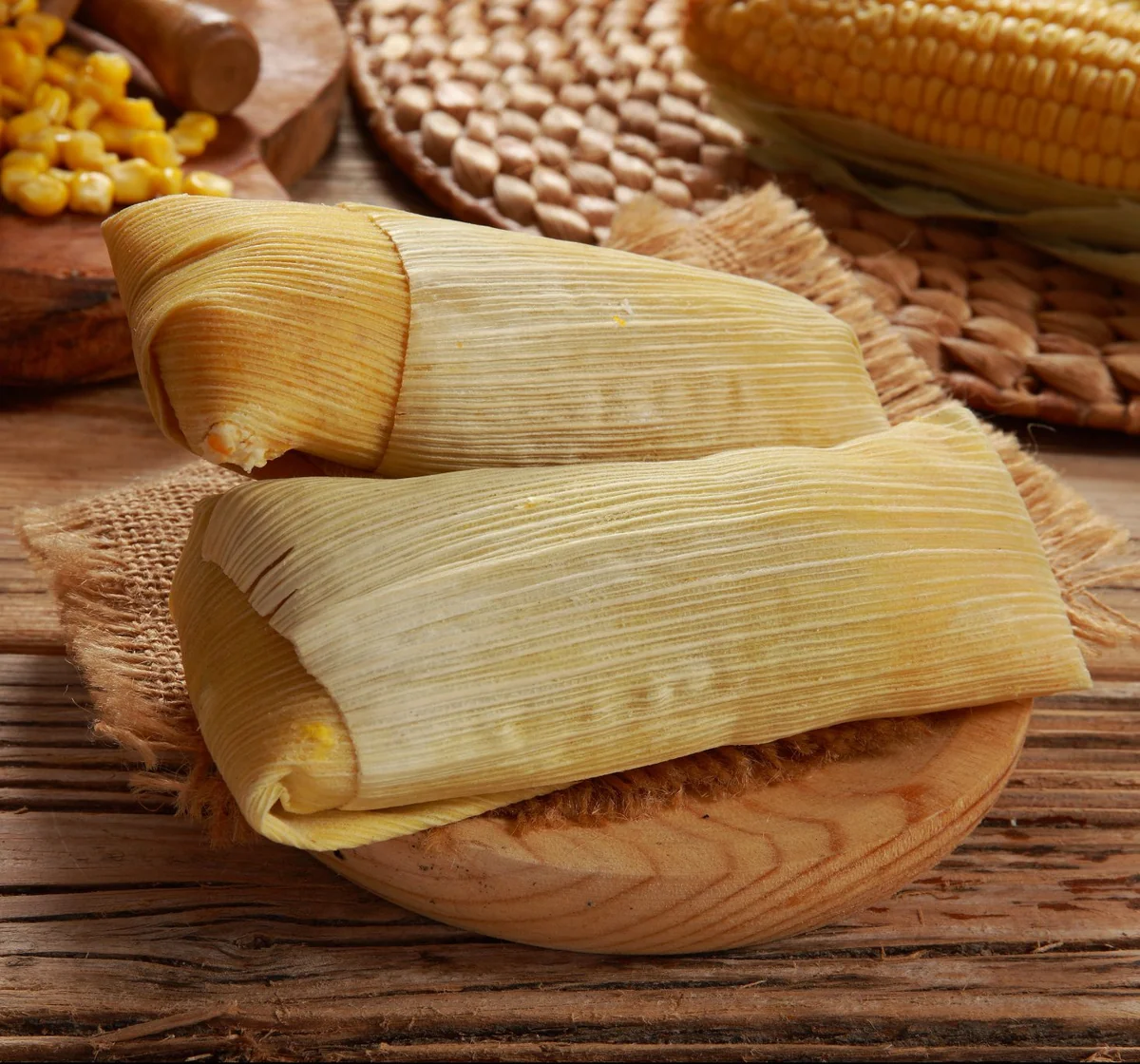
A delicious sweet corn tamal perfect as a dessert or treat any time! Soft, sweet, and fluffy, these meatless tamales de elote have fresh corn kernels instead of corn flour. Brown sugar, cinnamon, and vanilla give it a sweetness, setting it apart from other tamales. The rich taste will have your kids asking for seconds!
Tamalitos de Cambray
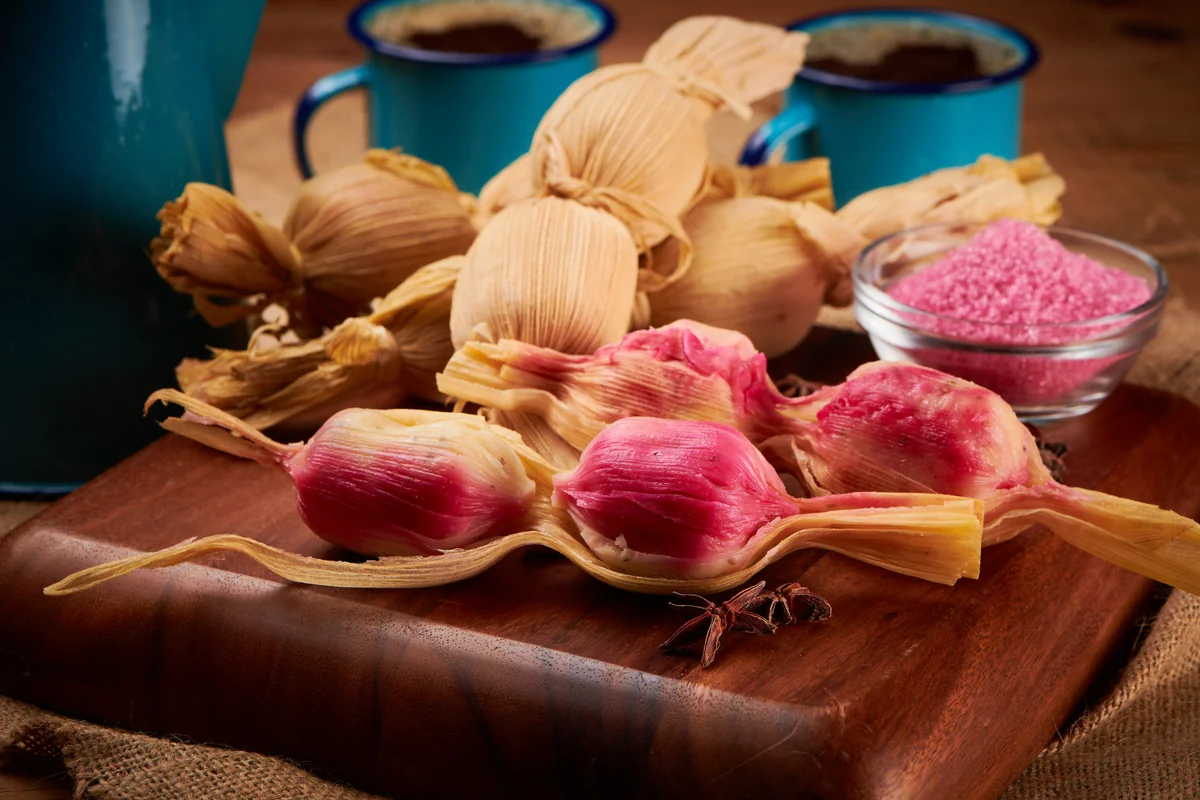
This delicious Guatemalan tamal is a meatless variation of classic tamales with a unique taste and shape. Sweet pink masa tamales, dyed with achiote and dusted with raisins and almonds, steamed in corn husks. A meatless dish — dessert disguised as a tamal — that differs from others by its red coloring and distinctive sweet taste. Families usually prepare tamales de cambray solely for special occasions.
Ready to Taste Guatemala?
Guatemala Is Best Experienced Through Its Food — Let Me Plan That for You
A tamale tastes completely different when you eat it at the market where it was made that morning. I’ve been navigating Guatemala’s food scene my whole life and I help travelers find the meals, the markets, and the cooks worth knowing.
If you are eager to learn to make pepián, tamales, and rellenitos with your own hands, this authentic Guatemalan cooking class in Antigua does exactly that — in a real home kitchen, not a hotel demonstration room.
Desserts and Sweets
Save room for dessert! Indulge in these traditional Guatemalan candies and desserts that will take you through a tantalizing culinary adventure. Most are seasonal and often are better on day two — which is why you make a batch on Tuesday for a holiday on Friday. From warm, comforting dough drizzled with syrup to irresistible sweets, and so much more, this list of the best Guatemalan desserts is guaranteed to put a smile on your face and satisfy your sweet cravings!
One more thing worth knowing before you visit: Guatemala is where chocolate was born. The bean-to-bar chocolate workshop at ChocoMuseo in Antigua takes you from raw cacao to finished bar in one hands-on session — a completely different way to understand the ingredient behind some of the desserts on our list.
Buñuelos
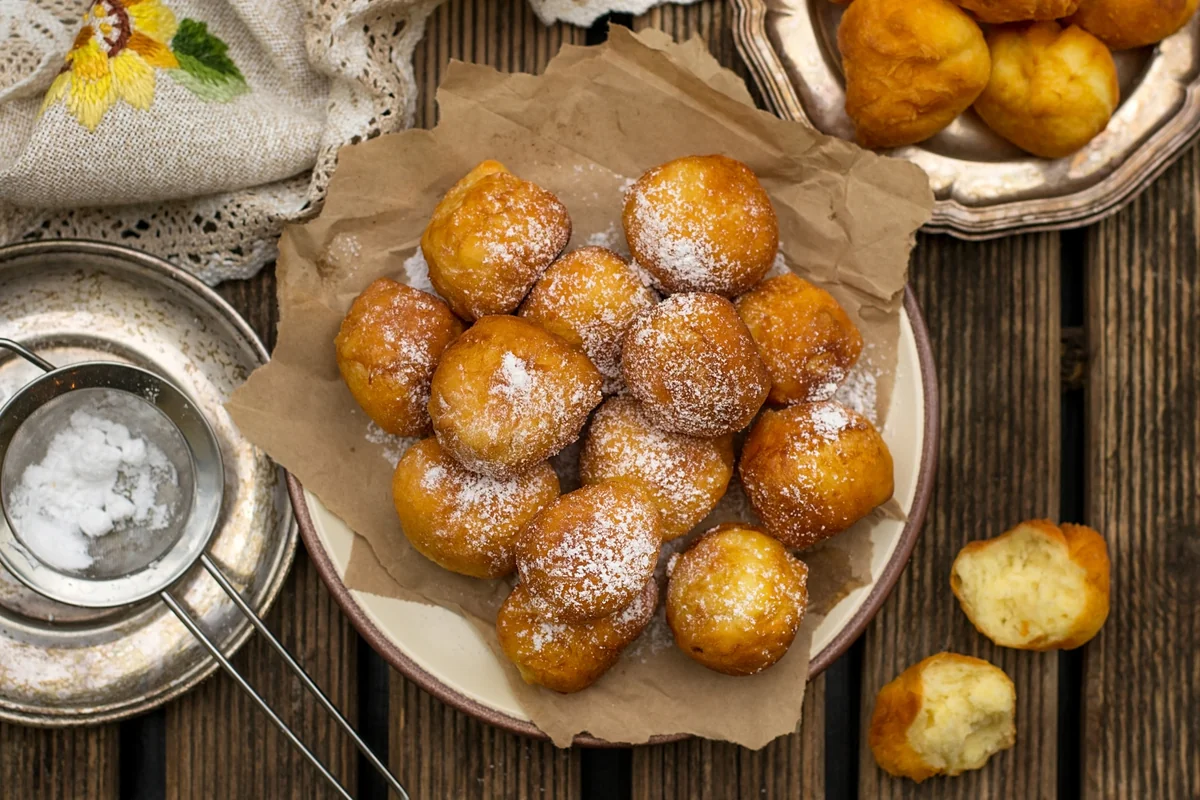
Buñuelos dulces are the quintessential Guatemalan comfort food. Anise-scented dough fritters (similar to doughnuts), fried golden and soaked in a rich syrup made from brown sugar and anise. The classic Christmas dessert, also served at baptisms and birthdays. Crisp outside, soft inside. Eat them warm with the syrup dripping at the bottom of the plate!
Rellenitos de Plátano
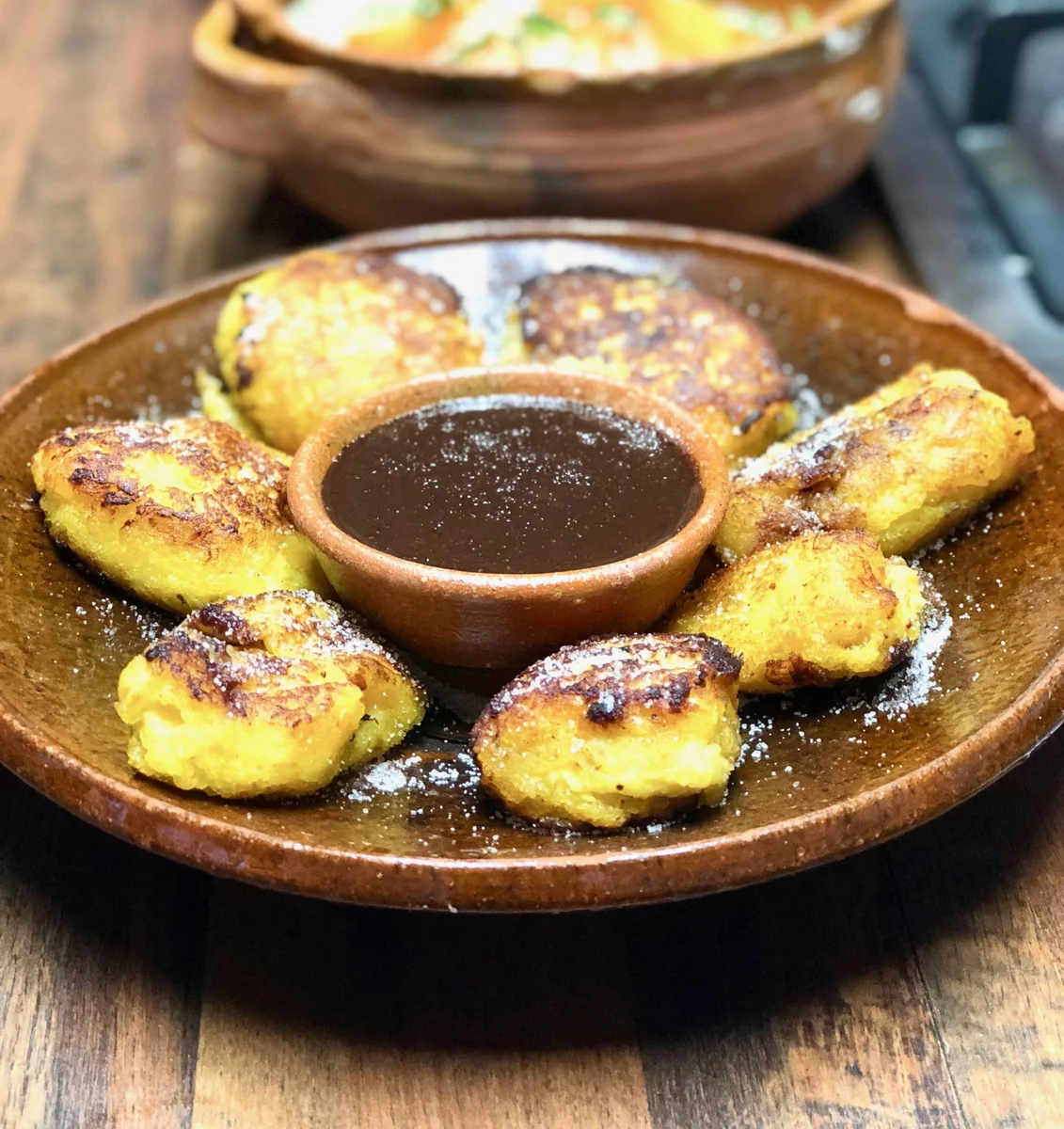
If you have never tried plantain rellenitos, it might sound like a strange combination. But one bite usually fixes that. Ripe plantains mashed with sugar and cinnamon, filled with a black bean paste, pan-fried until golden, and rolled in sugar. The result is sweet, soft in the middle, and a little crispy on the outside. Rellenitos de plátano are one of Guatemala’s most beloved sweet street foods, easy to eat with your fingers and even easier to love. They’re proof that we know exactly what we’re doing when we put beans in dessert.
Canillitas de Leche
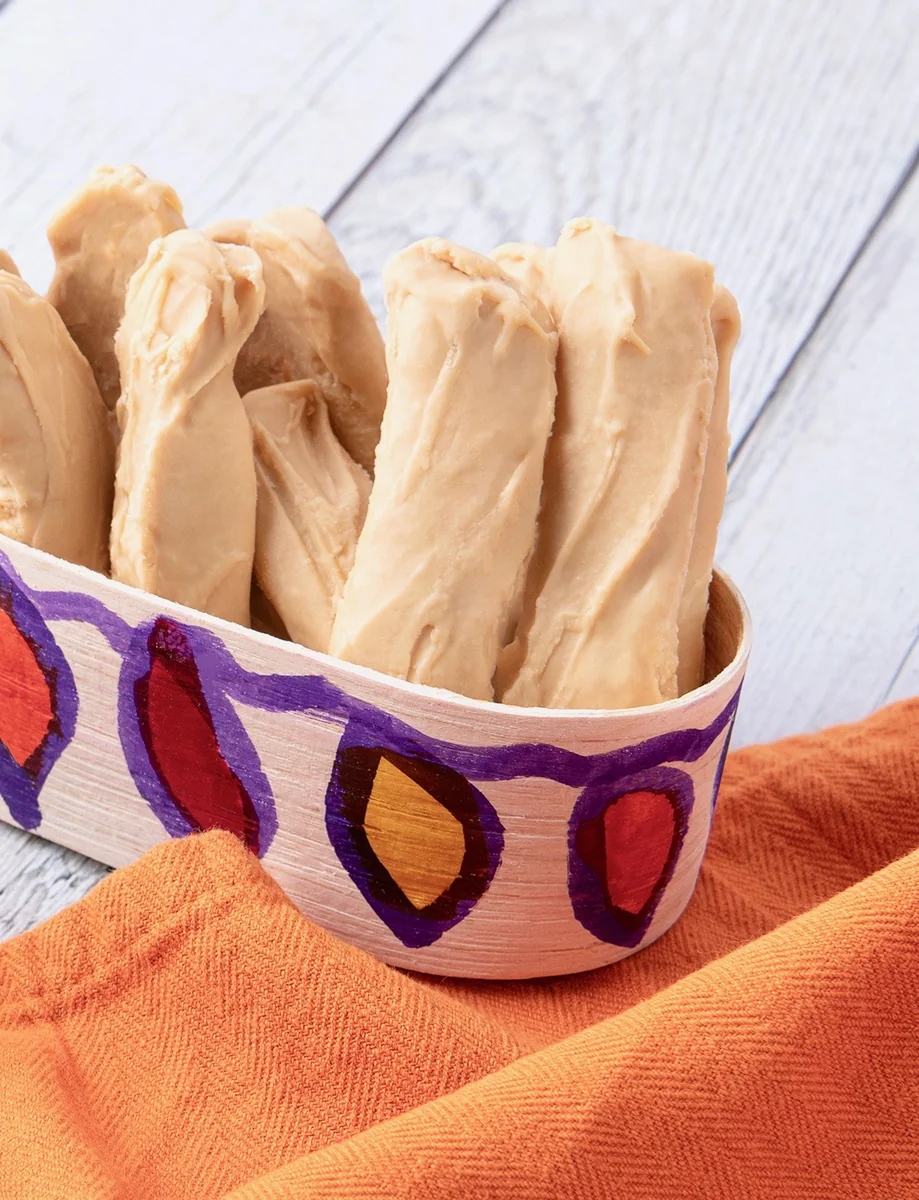
Canillitas de leche are a traditional Guatemalan candy slowly cooked with milk and sugar until they turn thick, sweet, and creamy. They are artisan candies sold year-round at local fairs and traditional sweet shops. Slightly firm on the outside, smooth and soft on the inside. When you pop them in your mouth, they melt like magic — like dulce de leche concentrated into one tiny chewy bite.
Plátanos en Mole
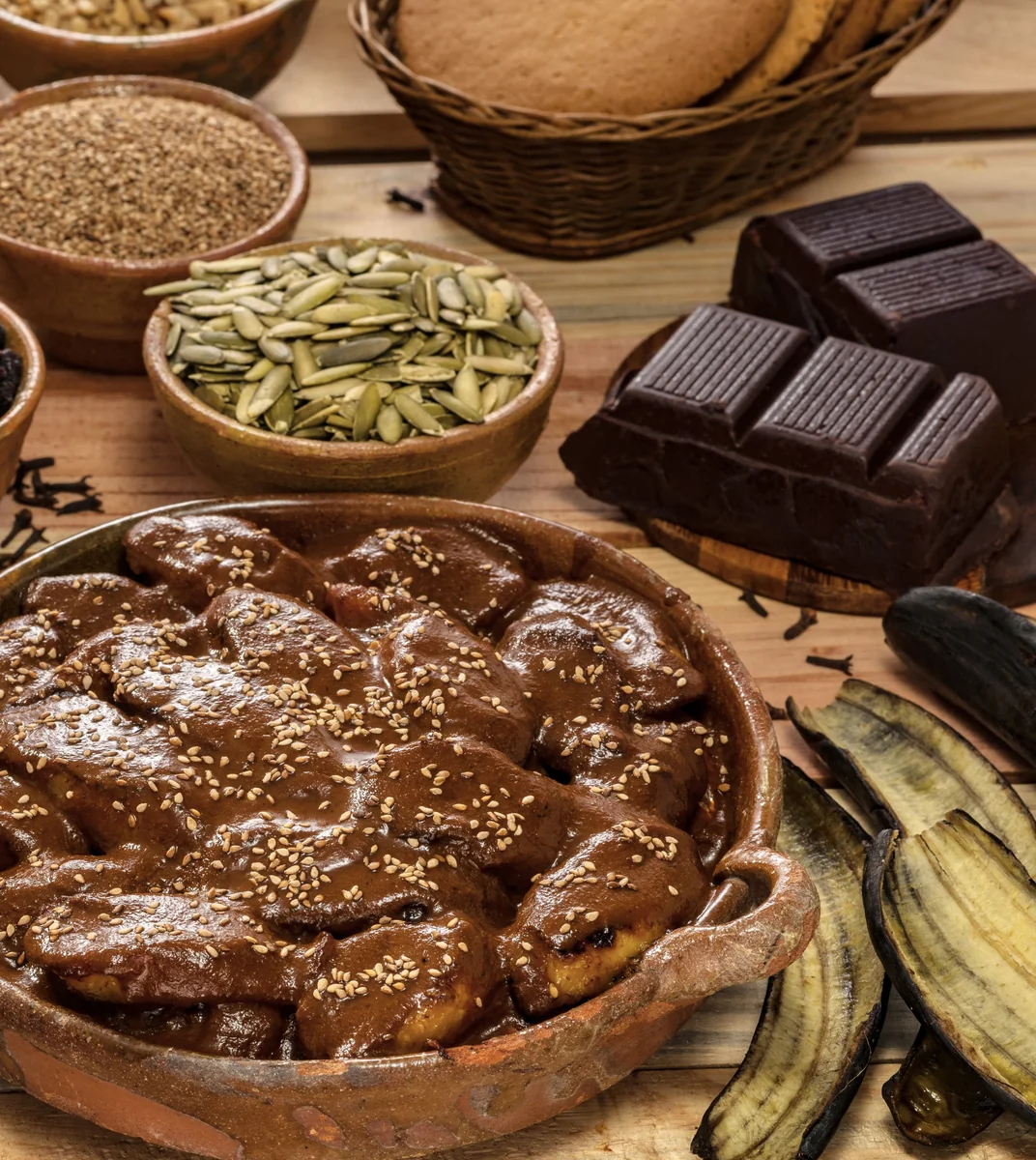
Indulge in the rich flavors of platano en mole dessert! This traditional treat combines the sweetness of ripe plantains simmered in a savory mole sauce of chocolate, chiles, and warm spices. Eaten as dessert, snack, or side, because the mole itself moves freely between sweet and savory. Note: this is Guatemalan mole, not Mexican mole poblano; the bases are entirely different despite sharing a name.
Torrejas
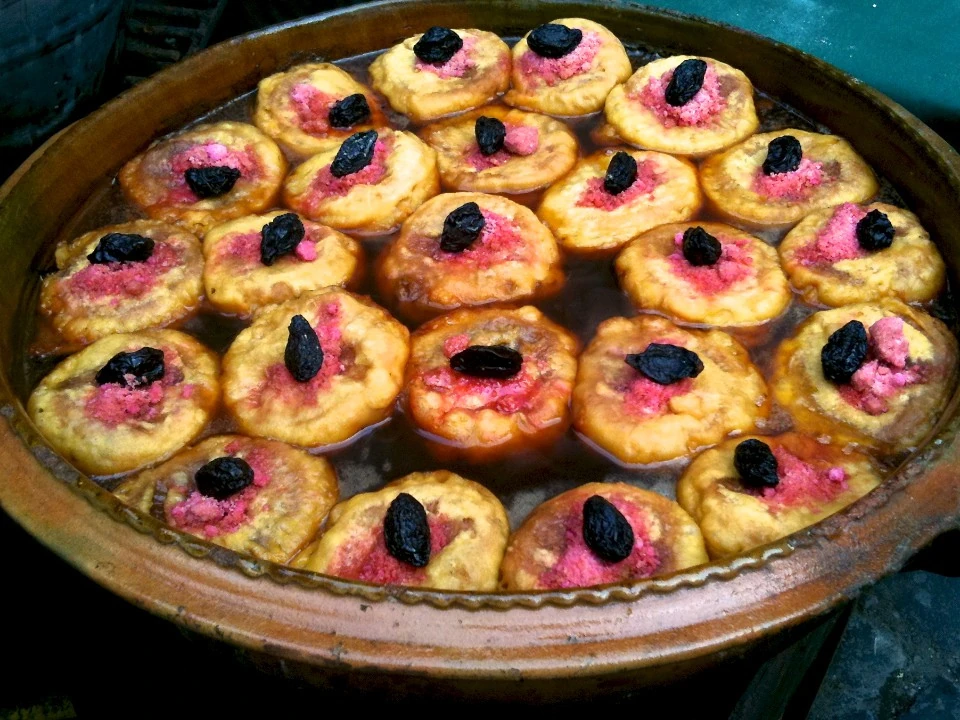
If you crave something sweet, Guatemalan torrejas should be at the top of the list. Guatemalan bread pudding — slices of pan dulce (sweet bread or brioche) soaked in egg and milk, fried golden, bathed in golden brown syrup and spices. The standard dessert during Lent and Holy Week, especially Good Friday. It is a versatile dessert with a mild flavor, the perfect ending to any meal!
Jocotes en Miel
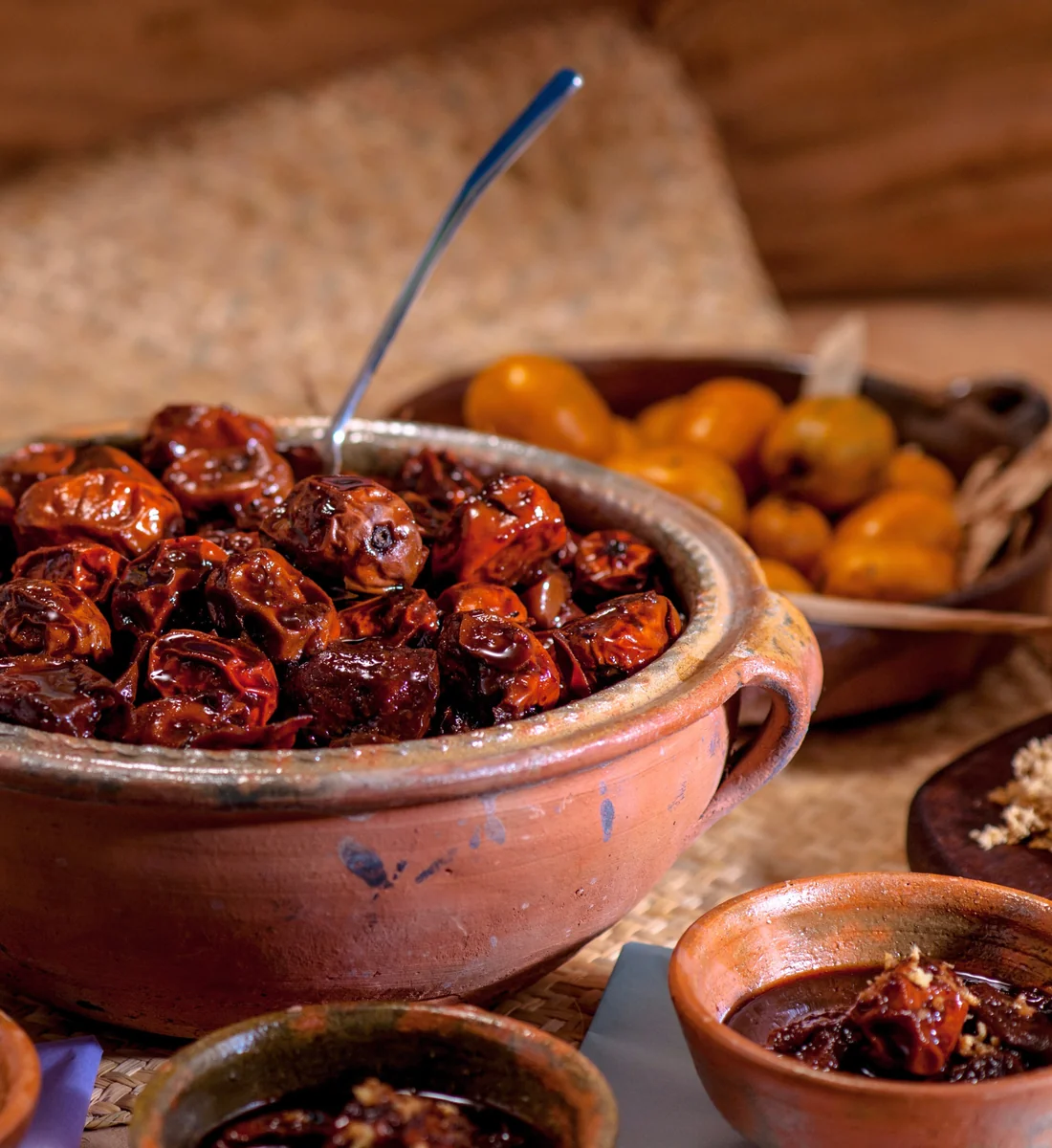
Jocotes en miel is a typical dessert for the Day of the Dead celebrations. It not only goes great with Fiambre but with everyday meals! You cook these juicy jocotes (hog plums) in a bubbling sweet syrup and heavenly spices. This deliciously decadent dessert is one you sure need to try!
Champurradas
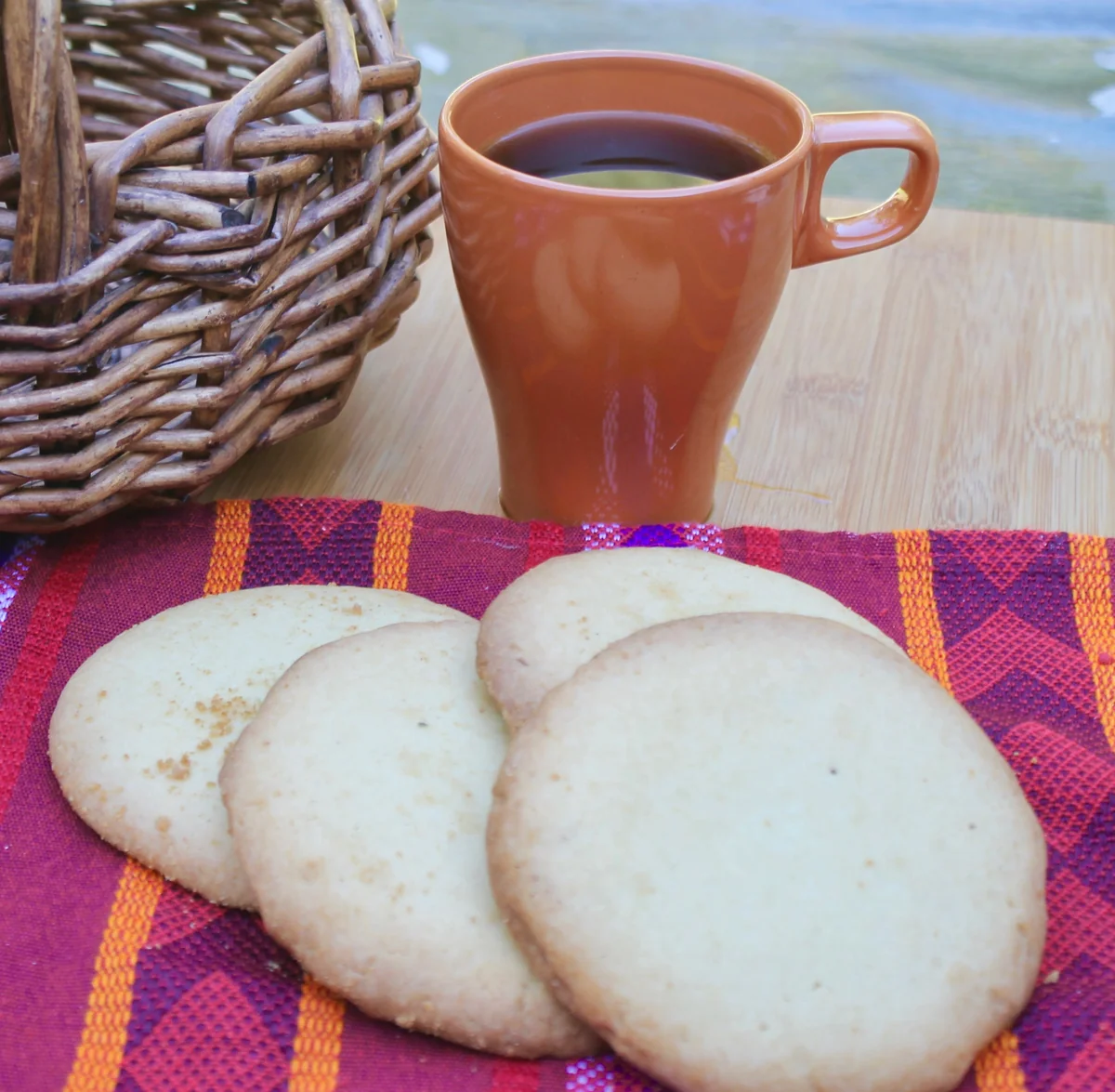
Champurradas are delicious cookies with just the right level of crunch to dunk in your coffee! It is a Guatemalan recipe perfect for Independence Day or Hispanic Heritage Month. These traditional Guatemalan cookies feature the creamy taste of butter and the nutty flavor of sesame seeds.
Ayote en Miel
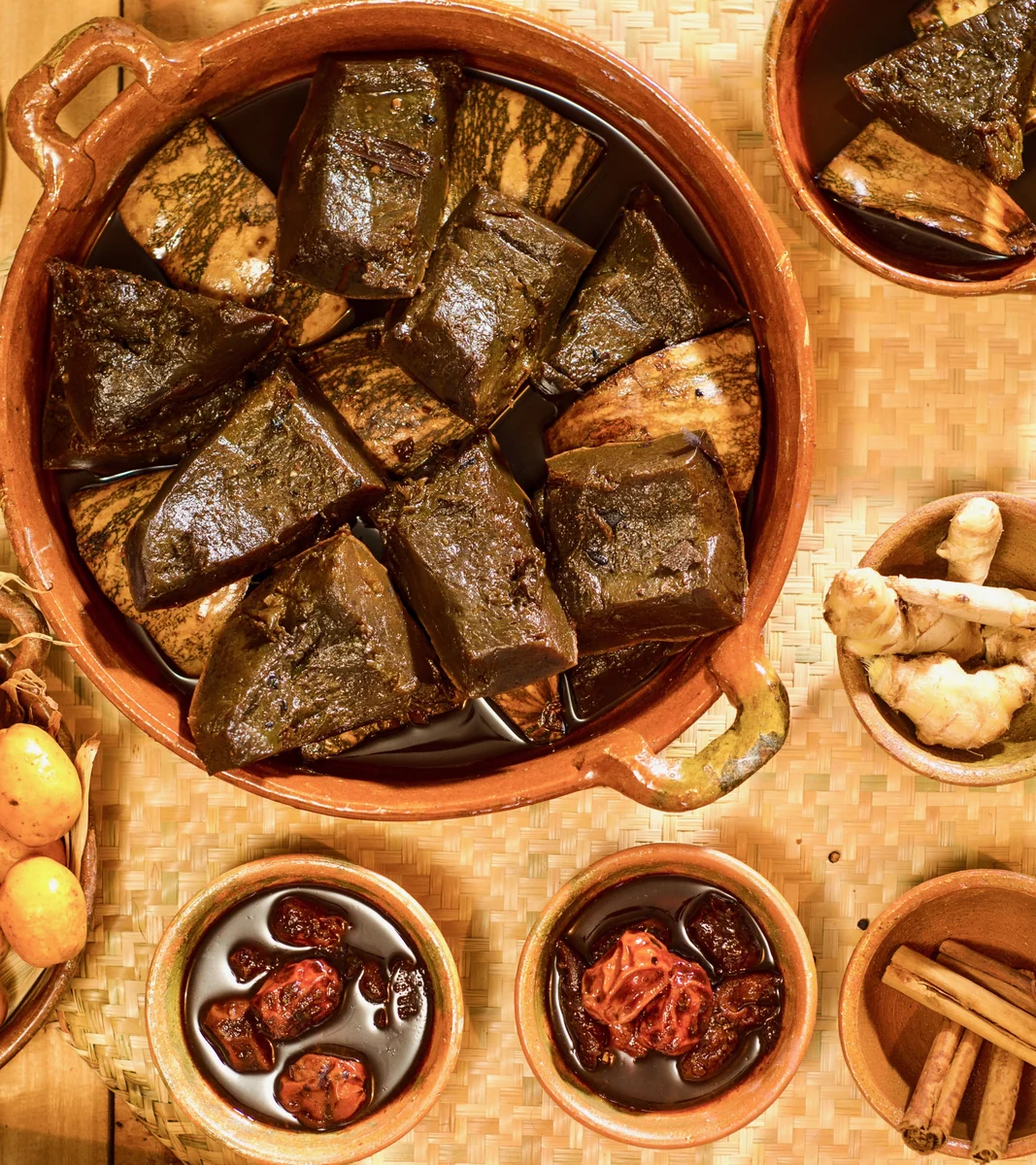
Similar to jocotes, ayotes en miel (or ayote en dulce) is a popular traditional dessert for Día de Todos Los Santos and Lent. It is a delicious squash dipped in a sweet syrup of panela (unrefined cane sugar) and spices. You typically eat this mouthwatering dessert at ferias or with Fiambre on November 1st.
Pan Sheca
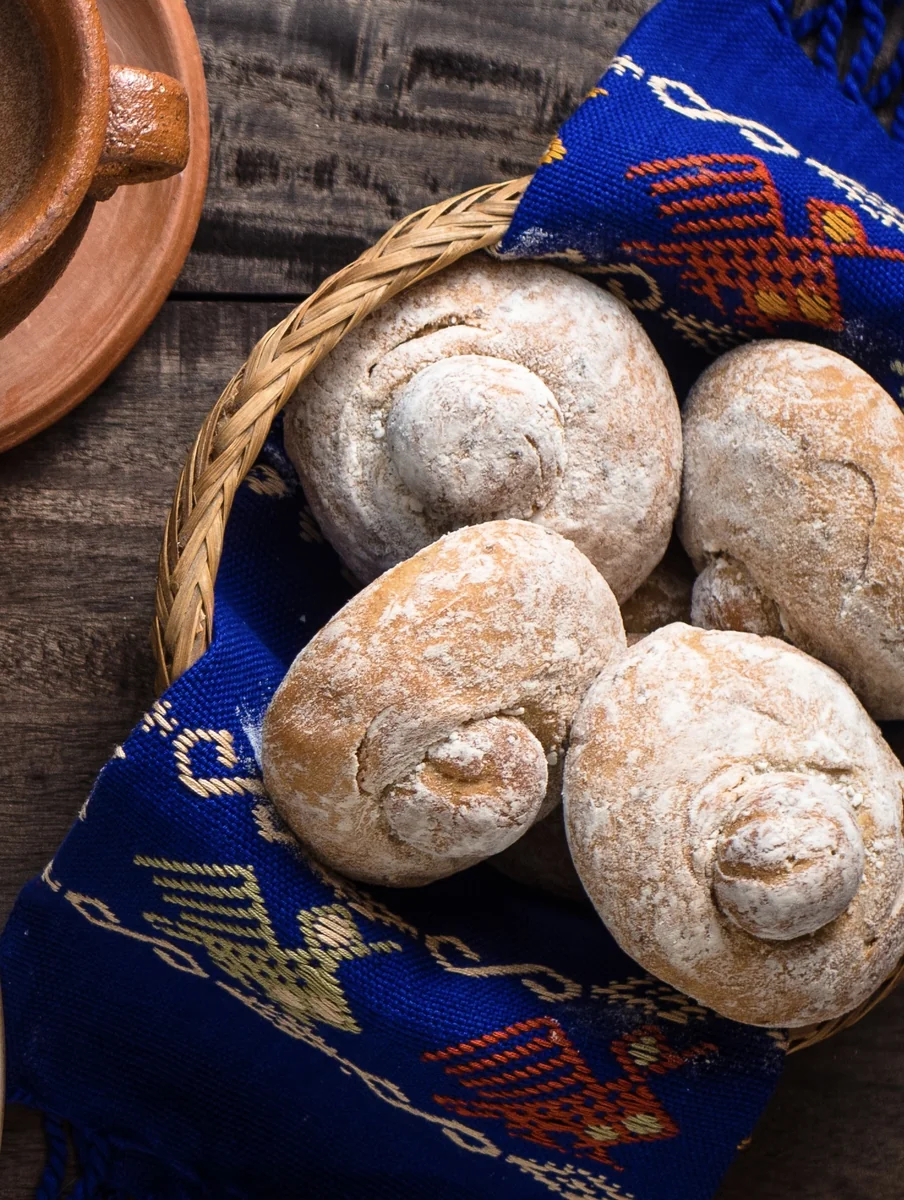
Guatemalan shecas (also called xecas) are sweet breads originally from Quetzaltenango. They’re round, with a small ball of dough on top, and have a very distinctive flavor from panela and anise. Soft, lightly sweet, and perfect for refacción, Guatemala’s afternoon snack, or at breakfast with a cup of coffee or hot chocolate.
Maleta De Higos: Guatemalan Fig Candy
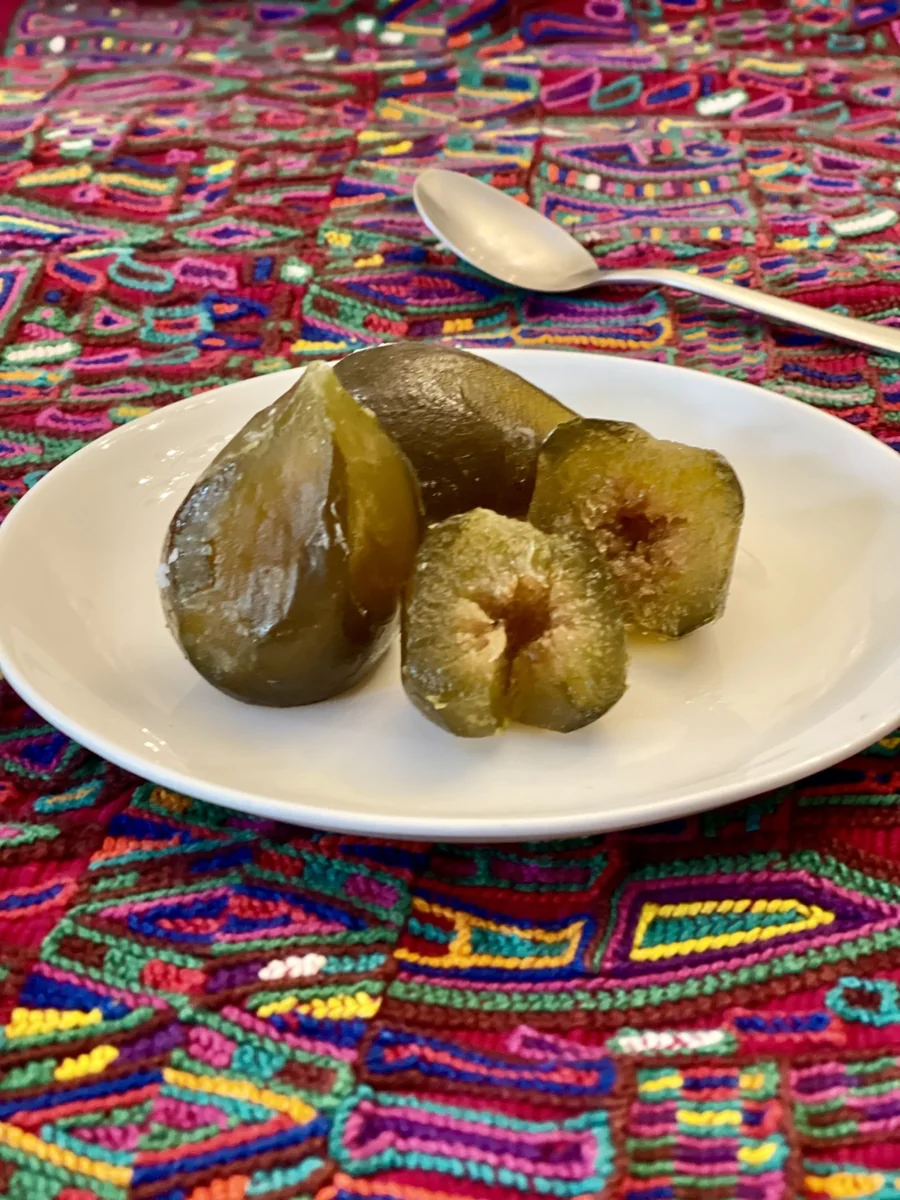
For a traditional Guatemalan treat, try making higos secos or higos cristalizados (dry-sugared or crystallized figs). Often called maleta de higos (figs in a suitcase) because they are typically presented in groups, this candy is a classic favorite for its sweet, crystallized elegance.
Guatemalan Drinks and Beverages
No Guatemalan meal is complete without something to drink, and the drinks are a category most guides skip entirely. Whether you’re looking for a cooling refreshment or a warm pick-me-up, quench your thirst with this selection of Guatemalan drinks. My drink menu offers a variety of options for every taste. So, raise a glass and let your taste buds be your guide, Salud!
Atol de Elote
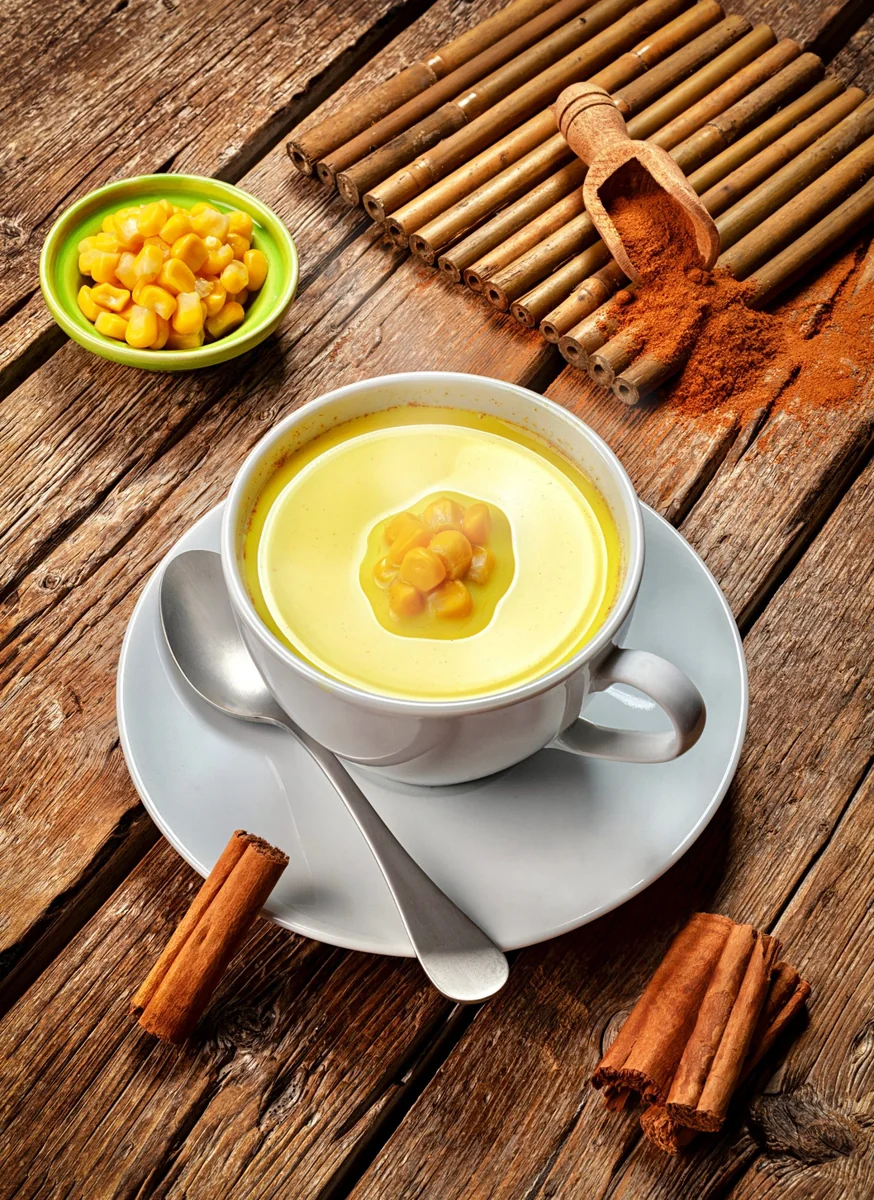
Atol de elote (or atol de maiz) is one of Guatemala’s most famous hot drinks. A warm, thick corn drink — fresh corn blended with milk, sugar, and cinnamon, cooked until it coats the spoon. Atole is the drink of Guatemalan mornings, ladled out before sunrise for people on their way to work or sipped on cool days everywhere. It is the perfect hot beverage for those late-night walks singing the cantos de posada at Christmas time.
Rosa de Jamaica
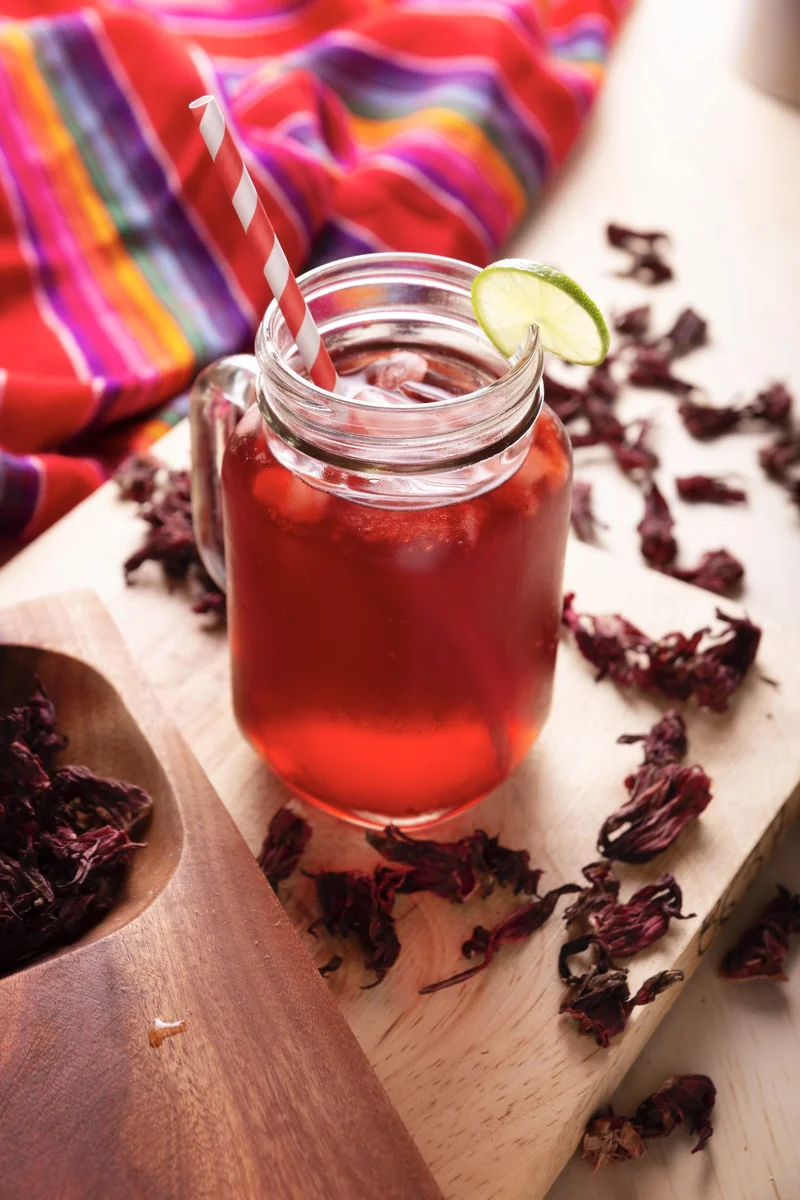
Hibiscus tea, also known as rosa de Jamaica, is one of the most refreshing and flavorful beverages you’ll find across Guatemala. This deep-red Latin American drink is tart, floral, and usually served cold over ice, with just enough sweetness to balance its bright flavor. You can also enjoy hibiscus flower tea hot during cooler months, especially as a caffeine-free alternative to coffee or black tea. Simple, colorful, and loved by both kids and adults, it’s the kind of drink that actually lives up to the word refreshing.
Agua de Tamarindo
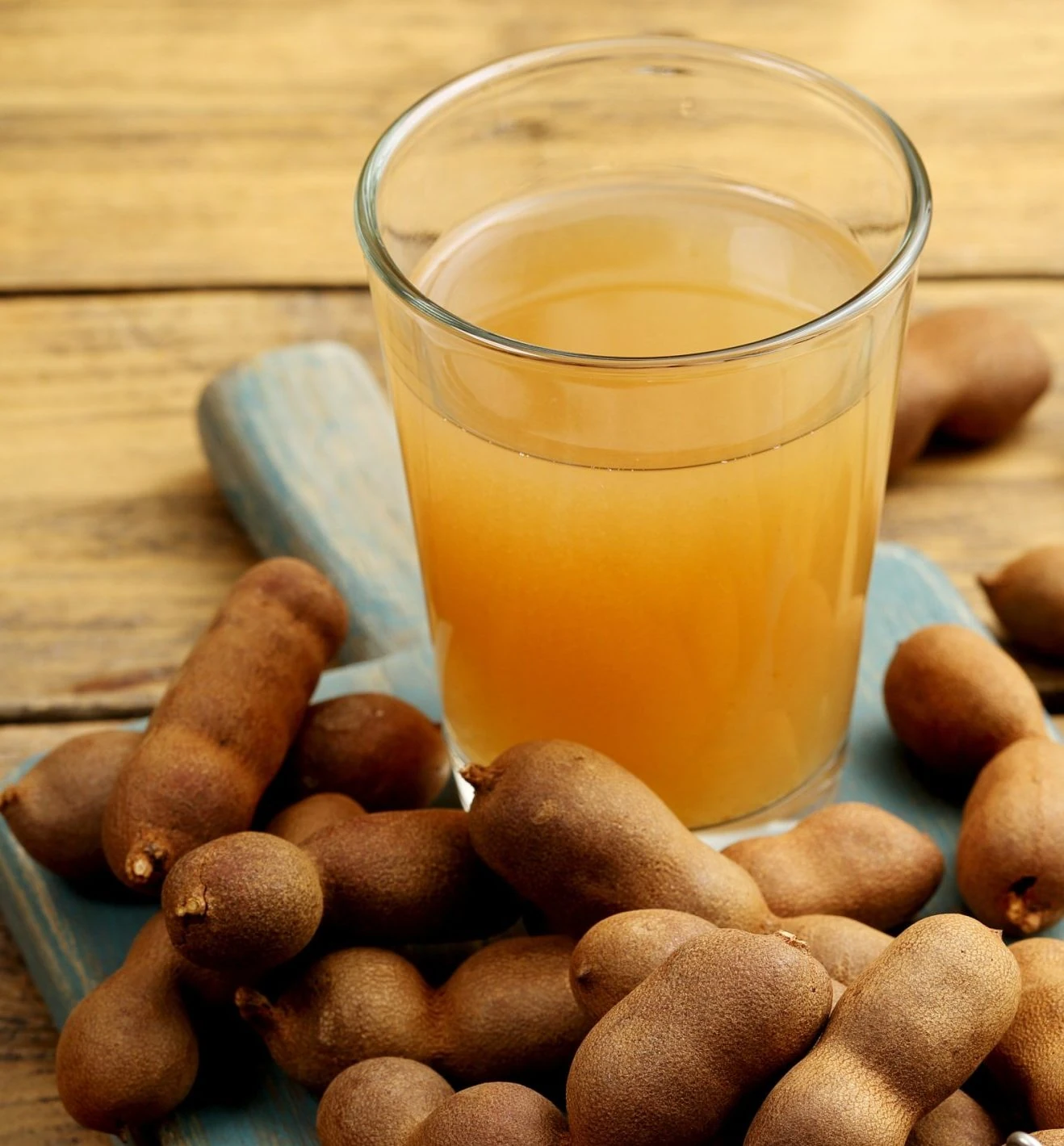
Tamarind water (or simply tamarindo as we call it in Guatemala) is made from tamarind pulp steeped in water and sweetened until it tastes tangy, bright, and refreshing. It’s one of those traditional Guatemalan drinks that feels made for hot afternoons, market stops, and plastic cups filled with ice. To me, refresco de tamarindo is the drink that tastes most like a Guatemalan street stall.
Michelada
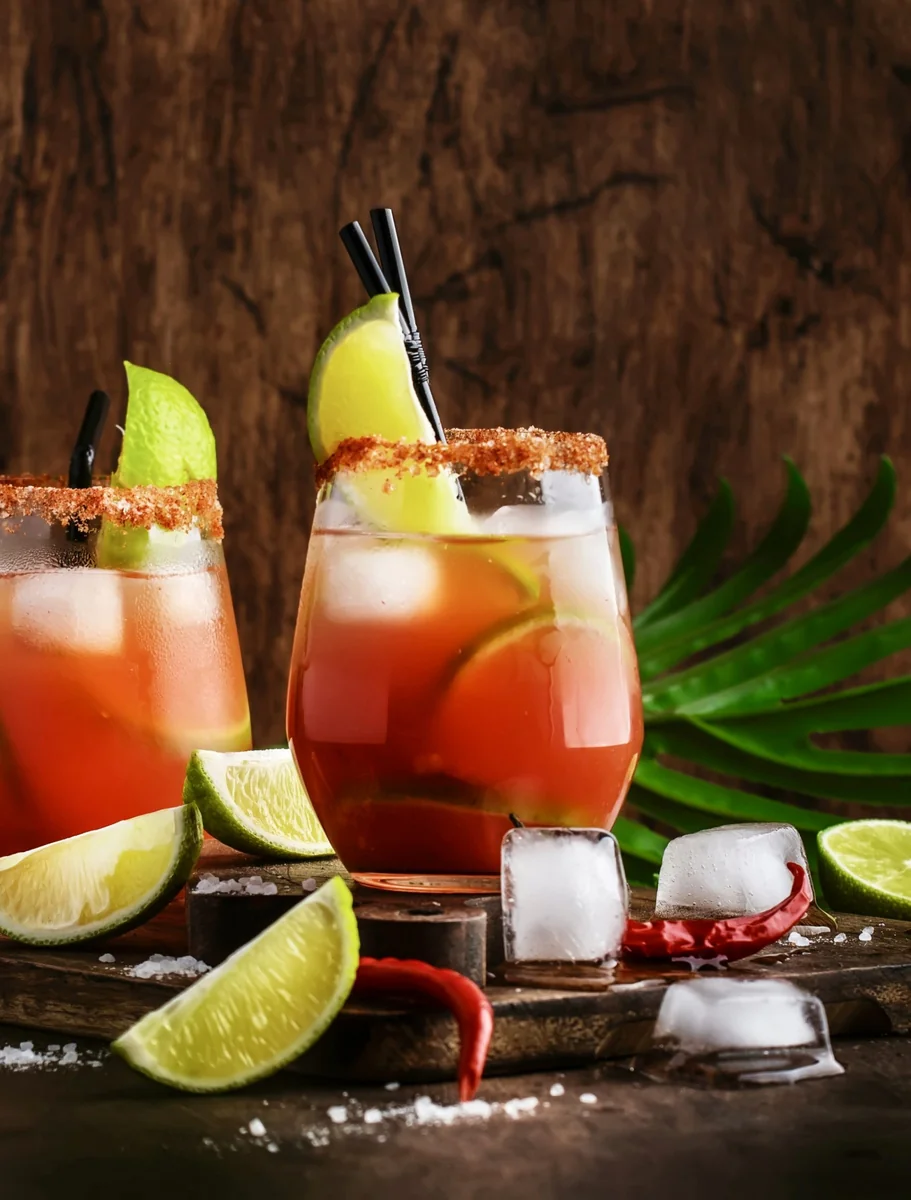
This list wouldn’t be complete without a cold, refreshing beer drink. So, if you’ve never tried a Guatemalan Michelada, you are missing out. This alcoholic cocktail is a cold lager mixed with lime, salt, Worcestershire, hot sauce, and Clamato, served in a salt-rimmed glass over ice. It’s the beer cocktail perfect for a Sunday afternoon, a soccer game, or a hot day at the beach — and the one most likely to win over a US crowd at a cookout. Endlessly customizable, which is half the fun.
TASTE IT IN PERSON
The Best Food Experiences to Book in Guatemala
Recipes are one thing. Eating your way through a mercado at 8am with someone who knows every vendor by name is something else entirely. These are the food experiences I’d send my own friends to.
Guatemalan Food Traditions
Food and traditions go hand in hand in Guatemala. Preparing and sharing a meal with family is never just about eating. It’s about keeping recipes alive, passing down little kitchen habits, and staying connected to where we come from. Since I live in the U.S., our traditions have become a blend of old and new, but the food is still what brings those memories back the fastest.
The Guatemalan calendar almost feels organized by what shows up on the table. If you’re cooking through this guide and want to know which dishes belong to which season or celebration, these are a few traditions worth learning.
Lent and Semana Santa
Lent and Holy Week in Guatemala are marked by processions, sawdust carpets, streets filled with color, and food shaped by tradition, often when many families avoid meat. Antigua Guatemala is the best-known place to experience this, but Semana Santa recipes are prepared all over the country.
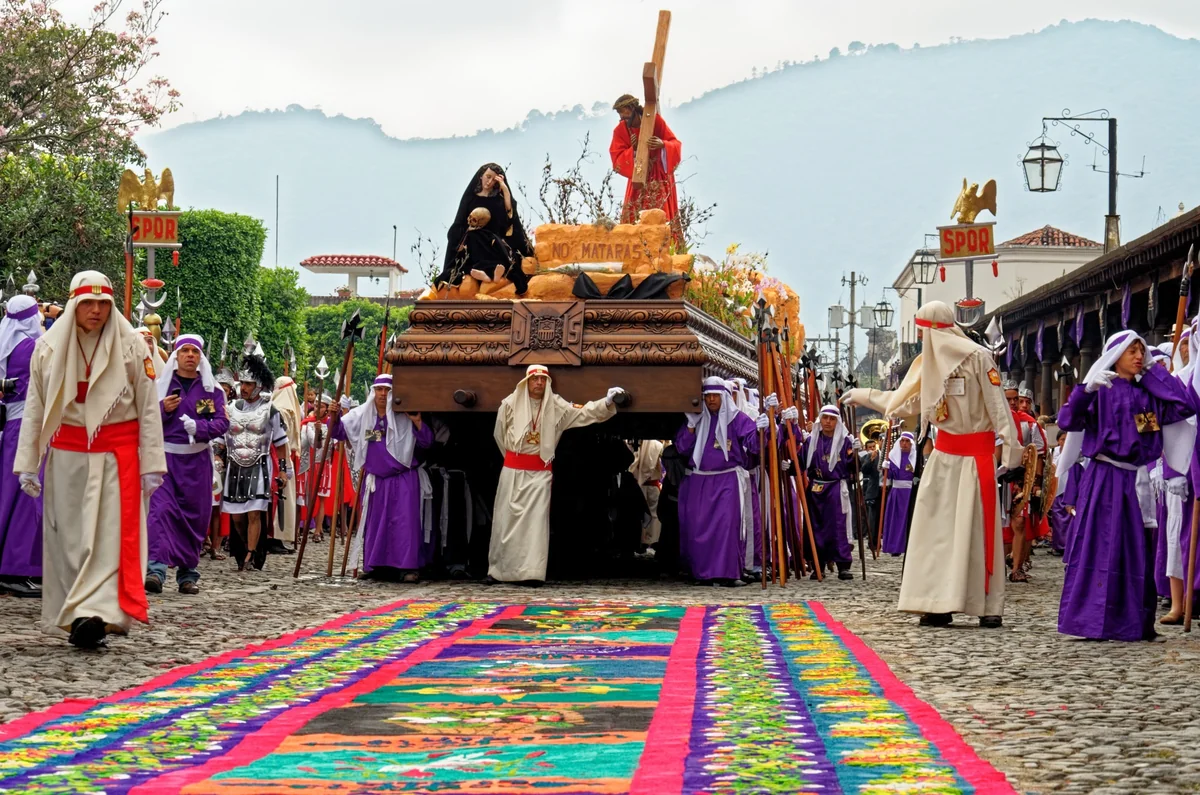
In many homes, buñuelos appear alongside seasonal sweets like chilacayote and jocotes en miel. These foods are part of the full Semana Santa atmosphere: family visits, church traditions, processions, and flavors that feel even more meaningful during this time of year.
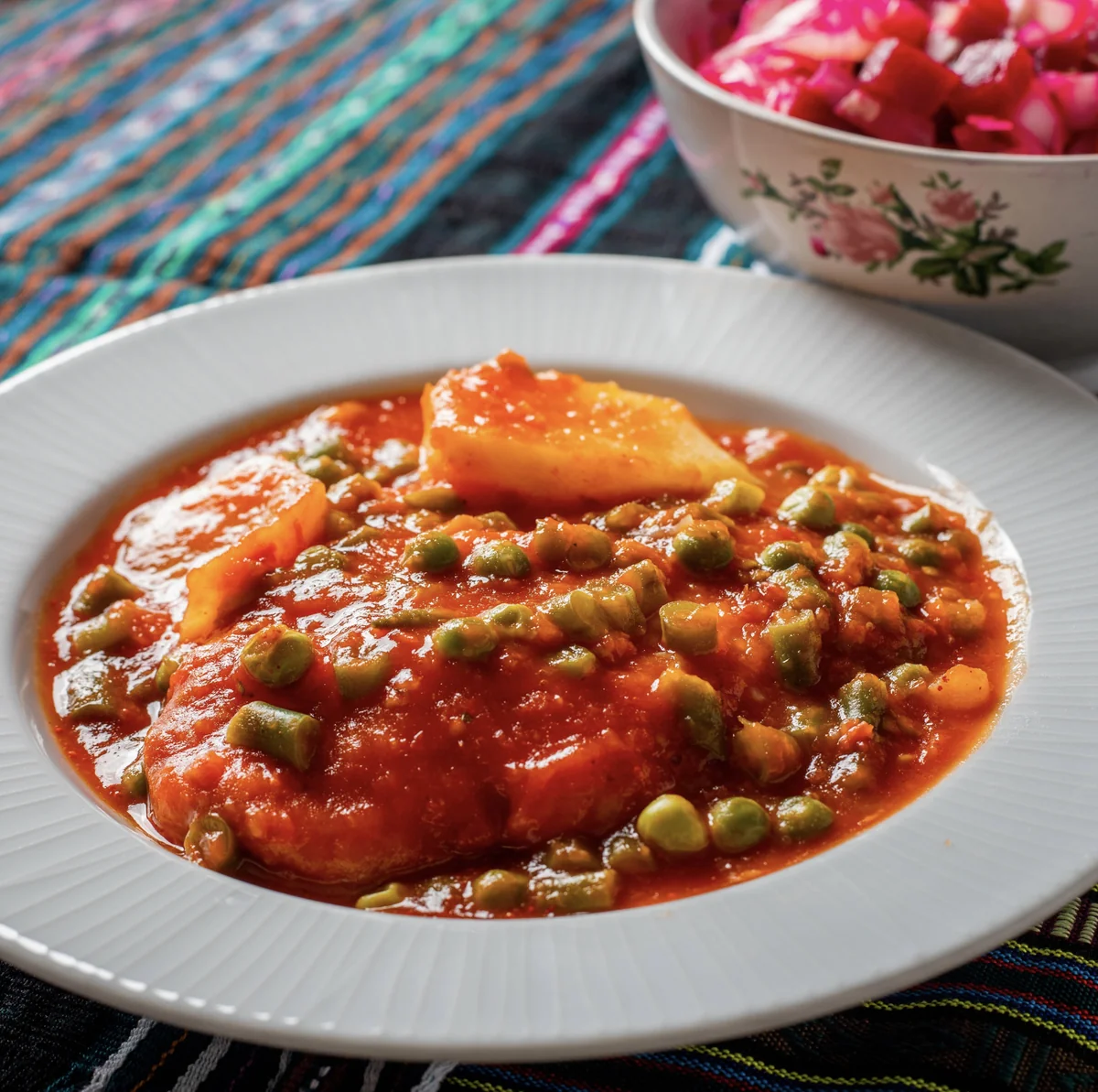
Bacalao a la vizcaína is one of the most traditional dishes of Semana Santa in Guatemala. It’s made with salted fish cooked in a tomato-based sauce with bell peppers, onion, olives, and capers. Strong, savory, and deeply tied to vigilia meals, it’s a classic Guatemalan fish recipe full of history and seasonal flavor.
Guatemalan Independence Day
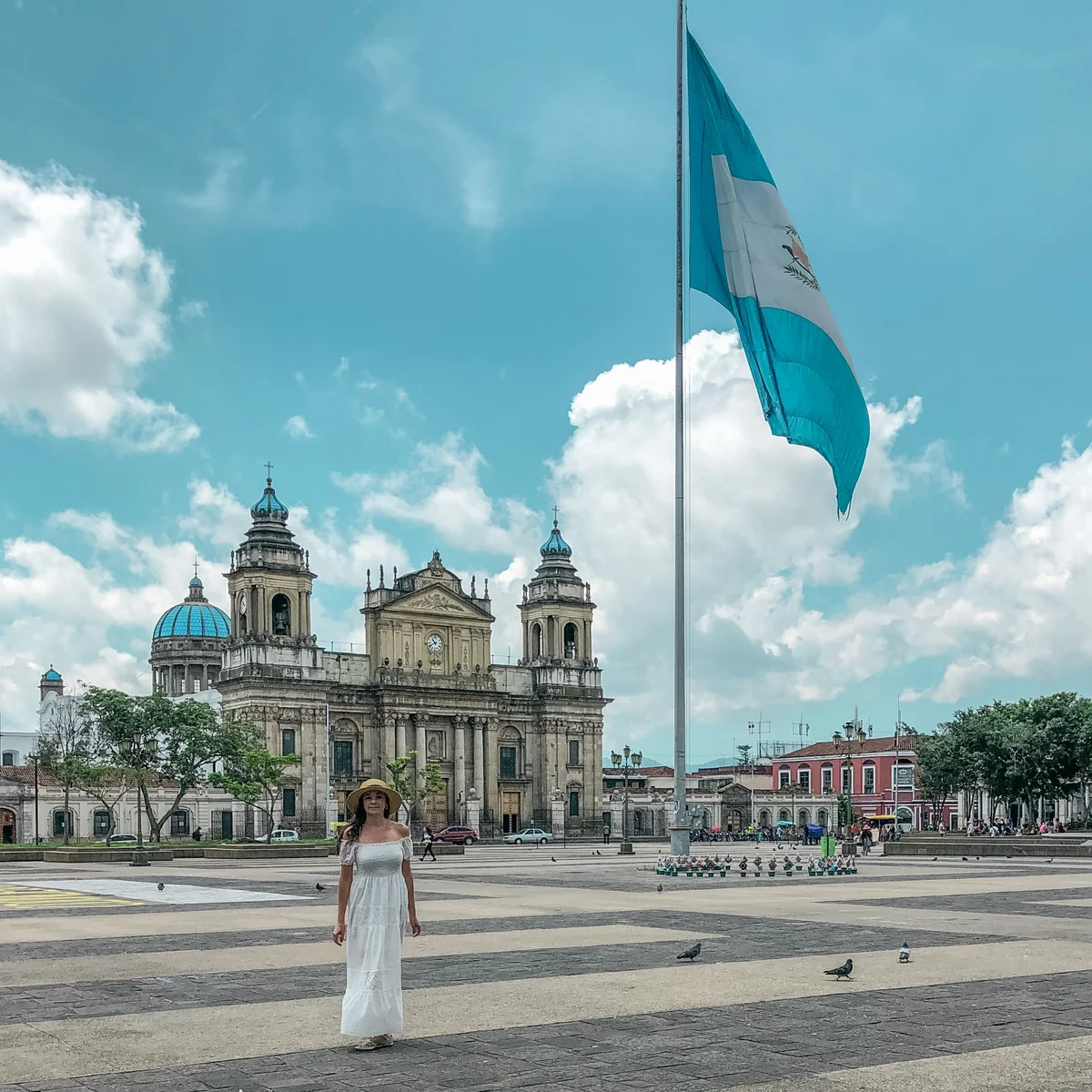
On September 15, Guatemala celebrates its independence from Spain in 1821. For many families, the day means civic events, blue-and-white flags, marimba music, and the classic Guatemalan food for Independence Day. In the United States, the date also falls at the beginning of Hispanic Heritage Month, which makes it a meaningful time to celebrate your roots, whether you’re in Guatemala or far from home.
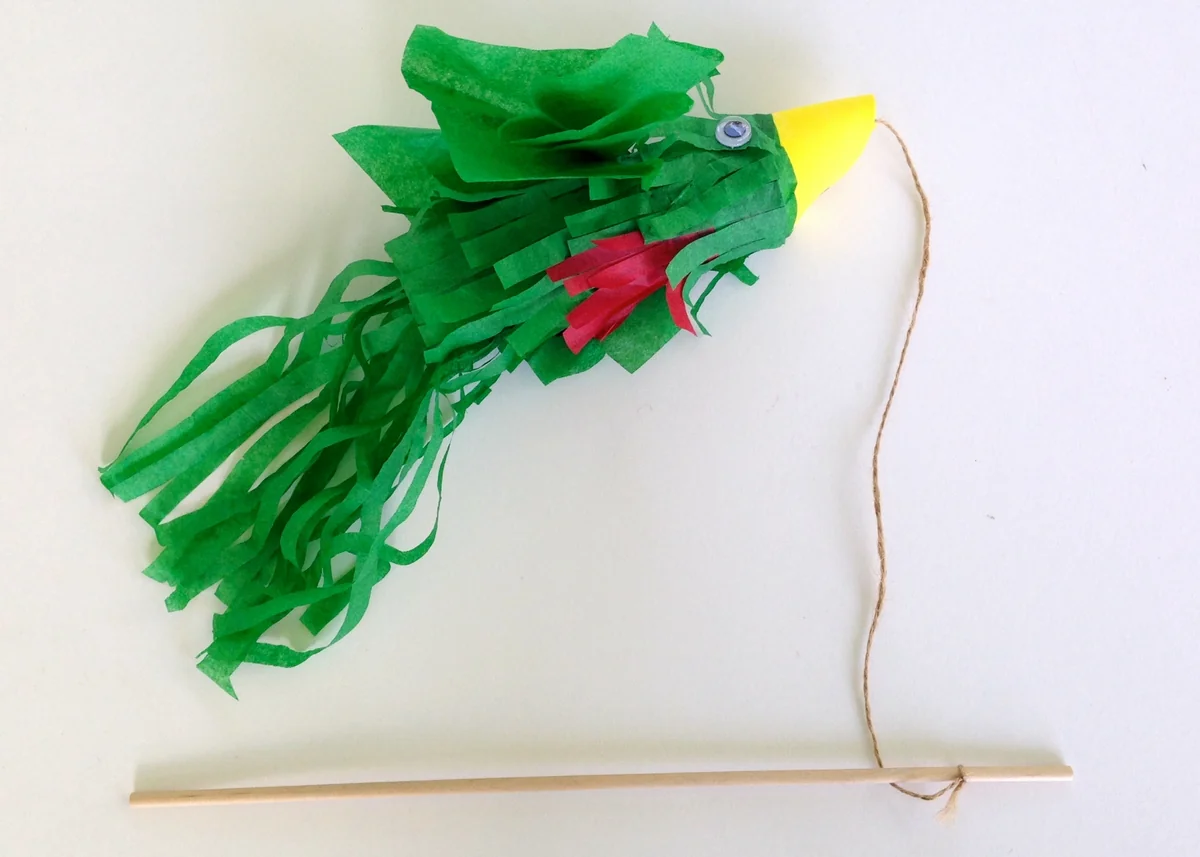
Dishes like pepián, tamales colorados, enchiladas, and chuchitos often show up on the table. And if you’re celebrating with kids, fun Guatemalan-themed crafts like a quetzal decoration for Independence Day can turn the date into a more hands-on family activity. What’s more, it is the best time to show how proud we are of our culture that has much passion, warmth, and the best grub!
Day of the Dead Traditions
Every November 1, Guatemala celebrates Día de Todos los Santos, or Day of the Dead (also called All Saints Day in Guatemala), one of the most important dates on the national calendar. It’s a time to remember loved ones. A day for visiting cemeteries, remembering loved ones, flying giant kites, and sharing food with family.
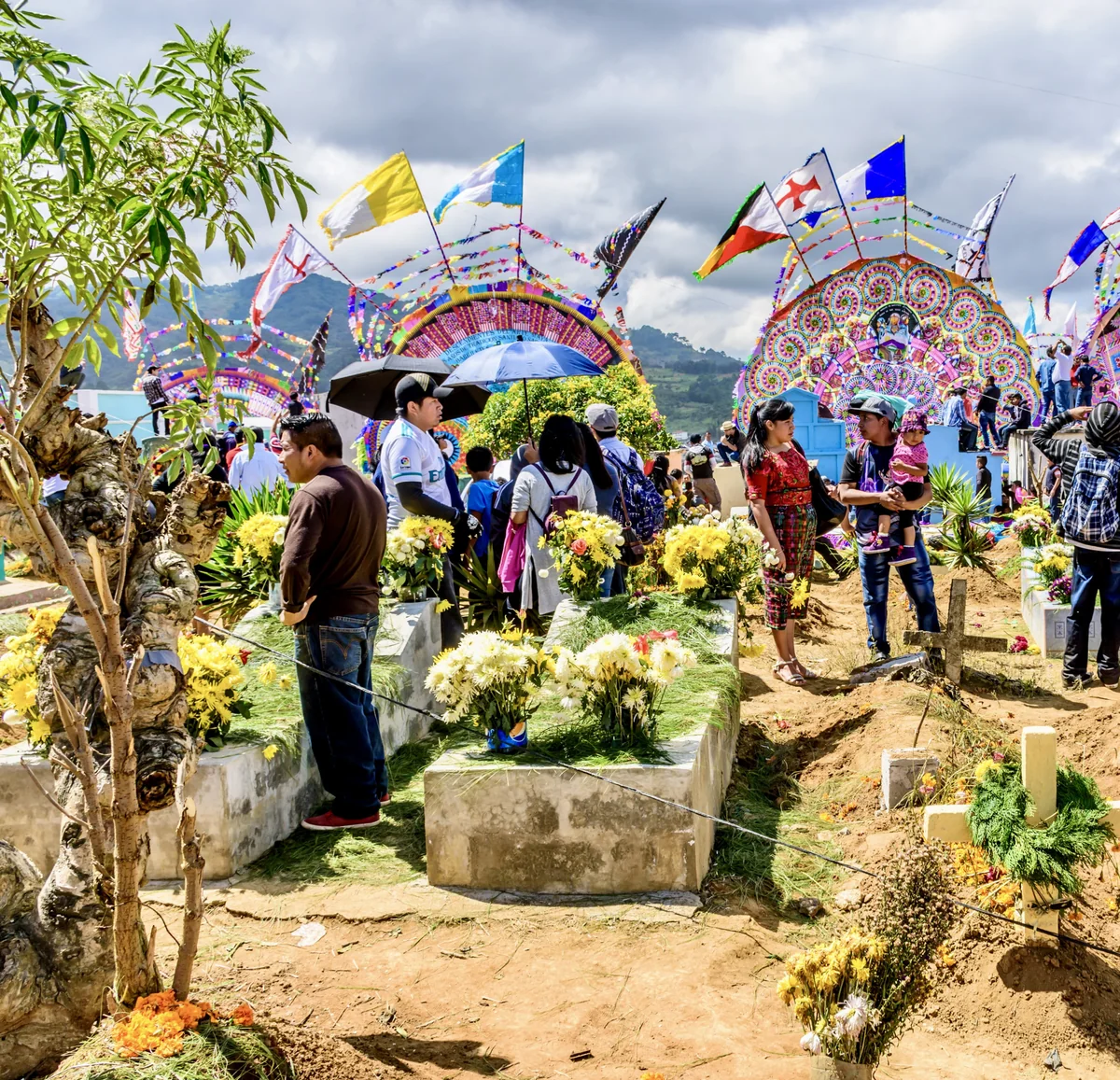
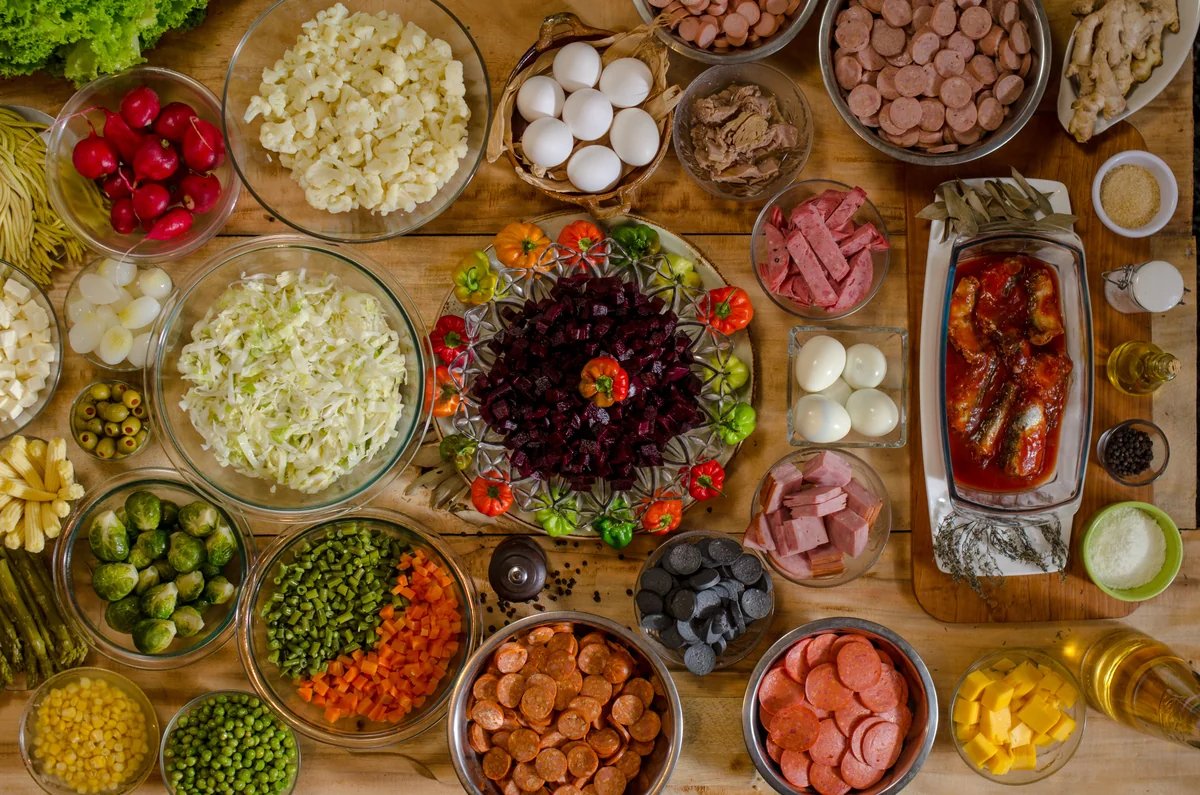
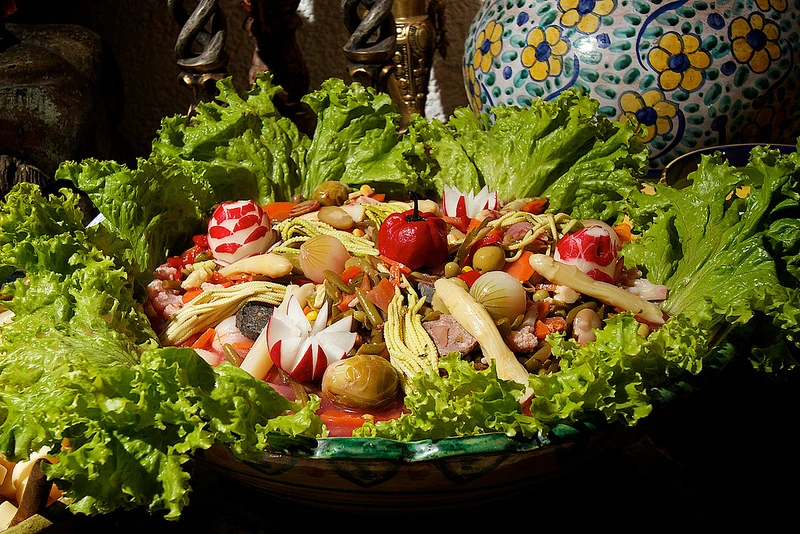
Fiambre is the most representative food of this celebration. And no, it’s not just a salad, it’s the mother of all salads! It’s one of the most elaborate recipes in Guatemalan cuisine and can include more than 50 ingredients, from pickled vegetables and cold cuts to sausages, cheeses, and a tangy caldillo that brings everything together.
In my family, we started preparing it on October 30. My grandmother always made it, and it was the one dish she never wrote down as a formal recipe. Each generation learned by watching, not reading. The smell of fiambre marinating in a massive pot is one of my strongest memories of November in Guatemala.
Christmas in Guatemala
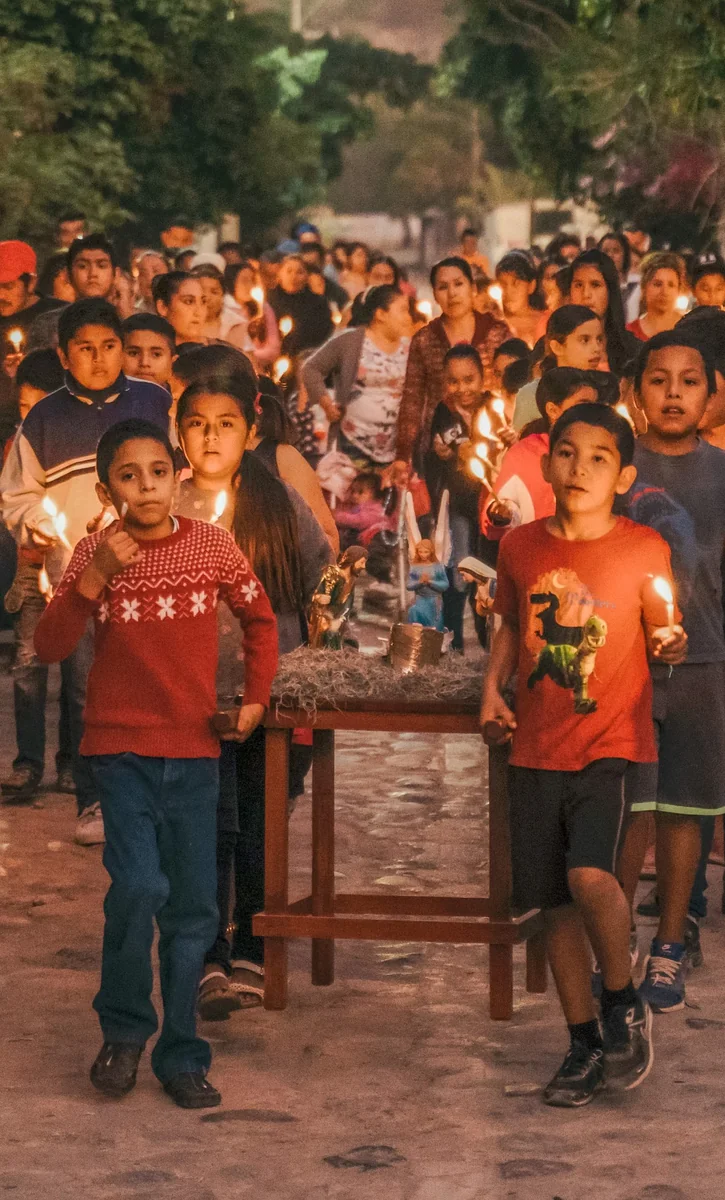
For me, Christmas in Guatemala tastes like tamales, hot fruit punch, posadas, and family tables that start coming together days before the celebration. In many homes, tamales colorados are the main dish on Nochebuena (Christmas Eve) and are served at midnight, sometimes after Misa de Gallo, the traditional Christmas Eve Mass. Tamales negros are also common as a second variety, especially for those who love their sweeter, deeper flavor.
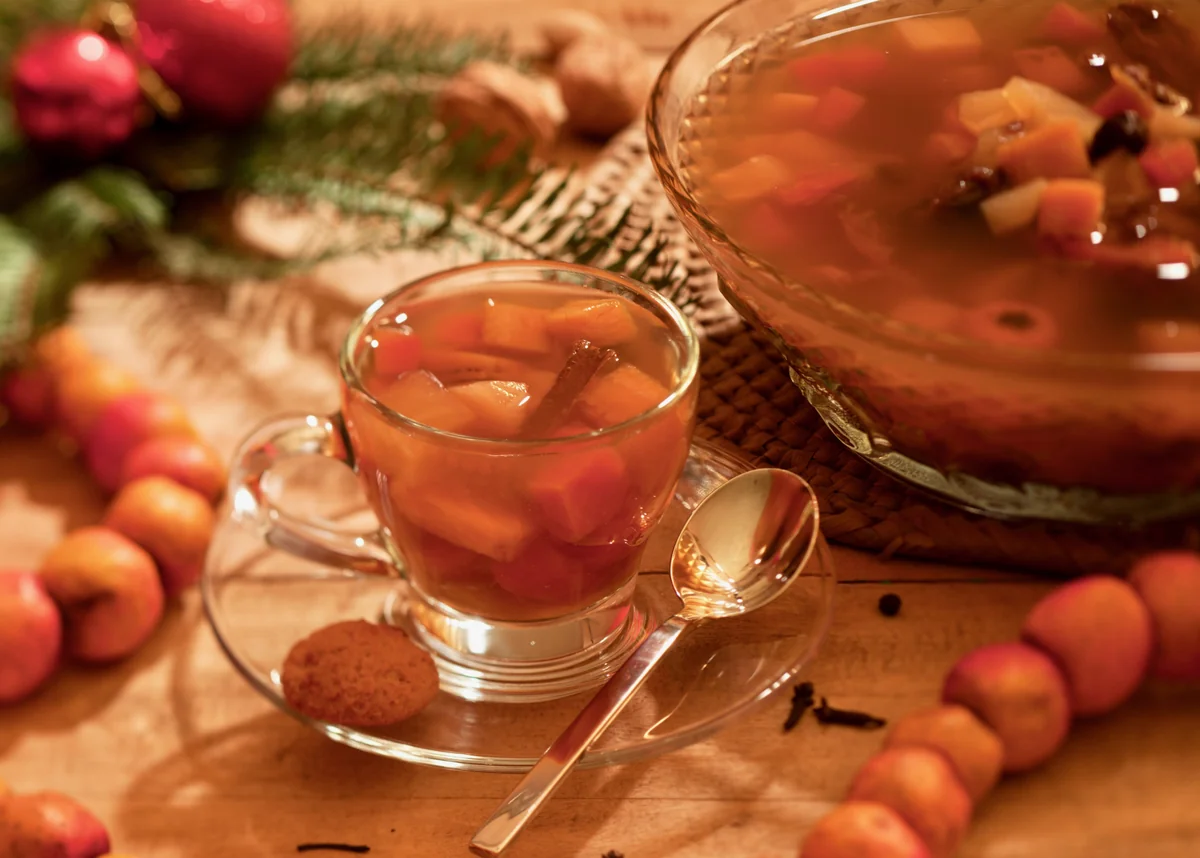
Ponche de frutas navideño completes the table with pineapple, papaya, apple, raisins, prunes, jocotes, cinnamon, and panela. It’s served during posadas, around the nacimiento, or while the family waits for midnight. Together, tamales and ponche create that sweet, spiced, homemade smell that, for many Guatemalans, means Christmas.
Common Questions About Guatemalan Food
What’s the Difference Between Guatemalan and Mexican Food?
Guatemalan food is built on recados — toasted-seed-and-chile sauces simmered into the dish itself — while Mexican cooking often serves salsas alongside. Guatemalan food is less spicy on average (heat lives on the side, not in the sauce), wraps tamales in banana leaves rather than corn husks, and has Maya and Garífuna regional dishes with no Mexican equivalent (kak’ik, Tapado, jocón).
Both share corn, beans, and chiles as foundations, but the techniques, ingredients, and flavor profiles diverge. The two constantly get confused in the US because they end up in the same grocery aisle.
What Is Guatemala’s National Dish?
Pepián is Guatemala’s national dish — a thick, smoky stew of toasted pumpkin seeds (pepitoria), sesame, dried chiles guaque and pasa, and tomatoes, simmered with chicken, beef, or pork and served over rice. It was declared Intangible Cultural Heritage of the Nation in 2007, alongside kak’ik, jocón, and plátanos en mole.
What Are Guatemalan Tamales Wrapped In?
Most Guatemalan tamales are wrapped in banana leaves, not corn husks, which gives them a softer texture and a sweeter, more fragrant steam than Mexican tamales. The exceptions are the smaller ones: chuchitos and tamalitos de chipilín use corn husks. Tamales colorados, tamales negros, and paches all use banana leaves. The wrapper is one of the clearest ways to tell a Guatemalan tamal from a Mexican one.
What’s the Easiest Guatemalan Recipe To Start With?
Chuchitos or salpicón de res. The chuchitos recipe is the place to start if you want to learn Guatemalan tamales — small, forgiving, wrapped in corn husks, and the recado base teaches you the foundational flavor of most Guatemalan cooking. If you’d rather skip a long recipe, the salpicón de res recipe is a shredded-beef salad with lime, mint, and radishes over crispy tostadas. Both come together easily and need no specialty ingredients.
Is Guatemalan Food Spicy?
Less spicy than Mexican food, on average. Most traditional Guatemalan stews (pepián, kak’ik, jocón, hilachas) are seasoned to be savory and complex, not hot and spicy. The chiles cooked into them, like guaque, pasa, and cobanero, are smoky and earthy rather than hot. When heat appears, it’s on the side: a small bowl of chiltepe (a tiny, blistering-hot wild chile, eaten one at a time) or chirmol, which the diner spoons onto their own plate. It’s the opposite of Mexican expectations and the thing most non-Guatemalans notice first.
Start With One Recipe, Not the Whole Kitchen
If this list feels overwhelming, start with one recipe that fits your time, kitchen, and confidence level. Chuchitos are a great first step because they teach you the basics of Guatemalan tamales without the pressure of making tamales colorados for a big holiday.
If you want a main dish, pepián de pollo is the classic that best shows the power of a good recado. For something more homey, frijoles blancos con espinazo always take me back to my grandmother’s kitchen. They’re not complicated, but they do ask you to slow down, and that’s part of Guatemalan cooking too.
Guatemalan food isn’t something you learn all at once. You learn it by watching, tasting, adjusting the recado, asking family or friends questions, and cooking the same dish again until it starts to feel like yours. Every recipe you make at home helps keep alive a tradition that started long before us.
Is there a Guatemalan recipe you’d love to see here? Leave it in the comments. And if your family makes one of these dishes a little differently, I’d love to hear how you make it at home.


Through her writing, Paula helps travelers discover Guatemala beyond the typical tourist route with practical advice, local recommendations, and authentic experiences that connect visitors with the country’s people, culture, and traditions.
Planning a trip to Guatemala? Paula offers personalized Guatemala itinerary planning and trip consultation services tailored to your interests, travel style, and budget. Contact her at [email protected] to learn more.
- San Lucas Tolimán Guatemala: Lake Atitlán’s Best-Kept Secret - September 24, 2026
- Hotel Tolimán Lake Atitlán: A Special Stay in San Lucas Tolimán - September 24, 2026
- Guatemala Dreams in San Lucas Tolimán: A Boutique Stay on Lake Atitlán - September 23, 2026

