
San Marcos La Laguna is Lake Atitlán’s wellness hub — the village with the highest concentration of yoga studios, breathwork facilitators, and retreat centers at the lake, and the home of Cerro Tzankujil Nature Reserve, where the cliff jumping platform 12 meters above the lake is one of the most exhilarating things you can do in Guatemala for Q20. This guide covers both: the activities worth your time and the honest picture of what’s changed in San Marcos, because the village looks different depending on whether you’re reading a retreat center’s Instagram page or asking someone who’s been watching this lake for decades. Everything is updated for 2026.
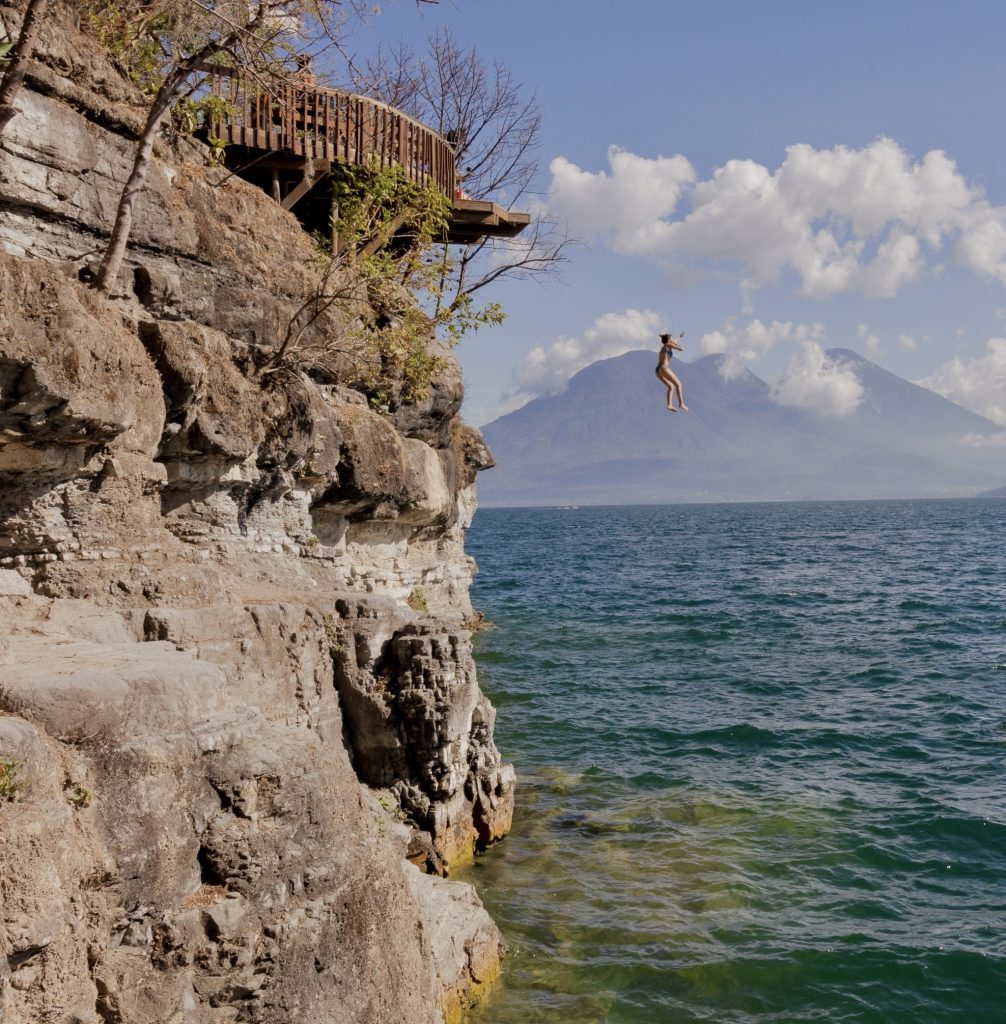
Cerro Tzankujil alone is worth the lancha fare from wherever you’re staying — forest trails, a Mayan altar, cliff platforms at multiple heights, and a protected swimming area with the three volcanoes visible across the water. The stone path network connecting San Marcos to the smaller villages of Tzununá, Jaibalito, and Santa Cruz along the northern shore is one of the most beautiful walks at the lake. And there are yoga teachers and wellness practitioners in San Marcos who are genuinely skilled and worth finding. This guide names what works and what to skip — including the honest framing on what gets marketed as Mayan ceremony in San Marcos versus what has actual Tz’utujil Maya roots.
I’m Guatemalan. I’ve been coming to this lake and to San Marcos since I was a college student, and I’ve watched the village change more dramatically than almost any other at the lake. What follows is the version you get when you ask someone who knows the difference.
This guide is for
✓ Travelers interested in yoga, wellness, meditation, and bodywork
✓ Day trippers from San Pedro or Panajachel coming for cliff jumping and swimming
✓ Anyone trying to understand what’s genuine in San Marcos’s spiritual offerings
✓ Travelers who want quiet and calm, not nightlife
✓ Anyone researching a retreat and wanting honest guidance before booking
UNDERSTANDING SAN MARCOS
What San Marcos La Laguna Is — and What It Isn’t
San Marcos is a Tz’utujil Maya municipality at the northern end of the western shore. It has a real indigenous community with its own history, traditions, and daily life. It also has, layered over that, a retreat economy that has grown substantially since the 1990s and now defines how most visitors experience the village.
San Marcos is the right place to come for yoga. The lake has drawn serious teachers from around the world, and some of them have stayed, built practices here, and are offering the real thing on their own terms. It’s also the right place for meditation, breathwork, sound healing, reiki, and the full spectrum of contemplative practices that have taken root at this particular bend of the lake. These practices have value. They just need to be understood for what they are — and that’s the key point.
San Marcos is not the center of living Tz’utujil Maya spiritual practice. For that, you go to Santiago Atitlán, where the ajq’ijab (trained Mayan daykeepers) are embedded in the community, where Maximón is cared for by cofradías who have done this for generations, where the ceremonies are not designed for tourists. San Marcos has a real Mayan community living alongside its retreat economy, but when you book a “Mayan ceremony” in San Marcos, the chances that you’re getting something rooted in genuine Tz’utujil practice are not high. This guide’s section on visiting responsibly will help you understand why, and what to do about it.
✨ THE SHORT VERSION
Come to San Marcos for yoga, cliff jumping, silence, good massage, and the kind of slow lakeshore day that restores something. Don’t come expecting to find authentic Mayan spiritual tradition packaged for easy consumption. The real Mayan tradition is at the lake — it’s just not primarily in San Marcos, and it’s not on a booking website.
GETTING THERE
How to Get to San Marcos La Laguna
From Antigua
Shared tourist shuttle from Antigua to Panajachel — hotel pickup, about 2.5 to 3 hours, $20-25 USD per person. Typical departure times: 8 AM, 12:30 PM, 4 PM. Book through your hotel the night before. From Panajachel you take the lancha. Total door-to-dock: plan for around 4 hours. San Marcos fits naturally into a Guatemala itinerary as part of the lake leg after Antigua.
From Guatemala City
Guatemala City to Panajachel is 3-4 hours by shuttle or car via the CA-1 highway west. Leave early — weekend and holiday traffic leaving the city is bad. From Panajachel, same lancha as below.
The Lancha from Panajachel
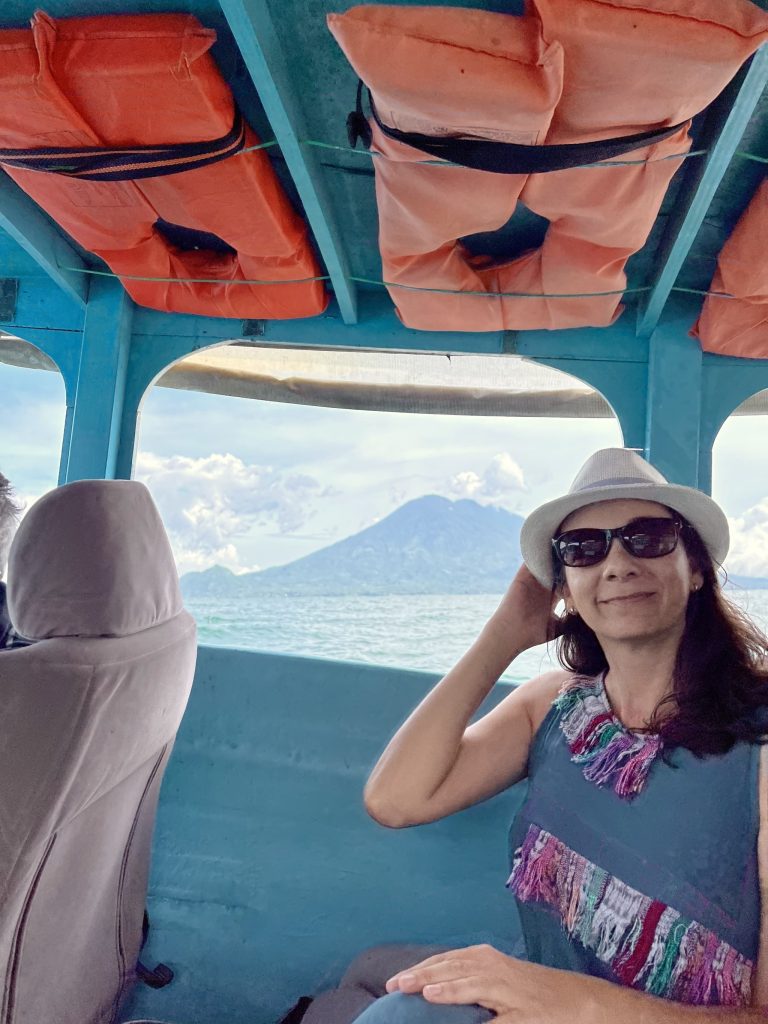
San Marcos is on the main western shore lancha route from the Muelle Tzanjuyú dock at the end of Calle Santander in Panajachel. The route runs: San Juan, San Pablo, San Marcos, Santa Cruz, and further north. San Marcos takes about 45-55 minutes from Panajachel. Fare is around Q25-30. Lanchas run throughout the day but become less frequent in the late afternoon — don’t leave your return too late. My complete guide to Lake Atitlán boat services covers every route and timing detail.
From San Pedro or San Juan
Short lancha hop from San Pedro to San Marcos takes about 10 minutes. You can also tuk-tuk along the road connecting the western shore towns. If you’re based in San Pedro, San Marcos is a natural morning trip before the wind picks up.
⚠ THE AFTERNOON WIND
The Xocomil wind comes up every afternoon, typically after noon or 1 PM. Plan your return crossing before it arrives. The western shore is exposed and the chop gets uncomfortable quickly once the wind is up.
💡 Cash and navigation: San Marcos has limited ATM access. Bring cash from Panajachel or San Pedro. Most restaurants, retreat centers, and the nature reserve are cash-only. The village is a network of stone paths rather than paved roads — comfortable walking shoes matter here. Q20 covers the Cerro Tzankujil entrance fee; budget Q200-300 for a full day including food and activities.
PLANNING YOUR VISIT
Should You Stay in San Marcos or Day Trip?
This depends entirely on why you’re coming. San Marcos rewards the visitor who stays — the rhythm of the village only becomes clear after the day-trip lanchas leave and it goes quiet. But for cliff jumping and a walk through the nature reserve, a morning from San Pedro or Panajachel is perfectly fine.
💡 A note on safety: San Marcos is generally safe for travelers. Like anywhere at the lake, use standard precautions: don’t leave valuables visible in your room when you go out, stay on lit paths at night rather than unfamiliar routes, and let your accommodation know your plans if you’re hiking early. The stone path network can be confusing in the dark — know your route back before sunset.
THINGS TO DO IN SAN MARCOS LA LAGUNA
What to Do in San Marcos La Laguna
Cerro Tzankujil Nature Reserve: The Best Reason to Come if You’re Not Here for Yoga
Cerro Tzankujil is a small protected reserve about 10 minutes on foot from the San Marcos pier. Q20 entrance fee. Once inside, stone paths wind through forest along the waterfront, past a Mayan altar at the highest point — a circular mound where candles are burned — down to the cliff. The main draw is the 12-meter wooden platform suspended above the lake. Jump, land in crystal water, swim back to the rocks, line up again. The reserve is undeveloped and feels it: no food stalls, no vendors, no crowds beyond whoever’s waiting for the platform. Just the water, the volcanoes across the lake, and a jumping height that’s enough to keep your heart rate elevated.
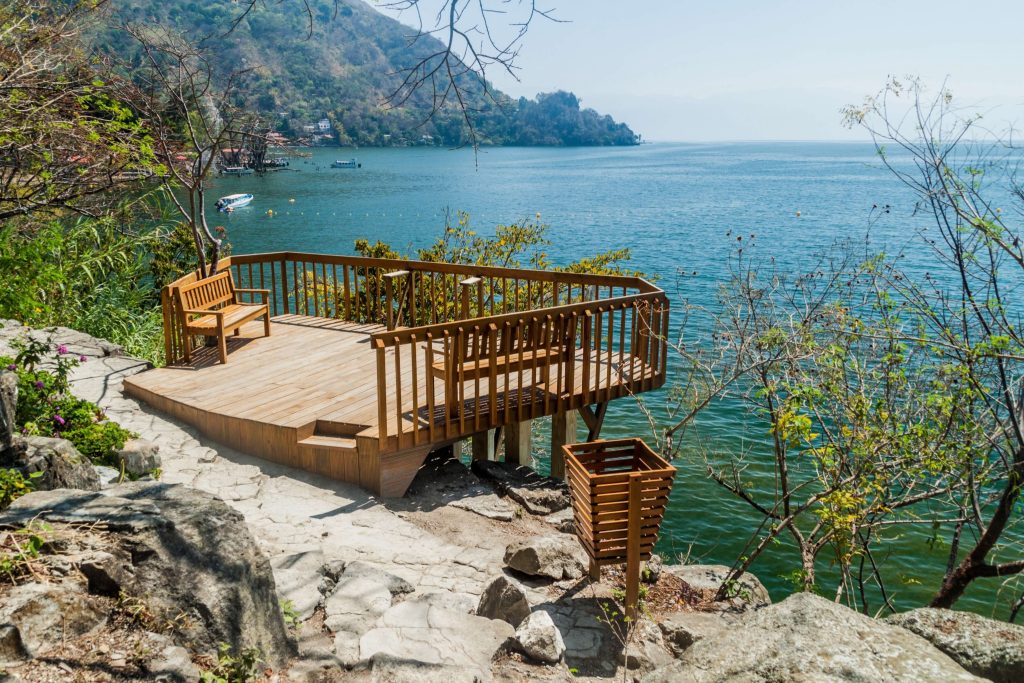
The Hike, Cliff Jump and Mayan Villages tour from Panajachel includes a boat transfer directly to San Marcos and cliff jumping time at Tzankujil alongside a guided ancestral trail hike — a good option if you’re coming from Panajachel and want the experience organized. You can also visit completely independently, which most people do.
💡 Swimming note: Cerro Tzankujil is the designated swimming spot on the San Marcos side of the lake. Check for current algae bloom advisories before entering the water — the lake experiences periodic cyanobacteria blooms that vary by location and season. The reserve caretakers usually have current information when you pay the entrance fee.
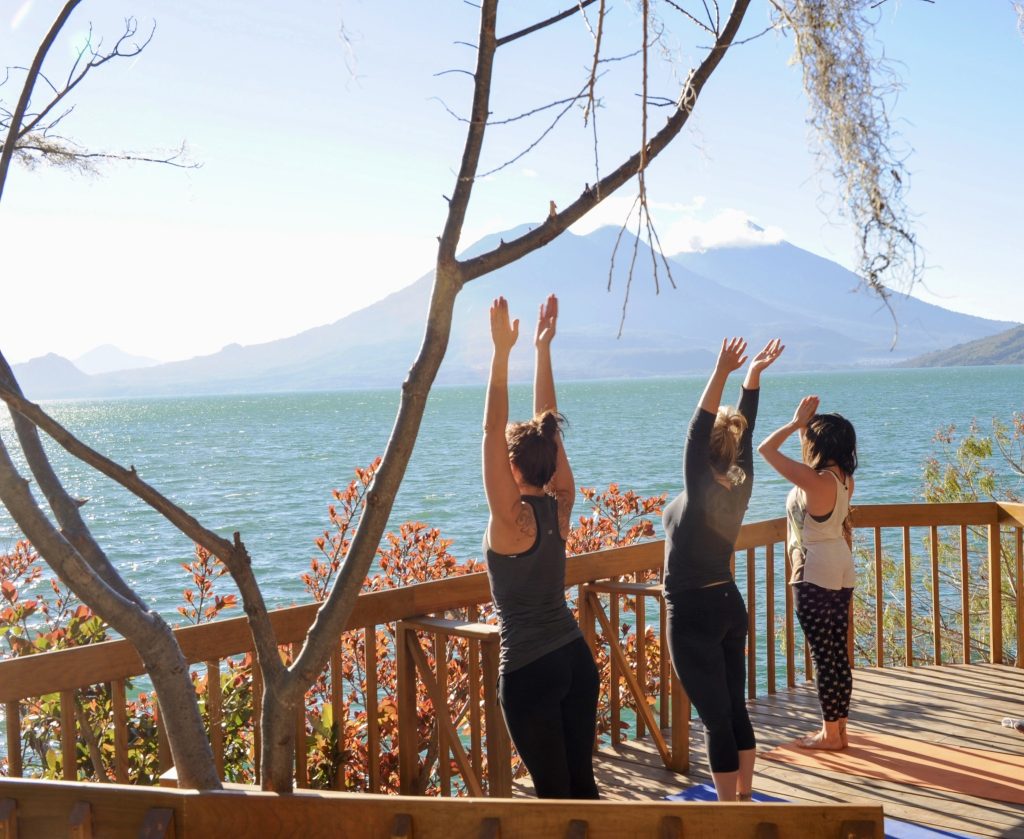
Morning yoga session with breathtaking views of Lake Atitlán and the volcanoes in San Marcos La Laguna, Guatemala
Yoga, Movement, and Wellness: What San Marcos Does Well
San Marcos has drawn serious yoga teachers from around the world for decades, and some of them have been here long enough that their presence is simply part of the fabric of the place. You’ll find daily drop-in classes in hatha, vinyasa, yin, restorative, aerial, acro, and kundalini — more variety in this small village than in most cities in Guatemala. Classes typically run in the morning and late afternoon, and most studios welcome drop-ins without reservation. Prices are moderate by retreat center standards.
Beyond yoga: breathwork, reiki, sound healing, chakra work, drum circles, massage, bodywork, and various somatic practices are all available in San Marcos from practitioners who have been here for years. The quality varies — as it does anywhere — but the concentration of genuinely skilled practitioners is real. The key is knowing how to evaluate what you’re choosing. The section below on visiting responsibly covers exactly that.
Las Pirámides del Ka: Silent Meditation in the Pyramid Structures
Las Pirámides del Ka is the oldest and most established meditation center at San Marcos — the one that put this village on the spiritual map in the first place. The retreat runs week-long silent meditation courses aligned with the lunar cycle, housed in the iconic pyramid-shaped structures that have become synonymous with San Marcos. The programming is clear about what it is: a structured meditation practice, not a Mayan ceremony. The courses are residential and require full commitment for the week. For travelers who want a real, deep meditation experience rather than a casual class, Las Pirámides is worth researching seriously.
Mahadevi Ashram: A Serious Yoga Institution
Mahadevi Ashram is one of the more serious yoga institutions at the lake — structured programming, teacher training, a clear lineage, and a commitment to yoga as a practice rather than a product. If your goal is genuine deepening rather than a casual introduction, this is a name worth knowing in San Marcos.
Walking the Village Paths
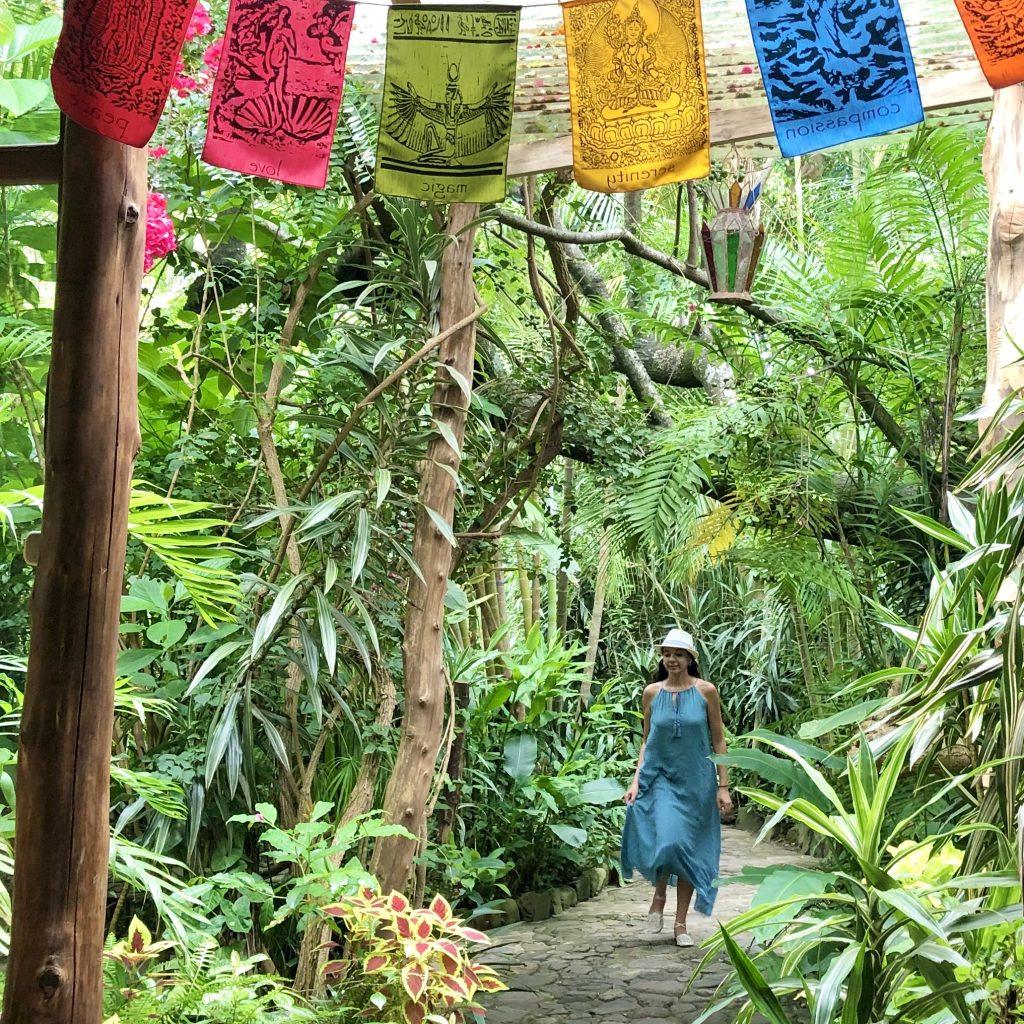
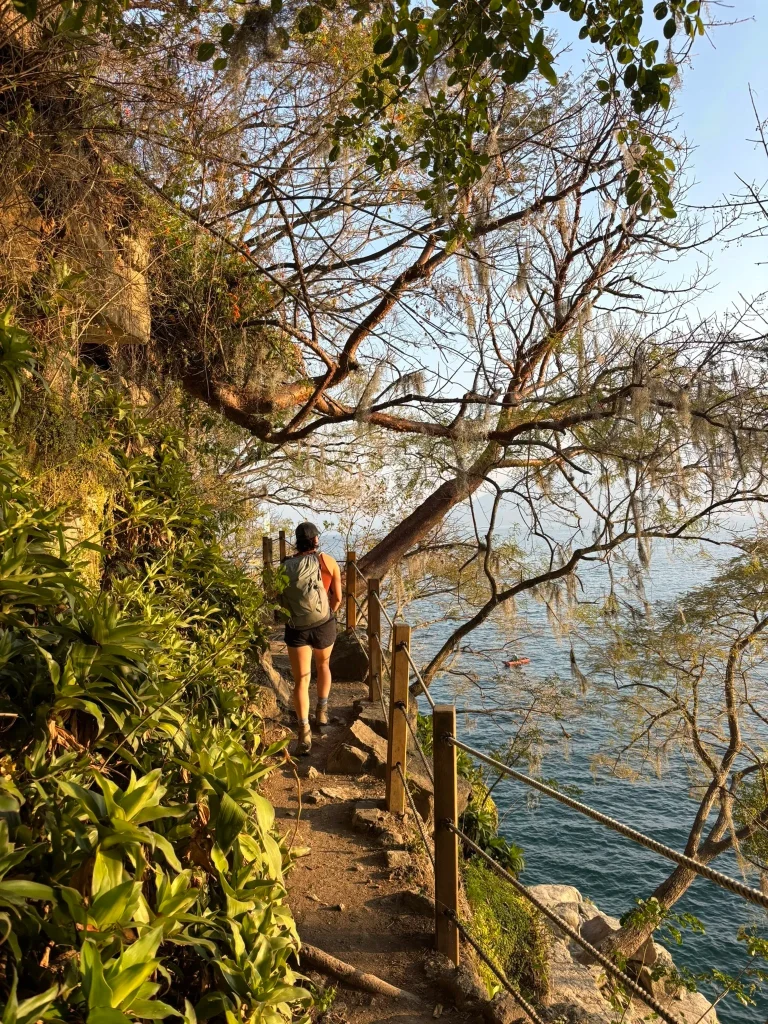
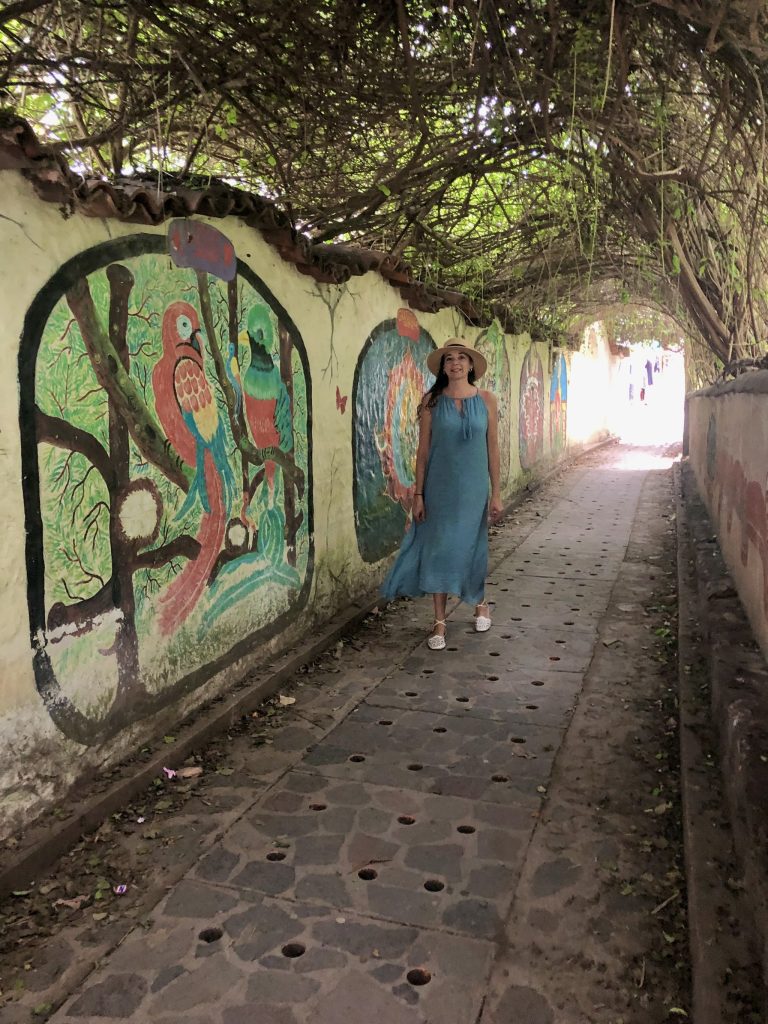
San Marcos has almost no roads inside the village. Instead, stone paths thread through tropical gardens, between retreat centers and local homes, past bougainvillea and banana trees, down to the waterfront. Walking these paths — slowly, with nowhere to be — is one of the genuine pleasures of the place. The village is small enough to walk end to end in twenty minutes, but there are corners and gardens that most day visitors never find. This is where the original San Marcos energy lives, in the walking, the light through the trees, the volcanoes visible in gaps between walls.
Massage and Bodywork
San Marcos has more massage practitioners per square kilometer than anywhere else at the lake. The range is wide — table massage, Thai massage, deep tissue, energy work, reflexology. Prices are reasonable, particularly compared to what you’d pay for equivalent quality elsewhere. For finding a good practitioner: ask at your hotel, look for someone with clear training background and a space that feels professional, and check whether they’ve been operating in San Marcos for multiple seasons rather than just passing through. The practitioners who have stayed are generally the ones worth trusting.
Kayaking
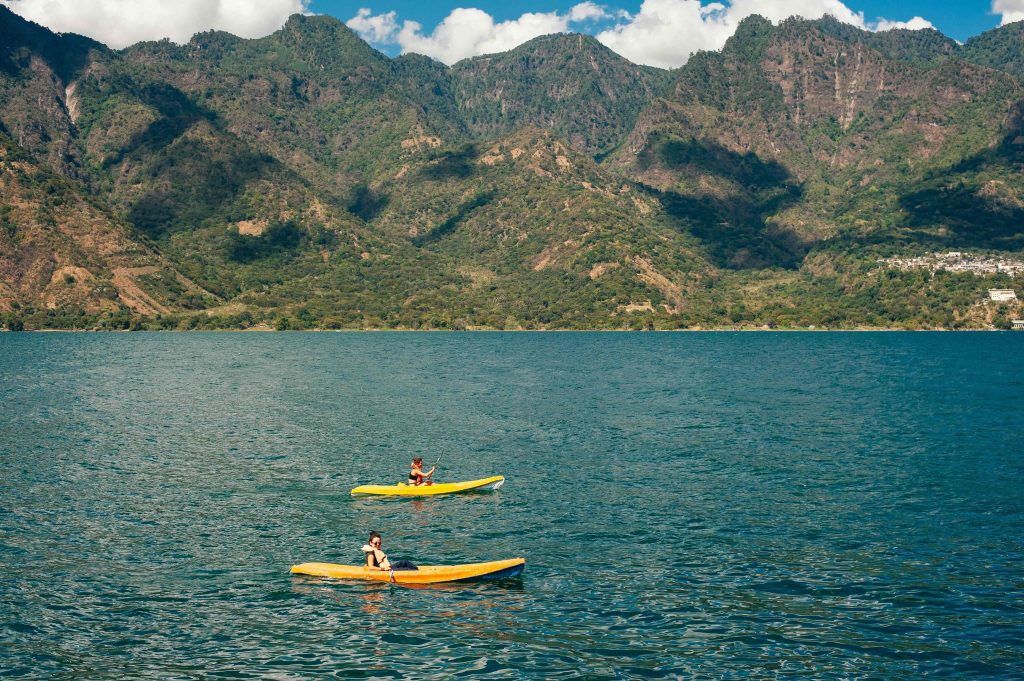
Kayak rentals are available along the San Marcos waterfront and at nearby Los Elementos Adventure Center in Santa Cruz, which also offers guided kayaking, cliff jumping, and a family-friendly full activity day on the lake. Go in the morning — the Xocomil wind makes afternoon paddling significantly less pleasant on the western shore. My Lake Atitlán hiking guide also covers the waterfront trails accessible from San Marcos on foot.
The Waterfall (Cascada)
There is a waterfall accessible from San Marcos — the Cascada de San Marcos — reachable by a short hike from the village. It’s seasonal (more impressive during and after the rainy season, May through October) and involves some scrambling. Ask at your hotel for current conditions and directions. A local guide for this is useful if you’re unfamiliar with the trail.
FOR DAY VISITORS
How to Spend a Morning in San Marcos La Laguna
A focused morning covers the best of what San Marcos offers a day visitor. Leave Panajachel or San Pedro early and follow this sequence.
8:00 AM — Walk the village paths to the nature reserve
From the pier, take the stone paths into the village rather than heading straight to the reserve. Give yourself 20 minutes to walk through the gardens and get a feel for the place before the day-trip energy arrives.
8:30 AM — Cerro Tzankujil (Q20 entrance)
Climb to the Mayan altar at the top of the reserve first, for the panoramic view. Then make your way to the cliff platform. Jump as many times as you need. Swim. Dry out on the rocks. Stay until 10:30 or so before the crowds from Panajachel start arriving.
10:30 AM — Drop-in yoga class or walk to the waterfall
If there’s a class that fits your timing and style, take it. Most studios post schedules on signs near the pier. If yoga isn’t your thing, use the time to walk the village paths or head toward the cascada if the season is right.
12:00 PM — Lunch and return lancha by 12:30
Il Giardino for a proper vegetarian lunch, or eat at a local comedor near the pier for something simpler and cheaper. Be at the dock by 12:30 to return before the Xocomil wind makes the crossing rough.
READ THIS BEFORE YOU BOOK ANYTHING
Visiting San Marcos Responsibly: Navigating the Spiritual Economy
I’m going to be direct here because this matters — both to the Tz’utujil Maya people whose culture is being invoked, and to you as someone investing time and money in an experience. San Marcos has a significant market in ceremonies and practices that are marketed using Mayan language and imagery but have little or no connection to living Tz’utujil or K’iche’ Maya tradition. At the same time, San Marcos also has real yoga teachers, real meditation practices, and real bodywork practitioners whose offerings have genuine value — they just need to be understood as what they actually are.
Part One: Finding Genuine Mayan Spiritual Practice
I’ve been working with a traditional Mayan healer for more than fifteen years. The difference between authentic traditional practice and the commercial version is not subtle once you understand what to look for. Authentic Mayan spiritual practice has its own framework, language, training requirements, and community context. Here’s what that looks like — and what it doesn’t.
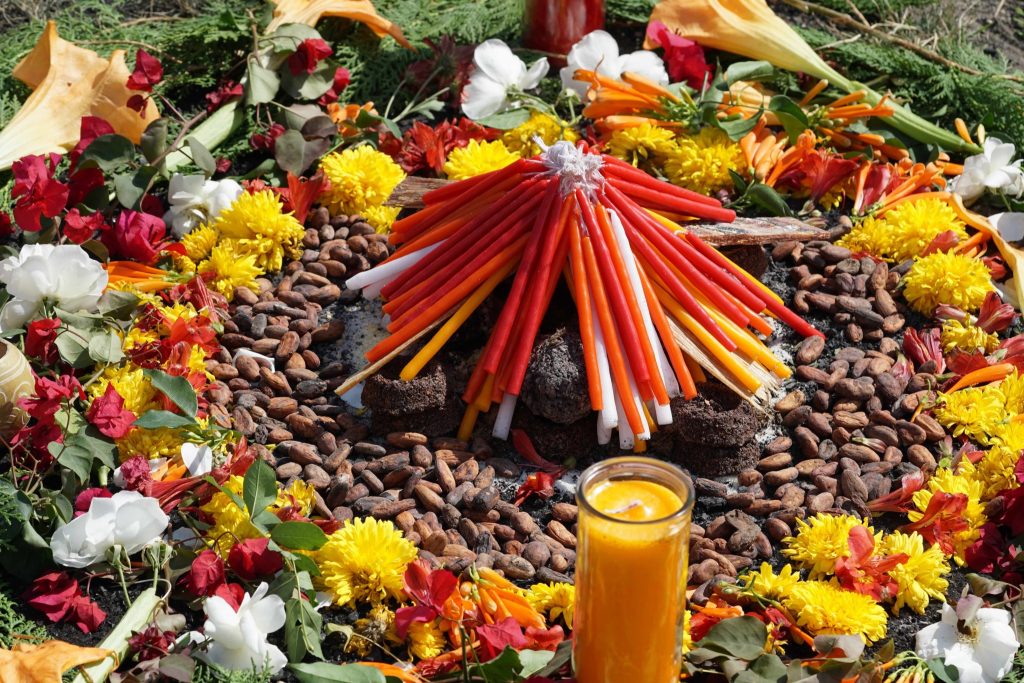
⚠ RED FLAGS IN “MAYAN” CEREMONY OFFERINGS
A ceremony is bookable online for any date, any time, for any number of people — genuine Mayan ceremony follows a calendar, not a booking widget.
The practitioner cannot name the specific Maya community or lineage their training comes from, or learned the tradition from outside Guatemala.
The ceremony is conducted entirely in English with no Tz’utujil or K’iche’ language present. Real Maya practitioners work in their own language.
It is marketed as a “cacao ceremony” rooted in ancient Maya tradition. Cacao has deep roots in Mesoamerican culture, but the group ceremony format now common in retreat contexts is a modern creation, not a pre-Columbian practice.
It is described as a “Mayan ayahuasca ceremony.” Ayahuasca is an Amazonian plant medicine with no roots in Mayan tradition. Combining the two is not a cultural hybrid — it is a marketing invention. It can also be physically dangerous when led by someone without proper training.
A temazcal led by someone who cannot explain the specific tradition and community their practice comes from. My full article on temazcal in Guatemala covers what a real one looks like and how to find it.
✨ GREEN FLAGS FOR GENUINE MAYAN PRACTICE
The practitioner is Maya, from a named community, and can describe their training through the Mayan sacred calendar system. An ajq’ij — a trained daykeeper — apprentices for years learning to read the Chol Q’ij, interpret dreams, and call upon ancestral lineage. This is not something one picks up at a retreat.
The practice is referred to by its Tz’utujil or K’iche’ name, not solely as an English-language wellness experience.
The practitioner’s first question is about your intention, not your payment method or availability.
It is not easily bookable online for any date. Genuine ceremony is tied to specific calendar days and requires genuine inquiry, not a transaction.
If you are seeking genuine Mayan healing, I would point you toward Santiago Atitlán or specific practitioners I share through my planning service. The real thing is at the lake — it is simply not primarily in San Marcos. Read my full guide to Mayan ceremonies in Guatemala before you make any decisions.
Part Two: Evaluating Yoga, Wellness, and New Age Offerings on Their Own Terms
Yoga is not Mayan. Reiki is not Mayan. Breathwork, sound healing, ecstatic dance, tantric practice — none of these are Mayan. They are their own traditions with their own validity, and San Marcos has excellent practitioners of all of them. The issue is not the practices themselves — it’s when they’re packaged under Mayan branding to suggest a cultural depth they don’t carry.
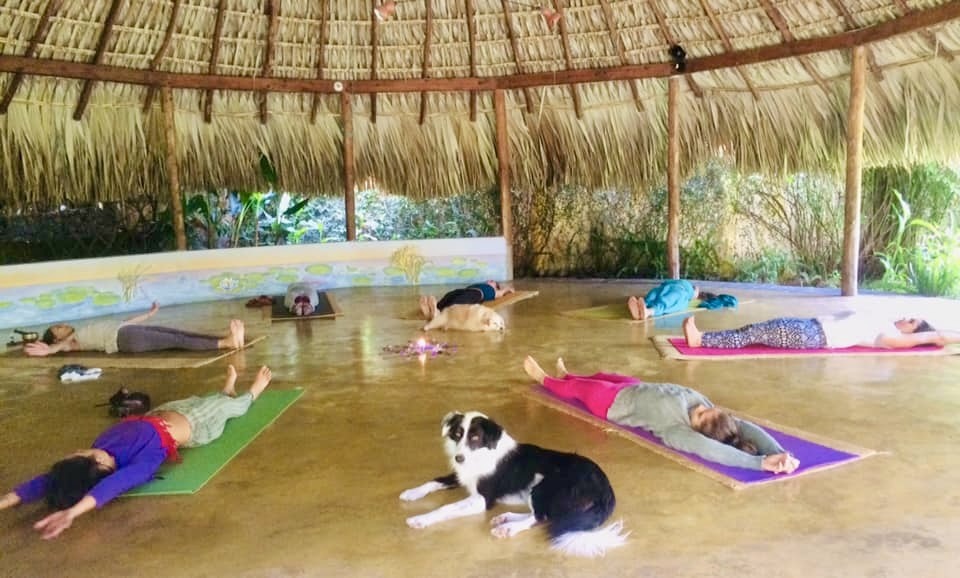
When evaluating a yoga teacher, massage practitioner, breathwork facilitator, or sound healer in San Marcos, the right questions are the same ones you’d ask anywhere:
📌 WHAT TO ASK BEFORE YOU BOOK
What is the name of this practice and where does it come from? A practitioner who is honest about their lineage — “I trained in the Iyengar tradition” or “I have a 500-hour certification in Ashtanga” — is a green flag. Vague language about “ancient wisdom” without specifics is not.
How long have they been at the lake? Practitioners who have been in San Marcos for multiple years are generally more invested and more consistent than those passing through on a digital nomad circuit.
Is the practice described in terms of what it actually is, or in terms that borrow cultural authority it doesn’t have? A breathwork session marketed as “ancestral Mayan breathwork” is a different offering than a breathwork session marketed as Holotropic or Wim Hof — and the honesty of the framing tells you something about the practitioner’s integrity.
Is there a clear refund policy and pricing structure? Legitimate practitioners have these. Pressure-based sales do not indicate a trustworthy offering.
A Word on Two Places I Know Well
Eagle’s Nest Atitlán comes up constantly in San Marcos conversations because it is aggressively present in search results and social media. A few things worth knowing before you book:
The access requires a steep physical hike from the road. Shared bathrooms are the standard for most accommodation types, though this is not always communicated clearly during booking. Guests are asked to sign an agreement restricting photography and the public sharing of images of the property. Conditions lean toward camping or hostel standards rather than hotel standards with shared bathrooms and compost toilets — the views from the property are genuinely spectacular, the food is good, and the noise from roosters and dogs can make sleeping difficult. If you arrive not knowing any of this, the experience can feel surprising in ways that aren’t pleasant.
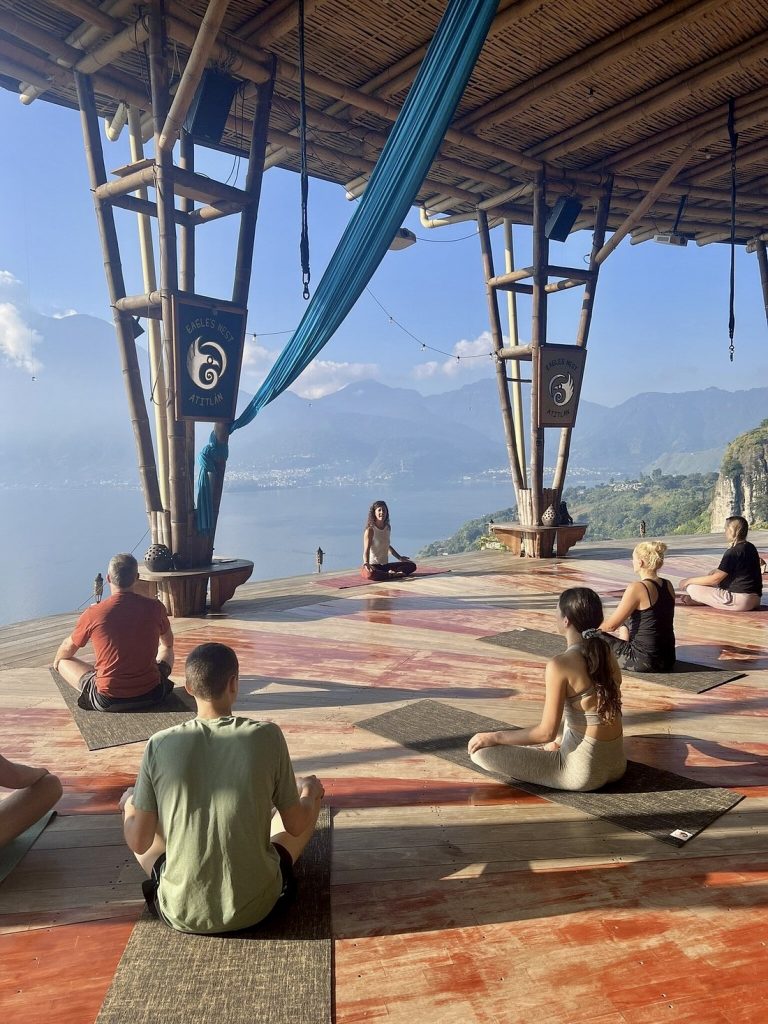
For me, Eagle’s Nest is not the place. The original San Marcos energy I came to the lake for thirty years ago is not what you find there. But I will say this honestly: if ecstatic dance events, community yoga parties, and a scene built around that kind of collective expression is exactly what you came for, Eagle’s Nest delivers it. Know what you’re choosing before you choose it.
Eco-Hotel La Paz is the place I send people when they ask me what San Marcos used to feel like and where some of that still lives. A Guatemalan who came here decades ago running from the noise of Guatemala City built it, and he has been here ever since. The hotel is simple, but has beautiful gardens and a vegan restaurant. It also has weekly workshops and classes including everything from breathwork to yoga. What I love about it is that it retains the kind of grounded, unhurried energy that made this village worth knowing in the first place. When I want to explain what San Marcos can still be, at its best, this is where I point.
FOOD AND DRINK
Where to Eat in San Marcos La Laguna
San Marcos has a small food scene that leans vegetarian and vegan because of the retreat clientele. The quality is higher than you’d expect for a village this size. Prices are also higher than the rest of the lake — the retreat economy has driven costs up, which makes the local comedores near the pier both the culturally richer option and the more affordable one.
✨ THE RETREAT CENTER RESTAURANTS
- Fuego Atitlán has food that is locally sourced, thoughtfully prepared, with the lake views to match — is worth a meal even if you’re staying elsewhere.
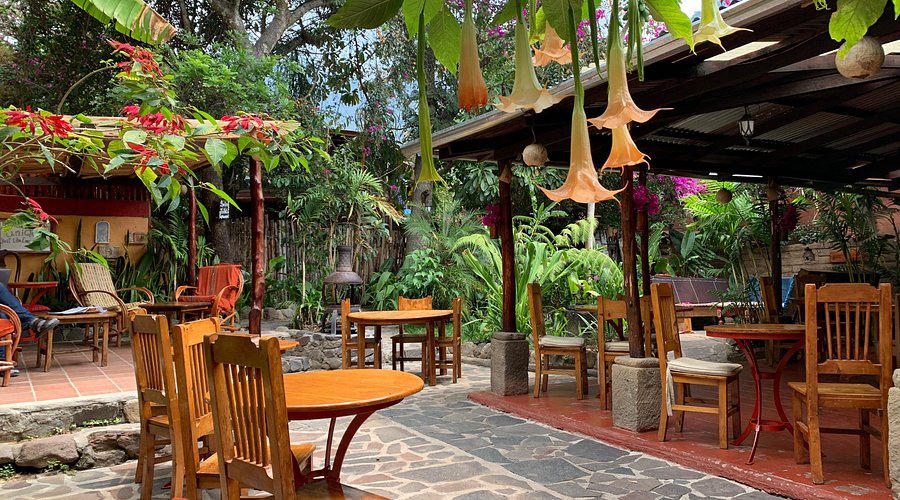
- The restaurant at Eco Hotel La Paz is one of my favorite restaurants because of the homey feel and the peaceful garden ambiance; their entire menu is vegetarian.
- Konojel is an indigenous, women-led nonprofit in San Marcos whose restaurant serves traditional Guatemalan food made from fresh local ingredients by the Kaqchikel women the organization trains and employs. The menu rotates daily with a changing plate of traditional Guatemalan food like Jocón and Pepián, pupusas, and a traditional breakfast at prices that make it accessible to everyone, and every quetzal you spend goes directly toward community nutrition programs, education scholarships, and job training for local women and children in San Marcos.
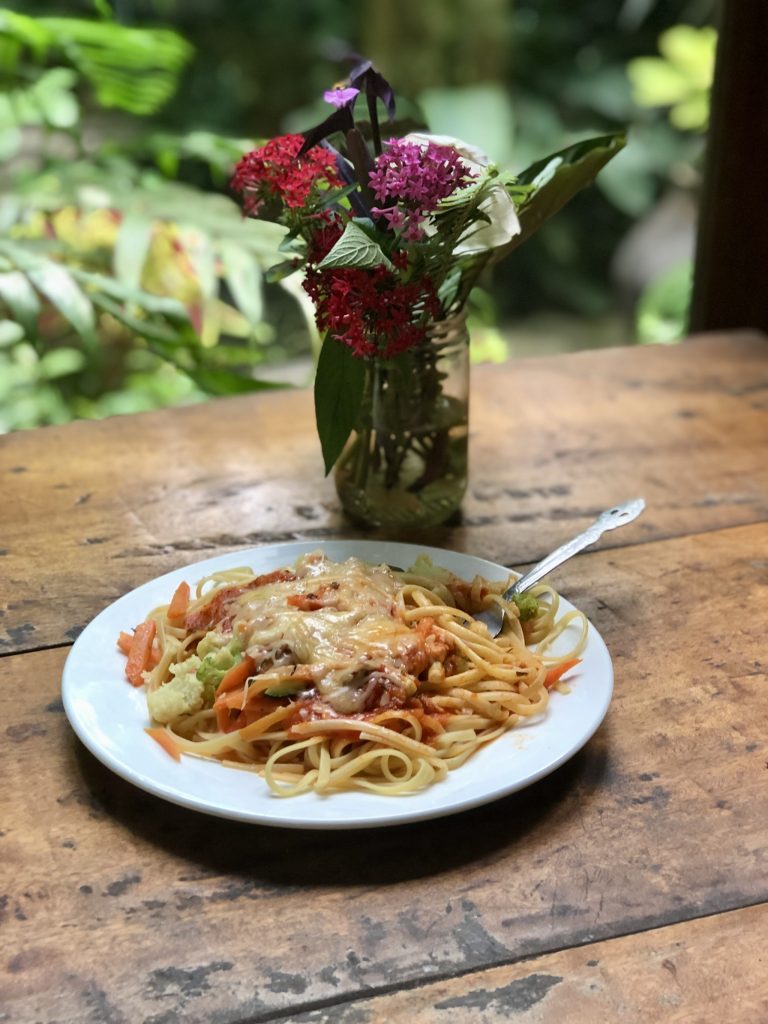
💡 The local comedores near the pier serve the cheapest and most grounded food in San Marcos — eggs, beans, tortillas, local vegetables, coffee. A full plate is Q20-30. In a village where retreat-economy pricing has pushed restaurant meals toward Q80-150, eating here a couple of times is both economical and connects you to the community that lives here year-round, not just the spiritual tourism layer on top of it.
EVENINGS IN SAN MARCOS
Nightlife in San Marcos La Laguna
San Marcos has its own evening rhythm, and it is nothing like a bar town. What happens here at night tends toward kirtan, ecstatic dance events, drum circles, and community dinners at the retreat centers. Some of these are genuinely joyful and worth seeking out. Others are the kind of thing you either immediately understand or immediately don’t. There is no neutral position on ecstatic dance.
If what you want is bars, cold beer, live music on a stage, and a social scene with other travelers, San Pedro La Laguna is 10 minutes away by lancha or tuk-tuk and has all of that. Many people who sleep in San Marcos spend their evenings in San Pedro and return. That combination works well.
TIMING YOUR VISIT
Best Time to Visit San Marcos La Laguna
November through April — dry season — brings the clearest skies, most reliable volcano views, and best conditions for cliff jumping at Tzankujil. The rainy season (May through October) brings lush green surroundings and fewer visitors, but cloud cover can obscure the lake views that make the setting so striking. The waterfall is best during and just after the rains. My seasonal guide to Guatemala covers the full picture.
📌 DATES WORTH KNOWING
Las Pirámides del Ka silent meditation courses are aligned with the lunar calendar. If you’re planning your visit around a course there, check their specific start dates well in advance — they book up.
Holy Week (variable, March or April) — San Marcos observes Semana Santa with its own community traditions, distinct from the larger celebrations at Santiago. My guide to Holy Week at Lake Atitlán covers the whole lake.
January-February — some retreat centers close or reduce programming. Confirm availability before you travel if you’re booking specifically around a workshop.
Every morning — go early to Tzankujil. Before 10 AM the reserve is calm, the water is still, and the platform has a short line. By 11 AM, the day-trip lanchas have arrived and it’s a different experience.
The Real Thing
I Know Which Practitioners at the Lake Are Worth Your Trust — and Which Ones Aren’t
I’ve been at this lake for decades. I know the teachers, the healers, and the retreat centers that deliver what they promise — whether that’s yoga, genuine Mayan healing, or an honest wellness experience. I share those names personally with planning clients.
ACCOMMODATION
Where to Stay in San Marcos La Laguna
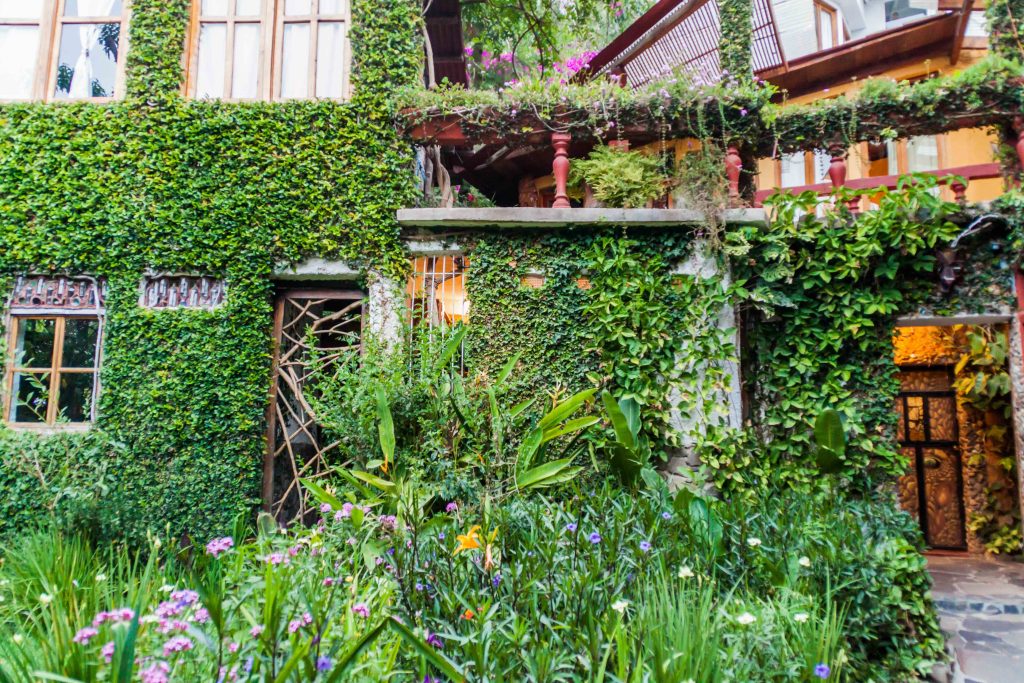
San Marcos has a wide range of accommodation, from genuine eco-luxury to budget guesthouses. The retreat-economy pricing means you often pay more here for equivalent quality than elsewhere at the lake — but the best options here are genuinely worth what they charge. San Marcos hotels come first; options on the surrounding lake follow for those who prefer a broader base.
HOTELS IN AND NEAR SAN MARCOS LA LAGUNA
ACCOMMODATION
Where to Stay in San Marcos La Laguna
San Marcos has a small but varied accommodation range — from the most polished spa hotel on the western shore to eco yurts on a hillside above the village to the most personally recommended small hotel at the lake, which has been run by the same Guatemalan owner for nearly two decades. The options below reflect different kinds of San Marcos experiences. Choose based on what you’re actually coming for.
|
⭐ BEST SPA AND POOL — ADULTS ONLY Kula Maya Boutique Hotel & Spa Ten rooms only — suites, domes, and a yurt option — all individually designed, adults-only, steps from Cerro Tzankujil. Infinity pool, jacuzzi, sauna, steam room, and a full-service spa with massages and treatments. The tiki bar serves cocktails and herbal elixirs at sunset. The restaurant is genuinely good. Rated 8.9/10 on Booking.com and consistently praised for views, staff, and food. On the higher end for San Marcos — factor that in. There is also a bar next door that can be heard from some rooms at night. |
⭐ BEST ECO STAY — SUNRISE VIEWS Fuego Atitlán Eco-Hotel Luxury yurts on a steep hillside above San Marcos — five minutes by tuk-tuk from the center, or a 15-minute uphill walk from the dock. Every yurt has full lake and volcano views. Shared kitchen, firepit, garden, breakfast available. The approach is genuinely steep from the water — not for anyone who struggles with inclines, but the reward is one of the best sunrise views at the lake from your own terrace. The eco-friendly dry toilets are worth knowing about before you book. Quiet, away from the village bustle, and ideal for people who want to disconnect. |
|
⭐ BOUTIQUE — GARDEN SETTING The Hidden Garden A small garden property in San Marcos, three minutes from the center, with café and accommodation in a lush garden setting. Good for travelers who want a quiet, tucked-away stay without the elevation of Fuego or the price of Kula Maya. Relatively new on the scene — the café has earned strong early reviews from locals and visitors for the setting and the food. |
⭐ BEST BOUTIQUE — LAKE VIEWS — #1 ON TRIPADVISOR Lush Atitlán The top-ranked hotel in San Marcos on TripAdvisor with 348 reviews. Twelve rooms, each one individually designed with local art and handmade furniture, every one with a private terrace or balcony looking directly at the lake and volcanoes. Eco-boutique in practice — solar water heating, biodegradable products, grey water treatment. The Mirador Honeymoon Suite has an open-air spa bathroom and a balcony view that earns its own reviews. Rated 8.7 Very Good across 674 reviews. The only eco-boutique hotel in San Marcos. Book direct for best rates. |
MY PERSONAL RECOMMENDATION IN SAN MARCOS
Eco Hotel La Paz
Benjamin has been running La Paz in San Marcos for nearly twenty years. He’s Guatemalan. He knows this village and this lake the way very few people do, and that knowledge comes through in everything about the place — the advice he gives guests about getting around, the way the dinners work (family-style, at shared tables, where you end up meeting people), the yoga classes, the vegetarian restaurant, the sauna. Some rooms are straightforward hotel style. Others are whimsical and treehouse-like, which is either exactly what you want or exactly what you don’t. No lake view — the gardens face inland — but the atmosphere at La Paz is the original San Marcos energy before the village became what it is today. This is the place I send friends who want a genuinely personal experience in San Marcos.
If you want more infrastructure, more restaurant variety, or easier connections to Antigua, the options below give you a broader base while keeping San Marcos within a short lancha trip.
|
⭐ EASTERN SHORE Lakefront in Santa Catarina Palopó with pool, volcano views, and direct lancha access to the western shore villages. One of my favorites at the lake for its combination of comfort and cultural context. |
⭐ PANAJACHEL Hotel Atitlán Classic lakefront hotel in Panajachel with the broadest connection to the lake’s lancha network. Best base for travelers who want to visit multiple villages including San Marcos without committing to one side of the lake. |
A rental car is most useful for the Antigua-to-Panajachel leg. Once at the lake, the lanchas handle everything. San Marcos specifically has very limited road access inside the village, so once you arrive by boat, you’ll be on foot or tuk-tuk regardless.

Guatemala Is My Country
Let Me Help You Find What’s Real at Lake Atitlán
Whether you’re looking for a yoga retreat worth trusting, access to a genuine Mayan healing practice, or simply the best way to spend your time at the lake — I share the specific names and places privately with planning clients. No booking platform needed.
QUESTIONS PEOPLE ASK
San Marcos La Laguna: Your Questions Answered
What is San Marcos La Laguna known for?
San Marcos La Laguna is known as the yoga and wellness capital of Lake Atitlán — sometimes called the “Hippie Highway” by locals. It has the highest concentration of yoga studios, meditation centers, retreat facilities, and alternative healing practitioners at the lake. It’s also known for Cerro Tzankujil Nature Reserve and its cliff jumping platform, and for the iconic pyramid-shaped structures of Las Pirámides del Ka. It is a Tz’utujil Maya municipality with a real indigenous community living alongside the retreat economy.
Is San Marcos La Laguna safe?
San Marcos is generally safe for travelers using standard precautions. Don’t leave valuables visible in your room when you go out, stay on familiar paths at night rather than taking unfamiliar routes in the dark, and let your accommodation know your plans if you’re hiking early in the morning. The stone path network can be confusing after dark — orientate yourself in daylight. As in any destination, common sense goes a long way.
What to do in San Marcos Lake Atitlan?
The main activities are cliff jumping and swimming at Cerro Tzankujil Nature Reserve, drop-in yoga classes at multiple studios, walking the stone path network through the village, massage and bodywork, meditation at Las Pirámides del Ka, kayaking from the waterfront, the cascada waterfall hike, and ecstatic dance events in the evenings. It’s a slower-paced village than San Pedro or Panajachel — the activities here lean toward rest, movement, and contemplation rather than nightlife or shopping.
Is it safe to swim in San Marcos Lake Atitlan?
Cerro Tzankujil is the designated swimming and cliff jumping spot on the San Marcos side, with cleaner conditions than open waterfront areas. Lake Atitlán experiences periodic cyanobacteria (blue-green algae) blooms that can be toxic and vary by location and season — check current conditions at the reserve entrance before entering the water. The staff there generally have up-to-date information.
Which lake is San Marcos La Laguna on the shore of?
San Marcos La Laguna sits on the western shore of Lake Atitlán (Lago de Atitlán) in the Sololá department of Guatemala’s western highlands, surrounded by three volcanoes: Atitlán, Tolimán, and San Pedro.
Where can you stay in San Marcos La Laguna?
The standout option is Fuego Atitlán Eco-Hotel — luxury eco-yurts on the lakeshore with spectacular views. My personal recommendation is Eco-Hotel La Paz, which carries the original San Marcos energy. Lush Atitlán is the best choice for organized wellness retreat programming. Baba Yaga is a quirky boutique option with high reviews. Budget guesthouses are also available throughout the village for travelers who prioritize location over amenities.
Why can’t you swim in Lake Atitlan?
Swimming in parts of Lake Atitlán has been affected by periodic cyanobacteria blooms linked to agricultural runoff and wastewater. These blooms vary by location and season. The lake’s depth and cold temperatures also make open-water swimming risky regardless of water quality. Designated swimming spots like Cerro Tzankujil have better conditions and current local information. Always check before entering the water anywhere on the lake.
KEEP EXPLORING
More From Lake Atitlán and Guatemala
|
MAYAN CEREMONIES Mayan Ceremonies in Guatemala: A Complete Guide What genuine Mayan ceremony is, what it isn’t, and how to find the real thing at the lake and beyond. |
TEMAZCAL Temazcal in Guatemala: What It Is and Where to Find the Real Thing The difference between a real temazcal ceremony and a tourist product — and how to tell them apart. |
|
THE CULTURAL CENTER Santiago Atitlán: A Local’s Complete Guide Where the living Tz’utujil Maya spiritual tradition actually lives at the lake. |
SAN JUAN LA LAGUNA San Juan La Laguna: A Local’s Complete Guide The weaving cooperatives, coffee tour, and mirador that make San Juan genuinely worth your morning. |
|
LAKE ATITLÁN Why Lake Atitlán Needs to Be on Your Bucket List The complete context for the lake — every village, every reason to go. |
BOAT SERVICES Complete Guide to Lake Atitlán Boat Services Routes, docks, prices, and timing for every village — including how to reach San Marcos. |
|
HIKING The Best Hiking Trails in Lake Atitlán Every trail worth knowing at the lake — including the routes accessible from the western shore. |
MAXIMÓN Maximón: Guatemala’s Most Mysterious Religious Figure The context for Tz’utujil spirituality that helps explain what makes San Marcos’s version so different from the real thing. |
Guatemala Belongs to the People Who Know It
Let Me Help You Experience the Lake the Way It Deserves
I was born Guatemalan. I’ve been at this lake my entire life, and I’ve watched it change in ways that break my heart and ways that still make it the most remarkable place I know. Let me help you find the version of it that is worth carrying home with you.
San Marcos is still beautiful. The paths through the gardens still wind down to the water. The volcanoes still rise across the lake at dawn in a way that makes you stop walking. Whatever has changed about this village, the lake itself has not changed. Come for that. Come for the cliff jump, for the silence after the lanchas leave, for a yoga class with a teacher who actually knows what they’re doing. Just come knowing what you’re looking for — and this place will still give it to you.
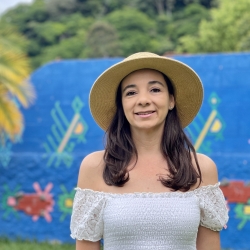
Through her writing, Paula helps travelers discover Guatemala beyond the typical tourist route with practical advice, local recommendations, and authentic experiences that connect visitors with the country’s people, culture, and traditions.
Planning a trip to Guatemala? Paula offers personalized Guatemala itinerary planning and trip consultation services tailored to your interests, travel style, and budget. Contact her at [email protected] to learn more.
- San Lucas Tolimán Guatemala: Lake Atitlán’s Best-Kept Secret - September 24, 2026
- Hotel Tolimán Lake Atitlán: A Special Stay in San Lucas Tolimán - September 24, 2026
- Guatemala Dreams in San Lucas Tolimán: A Boutique Stay on Lake Atitlán - September 23, 2026

