
This post is also available in:
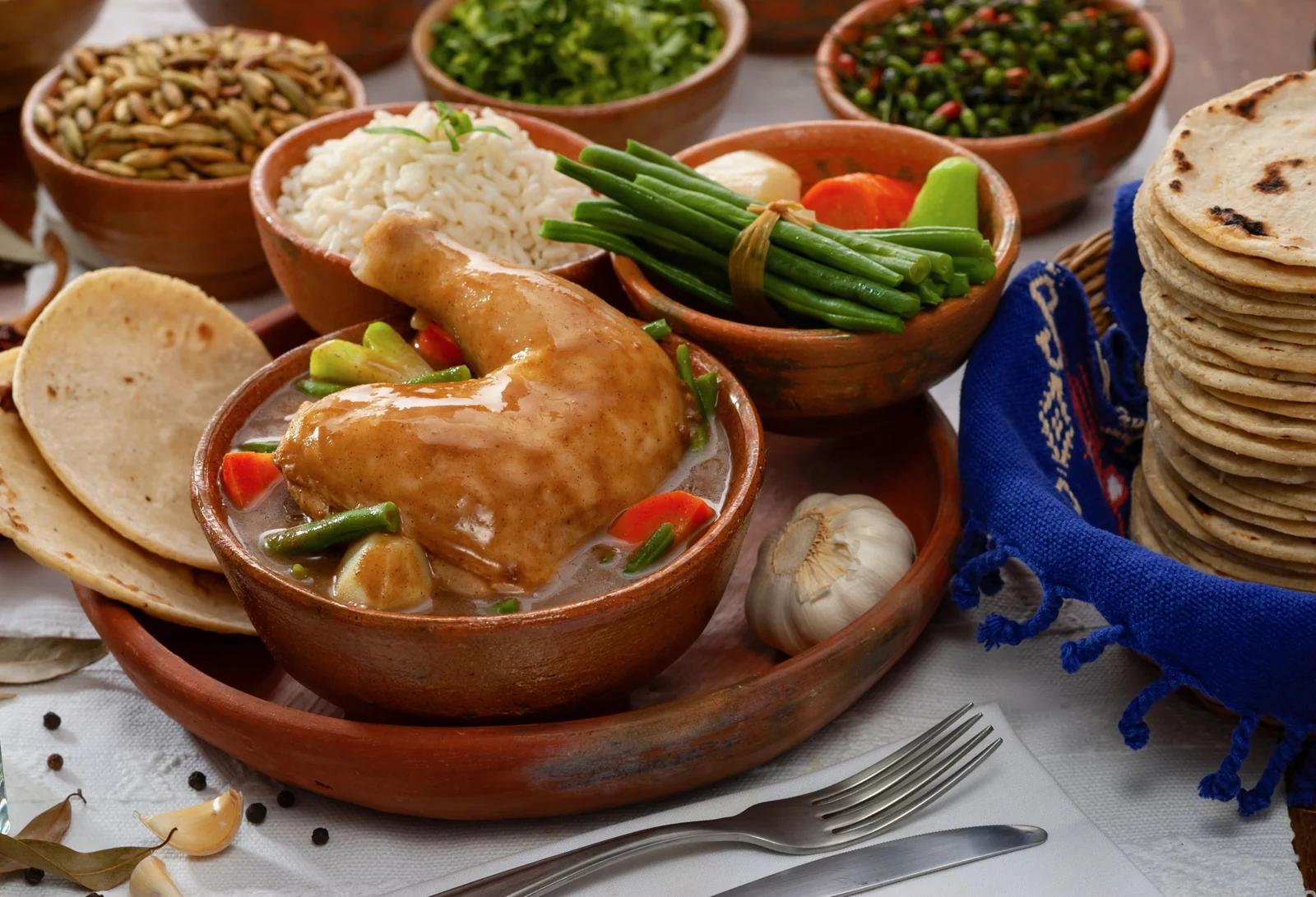
Pepián de pollo, or chicken pepián, is Guatemala’s national dish: a thick, deeply spiced chicken stew built on a sauce of roasted pumpkin seeds, sesame, and dried chiles. It’s one of the oldest recipes in the country, rich in flavor and Mayan history, and can also be made with beef, pork, or a mix of all three. Add a couple of veggies like potatoes and carrots, serve it with white rice, and it becomes the kind of complete, soul-warming meal that tastes like home.
Pepián is one of the dishes I always tell first-time visitors to Guatemala they need to try. If Antigua Guatemala is part of your trip, make time for traditional Guatemalan food alongside the city’s cafés and more modern restaurants—it’s one of the best ways to connect what you’re seeing with the culture behind it.
This article contains affiliate links. If you buy something through one of my links, I may earn a small commission at no extra cost to you. I only recommend products and services I have personally used or vetted.
Pepián de Pollo: A Taste From Home
Here is my take on the dish I grew up with in Guatemala, and the one I reach for most when I’m missing my family and a piece of home. Pepián is a fantastic representative of Guatemalan comfort food, combining Mayan heritage and local ingredients with the influence of flavors brought from Spain.
If you’ve never made pepián, don’t let the long ingredient list scare you off. It’s far easier than it looks. Sure, cooking it from the US means a little planning to track down the right chiles and pepitoria, but trust me, it’s worth it. Follow the steps, and you’ll be serving Guatemala’s national dish at your own table.
What is Pepián?
The word pepián doesn’t have a direct English translation. It refers to the thick, tomato-based stew itself, and the name most likely comes from “pepitoria” (dried squash or pumpkin seeds), one of the key ingredients in this Mayan dish.
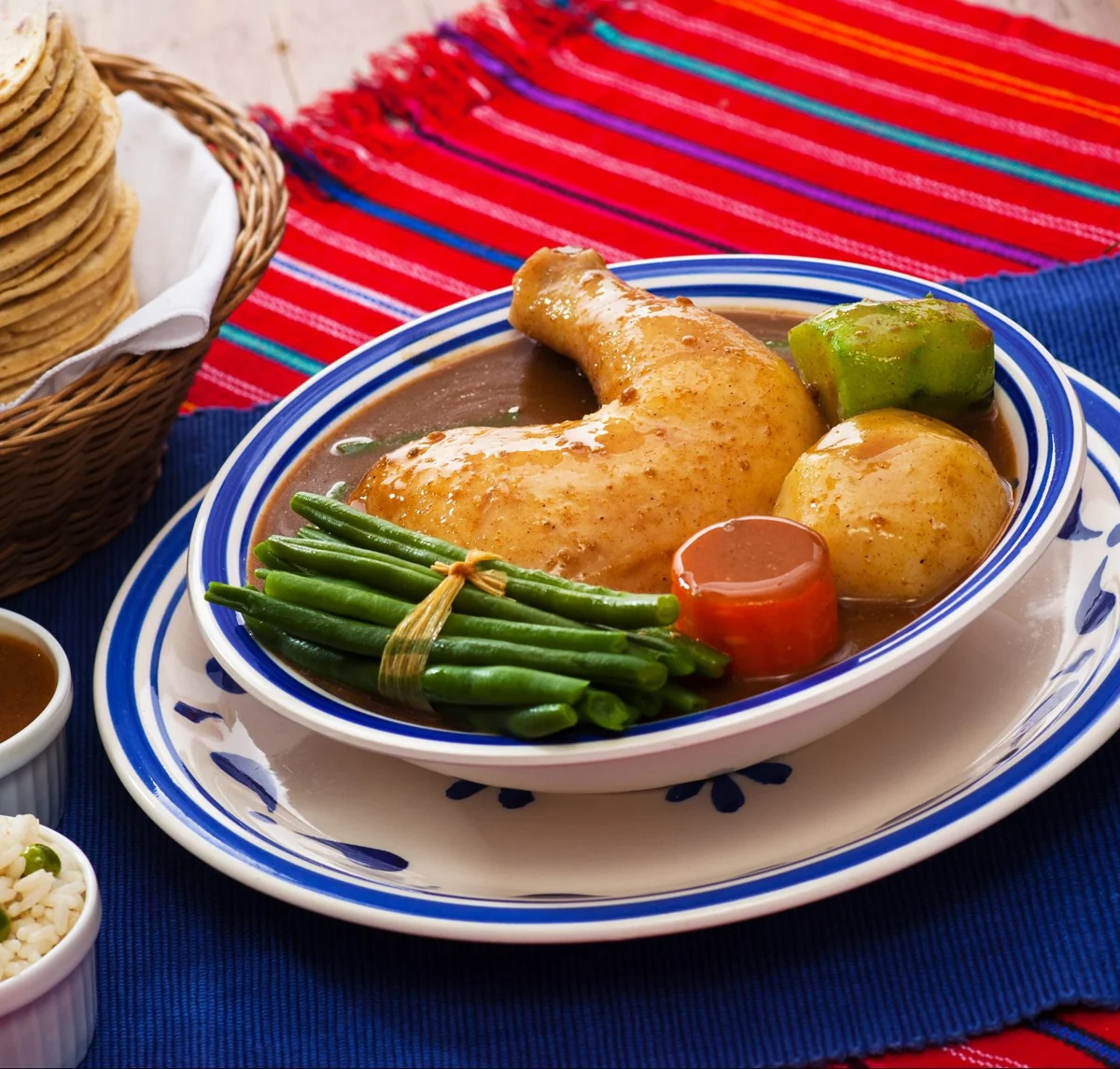
Pepián gets its distinctive flavor from roasted pepitoria (pumpkin seeds) and sesame seeds crushed into a fine powder. That’s what gives the stew its nutty flavor and also helps thicken the sauce.
There are many versions across Guatemala, from velvety red sauces to darker black ones and even yellow. For example, pepián dulce is made with chocolate, has a savory-sweet flavor, and is usually made with a free-range hen instead of chicken.
Where Does Pepián Come From?
Pepián traces back to the Maya, specifically the Kaqchikel people of what is now the department of Chimaltenango, in Guatemala’s western highlands. In the pre-Columbian world, it was ceremonial food, served at important rituals tied to religion and community. After Spanish contact in the 16th century, the dish took on new ingredients, but it kept that roasted-seed base at its heart.
In 2007, the Guatemalan government declared it Patrimonio Cultural Intangible de la Nación (Intangible Cultural Heritage of the Nation). So when people ask whether pepián is Mexican or Guatemalan, the answer is: it’s Guatemalan to its roots, even though it has a close Mexican cousin.
Guatemalan Pepián vs. Mexican Pipián: What’s the Difference?
Guatemalan pepián rojo is a close relative of the Mexican “pipián” recipe, which makes sense given how much our two countries share. The difference comes down to the seeds and what gets added to them.
The Guatemalan version leans on pepitoria and sesame, skips the nuts, and may or may not include a little chocolate. The Mexican pipián usually folds in almonds (or peanuts) and chocolate as its main ingredients and tends to run spicier. Same family, different kitchen.
What Are the Ingredients for Guatemalan Pepián de Pollo?
Pepián is a stew of chicken and vegetables cooked in a thick, smooth sauce. Most traditional recipes use tomatoes, bell peppers, and onions as the base for the recado (sauce). Dried guaque and pasa chiles add a tangy, mild twist, and the essential ingredient is pepitoria, the roasted pumpkin or squash seeds that give pepián its nutty, smoky character. Chicken is traditional, but you’ll find versions with beef, pork, or a combination of all three.
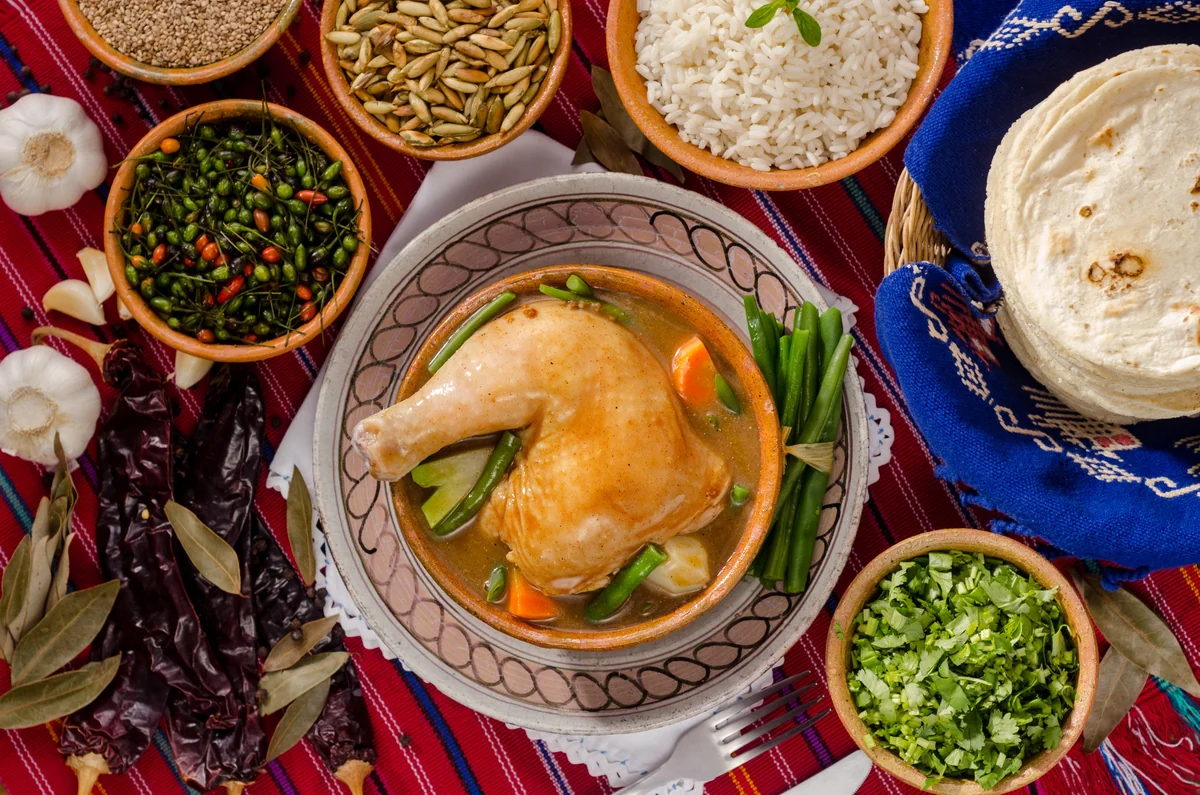
Because Guatemala enjoys great weather year-round (no wonder it’s called “The Land of Eternal Spring”), most traditional dishes lean on fresh produce, and pepián is no exception. Carrots, green beans, and güisquil (chayote) usually go in too, turning it into a complete, comforting meal.
Finding good, fresh ingredients can be one of the hardest parts of making traditional recipes at home. I’ve been using Misfits Market for produce and pantry staples, and I love that it makes cooking from scratch easier while helping cut down on food waste.
What Is the Difference Between Pepián Rojo and Pepián Negro?
Depending on the region, pepián recipes will probably look and taste a little different. At different eateries, the first thing you might notice is that there’s a red and a black version of the same dish, varying mostly in a few ingredients.
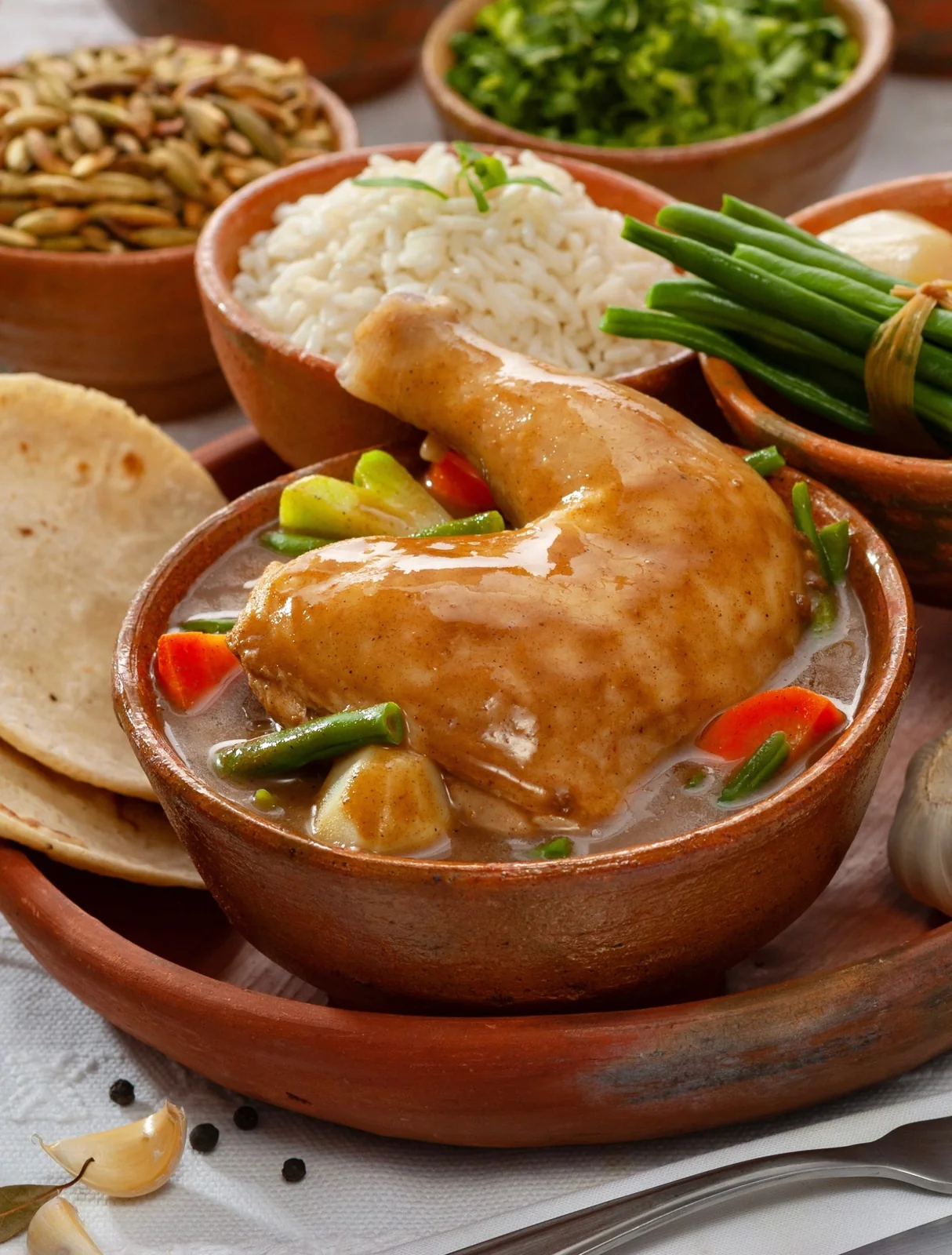
The traditional recipe for Pepián negro (black) adds plantain peels while roasting the seeds, and a more toasted, nearly blackened tortilla browns the sauce further. An authentic Pepián rojo (red) skips plantains and adds more tomatoes and peppers, giving it a rich crimson color and a unique taste.
The two chicken stews taste similar, as they share most of the same ingredients like pepitoria and sesame. But you’ll soon find out no two pepiánes are ever quite the same, and several Guatemalan departments (subdivisions like states) claim the dish as their own.
How to Make Guatemalan Pepián de Pollo
Ingredients for the Pepián:
- 1 Chicken
- 1 cinnamon stick
- 4 ounces sesame seeds
- 4 ounces of pepitoria seeds (pumpkin seeds)
- 1 Guaque pepper (guajillo pepper)
- 2 Pasa peppers (poblano or pasilla peppers)
- 1 cold corn tortilla
- 2 pounds of tomatoes, coarsely chopped
- 4 ounces of green tomatoes or tomatillos (miltomates), coarsely chopped
- 2 red bell peppers, coarsely chopped
- 2 garlic cloves
- 1 onion, coarsely chopped
- 1 bunch of cilantro
- 3 carrots cut into cubes
- 1 Güisquil (chayote) cut into cubes
- 3 potatoes cut into larger cubes
- ½ pound green beans, cut into pieces
- Salt to taste
Instructions:
- In a comal or a metal skillet, place the cinnamon stick, sesame seeds, pumpkin seeds, guaque pepper, pasa peppers, and the tortilla and grill them together. Let them cool down before blending.
- Blend all the ingredients in step one with a glass of water. Then, put them through a strainer. If you use a mill, you do not need to add any water.
- Separately, roast the tomatoes, tomatillos, bell pepper, garlic, and onion. After letting them cool down, blend them, adding only a sprig of cilantro (set aside the rest). Put them through the strainer for a smooth sauce.
- Cut the chicken into pieces and cook it in approximately 3 liters of water and salt to taste. When the chicken is fully cooked, remove it from the water and set it aside. Add the carrots, güisquil, potatoes, and green beans.
- Add the two sauces that you blended previously and the rest of the cilantro. Continue cooking over low to medium heat until all the vegetables are tender. If the sauce seems a little thick, use the boiled water from the chicken to thin it out a little.
- Serve your Pepián in a bowl as a stand-alone meal or with white rice and corn tortillas.
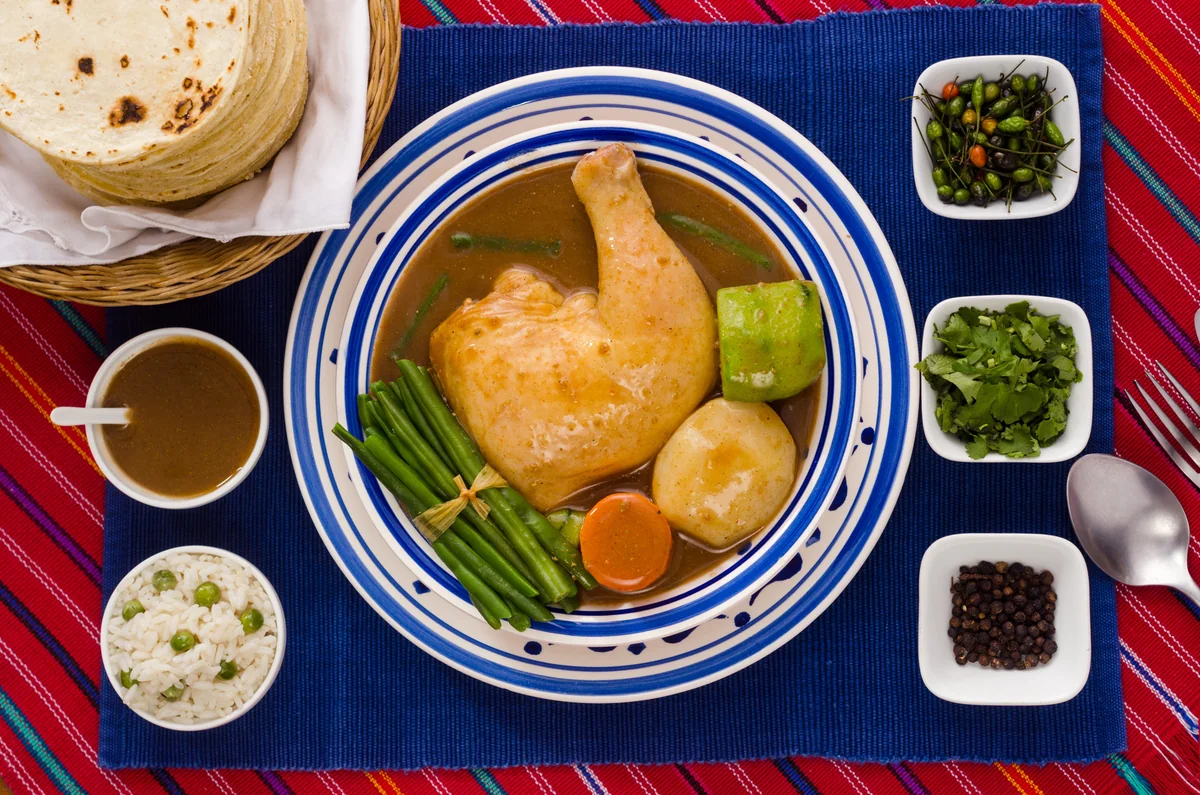
Make Ahead of Time
I’m constantly looking for ways to simplify recipes. Cooking is a joy for me, especially dishes that bring back memories of growing up in Guatemala, and I love sharing it with my kids to connect them to their heritage.
Some recipes just take more time than you’ve got, so with pepián you can take a few shortcuts: prep the ingredients ahead of time, or make the sauce a day or two before, refrigerate it, and cook the chicken and vegetables the day you serve.
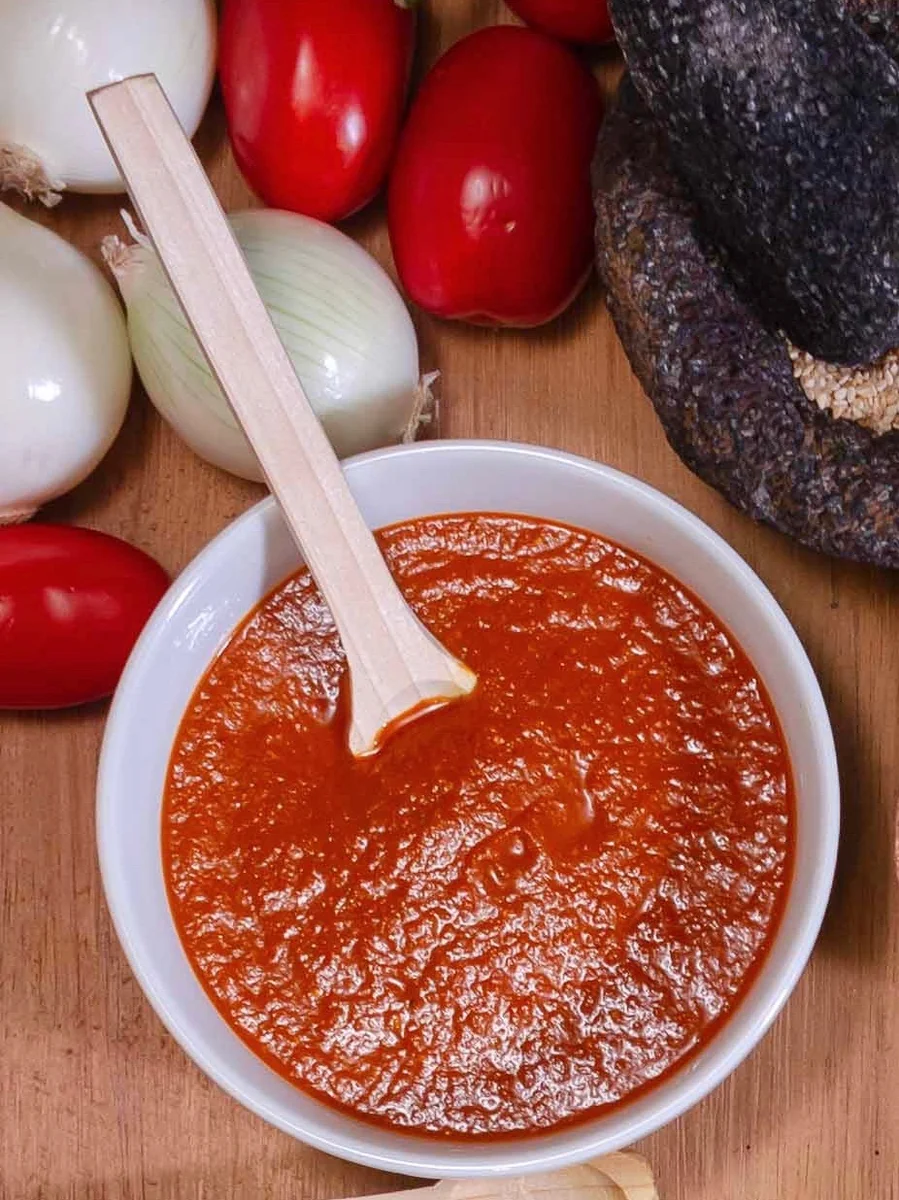
Planning a big family dinner? Finish cooking in the morning and reheat before serving. Making it ahead frees you up for other things, like making Guatemalan-inspired crafts with the kids when you’re celebrating Hispanic Heritage Month or Guatemala’s independence.
Can I Freeze Pepián?
Yes! Pepián is a very flexible recipe. Besides allowing you to cook some things ahead of time, you can also make extra and freeze them.
Prepare the sauce and freeze it in a labeled, dated zip bag (I make a double batch and freeze half). Freeze the chicken separately, marked “chicken for pepián” so it doesn’t wander into another recipe.
Thaw both the sauce and chicken overnight in the fridge (don’t let food defrost on your kitchen counter: it is a magnet for bacteria!). Then, combine everything in a large pot over low to medium heat. Add veggies like carrots and green beans, and cook until tender, allowing all the flavors to blend.
Tips For Making Guatemalan Pepián
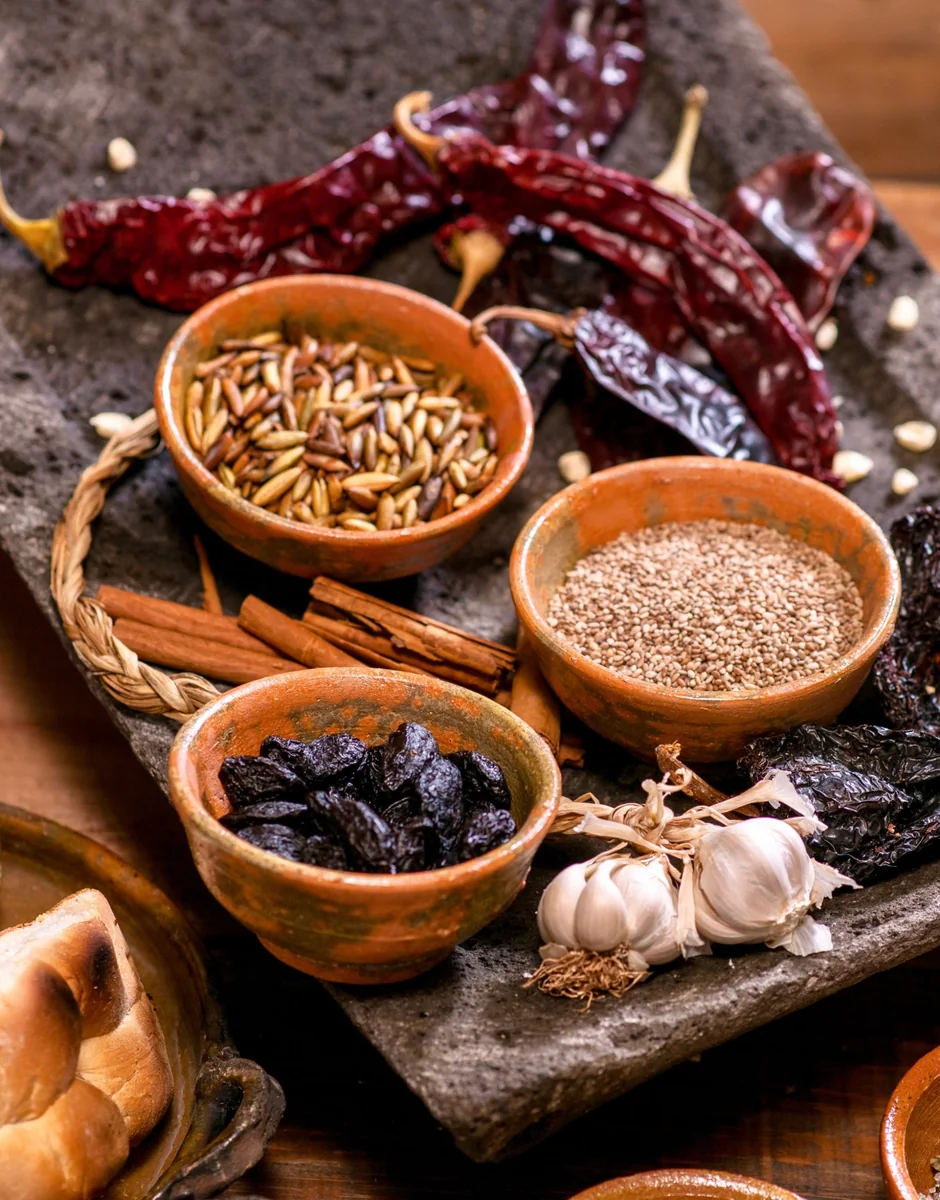
- Roast the ingredients in batches: Toast the cinnamon, sesame seeds, pumpkin seeds, guaque pepper, pasa pepper, and the tortilla first. While they cool, start the second roasting batch (tomatoes, tomatillos, bell peppers, garlic, and onion) to make the recado sauce. A flat cast-iron comal makes the roasting even. Then blend batch one while batch two roasts. Cuts your cooking time significantly!
- Strain for that signature smoothness: pushing the sauce through a fine-mesh strainer (or a food mill) is what separates a silky pepián from a gritty one.
- Take a trip down to your local Hispanic market: You might not find all the ingredients listed in the recipe at your regular supermarket. But I promise, going to a Hispanic store to find the peppers and seeds you need will be worth the extra effort.
- Out of chicken? No problem! This stew is very accommodating; you can make it with chicken, beef, or pork. You can even try combining all three for a different twist. No matter what protein you choose, it will surely turn out delicious.
What To Serve With Guatemalan Pepián
Thanks to its rich, thick sauce, traditional Pepián is usually served in a deep soup bowl. Local restaurants and street vendors typically serve it over white rice and a stack of freshly made corn tortillas. Pepian is always on my table for September 15. Here are other ideas for what to cook for Guatemala’s Independence Day.
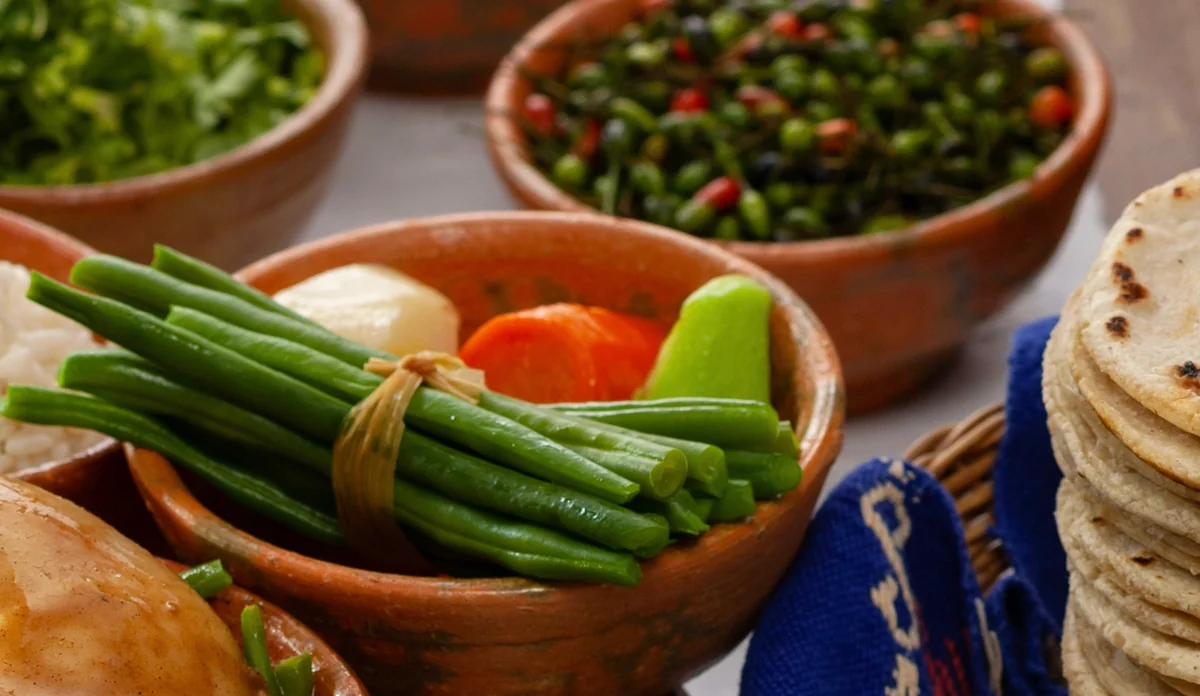
Feeling creative? Serve a “deconstructed” version. Cook and serve the vegetables on the side so your guests can pick what they would like to add (or leave out). Another great idea is to put the pepián in a corn tortilla and enjoy it like a taco!
Good to Know Before You Make Pepián
Is Pepián Mexican or Guatemalan?
Pepián is Guatemalan. It’s the national dish, with Maya-Kaqchikel roots in the Chimaltenango highlands, and it was declared part of Guatemala’s Intangible Cultural Heritage in 2007. It has a Mexican cousin, the pipián, but the two are different dishes from different traditions.
What Does Guatemalan Pepián Taste Like?
Pepián tastes nutty, smoky, and savory, with a thick, velvety sauce. The roasted pepitoria and sesame give it depth closer to a toasted-seed mole than to a tomato stew, and the dried chiles add mild warmth without sharp heat.
Is Pepián Spicy or Mild?
Pepián is mild. The guaque and pasa chiles bring flavor and color more than heat, so it’s family-friendly. If you like spice, serve it with a chiltepe salsa on the side rather than adding heat to the stew.
What Is Pepitoria, and What Can I Use Instead?
Pepitoria is roasted, ground pumpkin or squash seeds, the ingredient pepián is named after, and the one that thickens the sauce. Look for raw, hulled pumpkin seeds (pepitas) at Latin markets or online; toast and grind them yourself. There’s no true substitute, but in a pinch, unsalted raw pepitas plus a little extra sesame come closest.
Plan a Trip to Taste Pepián in Guatemala
Pepián tastes best in the highlands where it comes from. If a trip to Guatemala is anywhere on your list, the area around Antigua and Chimaltenango is where you’ll find it simmering in family comedores, served the way it has been for centuries. My Antigua travel guide with tips from a local is a good place to start planning what to eat and where.
Ready to Taste Guatemala?
Guatemala Is Best Experienced Through Its Food
Let me plan that for you. I grew up eating pepián at my grandmother’s table at family gatherings. If you want to experience Guatemalan food the way locals actually eat it, not the tourist version, I can put together a trip built around the real thing.
More Traditional Guatemalan Recipes You’ll Love!
If you loved this traditional Guatemalan recipe, here’s what I’d make next:
Salpicón De Res
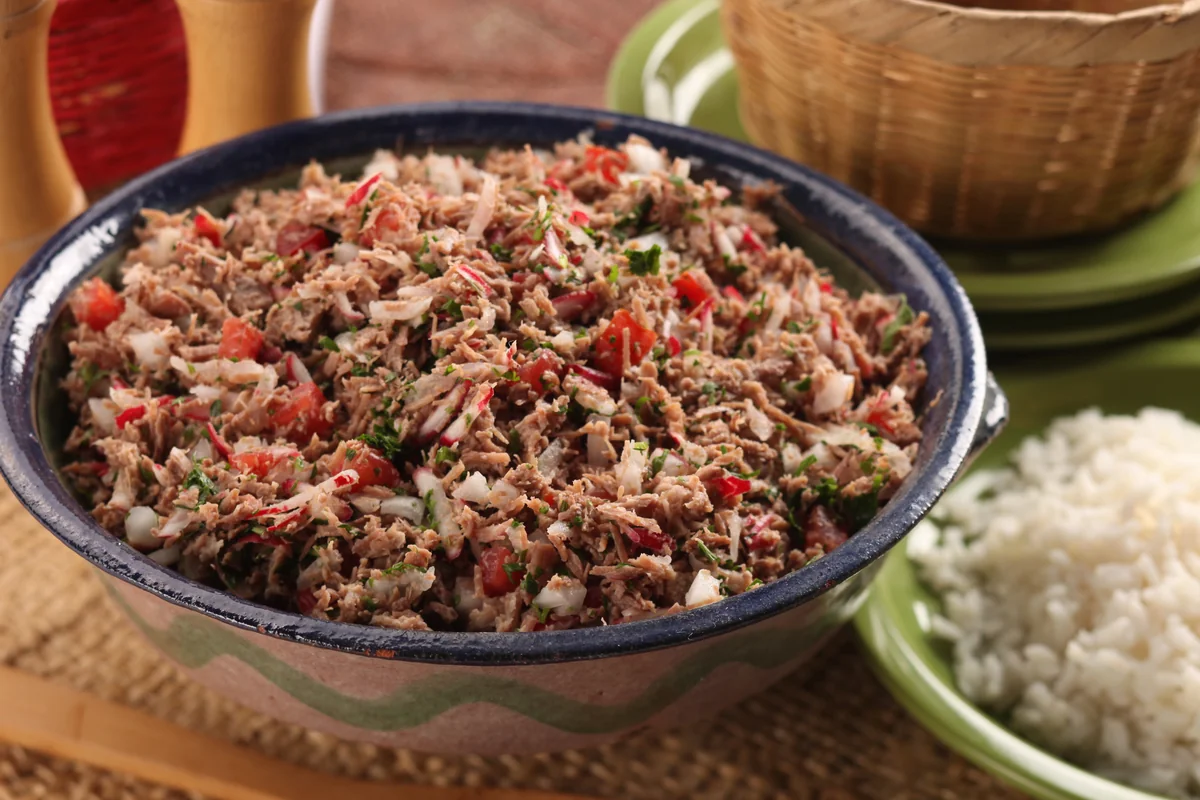
Salpicón de res is a shredded or diced beef salad loaded with citrus flavors! It is a tasty Guatemalan food perfect as a party appetizer or a wholesome main dish.
Guatemalan Cocido
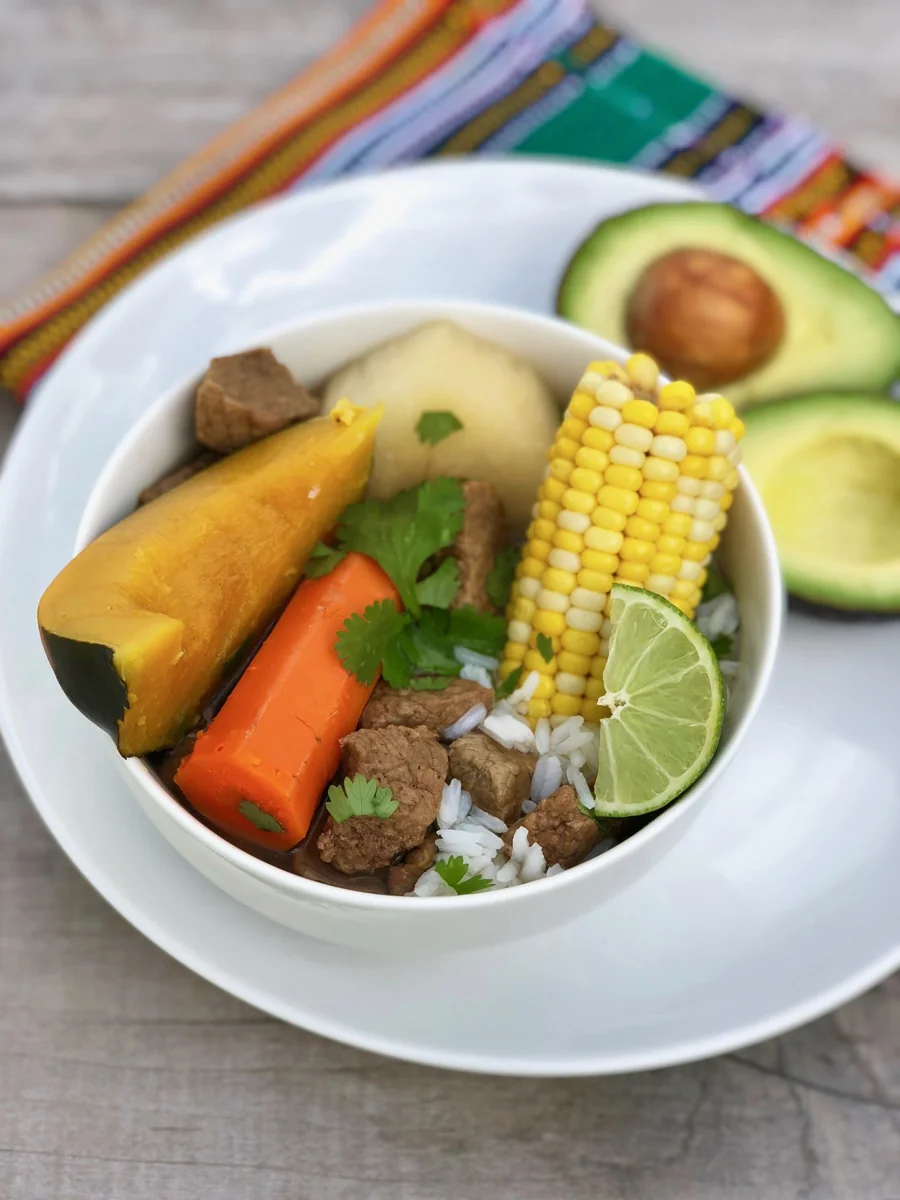
This slow cooker version of my grandma’s traditional Guatemalan cocido recipe is an easy-to-make vegetable and beef stew. It will surely become your go-to favorite comfort food, as it is mine!
Chiles Rellenos
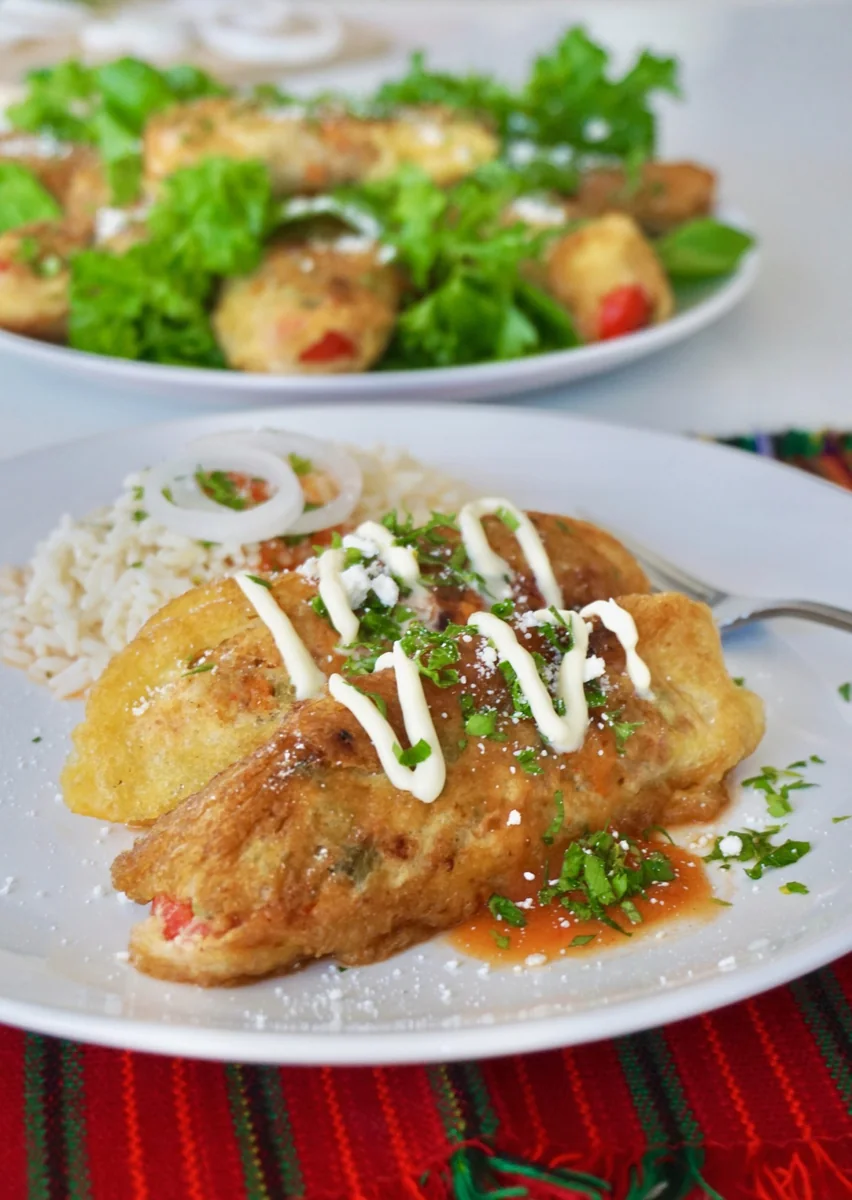
This popular dish is made with fried sweet peppers, stuffed with a mixture of beef and veggies, and served drizzled with tomato sauce. If you’ve never tried Guatemalan food, chiles rellenos should be at the top of your list!
Fiambre
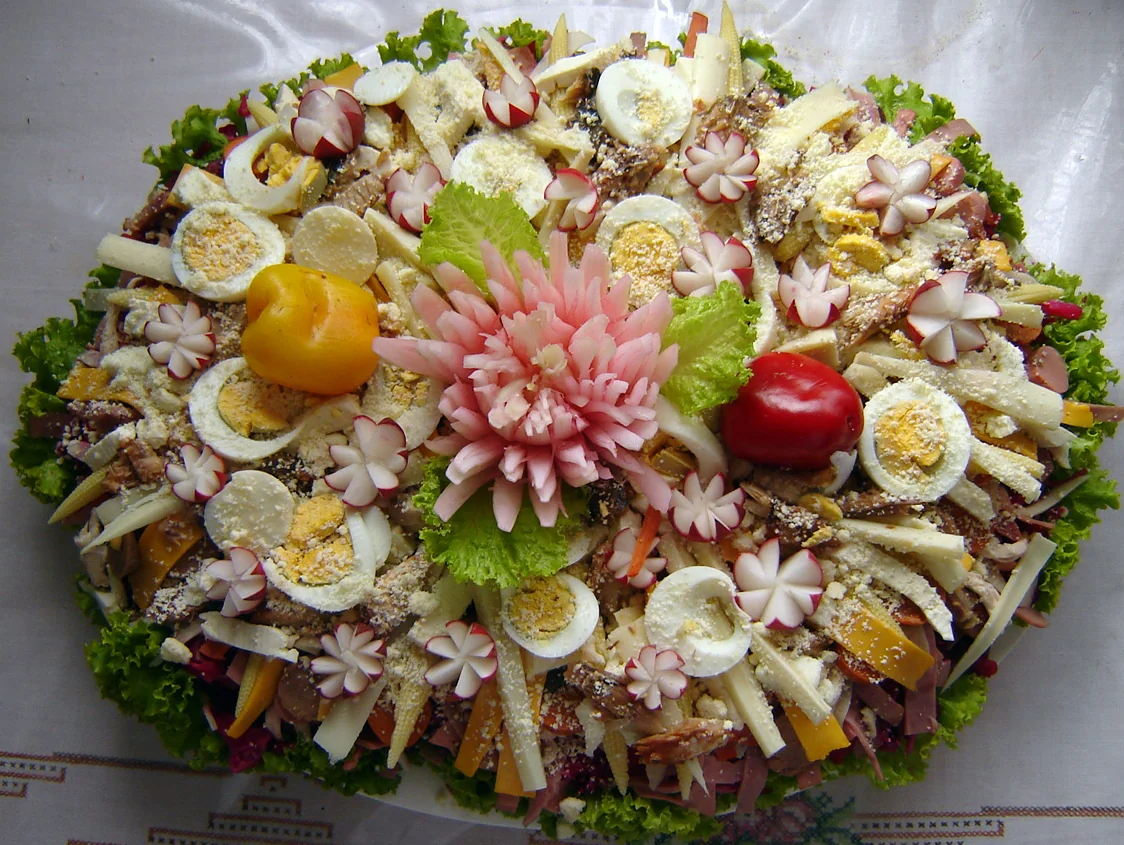
A dish prepared once a year on November 1st for the Day of the Dead or Dia de Los Muertos. There are many recipes, and mine is for fiambre rojo, which gets its red color from beets.
Buñuelos
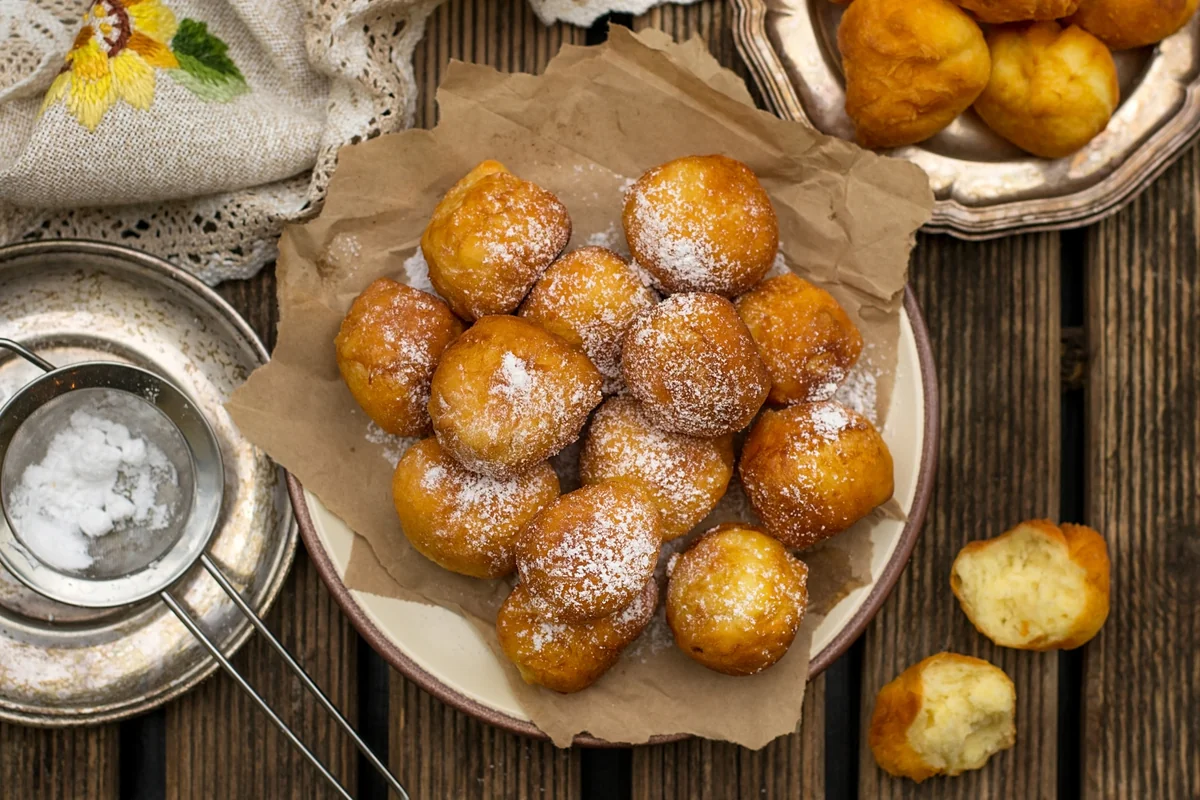
Growing up in Guatemala, buñuelos were always one of my favorite foods. They are made with sweet dough, crisp on the outside and soft on the inside, covered in white sugar, and served swimming in a light syrup with a hint of anise.
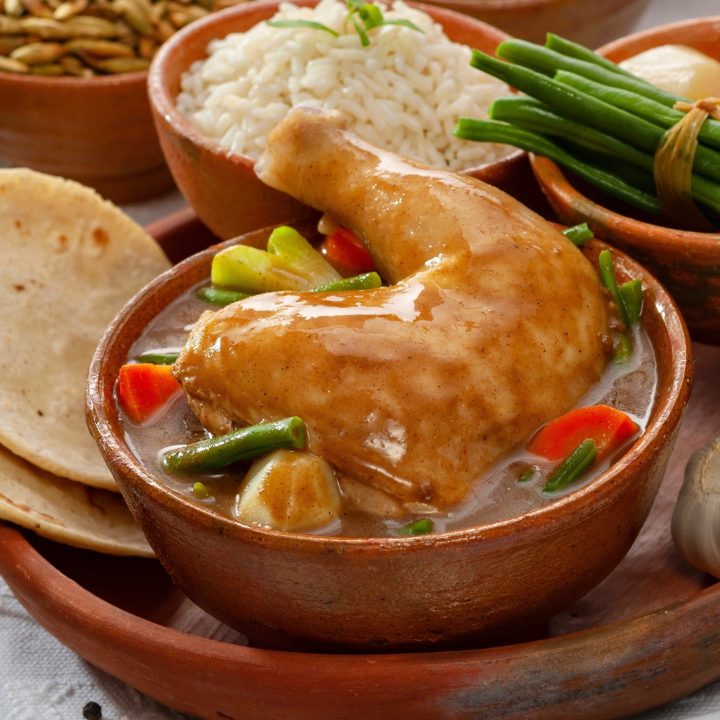
Authentic Guatemalan Pepián De Pollo (Chicken Pepián)
Pepián de pollo, or chicken pepián, is one of the oldest Guatemalan chicken recipes. This Guatemalan chicken stew is rich in flavors and filled with roasted spices.
Ingredients
- 1 whole chicken, cut into pieces
- 1 cinnamon stick
- 4 oz sesame seeds
- 4 oz of pepitoria seeds (raw pumpkin seeds)
- 1 Guaque pepper (guajillo)
- 2 Pasa peppers (pasilla)
- 1 cold corn tortilla
- 2 lb of tomatoes, coarsely chopped
- 4 oz of green tomatillos (miltomates), coarsely chopped
- 2 red bell peppers, coarsely chopped
- 2 garlic cloves
- 1 onion, coarsely chopped
- 1 bunch of cilantro
- 3 carrots, cubed
- 1 güisquil (chayote), cubed
- 3 potatoes, cut into larger cubes
- ½ lb green beans, cut into pieces
- Salt to taste
Instructions
- In a comal or a metal skillet, place the cinnamon stick, sesame seeds, pumpkin seeds, guaque pepper, pasa peppers, and the tortilla and grill them together. Let them cool down before blending.
- Blend all the ingredients in step one with a glass of water. Then, put them through a strainer. If you use a mill, you do not need to add any water.
- Separately, roast the tomatoes, tomatillos, bell pepper, garlic, and onion. After letting them cool down, blend them, adding only a sprig of cilantro (set aside the rest). Put them through the strainer for a smooth sauce.
- Cut the chicken into pieces and cook it in approximately 3 liters of water and salt to taste. When the chicken is fully cooked, remove it from the water and set it aside. Add the carrots, güisquil, potatoes, and green beans.
- Add the two sauces that you blended previously and the rest of the cilantro. Continue cooking over low-medium heat until all the vegetables are tender. If the sauce seems a little thick, use the boiled water from the chicken to thin it out a little.
- Serve in a bowl as a stand-alone meal or with white rice and corn tortillas.
Nutrition Information:
Yield: 6 Serving Size: 1Amount Per Serving: Calories: 694Total Fat: 32gSaturated Fat: 7gUnsaturated Fat: 25gCholesterol: 87mgSodium: 119mgCarbohydrates: 62gFiber: 17gSugar: 8gProtein: 43g
Nutritional values are estimates calculated using standard databases. Traditional ingredients such as pepitoria and recado may not have exact database entries, so actual values may vary based on the specific ingredients and brands used.
Did You Make This Pepián?
If you make this pepián de pollo recipe, come back and tell me how it turned out. I love hearing which version you went with, red or black, chicken or all three meats, and whether it brought a bit of Guatemala into your kitchen the way it does into mine, even from thousands of miles away. Leave a comment below or share a photo so I can see it. Every family makes pepián a little differently, and yours might just teach me something new.

Through her writing, Paula helps travelers discover Guatemala beyond the typical tourist route with practical advice, local recommendations, and authentic experiences that connect visitors with the country’s people, culture, and traditions.
Planning a trip to Guatemala? Paula offers personalized Guatemala itinerary planning and trip consultation services tailored to your interests, travel style, and budget. Contact her at [email protected] to learn more.
- San Lucas Tolimán Guatemala: Lake Atitlán’s Best-Kept Secret - September 24, 2026
- Hotel Tolimán Lake Atitlán: A Special Stay in San Lucas Tolimán - September 24, 2026
- Guatemala Dreams in San Lucas Tolimán: A Boutique Stay on Lake Atitlán - September 23, 2026


We made this last week and it turned out great. Thanks!
So glad you liked it!