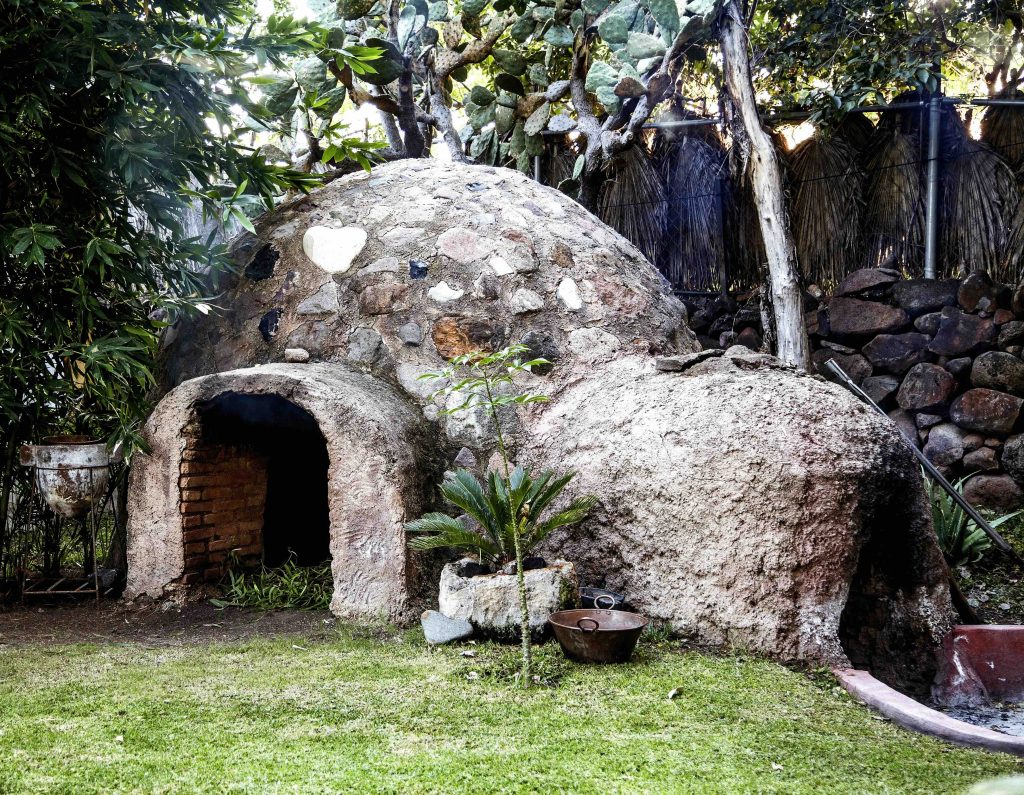
 The temazcal has been part of life in Guatemala for as long as anyone in my family can remember. Not as a wellness amenity. Not as a spiritual tourism offering. As something you went to when your body needed to be cleaned out, when a woman was recovering from childbirth, when someone came back from something difficult and needed to start again. That’s the temazcal I grew up understanding — not the Instagram version, and not the cement dome at a resort. The one built close to the ground, low and tight, with stones heated by wood fire and herbs that fill the steam until you can’t tell where your body ends and the heat begins.
Guatemala is one of the best places in the world to experience an authentic temazcal — and also one of the most confusing, because the word gets applied to two completely different things. One is a living ceremonial tradition, 5,000 years old, carried forward by Indigenous communities that have never stopped using it. The other is a heated room with a script, offered in ninety-minute time slots at hotels and retreat centers. Both get called a temazcal. The distance between them is everything.
This guide explains what the temazcal actually is — its history, its purpose, what happens inside, what it does to you physically and spiritually, and how to find one in Guatemala that is worth your trust. I am Guatemalan, I live here, and I have watched how tourism has changed what gets presented to visitors. What I’m giving you here is the version you’d get if you asked someone in my family.
The temazcal is an ancient Mesoamerican sweat lodge ceremony that has been practiced in this region for thousands of years — and in the last decade it has also become a standard item on wellness retreat menus across Lake Atitlán. Those two things are not the same. A genuine temazcal is led by someone trained in the tradition, conducted with specific ritual elements, and often tied to a particular indigenous community and lineage. It is physically demanding and spiritually serious. What gets marketed as a temazcal in many retreat centers is a sauna experience with ceremonial aesthetics. Before you book, ask who leads it, what their background is, and whether the operation is community-based. The real thing is worth finding. If you want help finding it, I can point you in the right direction.
This guide is for
✓ Anyone planning a trip to Guatemala who wants to understand the temazcal before booking
✓ Travelers looking for an authentic cultural or healing experience beyond the standard tourist circuit
✓ People who want to understand the difference between a traditional ceremony and a commercial offering
✓ Wellness travelers wanting to know what the experience actually does physically
✓ Anyone who wants to know whether it’s safe, how much it costs, and what to bring
The Basics
What Is a Temazcal?
The word temazcal comes from the Nahuatl language of the ancient Aztec people: temazcalli, built from tetl (rock), mazitli (hot), and cali (house). House of burning rocks. House of heat. It is one of the most honest names for a place in any language — it tells you exactly what it is and nothing about what it does to you, because that part you have to experience to understand.
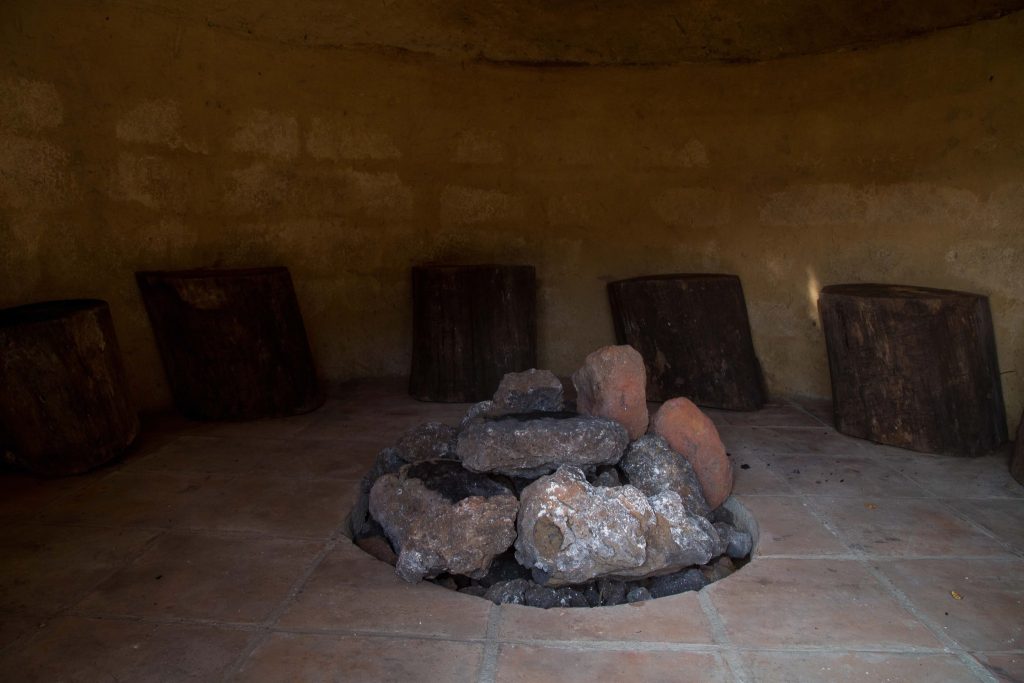
A temazcal is a low dome structure — traditionally built from wood, stone, or earthen materials — in which volcanic rocks are heated externally over a wood fire, then brought inside and placed in a central pit. Water infused with medicinal herbs is poured over the stones to generate steam. Participants sit or kneel close to the ground inside the enclosed space. The temazcalero — the person who leads the ceremony — guides the process through stages of increasing heat, using chanting, prayer, and medicinal plants to facilitate physical purification and spiritual deepening simultaneously.
✨ How Old Is the Temazcal?
Archaeological and historical evidence places temazcal use at more than 5,000 years ago in Mesoamerica — predating the written records of any civilization that practiced it. The tradition survived the Spanish conquest, in part because many temazcal structures were built in locations hidden from colonial authorities. That it is still practiced today, continuously, by Indigenous communities across Guatemala, southern Mexico, and Central America, is not a small thing. It means it never stopped being necessary.
Deep Roots
The Mayan Temazcal: What Makes It Different
The Mayan temazcal is not simply a sweat bath. Within Mayan cosmology, the dome of the temazcal represents the womb of the earth — specifically, the womb of Ixchel, the Mayan goddess of medicine, healing, and the moon. Entering the temazcal is entering the womb. The entire experience is understood as a return to the origin, a dissolution of what has accumulated — toxins, grief, spiritual blockage, energetic stagnation — followed by a rebirth. You enter as one version of yourself and you exit as something newer, cleaner, more aligned.
The four elements are present throughout: fire heats the stones outside the structure. Earth holds the dome. Water poured over the stones creates the steam that fills the space. Air carries the prayers, the chanting, and the medicinal herbs through every breath you take inside. This is not decorative symbolism. In Mayan practice, working with the four elements is working with the fundamental forces of the living world, and the temazcal is one of the primary spaces where that relationship is activated.
Historically, among the Tz’utujil and Kaqchikel Maya communities of highland Guatemala, the temazcal was used for warriors returning from battle, for women recovering from childbirth, for the sick, for people navigating significant life transitions, and for ritual purification before important ceremonies. It was practical and sacred at the same time. Those two things were not separate categories.
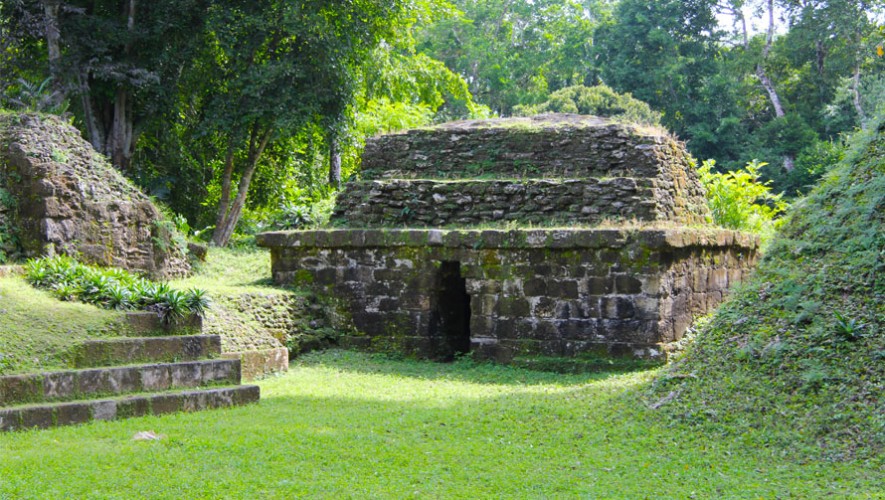
One of the things I love most about Guatemala is that the proof of how ancient this practice is isn’t sitting in a museum somewhere — it’s still in the jungle, waiting for you. At Nakúm, an archaeological site in Petén about 17 kilometers north of Lago Yaxhá, there is what’s considered the only complete Mayan temazcal structure still standing in Guatemala. I think about that every time someone asks me whether this is really an ancient tradition or something invented for tourists. Go stand in front of that structure and ask the question again. And Nakúm isn’t the only place — at Piedras Negras, deep inside the Sierra del Lacandón National Park in western Petén, ancient temazcal structures have been documented and photographed too. This practice was everywhere. It wasn’t a specialty of one community or one region. It was just life.
🌿 The medicinal plants matter. A traditional temazcalero prepares specific herbal infusions depending on the purpose of the ceremony — different plants for postpartum recovery, respiratory illness, deep fatigue, grief, or spiritual stagnation. The herbs are not interchangeable and the preparation is not random. This specific botanical knowledge, accumulated and refined over generations, is one of the elements most often stripped out of commercial versions.
RESPONSIBLE TRAVEL
What to Look for in an Ethical Temazcal Experience
The temazcal is an ancient Mesoamerican sweat lodge ceremony with deep spiritual significance — it is not a spa treatment or a wellness amenity. When choosing a temazcal in Guatemala, look for ceremonies led by trained indigenous practitioners, not by wellness entrepreneurs who have incorporated the format into a retreat program. Ask who leads it, who owns the operation, and whether the ceremony is conducted in a Mayan language or with specific indigenous ritual elements. A genuine temazcal is intense, sacred, and transformative. The operators who deserve your business are the communities and families to whom this tradition belongs.
Need help finding an authentic temazcal or planning a Guatemala trip around meaningful cultural experiences? Magical Guatemala offers custom itinerary planning from a Guatemalan insider who can point you in the right direction.
The Structure Matters
What a Real Temazcal Looks Like
The structure itself is not incidental. How a temazcal is built, what it is built from, how it is oriented, and who built it — these things carry meaning in Mayan tradition. A real temazcal is built with intention, and that intention is embedded in every material and every decision.
| 🪵 | Built Low to the Ground A traditional temazcal forces you to enter on your knees — deliberately. You bow to enter the womb of the earth. The low ceiling keeps the steam close and the heat intense, and it positions you in relationship to the earth differently than any standing structure does. |
| 🪨 | Natural Materials — Wood, Earth, and Stone Traditional structures are made from the land around them — volcanic stone, adobe, wood, packed earth. The materials breathe and hold heat differently than tile or cement. They also carry the energy of the place they came from, which matters in Mayan understanding of how ceremony works. |
| 🔥 | Wood-Fired Stones, Not Propane The fire that heats the stones is part of the ceremony itself. In traditional practice, the fire is honored and tended with intention from the beginning. Propane-heated rocks in a tile dome skip this element entirely — it’s not just aesthetics, it fundamentally changes the nature of what’s happening. |
| 🧭 | Orientation Matters The entrance of a traditional temazcal typically faces east, the direction of birth and sunrise. This positioning is intentional — it places the ceremony in relationship with the movement of the sun and the four cardinal directions, all of which carry specific significance in Mayan cosmology. |
| 🌿 | Built With Knowledge, Not for Convenience A traditional temazcal is not a DIY construction. The knowledge of how to build one, where to site it, and how to prepare it for ceremony is transmitted through apprenticeship and lineage. The building itself is an act of ceremony. |
⚠ What a Commercial Temazcal Looks Like — and Why It Matters
Much of what’s sold around Lake Atitlán today as a “temazcal experience” is a cement dome with tiled interior, propane-heated stones, a scripted ceremony, and scheduled time slots designed for volume. These may feel warm and pleasant. They may even include genuine herbal steam. But they’ve removed the materials, the fire, the lineage, the preparation, and often the practitioner knowledge that make a temazcal what it is.
This is not a reason to refuse all commercial temazcal offerings — it’s a reason to go in knowing what you’re getting. A commercial temazcal that’s honest about what it is can still be a worthwhile experience. The problem is misrepresentation: presenting a heated room with a script as an ancient Mayan ceremony. My culture deserves better than that, and so do you.
Step by Step
What Actually Happens Inside a Temazcal
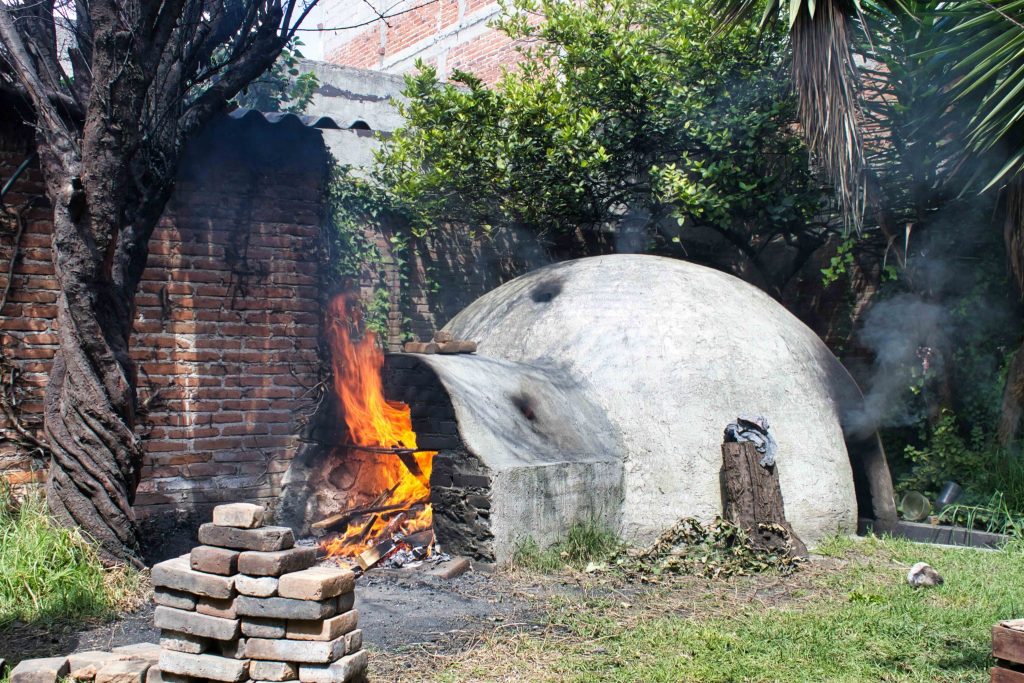
Traditional temazcals vary depending on the community, the practitioner, and the purpose of the ceremony. Here is what you can typically expect in a genuine, traditionally-guided experience.
| 1️⃣ | Preparation and Fire Before you enter, volcanic stones have been heating over a wood fire for several hours. The temazcalero has been preparing — gathering and preparing medicinal herbs, tending the fire, setting the ceremonial intention. You arrive and are asked to set your own intention for what you are bringing in and what you are asking to release. You may be asked to not eat heavily beforehand. |
| 2️⃣ | Entering the Womb You enter on hands and knees, bowing through the low entrance. Inside, it’s dark, close, and already warm. You sit or kneel around the central pit. The entrance is covered behind you. This is the moment of return — you have re-entered the earth. Some people feel it immediately. Others need a few minutes before the full weight of the space settles in. |
| 3️⃣ | The Rounds — Stages of Heat and Herbs The ceremony proceeds in rounds — typically four, corresponding to the four cardinal directions and the four elements. For each round, heated stones are brought in through the entrance and placed in the pit. The temazcalero pours herbal water over them, filling the space with steam and the medicine of the plants. Heat increases with each round. The temazcalero guides participants through prayer, chanting, and breathing, often in a Mayan language. The combination of heat, herbs, and intention is deeply physical — your body begins releasing what it’s been holding. |
| 4️⃣ | Chanting, Prayer, and Plants The temazcalero may bundle herbs — romero (rosemary), eucalyptus, copal, or plants specific to the ceremony’s purpose — and use them to brush the steam toward participants. The chanting is not decorative. It is part of the ceremonial work: calling to the four directions, to the ancestors, to the healing forces of the natural world. The heat and the prayer work together. |
| 5️⃣ | Emergence — The Rebirth At the close of the ceremony, the entrance is opened and you emerge — again on hands and knees — into the air. This is the moment of rebirth. You are drenched in sweat, lighter, raw, and usually quieter than you’ve been all day. In some traditions, you are welcomed with cool water or a herbal rinse as you emerge. Rest afterward. Integration is part of the ceremony. |
| 6️⃣ | After — What You Do With It Don’t go straight to your phone. Drink water slowly. Sit in the quiet. A traditional temazcalero may offer a brief closing blessing or share observations from what arose during the ceremony. The experience continues to unfold for hours and sometimes days afterward, as your body and nervous system integrate what happened. A full meal, a rest, and some time in nature are the right follow-up to a genuine temazcal. |
Why It Works
Temazcal Benefits — Physical and Spiritual
The temazcal has been used as medicine for five millennia. Modern research on thermal therapy confirms much of what traditional communities have known through practice for generations. Here is what it actually does — the physical and the deeper.
|
Physical Benefits 🌡️ Detoxification — increasing body temperature causes deep sweating that helps eliminate accumulated toxins. Research on sauna and thermal therapy supports this mechanism. 🫁 Respiratory cleansing — herbal steam directly addresses mucus, congestion, and phlegm. Eucalyptus, pine, and other plants used in temazcal are the same ones used medicinally for respiratory conditions worldwide. 🩸 Circulation — thermal therapy increases blood flow, delivering oxygen and hormones to tissues. Used traditionally and with research backing for post-battle recovery and muscle fatigue. 🌸 Menstrual cramps and postpartum recovery — among the oldest and most consistent traditional uses. Women in Guatemalan Highland communities still use it for this. ✨ Skin clarity — deep pore-opening sweat combined with herbal infusions noticeably improves skin texture and tone. |
Mental & Spiritual 🧠 Mild depression and anxiety — repeated thermal therapy has research support for improving symptoms of mild depression, insomnia, and appetite loss. The combination of heat, herbs, and ceremonial intention amplifies this. 😮💨 Chronic fatigue — studies on thermal therapy show meaningful improvement in fatigue, pain, and sleep disruption with repeated use. 🕊️ Spiritual clarity and life path — in Mayan tradition, the temazcal creates the conditions for genuine inner clarity. Not in an abstract way. The combination of physical purification, darkness, heat, and ceremonial prayer creates a state where what you are carrying becomes visible — and what you need to release becomes possible to release. 🌱 Energetic reset — many people emerge from a genuine temazcal feeling fundamentally lighter. Not because something mystical was performed on them, but because the combination of physical and ceremonial work released something real. I have experienced this myself. It is not placebo. |
⚠ Temazcal Dangers — Who Should Be Cautious
A well-led temazcal is safe for most healthy adults. These are the conditions that warrant caution or a medical consultation beforehand: heart conditions or high blood pressure, claustrophobia, pregnancy, respiratory disorders, certain medications that affect thermoregulation. Tell the temazcalero before you enter. A legitimate practitioner will ask. If they don’t ask about your health before you go in, pay attention to that.
Don’t eat heavily for at least two hours before. Hydrate well beforehand — and slowly after. Try not to leave during the ceremony if you can avoid it; the rounds have a specific arc and leaving mid-ceremony disrupts the process for everyone inside. If you are genuinely overwhelmed by the heat, communicate with the temazcalero quietly. A good practitioner will help you.
The Real Thing in Santiago Atitlán
Mayan Elders Dolores and Gregoria
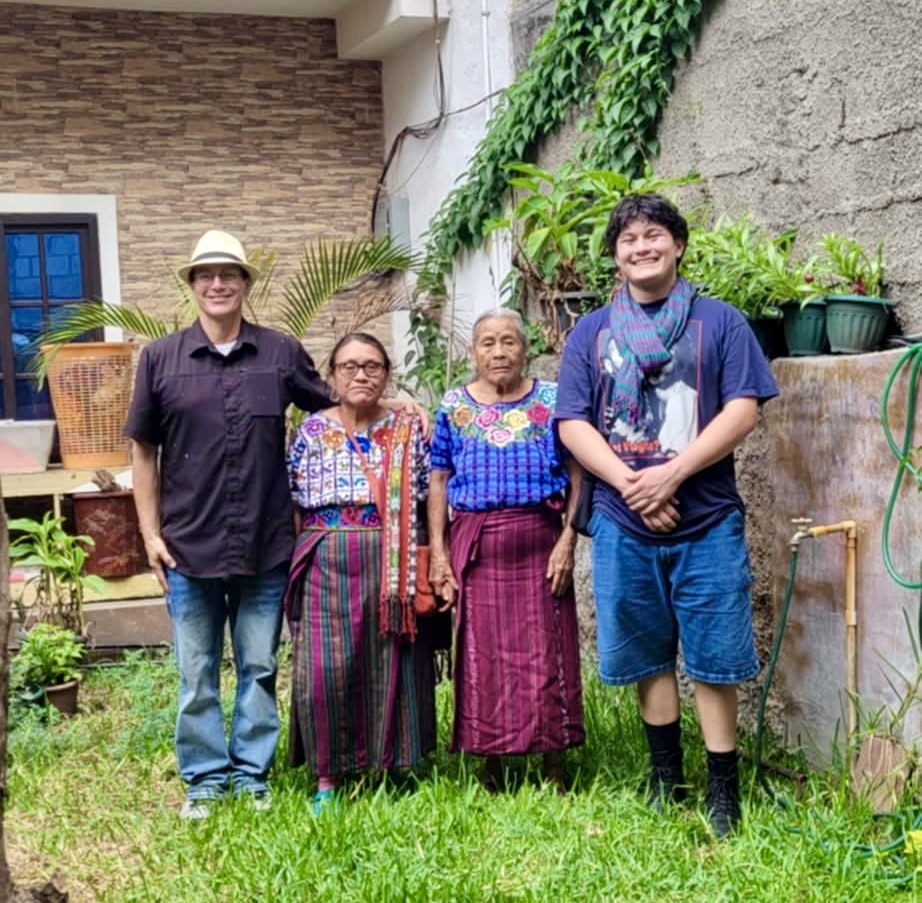
In the heart of Santiago Atitlán — one of the strongest centers of living Tz’utujil Maya culture at the lake — there are two women who have been practicing traditional temazcal ceremony for decades. Mayan Elders Dolores Ratzán Pablo and Gregoria were both born and raised in Guatemala in the Tz’utujil tradition of ancient ceremonial ways. They are recognized Medicine Women in their community, revered not just locally but by people the world over who have traveled to Santiago specifically to receive ceremony with them.
Dolores speaks English, Spanish, and Tz’utujil. She offers both traditional temazcal ceremony and cultural and spiritual tours of Santiago — an extraordinary opportunity to experience the village not as a tourist destination but as a living community seen through the eyes of someone who has spent her life inside it. Gregoria’s work is equally rooted in the community’s ceremonial tradition, carried through the same Tz’utujil lineage.
This is what the real thing looks like. Not a scheduled slot on a booking platform. A relationship with community, a practitioner with decades of lived knowledge, and a ceremony that is connected to a specific people, a specific place, and an unbroken line of practice. Experiences like this one are available for travelers with sincere intention — but they are accessed through relationship, not a booking form.
✨ How to Access Experiences With Dolores and Gregoria
I don’t share contact information for traditional practitioners publicly — that’s not how these relationships work, and it wouldn’t be respectful to the healers or to the tradition they carry. But this is exactly what my personalized Guatemala travel planning service is for. If an authentic temazcal ceremony in Santiago Atitlán with Dolores and Gregoria is something you want to make part of your trip, reach out and let’s build that into your itinerary. This is one of the most meaningful experiences I know of in my country, and it deserves the right introduction.
Want the Real Thing?
Authentic Temazcal Ceremonies Exist in Guatemala. I Know Where to Find Them.
From traditional ceremony with Mayan Elders in Santiago Atitlán to carefully selected community-based experiences at the lake — if cultural authenticity matters to you, this is the conversation to have before you book anything else.
Not Everyone Needs a Full Ceremony
Experiencing a Temazcal Without the Ceremony — And Why Context Still Matters
Not every traveler is in Guatemala seeking a deep ceremonial experience, and there’s nothing wrong with that. If you want to experience a traditional steam bath for the physical benefits — the heat, the herbs, the deep sweat, the sense of being cleaned out — you don’t necessarily need a full ceremonial context to make it valuable. Several hotels at Lake Atitlán have genuine temazcal structures on site, and some community-based experiences offer the physical experience alongside cultural education rather than full ceremony.
What I do ask, even for the hotel or spa version, is that you take five minutes to understand what you’re stepping into. Not because you’re obligated to treat every experience as sacred on demand, but because knowing that this structure has 5,000 years of human history behind it, that women in the highlands used it to recover from childbirth for generations, that it survived colonial suppression because communities hid it and kept practicing — that knowledge changes how you experience even a simple sweat bath. It should. It makes it more real, not less.
💡 A good middle ground: The community-based temazcal experiences at Santa Cruz la Laguna combine the physical experience with genuine cultural context — you learn the history, meet the community members, and experience the temazcal in a setting that’s honest about what it is. That’s the version I recommend for travelers who want cultural depth without the full ceremonial commitment.
Where to Go
Where to Find Authentic Temazcal Experiences in Guatemala
Where to Stay
Hotels at Lake Atitlán With a Temazcal on Site
If you want to combine a lake stay with temazcal access, these properties have on-site facilities. For the full picture of what makes Lake Atitlán worth your time beyond the temazcal, that article covers the whole lake.
|
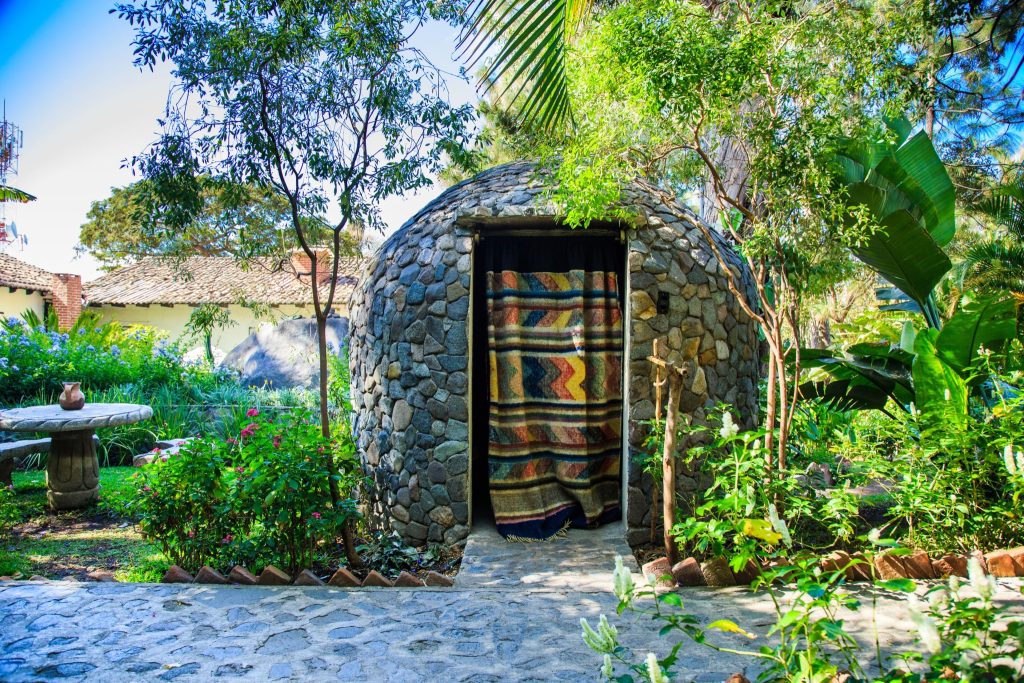
⭐ Best Base · On-site Temazcal Panajachel’s best hotel option, with what guests consistently describe as one of the finest temazcal facilities at the lake. Stunning lake views, convenient boat access to every village. Read my full review. |
Panajachel · On-site Temazcal · Jungly Setting Regis Hotel and Spa The Regis Hotel is located in Panajachel. It has a temazcal surrounded by beautiful gardens and with lake views, which make it very unique and special. |
|
My Top Pick · Village Setting · Most Unique In a working Mayan village, not a tourist hub. Geothermal-heated pool, stunning views, excellent restaurant. A great base for visiting other towns around the lake. Check out my full review of Villa Santa Catarina here. |
In PAnajachel · On-site Temazcal · + and fantastic lake views Hotel Jardines del Lago Fantastic lake views this hotel is a favorite for weddings and has an on site temazcal. Located lakeshore in Panajachel. |
Beyond the Lake
Hotels With Temazcals in Other Parts of Guatemala
The temazcal isn’t exclusive to Atitlán. Guatemala’s highlands, jungle lowlands, and tropical river regions each have their own relationship with the practice — rooted in different Maya communities with different languages, different medicinal plants, and different ceremonial traditions. If your itinerary goes beyond the lake, these hotels offer on-site temazcal experiences worth building your stay around.
|
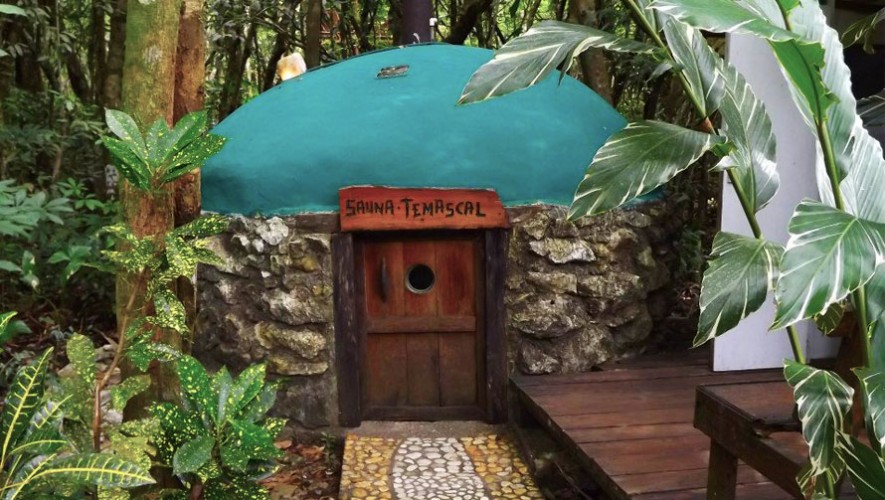
⭐ Best Near Antigua Earth Lodge In the mountains above Antigua, in the middle of cloud forest and volcano views. Earth Lodge offers temazcal alongside Mayan cacao and fire ceremonies led by a local guide — which is exactly why it ranks at the top of Google for “temazcal Guatemala.” Rustic, genuine, and as far from a hotel add-on as you can get while still having a bed to sleep in. A strong pick for travelers using Antigua as a base who want ceremony access without driving two hours to the lake. |
⭐ Best in Quetzaltenango Las Cumbres Eco Hotel In Zunil, a K’iche’ Maya village just outside Quetzaltenango — one of the most traditionally rooted communities in the western highlands. Las Cumbres combines volcanic thermal hot springs with a full temazcal offering in a setting that’s completely different from the lake. And if you’re already in Xela, Lago de Chicabal is a short drive away — one of the most sacred Mayan ceremonial sites in Guatemala and worth the trip on its own. |
|
⭐ Best in Izabal Hotel Finca Tatín Accessible only by boat on the Río Tatín, a tributary of the Río Dulce — Q’eqchi’ Maya territory, dense tropical jungle, a world away from the highlands in every sense. The temazcal here sits in a completely different ecological and cultural context: river mist instead of volcanic steam, lowland forest instead of highland pine. If you’ve only experienced the Atitlán version, this will show you how much the land shapes the practice. See my complete guide to visiting Río Dulce for more on the Izabal region. |
⭐ Best Near Tikal Camino Real Petén On Lake Petén Itzá, in the heart of the lowland Maya jungle — the cradle of Classic Maya civilization. If you’re making the journey to Tikal, adding a temazcal at Camino Real puts you in the deepest possible relationship with where you are: the same forests where the Maya built Tikal, Yaxhá, and Uaxactún still surround you. The cultural immersion doesn’t end at the ruins. See my complete guide to visiting Tikal for everything else worth doing in Petén. |
Getting Around
Reaching the Most Authentic Experiences
Most lake village temazcal experiences are reached by lancha (public boat) from Panajachel. For experiences near Antigua or in highland communities further afield, a rental car gives you the flexibility to arrive on your own schedule and reach places not served by shared shuttles.

Let’s Build Your Guatemala Trip
The Experiences Worth Having in Guatemala Need the Right Introduction
From traditional temazcal ceremony in Santiago Atitlán with Mayan Elders, to the village cultural experiences that most travelers never find — I was born here, I live here, and I know what this country can offer when you’re in the right hands. Tell me about your trip.
What People Want to Know
Temazcal in Guatemala — Questions I Get All the Time
What is a temazcal and what is it for?
A temazcal is a traditional Mesoamerican steam lodge — a low dome structure in which volcanic rocks are heated by a wood fire, then brought inside and bathed with water infused with medicinal herbs. In Mayan tradition it is used for purification of body, mind, and spirit simultaneously: releasing physical toxins through sweat, clearing the respiratory system through herbal steam, and addressing spiritual and energetic imbalances through ceremony, prayer, and intention. It has been used continuously for more than 5,000 years.
How much does a temazcal cost in Guatemala?
Community-based temazcal experiences in villages around Lake Atitlán typically run between Q100–300 (roughly $13–40 USD). Hotel and spa versions range from Q300–600 ($40–80 USD). Traditional ceremonial temazcals with recognized healers — like those offered by Dolores and Gregoria in Santiago Atitlán — are not set by fixed price; approach these with an appropriate offering and the understanding that reciprocity matters more than a transaction. If you’re booking through Viator or GetYourGuide, prices are confirmed before you book.
Temazcal dangers — Is a temazcal dangerous?
For most healthy adults, no. The risks are manageable with basic preparation: don’t eat heavily beforehand, hydrate well, inform the practitioner of any heart conditions, high blood pressure, respiratory disorders, claustrophobia, or pregnancy. The heat is intense and real — it is not a gentle spa experience — but a well-led temazcal with an experienced practitioner is designed to push your limits in a supported way, not to harm you. When in doubt about any health conditions, consult a doctor before participating.
Is a temazcal the same as a sauna?
Physically they are related — both use heat and steam to induce sweating and promote physical purification. But a traditional temazcal is fundamentally different in purpose and practice: it is a ceremony, not a wellness amenity. The combination of medicinal herbs, darkness, specific structural design, chanting, prayer, and ceremonial intention creates an experience that is physiologically similar to a sauna but spiritually and culturally in a completely different category. A commercial temazcal at a hotel may feel more like a sauna. A traditional ceremony is something else entirely.
What do you wear to a temazcal? What should you bring?
Minimal, natural-fiber clothing — a swimsuit or light shorts and a tank work well. You will sweat heavily so wear something you don’t mind completely soaking. Bring a towel and a change of clothing for after. Don’t bring your phone into the ceremony. Bring water to drink afterward. Some practitioners ask you to bring a small offering — tobacco, flowers, or something personally meaningful. Arrive clean and without heavy perfume or sunscreen.
What makes the Guatemalan temazcal different?
The temazcal tradition in Guatemala is rooted specifically in the highland Maya communities — Tz’utujil, Kaqchikel, K’iche’, and others — each with their own specific ceremonial approaches, medicinal plant knowledge, and languages of prayer. The Guatemalan highlands’ volcanic landscape, the specific medicinal plants available here, and the deep survival of Indigenous ceremonial life give the Guatemalan temazcal a character that is distinct from its Mexican counterpart even though both traditions share common pre-Hispanic roots.
What is the temazcal Maya — is Mayan temazcal different from others?
Yes. While sweat lodge traditions exist in many Indigenous cultures worldwide, the Mayan temazcal has specific cosmological content: the dome as the womb of Ixchel, the four elements and cardinal directions, the relationship to the Mayan sacred calendar, the use of specific highland medicinal plants, and the specific ceremonial languages of each Maya group. A Mayan temazcal ceremony conducted by a trained temazcalero from a Tz’utujil or Kaqchikel community is rooted in centuries of accumulated cultural and spiritual knowledge that is distinct to that specific tradition.
Keep Exploring
|
Mayan Ceremonies Series |
Mayan Ceremonies Series |
|
Lake Atitlán |
Village Culture |
|
Mayan Archaeology |
|
|
Boat Navigation |
Guatemala Overview |
This Is My Country
The Temazcal Is One of the Most Powerful Things Guatemala Offers.
You Deserve to Experience the Real Version.
I grew up knowing this tradition. I came back to live in Guatemala after seventeen years in the United States, and part of what brought me home was this — wanting my children to know what’s here. If you’re coming here to go deeper than the standard tourist circuit, I want to help you do it right. Tell me about your trip.
The temazcal has survived five thousand years. It survived the Spanish conquest. It survived colonization. It is still here. That survival is worth respecting — and the best way to respect it is to understand it before you step inside.
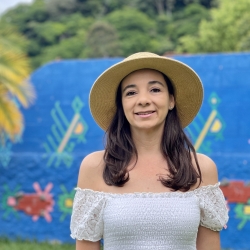
Through her writing, Paula helps travelers discover Guatemala beyond the typical tourist route with practical advice, local recommendations, and authentic experiences that connect visitors with the country’s people, culture, and traditions.
Planning a trip to Guatemala? Paula offers personalized Guatemala itinerary planning and trip consultation services tailored to your interests, travel style, and budget. Contact her at [email protected] to learn more.
- San Lucas Tolimán Guatemala: Lake Atitlán’s Best-Kept Secret - September 24, 2026
- Hotel Tolimán Lake Atitlán: A Special Stay in San Lucas Tolimán - September 24, 2026
- Guatemala Dreams in San Lucas Tolimán: A Boutique Stay on Lake Atitlán - September 23, 2026

