Mayan ceremonies in Guatemala are not a travel trend. They are the living spiritual heartbeat of my country; traditions that have survived colonial suppression, forced conversion, and five centuries of outside pressure, and are still practiced today by communities across the highlands, the lake shores, the cloud forests, and the jungles of Petén. I am Guatemalan. I was born here. I spent seventeen years living in the United States, coming back every summer; bringing my kids so they would know where they come from, bringing friends so they could see what this country really is. And now I live here again. This is my culture. And I want you to experience it right.
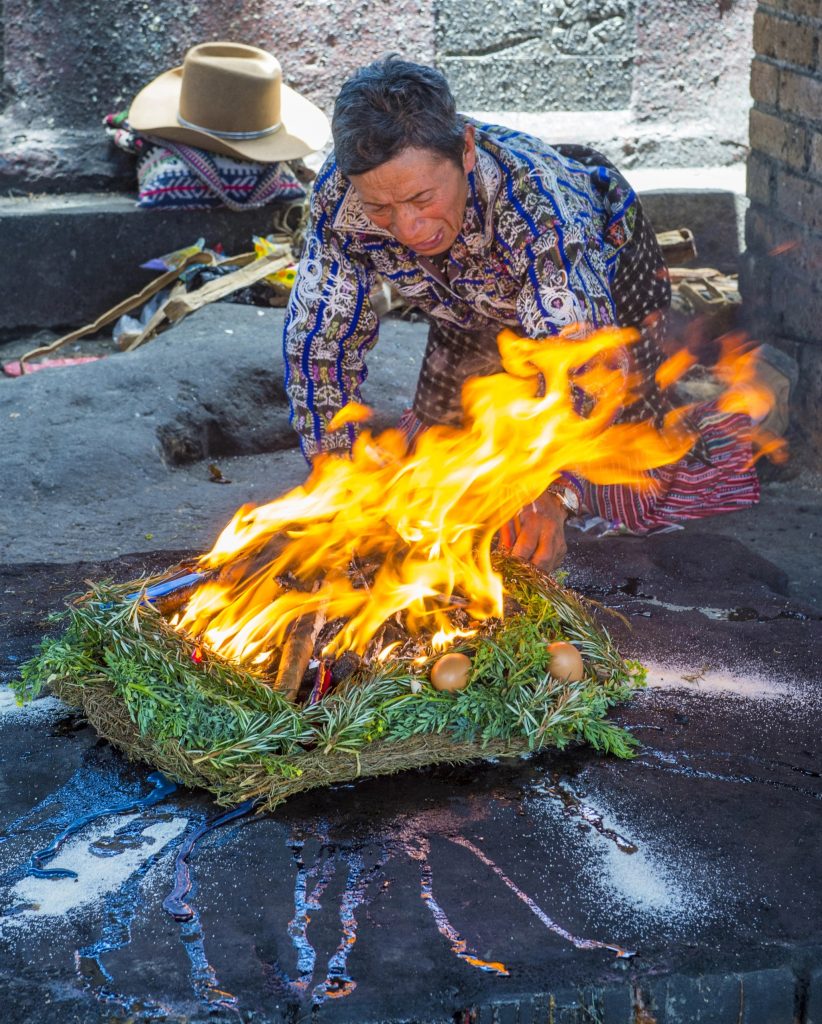
What I’ve watched happen around Lake Atitlán in the past decade specifically, the rise of spiritual tourism alongside the genuine survival of Indigenous healing practices, is one of the more complicated intersections in modern Guatemalan life. I have sat in fire ceremonies at the sacred caves above Atitlán that stayed with me for months. I have also seen “Mayan ceremonies” marketed on chalk signs outside hostel common rooms. The gap between those two things is enormous, and most travelers have no way of knowing where what they’re booking falls on that spectrum. This guide is my attempt to bridge that gap.
This covers what the main Mayan healing practices actually are, where in Guatemala they’re most authentically encountered, what distinguishes a ceremony rooted in tradition from one designed for the Instagram market, and how to approach all of it with the respect these traditions deserve. I am Guatemala and grew up here, I left in my thirties, I brought my children back every year, and now I’m home again. What I’m giving you is the perspective that only comes from seeing Guatemala from both sides of that line.
This guide is for
✓ Travelers genuinely curious about Mayan spirituality and healing traditions
✓ Anyone who’s seen “cacao ceremony” or “fire ceremony” on a sign in Atitlán and wondered what it actually is
✓ People who want to engage with Indigenous culture as guests, not consumers
✓ Families exploring Guatemala’s cultural roots
✓ Anyone already booked into something and wanting real context before they walk in
Why This Matters
These Are Not Ancient Relics — They Are Living Traditions
One of the things that frustrates me most about how Guatemala gets covered in travel media is the way Mayan culture is talked about in the past tense. As something to visit in ruins. As something to read about in history books. Guatemala is home to more than twenty distinct Maya peoples — Kaqchikel, K’iche’, Tz’utujil, Q’eqchi’, Mam, and many others — each with their own languages, their own cosmologies, their own healing traditions, and their own living ceremonial practices. When I drive through the highlands and see women in traje weaving at their doorways, when I attend a fire ceremony conducted entirely in Kaqchikel, when I watch my children try to understand what their ancestral calendar says about who they are — I am not watching history. I am watching the present.
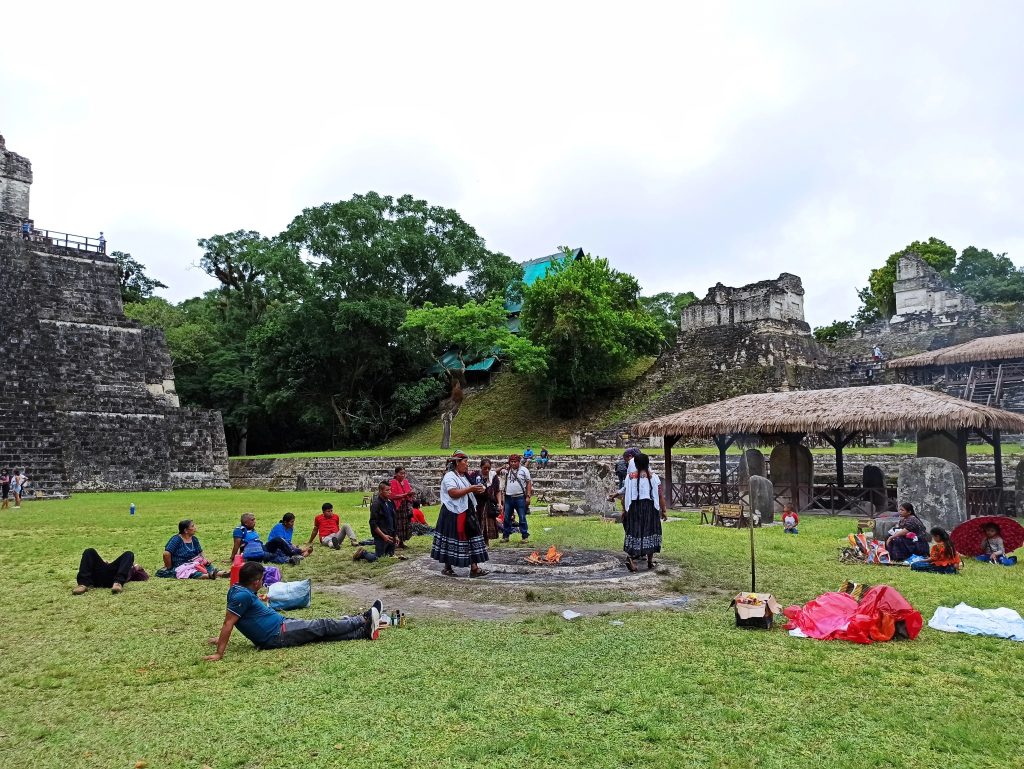
Mayan healing addresses the physical, emotional, energetic, and spiritual dimensions of a person simultaneously — not as separate categories but as one interconnected reality. A healer doesn’t treat a symptom; they address the whole person in relation to their family, their community, their ancestors, and the natural world. That’s why these practices can’t be meaningfully reduced to a tourist product. When you remove the community, the language, the lineage, and the cosmological framework, you have something else. Something that can still be valuable — but something different.
✨ A Note on Language
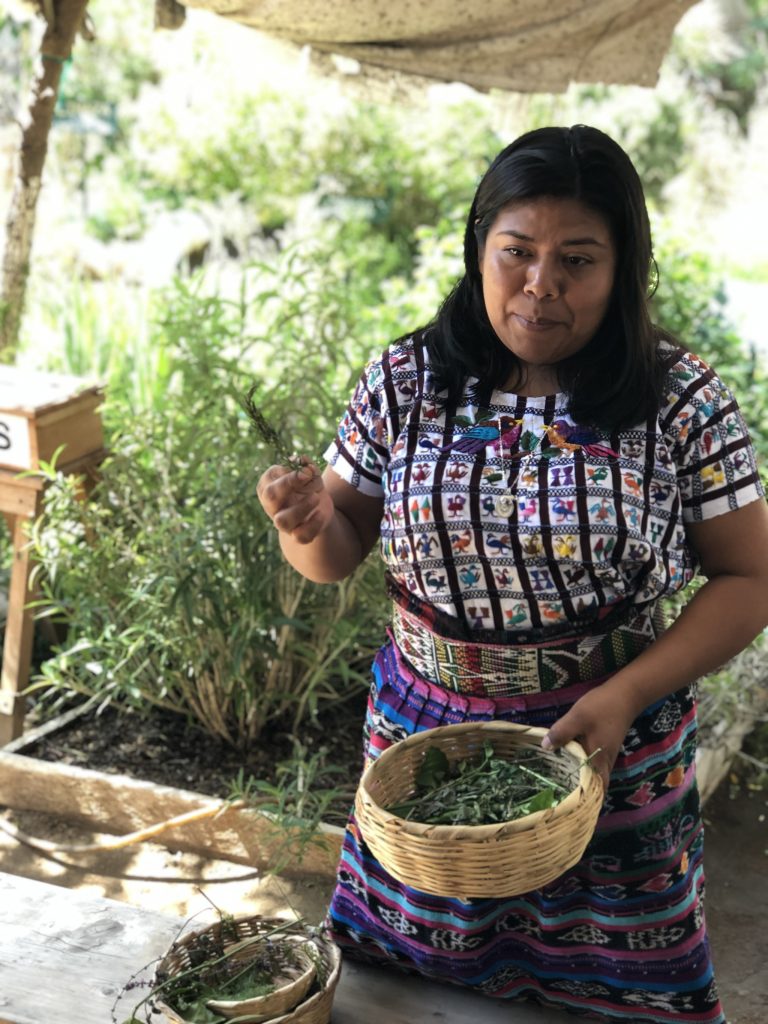
Mayan healers are called by different names depending on the community: ajq’ij (daykeeper or calendar priest), curandero (healer), or by their specific specialty — midwife, herbalist, bone-setter. The word “shaman” is not Mayan; it comes from Siberian Indigenous tradition. Some practitioners use it because international travelers recognize it. It’s worth knowing it’s borrowed terminology, not original to Mayan culture.
RESPONSIBLE TRAVEL
How to Engage with Maya Spirituality as a Visitor
Maya spiritual traditions are living, active practices — not cultural performances, not tourist attractions, and not content. If you are invited to witness or participate in a ceremony, follow the lead of your host completely and without question. Never photograph an active ceremony without explicit permission from the person leading it. Never enter a sacred site — including roadside altars, lakeshore ceremonial spaces, or ruins with active use — as though it were a backdrop. The most respectful thing a visitor can do is approach these traditions with genuine curiosity and full humility, and ensure that any experience you participate in is guided by, and economically benefits, the community it belongs to.
If you want to experience Mayan ceremony and culture in a way that’s meaningful and genuinely connected to the communities behind it, Magical Guatemala can help you plan it right — from a Guatemalan who grew up in this culture.
Geography
Where Mayan Ceremonies and Healing Traditions Are Found in Guatemala
The spiritual tourism industry has concentrated around Lake Atitlán — specifically San Marcos la Laguna — but that concentration doesn’t reflect where Mayan ceremonial life is most deeply rooted. Here is the honest geographic picture.
| 🌊 | Lake Atitlán — The Most Visible and the Most Commercialized The lake has been sacred to the Maya for thousands of years and is still held sacred by the Tz’utujil and Kaqchikel communities who live on its shores. Santiago Atitlán is home to Maximón (also called San Simón), a syncretic folk deity who is part Mayan, part Catholic, and entirely his own — one of the most extraordinary and alive cultural encounters in all of Guatemala. San Juan La Laguna maintains authentic weaving cooperatives and a living medicinal plant tradition. Santa Catarina Palopó and San Antonio Palopó are working villages where you can engage with pottery and textile traditions with real community roots — read my guide to San Antonio Palopó and its extraordinary pottery tradition. The sacred caves above Panajachel have been used for fire ceremonies for generations. San Marcos, by contrast, is where the international wellness scene has concentrated — a very different thing from what exists in the village communities around the lake. To understand the lake fully, read why Lake Atitlán belongs on your travel bucket list. |
| ⛪ | Chichicastenango — Where the Old World and the New Never Fully Separated Chichicastenango is one of the most important ritual towns in the Maya world. The Thursday and Sunday market is what most travelers know — but what makes Chichicastenango genuinely extraordinary is the church of Santo Tomás, where Mayan cofrades (ritual brotherhoods) burn copal and perform ceremonies on the steps of a 400-year-old Catholic church while mass is said inside. The syncretic coexistence of two spiritual systems in one building is something I don’t think can be replicated anywhere else on earth. The We Are Corn experience in Chichicastenango takes travelers into the Mayan worldview through the lens of corn — the sacred creation material of humanity in the Popol Vuh, the K’iche’ Maya creation text. One of the most thoughtful cultural experiences I know of in Guatemala.
|
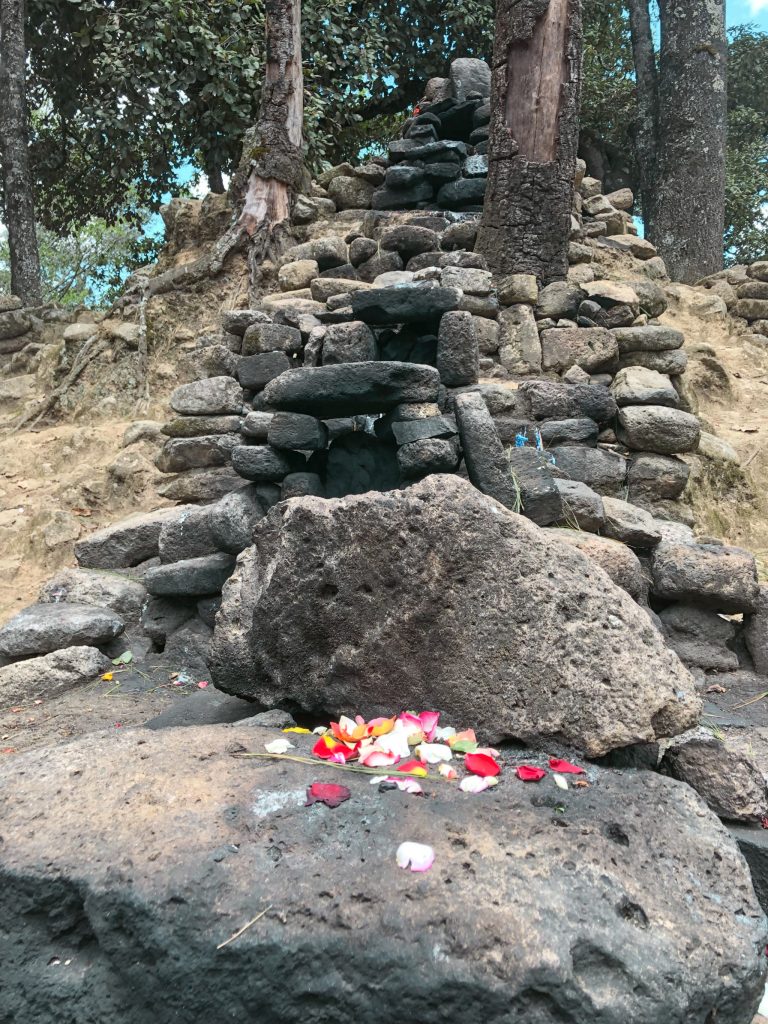
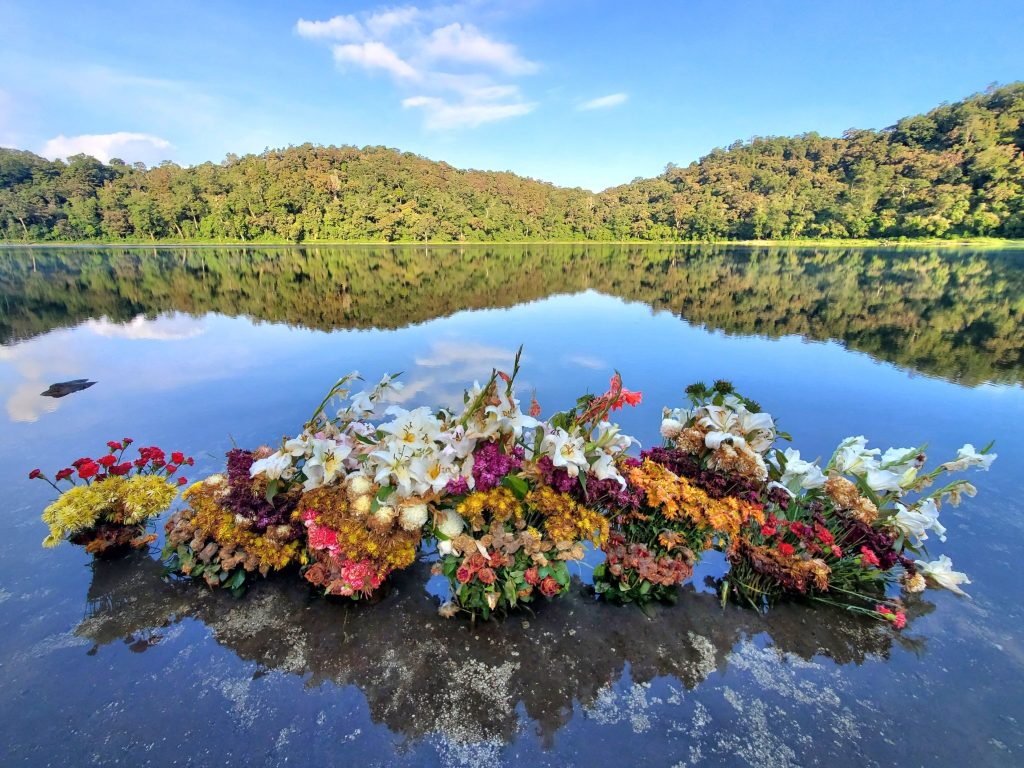
| 🌋 | Lago de Chicabal, Quetzaltenango — The Most Sacred Site Most Travelers Never Find Lago de Chicabal sits inside the crater of the Chicabal volcano near Quetzaltenango (Xela), at nearly 2,900 meters. It is one of the most spiritually significant sites in the Mayan world — a misty, cloud-forest crater lake sacred to the Mam Maya, where ajq’ij gather to perform ceremonies on specific dates of the sacred calendar. I have stood at the edge of this lake in the early morning mist and felt the weight of how old and undisturbed it is. Most tourists never reach it because the road to Xela already feels off the itinerary. That is exactly why going there matters. The full-day Sacred Lake Chicabal hike and Mayan village visit from Quetzaltenango is one of the most genuinely off-the-beaten-path cultural experiences available in Guatemala. |
| ☕ | Cobán, Alta Verapaz — Heart of Q’eqchi’ Ceremony The Alta Verapaz region in central Guatemala is Q’eqchi’ Maya territory — one of the Maya groups with the most continuous ceremonial tradition. Cobán is the regional capital, surrounded by cloud forest, coffee plantations, and communities where ceremony is part of daily and seasonal life. It’s also, not coincidentally, the region where much of Guatemala’s best ceremonial cacao is actually grown — in the warm lowlands east of the city. The Cobán Maya ceremony with spiritual guide through GetYourGuide takes you into this community with a practitioner who can provide authentic context for what you’re witnessing. |
The Honest Reality
Not Every “Mayan Ceremony” Is What It Claims to Be
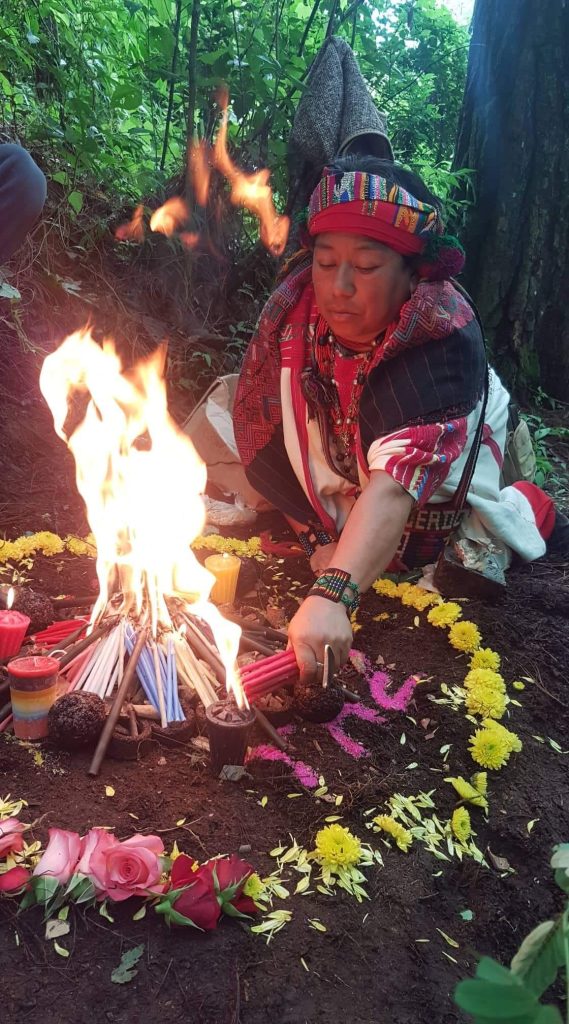
Let me be direct about this, because it’s the part no one says out loud: the spectrum is very wide. At one end are ceremonies led by recognized Indigenous practitioners with deep ancestral lineage, conducted in Mayan languages, grounded in community life and the Mayan calendar. At the other end are experiences that use Mayan imagery and vocabulary to wrap what is fundamentally a wellness product for the international market. Most of what travelers encounter falls somewhere in between.
The middle ground isn’t automatically worthless. A ceremony that blends Mayan elements with other traditions, led by a sincere guide with genuine knowledge and honest intentions, can still create real reflection and real value. What I can’t stomach is misrepresentation — presenting something as traditional Mayan practice when it’s actually a contemporary spiritual workshop, designed to match what travelers are looking for. My culture is not a product to be packaged. Understanding what you’re actually engaging with lets you appreciate whatever it is on its own genuine terms.
📌 The One Question That Tells You Everything
Before booking any ceremony, ask the provider: “Can you tell me about the practitioner’s background and training?” A sincere, honest answer — even if that answer is “this is a contemporary interpretation, not a traditional ceremony” — tells you who you’re dealing with. The providers worth supporting are the ones who answer this without hesitation.
The Practices
Mayan Healing Practices You’ll Encounter in Guatemala
Here is what the main practices actually are, where they come from, and what to know before you encounter them.
Not Sure Where to Start?
I Know Which Experiences Are Worth Your Trust
I don’t post specific healer contacts publicly — that wouldn’t be respectful to the practitioners or the tradition. But I share them with people I work with directly on personalized Guatemala itineraries. If authentic cultural experience is a priority for your trip, this is exactly the conversation the planning service is for.
The Approach That Actually Works
How to Respectfully Seek Mayan Healing in Guatemala
Mayan healing isn’t a product or a spa service. It’s a sacred, relationship-based practice grounded in trust, timing, and genuine need. Healers serve their communities first. What follows is my honest guidance on how to approach this with the care it deserves.
Do Your Inner Work Before You Arrive
Learn basic context before you show up. Mayan healing addresses the whole person — physical, emotional, energetic, spiritual — as one interconnected reality. It’s not spa treatment and it’s not entertainment. Many healers are deeply private; some practices are kept within families or communities. Approach with humility, not as a consumer looking to add an experience to a list.
Build Relationships — Don’t Skip This Step
Spend time in the community before you ask for anything. Support local businesses. Learn a few phrases in Spanish and ideally some words in Kaqchikel or K’iche’. Word-of-mouth from trusted community members is how the most meaningful introductions happen. The deeper the relationship before the encounter, the more the encounter will give you.
Approach With Clear Intention and Genuine Openness
Don’t demand a ceremony. If you have a specific need — healing, guidance, gratitude, a transition you’re navigating — explain it humbly and be open to the healer determining if and when it’s appropriate. Timing in Mayan healing often aligns with the calendar or spiritual signs, not your departure date. Offer a fair energetic exchange — tobacco, chocolate, flowers, or appropriate payment. This is reciprocity, not a transaction.
Respect Protocol Completely
Dress modestly. Arrive clean and on time. Follow instructions without question. Never touch a healer’s ritual objects without being invited. In Mayan culture the head is considered sacred — don’t touch anyone’s head without explicit permission. Leave your phone in your bag. The experience you will have if you are genuinely present is incomparably different from one where you’re managing documentation of it.
Understand That Real Healing Unfolds Over Time
Traditional Mayan healing rarely resolves anything in a single session. The most meaningful work unfolds through relationship — multiple visits, continued practice, integration over weeks or months. If you’re approaching this as a checkbox activity, you’ll get what that kind of attention produces. If you’re genuinely open to something more, Guatemala will meet you there.
Know What to Watch For
Things to Approach With Caution
Not enemies — just signals. These are the things I look for when I want to know whether what’s being offered is what’s described.
⚠ Aggressive Street Marketing or Fixed-Price Spiritual Packages
Genuine healers don’t stand outside their doors soliciting. Traditional Mayan healing doesn’t come in a tiered pricing structure with guaranteed outcomes. If someone is aggressively marketing their spiritual services on the street or in a Facebook group, look elsewhere.
⚠ Emphasis on Aesthetics Over Substance
If the ceremony is clearly designed to look like what you’ve seen on Instagram — perfect lighting, choreographed drama, an experience calculated to produce the right documentation — pay attention to that feeling. Authentic ceremony is often rough, long, physically demanding, and not particularly photogenic. If it looks exactly like the social media version, ask what’s underneath the surface.
⚠ No Traceable Community Connection
A legitimate healer is known in their community. Their reputation exists in the places where people who aren’t tourists live and raise their children. If the only reviews for a practitioner come from travel platforms and their social media features exclusively tourist photography, ask more questions before you commit.
⚠ Non-Indigenous Practitioners Claiming Traditional Mayan Authority
There are non-Indigenous spiritual practitioners at Lake Atitlán who offer experiences described in Mayan language and framing. Some are transparent about this — acknowledging they work in a tradition they’ve studied but weren’t born into. Others are less clear. The former can still be valuable; the latter is worth examining.
An Important Nuance
Can a Modern or Blended Ceremony Still Be Meaningful?
Yes. And this matters, because a guide that only validates the most traditional experiences tips into a kind of cultural gatekeeping that doesn’t serve anyone — including the Indigenous communities whose practitioners do genuine work in contemporary formats.
Healing can happen in many kinds of spaces. A contemporary ceremony that blends Mayan elements with other traditions, led by a sincere guide with genuine knowledge and honest intentions, can create real reflection, real stillness, and real value — if you enter it with clear expectations and genuine openness. The ceremony is a container. What happens inside depends on what you bring to it.
✨ The Line That Matters
Guatemala’s Indigenous wisdom is a gift. My culture is not a product to package and sell. But that doesn’t mean the only valid encounter with it is the most traditional one. What it means is approaching whatever you find here with honesty — about what it is, what it isn’t, and what it asks of you in return. Guatemala’s Indigenous wisdom is a gift. Let’s receive it with an open heart and a closed mouth until we’re invited in.
Where to Stay
Lake Atitlán — Where to Base Yourself
My consistent recommendation: don’t base yourself in Panajachel. It’s convenient but it’s the most touristic and least authentic town on the lake. The smaller villages give you Atitlán as it actually lives. For more on what makes the lake extraordinary, read why Lake Atitlán needs to be on your travel bucket list.
|
⭐ Best Value · Most Unique In Santa Catarina Palopó — a working Mayan village, not a tourist hub. Volcanic geothermal-heated pool, stunning lake views, excellent restaurant. This is where I send people who want to wake up inside the lake’s actual life. Read my full review. |
Splurge · Private & Remote Entire private villas directly on the lake. Full kitchens, gardens, kayaks. Not in a village so you arrange your own transport, but for the right traveler — one who wants to actually be alone with the lake — this is the most special place on Atitlán. Read my full review. |
|
Best in Panajachel · Great Views If Panajachel makes sense for your logistics, Hotel Del Lago offers stunning views and a convenient base for boat trips to all the lake villages. Read my full review for what to expect. |
Worth Reading Before You Book Getting Between Villages The lake connects by public lancha — small open boats that run on a schedule influenced by the Xocomil afternoon winds. Plan morning crossings whenever possible. |
Antigua — Where to Stay When Exploring the Colonial Heart of Guatemala
Antigua is where the colonial Spanish layer sits most visibly on top of the Mayan foundation — from the jade workshops and the ChocoMuseo to Iximché a short drive away. If you’re using Antigua as a base for cultural exploration, these are the hotels I recommend. For the complete city guide, see my Antigua Guatemala travel guide.
|
⭐ Top Pick · Best Location El Convento Boutique Hotel Right on Calle del Arco — the most beautiful street in Antigua. Small, beautifully restored, puts you at the walking center of everything. Steps from the jade workshops, the ChocoMuseo, and Casa Santo Domingo. |
Personal Favorite · Most Atmospheric Mesón Panza Verde Intimate, beautifully decorated, quiet. One of my longtime favorites in Antigua. The kind of place you want to come back to at the end of a day that asked a lot of you — which days spent with Mayan culture often do. |
Want My Specific Recommendations?
The Names I Don’t Post Publicly — But Do Share With Clients
The healers and practitioners I trust. The experiences that actually deliver what they claim. The hotels in each region that I’d send my own family to. That’s what the personalized planning service is for — and if authentic cultural experience is what’s drawing you to Guatemala, this conversation is worth having before you book anything.
Getting Around Guatemala
When a Rental Car Changes Everything
For most of the Atitlán lake visits, shared shuttles and public lanchas are perfectly adequate. But several of the most meaningful ceremonial sites in Guatemala — Lago de Chicabal near Quetzaltenango, the highland villages of Alta Verapaz, the roads around Chichicastenango on non-market days — are significantly easier and more flexible with your own vehicle. That being said, driving in Guatemala is not for everyone so make sure you read my complete guide to renting a car in Guatemala to see if this is the right fit for you.

What People Want to Know
Mayan Ceremonies in Guatemala — Questions I Get All the Time
Are cacao ceremonies at Lake Atitlán authentic Mayan ceremonies?
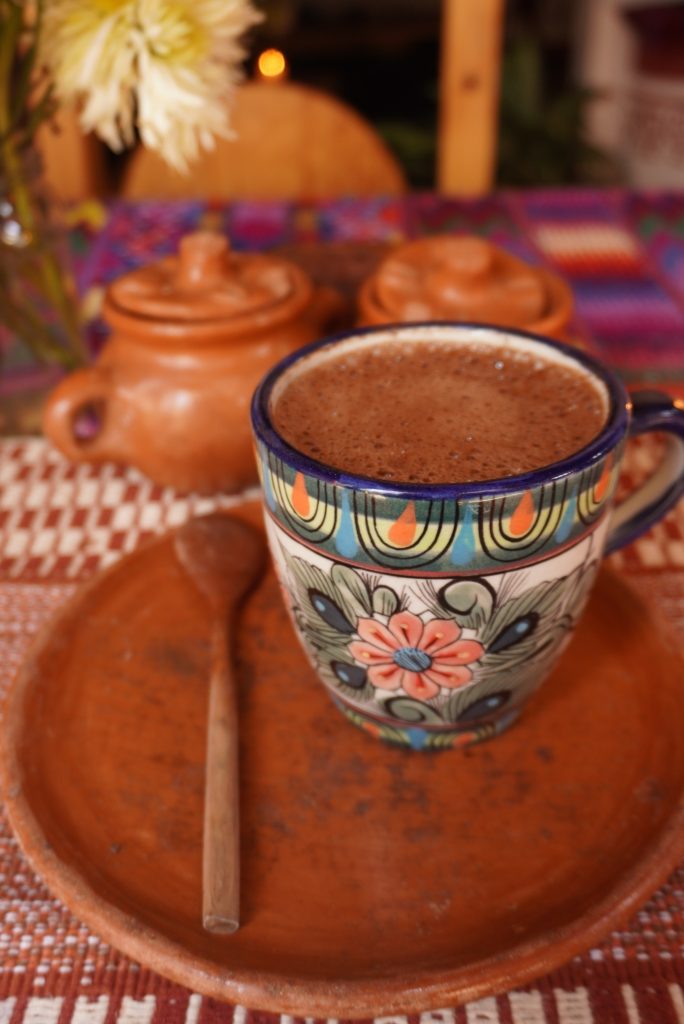
Most of what’s offered to travelers sits somewhere on a wide spectrum, and the honest answer requires context. Cacao has genuine sacredness in Mayan tradition — it was currency, it was offered to deities, it was used by trained healers in specific therapeutic contexts. But the group ceremony format with shared intentions that you see advertised throughout Atitlán is largely a contemporary creation, not a pre-Columbian one. Also worth knowing: cacao doesn’t grow at the lake’s altitude. It comes from the lowlands. Go in with clear eyes and you can appreciate whatever you find on its own genuine terms.
What is Lago de Chicabal and why is it sacred?
Lago de Chicabal is a volcanic crater lake near Quetzaltenango, at nearly 2,900 meters inside a cloud-forested crater. It is one of the most spiritually significant sites in the Mayan world — sacred to the Mam Maya, who gather there on specific dates of the sacred calendar to perform ceremonies on the lake’s shore. Misty, ancient-feeling, and almost always empty of tourists, it is the kind of place that makes very little noise about how important it is. That’s exactly what makes it extraordinary. The full-day hike to Chicabal from Quetzaltenango includes a visit to a nearby Mayan village — book the full-day experience here.
What is a Mayan fire ceremony and what should I expect?
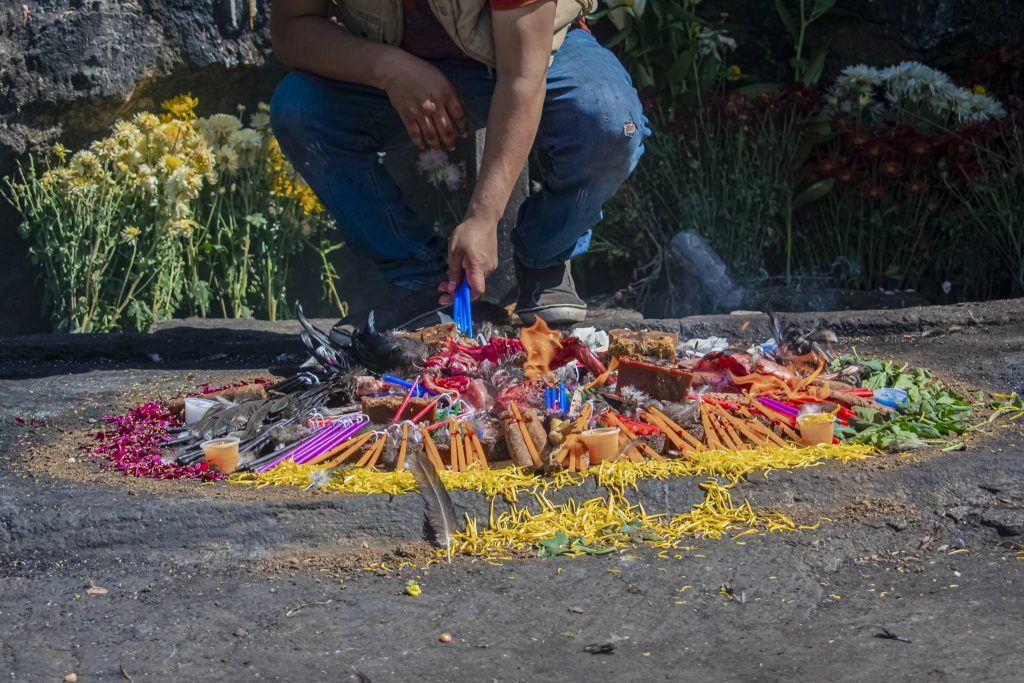
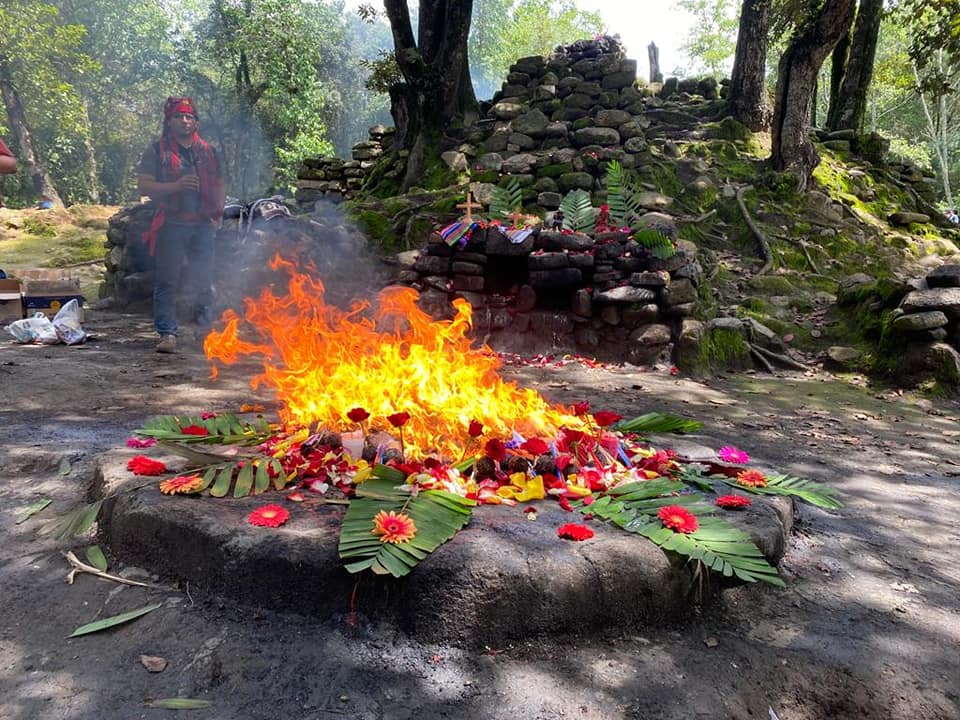
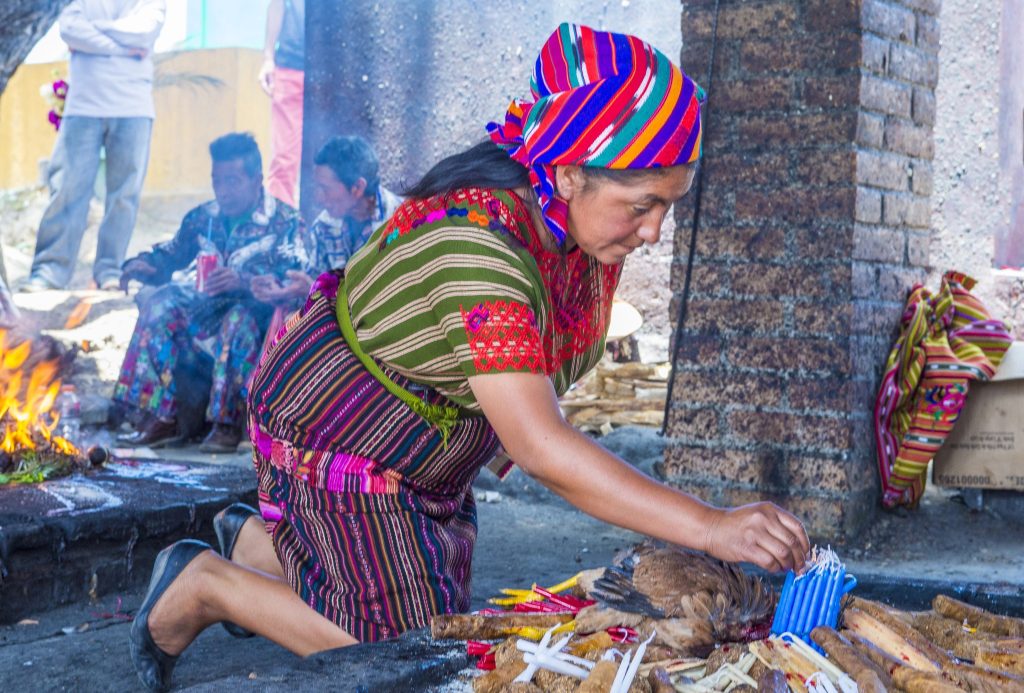
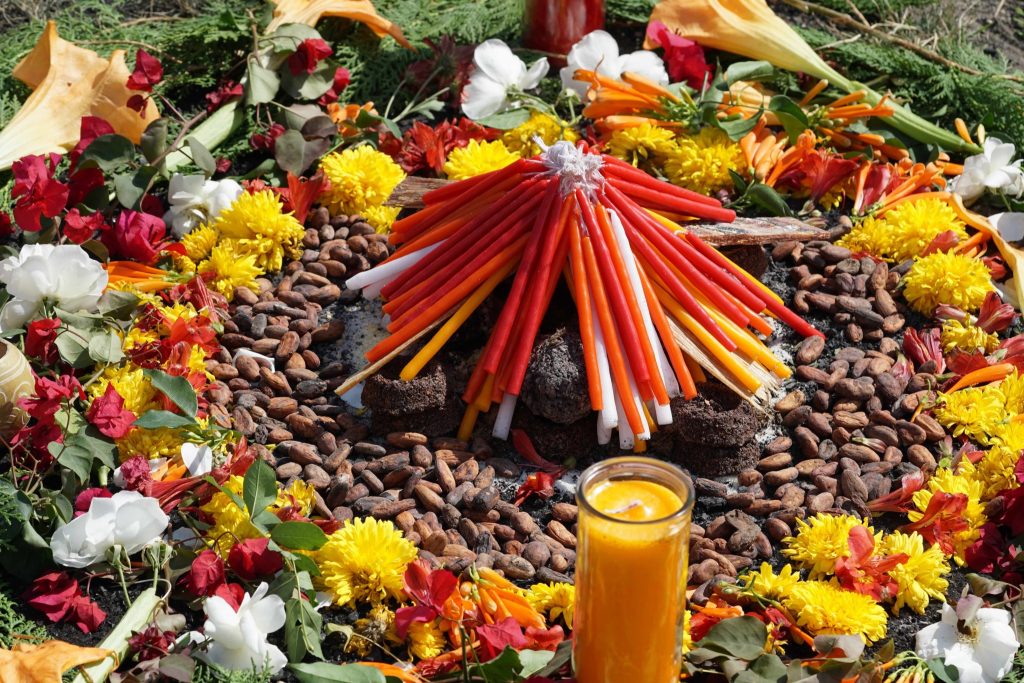
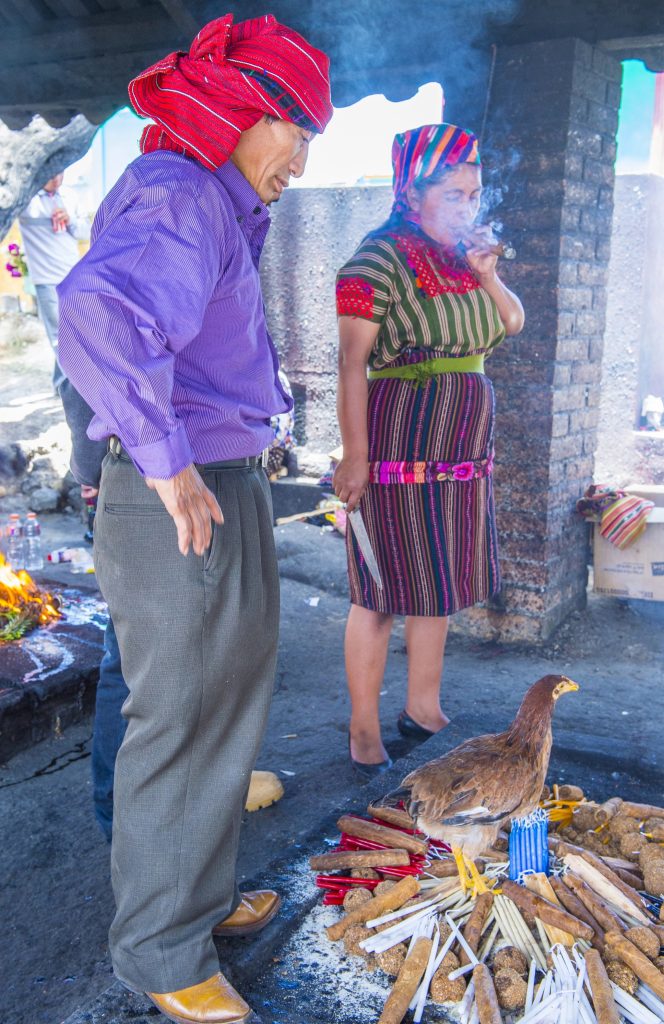
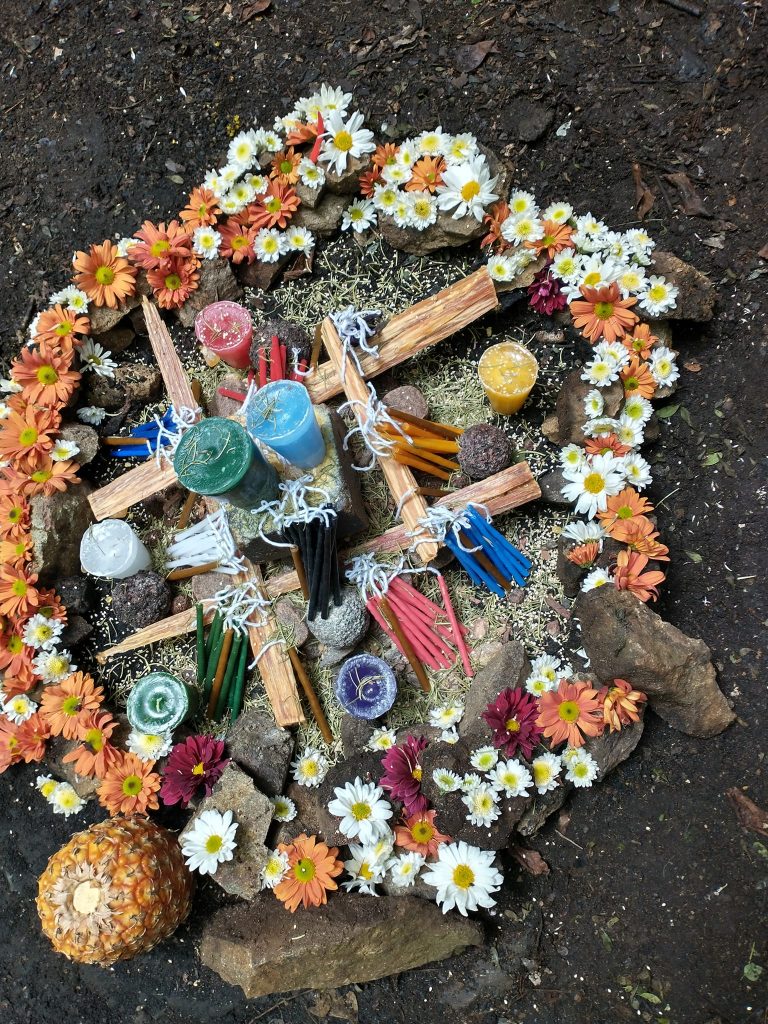
A fire ceremony is the most central ritual in contemporary Mayan spiritual practice. An ajq’ij (daykeeper) makes offerings to a ceremonial fire — colored candles with specific meanings, copal, flowers, seeds — while praying in a Mayan language and invoking the twenty nawales of the sacred calendar. What you should expect: to be a respectful participant in something much larger than yourself, not an audience watching a performance. Leave your phone in your bag. Follow every instruction. The experience you will have if you are genuinely present is incomparably different from one where you’re managing documentation of it.
What is the Maximón and where do I find him in Santiago Atitlán?
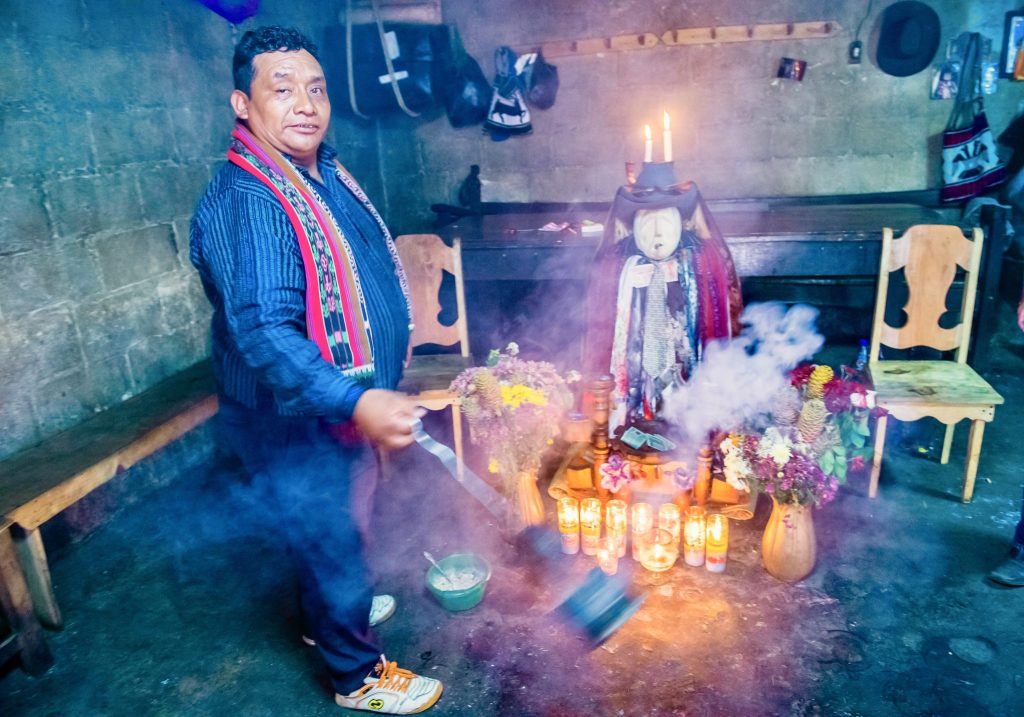
Maximón (also called San Simón) is a syncretic folk deity in Santiago Atitlán — part Mayan ancestor figure, part Catholic saint, completely his own thing. He lives in a different house each year, cared for by a local cofradia (religious brotherhood), and receives offerings of cigarettes, rum, candles, and money from both devotees and visitors. He is one of the most genuinely unusual and alive cultural encounters in Guatemala. To find him: take a lancha to Santiago, ask any local when you arrive — everyone knows. A small donation of Q20–50 is appropriate. Ask before photographing anything.
What makes the Mayan ceremonies in Chichicastenango different?
Chichicastenango holds one of the most extraordinary examples of spiritual syncretism anywhere in the Americas. At the church of Santo Tomás, Mayan cofrades burn copal and perform ceremony on the steps — the very same steps where the Spanish built their church — while Catholic mass is said inside. Two spiritual systems, one building, four centuries of coexistence. The We Are Corn experience in Chichicastenango puts all of this in the context of the Popol Vuh’s creation mythology — one of the most intellectually satisfying cultural experiences I know of in the country.
Is a temazcal appropriate for tourists?
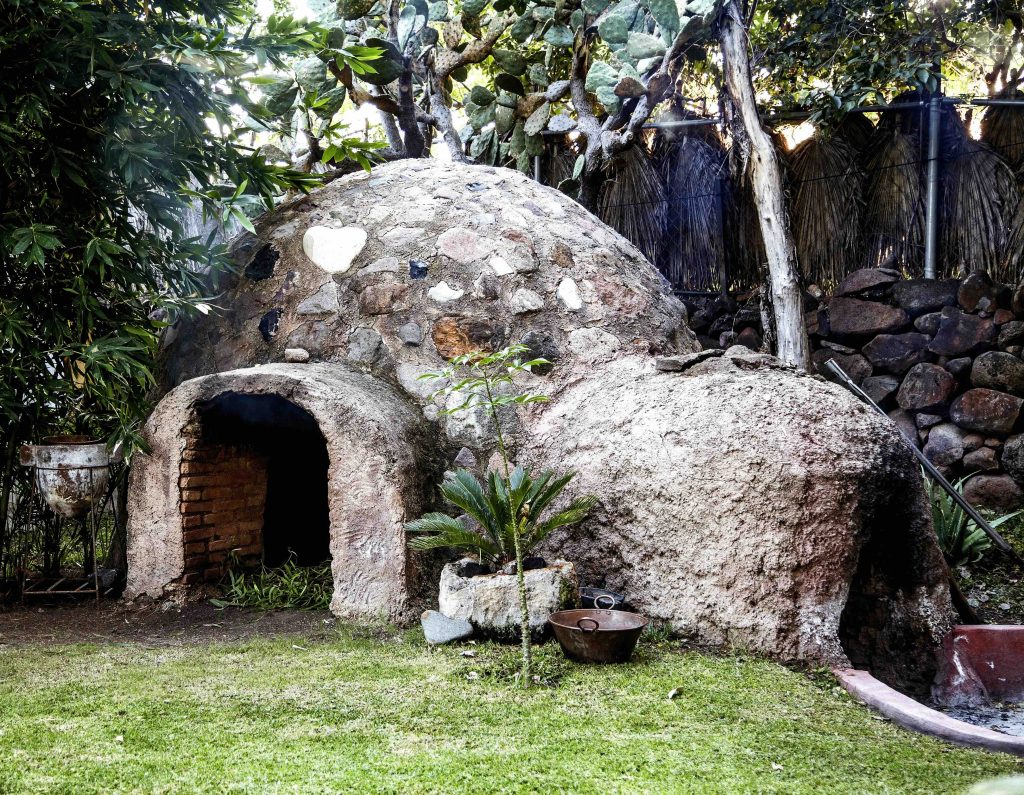
Yes — of all the practices here, the temazcal is the most accessible to people outside the culture, in part because its effects are directly physical. The key is finding a genuine temazcalero rather than a wellness-spa approximation. Practical notes: don’t eat for two hours beforehand, hydrate well before entering, tell the guide about any heart conditions or claustrophobia. Don’t leave mid-ceremony if you can avoid it — the ceremony has a specific arc and leaving disrupts it for everyone present.
How do I find a genuine Mayan healer in Guatemala?
This is the question with the least satisfying answer for travelers on a fixed schedule: the real ones are found through relationships, not online searches. Spend time in a community. Earn some trust. Ask the right people for introductions. A healer with a TripAdvisor profile is not automatically a bad sign, but a healer whose reputation exists primarily in the community where they live and work is the stronger indicator. If you’re short on time and want specific guidance, this is exactly what the personalized planning service is for.
Are Mayan ceremonies safe?
Generally yes, with specific caveats. For temazcal: inform the guide of heart conditions, respiratory issues, or severe claustrophobia beforehand. For ceremonial cacao: the larger doses used in ceremony contain theobromine and can affect people with certain heart conditions or medication interactions — check with a doctor if relevant. For any ceremony: trust your instincts. If something feels unsafe or disrespectful, you’re allowed to step back. A legitimate practitioner will never pressure you to continue anything that doesn’t feel right.
Keep Exploring
|
Lake Atitlán |
Village Culture |
|
Mayan Archaeology |
|
|
Antigua Celebrations |
|
|
Guatemala Overview |
Ready to Go Deeper?
This Is My Country.
Let Me Share It With You the Right Way.
I was born here. I raised my kids knowing this place summer after summer. And now I’m back living in it — discovering new layers of a culture I thought I already knew completely. If Guatemala’s depth is what’s drawing you here, I’d love to help you build the kind of trip that actually gets there. Not the tourist circuit. The real thing.
Guatemala’s Indigenous wisdom is a gift. The right way to receive it is with an open heart and a closed mouth until you’re invited in. If this article helped you understand what that actually looks like, share it with someone who’s planning this trip.

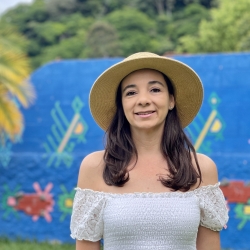
Through her writing, Paula helps travelers discover Guatemala beyond the typical tourist route with practical advice, local recommendations, and authentic experiences that connect visitors with the country’s people, culture, and traditions.
Planning a trip to Guatemala? Paula offers personalized Guatemala itinerary planning and trip consultation services tailored to your interests, travel style, and budget. Contact her at [email protected] to learn more.
- San Lucas Tolimán Guatemala: Lake Atitlán’s Best-Kept Secret - September 24, 2026
- Hotel Tolimán Lake Atitlán: A Special Stay in San Lucas Tolimán - September 24, 2026
- Guatemala Dreams in San Lucas Tolimán: A Boutique Stay on Lake Atitlán - September 23, 2026

