
As an Amazon Associate I earn from qualifying purchases. This post contains affiliate links, which means I may earn a small commission if you buy through them, at no extra cost to you. Everything here is stuff my own family has actually used on Florida beach trips.
After years of living in Florida, sun protection has become second nature for our family. My grandfather had skin cancer, and my mother has dealt with ongoing skin issues, so this is something I take seriously. Sunscreen usually goes on before shoes do, whether we’re headed to Daytona Beach for the day, spending a long weekend in Palm Beach, or just planning an afternoon by the pool.
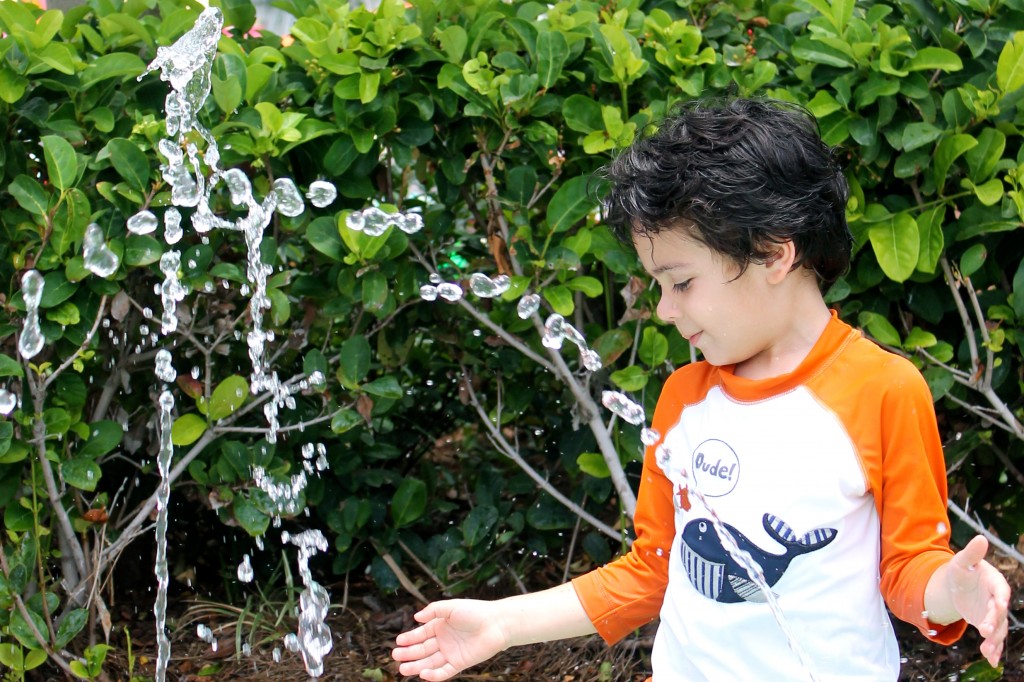
And if there’s one thing I’ve learned from years of Florida beach days, it’s that the best sun protection isn’t necessarily the fanciest. It’s the stuff your family will actually use consistently. Over time, we’ve narrowed our beach bag down to a handful of products that work for us, along with a few habits that make an even bigger difference.
Our Sun Protection Kit for Florida Beach Trips
I would much rather pack a few things I know we’ll use than a bag full of products everyone forgets about once we hit the sand. These are the sun protection staples that have earned a permanent place in our beach bag.
Our go-to sunscreen for adults
For daily wear and beach days, La Roche-Posay Anthelios Sunscreen has been one of our favorites for several summers. I like that it feels comfortable on sensitive skin and doesn’t leave me feeling like I’m wearing a heavy layer of sunscreen all day. With my family’s history of skin issues, I’ve become much pickier about finding sunscreen we don’t mind applying generously and, just as importantly, reapplying.
The kids’ sunscreen that doesn’t make them cry
Coppertone Pure and Simple Kids Sunscreen Spray SPF 50 is the one I reach for when I want a mineral sunscreen for kids or sensitive skin. It’s fragrance-free and water resistant, which makes it practical for Florida beach and pool days. With sprays, I still make sure we’re getting good, even coverage instead of doing a quick mist and assuming that’s enough.
A hat they’ll actually keep on
Getting a kid to keep a hat on through an entire beach day can feel like its own sport. The SwimZip Kids UPF 50+ Wide Brim Sun Hat has stayed in our rotation because it’s comfortable, floats if it ends up in the water, and has a breakaway chin strap. A wide-brimmed hat also helps protect some of the spots that are incredibly easy to forget with sunscreen, especially little ears and the scalp.
A rash guard for long days in the water
For long beach days, I love having an extra layer of protection that doesn’t need to be reapplied. We use a SwimZip UPF 50+ Long Sleeve Rash Guard, especially when we know we’ll be spending hours in and out of the water. It was particularly useful on days like our trip to swim with manatees in Crystal River, when you’re exposed for much longer than you realize because you’re having so much fun.
Sunglasses that protect little eyes
Eyes need sun protection too, especially around Florida’s beaches where you’re getting glare from both the water and the sand. We’ve used BANZ Kids Sunglasses since our kids were small. They’re made for real kid behavior, which means they can survive being dropped in the sand, tossed into a beach bag, sat on, and occasionally dunked in the pool.
For the sunburn that happens anyway
Even when we’re careful, we’ve had those days when somebody misses a spot or doesn’t reapply soon enough. Banana Boat Aloe Vera Gel is something we keep in the fridge because the cool gel feels wonderfully soothing on warm, irritated skin. Of course, aloe doesn’t undo a sunburn, and a bad burn is also a pretty good reminder that the next beach day needs more shade and better sunscreen coverage.
What Actually Makes the Biggest Difference in the Florida Sun
The products help, but the habits are what really make the difference. I try to put sunscreen on everyone before we leave the house or hotel instead of waiting until we’re already at the beach and everyone is desperate to get into the water. For beach days, I look for broad-spectrum SPF 30 or higher and reapply at least every two hours, and sooner after swimming, sweating, or towel drying.
I also don’t rely on sunscreen alone. Rash guards, hats, sunglasses, an umbrella or shady spot, and taking breaks from direct sun all help, especially during the middle of the day. And I’ve learned to pay attention to the places we tend to miss: ears, shoulders, the back of the neck, tops of the feet and hands, and the part in your hair.
Florida sun can also be deceptive. A breezy beach day or a cloudy afternoon may not feel particularly hot, but that doesn’t mean UV exposure has disappeared. That’s why our sun protection routine stays pretty much the same even when the weather doesn’t feel brutally sunny.
Don’t Skip Regular Skin Checks
This is the part of sun protection that doesn’t fit in the beach bag, but for me it’s just as important. Because of my grandfather’s skin cancer and my mother’s skin issues, I’ve learned not to ignore new or changing spots. I check my own skin and believe in having a dermatologist evaluate anything that looks different, changes over time, itches, bleeds, or simply concerns me.
How often you need a professional skin exam can depend on your personal risk factors, including your family history, skin type, and previous sun exposure, so that’s something worth discussing with your dermatologist. And this advice isn’t only for people living under the Florida sun. Whether you’re here year-round or looking for a dermatologist Chillicothe Ohio residents can turn to, establishing care with a qualified dermatologist makes it much easier to have suspicious changes evaluated instead of putting them off.
Early detection matters. Skin cancers, including melanoma, are generally much more treatable when they’re found before they have had a chance to spread, which is one more reason I don’t think skin checks are something we should keep postponing.
Don’t Forget Hydration and Beach Snacks
I used to think about sun protection mostly in terms of what we put on our skin, but a Florida beach day also means heat, sweating, and kids who somehow manage to run around for hours without remembering to drink anything. So water and hydrating snacks have become part of our beach routine too.
I usually bring fruit like strawberries, blueberries, grapes, mangoes, peaches, or watermelon because it’s easy to eat at the beach and helps us get a little more fluid in between water breaks. Fruit isn’t a substitute for sunscreen or protective clothing, of course, but it makes a much better beach snack than something heavy when everyone is hot.
Taking care of my skin from the inside out is part of the bigger picture too. Along with staying hydrated and eating a balanced diet, some people also choose supplements formulated to support healthy-looking skin. If you’re considering one, you can read more about Dermal Repair Complex and decide whether it makes sense as part of your own skincare routine. Supplements don’t replace sunscreen, protective clothing, or regular skin checks, but they can be another part of a broader approach to taking care of your skin.
The Sun Protection Lesson I’ve Learned After Years in Florida
For our family, consistency has turned out to matter much more than having the perfect sunscreen or an enormous collection of products. Put sunscreen on before you leave, bring something you’ll actually reapply, cover up when you can, find some shade, and don’t forget those easy-to-miss spots.
And when the beach day is over, sun protection doesn’t stop there. Pay attention to your skin and talk to a dermatologist about how often you should be checked based on your own risk factors. It’s a small amount of effort compared with the amount of time we spend outdoors in Florida, and it’s one habit I’m very happy to pass on to my kids.

Through her writing, Paula helps travelers discover Guatemala beyond the typical tourist route with practical advice, local recommendations, and authentic experiences that connect visitors with the country’s people, culture, and traditions.
Planning a trip to Guatemala? Paula offers personalized Guatemala itinerary planning and trip consultation services tailored to your interests, travel style, and budget. Contact her at [email protected] to learn more.
- San Lucas Tolimán Guatemala: Lake Atitlán’s Best-Kept Secret - September 24, 2026
- Hotel Tolimán Lake Atitlán: A Special Stay in San Lucas Tolimán - September 24, 2026
- Guatemala Dreams in San Lucas Tolimán: A Boutique Stay on Lake Atitlán - September 23, 2026


Great tips! Now here is my problema…I need to find a good sunblock for a very active boy. During the summer he plays a lot of sports and sweats a lot and then the sunblock runs into his eyes and bothers him.
Also, because he sweats then how often does he need to re-apply? This is prolem if I am not there. Right now he is in summer camp so he needs to have an easy kid friendly option not to get SB everywhere and look silly with a white face. I tried a roll-on but the actual SB is a little greasy. Let me know how can a 10 yr old to take care of himself with this when he is not at my reach. Thanks so much for any product advice.
Sofia, I would recommend Neutrogena’s Pure and Free Baby Faces SPF 50+ contains only physical blockers and is fragrance-free and tear-free. Physical blockers are a lot better than chemical ones and will last longer. This one sounds like it might not sting his eyes! 🙂
Ultraviolet (UV) radiation from the sun is the main cause of skin cancer. Energy from the sun actually is a form of radiation. It consists of visible light and other rays that people can’t see. Invisible infrared radiation, for instance, makes sunlight feel hot. UV also is invisible, and causes sunburn and sun tan. UV rays damage DNA, the genetic material that makes up genes. Genes control the growth and overall health of skin cells. If the genetic damage is severe, a normal skin cell may begin to grow in the uncontrolled, disorderly way of cancer cells. UV also can cause sunburn, and other damage that makes the skin look prematurely old and wrinkled.”
Latest content article on our very own web site
<="http://www.caramoan.ph/caramoan-package/