
Most kids spend years learning algebra, science, history, and literature, but many of them leave school without learning how to manage money. And honestly, that feels like such a missed opportunity because money management is one of those real-life skills they will use every single day as adults.

That is why teaching financial literacy for teens at home matters so much. Our teens need to know how to make a budget, save for something they want, understand how bank accounts work, use a debit card responsibly, compare prices, avoid impulse spending, and slowly build the confidence to make smart financial decisions.
And no, this does not have to be a serious sit-down lesson where everyone is bored after five minutes. Some of the best money lessons happen in everyday life: at the grocery store, while planning a family trip, when they want a new phone, when they open their first savings account, or when they spend all their money and realize they still have three weeks left before they get more.
When my daughter was in middle school, she had some money from Christmas gifts and from helping me with small blog tasks. She helped with things like growing my Twitter and Instagram following, and earning that money made her feel proud. It also made me realize it was the perfect time to start teaching her how money really works, from saving and budgeting to understanding how debit cards and bank accounts can help teens manage money with more independence.
Giving teens more responsibility with money can be scary at first. But it is also one of the best ways to help them become more independent, more thoughtful, and more prepared for real life.
Why Financial Literacy for Teens Should Start at Home
Many parents feel uncomfortable talking about money with their kids. I get it. Money can feel private, stressful, or even emotional. But if we do not talk to our teens about money, they will learn from somewhere else, and that somewhere else may be social media, friends, ads, or trial and error.
The goal is not to tell your teen every detail of your finances. You do not have to hand them the family budget or talk about every bill. But you can show them how real financial decisions happen.
You can talk about why you are waiting for a sale before buying something, why you compare hotel prices before a trip, why eating out every day adds up, why saving a little each month matters, or why having a debit card does not mean they can spend without thinking.
This is also part of parenting teens in a bigger way. The teenage years are such an important time to move from controlling every choice to guiding them through choices. If that feels tricky, focusing on trust and communication makes a huge difference, especially when you are trying to build a stronger relationship with your teenager.
Start With Everyday Money Conversations
One of the easiest ways to teach teens about money is to involve them in everyday financial decisions. These conversations do not need to be heavy. In fact, the more normal they feel, the better.
You can say things like:
- “We are choosing this brand because it costs less and works just as well.”
- “Let’s compare prices before we buy this online.”
- “If we eat at home tonight, we can use that money for something fun this weekend.”
- “This vacation costs more during the holidays, so we are planning around that.”
- “Before we upgrade your phone, let’s look at the monthly cost, not just the price of the phone.”
- “Having money in your bank account does not mean all of it is for spending.”
These small conversations help teens understand that money decisions are not random. They are based on priorities, planning, trade-offs, and sometimes patience.
If you already have regular family conversations at dinner, in the car, or while running errands, money can become one more topic that naturally comes up. I love the idea of using mealtime for real conversations, and this post about how to have great dinner conversations with your kids is a good reminder that meaningful talks do not always have to happen in a formal way.
Teach Teens the Difference Between Needs and Wants
This is one of the most important money lessons for teens because it shows up everywhere.
A phone may be a need if your teen has after-school activities, drives, or needs to communicate with you. But the newest phone, the most expensive case, and unlimited extras may be wants.
Clothes are a need. A specific brand may be a want.
Food is a need. Daily takeout may be a want.
The goal is not to make teens feel guilty for wanting things. We all want things. I think it is healthier to help them understand that wanting something is fine, but wanting something does not mean they have to buy it right away.
When teens start using a debit card or managing their own bank account, this lesson becomes even more important. Swiping a card can feel easy, but the money is still coming from somewhere. Helping them connect each purchase back to their balance is one of the simplest ways to make money feel real.
When my kids started asking for more expensive things, I found it helped to slow the conversation down. Instead of saying no immediately, I would ask questions:
- How much does it cost?
- Is there a cheaper option?
- How long would it take you to save for it?
- Will you still want it in a month?
- Is this something you will actually use?
This helps teens practice thinking before spending, which is a skill they will need again and again as adults.
Create a Teen Budget Together
Creating a budget is one of the best ways to teach financial literacy for teens because it turns money from an abstract idea into something they can actually see.
Start with whatever money your teen has coming in. This may include allowance, birthday money, money from chores, babysitting, pet sitting, tutoring, a part-time job, or small projects they do for family.
Then help them list their expenses. Depending on their age, this might include:
- Snacks or eating out with friends
- Movies or activities
- Phone expenses
- Clothes or accessories
- Gas or transportation
- Gifts for friends
- Games, apps, or subscriptions
- Savings for something bigger
Keep the budget simple. Teens do not need a complicated spreadsheet to start. They just need to understand what comes in, what goes out, and what is left.
If your teen has a bank account, savings account, or debit card, use those tools as part of the lesson. Show them how to check their balance, review recent transactions, notice small purchases that add up, and move money into savings before they spend it.
You can review the budget every few weeks. Try to keep the tone calm and curious instead of critical. If they overspent, ask what happened. If they saved more than expected, celebrate that. The point is to help them notice patterns.
Help Your Teen Open or Understand a Bank Account
At some point, teens need to understand how bank accounts work. Even before they have their own account, you can explain the basics: money comes in, money goes out, savings are separate from spending money, and balances need to be checked regularly.
If your teen is ready for a bank account, walk through it together. Talk about checking accounts, savings accounts, debit cards, account balances, deposits, withdrawals, and fees. Explain that a debit card is connected to real money in an account, so it is not the same as borrowing money.
This is also a good time to teach them to protect their information. They should know not to share PINs, passwords, account numbers, or card details with friends. They should also understand that if a card is lost, stolen, or used for a suspicious purchase, they need to tell you right away.
Opening a teen bank account or savings account can feel like a small step, but for many teens it is a big confidence builder. It gives them a safe way to practice money management while you are still there to guide them.
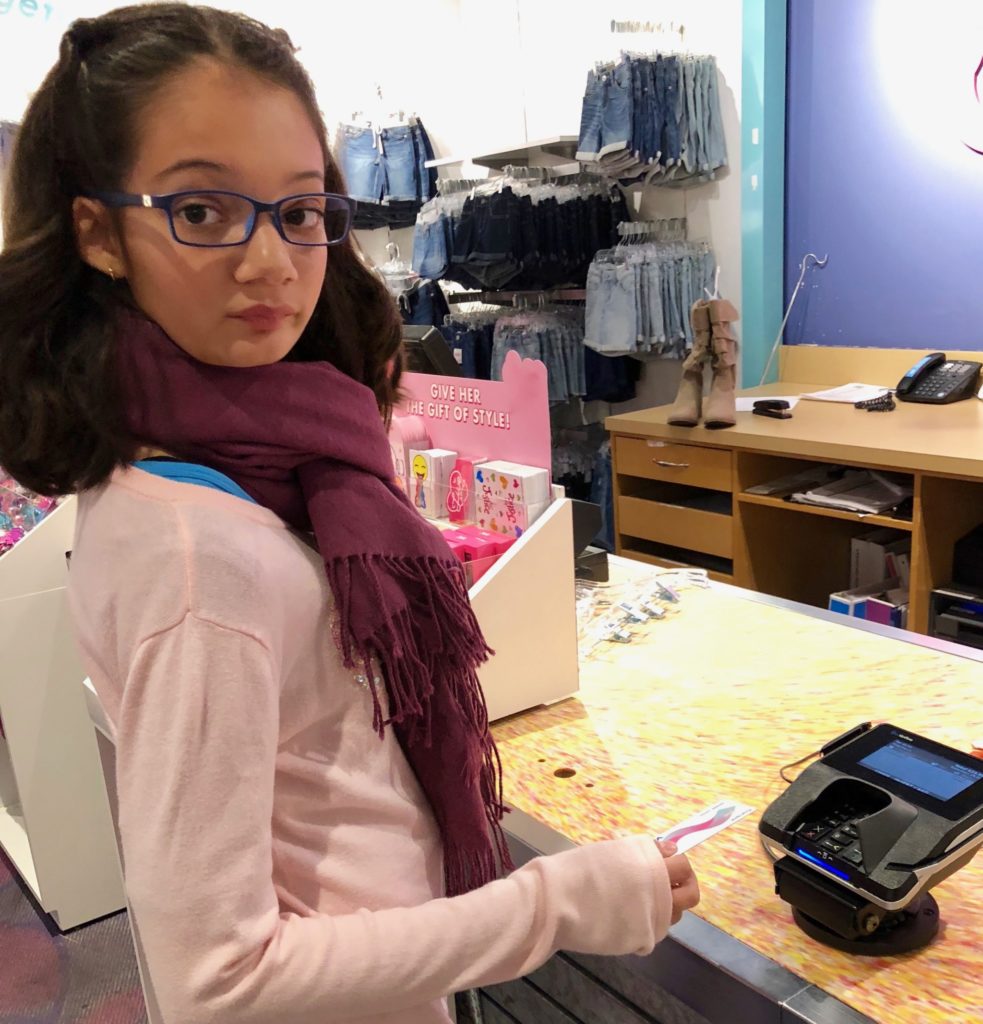
Help Your Teen Set Financial Goals
Saving is easier when teens are saving for something specific. “Save your money” feels vague. “Save $20 a month for the concert ticket you want” feels much more real.
Help your teen choose one short-term goal and one longer-term goal. A short-term goal might be a new book, a game, a pair of shoes, or going out with friends. A longer-term goal might be a laptop, a phone, a car, travel, or college expenses.
Then help them break the goal down:
- How much does it cost?
- How much do they already have?
- How much do they need to save?
- How long will it take?
- Can they earn extra money to reach the goal faster?
A savings account can make this feel more real because the money is separate from spending money. When teens can see their savings grow, they start to understand that small amounts really do add up.
This is where teens begin to understand that saving is not about restriction. It is about having more control over what matters to them.
For older teens, this is also a good time to start talking about college costs, scholarships, and financial aid. If your teen is starting to think about life after high school, this post on tips for getting financial aid for college can connect those bigger future goals to the money habits they are learning now.
Give Teens Real Responsibility With Small Amounts of Money
Teens learn best when they have real responsibility, but the stakes are still low.
Instead of managing every purchase for them, give them a set amount of money for a specific category. For example, you might give them a monthly clothing budget, snack budget, or entertainment budget. Once the money is gone, it is gone.
A debit card can be helpful here because teens can practice spending within limits. They can check their balance, see where their money went, and learn that small purchases can quietly drain an account. This is a much safer way to learn than waiting until adulthood when the mistakes can be much bigger.
This can be hard as a parent because you will see the mistakes coming. You may know they are spending too fast. You may know they are going to regret buying something cheap that breaks in two days. You may want to step in and fix it.
But small money mistakes are part of the learning process.
It is much better for a teen to spend all their fun money in one weekend and learn from that than to become an adult who makes the same mistake with rent, a credit card, or a car payment.
Teach Teens to Compare Prices and Look for Value
One of the most practical ways to teach teen money management is to make comparison shopping part of everyday life.
If your teen wants something, ask them to research it. Have them compare prices at different stores, look at reviews, check if there are cheaper alternatives, and decide whether the higher-priced option is really worth it.
This is especially useful when they want tech, phones, games, clothes, or anything with a monthly cost.
Phones are a great example because teens often focus on the device itself, while parents know the monthly bill matters just as much. If your family is in that stage, this post about what I wish I knew before giving my kids their first phone is a helpful related read for thinking through responsibility, rules, and expectations.
You can also give your teen real-life challenges like:
- Find the best price for a family activity.
- Compare two phone plans.
- Help plan a birthday gift within a budget.
- Find a restaurant option that works for the family budget.
- Compare the cost of buying lunch versus packing lunch.
- Look at their debit card transactions and find one purchase they would skip next time.
These small challenges teach teens to pause before spending and to look at the full cost, not just the exciting part.

Talk About Digital Spending and Online Safety
Money management for teens is not just about cash, bank accounts, savings, or debit cards. A lot of teen spending now happens online through apps, games, subscriptions, in-game purchases, and one-click shopping.
That makes digital safety part of financial literacy.
Talk to your teen about:
- Not saving payment information on every app or site
- Watching out for scams and phishing
- Understanding subscriptions and free trials
- Not making purchases inside games without permission
- Keeping passwords private
- Being careful with online marketplaces
- Thinking before clicking on “limited time” offers
Teens need to understand that online spending is still real money. It may not feel the same as handing over cash, but it adds up quickly. This is especially true when a debit card is connected to an app store, gaming account, or online shopping account.
If this is an area where you want more support, I have a full post with tips for talking to your kids about online safety. I also shared more about keeping kids safe online at home and in the classroom, which connects well with the digital side of raising teens today.
Let Teens Earn Money in Age-Appropriate Ways
There is something powerful about teens earning their own money. It changes how they see spending because they know what it took to earn it.
Depending on your teen’s age, personality, and schedule, they might earn money by:
- Doing extra chores beyond normal family responsibilities
- Babysitting
- Pet sitting or dog walking
- Tutoring younger kids
- Helping a family business
- Selling handmade items
- Doing yard work
- Helping with social media or simple digital tasks
- Getting a part-time job when they are old enough
This is also a good opportunity to talk about work ethic, showing up on time, following through, and communicating clearly. Those lessons matter just as much as the money.
If your teen earns money online or through small creative projects, you can also start basic conversations about tracking income, saving part of what they earn, and eventually understanding taxes.
Teach Teens About Saving Before Spending
One habit that can make a huge difference is teaching teens to save first.
Instead of spending and then saving whatever is left, encourage them to put a percentage aside as soon as they get money. It can be small. Even 10 percent teaches the habit.
You can divide money into simple categories:
- Spend
- Save
- Give
- Long-term goal
Some teens like physical envelopes or jars because they can see the money grow. Others prefer using a savings account because it keeps the money separate and makes it less tempting to spend. The method does not matter as much as the habit.
The important thing is helping them understand that saving is not something they do only when they have extra money. Saving is part of how they manage money from the beginning.

Connect Money Lessons to Bigger Independence Skills
Financial independence does not happen by itself. It is connected to many other life skills.
A teen who is learning to manage money is also learning to plan ahead, delay gratification, ask questions, compare options, recover from mistakes, and make decisions with more confidence.
This shows up in other areas too. When teens learn to drive, for example, they also need to understand the cost of gas, insurance, maintenance, repairs, and safe choices. If you are in that stage, this post on teaching teens to drive safely is a good companion piece because driving is another big step toward independence.
For some families, teaching independence also looks different depending on a child’s needs, abilities, or future plans. If your family is navigating special needs planning, this post about planning for your child with special needs’ future may be helpful as you think about long-term independence and support.
Let Teens Make Small Financial Mistakes
This may be the hardest part.
It is important to teach kids about responsible spending and delayed gratification, but it is also important to let them make their own mistakes. If your teenager spends all their allowance quickly, they may be left with no money for the rest of the week or month.
That can be uncomfortable to watch. As parents, we want to rescue them. But living through those small financial mistakes teaches lessons that stick.
The key is to let the mistake happen without turning it into shame.
Instead of saying, “I told you so,” try asking:
- What would you do differently next time?
- Was that purchase worth it?
- How can you plan better next month?
- Do you want help making a simple plan?
- Do you need to move some money into savings before you start spending next time?
That kind of conversation helps teens build problem-solving skills instead of just feeling bad.
Keep the Conversation Going
Teaching financial literacy for teens is not a one-time talk. It is an ongoing conversation that changes as they grow.
A middle schooler may start with saving birthday money and comparing prices. A high schooler may need to learn about part-time jobs, debit cards, savings accounts, car expenses, college costs, and avoiding debt. An older teen may be ready to talk about credit, taxes, rent, and long-term goals.
You do not have to teach everything at once. Just keep creating chances for your teen to practice.
Let them help plan. Let them research. Let them earn. Let them save. Let them manage a little money in a bank account or with a debit card. Let them make small mistakes. Let them feel proud when they make a smart decision.
Little by little, those everyday lessons become confidence. And that confidence is what helps teens step into adulthood with more independence, more responsibility, and a better understanding of how money really works.
Guiding teens isn’t only about money, of course — as kids spend more time online, their safety there matters just as much. Cases like the Roblox MDL 3166 lawsuit, which centers on claims that the platform failed to protect young users, are a reminder to stay involved in the digital spaces our teens use.

- Keto Hot Dog and Egg Tacos - October 4, 2021
- Soccer Snack Board - April 8, 2021
- Cilantro Lime Butter Salmon Sheet Pan Fajitas - February 22, 2021


This is such a great idea. I started doing something similar for my, now 19-year-old, but I totally see the value.
P.S., I like how you peppered in pictures of your daughter. It helped bring the story to life. Good job!
This is really great to teach them as they grow because at the end of it all they end up learning how to deal and budget with their own money once they start earning some.
Your daughter is shopping at Justice. I know this, because my daughter LOVES that store 😉 I love the idea of this card so she can’t go nuts in there because trust me, she gets to $100 in a matter of minutes.
I learnt a lot about finance from my parents, and I am so glad they took the time to teach me as well as they did. I have been on the wrong side of it after having my ID stolen and it was so stressful, I can’t imagine having ended up in all the debt off my own back.
My teen is oblivious but I’m afraid she will learn the hard way. I have however showed, discussed and talked about money with my other kids.
I love this so much….words cannot even describe how much I love this! It is so easy to just give in and buy them everything but teaching them financial responsibility is such a huge part of parenting!
I think kids should know how to budget. The parents will be there to support and teach the child to set feasible financial goals. I think that’s the two most critical steps.
I don’t think I ever were careless as a kid. I quickly started to make my own money baby sitting and I was spending a lot of it but still making sure i’d never be in trouble.
Great post! it’s so important that our teens are taught real life lessons about money and finance, and not just education subjects!
This is so important! We do this at my school, and I taught a whole course in it! It is sometimes shocking how little kids know about how to budget/make decisions involving money!
Such an important topic, never thought about it! My son is 9, so I think he’s too small for financial independence; however we discuss with him finances and house budgets all the time
I wish I was tough this when I was younger. I had a rough time starting out on my own.
These are great tips! I was never taught about financial independence growing up – I think my parents just expected me to think for myself and learn from my mistakes. I still don’t know how to budget til this day. hahah YIKES!
I love that you’re teaching your daughter about financial independence. All these tools and guidance are going to help her so much when she gets older. Just amazing.
Teaching teenagers to be financial independence is a great idea. It is a great start to becoming an adult. Thanks for sharing.
Great post. I will be needing these tips in about two years. 😀
These are great ideas to teach kids. And I love you have found a way for your daughter to get involved with what you do and earn some money at the same time. I think teaching them the value of work is so important.
Such a great post. We are also currently looking into opening a bank account for our daughter. She is also making money doing some jobs here and there and has her holiday money saved up. We, as parents, discuss finances with our girls. What is pertinent, nothing that would worry them too much, but definitely things that can help them make wise money decisions as they grow.
I love this idea. I have been considering doing something similar to my daughter. Right now she just saves her money in her piggy back but I love the idea of her having her own card to help prepare her. Great job!