
A cacao ceremony at Lake Atitlán sounds, from the outside, like an extraordinary thing. Sacred plant medicine. Heart-opening ritual. Ancestral Mayan wisdom. And the lake — well, the lake provides a setting that makes almost anything feel spiritual. I understand why thousands of travelers arrive at Atitlán every year specifically hoping to experience one. What I can tell you, as someone who was born in Guatemala and has watched this scene evolve for the past decade, is that the story is more complicated and more interesting than any retreat flyer will explain to you.
I’ve watched travelers arrive full of genuine openness, pay for cacao ceremonies in yoga studios and lakeside retreat centers and Airbnbs, and leave believing they’ve participated in something ancient and Mayan. Some of them felt genuinely moved — and I don’t dismiss that. But I’ve also watched the real thing. And the distance between the two is worth understanding before you hand over your quetzales and your expectations.
This article does three things at once: explains what actually happens inside a cacao ceremony so you know what you’re walking into, gives you the honest cultural context that most ceremony providers won’t, and tells you where you can find experiences at the lake and beyond that are worth your time and your trust. This is my country. I’d rather you know the truth about it.
Read this if you are
✓ Planning a trip to Lake Atitlán and considering a cacao ceremony
✓ Already booked one and want honest context before you go
✓ Curious about the difference between traditional Mayan practice and spiritual tourism
✓ Interested in what ceremonial cacao actually does to you physically
✓ Trying to find an experience that’s actually connected to Indigenous tradition
Let’s Start Here
What Is a Cacao Ceremony?
A cacao ceremony is a guided ritual in which participants drink a preparation of ceremonial cacao — minimally processed, traditionally made from fermented and sun-dried cacao beans ground with water — in a sacred or intentional setting. The ceremony creates a container for inner reflection, emotional processing, and spiritual connection, facilitated by music, meditation, prayer, or other ritual elements depending on the tradition and the guide.
That’s the definition most ceremony providers would give you. Here’s the context they often leave out.
What Most People Don’t Know Before They Book
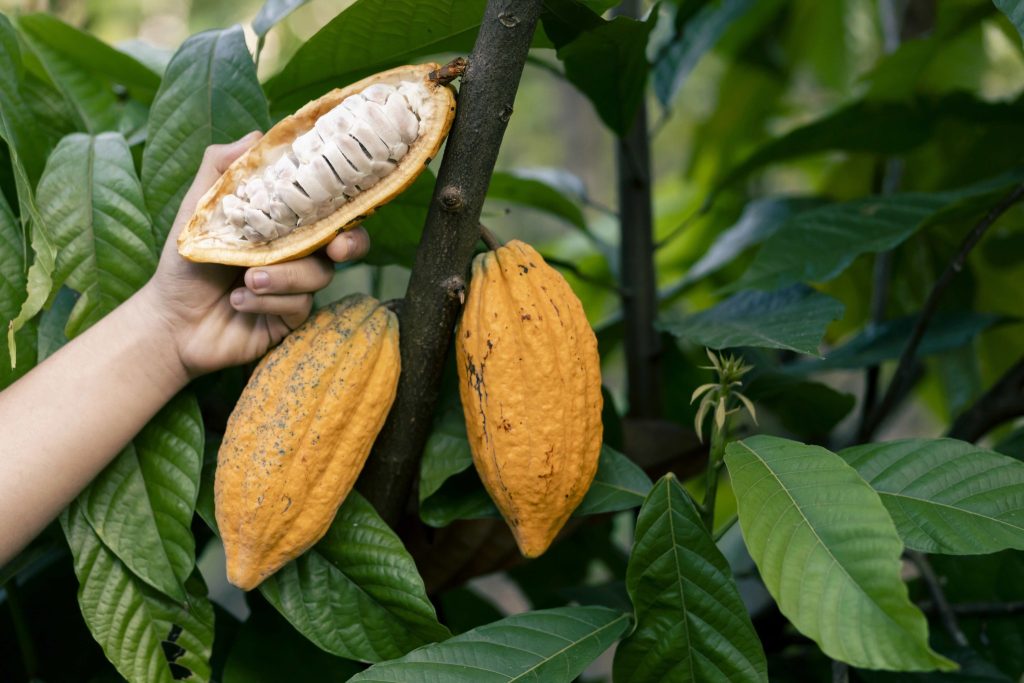
Cacao is not grown near Lake Atitlán. The lake sits at 1,562 meters above sea level — an altitude and climate that is completely unsuitable for cacao cultivation. Historically, Guatemalan cacao comes from the lowland regions: Alta Verapaz, Izabal, parts of the Pacific coast. Any provider claiming to use “local Atitlán cacao” is not being accurate. The cacao is sourced elsewhere and brought to the lake.
The group cacao ceremony format as it currently exists is largely a modern creation. Cacao had profound sacred significance in ancient Mesoamerican civilization — it was used as currency, offered to deities, consumed in specific ritual contexts by trained healers. But the guided circle format with music, meditation, and emotional sharing that travelers find at Atitlán today is a contemporary practice designed primarily for the wellness tourism market, not an unbroken line of Mayan tradition. That doesn’t automatically make it worthless. But it’s a distinction that matters.
✨ What Traditional Mayan Ceremony Actually Centers Around
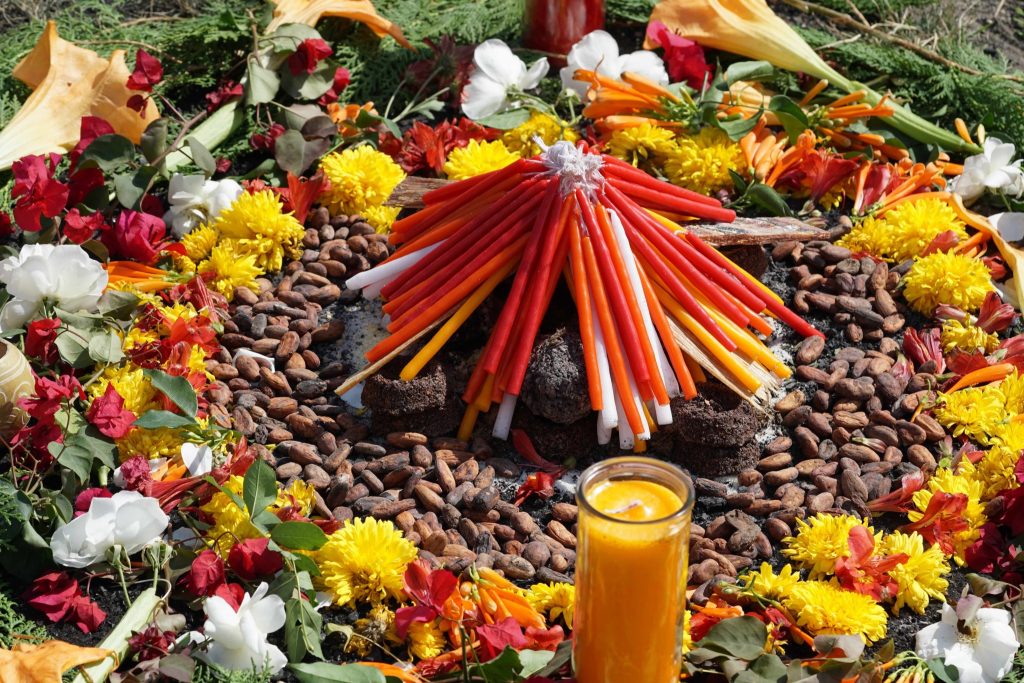
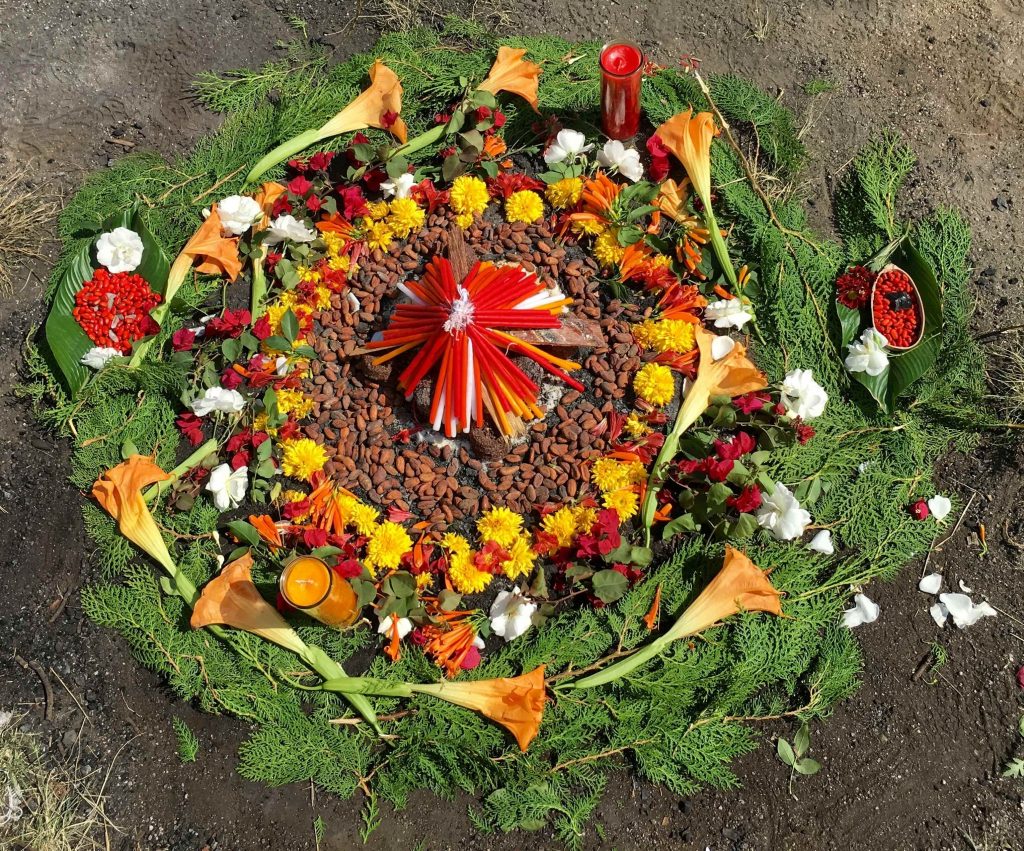
In the highland Maya communities around and beyond the lake, traditional spiritual practice centers around ceremonies led by an ajq’ij — a trained daykeeper and spiritual guide. These ceremonies involve sacred fire, specific offerings (candles, copal, flowers, seeds), prayers in a Mayan language, and deep engagement with the 260-day Mayan calendar. The purpose is spiritual guidance, healing, and balance with the natural and ancestral world. They don’t necessarily involve cacao. And they are never designed for group tourist consumption. For a full explanation of these traditional practices, see my complete guide to Mayan healing and ceremonies in Guatemala.
Step by Step
What Actually Happens During a Cacao Ceremony
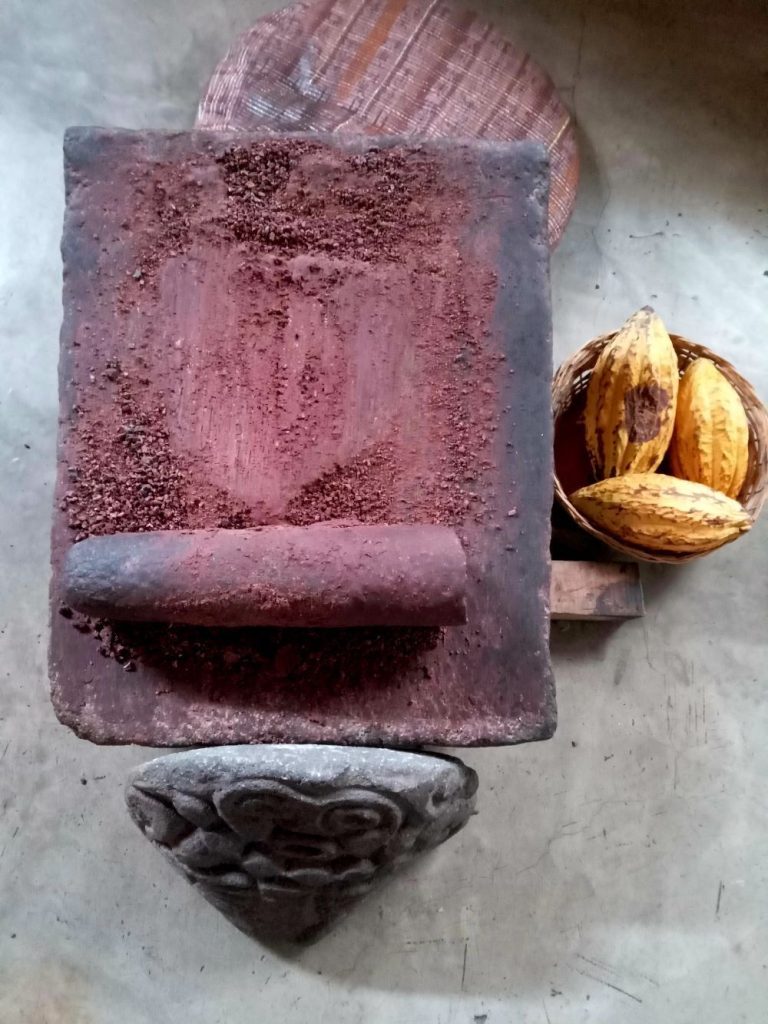
Ceremonies vary depending on the facilitator, the setting, and whether the experience is rooted in genuine Mayan tradition or contemporary spiritual practice. But here is what you can typically expect, from arrival to close.
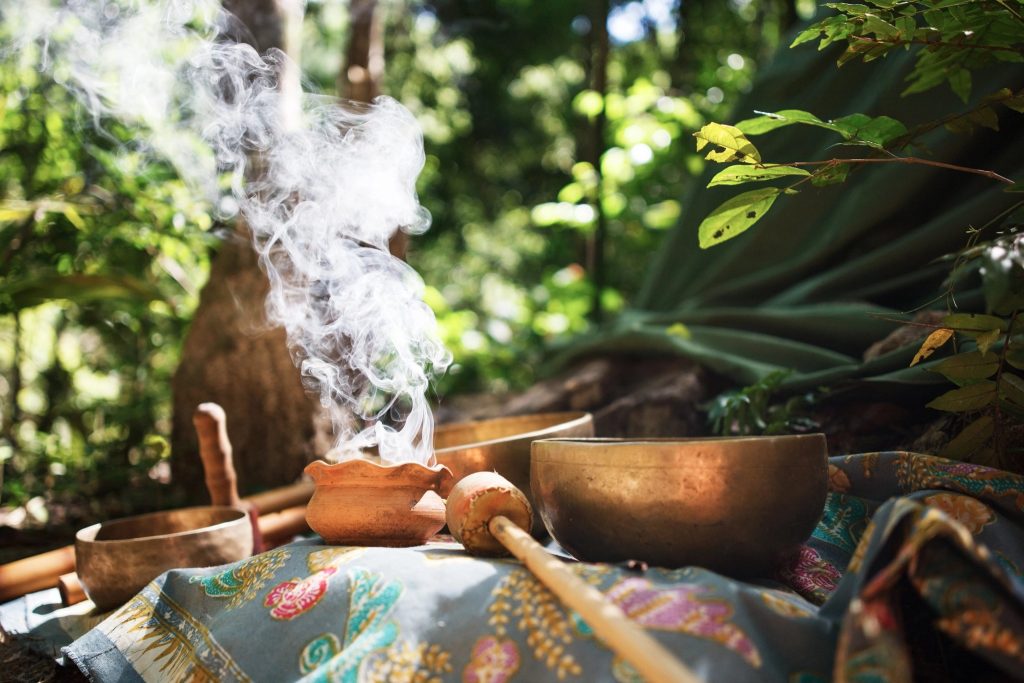
| 1️⃣ | Entering the Space and the Opening Cleansing You’ll typically enter a designated sacred space — a garden, ceremonial hut, or lakeside setting. The ceremony opens with a cleansing ritual using copal or locally gathered herbs burned to clear energy and establish the ceremonial container. Participants are invited to ground themselves, breathe, and set personal intentions for the gathering. In more traditionally rooted ceremonies, the ajq’ij or guide will call to the four cardinal directions and the ancestors before anything else happens. |
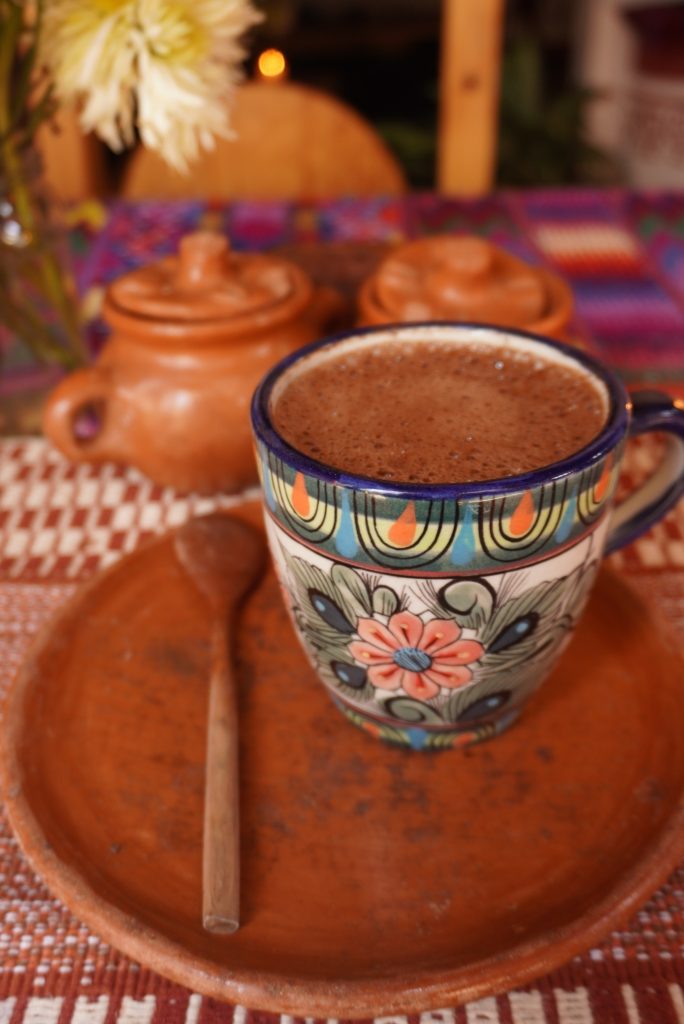
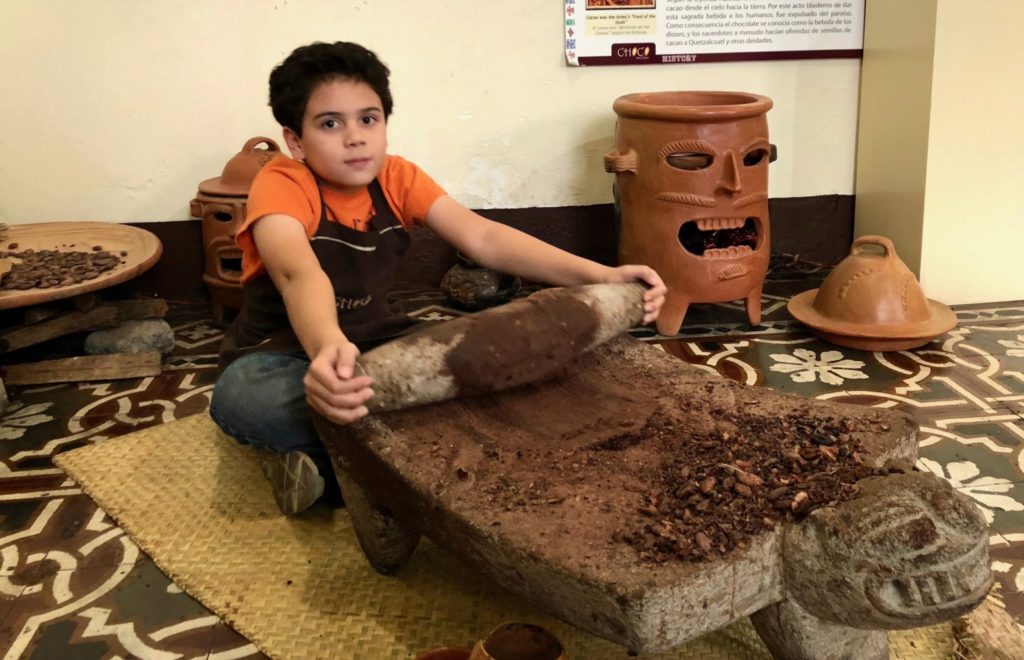
| 2️⃣ | The Preparation and Serving of the Cacao Ceremonial cacao is made from fermented, sun-dried, and hand-ground cacao beans blended with hot water. The paste is worked until smooth. Traditional additions include chili (which is genuinely pre-Columbian) and sometimes local spices. What you should not see in a ceremony worth attending: pre-packaged cacao mixes, sweetened commercial chocolate, anything that looks like it came from a store shelf. The cacao is served slowly and mindfully, with words of blessing — ideally an invocation in a Mayan language, though Spanish is common. The drink is thick, bitter, and nothing like hot chocolate. |
| 3️⃣ | Meditation, Visualization, or Inner Journey Once everyone has received their cacao, the facilitator guides a period of inner focus — usually a meditation or visualization. This is where the gentle stimulant effects of the cacao begin to be felt: mild heart opening, enhanced emotional sensitivity, a quiet internal clarity. The purpose is to create space for whatever needs to surface, whether that’s grief, insight, gratitude, or simply stillness. The quality of this portion depends entirely on the quality of the facilitator. |
| 4️⃣ | Music — What’s Authentic and What Isn’t Music is central to many ceremonies. In more traditionally rooted settings you might hear Mayan flutes, hand drums, or marimba. In contemporary wellness ceremonies you’ll find a wider blend: singing bowls, soft guitar, recorded instrumental music. One thing worth noting: if you hear a didgeridoo, you are in a thoroughly non-Mayan ceremony. The didgeridoo is an Australian Aboriginal instrument. Its presence at a “Mayan ceremony” is one of the clearest signals that what you’re attending has drifted significantly from any Indigenous Guatemalan root. |
| 5️⃣ | Movement, Breathwork, or Ecstatic Dance (Contemporary Ceremonies) Many contemporary cacao gatherings around Atitlán include a movement portion — breathwork, intuitive movement, or ecstatic dance. This is not a traditional Mayan element but can be a genuine and useful part of a contemporary ceremonial container. If it feels authentic and supported rather than performative, it has its place. If it looks like a dance party with cacao branding, that tells you something too. |
| 6️⃣ | Fire Ceremony Elements (In More Traditionally Rooted Gatherings) Some of the more grounded ceremonies incorporate elements of traditional Mayan fire ritual — offerings of flowers, candles, copal, and herbs placed into a ceremonial fire, with prayers spoken in Kaqchikel or another Mayan language. When this is led by an actual ajq’ij, you have entered genuinely different territory. You are no longer at a wellness gathering. You are participating in one of the oldest living spiritual traditions in the Americas. This distinction is everything. |
| 7️⃣ | The Closing Circle and Blessing Most ceremonies close with a sharing circle — participants invited to speak about what arose, if they feel moved to. A final blessing or prayer closes the space. After a thoughtfully led ceremony, expect to feel quieter than you arrived, emotionally close to those who shared the space with you, and probably a little raw. That’s normal. Give yourself time before scrolling your phone. |
What It Actually Does
Cacao Ceremony Effects — And Is It a Drug?
This question comes up constantly, especially in Spanish-language searches — ¿la ceremonia del cacao es droga? The short answer is no. The longer answer is more interesting.
|
What Ceremonial Cacao Contains Ceremonial cacao is consumed in doses much larger than everyday chocolate — typically 40–50 grams. The primary active compound is theobromine, a mild stimulant that increases heart rate slightly and promotes sustained, gentle energy. Cacao also contains phenylethylamine (associated with mood elevation), anandamide (the “bliss molecule”), and magnesium. The combined effect is a warm heart stimulation, subtle euphoria, and enhanced emotional sensitivity — not a psychedelic experience. |
What to Expect The effects typically begin 20–30 minutes after drinking and last 2–4 hours. You may notice: increased warmth in the chest, gentle energy, heightened emotional sensitivity, and a feeling that some people describe as “heart opening.” None of this is hallucinogenic. If a ceremony is marketed on the basis of visions or altered states, that involves additional substances — cacao alone does not produce those effects. |
⚠ Who Should Be Cautious
If you have a heart condition, take MAOIs or SSRIs, are pregnant, or have high blood pressure — speak with a doctor before consuming ceremonial doses of cacao. The theobromine content at ceremonial doses is meaningful, not trivial. Most facilitators will ask about health conditions beforehand; if they don’t, that itself is information.
The Honest Local Take
What Locals Actually Say About San Marcos La Laguna
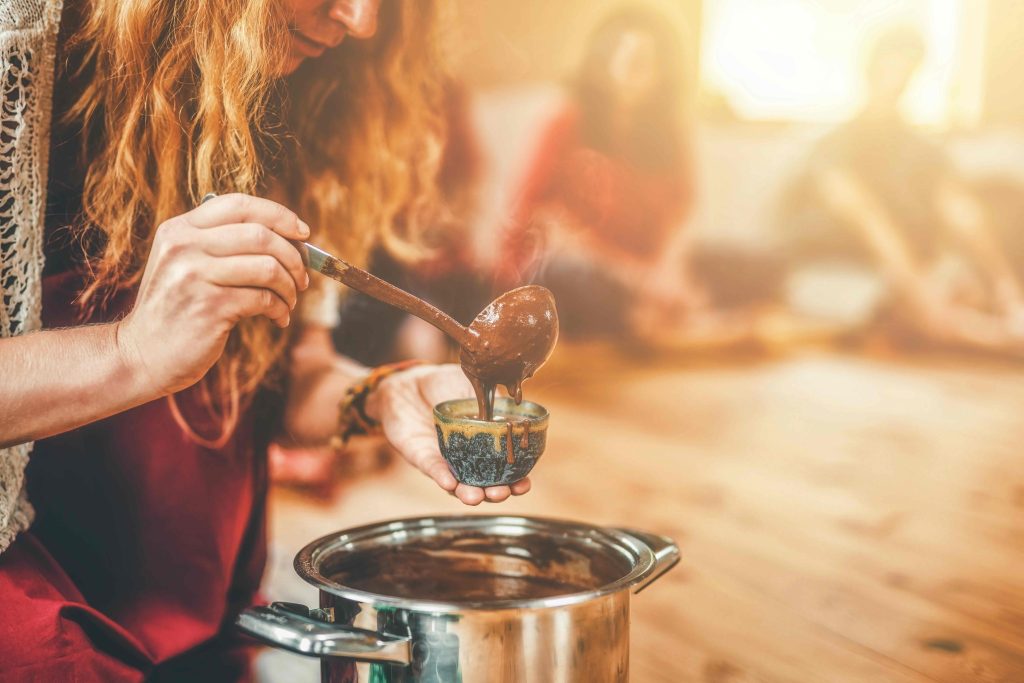 Non traditional Cacao Ceremony Setup San Marcos la Laguna Lake Atitlan Guatemala village known for yoga wellness spiritual tourism retreats
Among locals, San Marcos la Laguna has a nickname: la carretera hippie — the hippie highway. That’s not said with pure affection. San Marcos has become the most concentrated center of spiritual tourism at the lake, with the highest density of yoga studios, retreat centers, cacao ceremony offerings, and international wellness practitioners. Some of what’s there is genuinely good. A lot of it is something else.
The language is seductive everywhere you look: heart-opening, third-eye expanding, ancestral wisdom, sacred plant medicine. I’ve watched travelers who arrived with sincere openness pay good money for ceremonies led by people who had never lived in Guatemala before moving there to offer spiritual experiences. The language was impeccable. The aesthetics were beautiful. The cacao was fine. But the Mayan connection was, in many cases, decorative.
None of this means San Marcos has nothing to offer. There are genuine practitioners there — some of them Indigenous, some of them trained by Indigenous teachers, some of them honest about what they are and aren’t. The problem isn’t the existence of contemporary spiritual practice. The problem is the conflation of that practice with traditional Mayan healing, and the displacement of attention from the real Indigenous culture that exists in places like Santiago Atitlán — which is, quietly, one of the strongest centers of living Tz’utujil Maya tradition at the lake, and which receives a fraction of the spiritual tourism attention that San Marcos does.
💡 One question that tells you a lot: Ask any ceremony provider what their connection is to the Mayan community and how they were trained. A sincere answer — even if it’s “I’m not from here and this is a contemporary interpretation, not a traditional ceremony” — tells you exactly who you’re dealing with. The ones worth trusting are the ones who answer this without defensiveness.
What the Real Thing Looks Like
Beyond the Smoke and Cacao: What I’ve Seen From the Inside
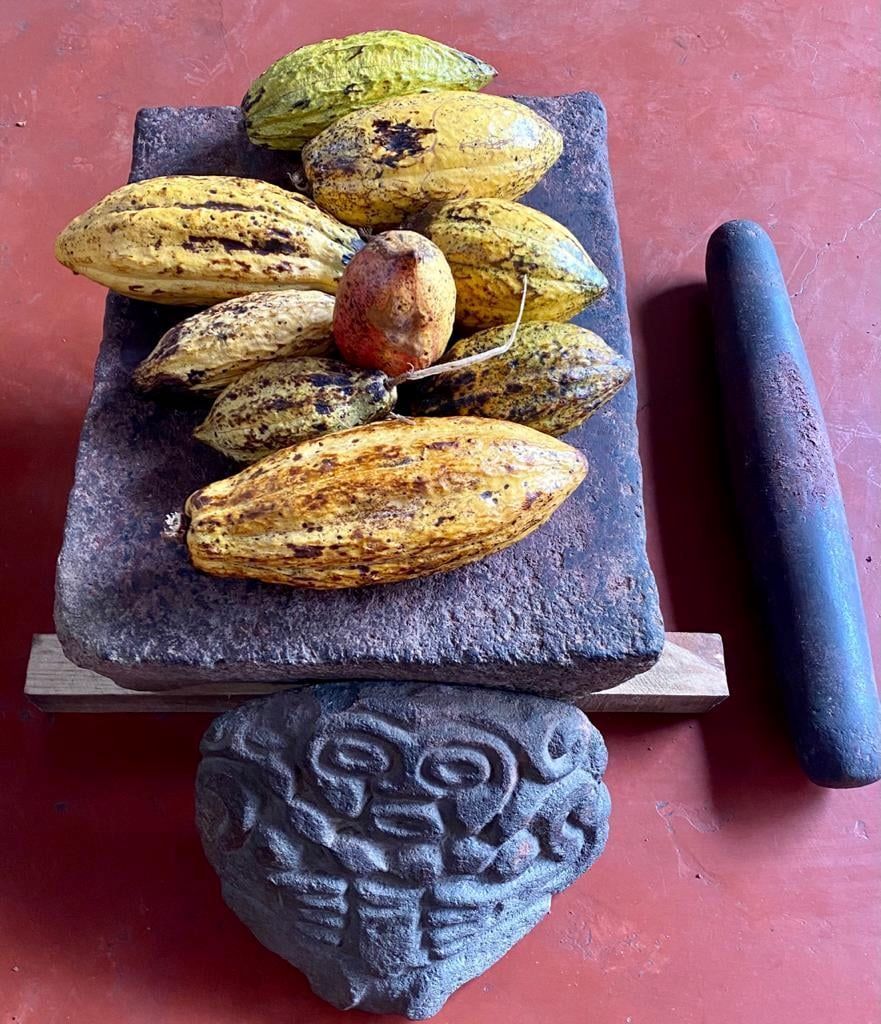
I’ve watched many travelers go through the exact same arc. They arrive at the lake full of genuine seeking. They find what looks like what they were looking for — the language is right, the setting is beautiful, the facilitation is warm. Some of them feel genuinely moved and leave satisfied. Others start to feel, sometimes weeks later, like something was off. Manufactured. Safe for Instagram.
The travelers who find what they actually came for are usually the ones who stopped scheduling it. Who slowed down. Who spent time in actual villages, not tourist spaces. Who let go of the urgency to experience something sacred on demand and started paying attention to what was already present.
The real ajq’ij I know — and I know several — are not advertising. You might see one of them at the market driving an old pickup. Cooking with his family. Sitting quietly with other elders. He doesn’t dress for the role. He doesn’t have a website. He doesn’t do ceremonies for strangers who show up waving cash. He meets you. He listens. He prays. And he decides — on the basis of the Mayan calendar and his own discernment — if and how a ceremony might serve you. Because healing here isn’t a product. It’s a relationship. It requires time and trust to access, and shortcuts don’t work.
✨ What Genuine Healing Looks Like
When traditional healers in my community talk about working with someone, they always start with the same question: What is your true intention? They want to understand why someone is seeking help. Are they dealing with grief? Illness? A broken relationship? Spiritual imbalance? The work is personalized and guided by the Mayan calendar and years of accumulated wisdom. It is not a group experience. It is not designed to produce a feeling. It is not available on a retreat schedule. And that’s precisely what makes it powerful.
Where to Go
Where to Find Cacao Ceremonies and Mayan Cultural Experiences in Guatemala
Here is the honest geographic breakdown — what each location offers, who it’s for, and what to look for in each place.
Want to Find the Real Thing?
I Know Who’s Worth Your Trust — And Who Isn’t
The practitioners I trust — the ones whose work is connected to actual community and tradition — are not something I post publicly. That wouldn’t be respectful to them or to the culture. But if you’re planning a trip to Guatemala and genuine cultural or spiritual experience is part of what you’re seeking, that’s exactly the conversation the personalized planning service is for.
Where to Stay
Where to Base Yourself at Lake Atitlán
My consistent recommendation: avoid basing yourself in Panajachel. It’s the most convenient but the least authentic town on the lake. The smaller villages give you Atitlán as it actually lives — and give you the proximity to the cultural experiences described in this article. For a full picture of the lake’s magic, read why Lake Atitlán needs to be on your travel bucket list.
|
⭐ Best Value · Most Unique In Santa Catarina Palopó — a working Mayan village, not a tourist hub. Volcanic geothermal-heated pool, stunning lake views, excellent restaurant. Read my full review of Villa Santa Catarina. |
Splurge · Private on the Lake Entire private villas directly on the lake. Full kitchens, gardens, kayaks. For the traveler who wants to be completely alone with the water. Read my full review of Villas de Balam ‘Ya.. |
|
Best in Panajachel · Stunning Views If Panajachel works for your logistics, Hotel Del Lago has the lake views and a convenient base for morning boat trips to every village. Read my full review of Hotel del Lago. |
For Antigua · Top Location El Convento Boutique Hotel Right on Calle del Arco — Antigua’s most beautiful street. Walking distance to the ChocoMuseo and jade workshops. Book early. |
Getting Around
Exploring Beyond the Lake
If you’re planning to visit Lago de Chicabal near Quetzaltenango, the ceremonial sites around Chichicastenango, or the cacao-growing regions of Alta Verapaz — a rental car gives you the freedom to go on your own schedule and reach communities that shared shuttles don’t serve. Driving in Guatemala is not for everyone, so make sure you read my complete guide to renting a car in Guatemala before you rent.

What People Want to Know
Cacao Ceremony — Questions I Get All the Time
Is a cacao ceremony safe?
For most healthy adults, yes. The main active compound is theobromine, which mildly increases heart rate and produces gentle, sustained energy. At ceremonial doses (40–50 grams of pure ceremonial cacao) this is meaningful but not dangerous for healthy people. Contraindications: heart conditions, high blood pressure, MAOIs or SSRIs, pregnancy. Always tell the facilitator about any relevant health conditions before participating. If they don’t ask, that’s information too.
How long does ceremonial cacao last? (¿Cuánto dura el efecto del cacao ceremonial?)
Effects typically begin 20–30 minutes after drinking and last approximately 2–4 hours, gradually tapering. The heart-opening warmth and emotional sensitivity are the most noticeable aspects. Give yourself time after a ceremony before driving or making major decisions — not because of impairment but because integration deserves space.
Is ceremonial cacao a drug?
No. Cacao is a food with mild stimulant properties — legally and pharmacologically similar to coffee in terms of regulatory classification, though its effects are quite different. It does not produce hallucinations, altered states, or psychedelic experiences on its own. If a ceremony is being marketed with those promises, additional substances are involved. Ceremonial cacao alone produces warmth, mild heart stimulation, emotional openness, and enhanced presence.
What is the difference between a cacao ceremony and a Mayan ceremony?
The cacao ceremony as currently offered to travelers is largely a contemporary practice designed for the wellness tourism market — it may incorporate Mayan language, symbolism, and cultural references but is not a direct descendant of traditional Mayan ritual. A genuine Mayan ceremony is led by a trained ajq’ij, conducted in a Mayan language, organized around the Mayan calendar, and not designed for tourist consumption. The two can overlap in degree but are not the same thing.
Where in Guatemala are Mayan ceremonies held?
Throughout the highlands — at specific sacred sites (Iximché, Lago de Chicabal, the caves above Panajachel), in community ceremonial spaces in village after village, and on significant dates in the 260-day Mayan calendar. The places with the most visibility for travelers are Lake Atitlán, Chichicastenango, and Antigua. The places with the deepest ongoing traditional practice include Santiago Atitlán, the communities around Quetzaltenango, and the Q’eqchi’ communities of Alta Verapaz.
What should I bring to a cacao ceremony?
Comfortable, modest clothing you can sit in for 1–3 hours. A blanket or shawl if the ceremony is outdoors (nights at Atitlán get cold). An open mind and whatever sincere intentions you’re bringing with you. Don’t eat a heavy meal for at least two hours beforehand. Hydrate well. Leave your phone in your bag. Bring any small personal offering if you feel moved to — a flower, a note you’ve written, something of personal significance.
Is cacao ceremony cultural appropriation?
This is a question worth sitting with. Using Mayan language, symbols, and cultural framing to market a contemporary wellness product — without transparency about what it actually is — is a form of cultural appropriation, yes. The more honest version of this: cacao has genuine Mayan sacredness, contemporary ceremonies can be meaningful, and the line between respectful engagement and extractive commodification is drawn by transparency, community benefit, and honest representation. Ask who benefits economically from the ceremony you’re attending. Ask whether Indigenous practitioners and communities are centered or bypassed. Those questions matter.
Want to Go Deeper?
Guatemala’s Spiritual Depth Is Real.
Getting to It Takes the Right Introduction.
This is my country. I know the difference between what gets sold to travelers and what actually lives here. If authentic Mayan culture and genuine experience is part of why you’re coming to Guatemala, let’s talk before you book anything — because the right introduction makes all the difference between a tourism experience and the real thing.
Respecting Mayan culture starts with telling the truth about it. If this article gave you more honest information than you had before, share it with someone who’s planning this trip.
Through her writing, Paula helps travelers discover Guatemala beyond the typical tourist route with practical advice, local recommendations, and authentic experiences that connect visitors with the country’s people, culture, and traditions.
Planning a trip to Guatemala? Paula offers personalized Guatemala itinerary planning and trip consultation services tailored to your interests, travel style, and budget. Contact her at [email protected] to learn more.
- San Lucas Tolimán Guatemala: Lake Atitlán’s Best-Kept Secret - September 24, 2026
- Hotel Tolimán Lake Atitlán: A Special Stay in San Lucas Tolimán - September 24, 2026
- Guatemala Dreams in San Lucas Tolimán: A Boutique Stay on Lake Atitlán - September 23, 2026

