
 Lake Atitlán is one of those places that changes people. I’ve watched travelers arrive planning to stay two nights and end up rearranging their whole trip to stay a week. Lake Atitlán boat services are a big part of what makes that possible: understanding how the lanchas work is essential to experiencing the lake fully, especially when you’re moving between villages.
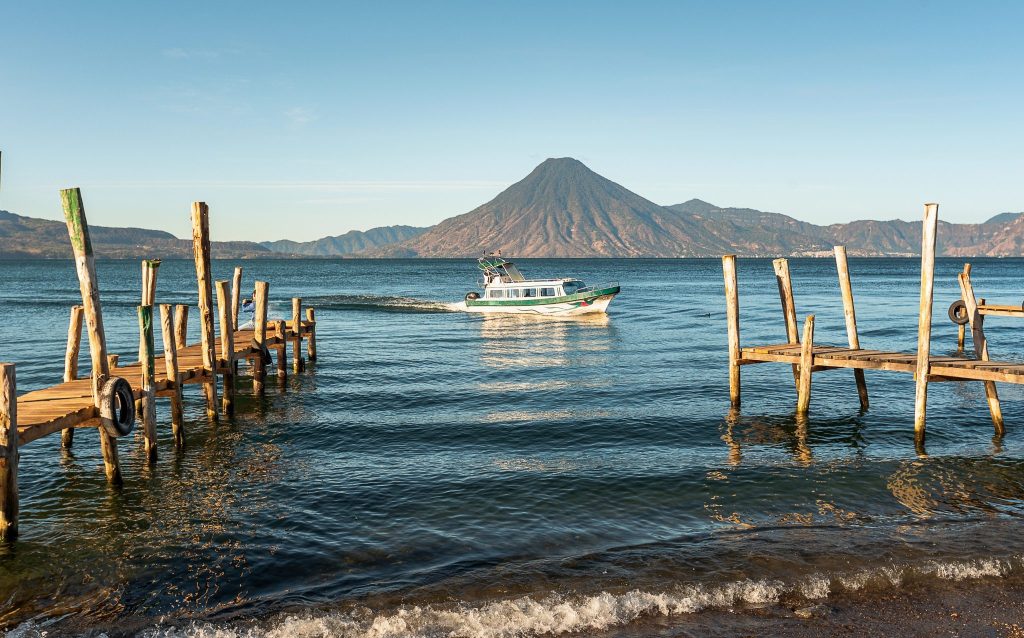
While roads exist, boats are still the most practical, scenic, and efficient way to move between villages. Getting from one village to another is part of the experience here, and boats are at the center of how life works on this lake. Once you understand how the boats work, getting around becomes surprisingly easy. If you don’t, it’s easy to get stuck, miss connections, or end up sleeping somewhere you never planned to.
This guide explains how public boats and private lancha services on Lake Atitlán operate, what to expect with schedules and prices, how to handle late arrivals, and which villages are best reached by boat. Whether you’re staying in one town or hopping between several, this should help you plan with confidence and avoid the missteps I see travelers make all the time. If you’d rather skip the research and hand that part over to me, I can map out your whole route for you.
Lake Atitlán Villages and Why They Matter So Much
Lake Atitlán is not just about the views. It’s about the villages that sit along its shores and the very different experience each one offers. Every village feels different, and where you choose to stay can completely shape your time on the lake. If you’re still deciding whether Atitlán belongs on your itinerary at all, my complete guide to Lake Atitlán is a good place to start.
Some villages are quiet and residential. Others are social and lively. Some are deeply traditional, while others attract artists, wellness travelers, or backpackers. Even though the villages are only a short boat ride apart, they feel surprisingly different from one another, and that contrast is part of what makes Lake Atitlán so special. If you’re traveling with kids, my guide to the best things to do at Lake Atitlán with kids covers a few of these towns in more detail.
Panajachel is the main gateway town and the place most people arrive by road, but it’s only one piece of the lake experience. Whether you stay there or choose a village across the water, boats quickly become essential. Many villages are best reached by lancha, especially if you’re staying overnight or planning to visit several towns in one day.
Some villages do have road access, but those routes are often long, indirect, and slow. Boats are usually faster, more direct, and the way locals move around the lake every day. If you want to explore Lake Atitlán properly and move between villages with ease, you’ll almost certainly be using boats.
How Lake Atitlán Boat Services Work
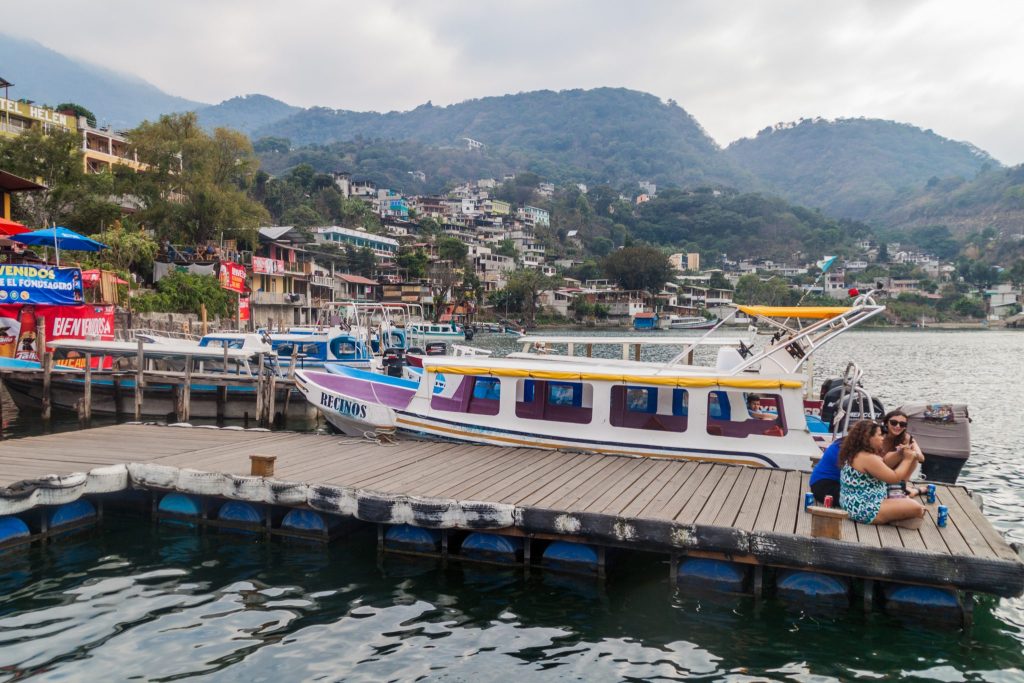
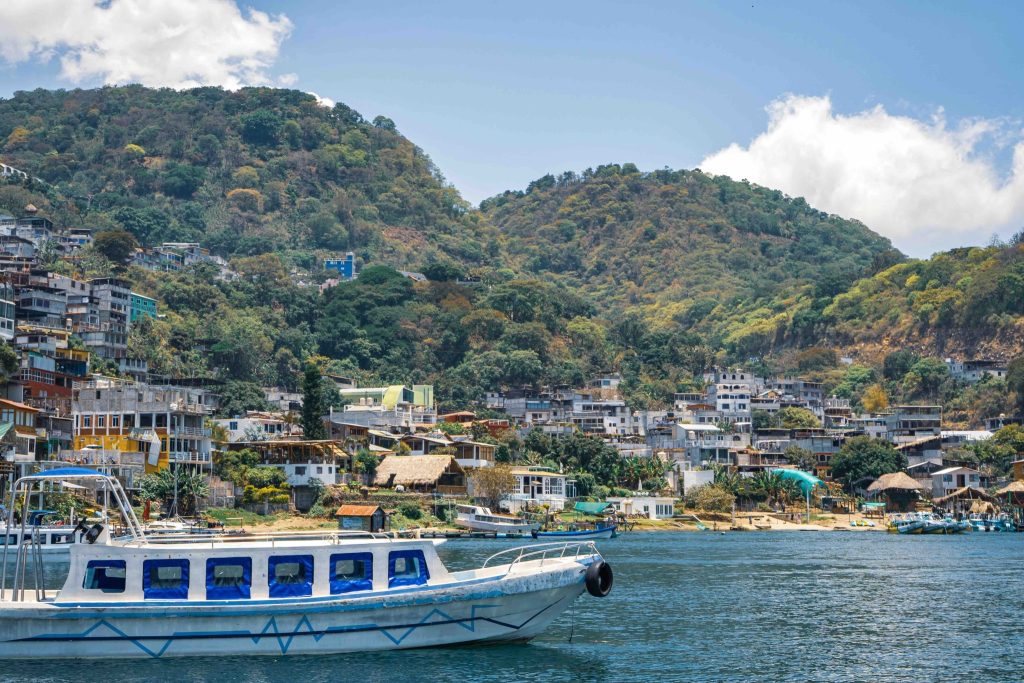
A lot of people search for a ferry on Lake Atitlán, and I get it, that’s the word most of us are used to from other places. There isn’t one. What you’ll actually find are lanchas: small motorboats that do the same job a ferry would, just with a lot more personality and a lot less structure. Some visitors call them water taxis, which honestly gets a little closer to how they actually work.
Boat transportation on Lake Atitlán is simple once you understand it, but it doesn’t work like a structured ferry system. There are no official timetables, no ticket counters, and no late night public crossings.
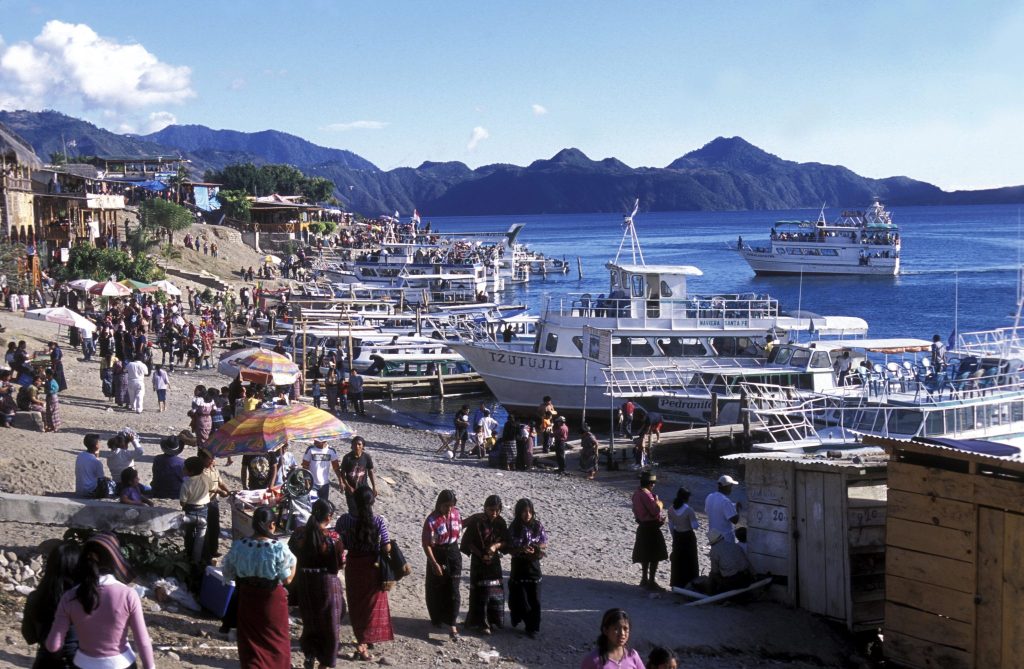
Public boats, known locally as lanchas, are small motorboats that travel between villages throughout the day. Locals use them to commute to work, visit family, shop, and run errands, and visitors use the same boats. This is part of what makes traveling the lake feel so connected to daily life here.
Boats usually leave when they’re full or close to full. During busy times, this can mean departures every 20 to 30 minutes. During quieter times, you may wait a bit longer, especially from smaller villages.
The lake itself plays a big role in how transportation works. Mornings are usually calm and smooth, while by early afternoon the wind often picks up and the water gets rougher. This affects comfort, safety, and schedules, and it’s the reason boats don’t run late into the evening.
Once you understand how the lanchas work, the next step is knowing which villages you can actually reach by public boat and what each one feels like.
Lake Atitlán Villages Served by Public Boats
Public boats from Panajachel connect most of the villages people come to Lake Atitlán to experience. Some villages have more frequent service than others, but all of the towns below are places I regularly think about when helping someone decide where to stay or which villages to visit by lancha. Each one feels different, and choosing the right village can completely shape your experience of the lake. For a broader look at where to base yourself, I also have a full guide to hotels on Lake Atitlán.
Panajachel
Panajachel is the main transportation hub of Lake Atitlán and where most travelers end up staying, at least for part of their trip. It’s the easiest place to arrive by road and has the widest range of restaurants, markets, shops, and services around the lake.
I often stay in Panajachel myself. I like it for its variety and convenience, as well as for things to do beyond the lake, like visiting the Reserva Natural de Atitlán or spending time walking through the markets and along the waterfront. It also works very well as a base if you plan to explore other villages by boat during the day and return in the evening.
When I stay in Panajachel, I find myself returning to Hotel Atitlán for its gardens and lake views, and Porta Hotel del Lago is a reliable option close to the water and the main dock.
Santa Cruz La Laguna
Santa Cruz is quiet, scenic, and more residential, with beautiful lake views and hiking trails nearby. It’s one of the villages I often recommend to people looking for a slower pace while still being well connected by boat. Santa Cruz is spread out along the hillside rather than centered around one main area, so where you stay in relation to the dock makes a real difference in how easy it is to get around.
Where to stay: La Iguana Perdida is a good option if you want something social but relaxed, while Casa Prana Hotel is a place I suggest for comfort, views, and a more peaceful stay.
Jaibalito
Jaibalito is small, peaceful, and feels tucked away from everything. I tend to suggest it to travelers who really want to slow down and disconnect, since there’s very little traffic and limited road access. Dining and shopping options here are limited, so most people staying in Jaibalito plan to eat where they’re staying or travel by boat for meals.
Hotel Perla Maya has lovely views and a relaxed atmosphere, and Posada de Jaibalito is a solid, low-key option that fits the village well.
Tzununá
Tzununá sits between San Marcos and Jaibalito and has a laid-back, residential feel. I usually recommend it to travelers who enjoy hiking, nature, and a slower daily rhythm, especially if San Marcos feels like a bit much.
It feels very quiet in the evenings, which is part of the appeal for some travelers but can feel isolating for others. Most accommodations are small guesthouses or boutique-style places rather than traditional hotels.
San Marcos La Laguna
San Marcos is known for yoga, wellness, and a strong community vibe. It attracts long-term travelers, retreat visitors, and people drawn to alternative lifestyles, and it has a very distinct feel compared to other villages around the lake.
The village is compact but hilly, with lots of stairs and uneven paths. It’s also one of the least accessible villages on the lake for travelers with mobility challenges, because of those stairs and the dock conditions, which I’ll get into later in this guide.
Lush Atitlán is one of the places I usually mention for comfort and views, while Eco Hotel Uxlabil is a good option if you want something simpler and more connected to the community.
San Pablo La Laguna
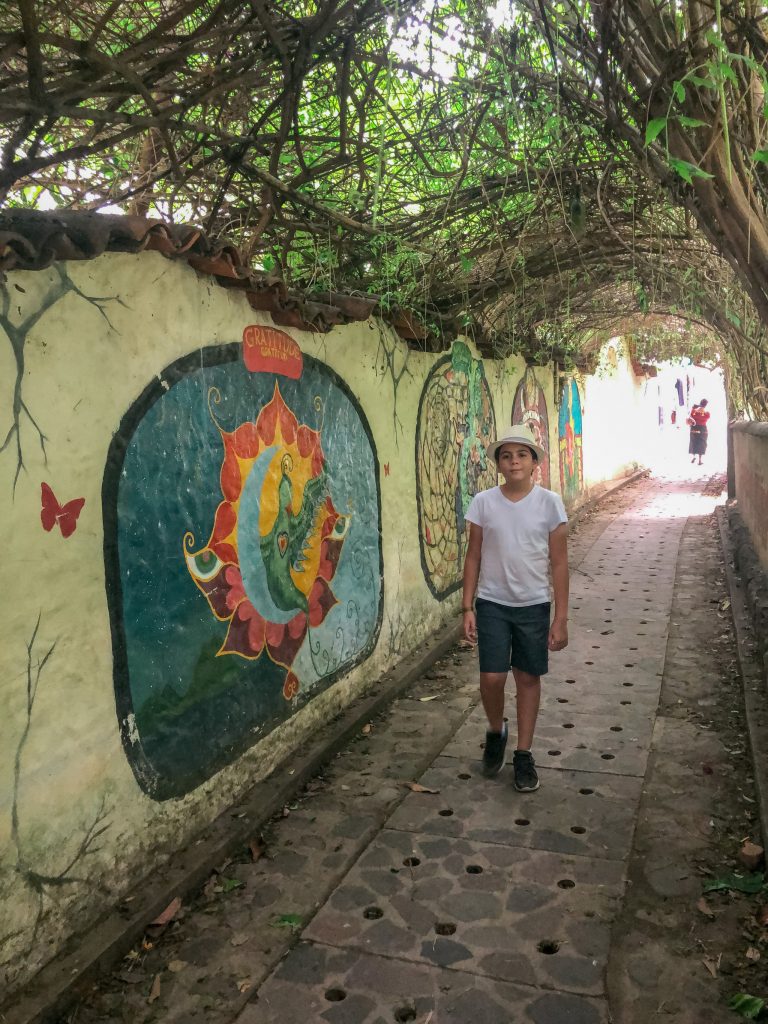
San Pablo feels very local and is much less touristic than most other villages. It’s quiet, community focused, and often overlooked by short-term visitors.
Most people experience San Pablo in passing rather than choosing it as a base, which is part of why it has stayed so local. Accommodations are mostly small, family-run guesthouses.
San Juan La Laguna
San Juan is one of my favorite villages to recommend for travelers interested in art, culture, and community-based tourism. It’s one of the best examples of community-based tourism in Guatemala, organized and colorful, with tourism that genuinely supports local cooperatives and projects. It’s also one of the easiest villages to visit on a relaxed day trip, since everything is close together and easy to explore on foot.
Eco Hotel Mayachik’ is a place I often recommend if travelers want nature and sustainability, while Hotel K’uk’ul is a good option closer to the village center.
San Pedro La Laguna
San Pedro is lively, social, and has the most nightlife on the lake. It attracts backpackers, students, and people looking for restaurants, bars, and Spanish schools, and it has a wide range of accommodations. The area near the main dock is the busiest, while neighborhoods farther from the center and up the hill feel noticeably quieter, which is helpful to keep in mind when choosing where to stay.
Where to stay: Sababa Resort is a place I usually suggest for comfort and location, while Hotel Mikaso works well if you want something scenic and a bit removed from the busiest areas.
Santiago Atitlán
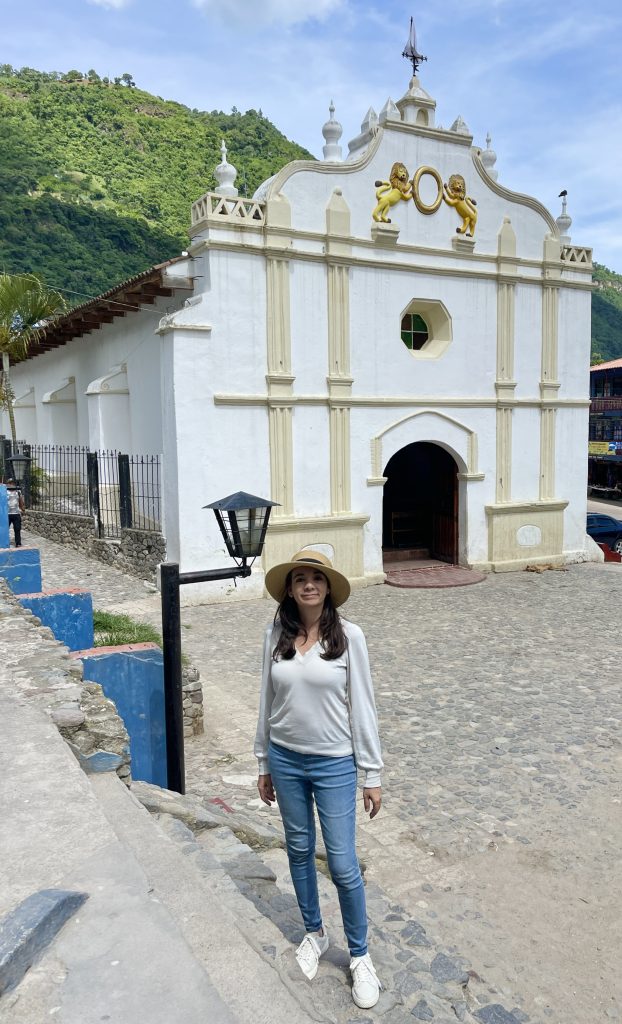
Santiago is culturally rich and deeply traditional, with a strong Maya Tz’utujil identity and busy daily markets. It feels very different from most other lakeside villages, both culturally and in daily rhythm, which is exactly what I love about it. I’ve written a full local’s guide to Santiago Atitlán if you want to go deeper before you visit.
Where to stay: Hotel Bambu is one of the more comfortable options, while Posada de Santiago is a good choice if you want something simpler and close to the town center.
San Lucas Tolimán
San Lucas Tolimán is larger and more spread out than many other villages. It feels less touristic and is surrounded by agricultural land, with beautiful views of Volcán Atitlán. It’s less commonly chosen as a base unless travelers have a specific reason to stay there, such as volunteering, visiting a project, or wanting a quieter, more local environment. I love bringing birders here because of how close it is to the Reserva Natural Rey Tepepul.
Where to stay: Accommodation options are limited but include a few established hotels and locally run guesthouses.
Santa Catarina Palopó
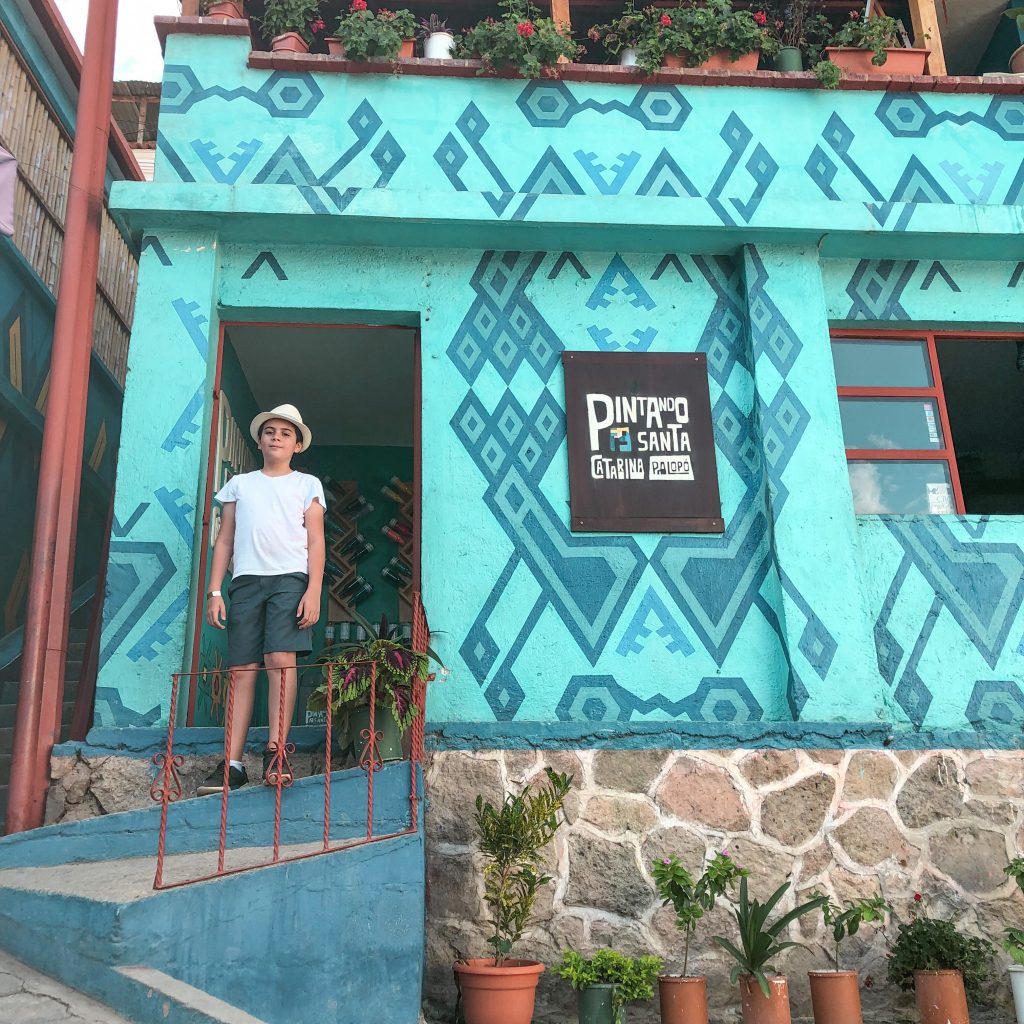
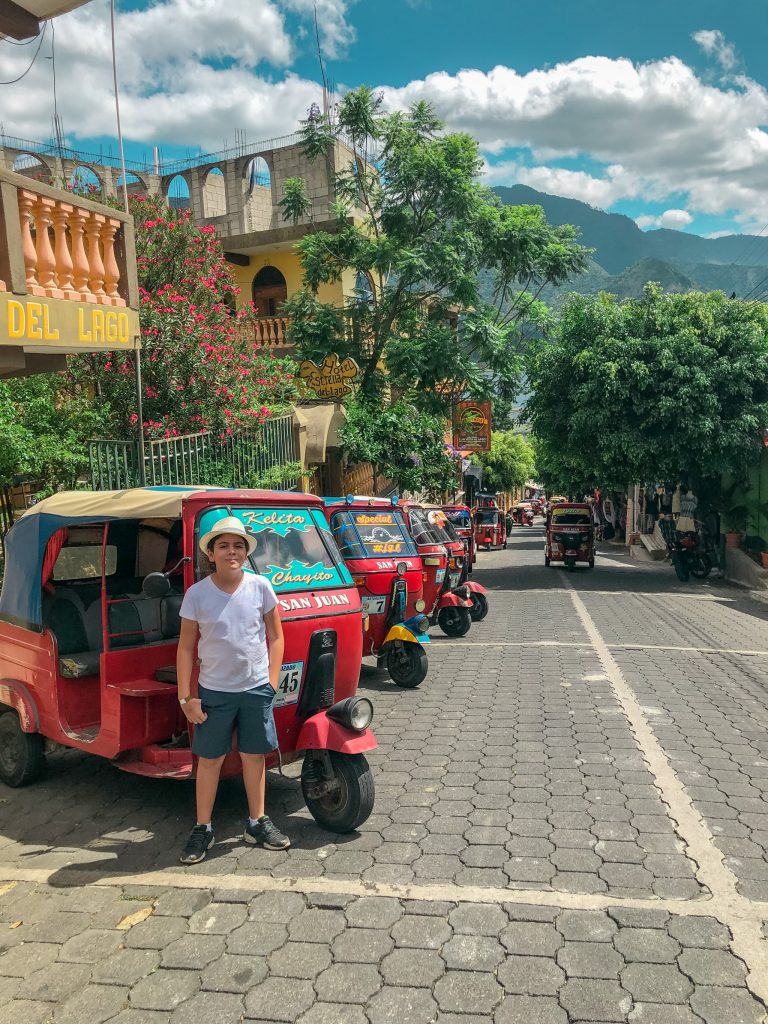
Santa Catarina Palopó is known for its brightly painted houses and views over the lake. While it can be reached by boat, I usually recommend getting there by car or tuk-tuk from Panajachel, which is easy and often more practical. Many people visit Santa Catarina Palopó as a short stop, often combining it with time in Panajachel, but I actually love staying here. It’s much quieter and more peaceful than Panajachel, yet close enough that you can easily take a tuk tuk into town for restaurants and activities.
Where to stay: I love to stay at Villas de Santa Catarina, but if you’re looking for a more elevated experience, Casa Palopó is one of the best hotels in Atitlán and Villas de Balam’Ya offers beautiful houses with amazing views, perfect for families. Check out my full review for Villas de Balam’Ya here.
San Antonio Palopó
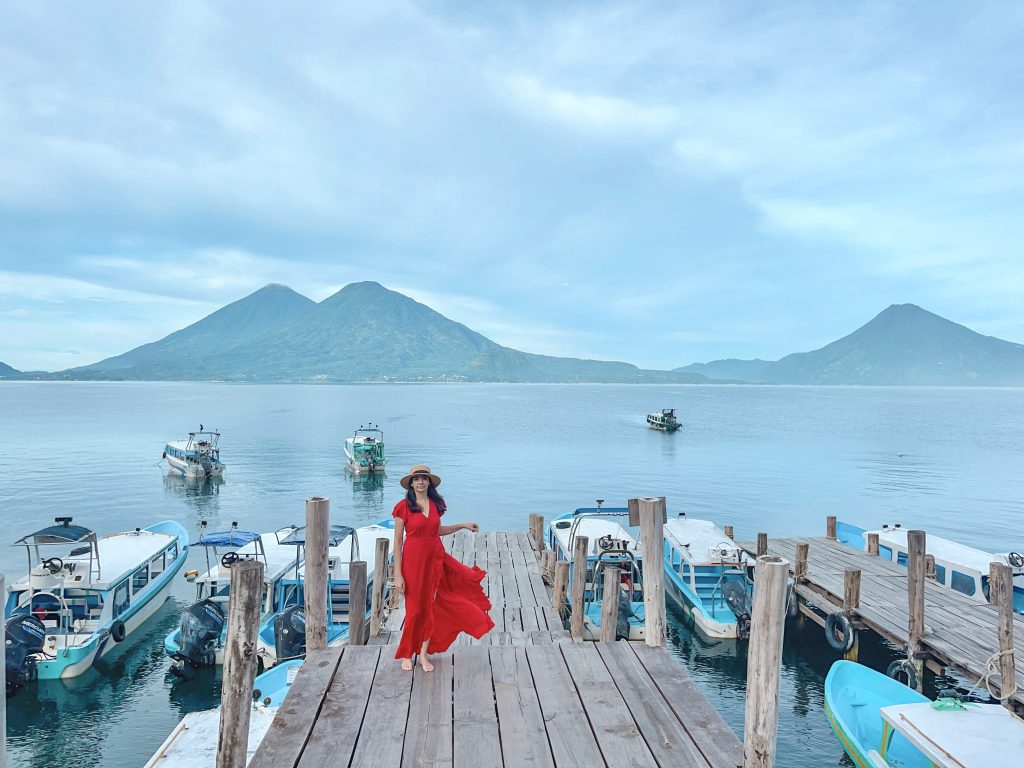
San Antonio Palopó is a traditional village known for its pottery and quieter atmosphere. Public boat service is limited, and most visitors reach it by road rather than by lancha. I especially love visiting San Antonio for its pottery. We almost always leave carrying more blue pottery than we planned. We often take a private lancha to get there and spend time visiting the pottery workshops. If you’re heading that way, check out my full article on the best things to do in San Antonio Palopó.
Accommodations are mostly small, locally run hotels and guesthouses.
PLANNING YOUR ROUTE?
I Map Out the Boat Logistics So You Don’t Have To
Every trip I plan to Lake Atitlán starts with figuring out which villages actually make sense together, how the boat timing works, and where you’ll want to sleep so you’re not racing the afternoon wind. If you’d rather hand that part over to me, that’s exactly what I do at Magical Guatemala.
Public Boat Services on Lake Atitlán
Public boats are the main way people travel between villages during the day. They’re affordable, practical, and widely used by locals and visitors alike. These lanchas don’t operate like a traditional ferry system, which is why knowing how they work ahead of time makes such a difference.
You pay on board in cash. There are no tickets, reservations, or assigned seats. You simply go to the dock, ask which boat is going where, and board when it’s ready.
Public Lake Atitlán Boat Services
Schedules are informal and based on demand and conditions, and this surprises a lot of first-time visitors. That’s why it’s important to know what to expect so you can plan ahead.
- From Panajachel, first boats usually leave around 7:00 AM. The last boats typically leave between 7:00 and 7:30 PM, sometimes earlier depending on weather.
- From other villages, the last boats often leave earlier. For example, the last boats from San Pedro La Laguna are usually around 5:00 PM. Smaller villages may stop service even earlier.
This is why it’s important to keep track of time when visiting multiple villages in one day.
Boat Capacity and Safety
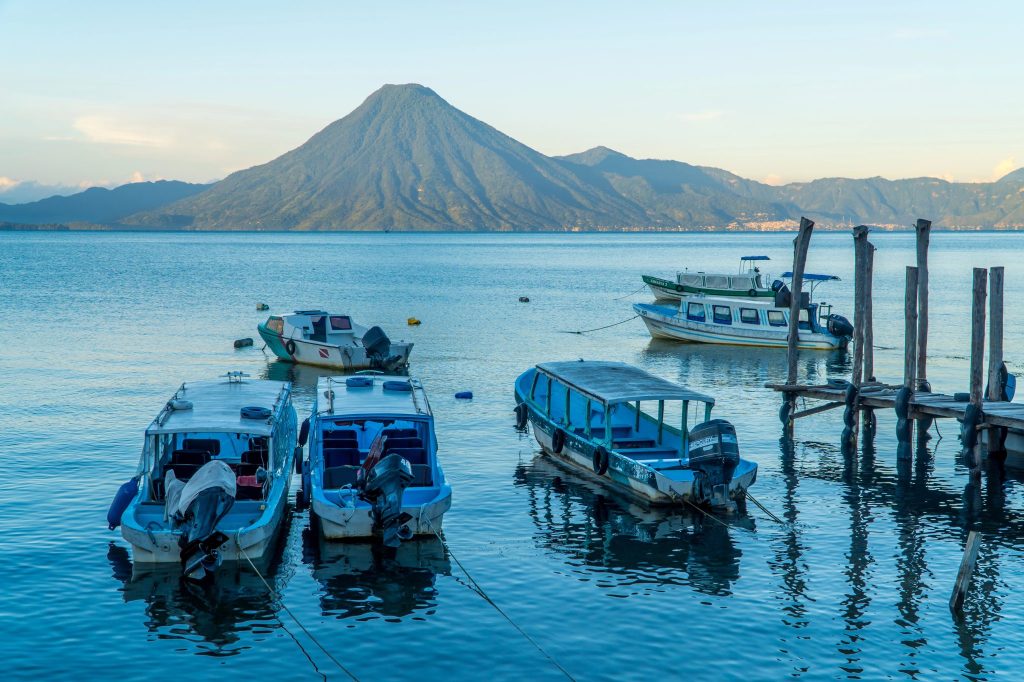
Most public lanchas on Lake Atitlán carry around 20 to 25 passengers. Life jackets should always be available and visible, and I recommend checking for them before boarding. Most captains are experienced, but safety standards can vary by operator, so it’s worth taking a moment to look around rather than rushing onto the first boat available.
Avoid boarding boats that feel overcrowded or where safety equipment isn’t clearly visible. Conditions on the lake can change quickly, especially in the afternoons when the wind picks up and the water gets rougher. Even a short crossing can feel very different depending on the time of day.
Whenever possible, I plan boat rides before noon. The lake is calmer, the views are incredible, and the ride is a lot more comfortable. If you want the smoothest crossings, mornings are the way to go, and boarding and exiting at the docks is noticeably easier too.
Main Boat Routes and Estimated Prices for 2026
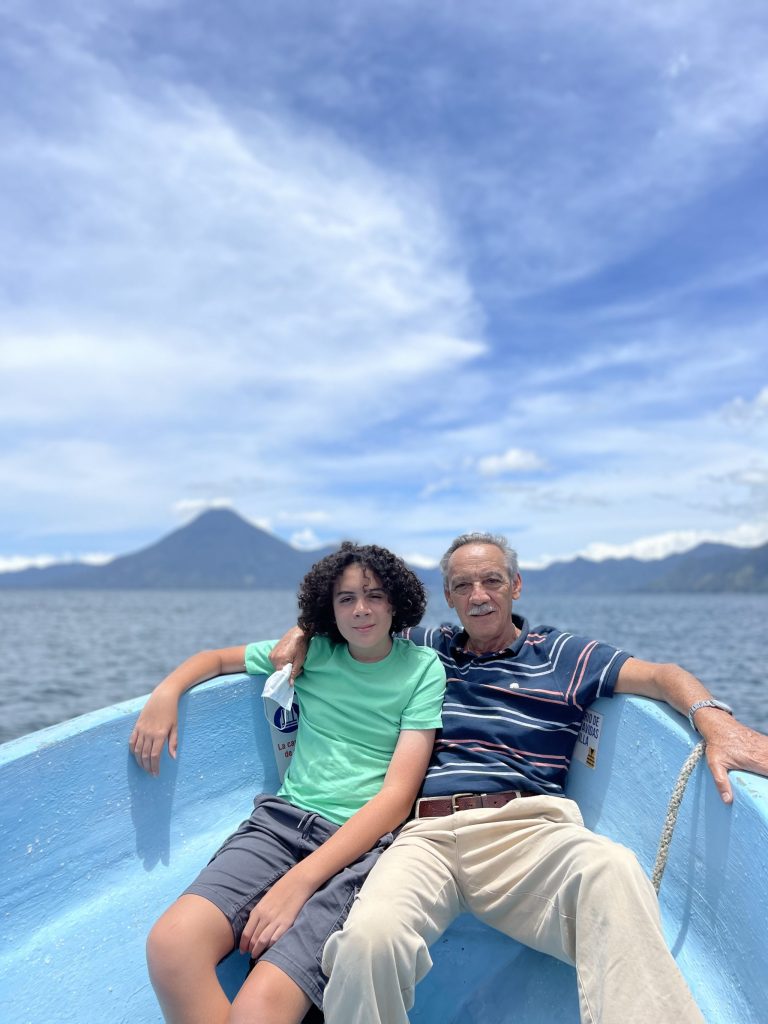
From my own experience traveling around the lake, these prices are fairly consistent and are what most people end up paying. You’ll pay per person in cash once you’re on the boat, and while fuel costs can cause small changes, the ranges below are a reliable reference for planning. Bring small bills. Many captains don’t carry much change.
- From Panajachel to Santa Cruz La Laguna or Jaibalito, expect to pay around Q20 to Q25 per person.
- From Panajachel to San Marcos, San Pablo, San Juan, or San Pedro, prices are usually around Q25 to Q30 per person.
- From Panajachel to Santiago Atitlán, fares are also typically around Q25 to Q30. Santiago uses a separate dock in Panajachel, and service can be less frequent than other routes.
- Between nearby villages, shorter crossings such as San Marcos to Santa Cruz are often around Q10 to Q15 per person, while longer cross-lake routes cost a bit more.
📌 MOST TRAVELED ROUTE
If there’s one route on the lake everyone ends up asking about, it’s Panajachel to San Pedro La Laguna. It has the most boat traffic, the most frequent departures, and it’s usually the easiest one to catch on short notice, which makes it a good option if your plans change at the last minute.
| Route | Typical Time | Public Boat Cost |
|---|---|---|
| Panajachel → San Pedro La Laguna | 30-40 min | Q25-30 |
| Panajachel → San Juan La Laguna | 35 min | Q25-30 |
| Panajachel → Santiago Atitlán | 30 min | Q25-30 |
| Panajachel → Santa Cruz La Laguna | 10 min | Q20-25 |
| Panajachel → San Marcos La Laguna | 25 min | Q25-30 |
Private Lake Atitlán Boat Services
Private boats are available with advance booking and are essential in situations where public boats aren’t running. They’re commonly used for late night arrivals, early morning departures, direct transfers without intermediate stops, or when travelers want more flexibility and comfort.
As a general guideline, private boat transfers usually cost around Q400 to Q600. That price is typically per boat, not per person, so for two or more people traveling together, the cost per person often drops to around Q250 to Q300. Night crossings, very early departures, or rough conditions may increase the cost.
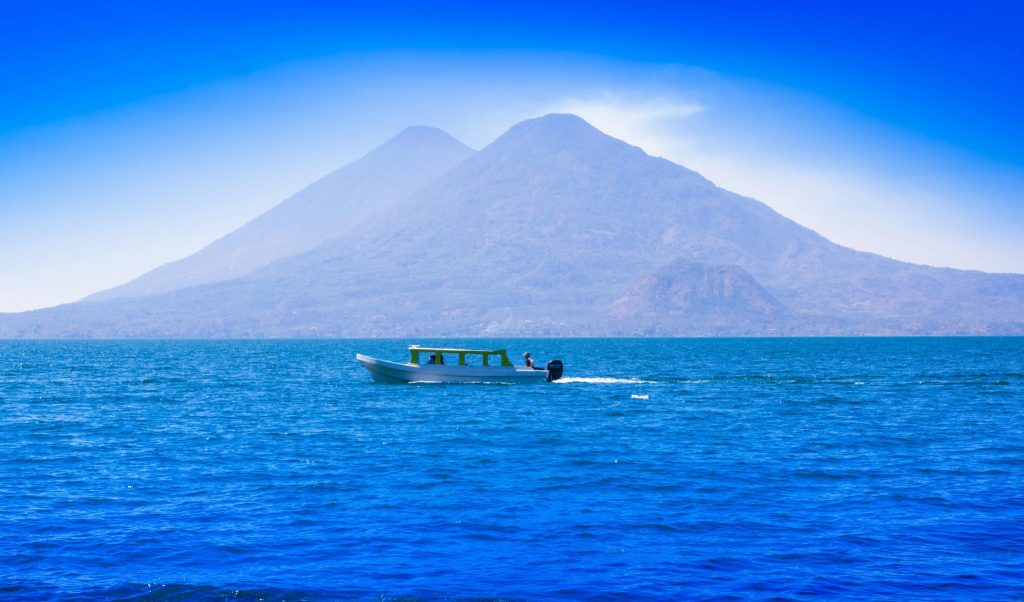
Private boats can be arranged in advance if you’re traveling late, arriving outside of regular daytime hours, or traveling from a small village. If you’re not in a rush and traveling during the day from Panajachel, you can also usually find private boats available and hire them right at the dock. I wouldn’t count on private boats being available at smaller villages, though. They become especially important when your plans don’t line up with daylight boat schedules, which is often the case with late arrivals.
NOT SURE WHICH BOATS YOU’LL NEED?
I Can Work Out Your Boat Schedule Before You Land
Between public lanchas, private transfers, and villages that barely have boat service at all, this is one of the parts of an Atitlán trip that trips people up the most. When I plan a trip through Magical Guatemala, I work out the boat logistics in advance so you show up already knowing where you’re headed and how you’re getting there.
Practical Tips for Traveling by Lancha on Lake Atitlán
After spending years moving around the lake, there are a few things I always keep in mind and now share with anyone planning to use lanchas. These details may seem small, but they can make a big difference in how comfortable and smooth your experience is.
- Always carry cash. Public lanchas don’t accept cards, and having small denomination Quetzal bills makes paying quick and easy.
- Bring a light jacket or rain layer, even on warm days. Once you’re out on the water, the ride can feel cool, and depending on wind and conditions, you may get splashed. This is especially common in the afternoons.
- Give yourself plenty of time. Boats run often, but during high season or busy weekends, you may need to wait for one to fill up. If you’re connecting to another activity or trying to catch the last boat of the day, avoid cutting it too close.
- Before boarding, ask about stops. Some public lanchas make several stops before reaching their final destination. Asking ahead of time gives you a better idea of how long the ride will actually take.
Boat Accessibility on Lake Atitlán
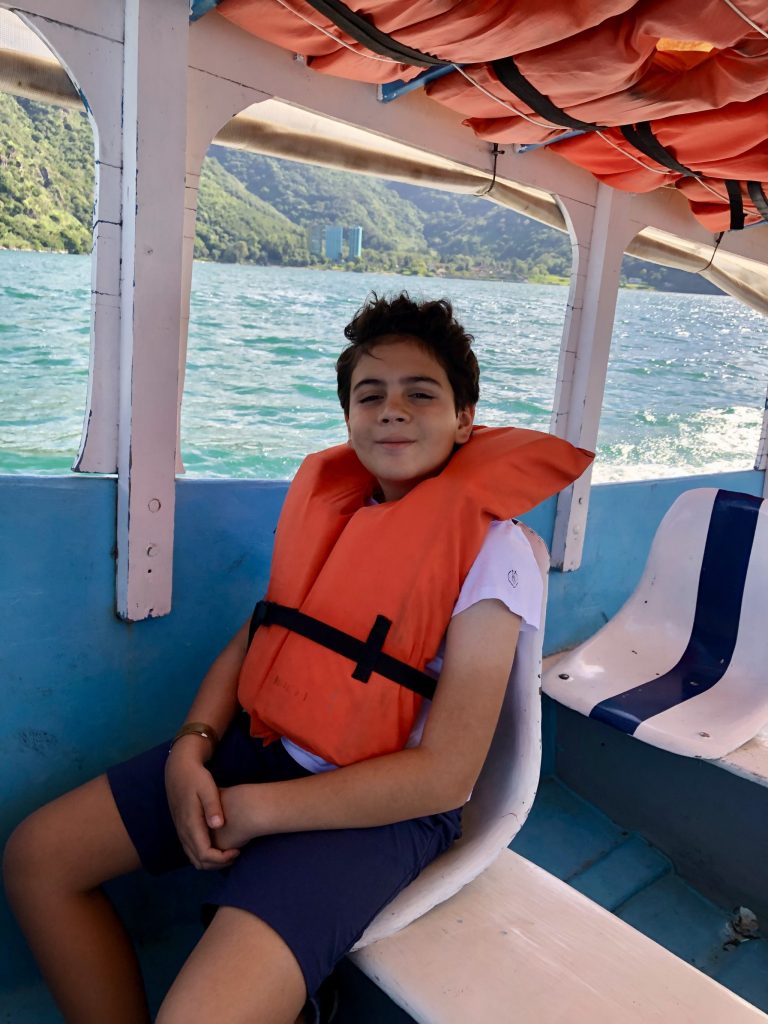
Accessibility is something many people don’t think about until they’re standing on a dock, watching a lancha move with the water. Lake Atitlán is stunning, but its boat infrastructure isn’t designed with accessibility in mind, and it helps to know what to expect.
Dock conditions vary a lot from village to village. Many docks are narrow, some are very thin, and most don’t have railings. Some have steps, while others are floating platforms that move as you walk on them. When the water is choppy, both the dock and the boat are often moving at the same time.
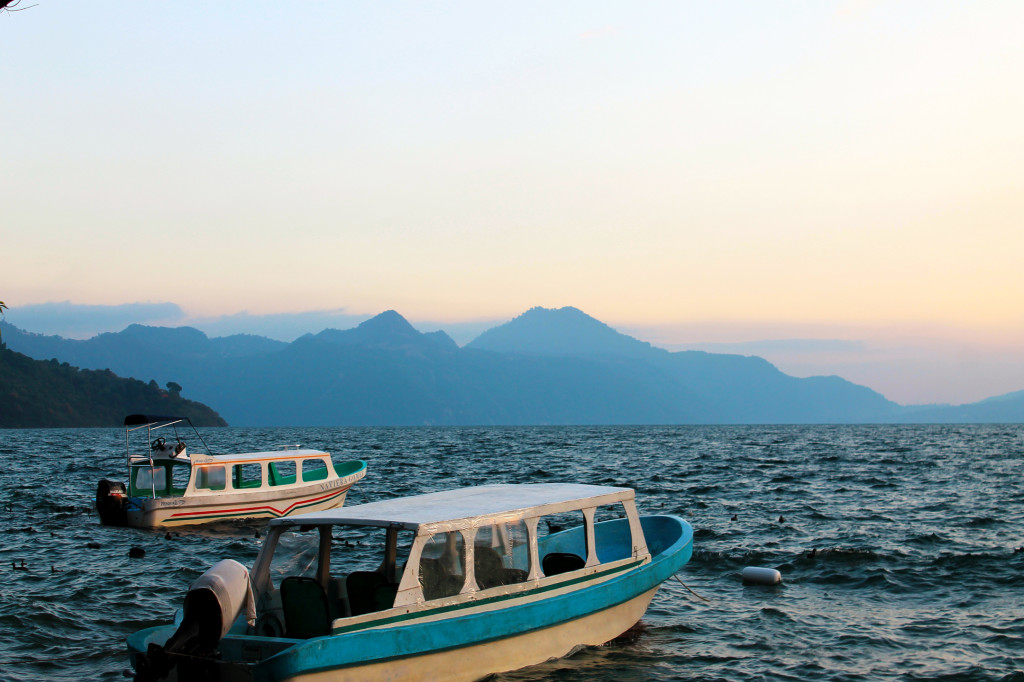
The height difference between the lancha and the dock also changes depending on the lake level. Boarding or exiting often requires stepping up or down while the boat shifts, which can be challenging even for people without mobility concerns.
I experienced this directly with my adult daughter, who has mobility challenges. In San Marcos, the dock was high enough that she couldn’t get in or out of the boat on her own. The water was moving, the step was high, and we had to carry her out of the lancha to keep her safe. Since then, it’s something I always plan for.
If you or someone you’re traveling with has mobility or balance issues, expect to ask for help and take your time. Boat staff are used to assisting, and safety should always come first.
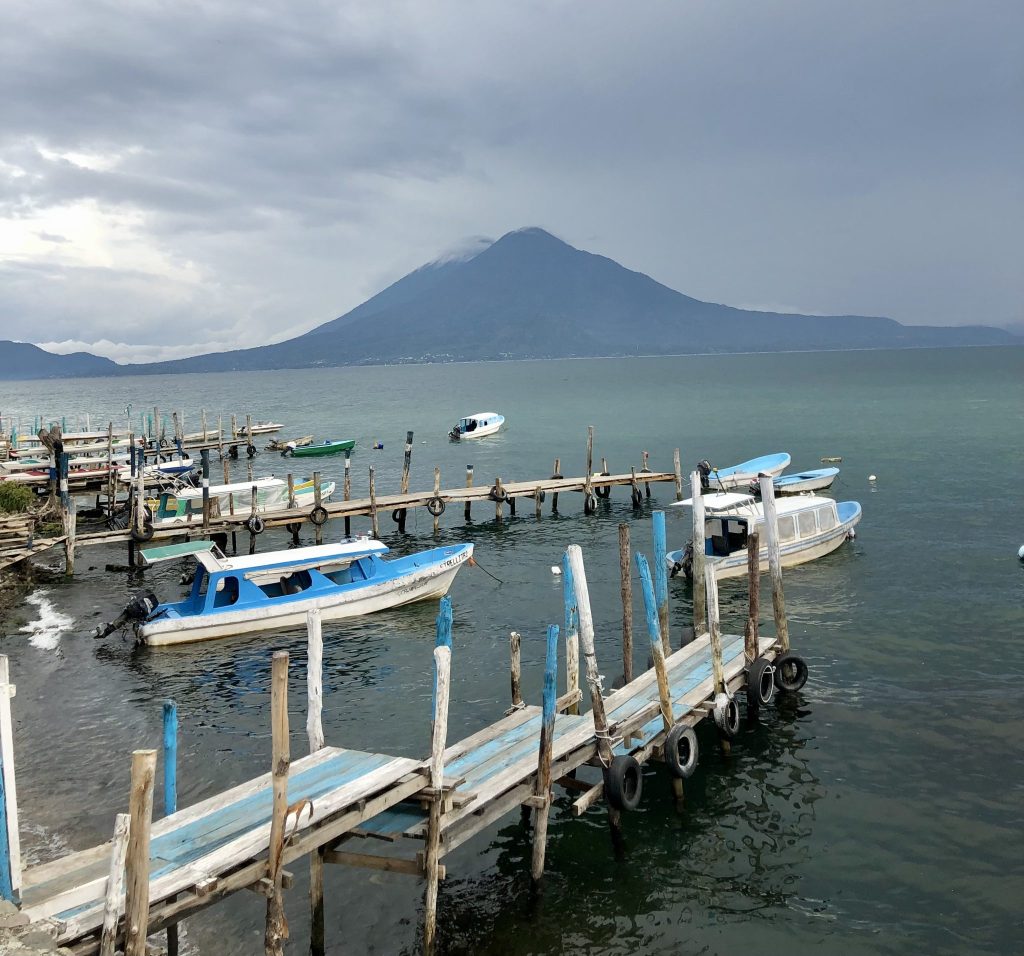
Water conditions matter as well. Mornings are usually calm, which is why I always recommend early boat rides for smoother crossings and easier transfers. In the afternoons, the wind often picks up and the water gets rough. If you’re traveling later in the day, look for lanchas with padded seating. On one rough afternoon, we chose a private lancha with old car seats, and it made a huge difference in comfort.
If accessibility or comfort is a priority, private boats can also be a good option, since they allow more space and flexibility.
Arriving Late to Lake Atitlán: What You Need to Know
This is one of the biggest mistakes I see travelers make when planning a trip to Lake Atitlán. Public boats generally stop running around dusk, and there are no regularly scheduled public crossings after dark.
This detail affects a lot of travelers, especially those arriving on international flights. Afternoon winds, rough water, and limited visibility make night crossings unsafe for public boats. Local captains take this seriously, and boats simply stop operating once conditions are no longer safe.
If your flight lands late in Guatemala City, there’s a good chance you’ll spend your first night in Panajachel rather than reaching your lake village the same day.
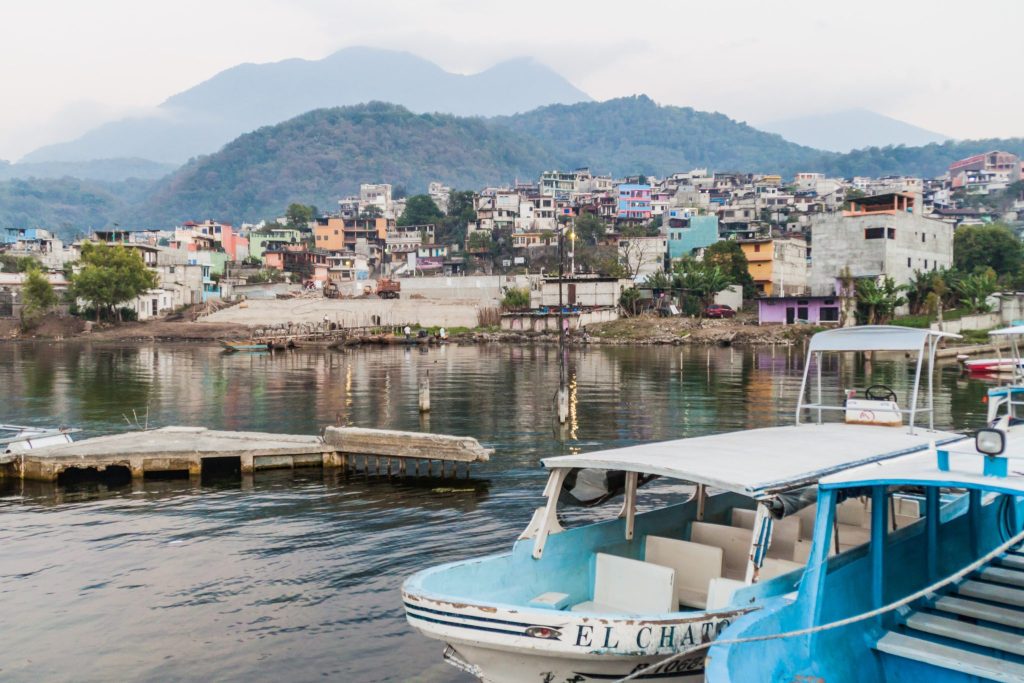
Flights That Commonly Arrive Too Late for Public Boats
Many international flights arrive in Guatemala City in the evening, making same-day transfers to lake villages difficult or impossible. Connections through other Central American hubs can also land quite late. Since airline schedules shift from season to season, it’s worth checking your specific arrival time rather than assuming.
If your flight lands between 10:00 PM and 4:00 AM, you won’t be able to continue to villages beyond Panajachel by public boat that night. This is a very common planning oversight, and even some tour operators underestimate how limited lake boat service is after dark.
What to Do If You Arrive Late
If you arrive late, there are two realistic options. One is to stay overnight in or near Panajachel. Panajachel is accessible by shuttle or taxi from Guatemala City and has a wide range of accommodations. You can then continue to your lake village the next morning once public boat service resumes.
The second option is to pre-arrange a private boat transfer. In some circumstances, private boats can be arranged after dark with experienced captains and advance coordination, though many captains will decline a night crossing if conditions aren’t safe. They’re commonly used for late arrivals, early departures, or travelers on tight schedules.
What doesn’t work is trying to figure this out after you arrive. Night crossings on Lake Atitlán need to be planned in advance.
ARRIVING LATE? LET’S PLAN AROUND IT
I’ve Helped Plenty of Families Land After Dark and Still Start Their Trip Right
If your flight gets in late or you’re juggling a tight itinerary, I can help you figure out the smartest way to handle that first night, whether that’s a quick stop in Panajachel or a private transfer arranged ahead of time. That kind of planning is what I do every day at Magical Guatemala.
What Boarding and Exiting a Lancha Is Actually Like
No one really explains this part, and it’s the thing that catches first time visitors off guard the most. A lancha doesn’t pull up to a dock and sit there waiting for you the way a bus does. The captain noses the boat in close, someone on board or on the dock holds it steady, and you step across while the boat is still moving slightly under your feet. It sounds more dramatic than it is, but it does take a second to get used to.
Most captains or their helpers will reach out a hand as you board, and I always take it, even when I feel steady enough on my own. It’s not a sign of weakness, it’s just how it’s done here. The gap between the dock and the boat changes by the second depending on the wave, so having someone steady you matters more than it looks like it should.
Bags usually go in first, often handed down to whoever is already inside, or piled toward the front or back depending on the boat. If it’s raining or the crossing looks rough, ask if there’s a tarp to cover your bags. Some boats keep one tucked under a seat, and it’s worth asking rather than finding out the hard way that your backpack got soaked.
Where you sit matters too. The front gets the most spray once the boat picks up speed, so if you’re traveling with electronics or just don’t want to get wet, sit toward the middle or back. I learned this one early, sitting up front with my camera on my lap on a windy afternoon crossing to San Pedro, and I haven’t made that mistake again.
Boats tend to leave the moment the last passenger is settled, so there isn’t usually a long pause once you’ve climbed in. Exiting works the same way in reverse. The boat noses up to wherever you’re getting off, someone holds it steady, and you step off while it’s still shifting slightly with the water. Take your time, use the offered hand, and don’t worry about looking unsure. Every local does this dozens of times a week, and they’re used to helping visitors figure it out.
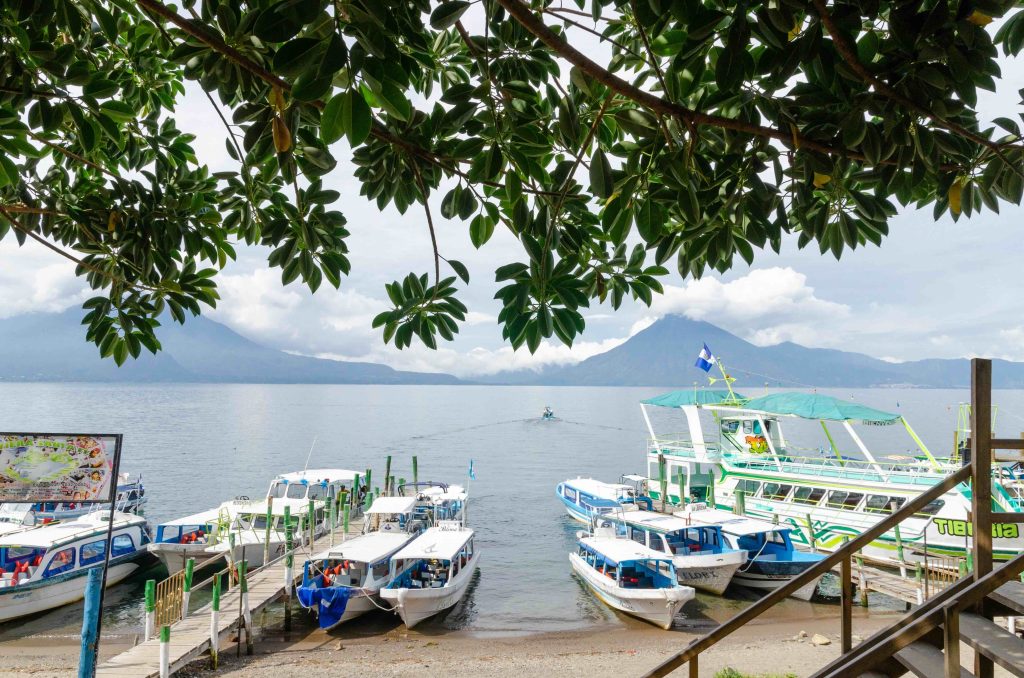
Questions People Ask
How do I get from Panajachel to San Pedro La Laguna?
Public lanchas run regularly between Panajachel and San Pedro throughout the day, and it’s the most traveled route on the lake. Head to the main dock in Panajachel, ask which boat is headed to San Pedro, and pay your fare in cash once you’re on board. There’s no ticket counter or reservation needed. If you’re short on time or arriving outside regular hours, a private boat can also be arranged.
How much is a boat from Panajachel to San Pedro?
A public lancha from Panajachel to San Pedro usually runs around Q25 to Q30 per person, paid in cash once you’re on the boat. A private boat for the same route runs closer to Q400 to Q600 total, which works out to roughly Q250 to Q300 per person if you’re traveling with at least one other person.
What time is the last boat from Panajachel to San Pedro?
The last public boat from San Pedro back to Panajachel is usually around 5:00 PM, though it can run earlier depending on the day and weather. From Panajachel itself, the last departures are typically between 7:00 and 7:30 PM. If you’re not sure you’ll make the last boat, it’s worth asking locally that same day rather than assuming the schedule holds.
How long is the boat ride from Panajachel to San Pedro?
The crossing from Panajachel to San Pedro usually takes around 30 to 40 minutes by public lancha, depending on how many stops the boat makes along the way and how rough the water is. Morning crossings tend to be smoother and slightly faster than afternoon ones, when the wind picks up.
Where do I catch a lancha in Panajachel?
Panajachel has more than one dock, and which one you need depends on where you’re headed. The main public dock handles most of the villages on the western side of the lake, while boats to Santiago Atitlán leave from a separate dock. If you’re not sure which one you need, ask anyone working near the docks. They’ll point you in the right direction.
How much does a private boat cost on Lake Atitlán?
Private boat transfers on Lake Atitlán usually run around Q400 to Q600, and that price is typically per boat rather than per person. Splitting that among two or more travelers brings the cost down to roughly Q250 to Q300 per person. Night crossings, very early departures, or rough conditions can push the price higher.
Can you rent boats on Lake Atitlán?
You can’t rent a lancha to drive yourself the way you might rent a car, but you can hire a private boat with a captain for the day or for a specific transfer. This is the option most travelers actually mean when they ask about renting a boat, and it’s arranged in advance or right at the dock depending on the village.
How late do the boats run on Lake Atitlán?
Public boats generally stop running around dusk, with the last departures from Panajachel between 7:00 and 7:30 PM and earlier from smaller villages. There are no regularly scheduled public crossings after dark, since afternoon winds and limited visibility make night travel unsafe for public lanchas. If you need to travel after hours, a private boat arranged in advance is the only realistic option.
What are the boats on Lake Atitlán called?
Locally, they’re called lanchas, and that’s the word you’ll hear used by everyone who actually lives around the lake. Some visitors search for “ferry” or “water taxi,” which gets at the right idea, but there’s no ferry system here. It’s lanchas, run informally and based on demand rather than a fixed timetable.
Why can’t you swim in Lake Atitlán?
You actually can swim in parts of Lake Atitlán, and locals do it regularly, especially in villages like San Marcos and Santa Cruz that have set up docks or platforms for swimming. The water can feel cold given the lake’s altitude, and conditions vary by spot, so it’s worth asking locally about the best place near wherever you’re staying rather than assuming every shoreline is set up for it.
¿Cuánto cuestan las lanchas en Atitlán?
Public lanchas generally cost between Q20 and Q30 per person depending on the route, with shorter crossings between nearby villages landing closer to Q10 to Q15. Prices are always paid in cash directly on the boat, and there’s some flexibility depending on the boat and how busy it is that day.
¿Cuáles son los horarios de las lanchas en Atitlán?
There’s no official printed schedule. Boats run from around 7:00 AM until roughly 7:00 to 7:30 PM from Panajachel, with earlier last departures from smaller villages, and they leave once they’re full rather than on a fixed timetable.
¿Cuánto dura la lancha de Panajachel a San Juan La Laguna?
The ride from Panajachel to San Juan La Laguna usually takes around 35 minutes by public lancha, similar to the time it takes to reach neighboring San Pedro, though it can run a little longer if the boat makes other stops first.

Through her writing, Paula helps travelers discover Guatemala beyond the typical tourist route with practical advice, local recommendations, and authentic experiences that connect visitors with the country’s people, culture, and traditions.
Planning a trip to Guatemala? Paula offers personalized Guatemala itinerary planning and trip consultation services tailored to your interests, travel style, and budget. Contact her at [email protected] to learn more.
- San Lucas Tolimán Guatemala: Lake Atitlán’s Best-Kept Secret - September 24, 2026
- Hotel Tolimán Lake Atitlán: A Special Stay in San Lucas Tolimán - September 24, 2026
- Guatemala Dreams in San Lucas Tolimán: A Boutique Stay on Lake Atitlán - September 23, 2026

