Growing up in different cultures and cities, I have learned that every culture has amazing traditions and beautiful ways to celebrate important moments and holidays. As we learn more about how to celebrate Chinese New Year, I am reminded of how much joy comes from exploring traditions outside our own. Now, with the age of information, we are all more connected than ever and I can identify with people anywhere in the world. I often feel like I am a citizen of the world, curious about how other families celebrate and honor new beginnings.
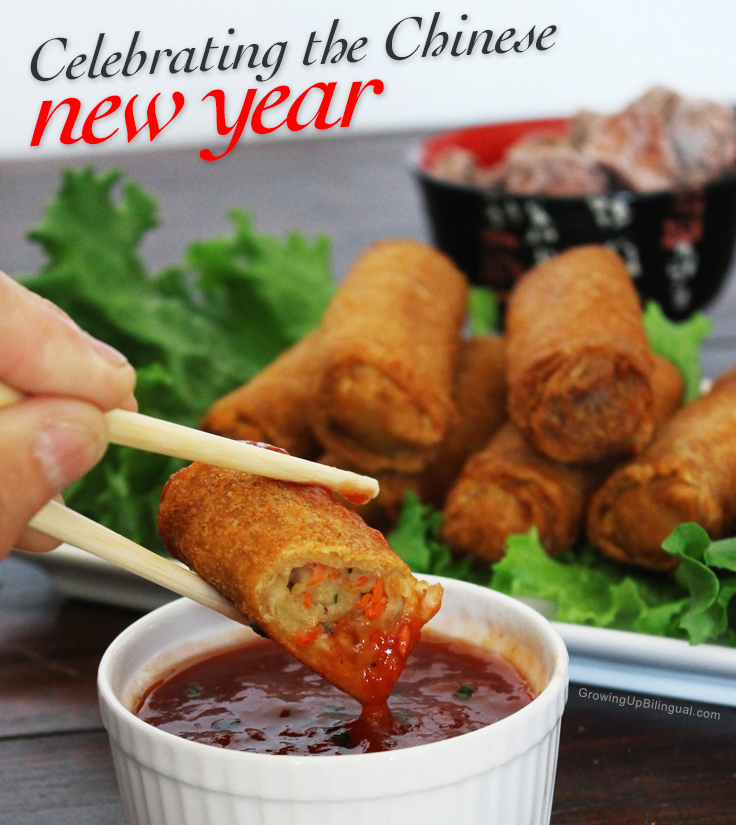
One of the things we all share is the love of celebration, and this year we are preparing to throw a Chinese New Year Party at home. Our family loves to travel and to learn about new traditions and cultures, both through the places we visit and through food. When we told our children that we would be celebrating Chinese New Year they were really excited. It became the perfect opportunity to teach them not only how to celebrate Chinese New Year at home, but also the meaning behind its symbols, food and customs. For this party we incorporated traditional decorations, Chinese New Year traditions and traditional Chinese foods like egg rolls and spring rolls to make the night feel festive, educational and fun.
Learning how to celebrate Chinese New Year with kids opened the door to conversations about culture, history and connection, and it reminded us how much there is to learn from celebrations around the world.
The History and Meaning Behind Chinese New Year
The Chinese New Year celebrations are born from the ancient legend of Nien (which is also the word for “year”), which was believed to be a beast or monster that appeared at the end of each year. To scare the beast away, villagers would make loud noises, light firecrackers and fill the night with bright lanterns. Many of the traditions we see today, including fireworks, red colors and ringing in the new year with light and sound, come from this story. Understanding the legend of Nien helps us understand how to celebrate Chinese New Year in a way that honors its roots and symbolism.
According to Chinese astrology, each year (starting from Chinese New Year) is associated with an animal sign in a repeating 12-year cycle. Each animal has its own personality traits and meaning. 2015 was the year of the sheep, the eighth animal in the Chinese zodiac. The sheep is known for being independent, gentle, kind and peaceful, with a strong sense of justice and inner strength. Children especially enjoy learning which zodiac animal represents the year they were born in, which can be a fun and educational part of learning how to celebrate Chinese New Year with kids.
Chinese New Year celebrates the wish of “good fortune” to all in the year ahead and is a time for families to be together. No matter how far they travel, family members are expected to come home to celebrate with their families, share meals and welcome a fresh beginning. This emphasis on reunion, luck and a clean start is part of what makes learning how to celebrate Chinese New Year at home so meaningful, even for families outside of China.
Tips and Ideas For Throwing A Chinese New Year’s Party
Incorporate Traditional Chinese New Year Decorations
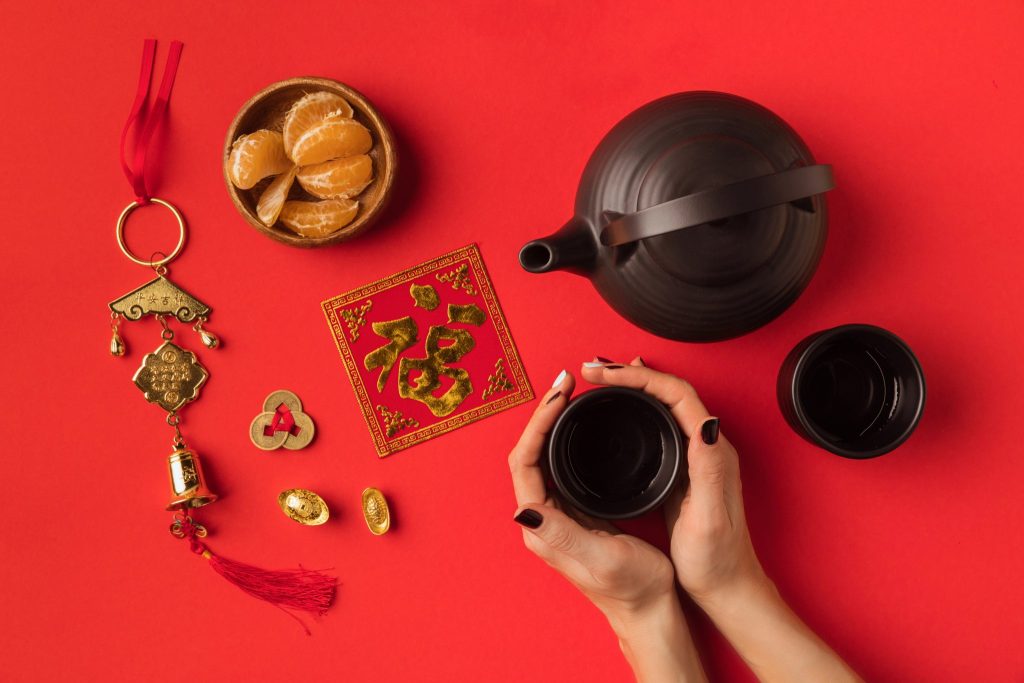
One of the most memorable parts of learning how to celebrate Chinese New Year is decorating your home with traditional symbols that represent luck, happiness and new beginnings. Chinese New Year decorations are full of meaning, history and color, and each item carries a symbolic purpose. Adding them to your celebration helps create an authentic festive atmosphere while teaching children about cultural significance.
Chinese traditional decorative knots:
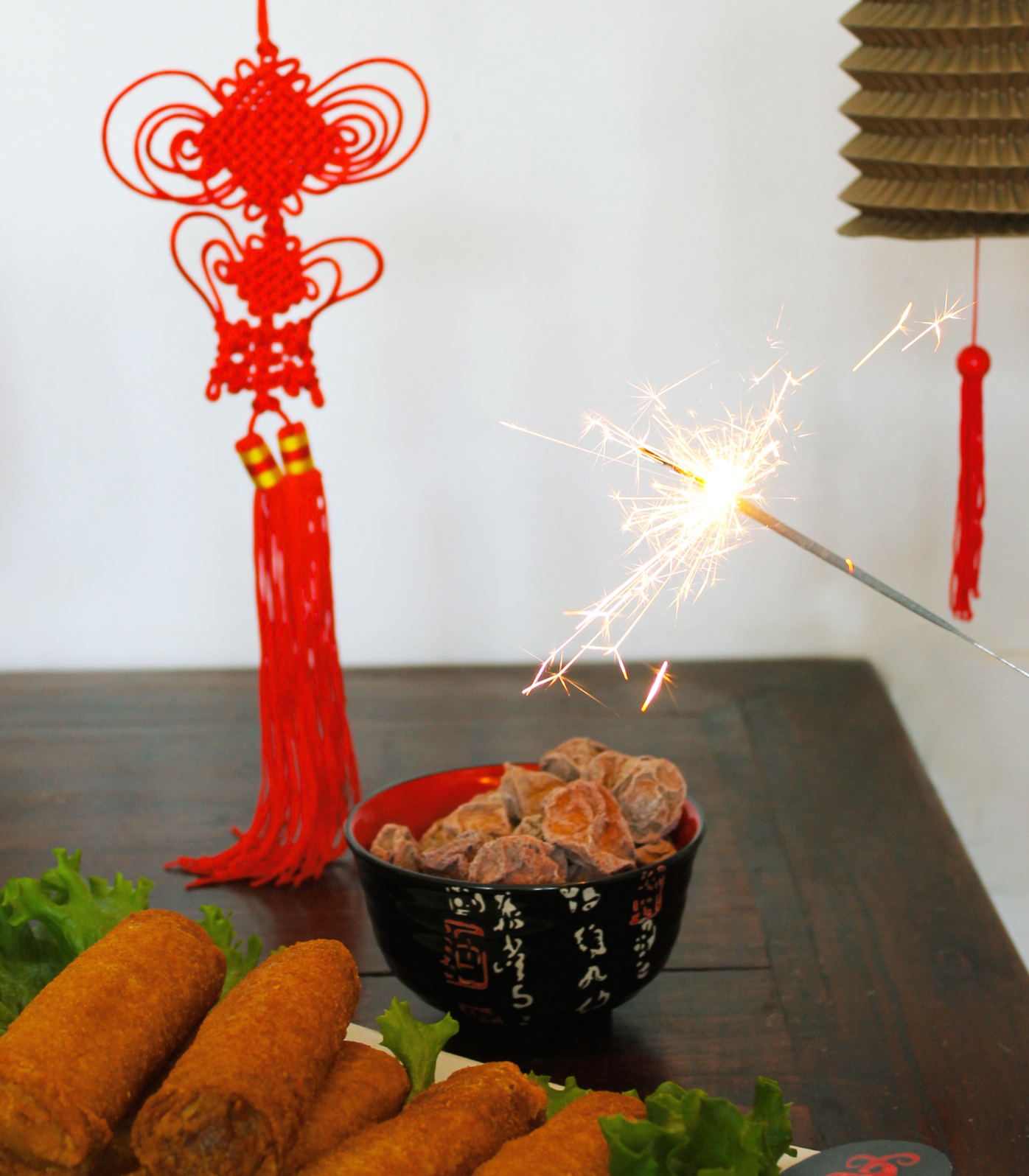
The art of knotting is an ancient Chinese handcraft that dates back more than two thousand years. Knots are usually made from silk and can be found in many colors, although red is the most common because it symbolizes good luck and protection. In Chinese, the word “knot” represents reunion, friendship, peace, warmth, marriage and love. Traditional knots are often hung in doorways or by windows and are used to express good wishes such as happiness, prosperity, harmony and the absence of misfortune. They make a beautiful addition to your Chinese New Year party décor and are a simple way to introduce symbolism to kids.
Chinese lanterns:
In preparation for the New Year, many families deep clean their homes and decorate them with bright red lanterns. These lanterns can vary in size, shape and color, and each shade can hold a different meaning. Red lanterns are believed to attract good fortune, while gold represents wealth and abundance. Hanging lanterns indoors or outdoors adds instant celebration energy and is a recognizable symbol of Chinese New Year.
Dragons:
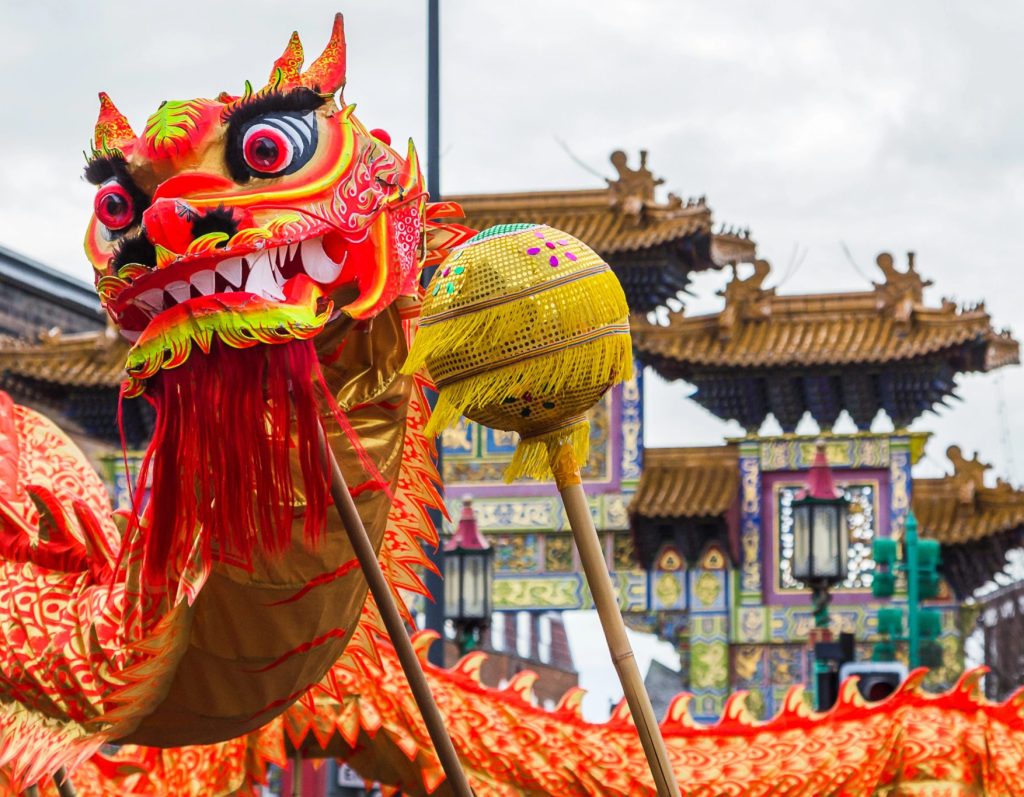
In Chinese culture, dragons symbolize prosperity, strength, good fortune and success. Dragon imagery appears in parades, lantern festivals, costumes and artwork throughout the New Year celebration. You can incorporate dragons into banners, table décor, cupcake toppers or even kids’ crafts to bring bold color and movement into the party.
Zodiac decorations:
If the year you’re celebrating aligns with a specific zodiac animal, include it in your setup. Children love learning which zodiac sign represents the year they were born and what personality traits are associated with it. For example, 2015 was the Year of the Sheep, and you can use the Chinese New Year Year of the Sheep Printables I created and download them HERE.
Serve Traditional Chinese New Year Foods
China is a very large and diverse country, so there are many different traditional foods that are usually eaten during the New Year festivities. Each region has its own dishes, flavors and customs, which means there is no single correct menu for celebrating. It is also very common for families to go out to eat at restaurants during the holiday. In Chinese culture, how you prepare and eat the food, what the food represents, and even what you say while eating it can bring blessings for the new year. Exploring traditional Chinese New Year foods is one of the most delicious and meaningful ways to learn how to celebrate Chinese New Year at home.
Egg rolls and spring rolls
Spring rolls are one of the most recognizable Chinese New Year dishes. Their golden color and bar-like shape symbolize wealth and prosperity. A lucky phrase traditionally said while eating spring rolls is “A ton of gold,” which is believed to invite abundance into the coming year.
Dumplings (Jiaozi)
There is a legend that says the more dumplings you eat during the New Year, the more wealth and fortune you will enjoy. Their folded shape resembles ancient Chinese gold ingots, making them one of the most symbolic Chinese New Year foods. Families often gather to make dumplings together as part of their celebration.
Noodles for long life
Longevity noodles, often served uncut, represent a long and healthy life. Slurping without breaking the noodle is considered good luck and is especially meaningful when served to parents or elders.
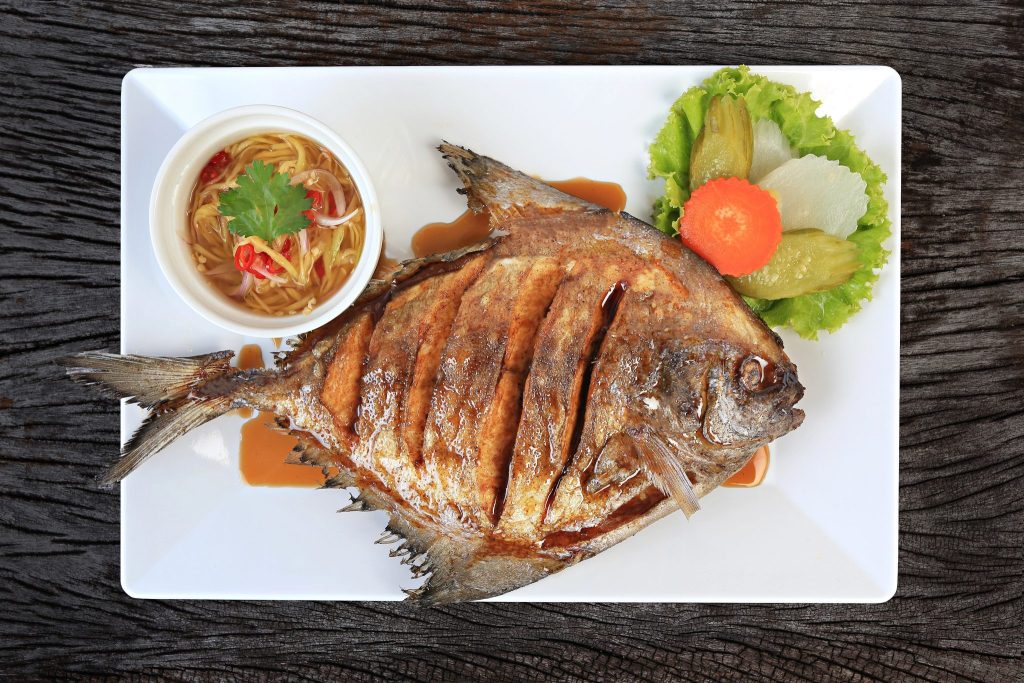
Whole fish for prosperity
Fish is one of the most traditional Chinese New Year dishes because the word for fish (yú) sounds like “surplus” or “extra,” symbolizing having more than you need. A whole steamed fish is often served with the head and tail intact to represent a good beginning and end to the year.
Leafy greens
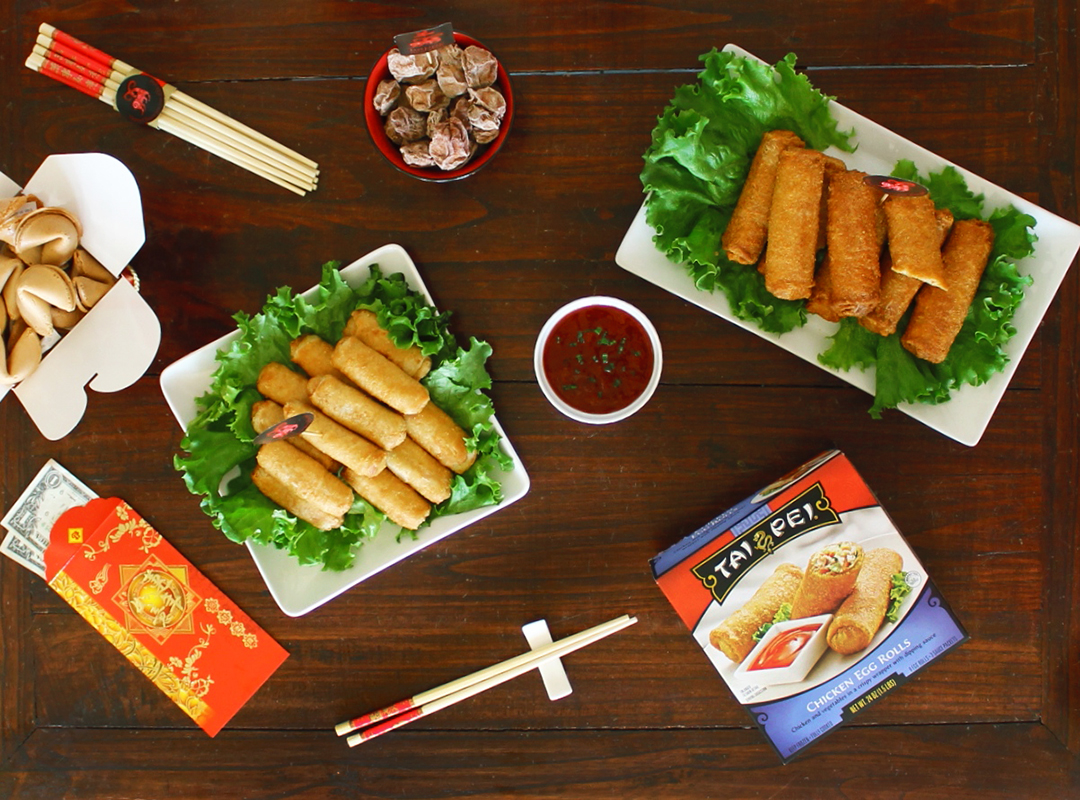
Leafy greens symbolize long life, especially for parents or elders. We used green leaf lettuce as part of our party set-up, placing the egg rolls and spring rolls on whole leaves to honor the meaning behind them while adding color to the table.
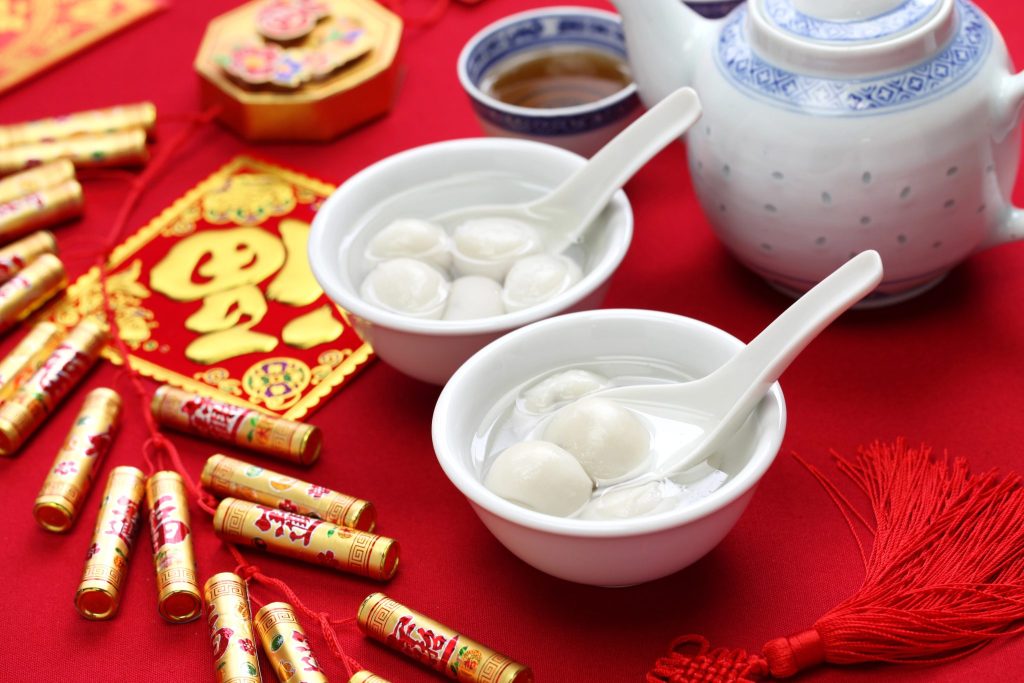
Black sesame rice balls (Tangyuan)
Rice balls are associated with reunion and togetherness. Their round shape represents unity, making them a beautiful dish to share with family and friends.
Lucky fruits
Tangerines and oranges are believed to bring luck, fortune and happiness. They are often displayed in homes and shared as gifts. Their bright color and round shape make them a cheerful addition to any New Year celebration.
Desserts and sweets
Sweets are believed to bring a sweet life in the year ahead. We included preserved prunes, which are my favorite Chinese candy, along with fortune cookies. Fortune cookies are not traditionally Chinese, but we figured since they are sweet, fun and symbolic, they could serve the same purpose.
More traditional options you can include:
• Sweet glutinous rice cake (Nian Gao) for success and progress
• Eight Treasure Rice Pudding for happiness and abundance
• Hot pot for warmth, unity and gathering with family
• Mandarin cakes or pineapple cakes to welcome good luck
My family and I are learning a little more about Chinese culture and traditions each year, and I love the belief that celebrating Chinese New Year can bring our family good fortune. My kids loved getting money in their red envelopes and wishing each other luck. They also noticed that some Chinese New Year traditions are similar to our own Guatemalan customs, like staying up late on New Year’s Eve, cleaning the house and lighting fireworks to welcome the new year.
Celebrate Chinese New Year in China
Celebrating Chinese New Year at home is meaningful, but experiencing it in China is something entirely different. During Spring Festival, the streets glow with red lanterns, firecrackers echo across neighborhoods, lion and dragon dances move through plazas, and food markets stay open late into the night. Temples are filled with offerings, families gather around huge meals, and every corner feels alive with symbolism and celebration. It is a multi-sensory experience that stays with you forever.
If you ever dream of taking your celebration beyond your living room, this is the moment to go. Many families choose guided China tours during the Lunar New Year season because the holiday is incredibly busy and structured itineraries make travel smoother. Guided trips can take you to lantern festivals in Beijing, firework shows along the Bund in Shanghai, food markets in Xi’an, ancient temples in Chengdu or Hong Kong’s waterfront celebrations. It removes the stress of navigating transportation and reservations so you can focus on the experience itself.
Traveling during Lunar New Year gives you the chance to witness centuries-old traditions as living culture, not something recreated in books or videos. Kids remember the taste of dumplings eaten outdoors at midnight, the sound of drums during a lion dance, the glow of hundreds of lanterns floating overhead. For families learning how to celebrate Chinese New Year, this is the most powerful classroom there is.
Are you going to celebrate the Chinese New Year? Let me know how you are celebrating it and good fortune to you.
Explore More of Asia Through Travel
If celebrating Chinese New Year has sparked your curiosity to explore more of Asia, these destinations offer unforgettable culture, food, landscapes and history. Below are four places full of tradition and beauty, each linked to a complete guide so you can start planning your next adventure.
Thailand
Thailand is perfect for families who love a mix of culture, adventure and relaxation. From island-hopping and crystal-blue beaches to temples, night markets and unforgettable food, it is a destination with something for everyone. If you’re considering a trip, you can read our guide for ideas, tips and family-friendly planning in Thailand Island Hopping Itinerary for Families: Easy, Fun, and Budget-Friendly.

Malaysia
Malaysia is an amazing gateway into Southeast Asia, where Malay, Chinese and Indian cultures blend beautifully. This means food, markets and celebrations come together in ways that are rich, diverse and full of flavor. If you want a destination with both modern cities and jungle adventures, you can explore more in Why You Should Visit Malaysia: Top Reasons to Explore This Underrated Southeast Asian Destination.
Bhutan
Bhutan is unlike anywhere else in the world. Known for its monasteries in the clouds, colorful festivals and breathtaking Himalayan views, it is peaceful, spiritual and ideal for slow and meaningful travel. If you dream of travel that feels deep and restorative, you can read more in 5 Reasons Why You Will Fall In Love With Bhutan

India (Darjeeling)
India is vibrant, bold and alive with color, movement, music and food. Whether you want mountain views, cultural immersion or the intensity of city markets, India offers endless possibilities. If you are curious about exploring its tea regions and mountain towns, start with Top Tips for Visiting Darjeeling: Best Things to Do, Where to Stay, and More.

- Keto Hot Dog and Egg Tacos - October 4, 2021
- Soccer Snack Board - April 8, 2021
- Cilantro Lime Butter Salmon Sheet Pan Fajitas - February 22, 2021


I love all your ideas – Chinese New Year is a celebration so rich in tradition and history. I am definitely going to have to incorporate some of these ideas on Thursday! #client
Great post! I make the lanterns with my classroom every year. And I can’t get enough of Tai Pei egg rolls!
I have to remember to celebrate Chinese New Year. I LOVE holidays and theme parties. I’m in!
Yum! I love egg rolls. I also love all the decorations you used! Great job!
What a great idea to show your kids other cultures and different food. I love this idea.
I love this blog post. This is such a wonderful idea to share with children so that they can learn about other cultures and food. These pics made me hungry! 😉 Thanks for sharing.
What a fun idea! We love making Chinese food at home and the kids would love this!
Hey Paula and Cesar !!!
Its really nice to read your blog.I really like it.The pictures you have posted are delicious.The Chinese New Year is all about ushering in luck and prosperity for the new year. Traditional foods are often homophones for words like surpluses and prosperity. Dumplings are symbolic of money, and the act of stuffing them is likened to filling them with luck.Instead of stuffing dumplings before the party, share the fun with your guests and learn how to make them together.
Keep sharing
Have a nice day