
The strange foods in Guatemala are not strange to me. Cow’s tongue in recado was Tuesday dinner growing up. Zompopos de Mayo roasted with butter and salt were a May treat my kids still ask about. Patin, the fermented fish from Lake Atitlán that smells like the lake floor and tastes like nothing else on earth, is something I watched my grandmother add to soup without a second thought. I grew up eating most of what is on this list. It took a TV producer calling me from the United States to make me realize how unusual it all looks from the outside.
This is my guide to the most unique Guatemalan foods worth trying when you visit, including a few that even adventurous eaters hesitate over. I will tell you what each one tastes like, where to find it, and whether it is worth the courage it might take to order it. Spoiler: most of them are. If you want help planning a trip around the real Guatemalan table, get in touch here.
Most of what is on this list lives in mercados and small family comedores, not tourist restaurants. That is not a warning. That is the point.
This guide is for
✓ Adventurous eaters visiting Guatemala
✓ Travelers who want to eat beyond the tourist menu
✓ Anyone curious about what Guatemalans actually eat at home and in markets
THE BACKSTORY
How a TV Show Made Me See My Own Food Differently
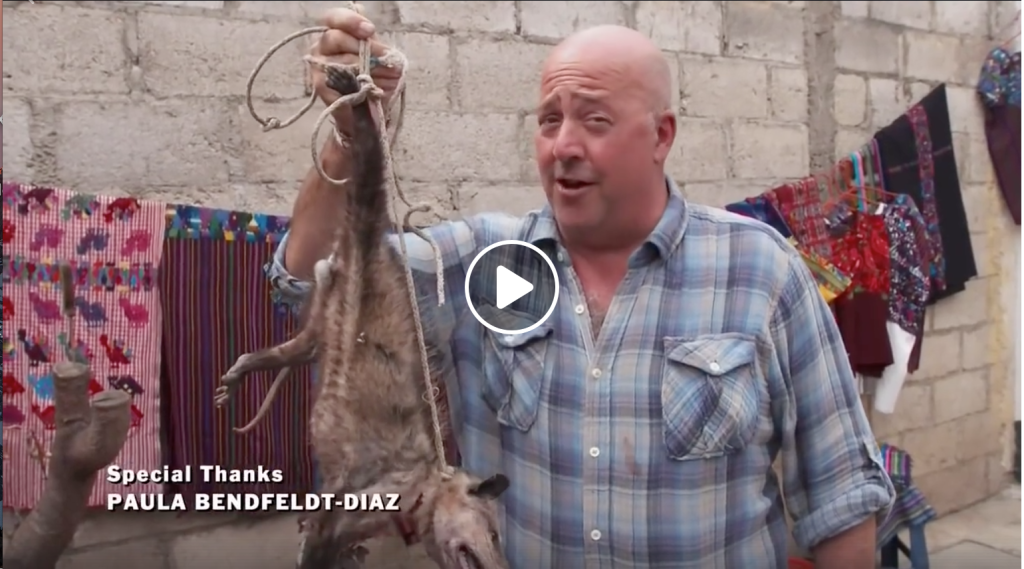
Years ago, the producers of Bizarre Foods with Andrew Zimmern contacted me. They were considering filming in Guatemala and had found my Guatemalan recipe articles and restaurant reviews. They wanted leads on the most unusual dishes in the country. I had to stop and think. I had never considered my own food bizarre. It was just food.
They filmed the episode. It aired under the title Guatemala: Balls, Brains and Bull’s Eyes, and my name ended up in the credits at the end, right next to a dead possum. I will take it.
What that experience gave me was a reason to write this list. Not from the outside looking in, but from inside a Guatemalan kitchen, thinking about dishes I grew up eating and why each one is worth your trust.
THE LIST
Strange and Unique Guatemalan Foods Worth Trying
I am focusing on the dishes I consider worth trying for taste and cultural significance. Not everything that looks strange is delicious. Everything on this list is.
Lengua en Recado (Cow’s Tongue)
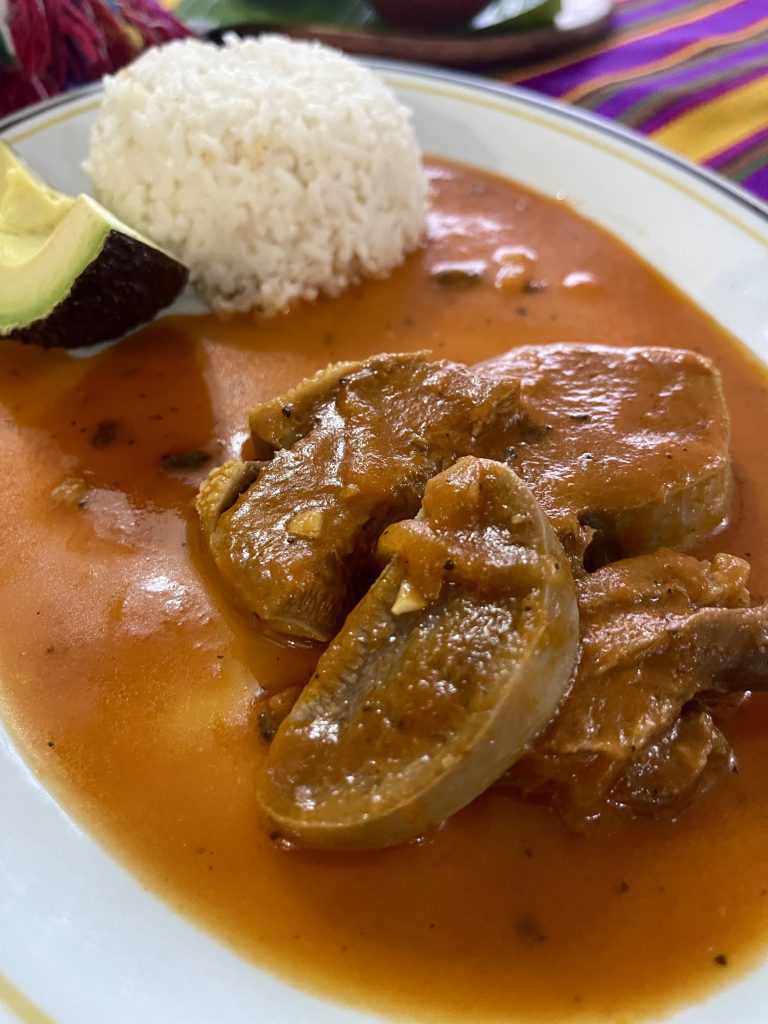
Start here if you are hesitant about this list. Cow’s tongue is the gateway dish for adventurous eating in Guatemala and the one I would put in front of any skeptic without warning them first. The texture is impossibly soft, more tender than any cut of beef you have tried, and in Guatemala it is cooked in recado: a red tomato-based sauce with green olives and capers that makes the whole thing taste rich, savory, and completely familiar. My daughter ate it as a child before she knew what it was and asked for seconds. I told her afterward. She still loves it.
Where to find it: Traditional restaurants in Guatemala City and Antigua, and most mercados. You can also make it at home with my lengua en salsa roja recipe.
Jutes (River Snails)
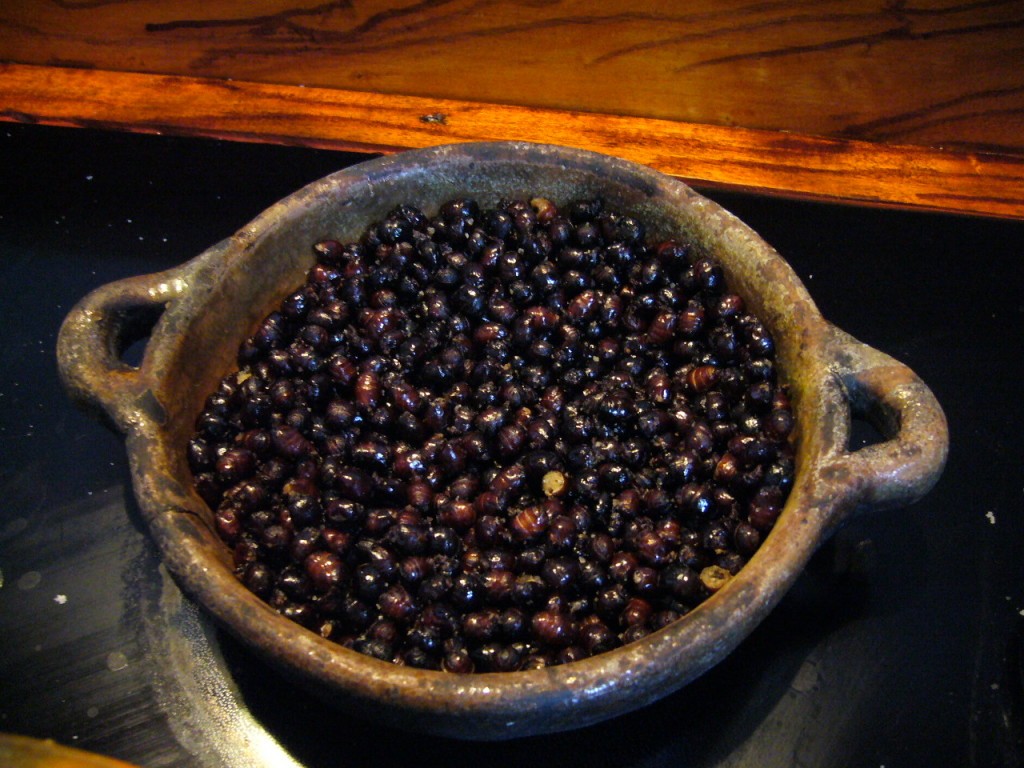
Jutes are freshwater snails from the rivers and streams that feed Lake Atitlán, and they are the local answer to escargot: smaller, brighter in flavor, and eaten in soup rather than with garlic butter. If you are visiting the lake and eating in market stalls or small comedores near the water, you will see them. Order them. The soup they go into is usually simple, herb-forward, and very good.
Where to find them: Market stalls and small eateries around Lake Atitlán, particularly in Santiago Atitlán and San Pedro La Laguna.
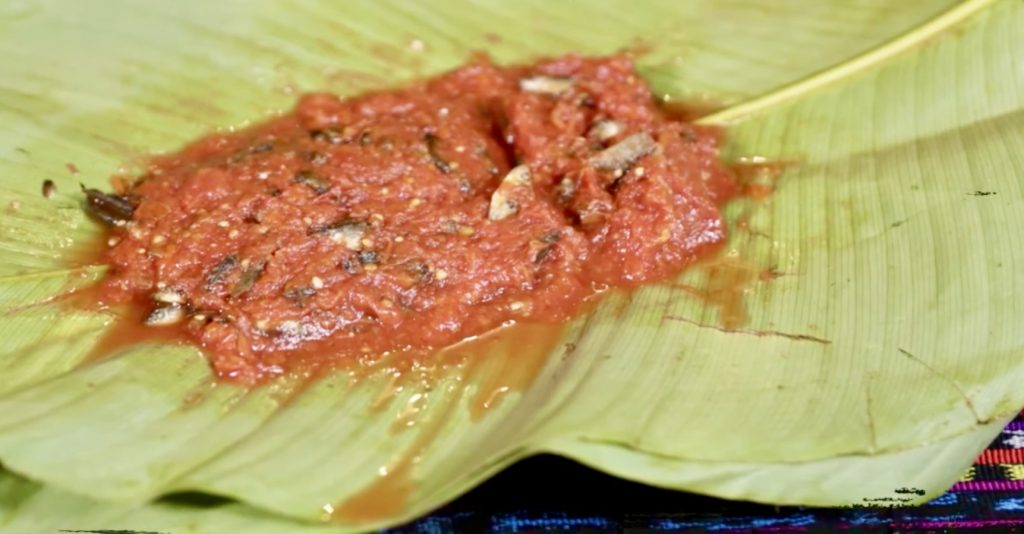
Patin (Fermented Lake Fish)
Patin is a small fish native to Lake Atitlán, traditionally preserved by fermentation and used as a flavoring agent in soups and stews. The smell is powerful. That is not a polite understatement. Patin smells like the deep lake floor, fermented and mineral and very much alive. But in a soup, where it works the way an anchovy works in Italian cooking, that intensity becomes depth. It disappears into the broth and makes everything taste more like the lake and the highlands than anything else you will eat on your trip. My grandmother used it without measuring. You always knew when she had.
Where to find it: Markets around Lake Atitlán, especially in Santiago Atitlán and Panajachel. You will smell the stalls before you see them. That is how you know you are in the right place.
✨ LOCAL CONTEXT
Patin is specific to Lake Atitlán. The small fish, called pepesca locally, is caught in the lake and traditionally sun-dried or fermented by Tz’utujil and Kaqchikel families. It is a genuinely local ingredient with no substitute and no equivalent anywhere else in Guatemala.
Zompopos de Mayo (Leaf-Cutter Ants)
The only insect eaten in Guatemala, and only in May. When the rainy season starts, large winged leaf-cutter ants emerge from the ground in swarms. Guatemalans collect the queens, remove the wings, and roast the abdomens on the comal with butter and salt. You eat them with lime juice in a tortilla or stirred into guacamole. They taste like roasted peanuts with a slightly nutty, buttery crunch. If you have eaten chapulines in Mexico you already understand the category. Zompopos are in that spirit but specific to this country and this season. Miss May and you wait another year.
Where to find them: Markets in May only, particularly in Guatemala City and surrounding departments. This is a mercado dish, not a restaurant dish.
Tapado (Caribbean Seafood and Coconut Soup)
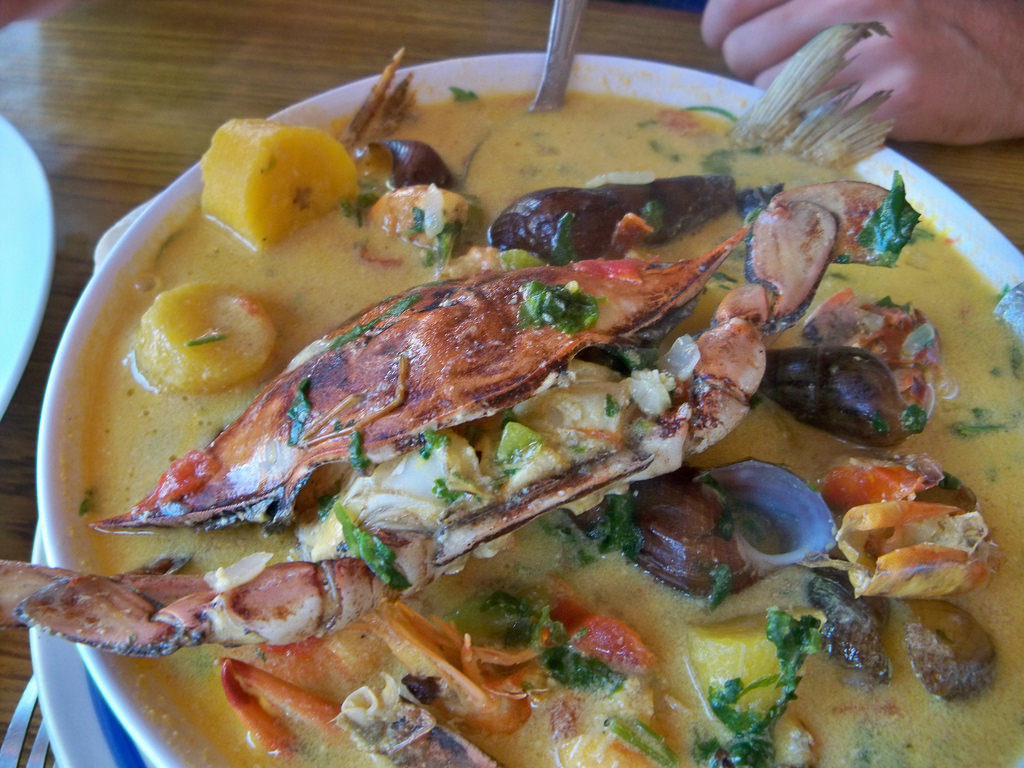
Tapado is one of my favorite dishes in all of Guatemalan cooking, and the one on this list that requires the least convincing once you taste it. It is a seafood soup from Guatemala’s Caribbean coast: fish, crab, and shellfish cooked in coconut milk with sweet plantains. It comes from the Garifuna culinary tradition in Livingston and the Rio Dulce area. The combination sounds unexpected until you eat it, and then it makes complete sense. The coconut milk sweetens everything just enough to balance the brine of the seafood. The plantains add weight. It is a bowl that tastes exactly like where it comes from.
Where to find it: Livingston and the Rio Dulce area only. What you find in Guatemala City or Antigua under the same name is not the same dish. You have to go to the coast. My full Tapado recipe and history is here, and if the Caribbean coast is on your itinerary my guide to Rio Dulce is worth reading first.
Want to Find These Dishes in Person?
I Know Which Markets and Comedores Are Worth the Trip
Dishes like patin, jutes, and zompopos are not on tourist menus. Finding them means knowing where to go and when. I help travelers build food-first trips around the Guatemala that actually exists, not what gets served to visitors.
Fiambre
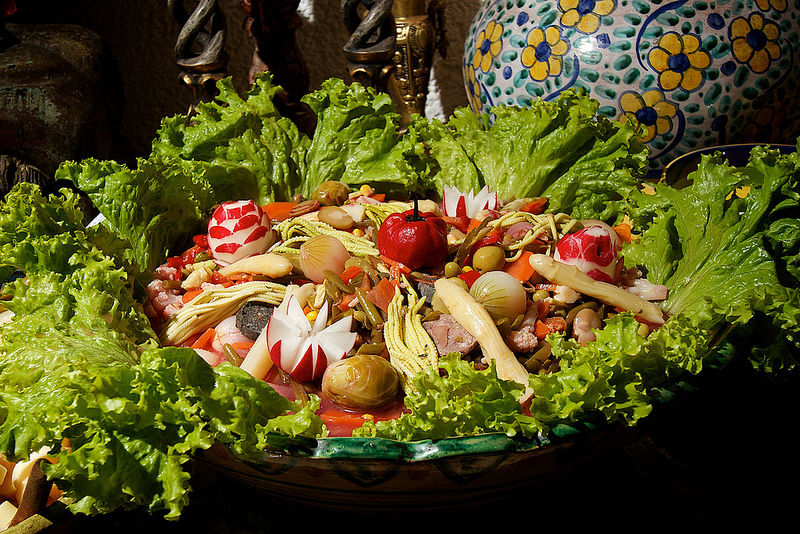
Fiambre is not bizarre in the way the other dishes on this list are bizarre. It belongs here because nothing outside Guatemala comes close to it, and no description quite prepares you for the first encounter. It is a cold salad assembled from dozens of pickled vegetables, cold cuts, and cheeses, made once a year for the Day of the Dead on November 1st. Every Guatemalan family has a recipe passed down for generations, and no two versions are exactly alike. The one your host serves you is the only one like it in the world.
Where to find it: Only on November 1st, in family homes and some traditional restaurants. The full fiambre recipe and its history is here. For everything about the Day of the Dead in Guatemala, read my complete guide to Dia de Todos Santos.
Flor de Izote (Yucca Flowers)
At home we cooked flor de izote in a frittata with sweet peppers and onions, served with tomato sauce. The flower has a mild, slightly vegetal flavor that works well with egg and is easy to like on the first try. It is the kind of dish that appears in markets and family kitchens rather than restaurants, and that is part of its appeal. You are not going to stumble on it at a tourist spot. You have to go looking.
Where to find it: Mercados and small comedores, particularly when in season.
Panza en Tiras (Tripe)
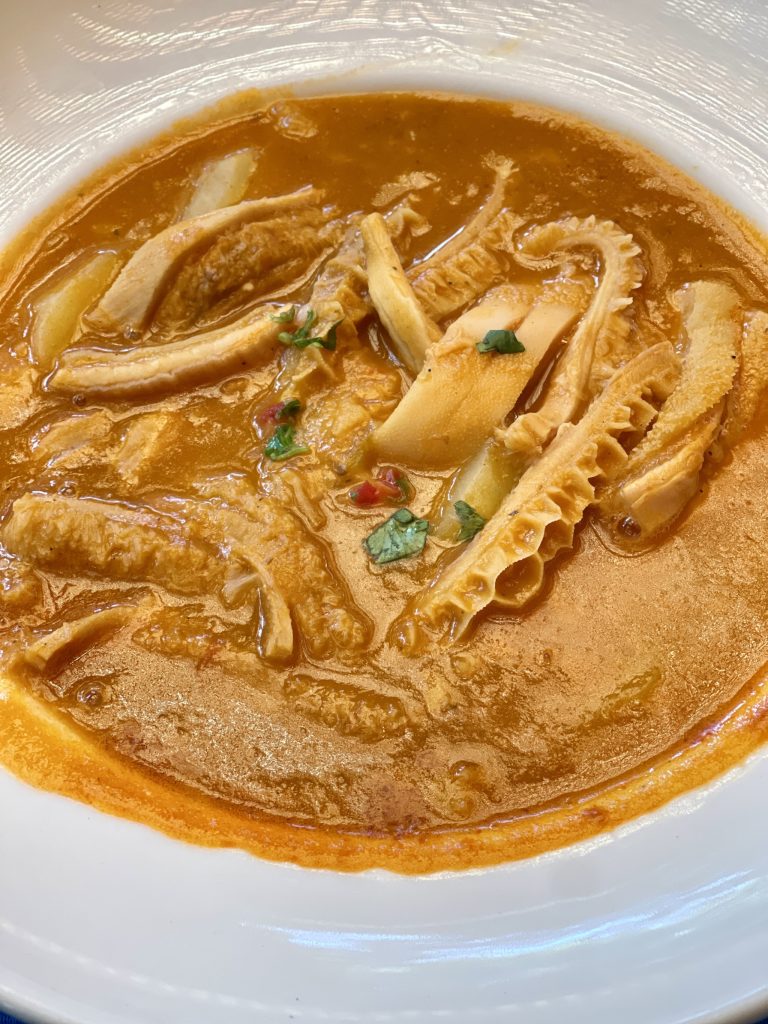
Beef tripe, cooked in a spiced tomato sauce. The honeycomb texture of the panza holds the sauce in a way smooth cuts of beef never do, and that is exactly what makes it worth ordering. Anyone who appreciates offal cooking will find this completely familiar. The full panza en tiras recipe is here if you want to make it at home.
Where to find it: Most mercados and traditional restaurants in Guatemala City and Antigua.
Ceviche de Criadillas (Bull’s Testicles)
Still common in cevicherias in Guatemala City and along the Pacific coast. The preparation is identical to fish ceviche: cut small, marinated in lime juice, mixed with tomato, onion, Worcestershire sauce, and hot sauce. The flavor is close to fish ceviche. The texture is denser and meatier. Order it and decide for yourself.
Where to find it: Cevicherias in Guatemala City and the Pacific coast.
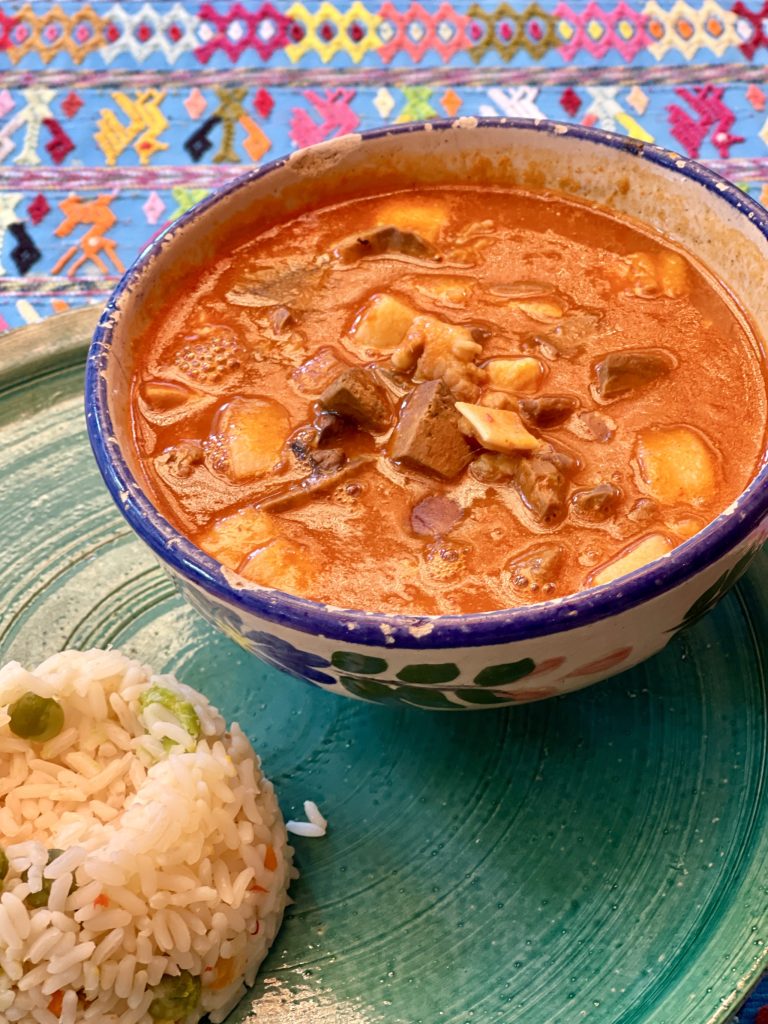
Revolcado
A stew made from pig’s head and offal, cooked down in a heavy sauce of tomatoes and chiles until the whole thing becomes rich and deeply savory. The sauce is the point. The full revolcado recipe is here.
Where to find it: Mercados and traditional restaurants in Guatemala City and Antigua.
Beef Brains
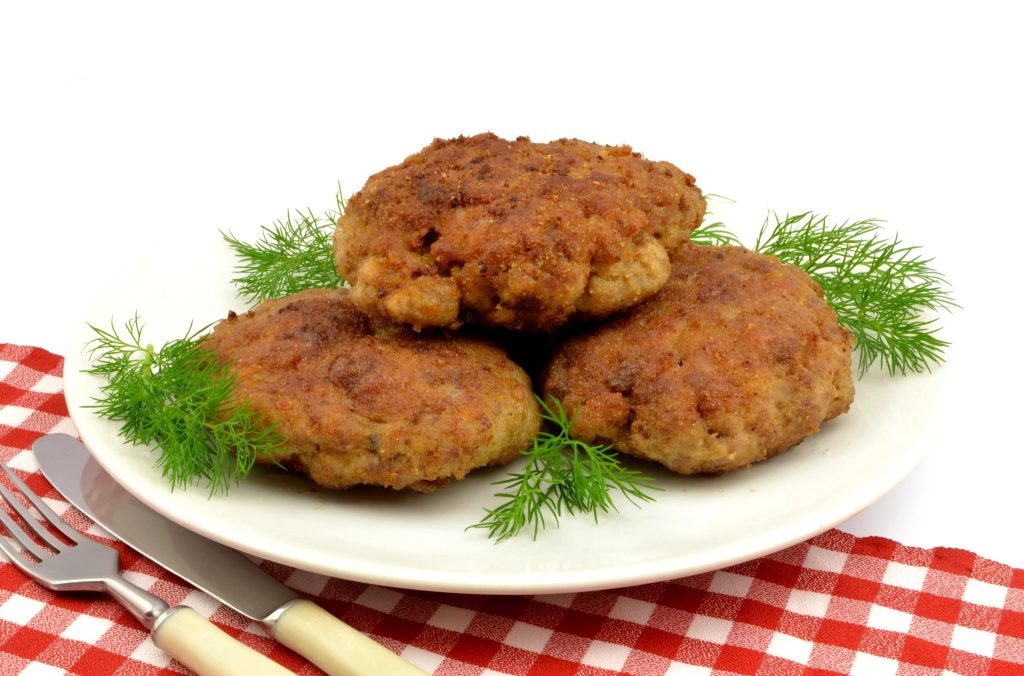
Andrew Zimmern ate raw beef brains in the episode, which is genuinely unusual and not something most Guatemalans eat. Cooked beef brains are a different story. Common in Guatemalan homes, they are served sauteed or breaded with tomato sauce. The breaded version is the one to order, and my favorite. The texture is soft and creamy, the flavor mild, and the breading gives it enough structure to feel like a real dish rather than a dare.
Where to find it: Traditional restaurants and some market stalls in Guatemala City.
EAT IT IN PERSON
Food Experiences Worth Booking in Guatemala
Not all of the dishes on this list are easy to find as a visitor. These experiences are run by people who know Guatemala’s food from the inside and are a good way to eat well without guessing.
QUESTIONS PEOPLE ASK
Strange and Unique Guatemalan Foods: Common Questions
What are some Guatemalan foods?
The dishes most central to Guatemalan cooking are pepián (the national dish, a thick stew built on toasted pumpkin seeds and dried chiles), tamales colorados wrapped in banana leaves, black bean soup, hilachas (shredded beef in recado sauce), and chuchitos. Fiambre, the cold salad served only on November 1st, and kak’ik, the Q’eqchi’ Maya turkey soup from Cobán, are two of the most culturally significant. My complete guide to Guatemalan food covers all of them with recipes.
What food is Guatemala known for?
Guatemala is known internationally for its coffee, chocolate, and cardamom, all major exports. Within the country, the food Guatemala is most proud of is pepián, declared Intangible Cultural Heritage in 2007, along with kak’ik, jocón, and tamales colorados. Fiambre generates more family debate than any other dish in the country. Ask a Guatemalan about their family’s fiambre recipe and you will be there a while.
What is the most popular food in Guatemala?
By daily consumption, black beans and corn tortillas. Every meal, every household, every region. By cultural weight, pepián. By frequency at celebrations, tamales colorados, which appear at Christmas Eve, Independence Day, and most major family gatherings. By sheer quantity eaten per person per year, tortillas win without question.
What are Guatemalan strange foods to eat?
The most unusual Guatemalan foods for visitors are zompopos de mayo (leaf-cutter ants, seasonal in May only), patin (fermented lake fish from Atitlán), jutes (river snails common around the lake), ceviche de criadillas (bull’s testicles), revolcado (pig’s head stew), and sesos (beef brains). Tapado, the Caribbean coconut seafood soup from Livingston, surprises most international visitors even though it is entirely approachable.
What is Guatemala exotic food?
What visitors call exotic, Guatemalans call Tuesday. Zompopos de mayo, patin, jutes, and flor de izote have been part of Guatemalan cooking for centuries. They are not exotic here. They are local, seasonal, and tied to specific places and times of year. That specificity is exactly what makes them worth seeking out when you visit.
What not to eat in Guatemala?
The main food safety concern for visitors is produce washed in tap water and raw preparations from vendors without refrigeration. Cooked food from market stalls is generally safe. Avoid raw salads and fresh-cut fruit from street carts unless you are confident about how it was washed. Stick to hot cooked food and you will eat very well across the country.
What food is safe to eat in Guatemala?
Hot cooked food is safe across Guatemala, including market stalls and small comedores. The country has a rich street food culture and most of it is completely fine to eat. Be more careful with anything raw or left at room temperature for extended periods. Bottled water is widely available and recommended throughout the country.
What is Guatemalan street food?
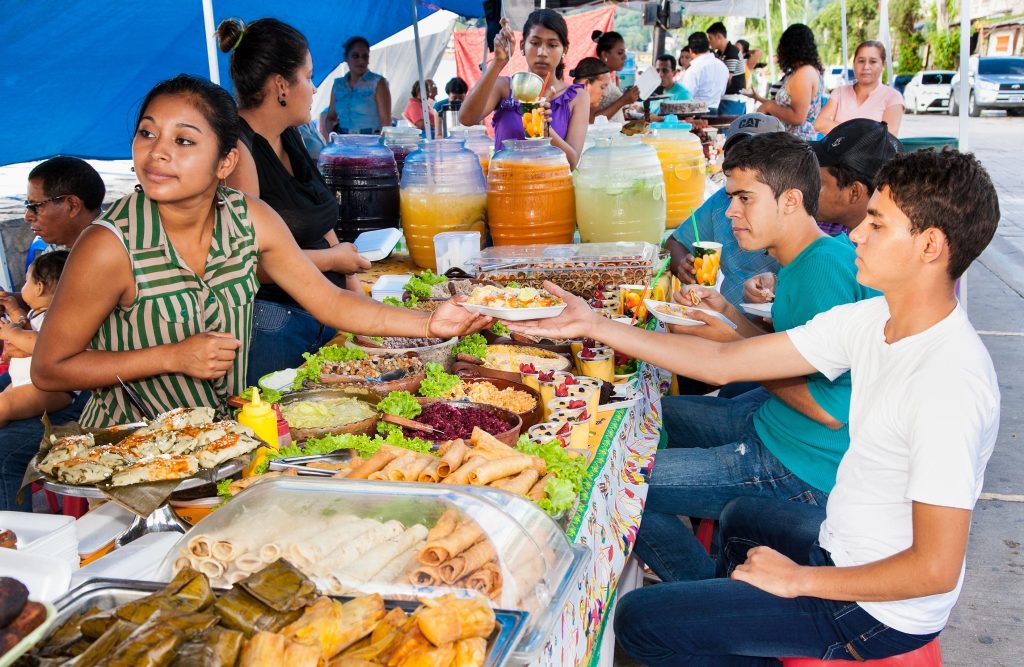
Guatemalan street food is some of the best eating in the country. Shucos (Guatemalan-style hot dogs with guacamole, chorizo, and cabbage), tostadas, rellenitos de plátano, chuchitos, and elotes locos are the classics. Zompopos de mayo appear in May, and tamales from early-morning vendors are worth hunting down for breakfast. My full guide to street food in Antigua Guatemala covers the best places to start.
What is pepián Guatemala?
Pepián is Guatemala’s national dish, with pre-Columbian Maya roots and a 2007 declaration as Intangible Cultural Heritage. It is a thick stew built on a sauce of toasted pumpkin seeds, sesame, dried chiles guaque and pasa, and tomatoes, cooked with chicken, beef, or pork and served over white rice. It is the dish I would put in front of any first-time visitor to Guatemala, no hesitation. The full pepián de pollo recipe is here.
What is kak-ik?
Kak’ik is the Q’eqchi’ Maya turkey soup from the Cobán region of Alta Verapaz, and one of the four Guatemalan dishes declared Intangible Cultural Heritage in 2007. The broth combines dried chiles, tomatoes, tomatillos, garlic, cilantro, and mint with whole pieces of turkey. It is one of the most distinctive soups in Guatemalan cooking and very specific to the highlands around Cobán. You will not find the real version in Antigua. The full kak’ik recipe is here.
This Is My Country
The Best Guatemalan Food Is Not on the Tourist Menu. Let Me Show You Where It Is.
I have been eating my way through Guatemala my whole life. I know which mercados are worth the trip, which comedores are the real thing, and how to build a food-first itinerary that goes well beyond what any guidebook covers.
Guatemala’s most interesting food lives in the markets, in family kitchens, and in the hands of people who have been making the same recipes for generations. The dishes on this list are not strange. They are just waiting for you to try them.

Through her writing, Paula helps travelers discover Guatemala beyond the typical tourist route with practical advice, local recommendations, and authentic experiences that connect visitors with the country’s people, culture, and traditions.
Planning a trip to Guatemala? Paula offers personalized Guatemala itinerary planning and trip consultation services tailored to your interests, travel style, and budget. Contact her at [email protected] to learn more.
- San Lucas Tolimán Guatemala: Lake Atitlán’s Best-Kept Secret - September 24, 2026
- Hotel Tolimán Lake Atitlán: A Special Stay in San Lucas Tolimán - September 24, 2026
- Guatemala Dreams in San Lucas Tolimán: A Boutique Stay on Lake Atitlán - September 23, 2026


Dear Paula,
Great article, thank you so much. I wonder if you could suggest specific restaurants or markets where unusual dishes like Zompopos de Mayo, Tepezcuintle or Cesos might be served in Antigua. I will be there for 12 days, but I have learned from experience that it is sometimes hard to find specialty dishes when you don’t speak the language and have limited time to search. If you could give me a few solid hints it would help so much. I’m a budget traveller, but I travel the world in search of local cuisine. I have a friend who visits Antigua every year. True he is not a foodie like myself, but he says he has never seen any of the things you wrote about anywhere in Antigua. I want to prove him wrong, but mostly I want to treat my taste buds to the exotic. I really appreciate any help you can provide.
Jay
Hi Jay,
Tequeztuitle is hard to find and Zompopos de Mayo are seasonal and you can only find them in May and they are rarely served in restaurants but more commonly found in markets. For other special and traditional dishes like cesos, lengua (tongue) and revolcado (cow head stew) you should visit La Cuevita de los Urquizú where you will be able to try many different dishes as they have them all in big clay pots and you don’t need to order only one thing. The Antigua market is always a great place for dishes that are authentic and different and that restaurants will often not serve.
Thank you for the great article and your video. I am coming for December and January and look forward to trying these out.
Question:
Do you have noni (fruit) in the mercados?
And any other really unique health foods I should try in the mercado or the herbal medicine tienda?
Gracias