
Río Dulce, Guatemala is one of the best places to add to a Guatemala itinerary if you want jungle, river canyons, hot springs, Maya ruins, Caribbean culture, and a completely different side of the country from Antigua, Lake Atitlán, or Tikal. This Río Dulce travel guide covers the best things to do in Río Dulce, where to stay, how to get there, what to eat, how to visit Livingston, and how to decide if this warm, humid, river-and-lake region actually fits your trip.
Most travelers planning a Guatemala trip put most of their energy into Antigua, Lake Atitlán, and Tikal. I understand why. Those places are beautiful and easier to explain in one sentence. But Río Dulce is the place I wish more visitors made time for, because this stretch of jungle river, hot springs, pirate forts, Maya ruins, Lake Izabal, and Garífuna Caribbean coastline shows a side of Guatemala that feels completely different from the highlands.
My family has been making this trip for years: by car from Guatemala City, by the slow Litegua bus, and once squeezed into a tourist shuttle that smelled like wet hiking boots the whole way. Every version taught me something useful. We found places I would happily go back to again and again, and we also found a few stops I would only recommend if they already make sense for your route.
So this is not just a list of things to do in Río Dulce. It is the guide I would give a friend who asked me, “Is it worth adding Izabal to my Guatemala trip?” I will walk you through the Río Dulce river canyon, El Golfete, Castillo de San Felipe de Lara, Finca El Paraíso, El Boquerón, Cañón Seacacar, Quiriguá, Lake Izabal, Livingston, and the boat ride out toward Guatemala’s Caribbean coast. I will also tell you where I would slow down, what I would skip unless you have extra time, where swimming makes sense, how to plan the boat logistics, what food to try, and which hotels are actually worth considering. For help putting these pieces together into an itinerary that fits your dates, that is exactly the kind of planning I help travelers with directly.
This guide is for
✓ Travelers adding Guatemala’s Caribbean side to their trip
✓ Anyone road-tripping between Guatemala City and Tikal
✓ Families who want nature, history, water, and a slower rhythm without the highland crowds
ORIENTATION
Río Dulce, Guatemala: What to Know Before You Plan Your Trip
Río Dulce is both a river and the town most travelers use as a base, and that can be confusing the first time you start planning. The river runs from Lake Izabal, Guatemala’s largest lake, toward the Caribbean at Livingston and Amatique Bay. Along the way, it passes through El Golfete, jungle canyon walls, wetlands, marinas, riverside lodges, hot springs, and small communities that feel nothing like Antigua or Lake Atitlán.
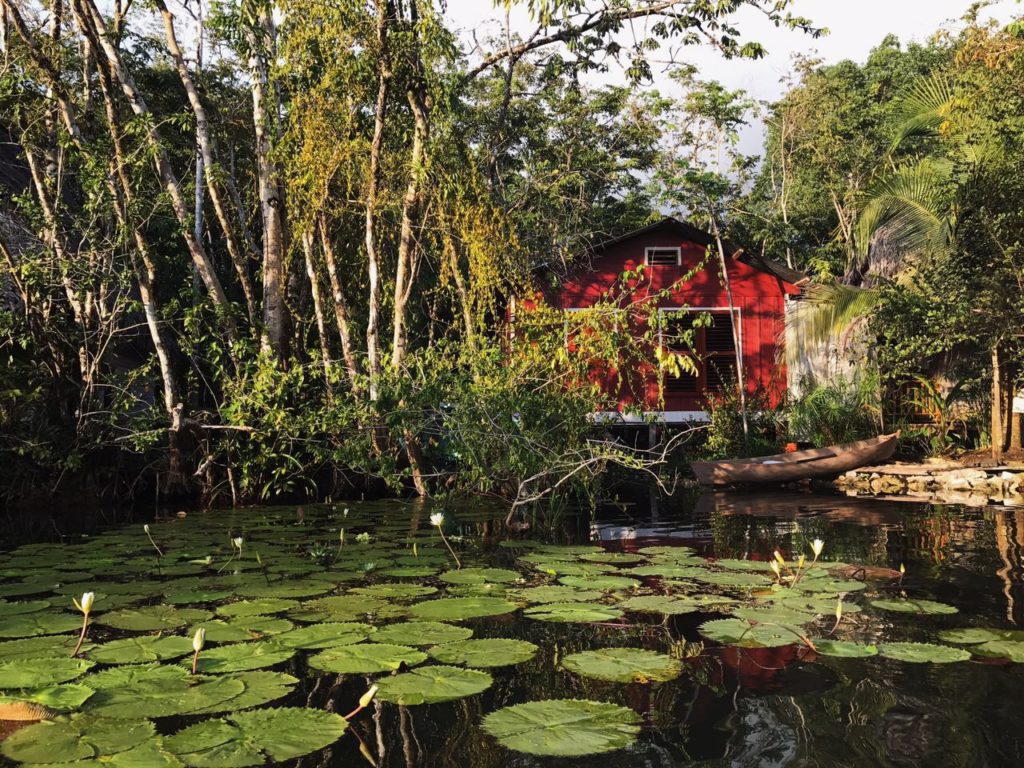
This is one of the reasons I like Río Dulce so much. You are still in Guatemala, but the air feels different, the food changes, the landscape flattens and gets greener, and suddenly boats become part of everyday logistics. You do not come here for cobblestone streets or volcano views. You come for water, heat, jungle, history, and that feeling of being somewhere that still makes you work a little to understand it.
The protected Río Dulce National Park corridor has existed since 1955, and it is still one of Guatemala’s most important wetland and river ecosystems. That is why you will hear people talk about manatees, crocodiles, herons, pelicans, egrets, and other wildlife here. I would not promise anyone a wildlife-safari experience, because sightings depend on timing, luck, and how quiet your boat captain is willing to be. But this is a living river system, and if you slow down, you feel it.
The town most people call Río Dulce is technically Fronteras. Across the water is El Relleno, and the two sides are connected by the huge Río Dulce bridge. In real life, though, almost everyone says Río Dulce. Use that when booking transport, asking for directions, or talking to boat captains, and you will be understood.
💡 Worth knowing: Río Dulce sits near sea level and stays warm and humid all year. This is not highland weather. I pack light clothes, sandals or water shoes, quick-dry layers, real mosquito repellent, sunscreen, and something waterproof for my phone whenever I come here.
HOW LONG TO STAY
How Many Days Do You Need in Río Dulce?
You can technically pass through Río Dulce in one rushed day, but I would not plan it that way unless your itinerary leaves you no choice. The best parts of this region depend on boats, weather, road time, and slow travel. When people try to squeeze Río Dulce between two long drives, it usually becomes a blur of heat, docks, and missed opportunities.
This is how I would think about it:
- One night: Enough for Castillo de San Felipe and a boat ride if you arrive early, but it will feel rushed.
- Two nights: The minimum I would recommend. You can do the river canyon boat trip, Castillo de San Felipe, and one hot spring or lake activity.
- Three nights: Much better. This gives you time for Finca El Paraíso, El Boquerón or Seacacar, and a less rushed boat connection to Livingston.
- Four nights or more: Best if you want to split time between Río Dulce and Livingston, or if you are traveling with kids and want the region to feel relaxed instead of like a checklist.
✨ MY IDEAL PLAN
For most travelers, I would do two nights on the Río Dulce side and one night in Livingston. That gives you the river, the jungle, the hot springs, and the Caribbean culture without making the route feel like a transportation marathon.
PLANNING
Getting to Río Dulce
Where you are coming from changes this trip more than people expect. Río Dulce works beautifully as part of a longer Guatemala route, especially if you are connecting the highlands with Petén, Tikal, or the Caribbean coast. It is less ideal as a quick one-night detour from Antigua, not because it is not worth visiting, but because the road time is very real.
From Guatemala City, Antigua, or Lake Atitlán
There is no direct road from Antigua or Lake Atitlán that magically lets you skip the capital area, so travelers coming from those destinations are basically making the same trip as someone leaving Guatemala City. By car, plan on a long travel day along the CA-9 and CA-13 corridor. In good conditions it can be faster, but with cargo truck traffic, construction, accidents, rain, or holiday traffic, seven to eight hours is a safer planning number.
I would leave early, ideally around 7:00 AM or before, and start with a full tank. If you want a stop that actually adds something to the day, Quiriguá is the most useful cultural break along the route. It sits close enough to the highway that you can visit without turning the drive into a completely separate day, and it gives the trip some meaning beyond “we sat in the car for hours.”
Litegua and other coach or shuttle options connect Guatemala City with Río Dulce, but schedules and prices change often enough that I would not build a trip from an old blog post schedule, including mine. Check the current Litegua reservation system, ask your hotel, or confirm directly with a shuttle operator before you plan your day around a specific departure.
⚠ ON THE ROAD
When I drive this route, I prefer to fuel up at recognizable stations like Puma, Shell, Texaco, Uno, or Don Arturo and make planned stops instead of improvising too much. I would avoid random unbranded stations unless you have no other option, and I do not like wandering around unfamiliar roadside towns after dark.
From Petén, Flores, and Tikal
If you are coming from Flores or Tikal, Río Dulce makes much more logistical sense. The CA-13 connects Petén with Río Dulce, and the drive usually takes around four hours by car, coach bus, or shuttle depending on stops and road conditions. This is one of my favorite ways to use Río Dulce: as the green, watery pause between the Maya ruins of Petén and the Caribbean or highlands.
Cash, ATMs, and Luggage
Bring more cash than you think you need. Some hotels and restaurants take cards, but boats, small entrance fees, community tourism projects, local guides, tuk-tuks, colectivos, and tips often run on cash. There are ATMs in Río Dulce town, but I would not count on them as your only plan, especially if you are heading to a river lodge or Livingston afterward.
The luggage piece matters more here than it does in Antigua or Atitlán. If you are staying at a lodge only reachable by boat, ask exactly where they pick guests up, what time the last boat runs, and whether they can store luggage if you are doing a day trip before check-in. This is the kind of small detail that can make the difference between an easy arrival and standing at the dock in the heat wondering who is supposed to come get you.
THE RIVER
El Golfete, the Canyon, and the Boat to Livingston
The boat ride between Río Dulce and Livingston is the one experience I would not skip in this region. If you only remember one thing from Río Dulce, it will probably be this: the river opening into El Golfete, the jungle leaning over the water, the limestone canyon walls rising around you, and then the slow change in feeling as you get closer to Livingston and the Caribbean coast.
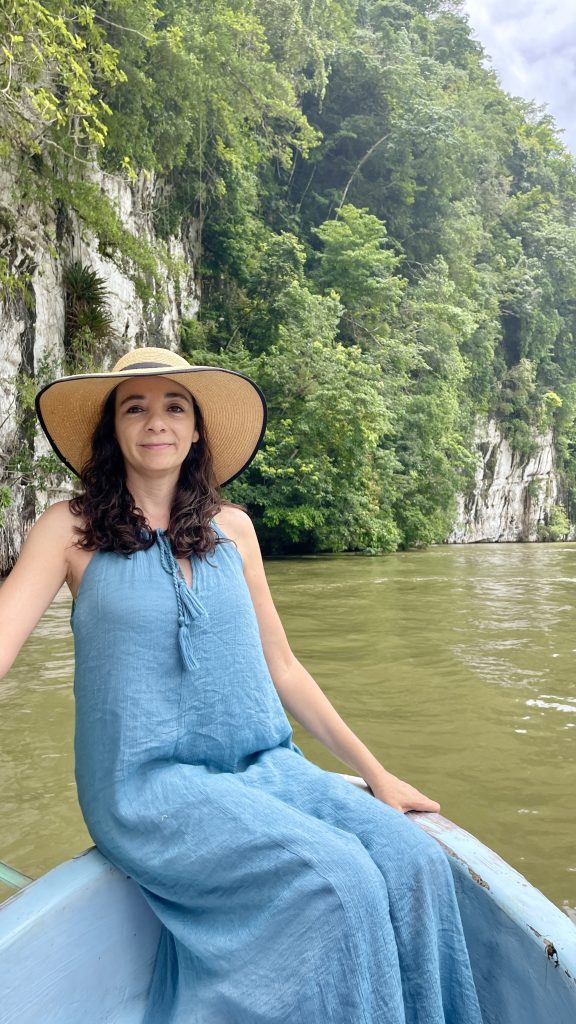
Most lancha tours and hotel-organized boats make stops or slow down along the way. You may pass Isla de los Pájaros, Aguas Calientes, water lilies, small riverside homes, and stretches where the jungle comes right down to the water. Some boats are direct transfers; others are more like sightseeing trips. Ask before you pay so you know whether you are buying transportation or an actual river tour.
Public Boat or Private Boat?
Public lanchas usually run between Río Dulce and Livingston several times a day, but exact times and prices shift by season, demand, and operator. I like public boats when the timing works and you are traveling light. A private boat costs more, but it gives you control over timing, stops, luggage, and pickup from a river lodge. For families, photographers, or anyone with a tight schedule, the private boat can be worth it.
💡 Booking this stretch: ASOLCAST, the boatmen’s association based at Castillo de San Felipe, runs an organized collective tour covering this entire route: the Castillo, Isla de Aves, the mangroves, the floating garden, the Agua Caliente hot spring stop, and on to Livingston, with a same-day return. It departs at 9:00 AM and returns around 3:00 PM, last confirmed around Q125 one-way or Q200 round trip. Reach them by WhatsApp at 5909-8198 or email at [email protected] to confirm current rates before booking.
💡 Practical tip: Bring real mosquito repellent, sunscreen, a hat, and something waterproof for your phone or camera. The boats can move fast enough to spray you, especially if the river is choppy or windy.
⚠ ABOUT SWIMMING IN THE RIVER
I would be selective about swimming in the Río Dulce itself. Water quality changes from one stretch to another, and runoff from side channels or upstream towns is not always obvious from the surface. Swim only where your hotel or guide actively vouches for the water that day, avoid river mouths and unfamiliar side channels, and do not swallow the water. For most travelers, the hot springs, hotel swimming areas, and certain Lake Izabal beaches are the safer bet.
Keep an eye out for crocodiles, birds, and the quiet wetland areas where Guatemala’s manatees still live, especially near Biotopo Chocón Machacas. Sightings are never guaranteed, so I would think of this as a nature and habitat boat ride first; my full guide to manatees in Guatemala explains where they live and how to look for them responsibly.
BIRDWATCHING
Isla de Aves and the Birds of Río Dulce
Isla de Aves, also called Isla de los Pájaros, is the small island that gives this stretch of river its other name. Pelicans, herons, egrets, ducks, and the local “pato coche” all use it as a resting and nesting spot. Despite the name, the pato coche isn’t actually a duck at all but the Neotropical Cormorant (Nannopterum brasilianum), called pato coche locally because of the grunting sound it makes, since coche is Guatemalan slang for pig. Your boatman will usually slow down here on purpose so you can actually look, and bringing binoculars if you have them turns a quick photo stop into something closer to real birdwatching.
Like most birdwatching anywhere, early morning gives you the best chance of seeing real activity rather than a quiet, empty island. The whole Río Dulce National Park stretches through mangroves, lagoons, and small river islets that shelter hundreds of bird species along with crocodiles, coatis, and manatees, so the birding isn’t limited to this one stop. If birding is genuinely part of why you’re visiting Guatemala, my guide to birding destinations in Guatemala covers where else to go beyond this one stop.
HISTORY
Castillo de San Felipe de Lara
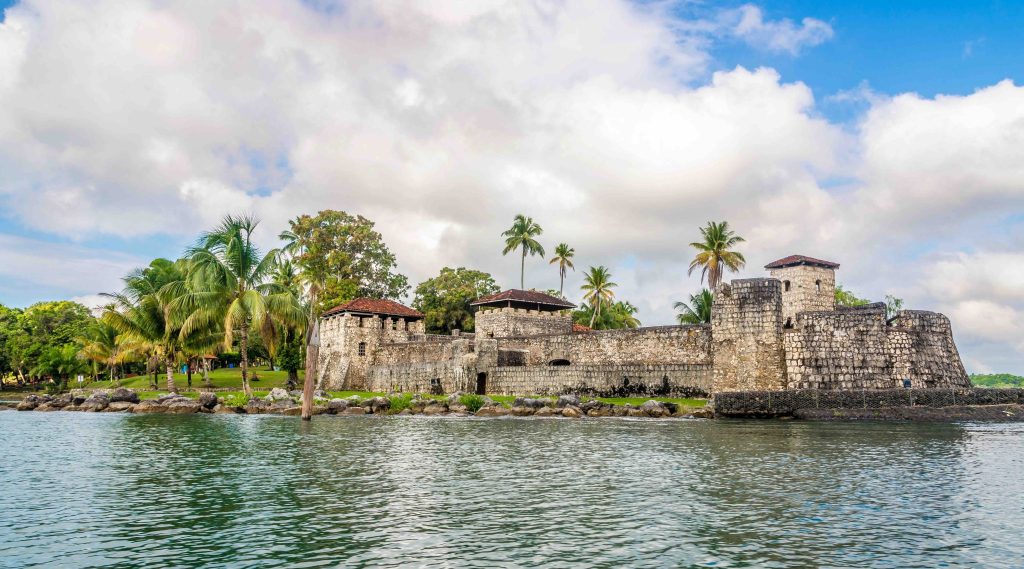
Castillo de San Felipe sits where Lake Izabal narrows into the river, and that location is the whole story. The Spanish built the fort to protect ships moving goods between the Guatemalan highlands and the Caribbean from pirate attacks. It is not huge, and I think that is actually part of its charm. You can understand the whole place without feeling overwhelmed.
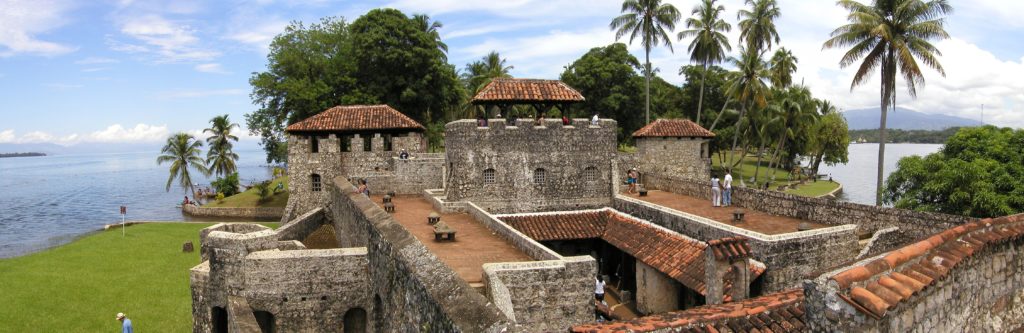
What I like about the Castillo is that it makes the region click. Suddenly Río Dulce is not just a pretty river. It becomes a trade route, a defensive point, a connection between the interior of Guatemala and the Caribbean, and a reminder that this area mattered long before tourists started taking boat tours through it.
You can walk through the fort in under an hour, but it is more interesting with a guide because the rooms, narrow passages, cannons, and lake views all connect to a much bigger story. The surrounding grounds have picnic tables, trees, and a small swimming area, so this can work well for families or as a relaxed stop before a boat ride.
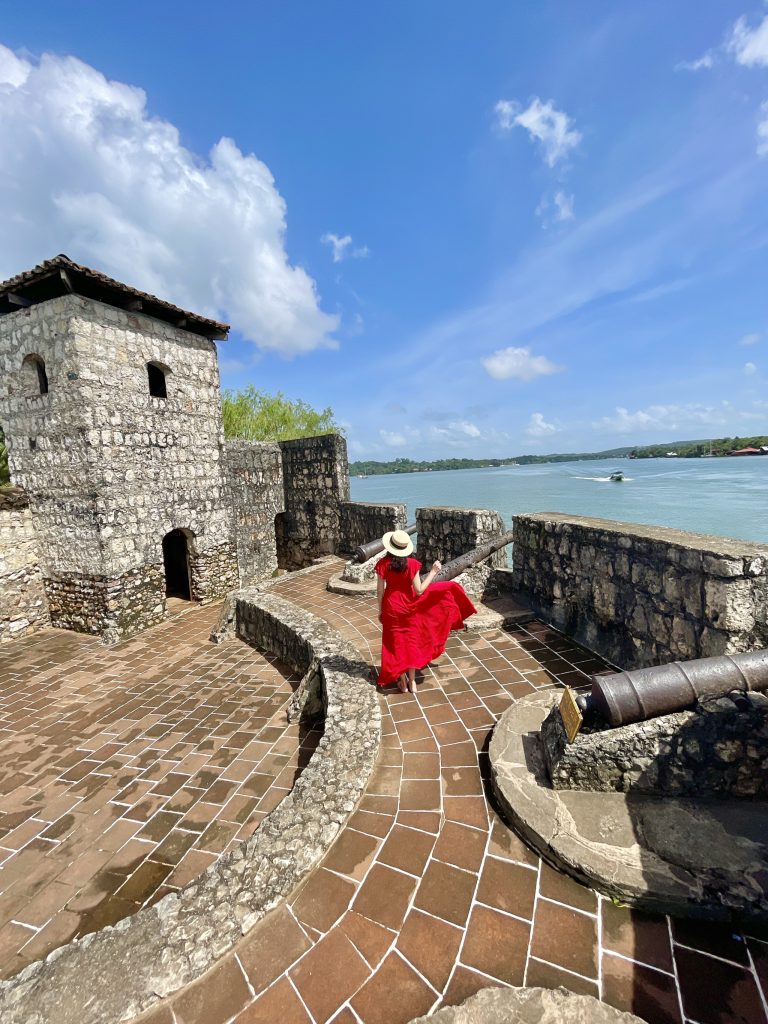
💡 Getting there: By car from Río Dulce town, it is about 15 minutes, with parking near the entrance. You can also go by colectivo, tuk-tuk, or boat depending on where you are staying. Entrance fees have recently been reported around Q75 for foreigners and Q25 for Guatemalans, but confirm locally before you go because prices and payment options can change.
ADVENTURE
El Boquerón
Northwest of Lake Izabal, near El Estor, the Río Sauce cuts through limestone cliffs and forms a narrow canyon called El Boquerón. This is one of my favorite kinds of Guatemala stops: simple, dramatic, local, and still easy to miss if no one tells you to look for it.
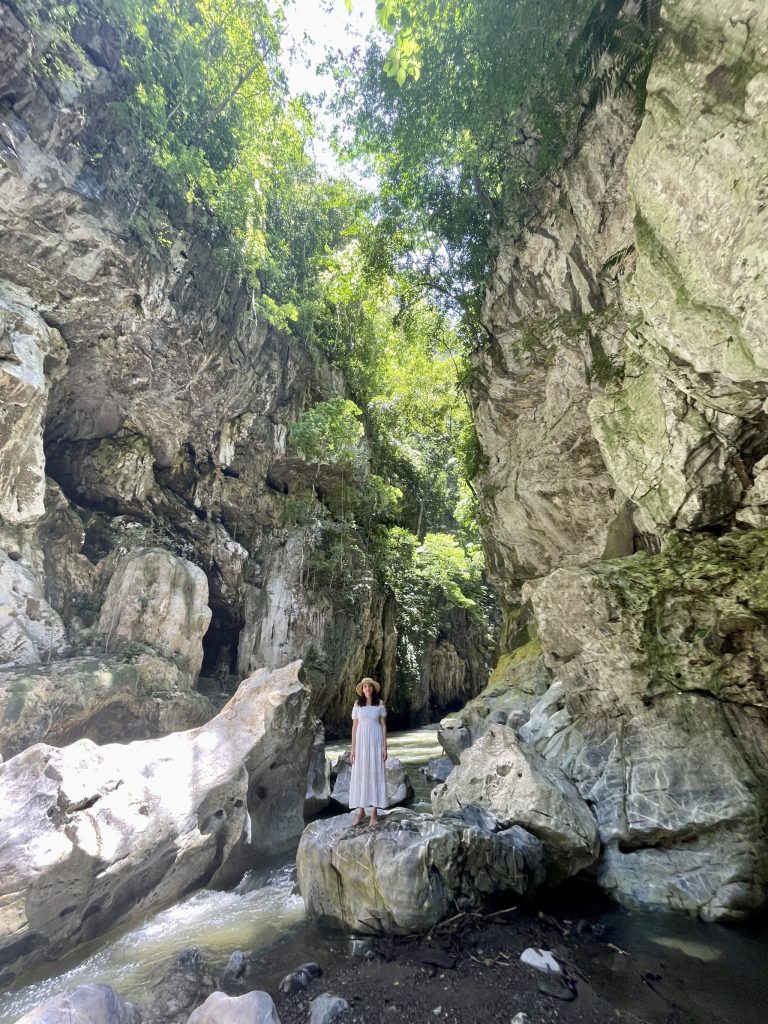
You pay a small entrance fee, then a local boatman paddles you upriver between jungle-covered walls before dropping you at a rocky swimming area. When the water is low enough and conditions are safe, strong swimmers can explore deeper into the canyon. I would bring water shoes, cash, mosquito repellent, and a relaxed attitude. This is not a polished theme-park stop, and that is exactly why it is worth doing.
I am putting together a full guide to El Boquerón with everything you need to plan the trip, and I will link it here once it is live.
HOT SPRINGS
Finca El Paraíso
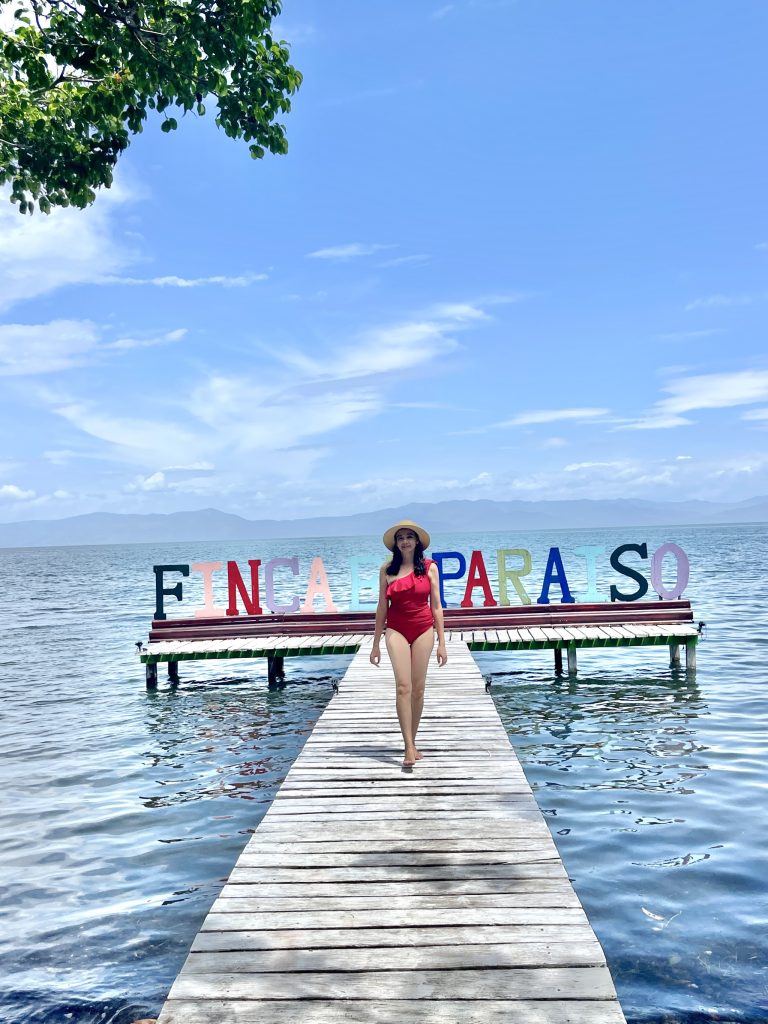
Finca El Paraíso is one of those places that sounds almost fake until you are standing there: hot spring water dropping over a rock ledge into a cool river pool. It is along the north shore of Lake Izabal, between Río Dulce and El Estor, and it pairs really well with El Boquerón if you are already going that direction.
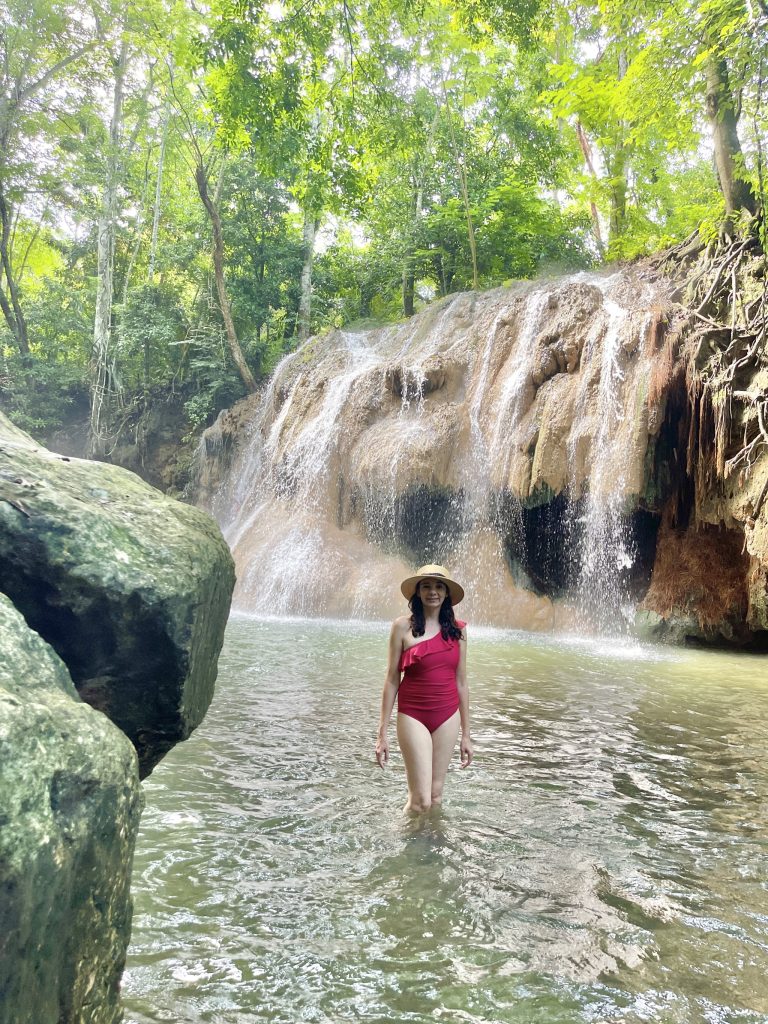
The contrast is the whole magic. You can stand under warm water, then move into the cooler current below. There is also a small cave tucked behind the falls, and local guides can usually show you where the water is hotter upstream. I would go earlier in the day if you want a quieter visit, and I would absolutely bring water shoes because the rocks can be slippery.
Entrance fees are low but can change, so bring cash. There is also a restaurant and lake access across the road, which makes this an easy stop to turn into a half-day outing. A full guide to Finca El Paraíso, with everything from getting there to what to skip, is coming soon and will link here.
COMMUNITY TOURISM
Reserva Natural Cañón Seacacar
Near El Boquerón, Reserva Natural Cañón Seacacar is a Q’eqchi’ Maya community tourism project that I think deserves more attention than it gets. The community offers lodging, food, river activities, hiking, cave visits, and local guiding in a way that keeps more money in the area instead of sending it to an outside owner.
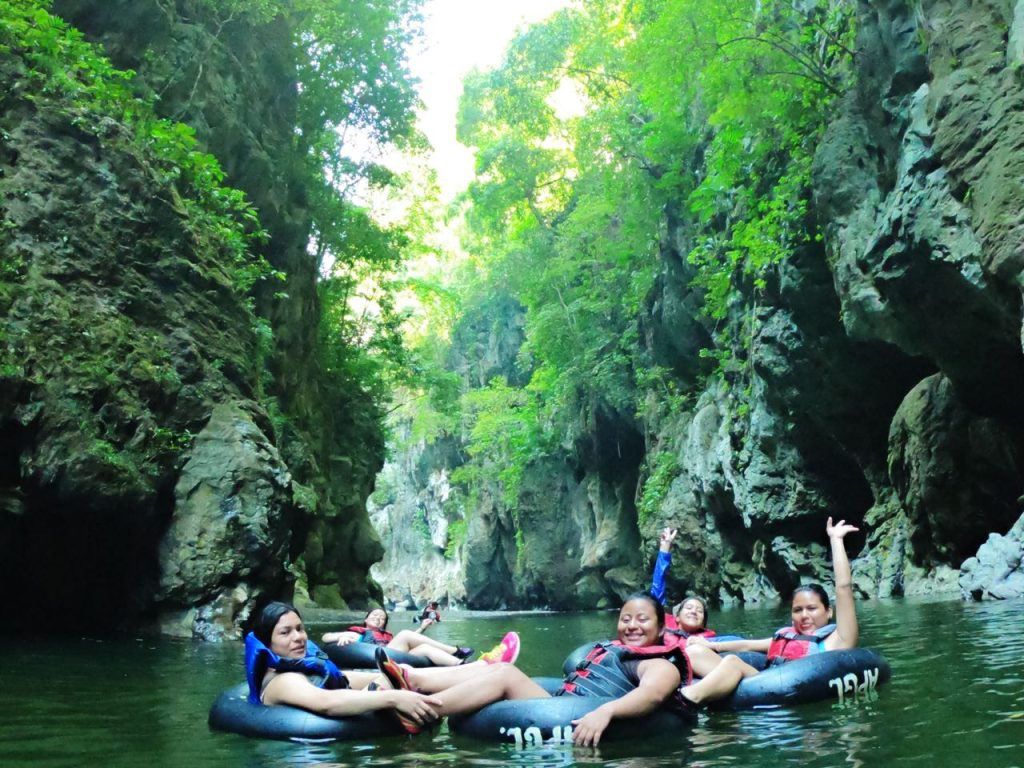
You can stay overnight in simple cabins or arrange activities like tubing, canoeing, hanging bridge walks, and hikes to caves or viewpoints. This is not a luxury stop, and I would not describe it that way to a client. It is community tourism, and that is exactly why I think it belongs in this guide. If you read my guide to community tourism in Guatemala, this is the kind of project I want more travelers to know about.
MAYA RUINS
Quiriguá
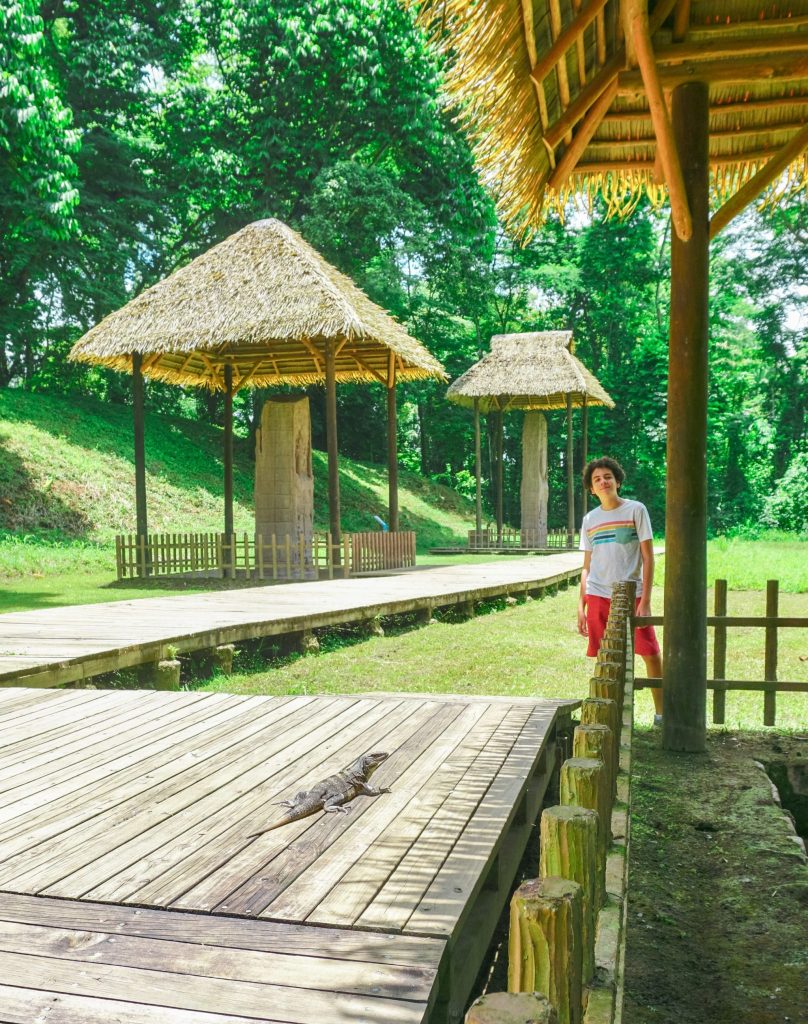
About an hour from Río Dulce, just off the CA-9 highway and surrounded by banana plantations, sits Quiriguá, a UNESCO World Heritage Site and one of the most important carved-stone sites in the Maya world. It is smaller and far less visited than Tikal, but that is part of why I love it. You can actually slow down, read the carvings, and stand in the plaza without fighting crowds for space.
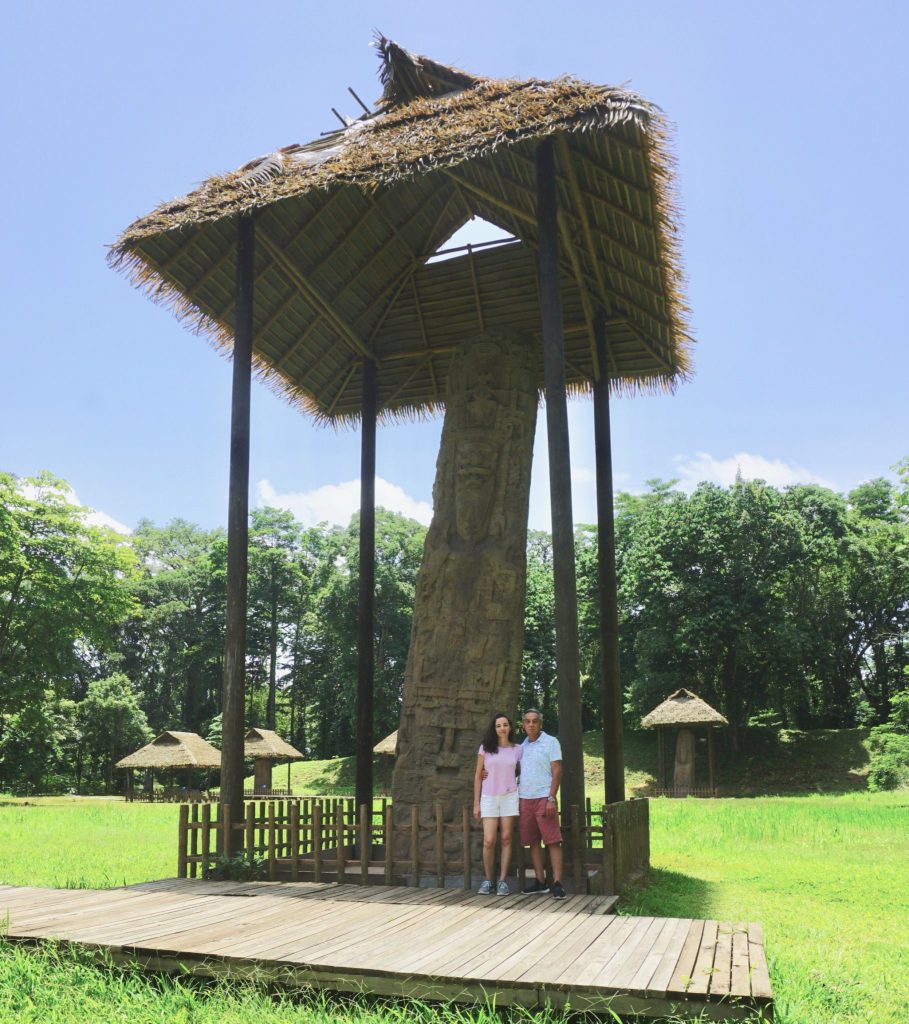
Quiriguá is especially famous for its tall carved stelae, including Stela E, one of the tallest known carved monuments in the Maya world. The site rose to power in the 8th century after breaking away from Copán, and the carvings here are some of the best sources for understanding Maya politics, rulers, calendars, and regional power.
I would not send someone here expecting pyramids like Tikal. That is not the point. Quiriguá is about carved monuments, history, and context. It works beautifully either as a stop on the drive in from Guatemala City or as a half-day trip from Río Dulce.
✨ LOCAL TIP
Quiriguá is not a substitute for Tikal. It is a completely different kind of Maya site. Go for the carved monuments and history, not for pyramids rising above the jungle.
📌 PLANNING QUIRIGUÁ?
Quiriguá is easy to add as a stop between Guatemala City and Río Dulce, but it helps to know what you are looking at before you go. I have a full guide to visiting the Quiriguá Maya ruins with more history, practical tips, entrance information, and advice for making the stop worthwhile.
IN TOWN
Hacienda Tijax and Ak’Tenamit
You do not have to leave Río Dulce town to fill a full day, which is helpful if you arrive tired from the road and do not want to immediately start organizing another excursion. Hacienda TijaxHacienda Tijax is built over the wetland on a series of connected wooden docks, with nature trails, hanging bridges, kayaking, horseback riding, and access to the river. Even if you are not staying there, I think it can be a useful stop if you want a jungle walk without turning the whole day into a big production.
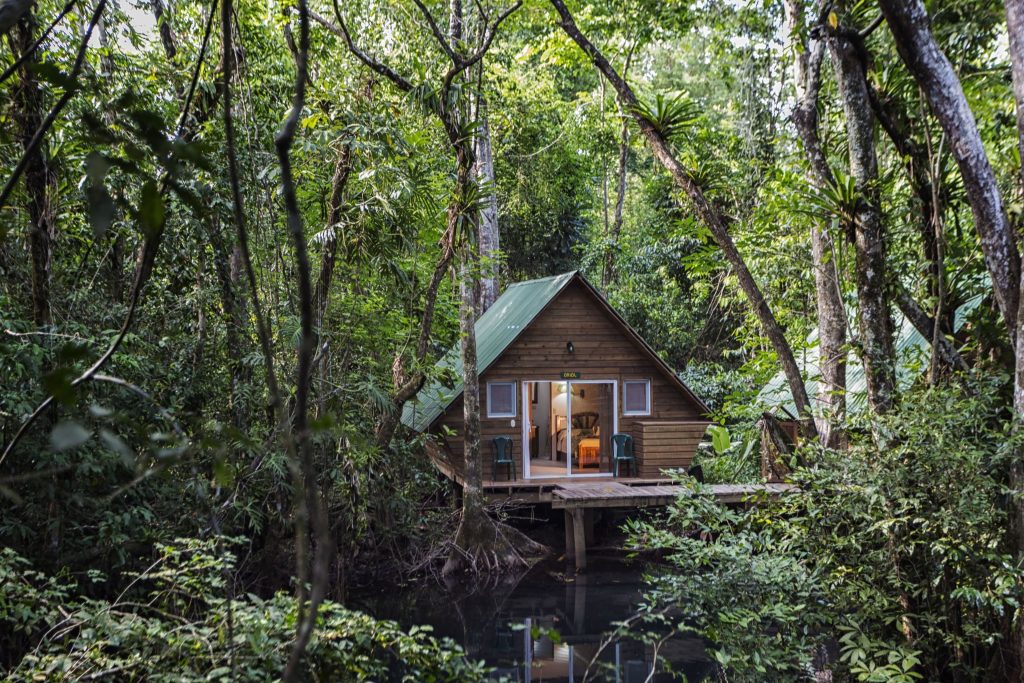
The trail through the property gives you a taste of the wetland environment that makes this area so different from the highlands. Expect heat, humidity, insects, and muddy patches depending on the season. This is not a manicured botanical garden, and I would not describe it that way. It is a real tropical river environment, and that is part of why it works.
Ak’Tenamit is another project worth knowing about near Río Dulce. It combines tourism activities with education and community development work, including support for Maya youth from the surrounding region. Depending on what is operating when you visit, you may find zipline activities, kayaking, hot springs, community visits, or cultural experiences arranged by boat. I would confirm what is currently available before promising it to kids or building your whole day around one specific activity.
💡 Worth knowing: Activities in this region can shift by season, weather, water levels, and staffing. Before building a day around a specific trail, zipline, kayak route, or community visit, confirm directly with the property or your hotel that it is currently running.
THE LAKE
Lago de Izabal
Lago de Izabal is Guatemala’s largest lake, but please do not come here expecting Lake Atitlán. That comparison sets you up for disappointment because they are completely different places. Izabal is warmer, flatter, greener, more humid, and much more Caribbean in feeling. There are no volcano views or highland villages around the lake. Instead, you get working towns, fishing communities, mangroves, warm water, lake beaches, hot springs, and a route that connects naturally with Río Dulce and Livingston.
Two lake beaches, Playa Dorada and Playa Escondida, are often mentioned around the village of Izabal. They can be fine if you are already nearby, but I would not build a whole Guatemala itinerary around either one. The stronger reason to spend time around the lake is that it connects so many other stops: Castillo de San Felipe, Finca El Paraíso, El Boquerón, El Estor, and the road toward the Caribbean.
Denny’s Beach, near Mariscos, is the lake beach that comes up most often when travelers are looking for a swim-focused stop. It is reachable by boat and can be a fun, low-key place for warm shallow water, kayaking, and a very different lake experience from Atitlán. Just go in with realistic expectations. This is not a polished resort beach, and reviews can vary depending on upkeep, season, and what you are hoping to find.
✨ LOCAL TIP
Do not compare Lake Izabal to Lake Atitlán. Izabal is better for warm water, jungle, hot springs, boat access, and a slower Caribbean-side rhythm. Atitlán gives you volcano drama. Izabal gives you heat, river life, and a totally different flavor of Guatemala.
THE CARIBBEAN COAST
Livingston
There are no roads into Livingston. You arrive by boat, either down the Río Dulce canyon from Río Dulce town or across the bay from Puerto Barrios. That isolation is part of what has kept Livingston culturally distinct from the rest of Guatemala, and it is also why you need to think through your timing instead of assuming you can come and go whenever you want.
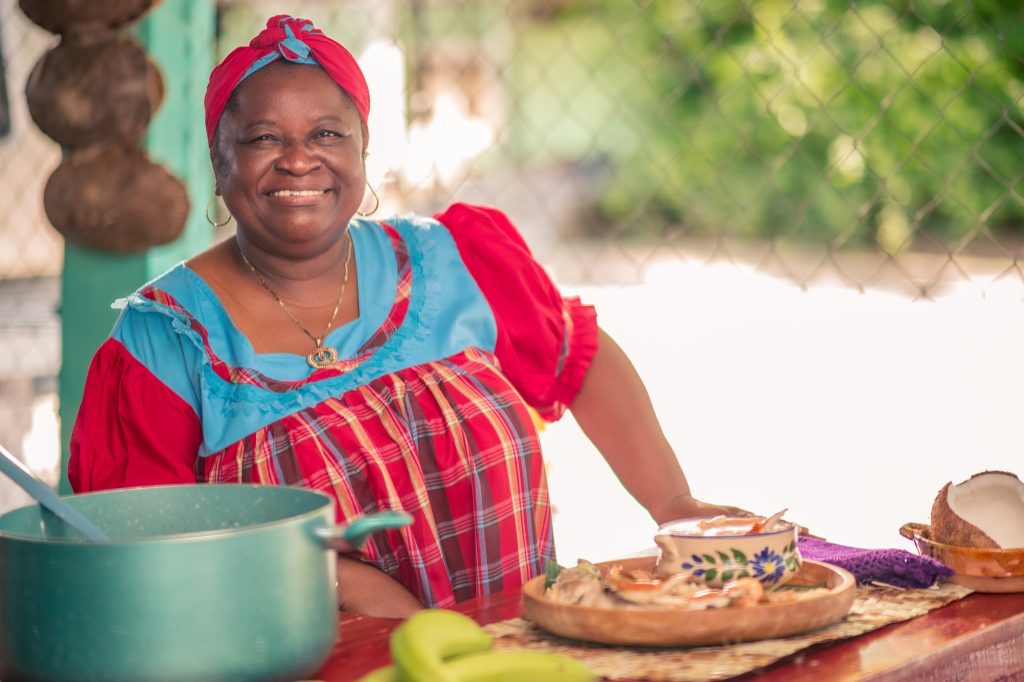
Livingston is the center of Guatemala’s Garífuna community, with Afro-Caribbean roots, its own language, music, food, and coastal history. It feels nothing like Antigua, Atitlán, or Tikal, and that is exactly why I think it belongs in a more complete Guatemala itinerary. This is not the place I would go looking for polished streets or a perfectly packaged tourist experience. I would go for tapado, music, boats, humid Caribbean air, and a side of Guatemala most visitors never really get to understand.
This is where you should eat tapado, the coconut milk seafood stew most closely tied to Guatemala’s Caribbean coast. It is usually made with fish, shrimp, crab, plantain, yuca, and coconut broth, though every cook has their own version. I have a full tapado recipe and history guide if you want to understand the dish before or after your trip.
You may also hear about güifiti, a root-and-herb-based Garífuna liquor that locals often describe as medicinal or energizing. Try it with curiosity and respect, not like a party shot. It is strong, and it carries cultural meaning beyond being something to drink.
⚠ SIETE ALTARES
Siete Altares is a series of jungle pools and small waterfalls near Livingston. It can be beautiful, especially when there is enough water running, but I would not walk the beach trail alone or in a tiny group. Go during daylight, ideally with other travelers, a local guide, or by boat, and avoid carrying valuables. This is not meant to scare you off; it is simply one of those places where local safety advice matters.
Playa Blanca is the Caribbean beach most travelers are picturing when they imagine this coast: white sand, clearer water, and a much more classic beach feel than anything on Lake Izabal. It is usually reached by boat from Livingston and works best as a day trip, unless you are specifically looking for a very quiet beach-focused stay.
💡 Livingston tip: Spend at least one night if you can. A rushed day trip lets you see the river and eat lunch, but staying overnight gives you a better feel for the town once the day visitors leave.
WHAT TO EAT
What to Eat in Río Dulce, Lake Izabal, and Livingston
Food is one of the best reasons to slow down in Izabal. This part of Guatemala does not eat like Antigua or the highlands, and that is one of the things I love about it. Here, the food is warmer, more Caribbean, more river-and-lake focused, and built around fish, coconut, plantains, yuca, seafood, and whatever came in fresh that day.
Tapado
Tapado is the dish I would not leave Livingston without trying. It is a Garífuna coconut milk seafood stew usually made with fish, shrimp, crab, plantain, yuca, and herbs. Every restaurant and every cook has their own version, so do not expect it to taste exactly the same everywhere. The best versions feel rich, comforting, and deeply tied to this coast.
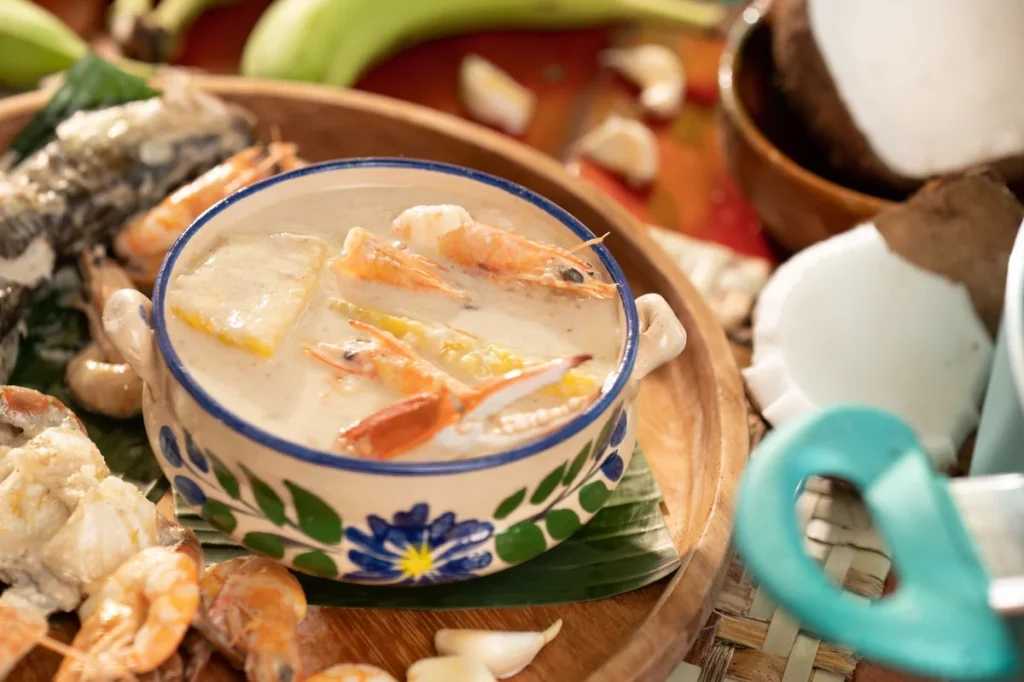
For more background, I have a full tapado recipe and history guide if you want to understand the dish before or after your trip.
Mojarra Frita
Around Lake Izabal and Río Dulce, mojarra frita is one of the easiest and most satisfying meals to order. It is usually served whole and crispy, with rice, salad, tortillas, lime, and often plantains or fries. This is not fancy food, and that is exactly the point. It is the kind of meal that tastes best next to the water, especially after a boat ride, swim, or hot spring stop.
Seafood, Coconut, Plantains, and Yuca
You will also see grilled fish, fried shrimp, seafood soups, rice cooked with coconut, fried plantains, yuca, and simple lakefront or riverside plates that make much more sense here than they would in the highlands. In Livingston, the Garífuna influence is strongest. Around Lake Izabal, the food leans more toward freshwater fish and casual lake restaurants.
✨ LOCAL TIP
If you only have one food stop, make it tapado in Livingston. If you are staying around Lake Izabal or Río Dulce, order mojarra frita somewhere by the water. Those two meals give you the clearest sense of how different this region tastes from the rest of Guatemala.
DINING ON THE RIVER
Restaurante El Viajero
Somewhere between Río Dulce and Livingston, accessible by boat, sits Restaurante El Viajero. This is the kind of place that makes sense in this region: arrive by water, order tapado or seafood, swim while you wait, and let lunch become part of the river day instead of just a stop between activities.
If you are staying nearby, especially around Finca Tatín or another river lodge, ask whether you can kayak there. Some travelers turn it into a slow afternoon on the water instead of arriving by motorboat. Just confirm current hours before going, because small riverside restaurants can change schedules without much notice.
If you keep heading toward the coast from here, ask your captain about Río Cololí, a quieter mangrove-lined tributary that many standard boat transfers skip. It is not always included, but it can be a lovely detour if you have time and the water level is right.
THE GATEWAY TOWN
Puerto Barrios
Puerto Barrios is mostly a working port city and transportation hub, not the reason I would send someone to Izabal. But it does matter logistically. Boats to Livingston leave from here, and travelers heading toward Belize sometimes pass through on their way to Punta Gorda. If your route uses Puerto Barrios, I would treat it as a connection point rather than the main destination.
That said, the area around Puerto Barrios is not without nature. Cerro San Gil protects rainforest, waterfalls, natural pools, and a huge number of bird species, making it a better use of extra time than wandering the port area with no plan. Punta de Palma is another option for a quick beach escape if you are already based nearby.
Want To Get This Right?
There Are a Lot of Moving Pieces Out Here
Boat transfers, river lodges, hot springs, Quiriguá, Livingston, and how to fit all of it between Guatemala City, Tikal, or the highlands: this is exactly the kind of route where a little planning makes the trip feel easy instead of exhausting.
WHERE TO STAY
On the River and Lake Side
Where you stay changes the whole trip. A hotel in Río Dulce town gives you easier road access, restaurants, ATMs, and transportation. A river lodge gives you more atmosphere, more nature, and more boat logistics. Neither is automatically better. It depends on your route, budget, and how much independence you want.
|
⭐ JUNGLE AND WETLAND Hotel Hacienda Tijax Rooms built over the wetland on connected docks, with trails, activities, and a more nature-focused feel right near Río Dulce town. I like it most for travelers who want convenience but still want to feel surrounded by the river landscape. |
⭐ MARINA VIEWS Hotel Catamarán A classic riverside option with easy access to the marina, the town, and boats heading toward the Castillo and the canyon. This can be a good fit if you want the river without feeling too isolated. |
|
⭐ FAMILY-FRIENDLY Banana Palms Hotel A resort-style option with a pool, restaurant, and more space for families who want a comfortable base between boat trips. This is the kind of place I would consider if easy downtime matters. |
⭐ CASTILLO VIEWS Hotel Mansión del Río A good option if you want views toward Castillo de San Felipe and a quieter riverside setting outside the busiest part of town. |
Two more places deserve an honest mention even without a bookable link here: Tortugal Boutique River Lodge and El Hotelito Perdido are consistently loved by travelers looking for a more river-lodge feel. They usually make more sense for people who want nature, kayaks, quiet evenings, and boat access over town convenience. Book directly or through the platform they currently use, and confirm pickup details before arrival.
WHERE TO STAY
Livingston and the Caribbean Side
If Garífuna culture, tapado, Siete Altares, Playa Blanca, and the Caribbean coast are your priority, base yourself closer to Livingston instead of staying only in Río Dulce town. The tradeoff is that everything depends more on boats, so confirm arrival times and luggage logistics before booking.
|
⭐ IN TOWN Livingston Boutique Hotel & Marina A comfortable base in Livingston itself, with easier access to restaurants, boats, and town life than staying far outside the center. |
⭐ JUNGLE ECO-LODGE Hotel Finca Tatín Tucked on the Río Tatín between Río Dulce and Livingston, with kayaks, river access, family-style meals, and a more off-grid jungle feel. This is better for travelers who want atmosphere and are comfortable depending on boats. |
Most of this region is only reachable by boat, colectivo, or a combination of both. If you are also adding Quiriguá, El Estor, Puerto Barrios, or a longer Guatemala City road trip, a rental car can make the road portions easier, even though you will still rely on boats for the river and Livingston sections.

Planning the Whole Trip?
Río Dulce Pairs Well With More Than You’d Think
This area fits naturally into a longer route through Petén, or as a Caribbean-side add-on to a highlands trip through Antigua and Atitlán. If you want help figuring out where it fits in your own timeline, that is exactly the kind of question I answer for travelers.
QUESTIONS PEOPLE ASK
Common Questions About Río Dulce
Is Río Dulce, Guatemala worth visiting?
Yes, especially if you want to see a warmer, greener, more Caribbean side of Guatemala. Between the canyon boat ride, Castillo de San Felipe, Finca El Paraíso, Quiriguá, Lake Izabal, Livingston, and the food, I think there is enough here for two to four days without repeating the same kind of experience.
How many days do you need in Río Dulce?
Two nights is the minimum I would recommend. Three nights is better if you want the river canyon, hot springs, Quiriguá or El Boquerón, and a less rushed connection to Livingston. Four nights works well if you want to split your stay between Río Dulce and Livingston.
Is Río Dulce safe?
The main tourist areas, river lodges, hotels, and organized boat routes are generally manageable with normal Guatemala travel precautions. I would use trusted transportation, avoid isolated areas after dark, keep valuables low-key, and follow local guidance for specific places like Siete Altares or remote river trails.
Can you swim in the Río Dulce?
Sometimes, but I would choose the spot carefully. Water quality changes by location, season, and recent rain. Swim where your hotel or guide vouches for that exact place, avoid river mouths and unfamiliar side channels, and do not swallow the water. For most travelers, the hot springs, hotel swimming areas, and certain Lake Izabal beaches are more reliable.
What food is Río Dulce and Livingston known for?
Livingston is best known for tapado, a Garífuna coconut seafood stew. Around Río Dulce and Lake Izabal, look for mojarra frita, grilled fish, shrimp, coconut rice, plantains, yuca, and simple lakefront seafood meals.
How long is the boat ride from Río Dulce to Livingston?
The boat ride usually takes around one to two hours, depending on whether you are taking a direct transfer or a slower sightseeing boat with stops at places like Aguas Calientes, the water lilies, or other river points of interest.
Is Livingston worth visiting?
Yes, especially if you are interested in Garífuna culture, Caribbean food, tapado, music, and a very different side of Guatemala. A day trip works, but one overnight gives you a better feel for the town beyond the lunch stop.
Do people speak English in Livingston?
Some people do, especially in hotels, boat services, and restaurants that work with travelers, but I would not assume English everywhere. Spanish is the most useful language for visitors, and you will also hear Garífuna spoken around town.
What is Izabal known for?
Izabal is Guatemala’s Caribbean department, known for Lake Izabal, Río Dulce, Livingston, Garífuna culture, Castillo de San Felipe, Quiriguá, Puerto Barrios, Santo Tomás de Castilla, hot springs, and humid tropical landscapes that feel completely different from the highlands.
Why is Quiriguá famous?
Quiriguá is famous for its carved Maya stelae and zoomorphs, including one of the tallest known carved monuments in the Maya world. It is a UNESCO World Heritage Site and a very worthwhile stop if you are driving between Guatemala City and Río Dulce.
How do you get to Río Dulce from Guatemala City?
By car, I would plan on a long travel day via CA-9 and CA-13, often around seven to eight hours with traffic and stops. Coach buses and shuttles also connect Guatemala City with Río Dulce, but confirm current schedules before planning around a specific departure.
KEEP READING
More Río Dulce and Izabal Travel Guides
|
COMMUNITY TOURISM Cañón de Seacacar Natural Reserve in Guatemala: A Complete Guide |
Related Reading
|
MAYA RUINS |
|
This Is My Country
Let Me Help You See It the Right Way
From the boats to the hotels to the hot springs and the stops worth skipping, I plan Guatemala trips around what is actually worth your time. If Río Dulce is on your list, I would love to help you get the most out of it.
Río Dulce does not announce itself the way a volcano does. You have to slow down to see what it is offering. Most people who do never forget it.

- Why You Should Visit Malaysia: Top Reasons to Explore This Underrated Southeast Asian Destination - April 18, 2017
- Guatemalan Tapado Recipe - April 6, 2017
- Río Dulce, Guatemala: A Local’s Complete Guide - April 6, 2017

