This post is also available in:
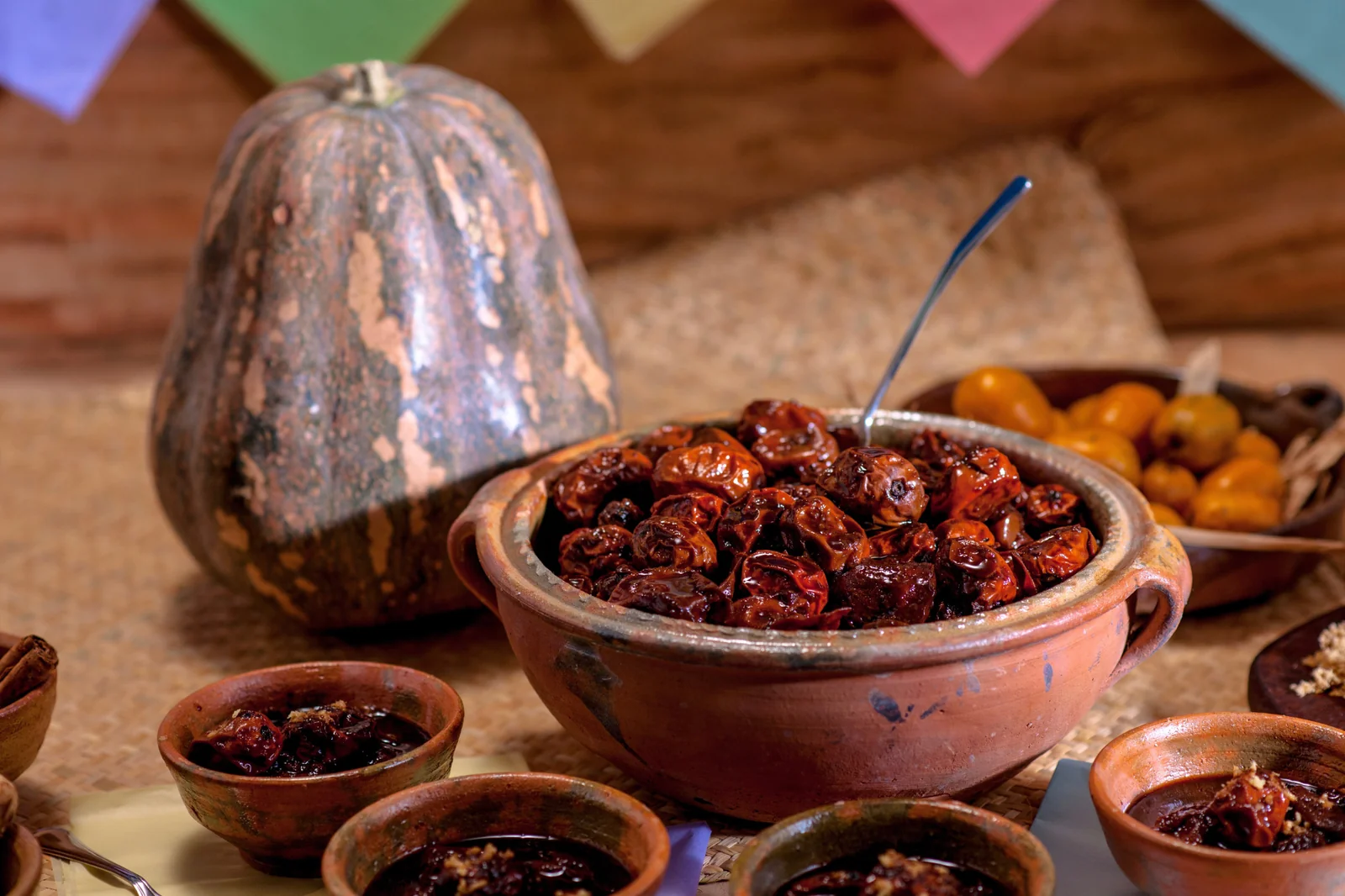
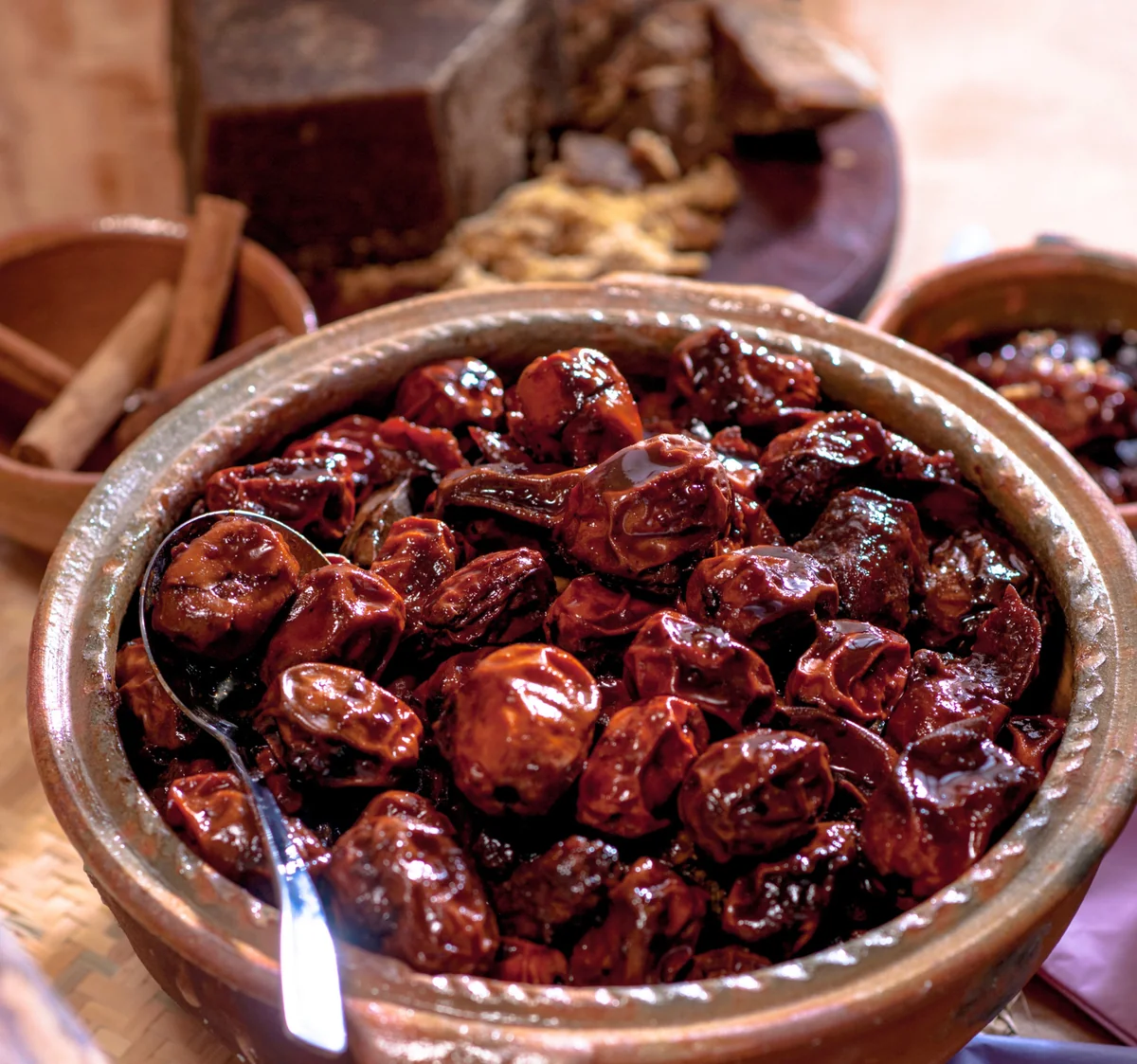
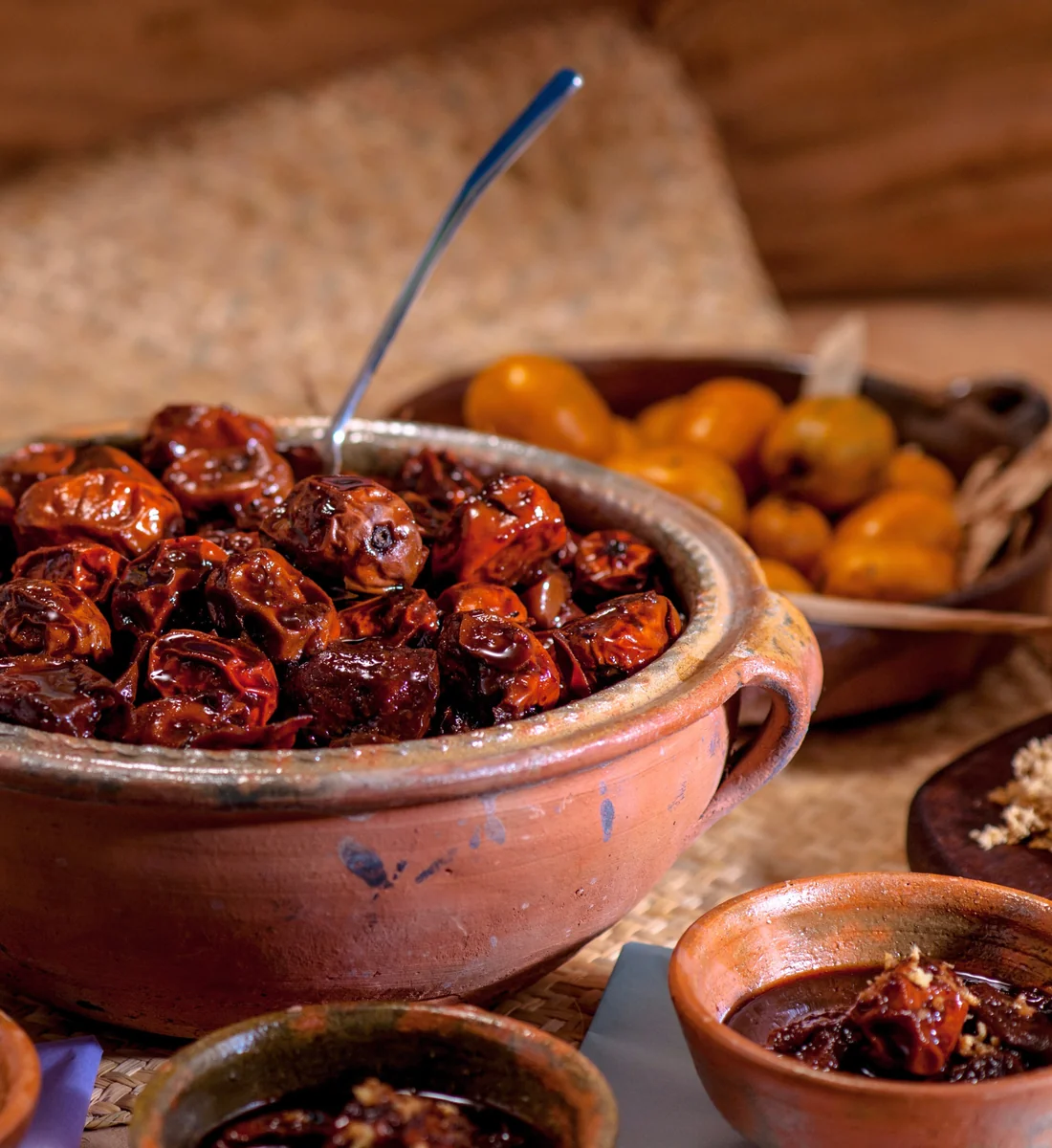
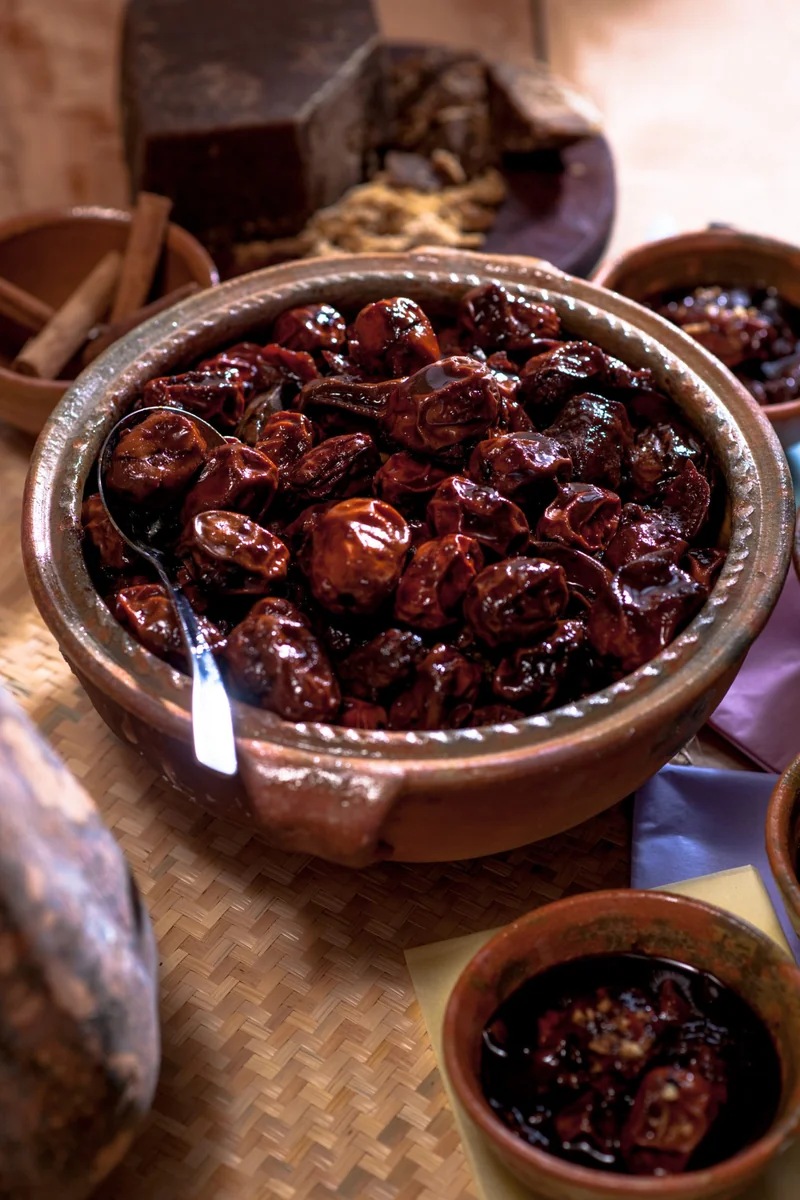
Jocotes en miel is a Guatemalan dessert made from jocotes, small, tart tropical fruits also called hog plums or red mombins, simmered whole in a dark panela syrup with cinnamon and cloves until they turn soft and candied. Five ingredients, one pot, and a slow afternoon of simmering. They go on the table on November 1st for el Día de los Muertos, right after the fiambre, and the syrup is so good you drink it straight from the bowl. So, surprise your family with this traditional Guatemalan dish you can now enjoy any day!
This article contains affiliate links. If you buy something through one of my links, I may earn a small commission at no extra cost to you. I only recommend products and services I have personally used or vetted.
What Is a Jocote?
A jocote (Spondias purpurea) is a small tropical fruit in the same family as the mango and the cashew. In English, it goes by hog plum, red mombin, Spanish plum, or Jamaica plum, though it isn’t related to the northern plum at all. It’s about the size of a large grape to a small egg, with thin, waxy skin that ripens from green to red, orange, or deep purple. A big seed takes up most of the middle, and a flavor that swings from mouth-puckering sour when green to sweet and almost mango-like when ripe.
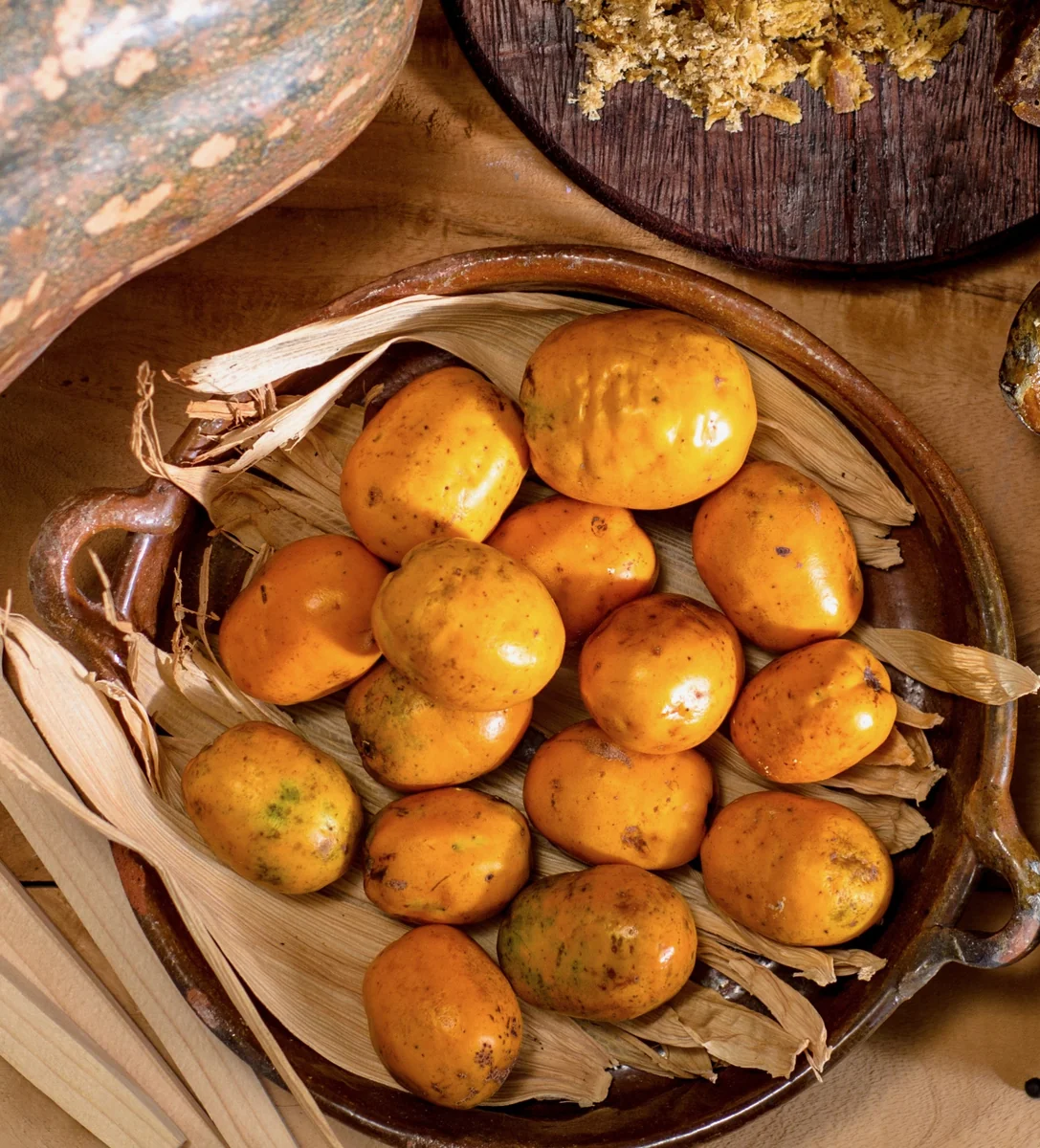
The word jocote comes from the Nahuatl xocotl, which simply means “fruit.” There’s more than one kind. In Guatemala, the jocote de corona is the prized variety, flatter and shouldered at the top, and jocote tronán is close behind. For this dessert, you want them ripe or close to it.
Jocotes en miel is a Guatemalan dessert prepared to take to the graveyard as part of the All Saints Day (Day of the Dead) food traditions on November 1st. The idea is that people bring food that doesn’t need to be heated or spoils easily when visiting the graves of family and friends at the cemetery. This is a symbolic gesture believed to entice deceased loved ones to return for a visit.
Where to find jocotes in the US
This is the part most recipes skip. Fresh jocotes are hard to find in the US and don’t ship well, so your best bet is the frozen fruit section of a Latin or Asian grocery, where they’re often sold whole and labeled jocote or ciruela. Some Caribbean and Filipino markets carry them frozen, too, sometimes under siniguelas. If you can only find them green, they’ll work, but the dessert will lean tart, so lean a little heavier on the panela.
Why It’s Called “En Miel” When There’s No Honey
There’s no honey in jocotes en miel. Miel here means the syrup, the dark panela liquid the fruit cooks down into, the same way Guatemalans use it for ayote en miel and garbanzos en miel. The dish is naturally vegan because of it. You’ll also hear it called jocotes en dulce, which means the same thing.
How to Make Traditional Guatemalan Jocotes en Miel
In case you have never tried jocotes, you are missing out. As a kid, I loved eating a raw jocote with a bit of salt, so delicious! Jocotes are also used in preserves or simmered into tasty desserts like this yummy Guatemalan dish. For this jocotes en miel recipe, I slowly boiled the hog plums into a rich almíbar (syrup) made with water, cinnamon, and sugar (although panela is typically used).
Ingredients for Jocotes en Miel
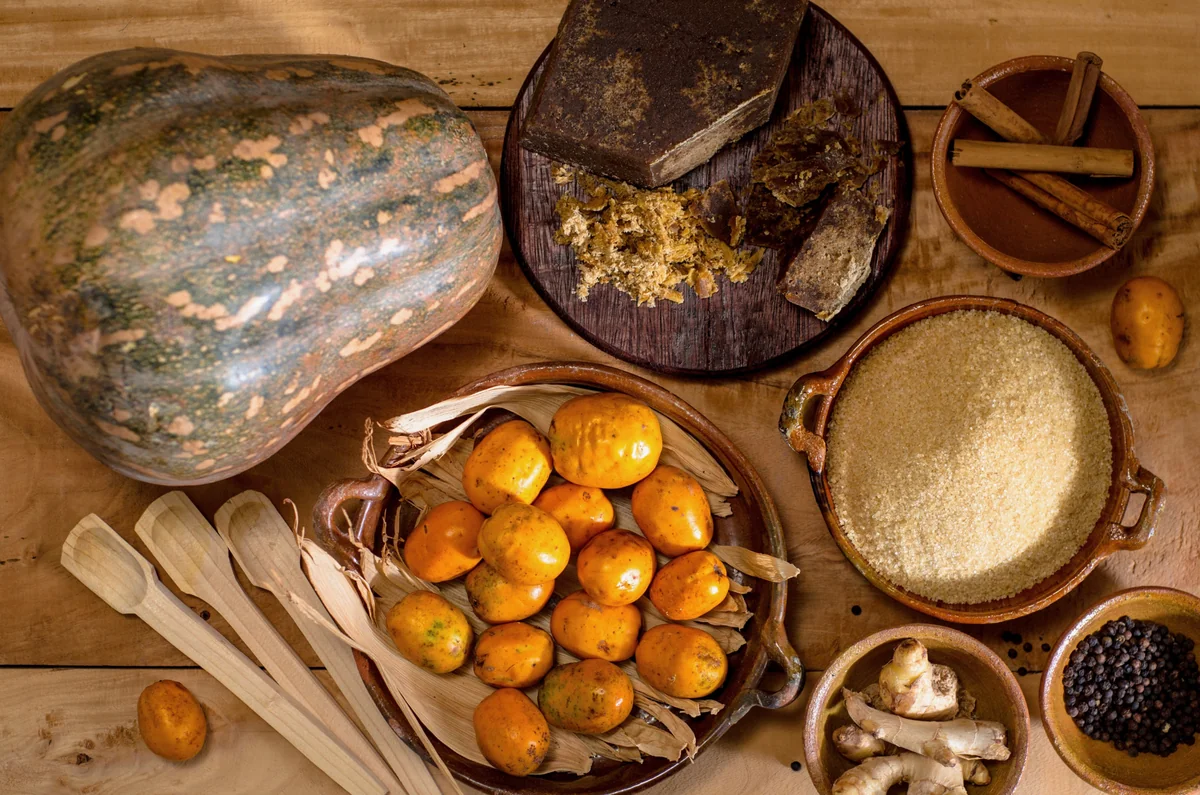
- 20 jocotes (hog plums or red mombins), fresh or frozen
- 1 liter of water, plus a little extra as it cooks down
- 2 cinnamon sticks
- 1 whole star anise
- 2 whole cloves
- ½ pound of panela (piloncillo), or plain granulated sugar
How to Make Jocotes en Miel
- Wash the jocotes and make three small cuts around each one with a knife. This keeps them from bursting the way cranberries do when cooked.
- In a large pot, bring the water to a boil. Add the jocotes, cinnamon sticks, star anise, and cloves.
- Cook over medium heat for about two hours, until the jocotes are soft and have opened up.
- Add the panela or sugar and cook over low heat for one more hour, without stirring, so that the fruit stays whole and soaks up the syrup.
- You can add a little more water if it’s reducing too fast, but go slow. You want a pourable syrup, not a runny one or a thick one.
- Serve warm or cold in a deep bowl with the syrup spooned over the top.
Tips for Making the Best Jocotes en Miel
- Short on time? Skip the knife cuts and just prick each jocote with a fork, or throw them in whole and let them split as they cook. Plenty of Guatemalans do!
- Not into star anise or cloves? Leave them out. But keep the cinnamon; it’s what gives the syrup that warm, woody flavor.
- Add water slowly as it simmers. The goal is a syrup you can pour, not one that’s as thin as water or as thick as jam.
- It’s better the next day. The fruit keeps soaking up syrup in the fridge, so I make it a couple of days ahead.
Make Ahead of Time
With this easy Guatemalan recipe for jocotes en miel, you can cook everything in one day! If you wish, you can also make it in advance and keep it in an airtight container in your refrigerator for up to 15 days.
I like to make this dish a couple of days in advance, since the simmering process can be a little time-consuming. And besides, having a sweet treat at hand when you are craving Guatemalan food is not a bad idea at all! The only problem is keeping my kids away until it is time to sit down and eat.
What to Serve with Jocotes en Miel?
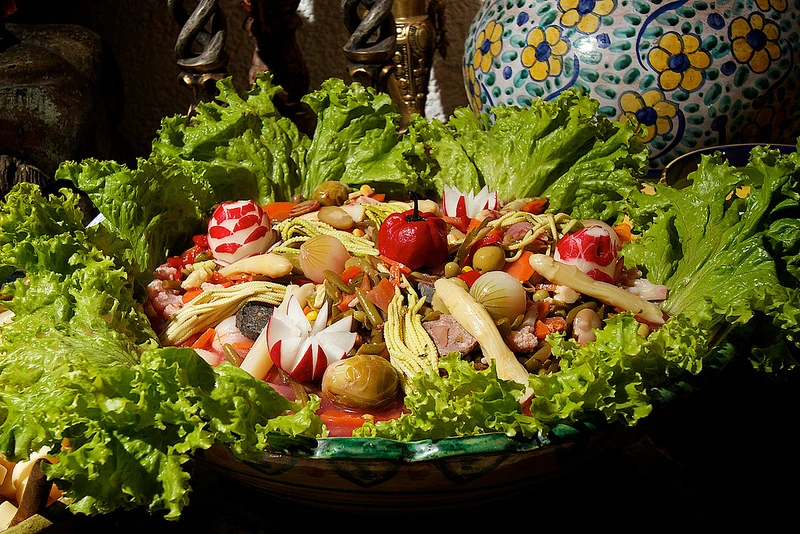
Since I have a sweet tooth, I find this traditional Guatemalan dessert to be the perfect ending to any big meal, especially after the traditional Guatemalan fiambre rojo. After the tanginess of the fiambre, the sweet taste of the syrup in jocotes brings the perfect balance to the meal. And with this recipe, now you don’t have to wait until November to have a bowl of delicious jocotes en miel.
What to Know About Jocotes en Miel
What does a jocote taste like?
Ripe jocotes taste sweet and a little like mango or plum, with a hint of tartness. Green ones are mouth-puckeringly sour, which is why most chapines eat them with salt and chili as a snack. For jocotes en miel, you want them ripe.
Do you peel jocotes before cooking them?
No. The skin stays on for jocotes en miel and softens as they simmer in the syrup. You cook them whole, pit and all, and eat around the seed when serving. When eating them fresh, most people eat the entire fruit, skin and all, and just work around the large seed inside.
What can I use if I can’t find jocotes?
There’s no perfect substitute since jocotes have their own tart-sweet flavor, but red plums or tart mirabelle plums come closest for cooking in syrup. The texture won’t be identical, but the sweet-tart balance works.
What is panela, and what can I use instead?
Panela is a cube of unrefined whole cane sugar, similar to Mexican piloncillo. It is obtained by boiling and evaporating sugarcane juice. It also goes by other names across Latin America, such as raspadura in Cuba and chancaca in Chile and Peru.
I used regular granulated sugar for this recipe, but you can substitute panela for a slightly different, more traditional taste. I have tried both versions, and honestly, I can’t tell the difference! The one thing I do know is that my kids love eating fresh jocotes while waiting for this syrupy dessert to be ready.
Where to Try Jocotes en Miel in Guatemala
Jocote season in Guatemala is loud: green ones sold in little bags with salt, chili, and pepita, hawked outside schools and at every bus stop, weeks before they ever make it into syrup. If you want to understand why this particular fruit shows up on the November table, my guide to Day of the Dead traditions in Guatemala walks through the whole day.
Other famous Guatemalan traditions, like flying the giant kites, also take place on All Saints Day, November 1st, which is a national holiday. And if you’d rather eat jocotes off a street cart than cook them, I plan custom trips through Guatemala around exactly that kind of food.
More Guatemalan Desserts for Day of the Dead
Satisfy your sweet tooth with the unique flavors of Guatemalan desserts! Here you will find a range of delicious treats perfect for Day of the Dead celebrations, from the savory rellenitos to crunchy barquillos. So, treat yourself to the irresistible sweetness of Guatemala’s finest desserts!
Guatemalan Molletes
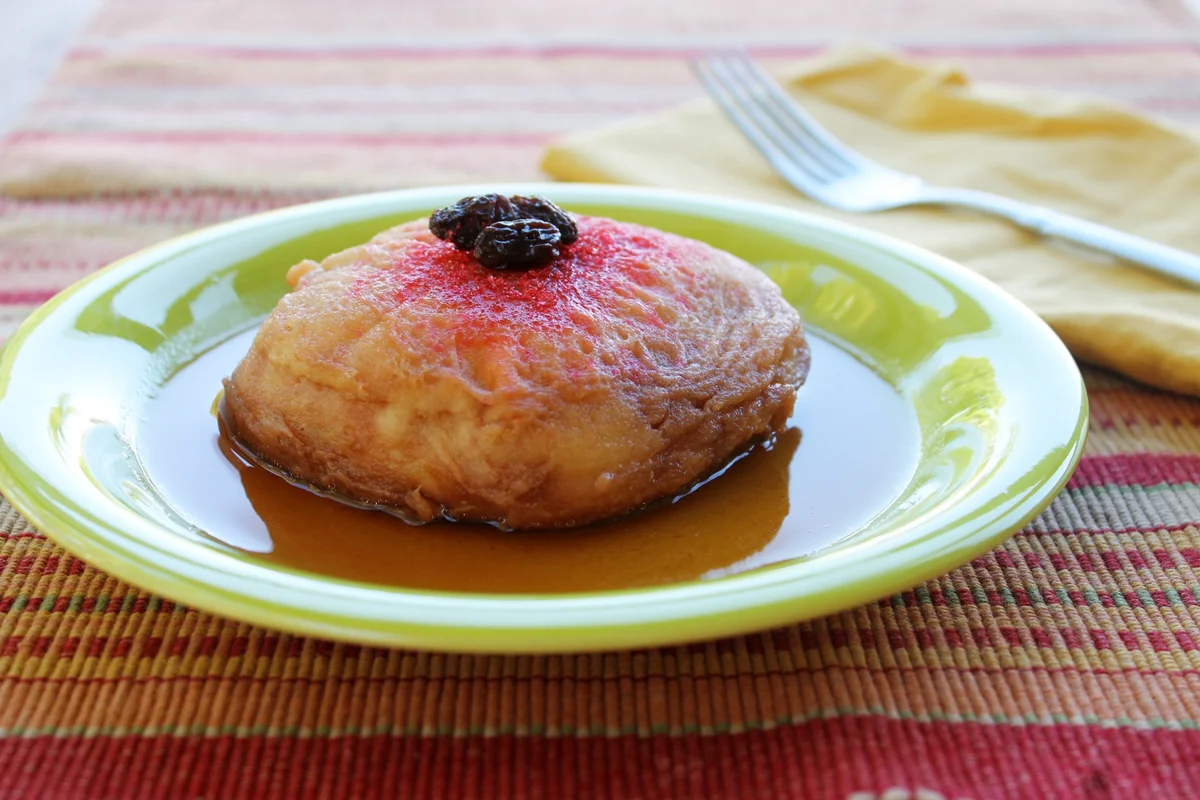
Guatemalan molletes are small custard-stuffed sweet bread rolls, fried like French toast and soaked in a rich syrup. They appear on Guatemalan tables during specific celebrations: Day of the Dead, Lent, Semana Santa, Christmas, and ferias.
Canillitas de Leche
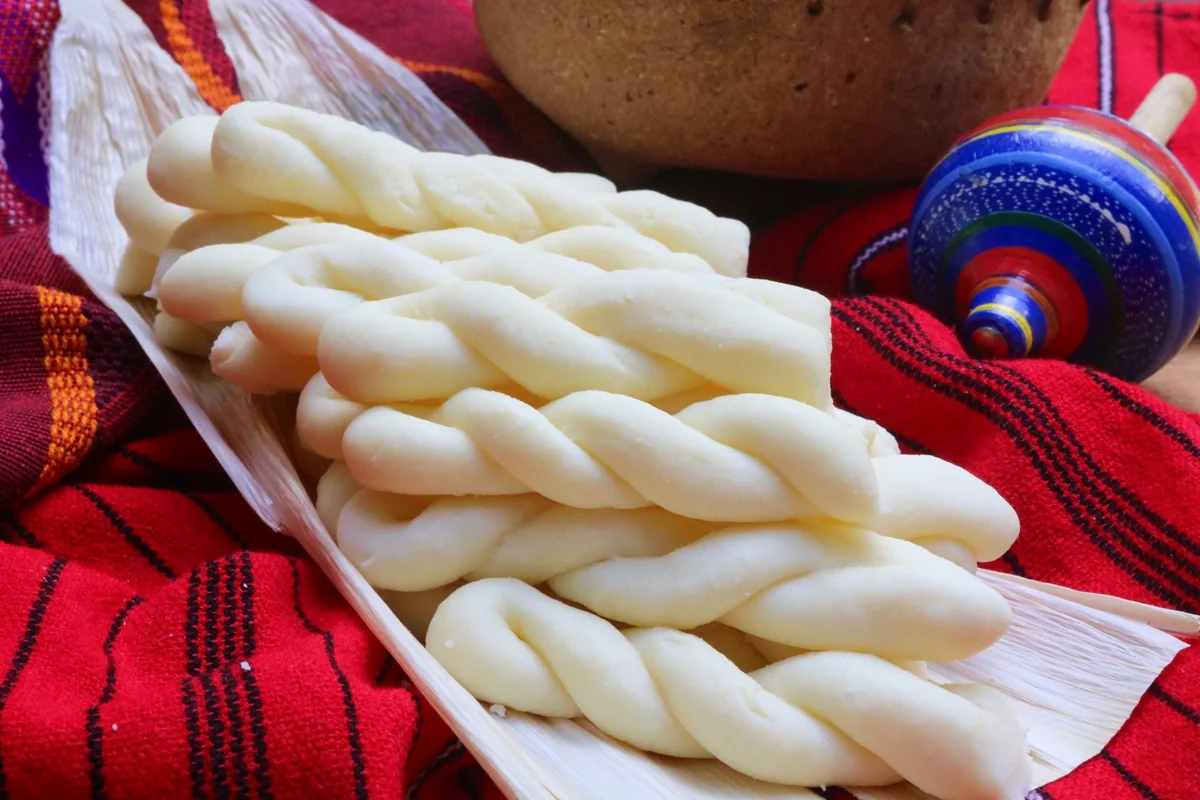
Try a quick, no-cook recipe for canillitas, a delicious 10-minute dessert that uses only three ingredients you already have in your pantry.
Barquillos
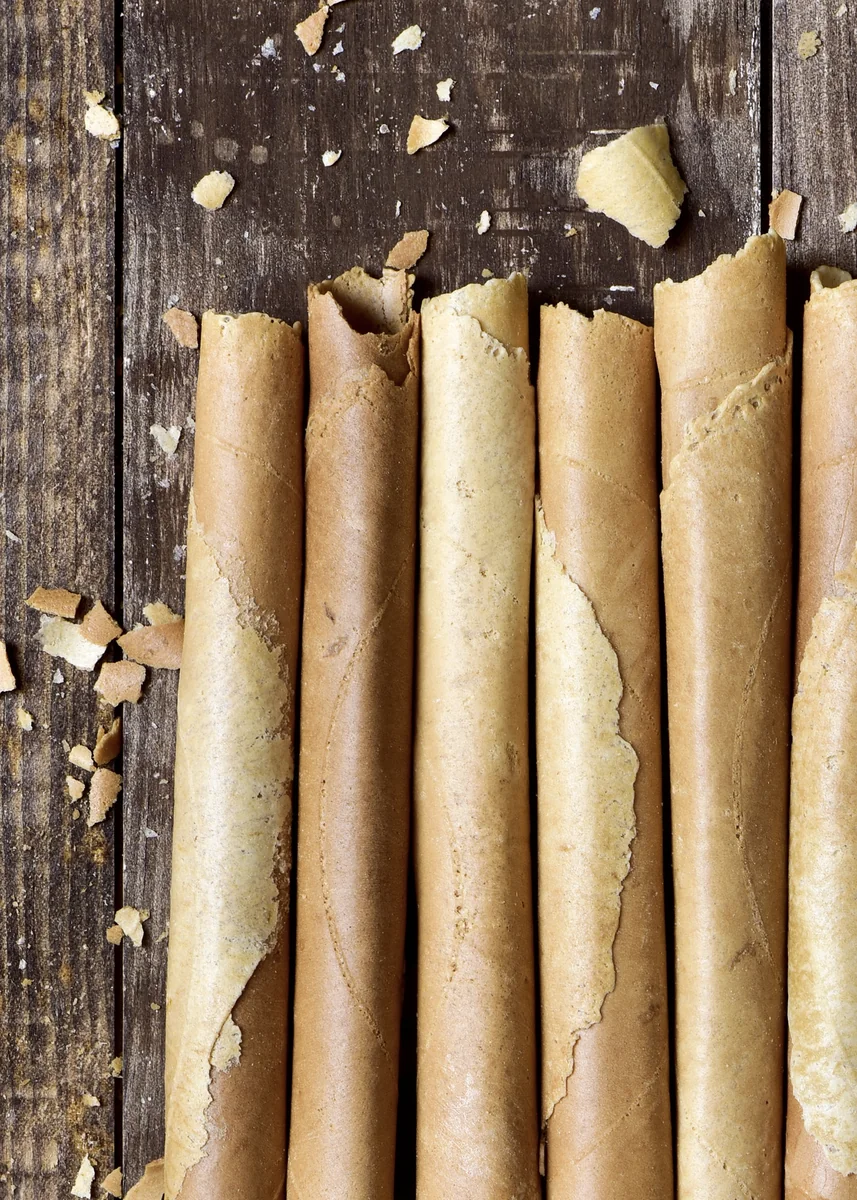
Indulge in the crispy delight of Guatemalan barquillos – delicate rolled wafer cookies with a sweet Latino flair. Whether paired with ice cream or enjoyed on their own, these treats are a must-try for any foodie looking to explore Guatemala’s diverse culinary scene.
Buñuelos
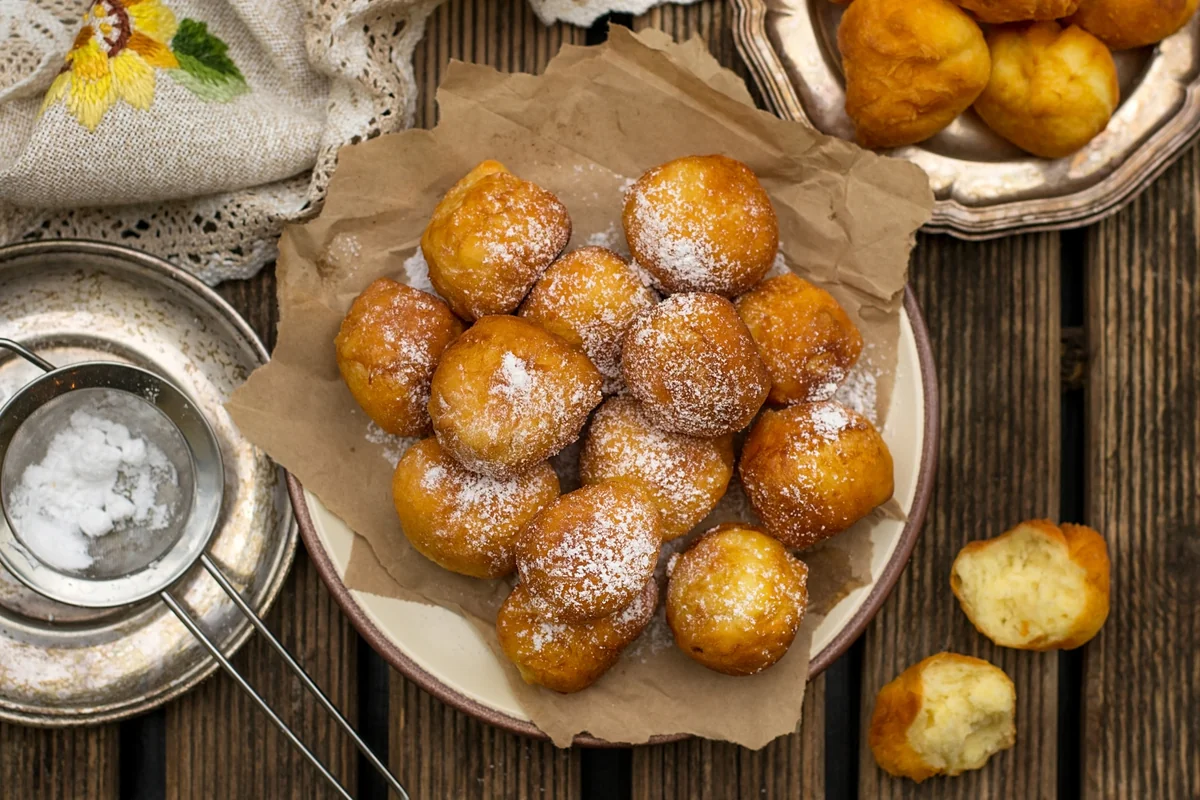
Guatemalan buñuelos are fried, wheat-based dough balls, crisp on the outside and soft on the inside, covered in white sugar. Serve this delicious Guatemalan dessert in a light syrup, your kids will love!
Rellenitos de Plátano
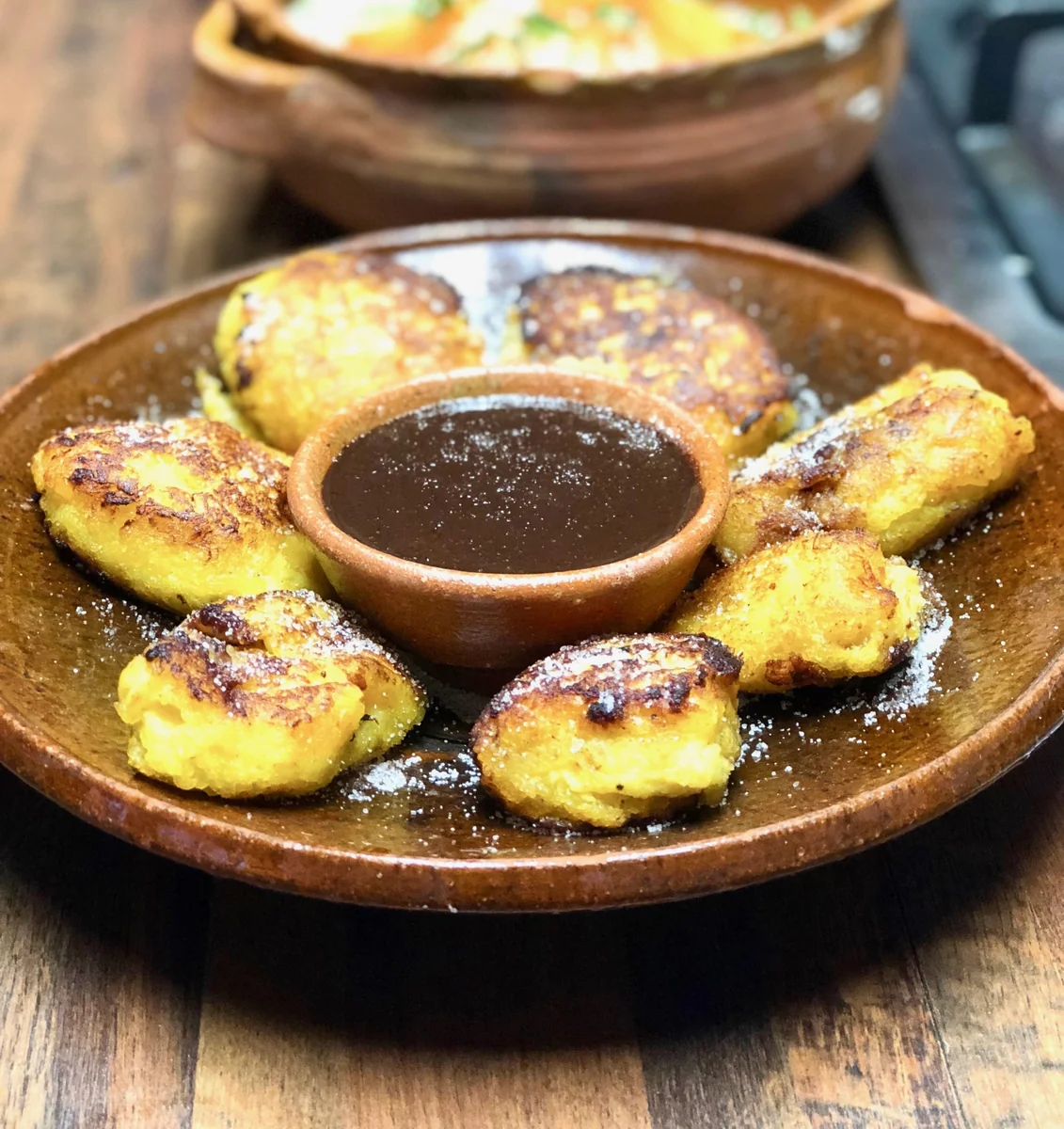
Guatemalan rellenitos are ripe plantains filled with beans and covered in sugar. Although the combination might seem strange, this sweet plantain recipe is one of the most delicious Guatemalan foods.
Ayote en Miel
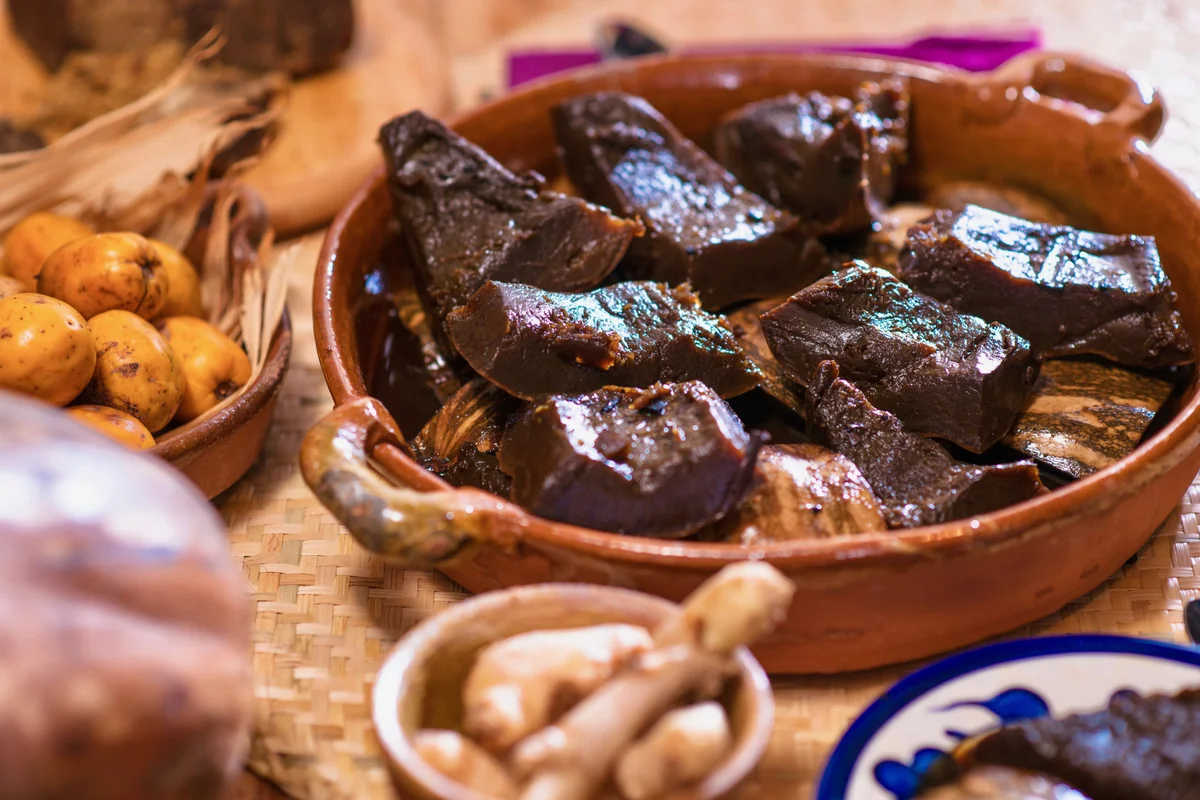
Super-easy recipe for ayote en miel, a traditional Guatemalan dish perfect for Día de Todos los Santos celebrations. It is a delicious squash cooked in a sweet syrup of panela and spices. It is a popular traditional dessert in many Central American countries.
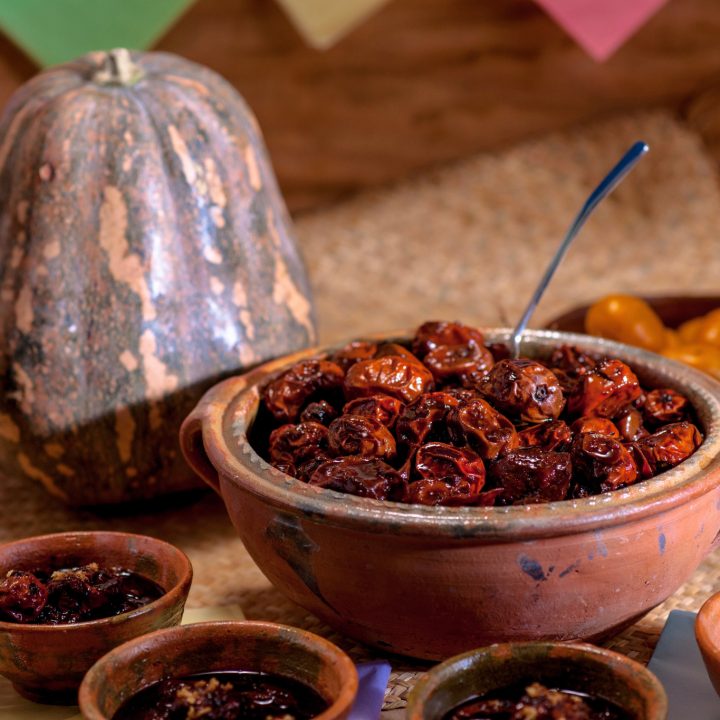
Jocotes en Miel (Guatemalan Hog Plums in Syrup)
Juicy jocotes (hog plums) cooked in a bubbling sweet syrup and heavenly spices.
Ingredients
- 20 jocotes (hog plums or red mombins)
- 1 liter of water, plus a little extra as it cooks down
- 2 cinnamon sticks
- 1 star anise
- 2 whole cloves
- ½ pound of regular sugar (or panela)
Instructions
- Wash the jocotes and make three small cuts around each one with a knife. This keeps them from bursting the way cranberries do when cooked.
- In a large pot, bring the water to a boil. Add the jocotes, cinnamon sticks, star anise, and cloves.
- Cook over medium heat for about two hours, until the jocotes are soft and have opened up.
- Add the panela or sugar and cook over low heat for one more hour, without stirring, so that the fruit stays whole and soaks up the syrup.
- You can add a little more water if it’s reducing too fast, but go slow. You want a pourable syrup, not a runny one or a thick one.
- Serve warm or cold in a deep bowl with the syrup spooned over the top.
Notes
- Short on time? Skip the knife cuts and just prick each jocote with a fork, or throw them in whole and let them split as they cook.
- Not into star anise or cloves? Leave them out. But keep the cinnamon; it’s what gives the syrup that warm, woody flavor.
- Add water slowly as it simmers. The goal is a syrup you can pour, not one that’s as thin as water or as thick as jam.
- It’s better the next day. The fruit keeps soaking up syrup in the fridge. You can also make it in advance and keep it in an airtight container in your refrigerator for up to 15 days.
Nutrition Information:
Yield: 6 Serving Size: 1Amount Per Serving: Calories: 148Total Fat: 0gSaturated Fat: 0gUnsaturated Fat: 0gSodium: 3mgCarbohydrates: 38gFiber: 1gSugar: 38gProtein: 0g
Nutritional values are estimates calculated using standard databases. Actual values may vary based on specific ingredients and brands used.
How Do You Eat Your Jocotes?
Half the people reading this grew up eating jocotes green with salt and chili and have never had them in syrup. The other half only knows the syrup and would never touch a sour green one. I’m in both camps depending on the day. If jocotes are part of your family’s Day of the Dead festivities, or if you just tracked some down in a freezer aisle far from home, leave me a comment and tell me how you eat them. These are the fruits that make people homesick, and I love hearing where you found yours.

Through her writing, Paula helps travelers discover Guatemala beyond the typical tourist route with practical advice, local recommendations, and authentic experiences that connect visitors with the country’s people, culture, and traditions.
Planning a trip to Guatemala? Paula offers personalized Guatemala itinerary planning and trip consultation services tailored to your interests, travel style, and budget. Contact her at [email protected] to learn more.
- San Lucas Tolimán Guatemala: Lake Atitlán’s Best-Kept Secret - September 24, 2026
- Hotel Tolimán Lake Atitlán: A Special Stay in San Lucas Tolimán - September 24, 2026
- Guatemala Dreams in San Lucas Tolimán: A Boutique Stay on Lake Atitlán - September 23, 2026

