Whether it’s the solemnity of Holy Week, the lively hues of the Flower Festival or the buzzing excitement of the fiestas patronales, Antigua’s festivals and cultural celebrations offer a glimpse into the rich tapestry of Guatemalan heritage. Here’s your guide to the most important festivals in Antigua, complete with dates and what to expect. If you’d rather have someone build your trip around the dates that actually matter, I help travelers plan exactly that.
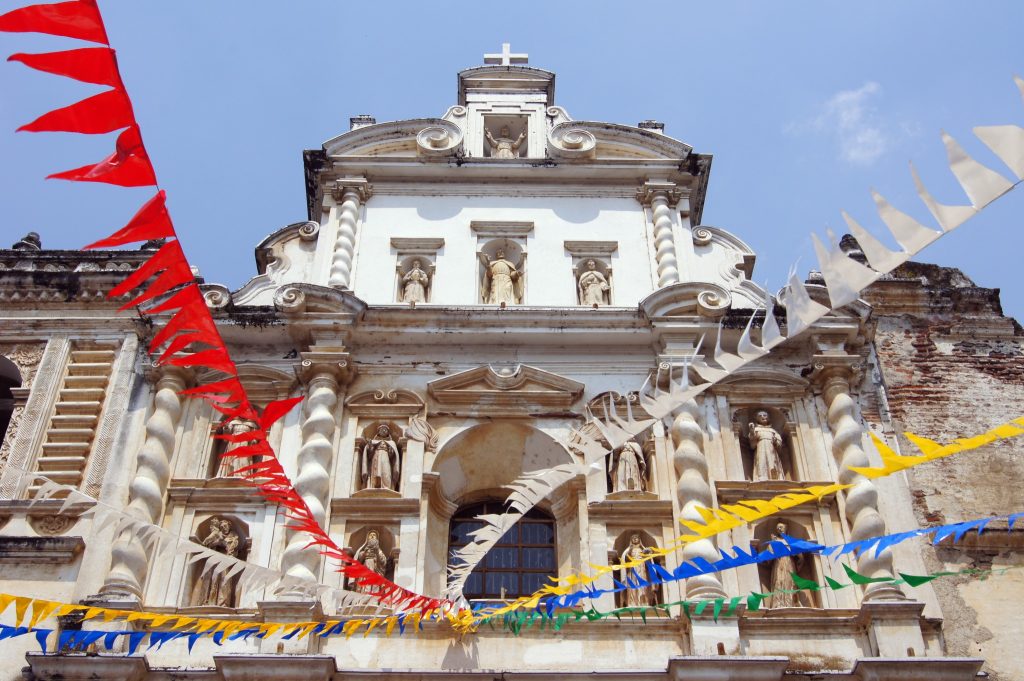
I’ve also included a list of celebrations and fiestas patronales in some of the towns surrounding Antigua Guatemala. If you are looking for something truly unique and authentic to do while visiting Antigua Guatemala, attending one of these festivals and witnessing the processions, folkloric dances and other cultural events is a once in a lifetime experience.
INSIDE ANTIGUA
Festivals and Celebrations in Antigua Guatemala
Nestled among towering volcanoes, the charming city of Antigua Guatemala is a treasure trove of colonial architecture, rich history, and vibrant culture, making it one of the best things to do in Guatemala. This UNESCO World Heritage Site offers more than just picturesque plazas and stunning colonial ruins. A wide array of traditional festivals and cultural celebrations breathe life into its cobblestone streets. Experiencing these colorful events in Antigua is not just about witnessing the festivities; it’s about immersing yourself in the local culture, understanding Guatemala’s heritage, and creating memories you will not forget. Whether it’s the solemn processions of Semana Santa, the vibrant kites of the Giant Kite Festival, the Fiesta Patronal, or the Posadas, each celebration offers a unique glimpse into the heart of Guatemala’s culture and Mayan heritage.
THE BIG ANTIGUA FESTIVALS AT A GLANCE
Semana Santa — March or April, dates change every year
Festival de la Luz — July 17–18, 2026, free videomapping festival
Fiesta Patronal de Santiago Apóstol — July 25th
El Festival del Maíz — August
Independence Day — September 15th
Giant Kite Display in Antigua — around November 12th, date may shift
Festival de las Flores — mid-November, dates change annually
Christmas season and Las Posadas — all of December
La Quema del Diablo — December 7th
Semana Santa (Holy Week) — March or April, dates change
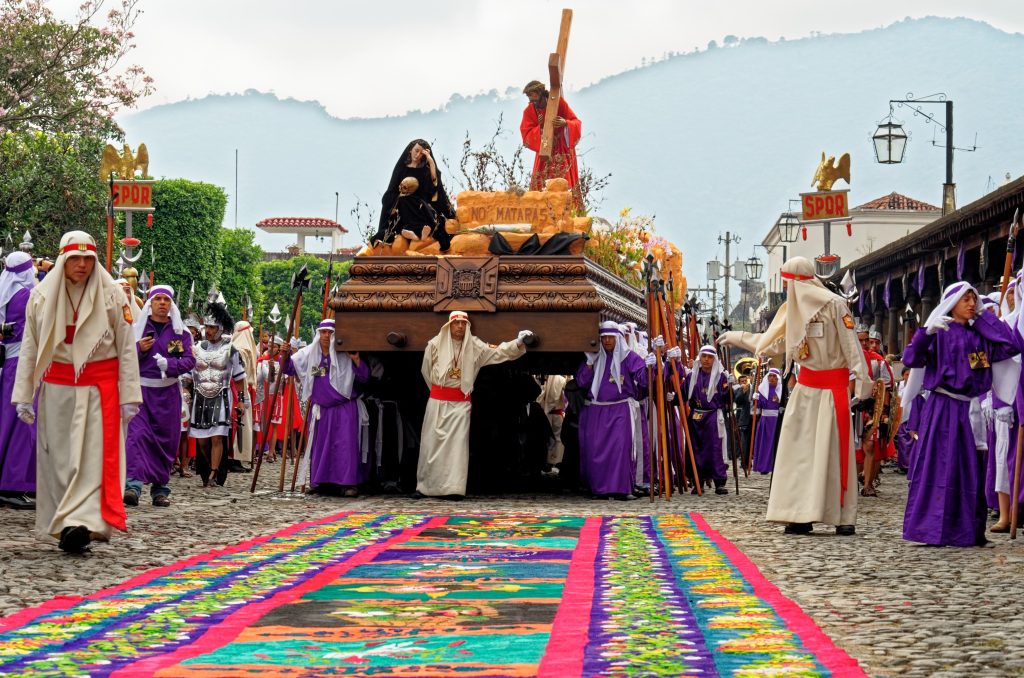
The celebration of Semana Santa in Antigua is an event of profound religious and cultural significance, drawing visitors from all over the world. The city becomes a canvas for elaborate street carpets made of colored sawdust, flowers, and fruits, meticulously crafted by locals. These vibrant alfombras pave the way for solemn religious processions that wind through the streets, accompanied by traditional music and costumed figures. Semana Santa in Antigua is a deeply moving and visually stunning experience, reflecting the city’s strong Catholic faith and rich cultural heritage. The week-long festivities culminate on Easter Sunday, offering a spiritual journey and a feast for the senses. If you want the full day-by-day breakdown, my complete guide to Semana Santa in Antigua covers the schedule, and my guide to the alfombras of Antigua explains the sawdust carpets in detail.
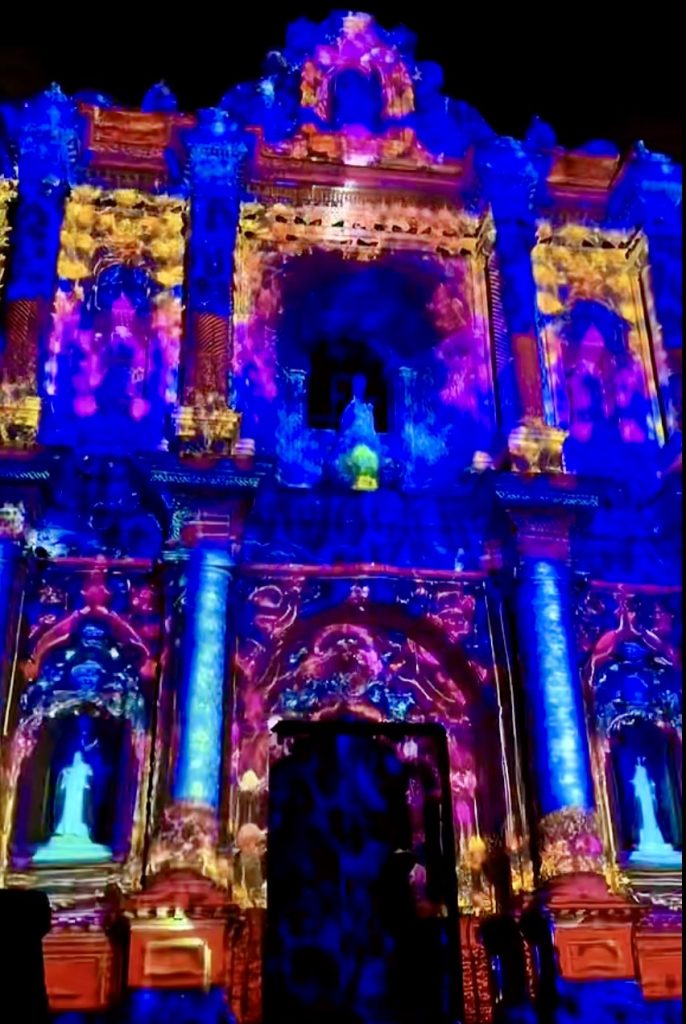
Festival de la Luz (Festival of Light) — July 17th and 18th, 2026
This one is fairly new, but it’s grown fast. For its third edition in 2026, the Festival de la Luz transforms six of Antigua’s historic facades into videomapping canvases, with international artists projecting pieces inspired by different world cultures onto the buildings after dark. Three parks around the city center get lit up too, connected into one walkable nighttime route, and there are immersive experiences tucked into locations that don’t get announced ahead of time, part of the appeal is not knowing exactly what you’ll find. The festival runs from 7:00 PM to 1:00 AM and it’s free to attend. Last year’s edition pulled in over 240,000 people, so if you’re planning to go, treat it like the busy night it actually is. I’ve covered it in more depth in my complete guide to the Festival of Light in Antigua.
Fiesta Patronal in Antigua — July 25th
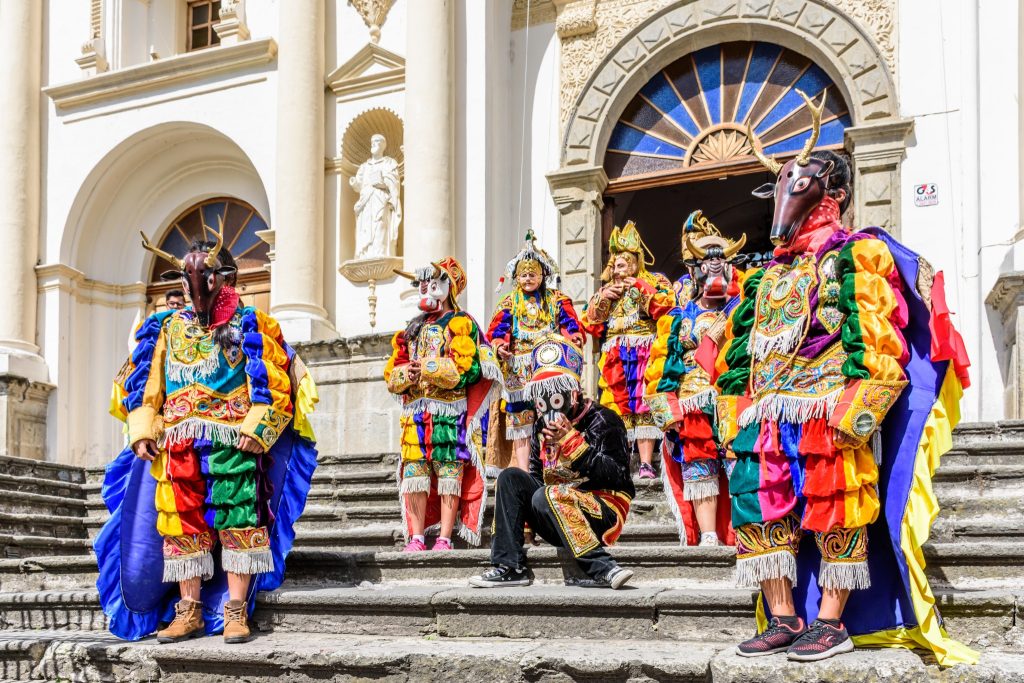
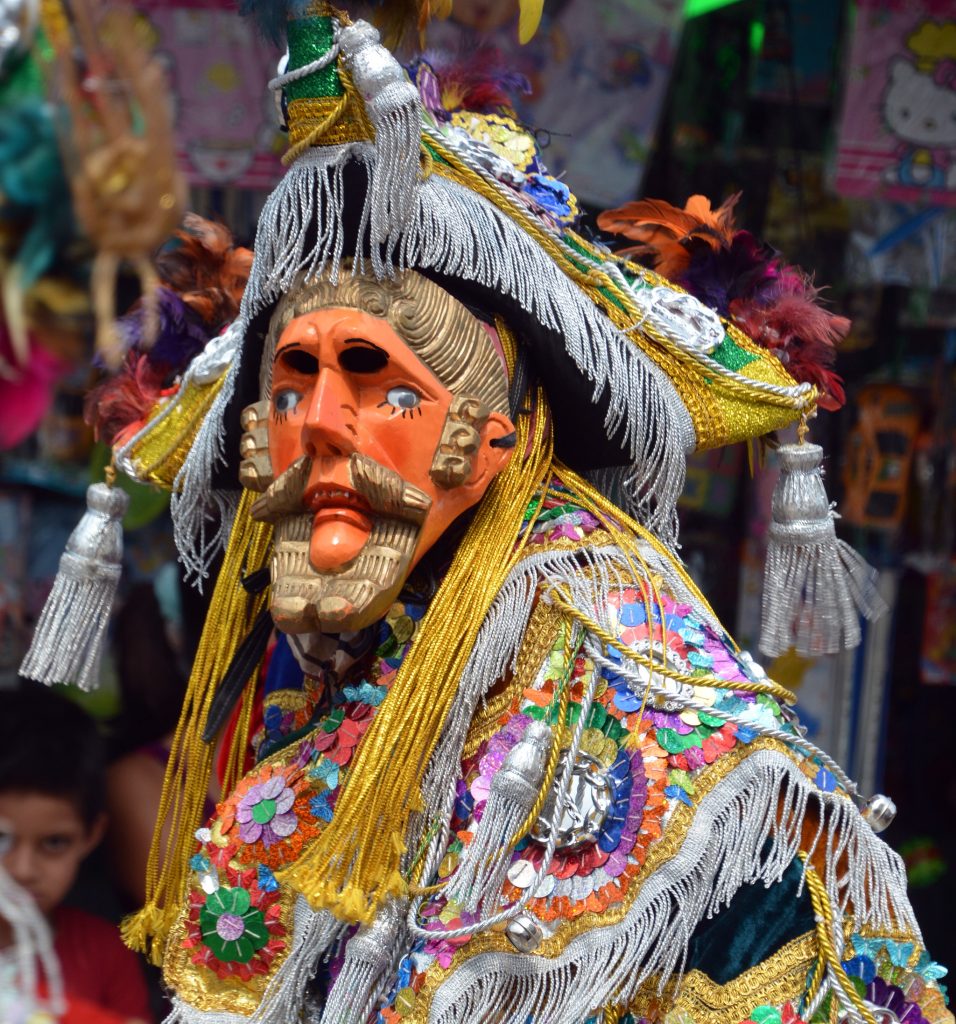
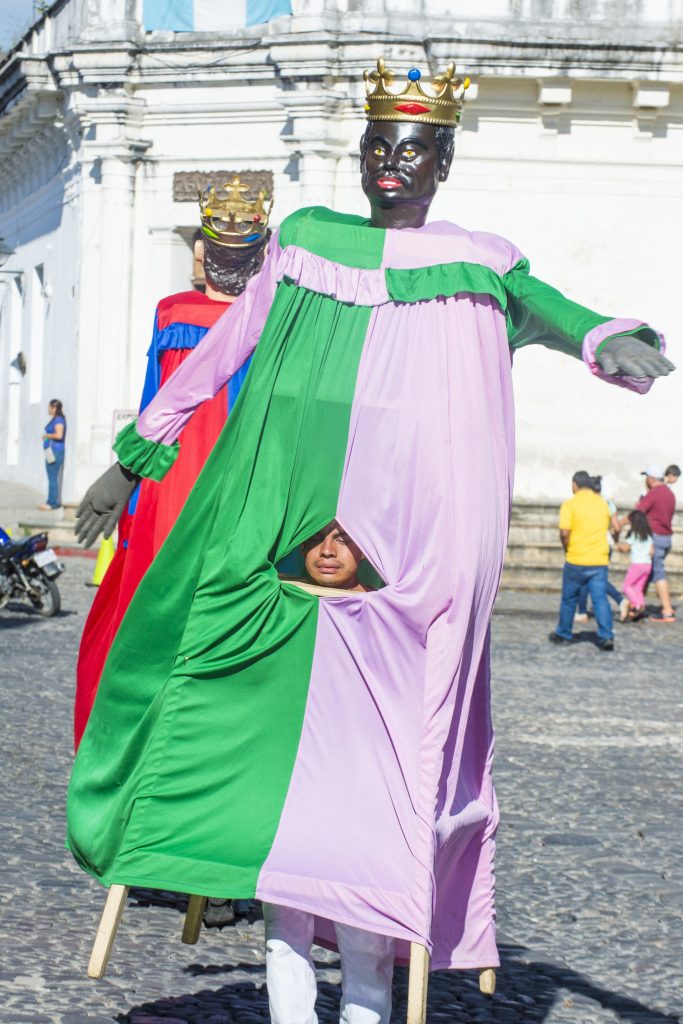
Antigua Guatemala celebrates its patron saint, Santiago Apóstol, with great fervor and joy. On July 25th, the city is abuzz with a mix of social, cultural, and sports events. The day is marked by an exhibition of local handicrafts, showcasing the artistic skills of Antigua’s artisans. A highlight of the celebration is the variety of folk dances, including ‘Convite’ or ‘Enmascarados’ and ‘Gigantes’ or ‘Cabezudos’, featuring large, oversized figures that dance through the streets.
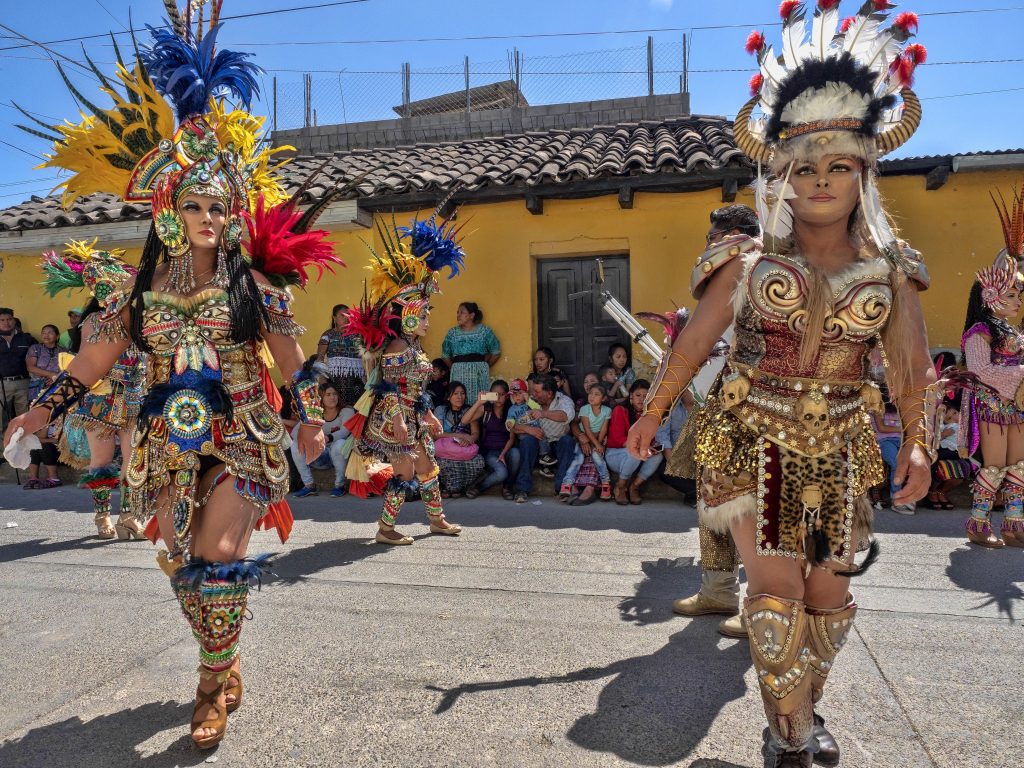
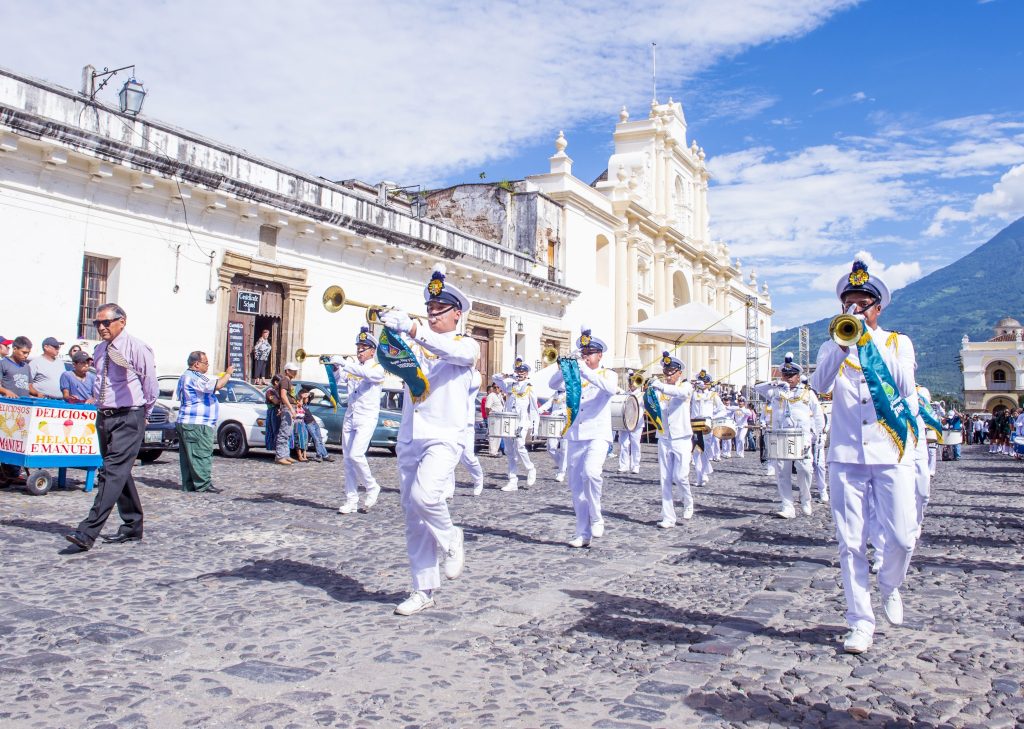
There is also a procession and a parade that crosses the Central Park. These performances add a lively and festive air to the city, inviting locals and visitors alike to join in the celebration.
El Festival del Maíz (Corn Festival) — August
The Corn Festival in August is a celebration of Guatemala’s staple food, maize. This festival is a culinary delight, offering a range of corn-based dishes that showcase the diversity and richness of Guatemalan cuisine. Visitors can indulge in traditional dishes, enjoy live music, and participate in cultural activities. The festival also includes traditional dances and music, adding to the vibrant atmosphere. It’s a tribute to the agricultural heritage of the region and a wonderful opportunity for visitors to experience the culinary traditions of Guatemala.
Independence Day Celebrations — September 15th
Guatemala’s Independence Day on September 15th is a national holiday marked with pride and patriotism. In Antigua, the day is celebrated with parades, music, and cultural events that reflect the country’s rich history and heritage. The streets are adorned with patriotic decorations, and the air is filled with the sounds of marimba music and festive celebrations. This day commemorates Guatemala’s independence from Spain and is an opportunity for locals and visitors to experience the country’s vibrant culture and national pride.
Giant Kite Display in Antigua Guatemala — November 12th, may change
The Giant Kite Festival on All Saints’ Day is a visually stunning event held in Sumpango and Santiago Sacatepéquez. Massive kites, some as large as several meters in diameter, are crafted from paper and bamboo and feature intricate designs and vibrant colors. These kites are flown in cemeteries as a homage to the departed. Once the All Saints’ Day celebrations are done, the giant kites are transported to Antigua, where they are displayed in Antigua’s Parque Central, adding a colorful and artistic touch to the city.
View this post on Instagram
You can also take a day tour to the Sumpango Giant Kite Festival on November 1st and you can learn more about the Day of the Dead celebrations in Guatemala here.
Festival de las Flores (Flower Festival) — Mid-November, dates change annually
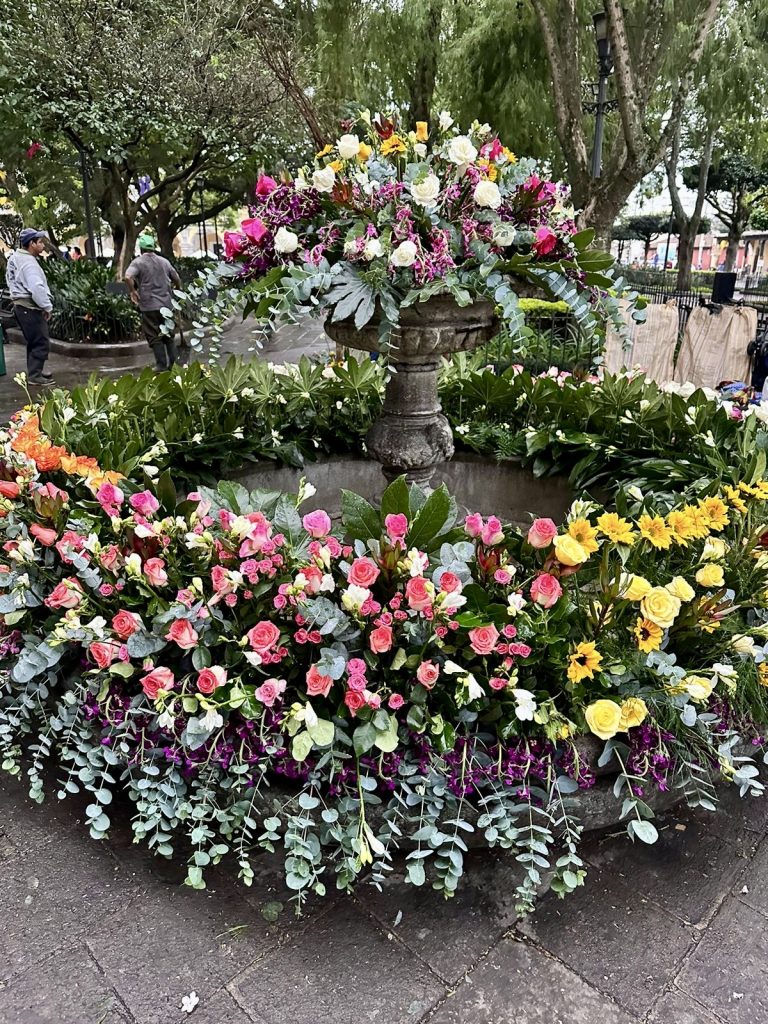
The Festival de las Flores transforms Antigua into a vibrant tapestry of colors and scents. This festival celebrates the beauty and cultural significance of flowers in Guatemalan tradition. The streets of Antigua are adorned with floral decorations, parades, and art installations, creating a magical atmosphere. Visitors can participate in workshops, enjoy concerts, and explore a flower market. The festival is a wonderful display of creativity and artistry, reflecting the city’s love for nature and beauty. You can learn more about Antigua Guatemala’s Festival de las Flores here.
Christmas Celebrations — December
Antigua during December is a festive wonderland, illuminated by Christmas lights and adorned with nativity scenes. The city hosts a series of special events, including Posadas, traditional processional reenactments of Mary and Joseph’s search for lodging. These celebrations offer a glimpse into the local customs and religious significance of Christmas in Guatemala. The festive atmosphere, combined with the city’s colonial charm, makes Antigua a delightful destination for holiday travelers.
View this post on Instagram
La Quema del Diablo (Burning of the Devil) — December 7th
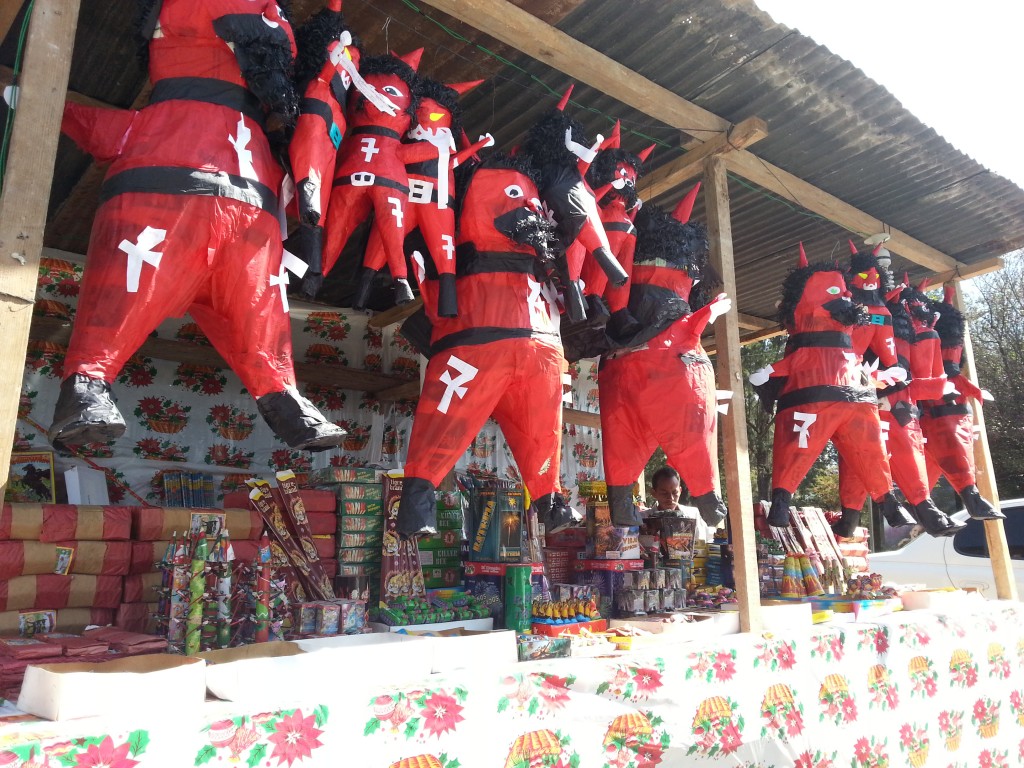
On December 7th, Antigua observes ‘La Quema del Diablo’, a unique tradition where effigies of the devil are burned to cleanse homes of evil spirits and prepare for the Christmas season. This event is both a cultural spectacle and a symbolic ritual, reflecting the blend of indigenous and Spanish traditions in Guatemala. The burning of the devil is an experience that showcases the local customs and beliefs, making it an intriguing event for visitors to witness. My complete guide to the Quema del Diablo covers exactly what to expect and when.
Planning Around These Dates?
I Can Help You Time Your Trip Right
Hotels in Antigua fill up fast during Semana Santa, the Quema del Diablo, and the Festival de las Flores. I see it happen every year. If you want your trip to land on one of these dates instead of just missing it, I can help you plan around it.
ACCOMMODATION
Where to Stay in Antigua Guatemala – My Top Picks
If you’re deciding where to stay in Antigua Guatemala, these are my personal top hotel recommendations by budget. I consistently recommend these properties because they combine excellent location, strong reviews, and a memorable experience in one of the most beautiful colonial cities in Latin America.
LUXURY
|
Casa Santo Domingo Built within the ruins of a 17th-century Dominican convent, this is the most iconic hotel in Antigua Guatemala. The sprawling property has colonial courtyards, on-site museums, a world-class spa, and a highly rated restaurant. My top pick for couples, special occasions, and history lovers. |
Camino Real Antigua A five-star property with enormous rooms, soaring ceilings, and a rooftop bar with volcano views. It balances contemporary comfort with colonial design beautifully, and its location just six blocks from Parque Central makes it one of the most convenient luxury hotels in Antigua. |
MID-RANGE
|
Villa Colonial A popular mid-range option with a welcoming atmosphere, a lovely pool courtyard, and comfortable rooms. Villa Colonial delivers excellent value and great service, and its location is close enough to explore Antigua on foot. A top choice if you want a larger hotel feel without luxury pricing. |
Posada del Angel One of the best-rated mid-range hotels in Antigua Guatemala, just a short walk from Parque Central. It offers beautiful colonial architecture, a small pool, quiet courtyards, and consistently excellent service. Comfort, charm, and location without paying luxury prices. |
BEST FOR FAMILIES
|
Porta Hotel Antigua One of Antigua’s most reliable mid-range options, right at the edge of the city center. Colonial-style grounds, a pool, a solid restaurant, and nightly live music make this excellent value. The breakfast buffet alone is worth writing home about. |
Hotel Soleil La Antigua One of the best family-friendly hotels in Antigua Guatemala thanks to its large pool area, spacious rooms, and resort-style layout. If you’re traveling with kids or teens and want room to spread out, this is a fantastic option, with a free shuttle into central Antigua. |
DAY TRIPS AND NEARBY TOWNS
Festivals and Celebrations Near Antigua Guatemala
Exploring the small towns surrounding Antigua Guatemala offers a glimpse into authentic Guatemalan life, beyond the well-trodden paths of the tourist city. These towns, each with their own distinctive character, host festivals and celebrations that are deeply rooted in local traditions and history. Visiting these events provides an opportunity to immerse yourself in genuine cultural experiences, where you can witness the vibrant customs and communal spirit of the Guatemalan people. It’s a chance to enrich your journey with unforgettable memories and a deeper understanding of the country’s heritage.
Fiesta Patronal in Santa María de Jesús — January 1st and 2nd
Twenty five minutes from Antigua, in the town of Santa María de Jesús, celebrations in the sweet name of Jesus take place for the town’s fiesta patronal. Social and cultural events including a horse race take place from January 1st to 5th, with January 1st and 2nd being the main days of celebration. One of the highlights of the festivities is the procession of the patron saint, accompanied by a large number of devotees who carry on their shoulders the venerated image of the Child Jesus in his invocation of the sweet name.
View this post on Instagram
Another procession is held, with the image of the Virgin Mary carrying the Child Jesus, accompanied by the prayerful Holy Mother of God. This procession is very unique as the images wear the traditional Mayan dress of the region. Various folkloric dances also take place including: “Micos” (monkey), “Fieros”, “Venados” (deer), “Convite” or “Enmascarados” (the masked ones) and the “Tirijupos”.
View this post on Instagram
Corpus Christi Celebration in San Antonio Aguas Calientes — early June, dates change
In the nearby town of San Antonio Aguas Calientes, just a thirty minute drive from Antigua, the Corpus Christi celebration is a colorful and lively event. Corpus Christi moves with the Easter calendar every year, in 2026 it falls around June 4th. The town comes alive with a series of social, cultural, and sports events, centered around honoring the Eucharist. The highlight of the festival is the traditional folk dances, including ‘Toritos’, ‘La Conquista’, and ‘Animales Fieros’, performed by locals in vibrant costumes. These dances, along with performances featuring ‘Moros’, ‘Convite’, ‘Gigantes’, ‘Diablos’, and ‘Judíos’, create a lively and festive atmosphere, showcasing the rich folkloric traditions of Guatemala.
View this post on Instagram
Fiesta Patronal in San Juan Alotenango — June 24th
The celebration of Saint John the Baptist in San Juan Alotenango offers a unique glimpse into the cultural richness of Guatemala. This vibrant event, held annually on June 24th, features a blend of religious ceremonies, cultural displays, and sports activities. The town, located just 30 minutes from Antigua, becomes a hub of energy and color, with various folk dances like ‘El Torito’, ‘La Conquista’, and ‘Moros’. The event is a great opportunity for visitors to experience the local community’s enthusiasm and to witness the blending of traditional and contemporary Guatemalan culture.
Fiesta Patronal in San Pedro Sacatepéquez — June 29th
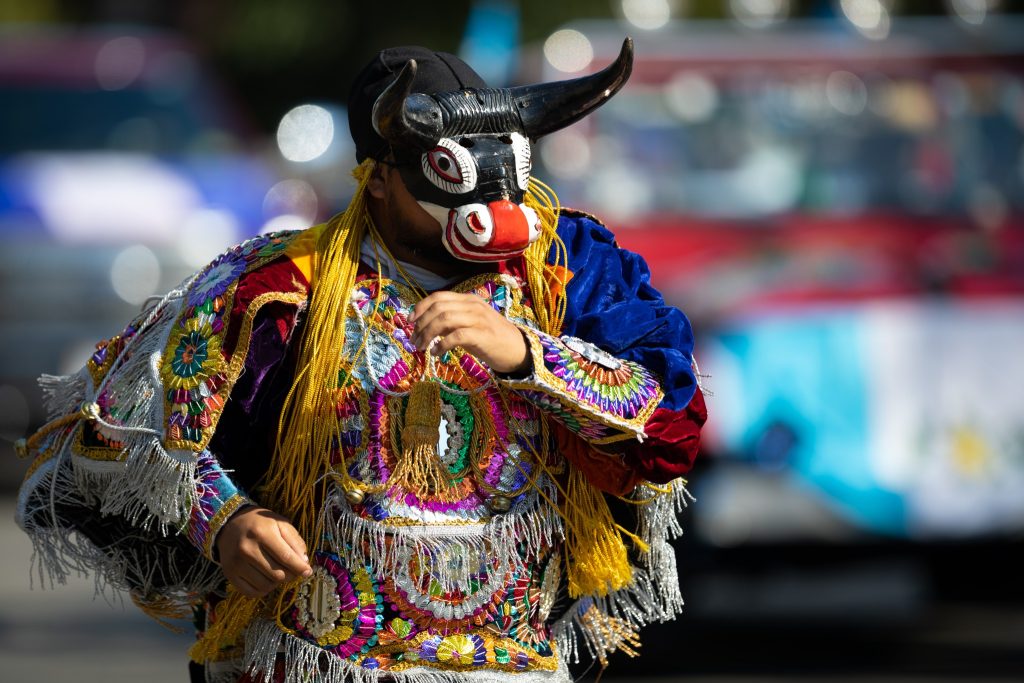
San Pedro Sacatepéquez, a town located just forty-five minutes from Antigua Guatemala, comes alive every June 29th to honor its patron saint, Saint Peter. The Fiesta Patronal, or the town’s main festival, is a vibrant blend of cultural, social, and sports events that showcase the town’s traditions and community spirit. The highlight of these festivities is the folkloric dance of “Los Moros” (the Moors). This dance is a colorful performance that depicts historical and cultural narratives, involving elaborate costumes and engaging storytelling through dance.
These Towns Don’t Make the Guidebooks
I Can Show You Which Ones Are Worth a Half-Day Trip
San Pedro Sacatepéquez, San Juan Alotenango, Xenacoj, none of these are on the standard Antigua itinerary, but they’re some of the most genuine celebrations within an hour of where you’re already staying. I can help you figure out which one fits your dates and how to actually get there.
Fiesta Patronal in Magdalena Milpas Altas — July 22nd
Just a twenty-five-minute drive from Antigua Guatemala, the town of Magdalena Milpas Altas celebrates its patron saint, Santa María Magdalena (Mary Magdalene), with grandeur and festivity. Occurring every July 22nd, the town’s Fiesta Patronal is marked by a series of social, cultural, and sports events that draw both locals and visitors. A significant highlight of this celebration is the procession of Mary Magdalene. Another main event is the folkloric dance of “El Diablo” (the Devil), a performance rich in symbolism and tradition. This dance typically features vibrant costumes and masks, representing the battle between good and evil, a common theme in many Guatemalan folkloric dances. It’s a unique cultural experience, offering a glimpse into the town’s traditions and the creativity of its people.
View this post on Instagram
Fiesta Patronal Santo Domingo de Xenacoj — August 2nd to 9th
Just 40 minutes from Antigua, in the picturesque town of Santo Domingo Xenacoj, the community celebrates its annual fair from August 2 to 9, with the main day being August 4, in honor of Santo Domingo de Guzmán. This festival has been celebrated for over 400 years, believed to have started around 1580. During this time, the community enjoys marimba concerts and popular dances. There’s also a fair with mechanical rides and stalls offering various Guatemalan snacks. Women in the locality participate in firework displays, and there are traditional activities like the greasy pole challenge, parades, and the ‘Moros y Cristianos’ dance. Additionally, a mass is held in the local Catholic church. One of the most important activities during the fair is the selection and crowning of Rumi’al Ajaw, who will represent the identity of Xenacoj throughout the country.
View this post on Instagram
Fiesta Patronal in Jocotenango — August 1st to 16th
In Jocotenango, just a 20-minute journey from Antigua’s Central Park, the local community vibrantly celebrates the Fiesta Patronal from August 1st to the 16th, honoring the Virgin Mary of the Asunción. This festival is a blend of social, cultural, and religious events, culminating on August 16th, which is regarded as the most significant day of the celebration. During these festivities, visitors can enjoy a variety of traditional Guatemalan folk dances such as ‘Micos’, ‘La Conquista’, ‘Fieros’, ‘Convite’ or ‘Enmascarados’, each with its unique historical and cultural significance. The festival is further brightened by performances of ‘Gigantes’ or ‘Cabezudos’, and ‘Damas’ or ‘Gracejos’ dances, which add a lively and colorful dimension to the celebrations. The 16th brings the festivities to a peak with special events and processions, making it an especially memorable day for both locals and visitors, as they immerse themselves in the rich cultural tapestry of Jocotenango.
(Note: one of the largest fairs in Guatemala City is called Feria de Jocotenango. This is not the same thing as the fiesta patronal that takes place in the town of Jocotenango next to Antigua Guatemala.)
Giant Kite Festival in Sumpango and Santiago Sacatepéquez — November 1st
Held on All Saints’ Day, the Giant Kite Festival takes place in the towns of Sumpango and Santiago Sacatepéquez. This is one of Guatemala’s most impressive festivals and features huge, vibrant colored kites made of tissue paper. The designs often depict cultural, religious, and even political themes, telling stories that resonate with the people and the nation’s heritage. According to tradition, the kites connect the earth and the heavens, carrying messages and prayers from the living to their loved ones who have passed away.
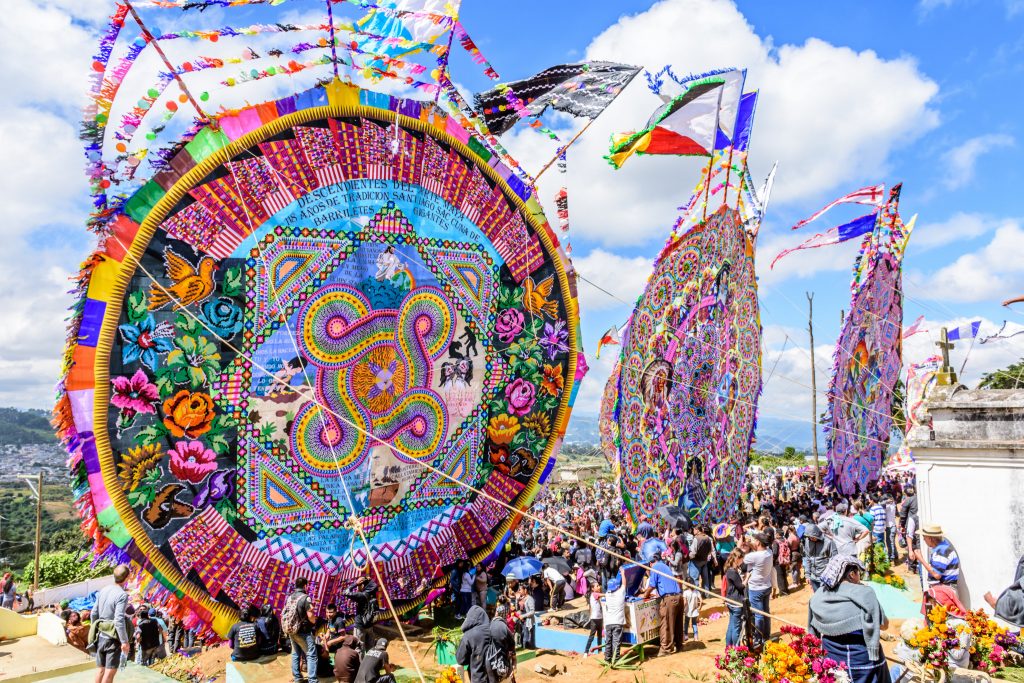
To witness this amazing tradition you can take a day tour to the Sumpango Giant Kite Festival from Antigua. You can learn more about the Day of the Dead celebrations in Guatemala here.
THE BIGGER PICTURE
About Guatemala’s Fiestas Patronales: Patron Saint Fairs and Celebrations
Fiestas Patronales, or patron saint festivals, are significant cultural celebrations in Guatemala, deeply rooted in the country’s rich history and religious traditions. These festivals are dedicated to the patron saints of towns and villages, symbolizing a blend of indigenous Mayan cosmovision and Spanish influences. Each town has its own patron saint, and the festival is a time for the community to come together in celebration and reverence.
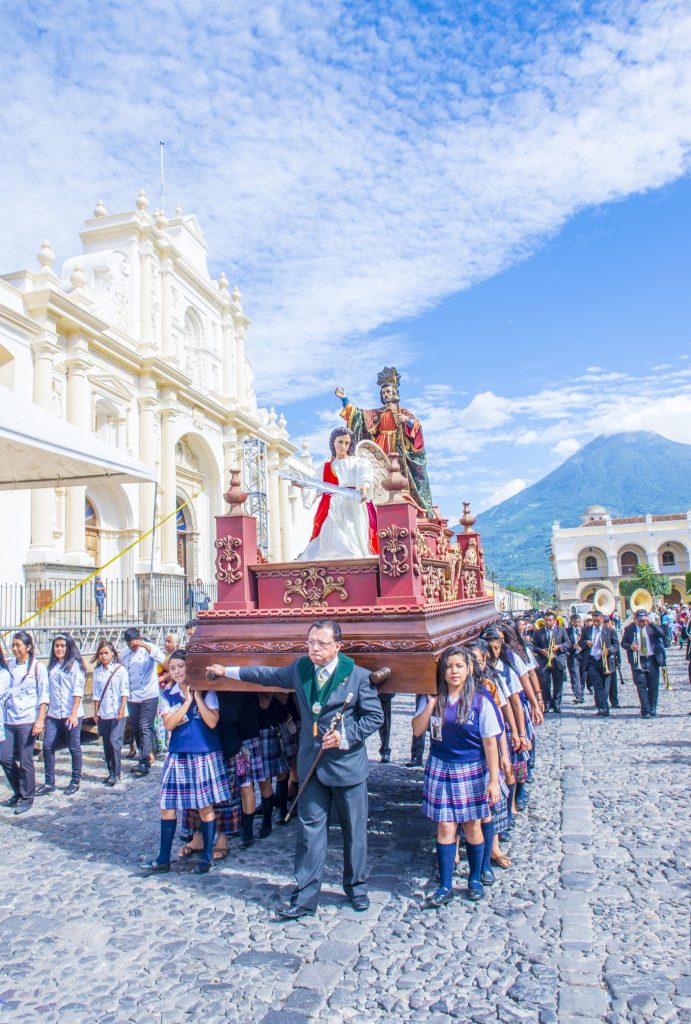
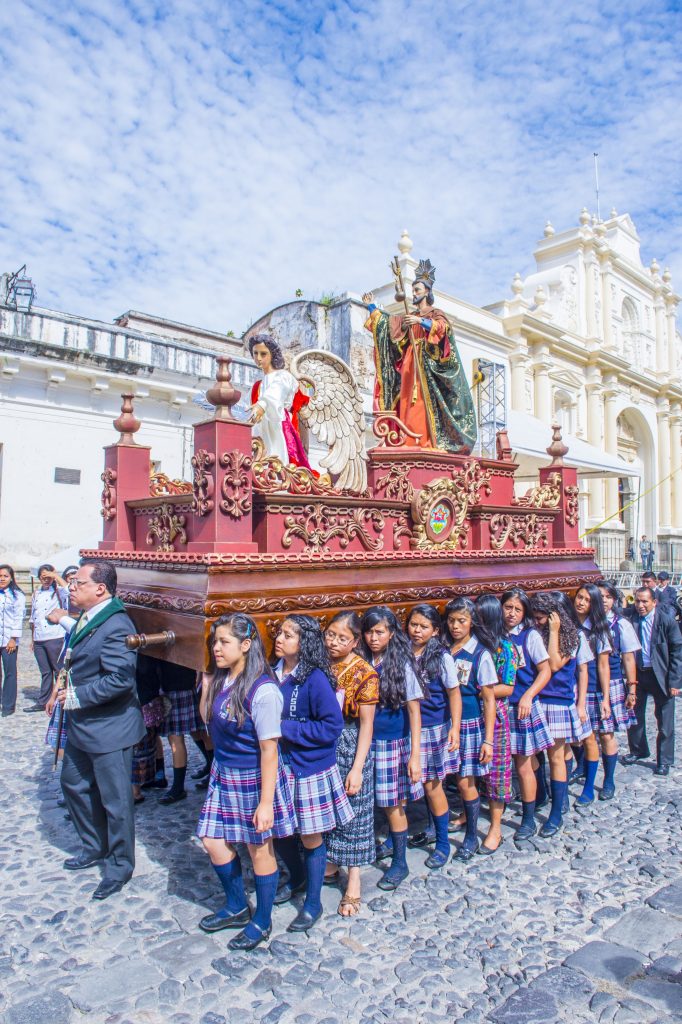
Typically, Fiestas Patronales involve a mix of religious and secular activities. The celebrations start with a religious procession, where the statue of the patron saint is carried through the streets, often accompanied by music, prayers, and a large crowd of devoted followers. This is followed by a mass in the local church, an essential part of the religious observance.
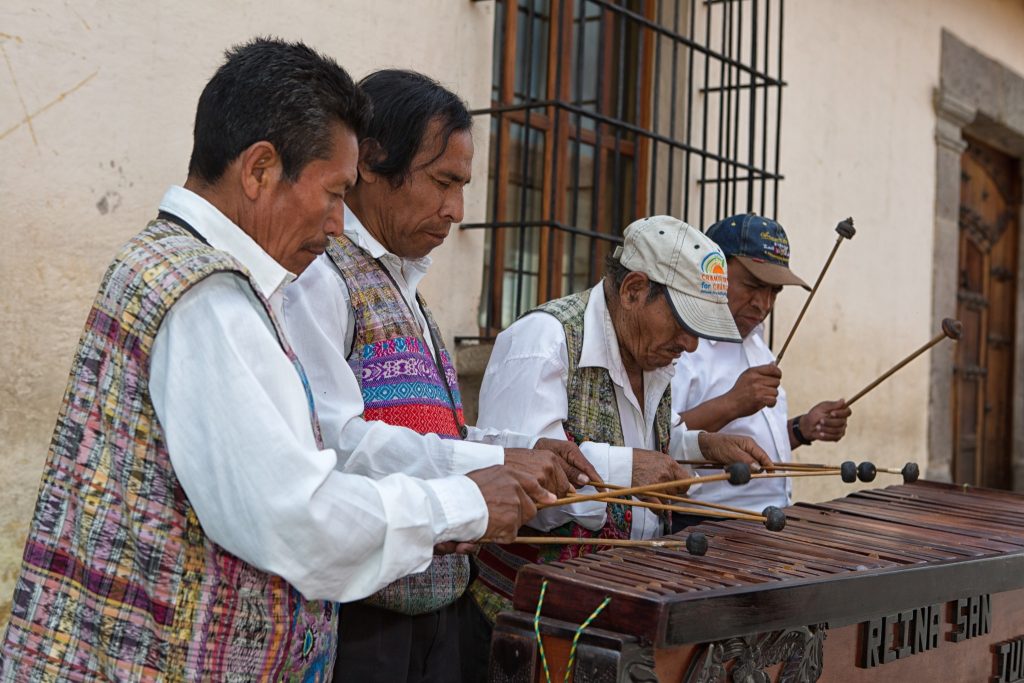
In addition to the religious aspects, these festivals are known for their vibrant, festive atmosphere. The streets come alive with colorful decorations, marimba concerts, traditional folkloric dances, and popular games like the palo encebado and the carreras de cintas (horse races). Food stalls set up throughout the area offer a variety of local traditional Guatemalan dishes like tostadas and other Guatemalan fair foods, as well as delicious desserts and traditional Guatemalan candy. Carnival rides, fireworks (usually firecrackers and bombs), and live music performances are also common, turning the town into a hub of activity and joy.
You can learn all about the folk dances in Guatemala, their meaning, history and where to see them here.
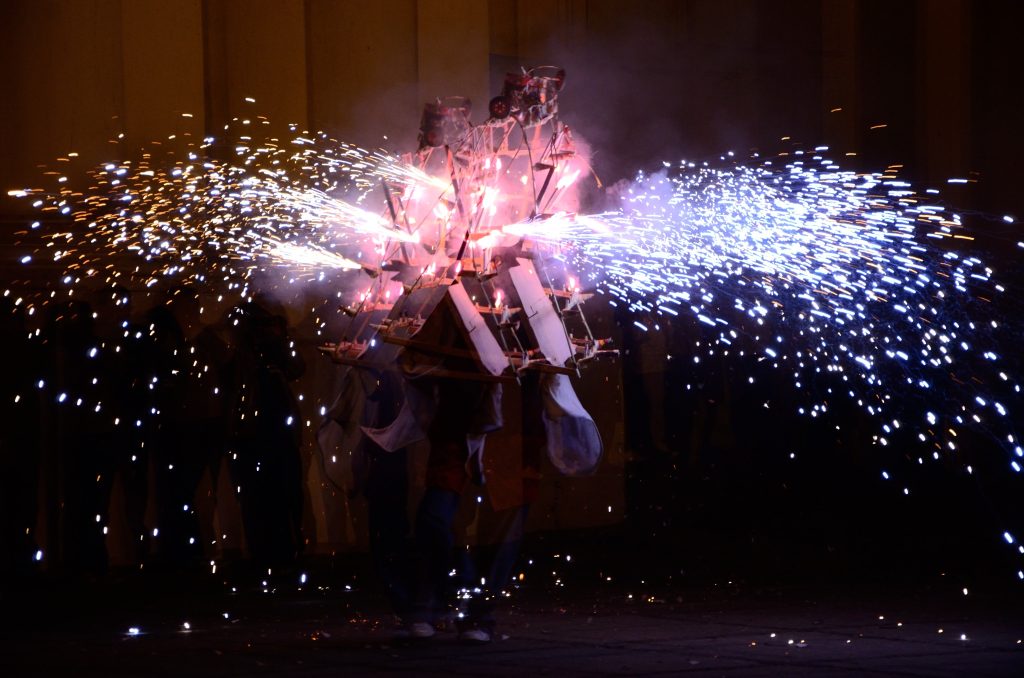
If you are in Guatemala when one of these fiestas patronales is being celebrated, this is a great opportunity to see the real Guatemala and to witness Guatemalan traditions that have been passed on from generation to generation for hundreds of years.
QUESTIONS PEOPLE ASK
Antigua Guatemala Festivals: Your Questions Answered
What is the best time to visit Antigua Guatemala for festivals?
There isn’t one single best month, since something is happening almost year-round. If I had to point you to two peak windows, I’d say Semana Santa in March or April, since nothing else in Guatemala compares to it, and late October through December, which stacks the Giant Kite Festival, Festival de las Flores, Festival de la Luz, the Quema del Diablo, and Christmas season all within about six weeks of each other.
What is the most important festival in Guatemala?
Semana Santa, by a wide margin. It’s the most significant religious and cultural event on the national calendar, and Antigua’s version, with its elaborate sawdust carpets and solemn processions, is the one most people picture when they think of Guatemalan Holy Week.
¿Cuál es la Fiesta Patronal de La Antigua Guatemala?
Antigua’s fiesta patronal honors Santiago Apóstol (Saint James the Apostle) and takes place every July 25th, with handicraft exhibitions, folk dances, and processions through the city.
¿Cuál es el patrón de Antigua Guatemala?
Santiago Apóstol is Antigua’s patron saint, which is why the city’s main fiesta patronal falls on his feast day, July 25th.
What is the Giant Kite Festival in Guatemala?
It’s a Day of the Dead tradition held November 1st in Sumpango and Santiago Sacatepéquez, where communities fly massive handmade kites over cemeteries to honor the dead. After the holiday, some of the kites are moved to Antigua’s Parque Central, so you don’t have to be at either town to see them.
Is Antigua Guatemala a party town?
Not really, even though it has bars and a social scene that sometimes gets it lumped in with party destinations. Antigua’s actual identity is built around the festivals on this list: a colonial heritage city with deep religious and cultural traditions, not a nightlife town. If you come expecting the latter, you’ll find a much more interesting city than you bargained for.
This Is My Country
Let Me Help You Build a Trip Around What Actually Matters to You
Whether it’s catching Semana Santa in Antigua, seeing the giant kites in Sumpango, or timing a visit around a town festival most travelers never even hear about, I plan trips around these dates every year. Let’s figure out what makes sense for yours.
Other Articles About Antigua Guatemala
Antigua Guatemala Travel Guide: The Best Tips From A Local
In this Antigua Guatemala travel guide, you will find what makes Antigua a unique and must-visit destination. I also share my personal recommendations for things to do in Antigua, where to eat, when to visit, tips, and things to avoid. Most importantly, I share some of Antigua’s hidden secrets.
Best Colonial Ruins In Antigua Guatemala
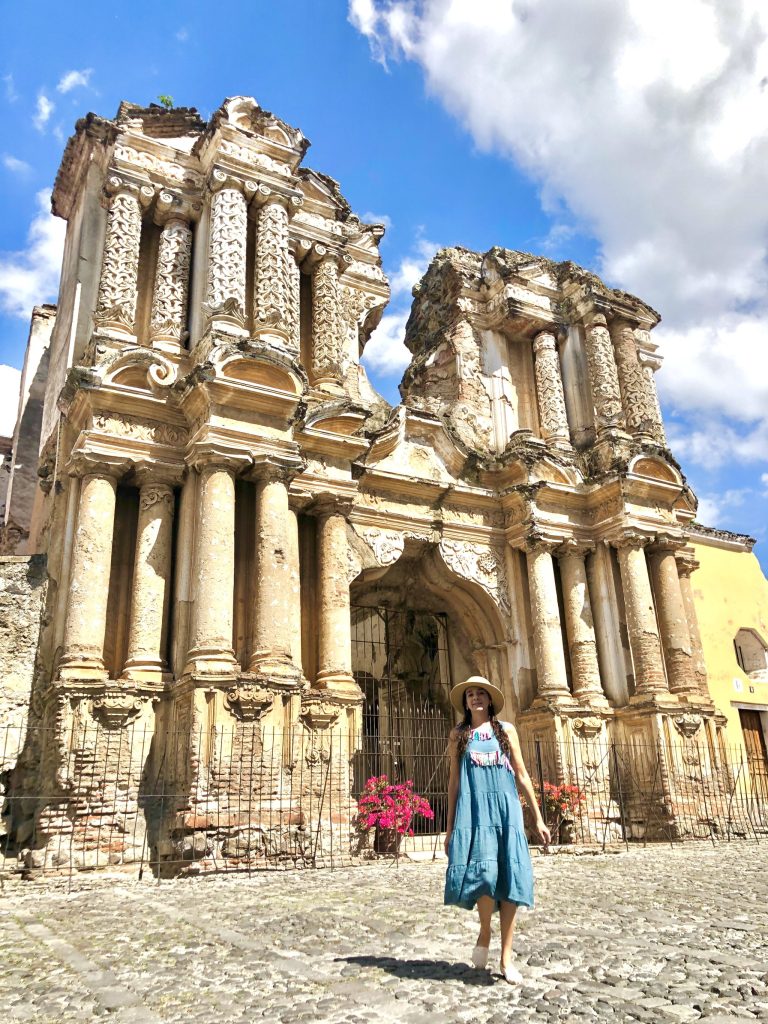
Exploring the colonial ruins of Antigua Guatemala should definitely be at the top of your list of things to do in Antigua. From convents with gorgeous courtyards and crumbled cathedrals to stunning baroque churches, this list of the best colonial ruins in Antigua has it all!
Semana Santa In Guatemala: Traditions And History
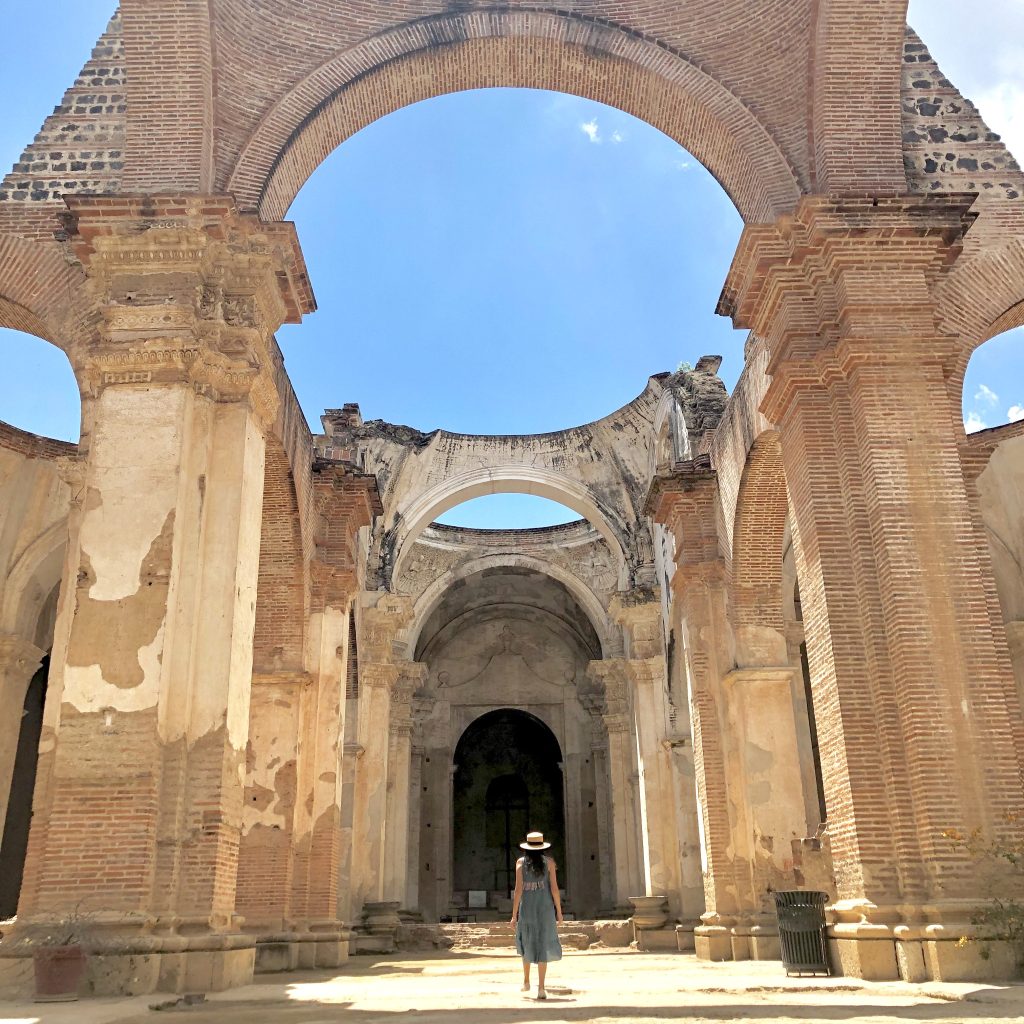
Semana Santa, also known as Holy Week, holds great importance and is widely celebrated in Guatemala. This week-long event is a time for religious contemplation and also an opportunity to display the country’s vibrant cultural heritage. Semana Santa has been observed for centuries. These Guatemalan Easter traditions are deeply rooted in the social fabric of Guatemala.
The Best Time To Visit Guatemala: A Seasonal Guide
In this guide you will not only find when is the best time to visit Guatemala but also recommendations for traveling to Guatemala during any season. Having grown up there and still visiting regularly, I can confidently say that this country is a great destination no matter the time of year. So even though there are months that have better weather than others, Guatemala has mild weather year-round, so it’s never a bad time to travel there.
Through her writing, Paula helps travelers discover Guatemala beyond the typical tourist route with practical advice, local recommendations, and authentic experiences that connect visitors with the country’s people, culture, and traditions.
Planning a trip to Guatemala? Paula offers personalized Guatemala itinerary planning and trip consultation services tailored to your interests, travel style, and budget. Contact her at [email protected] to learn more.
- San Lucas Tolimán Guatemala: Lake Atitlán’s Best-Kept Secret - September 24, 2026
- Hotel Tolimán Lake Atitlán: A Special Stay in San Lucas Tolimán - September 24, 2026
- Guatemala Dreams in San Lucas Tolimán: A Boutique Stay on Lake Atitlán - September 23, 2026

