
Livingston, Guatemala is a boat-access Caribbean town in Izabal, where the Río Dulce meets the sea and Garífuna culture is part of everyday life. This Livingston travel guide covers how to get there from Río Dulce or Puerto Barrios, what the boat ride is like, what to do in town, where to eat tapado, whether Siete Altares and Playa Blanca are worth visiting, where to stay, and how to decide if Livingston should be a day trip or an overnight stop in your Guatemala itinerary.
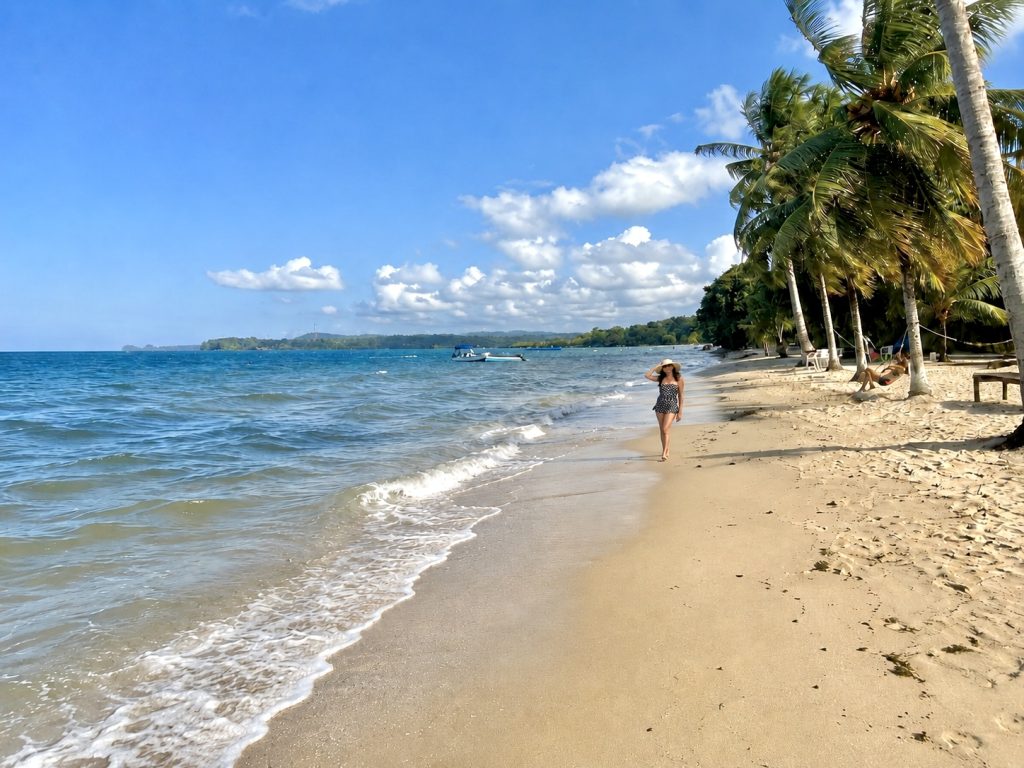
Livingston feels different from the rest of Guatemala before you even arrive, because there is no road that brings you into town. You come by boat, either down the Río Dulce canyon or across the bay from Puerto Barrios, and that changes the whole mood of the place. It makes the arrival slower, more memorable, and honestly a little more special.
This is not Antigua with pastel walls and volcano views. It is not Lake Atitlán with dramatic highland scenery. Livingston is hot, humid, Caribbean, colorful, imperfect, and deeply tied to Guatemala’s Garífuna community. You come here for the boat ride, the food, the music, the culture, and that feeling of reaching a corner of the country that moves at its own rhythm.
I would not send everyone to Livingston automatically. For some travelers, a day trip from Río Dulce is enough. For others, especially if you care about Garífuna culture, food, and the Caribbean side of Guatemala, an overnight makes much more sense. If you want help deciding how Livingston fits with Río Dulce, El Boquerón, Finca El Paraíso, or the rest of your Guatemala route, that is exactly the kind of planning I help travelers with directly.
This guide is for
✓ Travelers adding Guatemala’s Caribbean side to their itinerary ✓ Anyone curious about Garífuna culture, food, and music ✓ Travelers deciding whether Livingston is worth a day trip or overnight stay
ORIENTATION
Livingston: Guatemala’s Caribbean Town at the Mouth of the Río Dulce
Livingston sits where the Río Dulce opens into the Caribbean, on Guatemala’s northeastern coast in the department of Izabal. It is one of the most culturally distinct places in the country, and the difference is not subtle. The streets, food, music, language, and pace of daily life all feel separate from what most travelers experience in Antigua, Lake Atitlán, Tikal, or the highlands.
The center of town is small and walkable, with the dock, shops, restaurants, small hotels, a bank, and an ATM all clustered around the main streets. You will also see tuk-tuks everywhere, which are useful when it is hot, raining, or you simply do not feel like walking uphill after lunch.
Livingston is home to Garífuna, Q’eqchi’ Maya, Ladino, and Afro-Caribbean communities, but the culture most travelers come to learn about is Garífuna. The Garífuna people, also known as Garínagu, descend from West African and Indigenous Caribbean ancestors and have their own language, music, dances, food, and spiritual traditions. In Guatemala, Livingston is the place where you feel that heritage most clearly.
This is why I think Livingston is worth approaching with a little curiosity instead of treating it like just another beach town. The beaches right in town are not the prettiest in Guatemala, and the town itself can feel rough around the edges in places. But if you come for Garífuna food, music, murals, history, and the boat journey through the Río Dulce, Livingston gives you something you will not find anywhere else in the country.
💡 Time it right: If you can, consider visiting around November 26, Guatemala’s National Garífuna Day. The celebration marks the Garífuna arrival to Guatemala’s Caribbean coast and often includes Yurumein, drumming, dancing, processions, food, and a full day of cultural events. I would confirm the exact schedule locally each year, but this is the most meaningful time to experience Livingston’s Garífuna identity.
PLANNING
How to Get to Livingston, Guatemala
The most important thing to know is simple: you get to Livingston by boat. Most travelers arrive either from Río Dulce, which gives you the scenic river canyon route, or from Puerto Barrios, which is faster and more practical if you are already on the Caribbean side.
From Río Dulce
If you are coming from Río Dulce, the boat ride to Livingston is part of the reason to go. This is the route I would choose if you have the time, because you pass through the Río Dulce canyon, with jungle-covered limestone cliffs, water birds, riverside homes, hot springs in the cliffs, and a few classic river sights along the way.
Public or shared lanchas usually leave from the main dock in Río Dulce in the morning, with some services also running early afternoon depending on the operator and season. The ride usually takes about 1.5 to 2 hours. Prices and times shift enough that I would always confirm at the dock, through your hotel, or with a local agency the day before, especially if you are trying to return the same day.
If you want the river ride to feel less rushed, ask about a private lancha. It costs more, but it lets you stop where you want, take photos, and move at your own pace. For families or small groups, that can sometimes be worth it, especially if Livingston is only one piece of a bigger Río Dulce day.
From Puerto Barrios
From Puerto Barrios, the boat to Livingston is shorter, usually around 30 minutes. This route makes the most sense if you are coming from the Caribbean coast, connecting from Belize, or simply want the fastest way in and out of town.
Shared boats from Puerto Barrios tend to run more frequently than the Río Dulce route, often leaving when full during the day. Still, I would not leave this to the last minute if you are connecting to a bus, shuttle, or border crossing. Livingston is relaxed, but boat logistics are not something I like cutting close.
📌 Worth knowing: Public boat service is a daytime thing. If your bus or shuttle arrives late into Río Dulce or Puerto Barrios, I would plan to sleep there and continue to Livingston the next morning rather than counting on an evening boat. Private lanchas may be possible by prior arrangement, but I would not assume it.
IN TOWN
What to Do in Livingston Town
Livingston is not the kind of place where I would make a long checklist and try to race through it. The best part of town is walking slowly, listening to the music coming from open doors, noticing the murals, stopping for food, and letting yourself feel how different this corner of Guatemala is from the rest of the country.
A guided mural walk is one of the better ways to understand Livingston beyond the surface. Local Garífuna guides use the murals to talk about history, migration, music, language, and identity, which makes the town feel much more meaningful than if you just wander around taking photos of painted walls.
I would also ask about Casa del Casabe, where you can learn about casabe, the traditional cassava bread that is so important in Garífuna food. It is a small, simple experience, but those are often the ones that make a place stay with you longer than the “big attraction” does.
The beaches right in town, including La Capitanía and Barique, are fine for a walk and local atmosphere, but I would not promise anyone a postcard Caribbean beach there. The water can look darker or more brown than turquoise, depending on weather, currents, and river runoff. If what you really want is white sand and clearer water, that is where Playa Blanca makes more sense.
✨ WHAT I WOULD DO
If you only have a few hours in Livingston, I would keep it simple: walk through town, do a mural or casabe experience if available, eat tapado, and leave time to sit by the water before your boat back. Do not try to turn a short day trip into a packed itinerary.
FOOD
What to Eat in Livingston: Tapado, Casabe, Rice and Beans, and Güifiti
If you eat only one thing in Livingston, make it tapado. This is the dish I would plan the day around: a rich Garífuna coconut milk seafood stew usually made with fish, shrimp, crab, plantain, yuca, and spices. It is warm, filling, Caribbean, and completely different from the Guatemalan food most travelers try in the highlands.
You will also see rice and beans cooked with coconut, fried fish, plantains, pan de coco, casabe, and machuca, which is usually made with mashed plantain and served with coconut broth or seafood. Livingston is one of the few places in Guatemala where food tells a completely different story from the usual pepián, kak’ik, tamales, and tortillas.
Las Tres Garífunas is one of the traditional places most travelers hear about for tapado and Garífuna food. Buga Mama is another good option, especially because it connects with Ak’Tenamit and local tourism training. I like that kind of stop because your meal becomes part of a wider local tourism ecosystem, not just lunch with a view. Casa Nostra is useful if someone in your group needs a break from seafood and wants something easy like pizza.
You may also hear about güifiti, a Garífuna drink made with rum, roots, bark, and herbs. Locals often describe it as medicinal or energizing, but I would treat it with respect. It is not the kind of thing I would casually drink several glasses of just because someone offers it with a smile.
🍲 Local food tip: Order tapado when you are not in a rush. It is not fast food, and that is part of the point. Give yourself time to sit, eat slowly, and enjoy the fact that you are eating something deeply tied to this coast.
I also have a full Guatemalan tapado recipe and history if you want to understand the dish better or try making it at home after your trip.
JUST OUTSIDE TOWN
Siete Altares: Freshwater Pools Near Livingston
If you have more than a rushed lunch stop in Livingston, Siete Altares is the nearby nature stop I would look at first. It is a series of freshwater pools and small waterfalls set in the jungle outside town, close enough to Livingston to visit in a few hours but different enough that it feels like you stepped into another layer of the coast.
The important thing to know is that Siete Altares changes a lot with the season. In the wetter months, the pools are fuller and the waterfalls look more like the photos people save on Pinterest. In the drier months, some pools can be low or less impressive. I would still go if it fits your route, but I would go with realistic expectations and ask locally what the water level is like before paying for a tour.
You can usually get there by lancha from Livingston, by arranging transport through your hotel or a local operator, or by taking a tuk-tuk part of the way and walking. If you are short on time or traveling with kids, I would keep it simple and go by boat or with a local guide instead of trying to figure out the beach route on your own.
⚠ ONE CAUTION
If you walk the beach route to Siete Altares, I would not do it alone or late in the day. Go in daylight, ideally with other people, and ask locally about current conditions before you go. Most visitors have no issue, but there have been past reports of robbery along that stretch, and going by lancha or with a guide avoids that concern almost completely.
BY BOAT
Playa Blanca, Cerro San Gil, and Punta de Manabique
Playa Blanca is the place to consider if you want the lighter sand and clearer Caribbean water that Livingston town itself does not always deliver. It is usually visited by boat as a day trip from Livingston or Puerto Barrios, often combined with other nearby stops. I would not compare it to a huge resort beach; it is simpler than that. But if someone in your group is hoping for a more classic beach moment on Guatemala’s Caribbean side, Playa Blanca is the stop that makes the most sense.
Cerro San Gil is better for travelers who care about forest, freshwater, birds, and nature more than beaches. It protects one of Guatemala’s important tropical rainforest areas and includes rivers, springs, natural pools, and dense vegetation. This is not something I would try to squeeze casually into a short Livingston day trip. I would arrange it as a proper nature outing through a hotel, local operator, or guide who knows the access points and what is open.
Punta de Manabique is a bigger, wilder commitment. It is Guatemala’s only marine-coastal protected area, a peninsula that separates Amatique Bay from the Gulf of Honduras, with mangroves, beaches, lagoons, wetlands, coral formations, seagrass beds, and important habitat for wildlife like manatees, sea turtles, tapirs, jaguars, and many bird species. I would not treat Punta de Manabique like a casual beach add-on. It is for travelers who want a more remote nature experience and are comfortable with simple conditions, boat logistics, and fewer services.
✨ WHAT I WOULD CHOOSE
For a first Livingston visit, I would choose Siete Altares or Playa Blanca before trying to add the bigger protected areas. Cerro San Gil and Punta de Manabique are wonderful, but they make more sense when you have extra time and want the Caribbean coast to be a real focus of the trip.
WHERE TO STAY
Should You Visit Livingston as a Day Trip or Stay Overnight?
This is the real planning question with Livingston. You can absolutely visit as a day trip from Río Dulce. Many travelers do. If you take the morning boat, you will usually have enough time for lunch, a short walk through town, maybe a mural or casabe experience, and then the return boat. That is enough to get a taste of the place, especially if your Guatemala itinerary is already full.
But if Garífuna culture is a big reason you are going, I would stay overnight. Livingston feels different once the day-trippers leave. You have more time for dinner, music, slow walking, and seeing the town as more than a boat stop. It also gives you breathing room to add Siete Altares or Playa Blanca without turning the whole day into a race.
|
⭐ IN TOWN Livingston Boutique Hotel & Marina A practical base in Livingston if you want to stay in town, walk to restaurants, and keep your logistics simple instead of depending on a boat for every meal or activity. |
⭐ ESTABLISHED COMFORT Hotel Villa Caribe One of the more established hotel options in Livingston, with gardens, river and Caribbean views, a pool, restaurant, and an easy setup for travelers who want comfort without overcomplicating the stay. |
There are also more remote, boat-access stays around the Caribbean side if you want something quieter, more rustic, or closer to nature. I would only choose those if you are comfortable coordinating meals, boat transfers, and basic logistics in advance. They can be wonderful, but they are not the same as staying right in town.
If you would rather base yourself on the river and visit Livingston as a day trip, my Río Dulce guide covers hotels on that side. For many travelers, that is the easiest and most balanced way to experience both the river and Livingston.
PRACTICAL INFO
When to Go and What to Know Before Visiting Livingston
Livingston is hot and humid all year. I would not pack for “cool Caribbean evenings” here the way you might for Lake Atitlán or Antigua. Think light clothes, sandals, sun protection, rain protection, and patience. The weather can change quickly, and heavy rain can affect boat rides, beach plans, and how much you enjoy walking around town.
For lighter rain and easier travel, the drier months are usually more comfortable, but I would not obsess over finding a perfect weather window. The Caribbean side of Guatemala is lush for a reason. If you go in rainy season, build in flexibility. If you go in drier months, ask about water levels at Siete Altares before making that the center of your day.
Bring cash. There is a bank and an ATM in town, but I would not arrive depending entirely on cards or assuming every restaurant, tour, or boat will accept electronic payment. Small bills are especially useful for tuk-tuks, snacks, tips, small entrance fees, and local experiences.
📌 ONE THING TO SKIP
You may see or be offered sea turtle shells or other wildlife products near the dock or tourist areas. Do not buy them. Sea turtles on Guatemala’s coasts are protected, and buying these items supports exactly the kind of harvesting that puts them at risk.

Day Trip or Overnight?
I Can Help You Decide What Fits Your Trip
Livingston can be a quick taste of the Caribbean side or a slower overnight stop, depending on the rest of your route. I help travelers decide what is actually worth the time instead of adding stops just because they look good on a map.
QUESTIONS PEOPLE ASK
Livingston, Guatemala: Common Questions
Is Livingston, Guatemala worth visiting?
Yes, if you are interested in Garífuna culture, Caribbean food, and the Río Dulce boat ride. I would not sell Livingston as Guatemala’s prettiest beach destination, but I do think it is one of the most culturally distinct places in the country.
How do you get to Livingston, Guatemala?
You get to Livingston by boat. Most travelers arrive from Río Dulce, which takes about 1.5 to 2 hours and includes the scenic canyon ride, or from Puerto Barrios, which is usually about 30 minutes by lancha. There is no road into Livingston.
Can you visit Livingston as a day trip from Río Dulce?
Yes. A day trip from Río Dulce gives you time for the boat ride, lunch, a walk through town, and maybe one short cultural stop. If you want to visit Siete Altares, eat slowly, experience music, or get a better feel for Garífuna culture, I would consider staying overnight.
What food is Livingston known for?
Livingston is best known for Garífuna food, especially tapado, a coconut milk seafood stew often made with fish, shrimp, crab, plantain, and yuca. You can also try rice and beans with coconut, casabe, pan de coco, machuca, fried fish, and güifiti.
Is Siete Altares worth visiting?
Yes, especially when the pools are full. Siete Altares is one of the best nature stops near Livingston, but the water level changes by season. I would ask locally before going and consider going by lancha or with a guide if you do not want to walk the beach route.
Are the beaches in Livingston nice?
The beaches right in town are more local and atmospheric than postcard-perfect. They are worth a walk, but if you want lighter sand and clearer Caribbean water, Playa Blanca is usually the better beach excursion.
What is the best time to visit Livingston?
Livingston is hot and humid year-round. Drier months are usually easier for boat rides and walking around town, while wetter months can make places like Siete Altares look fuller and greener. I would choose timing based on the rest of your Guatemala route and build in flexibility for rain.
KEEP READING
More Río Dulce and Izabal Travel Guides
|
COMMUNITY TOURISM Cañón de Seacacar Natural Reserve in Guatemala: A Complete Guide |
More Of My Guatemala Travel Guides
|
MAYA RUINS |
|
Planning the Caribbean Side of Your Trip?
Livingston Pairs Well With More Than People Expect
Between the river, the canyon, the coast, and the food, this corner of Guatemala can become a real part of your trip instead of a rushed add-on. I can help you decide whether Livingston belongs in your route and how much time to give it.
No road brings you into Livingston. You arrive by water, and that is part of why this town feels like nowhere else in Guatemala.
Through her writing, Paula helps travelers discover Guatemala beyond the typical tourist route with practical advice, local recommendations, and authentic experiences that connect visitors with the country’s people, culture, and traditions.
Planning a trip to Guatemala? Paula offers personalized Guatemala itinerary planning and trip consultation services tailored to your interests, travel style, and budget. Contact her at [email protected] to learn more.
- San Lucas Tolimán Guatemala: Lake Atitlán’s Best-Kept Secret - September 24, 2026
- Hotel Tolimán Lake Atitlán: A Special Stay in San Lucas Tolimán - September 24, 2026
- Guatemala Dreams in San Lucas Tolimán: A Boutique Stay on Lake Atitlán - September 23, 2026

