
This post is also available in:
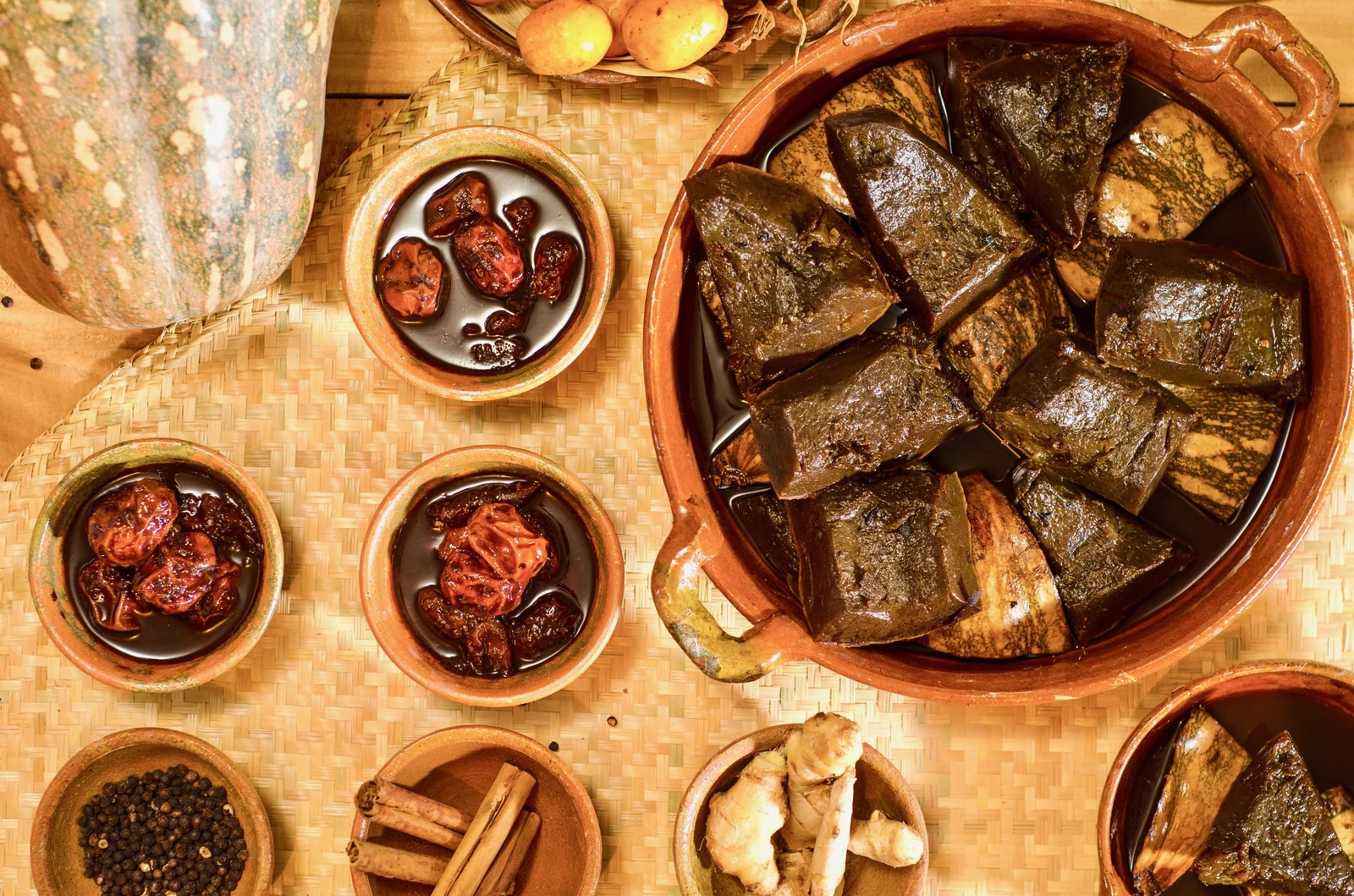
Ayote en miel is a Guatemalan dessert made from winter squash simmered in a dark syrup of panela (unrefined cane sugar), cinnamon, ginger, and allspice until the flesh turns soft and candied. Four ingredients, one pot, about an hour on the stove. It goes on the table on November 1st for el Día de Todos los Santos, right after the fiambre, and again during Cuaresma when the markets fill with squash. It is a popular traditional dessert in many Central American countries, a super easy recipe perfect for Day of the Dead celebrations!
This article contains affiliate links. If you buy something through one of my links, I may earn a small commission at no extra cost to you. I only recommend products and services I have personally used or vetted.
What is Ayote?
Ayote is the Central American name for winter squash, most often Cucurbita moschata, the same species as butternut and as the calabaza sold in Latin markets. There’s no clean one-word English translation, which is exactly why so many people end up searching for it. US seed catalogs list it as Guatemalan ayote or Guatemalan green-fleshed ayote. Depending on the variety, the flesh ranges from deep orange to dark green, which surprises people the first time they cut one open, and it’s denser and sweeter than the orange field pumpkin most Americans picture.
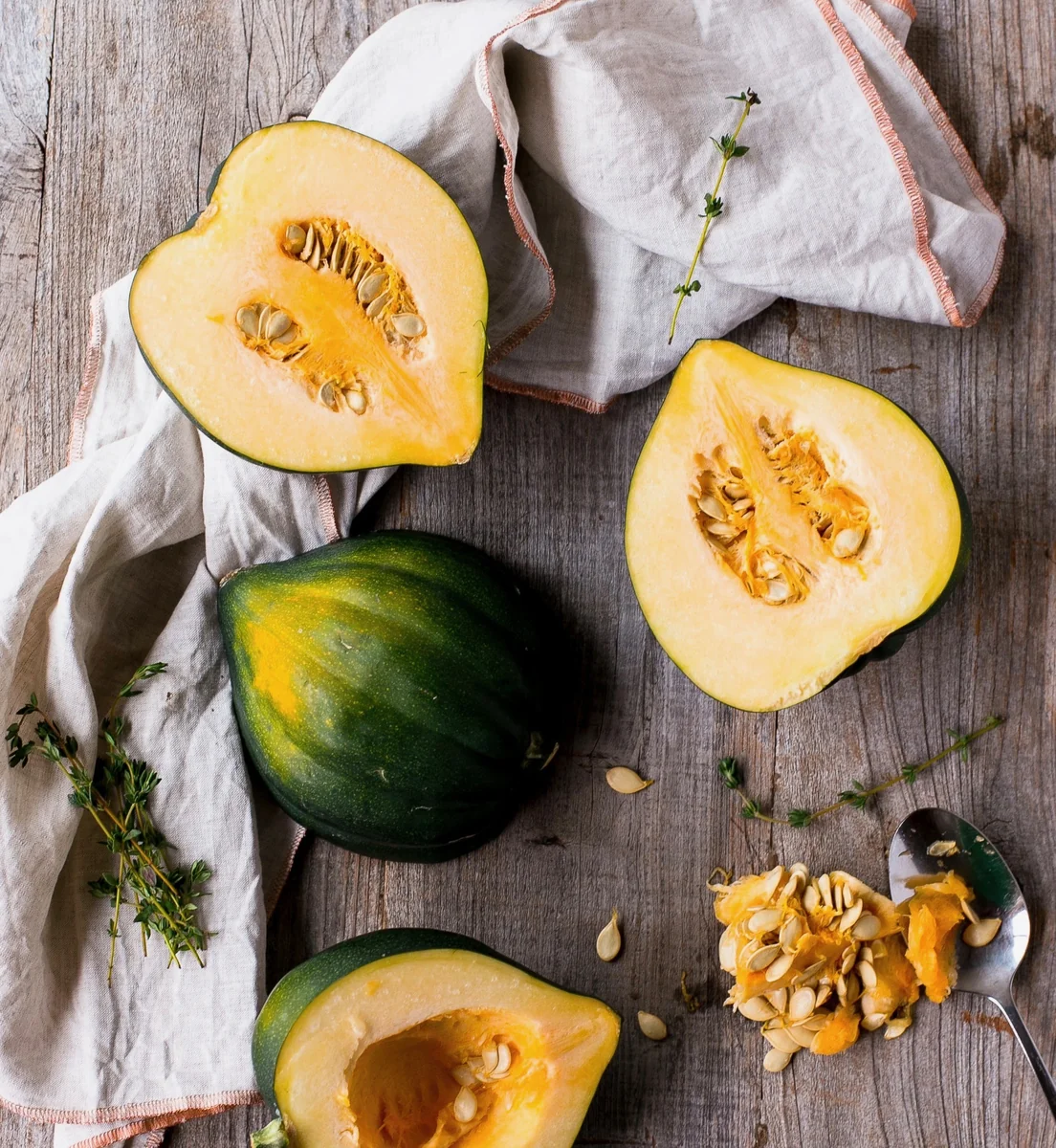
Ayote is somewhere between a pumpkin and an acorn squash. If you have a hard time finding ayote, you can make this recipe using butternut or acorn squash. Since we share a rich history and great weather, you will find many traditional recipes throughout Central America that use the same ingredients. This sweet squash in honey syrup is usually served during Lent or as part of Guatemala’s traditional Day of the Dead food.
If you can’t find ayote where you live, you have three decent options, in this order:
| Substitute | Why it works | What changes |
| Calabaza (winter squash) | Same species (C. moschata); sold whole or in chunks at most Latin markets | Closest match. Nothing changes. |
| Butternut squash | Same species, in every US supermarket | Slightly sweeter and softer. Watch it near the end so it holds its shape. |
| Acorn squash | Widely available, holds a wedge shape well | Different species (C. pepo) and drier, so it soaks up more syrup and turns mushy if you overcook it. |
Ayote en Miel Across Central America
The dish crosses borders with barely a change. The Honduran version is nearly identical to the Salvadoran one, and both start the same way the Guatemalan one does: panela and whole spices dissolved into a light syrup, then the squash goes in. In Guatemala, plenty of us add ginger for a little heat at the back of the throat. Others drop in a fig leaf or a strip of orange zest. In Nicaragua, it turns up on the same November table.
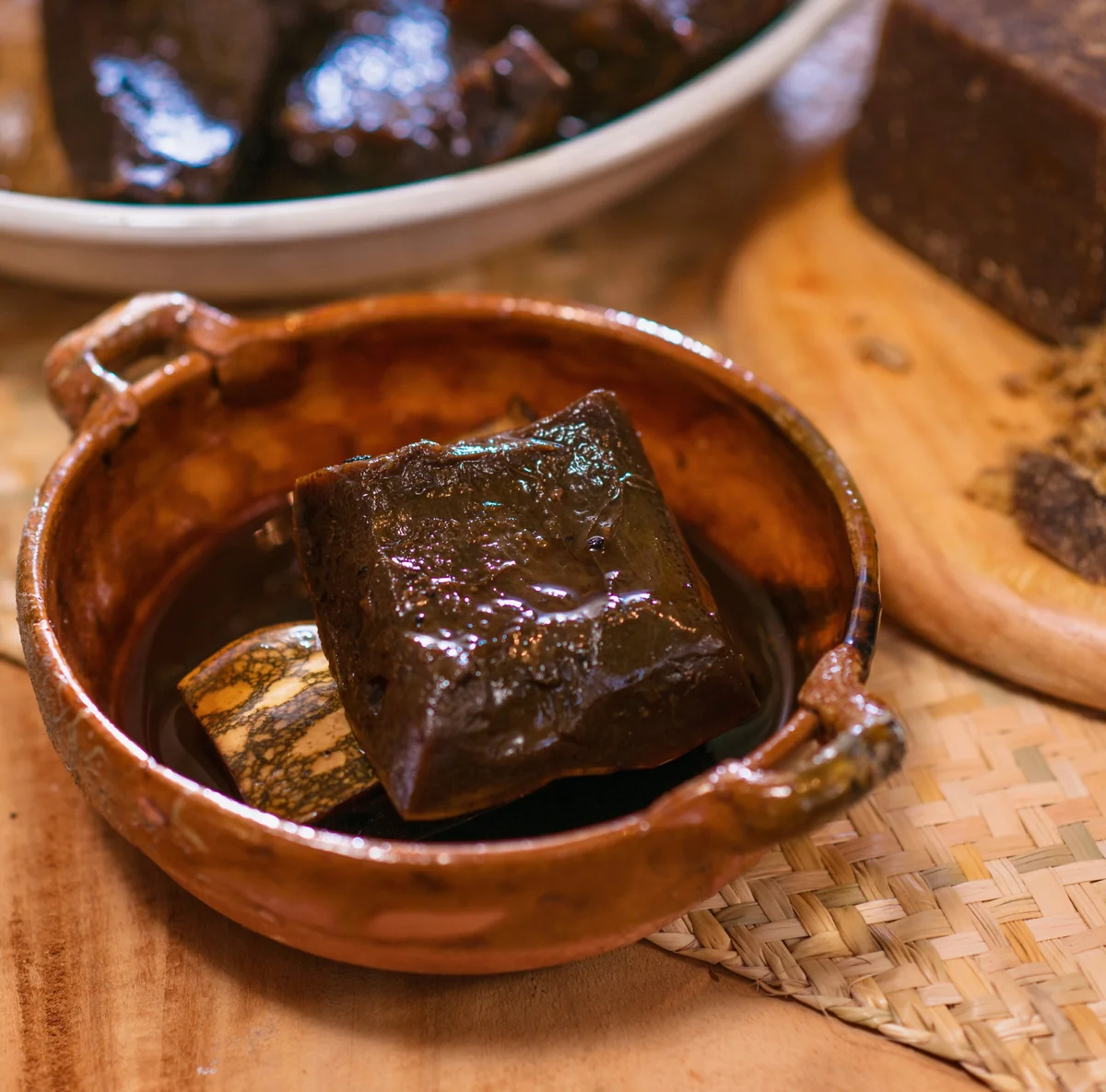
What stays constant everywhere is panela, cinnamon, allspice, and squash, ingredients most ayote en miel recipes have in common. These ingredients infuse the ayote with a woodsy aroma and spicy taste.
One of the things I love about the ayotes en dulce recipe is that it’s quick and easy to make. It’s one of my go-to Guatemalan desserts when squash is in season. So, although I do make it for our family when celebrating our loved ones on November 1st for el Día de Todos Los Santos (All Saints’ Day), it’s a family favorite, an easy Guatemalan recipe any day of the week.
Does Ayote en Miel Have Honey In It?
There’s no honey in ayote en miel. Miel here means the syrup itself, the dark panela liquid the squash cooks down into, and Guatemalans use the word the same way for jocotes en miel and garbanzos en miel. The dish is naturally vegan for that reason, which surprises people who assume otherwise from the name. If you want the other name for it, ayote en dulce means the same thing, and you’ll hear both.
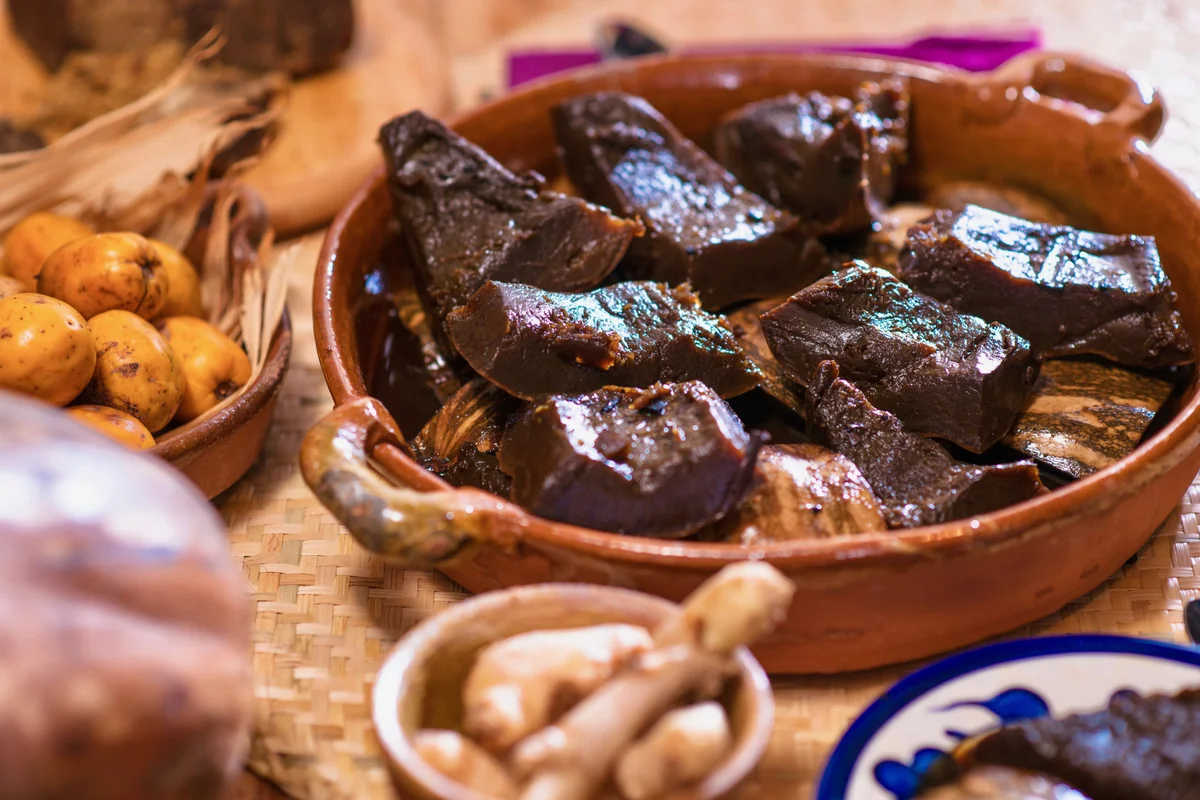
Panela, or rapadura, also known as piloncillo in Mexico, is unrefined whole-cane sugar. It is typical of Central and Latin America, used in many traditional recipes instead of white sugar. It has a more robust flavor than regular sugar and a darker color that gives desserts a golden touch.
Ayote en Miel and Guatemalan Food Traditions
Many of my family’s traditions are tied to childhood memories around my Abuelita’s kitchen. One of those traditions was cooking unique food for special holidays, like tamales colorados at Christmas and fiambre for Día de Todos los Muertos. It’s a traditional Guatemalan dish made with loads of veggies, cold cuts, cheeses, and a delicious caldillo, all rolled up into an elegant salad. It is the main dish prepared specially for Day of the Dead, a Guatemalan delicacy you have to try at least once in your life!
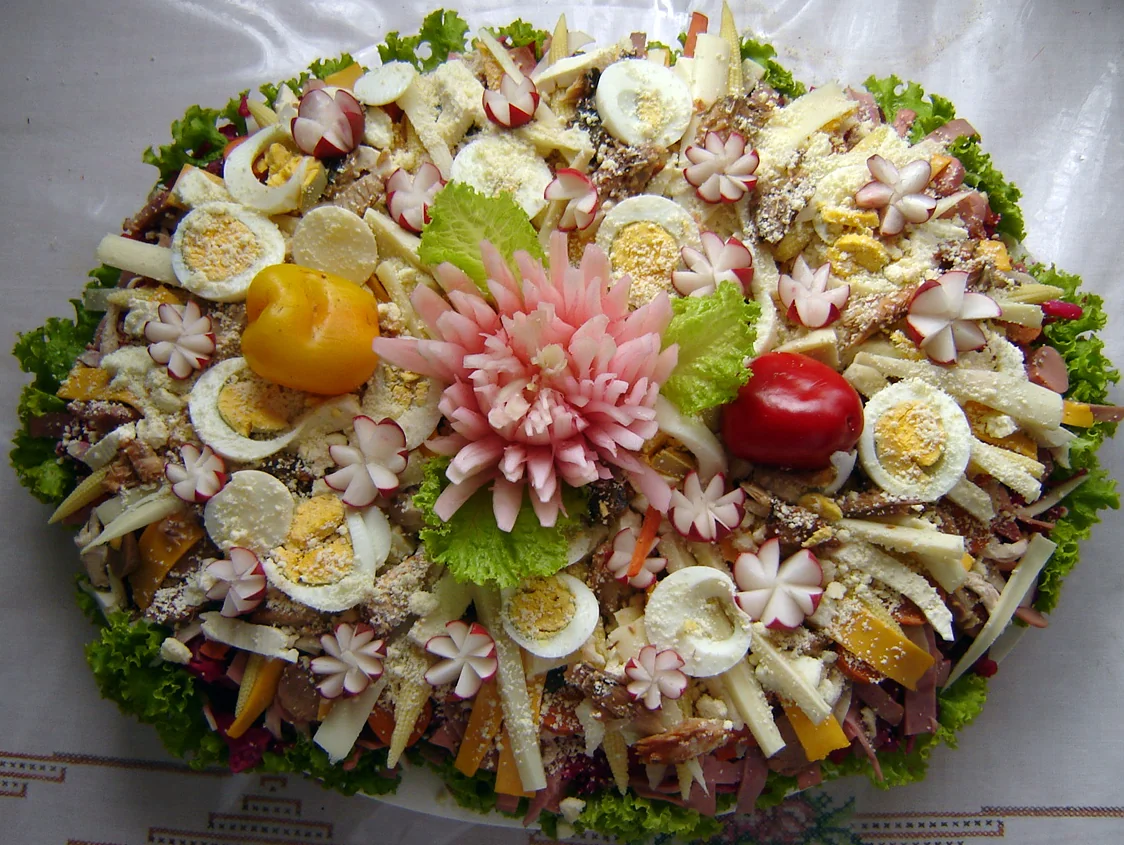
When I moved to the US, I missed family gatherings sitting around delicious Guatemalan dishes prepared only on special occasions. So I made it my mission to continue my grandma’s legacy and started cooking my favorite foods with my kids. Dia de los Muertos traditions in Guatemala are among those celebrations centered around food, a day when special dishes are prepared to commemorate the lives of family members who have passed away.
Many of these dishes are shared in family gatherings, often around the dining table, where stories and memories are passed down alongside the food. They are also taken to the cemetery to visit the graves of family members who have departed.
How to Make Guatemalan Ayote en Miel
Ayote en miel is about as simple as a traditional dessert gets: you cut the squash, simmer it in panela syrup with warm spices, and let it caramelize low and slow until it’s soft and glossy. There’s no special technique and nothing to fuss over. Whether you’re looking for the ayote en miel recipe from Guatemala, El Salvador, Honduras, or Nicaragua, it’s nearly the same across Central America; the squash and the panela do all the work.
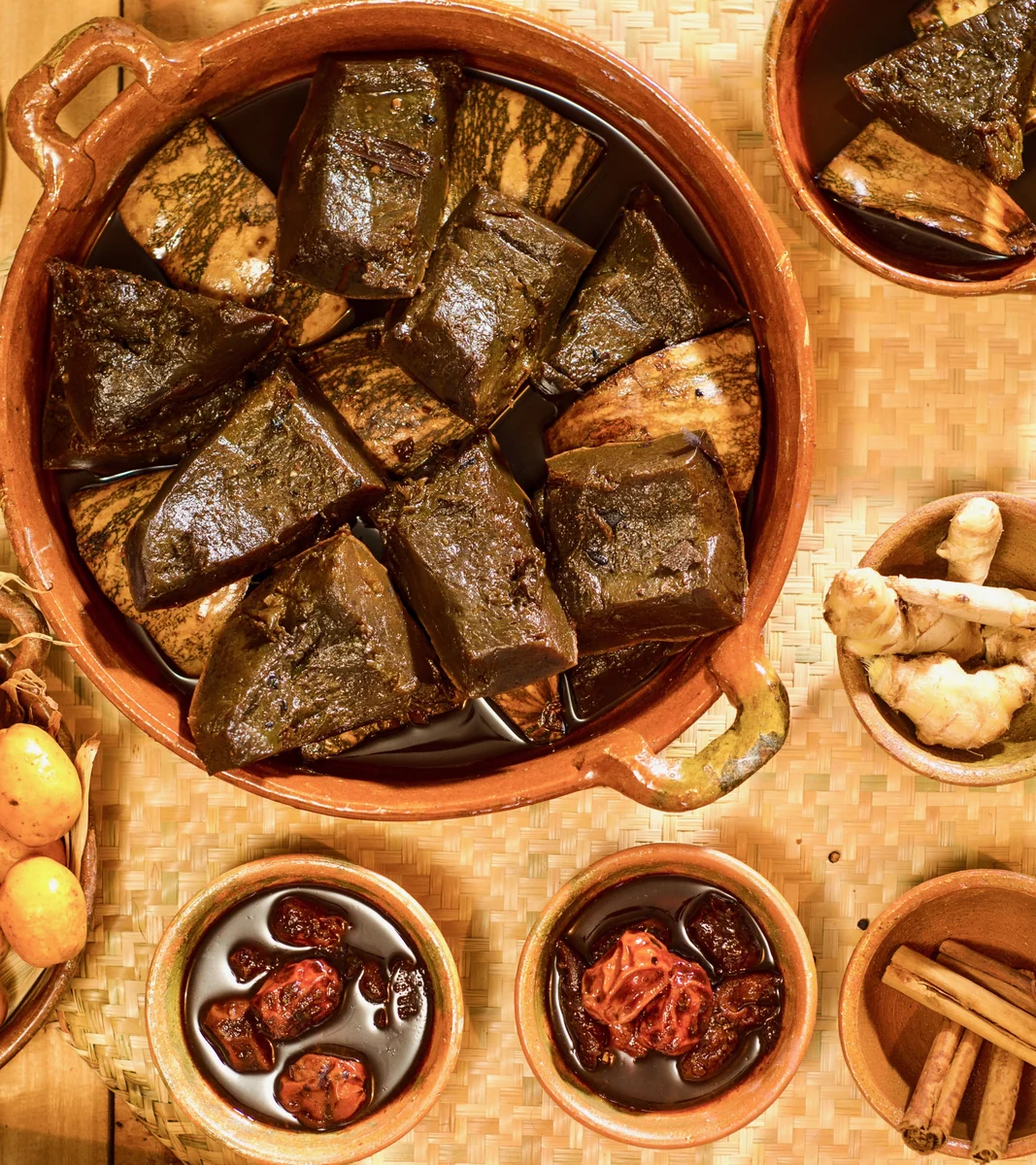
Ingredients for Ayote en Miel
- 1 Ayote (butternut or acorn squash), medium size
- ½ lb of panela (piloncillo) or regular sugar
- ½ cinnamon stick
- ½ a ginger root
- 1 whole allspice seed
- Water
How To Make Traditional Ayote en Miel
- Wash the ayote thoroughly and cut it into smaller 3-inch wedges (leave the skin). Don’t forget to scoop out the seeds and stringy center.
- In a large pot, place the ayote, panela, cinnamon, ginger, and allspice. Add enough water to cover the ayote, then bring to a boil.
- Drop to medium heat and cook until the squash is soft enough for a knife to slide through with no resistance and the miel (syrup) has thickened and darkened around it. Give it about an hour.
- Serve the ayote warm or cold in a deep bowl with plenty of sweet syrup spooned over the top.
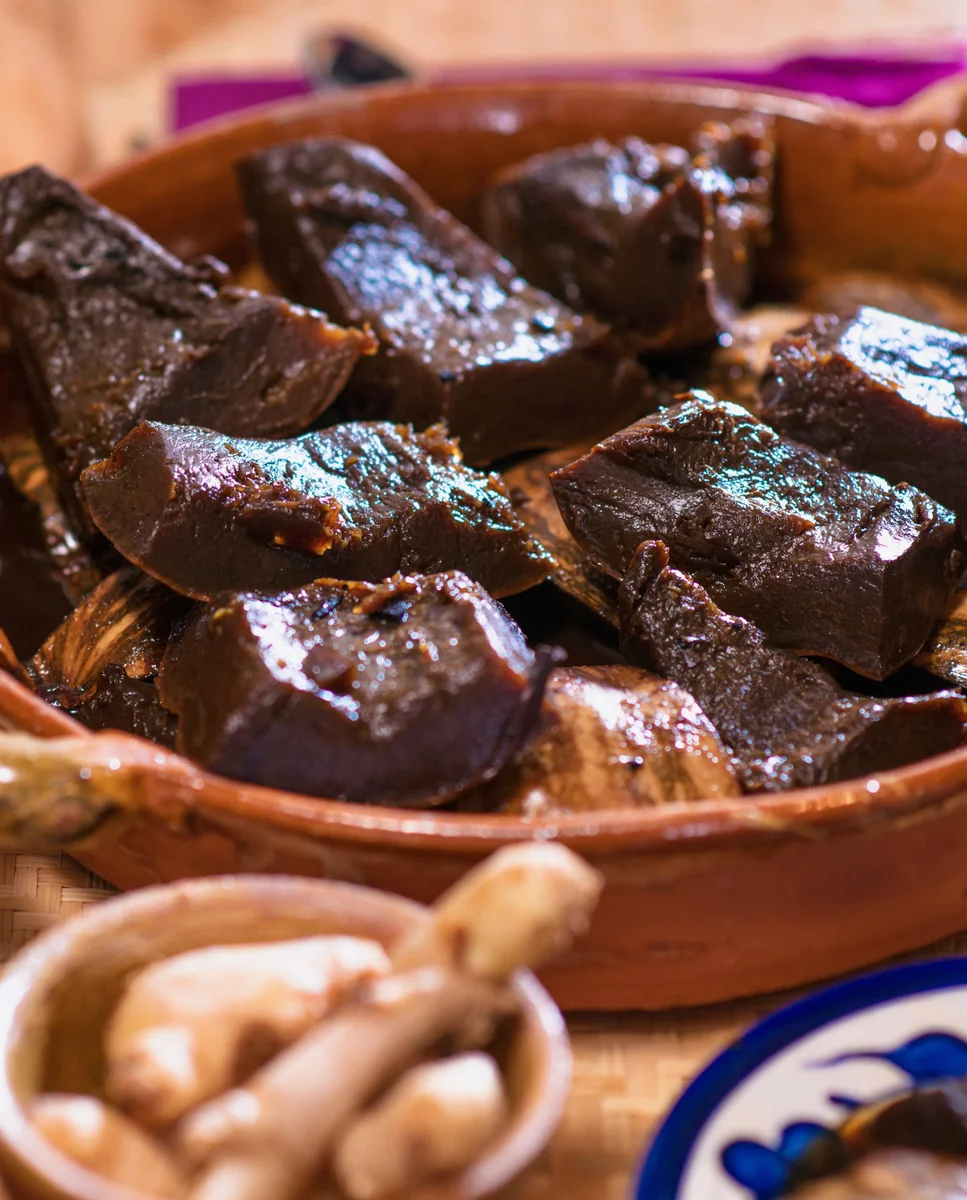
Tips for Making the Best Ayote Recipe
- Don’t stir it much. The wedges soften as they cook, and they’ll break apart if you push them around. Spoon syrup over the top instead.
- It’s better the next day. The squash keeps soaking up the syrup, and the spices settle in.
- Cooking ahead is the point! I make it the day before, let it cool on the counter, and store it in its syrup in an airtight container. It lasts for over a week in the fridge; well, that is, if my kids and husband raid the fridge, then it only lasts about an hour!
Ayote en Miel: Substitutions and Make-Ahead Tips
What can I use instead of ayote?
Calabaza is the closest substitute because it’s the same species as ayote. Most Latin markets sell it pre-cut into wedges, which saves you the hardest part of this recipe: cutting it. Butternut squash is the next best, and it’s in every US supermarket. Acorn squash works, but it’s drier and a different species, so watch it closely near the end.
What is panela and what can I use instead?
Panela is unrefined, whole-cane sugar pressed into solid cones or blocks, with a deep molasses flavor. Look for piloncillo in the international aisle of most supermarkets; it’s the same thing. If you can’t find either, dark brown sugar is the closest substitute, but the syrup comes out lighter in both color and flavor.
How do I know when the ayote is done?
The ayote is done when it’s fork-tender and glossy, and the syrup has thickened enough to coat the back of a spoon. It should be soft and candied but still holding its shape, not falling apart. That usually takes about an hour of gentle simmering.
Can I make ayote en miel ahead of time?
Yes, and it actually gets better. Ayote en miel keeps in the fridge in its syrup for up to five days, and the flavor deepens as it sits. Serve it cold or gently warmed. It’s a good one to make a day or two before Día de Todos los Santos.
Where to Try Ayote en Miel in Guatemala
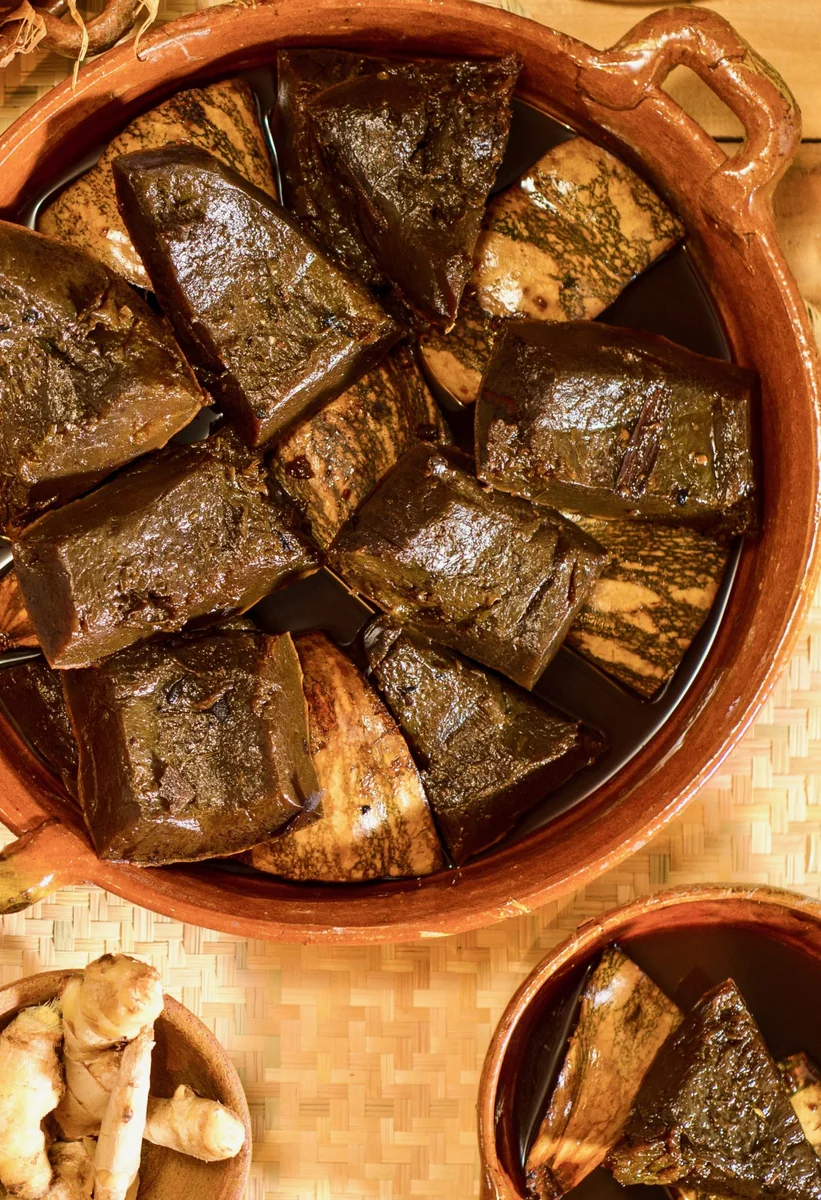
In November, street vendors sell ayotes in the weeks leading up to cemeteries’ preparations for Day of the Dead. In the highlands around Lake Atitlán, ayote is a harvest crop, and squash season is written all over the markets in Sololá, where it’s stacked on the ground and sold by size and haggled over. If you want to see the towns and cuisine of that part of Guatemala, my guide to the traditional foods of Sololá and Lake Atitlán is where I’d start.
And if you’d rather taste ayote en miel where it grows rather than cook it at home, I plan custom trips through Guatemala built around food and the places behind it.
More Guatemalan Desserts for Day of the Dead
Ayote en miel is only one of the sweets enjoyed during Guatemala’s Day of the Dead celebrations. These traditional Guatemalan dessert recipes bring even more seasonal flavors to the table.
Molletes
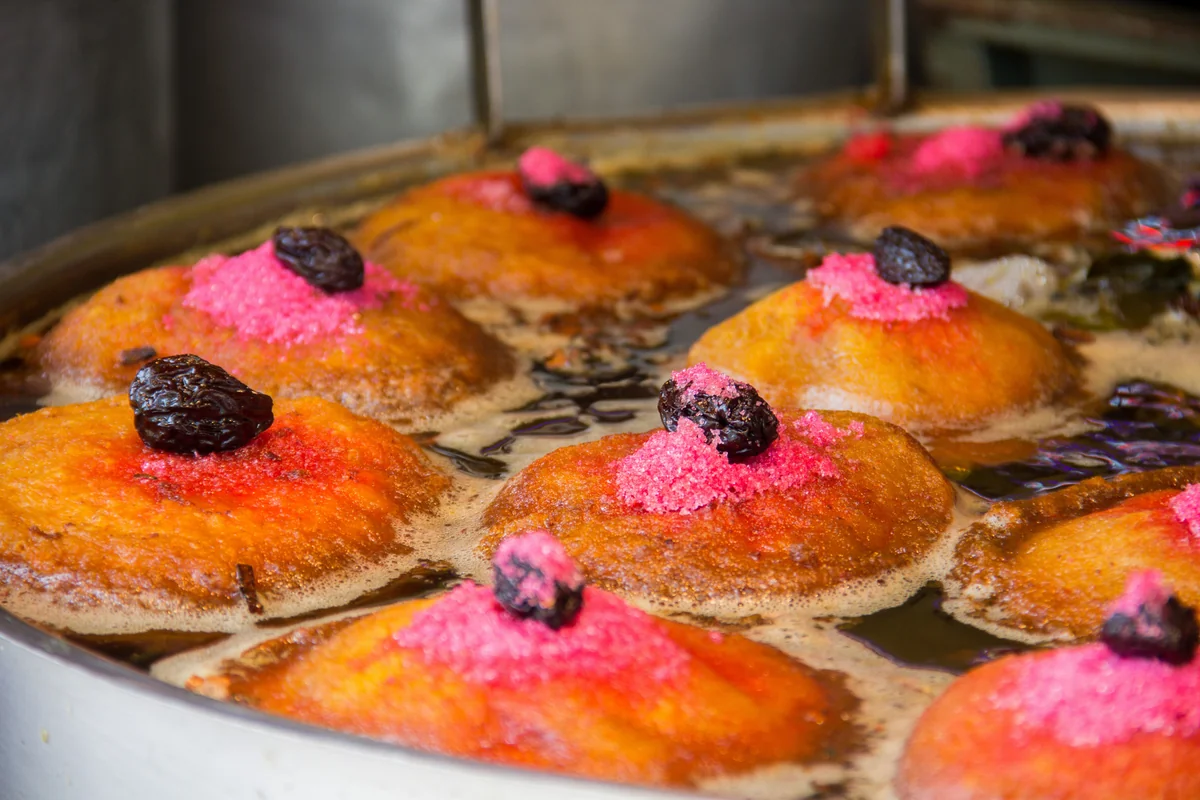
Molletes is a traditional Guatemalan dessert perfect for the Day of the Dead or All Saints Day festivities. Unlike Mexican molletes, Guatemalan molletes are more like the French toast’s Latin cousin. The difference? A creamy custard-stuffed sweet bread soaked in a delicious syrup made with panela or raw sugar and rum.
Rellenitos de Plátano
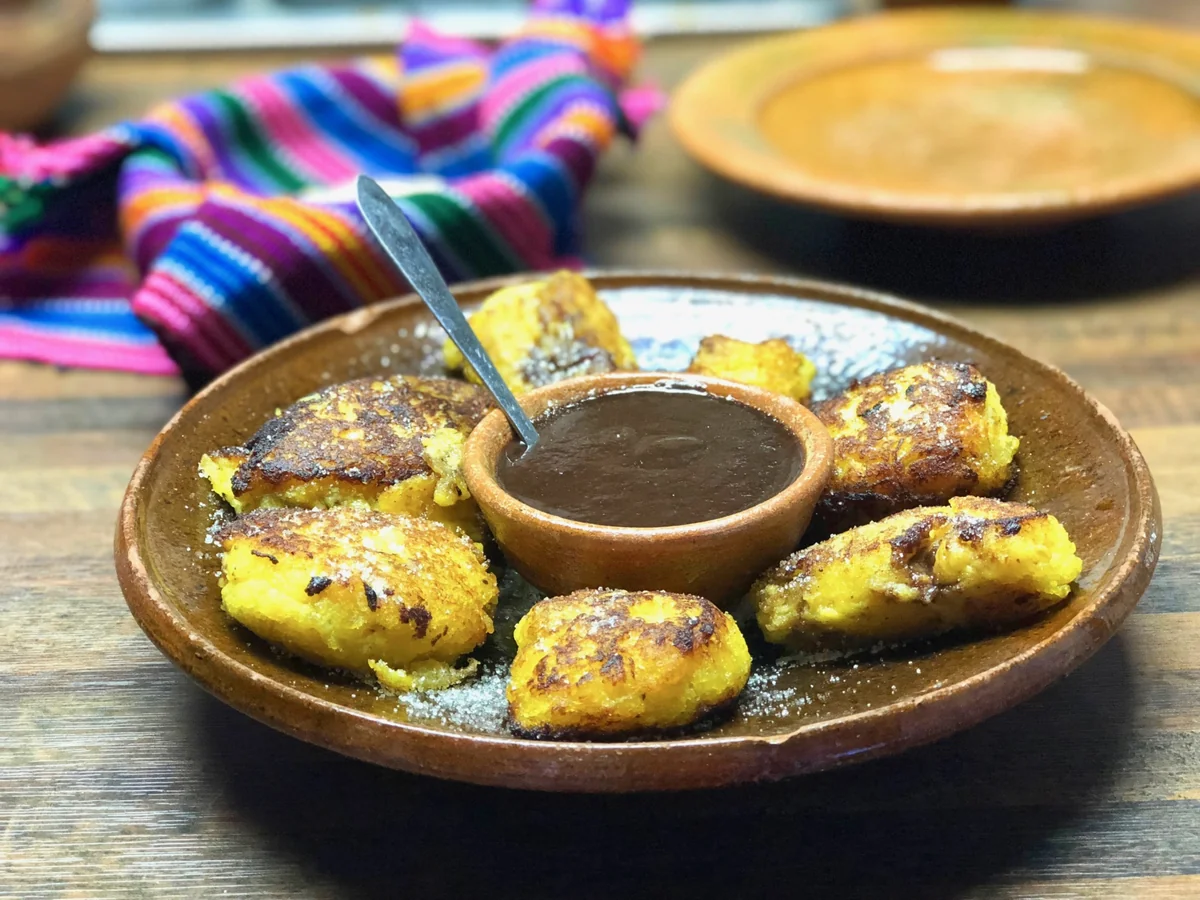
Guatemalan rellenitos are ripe plantains stuffed with refried black beans and covered in sugar. This sweet plantain recipe is one of the most delicious Guatemalan foods, a must-try dish if you are in the mood for something sweet and unique.
Garbanzos en Miel
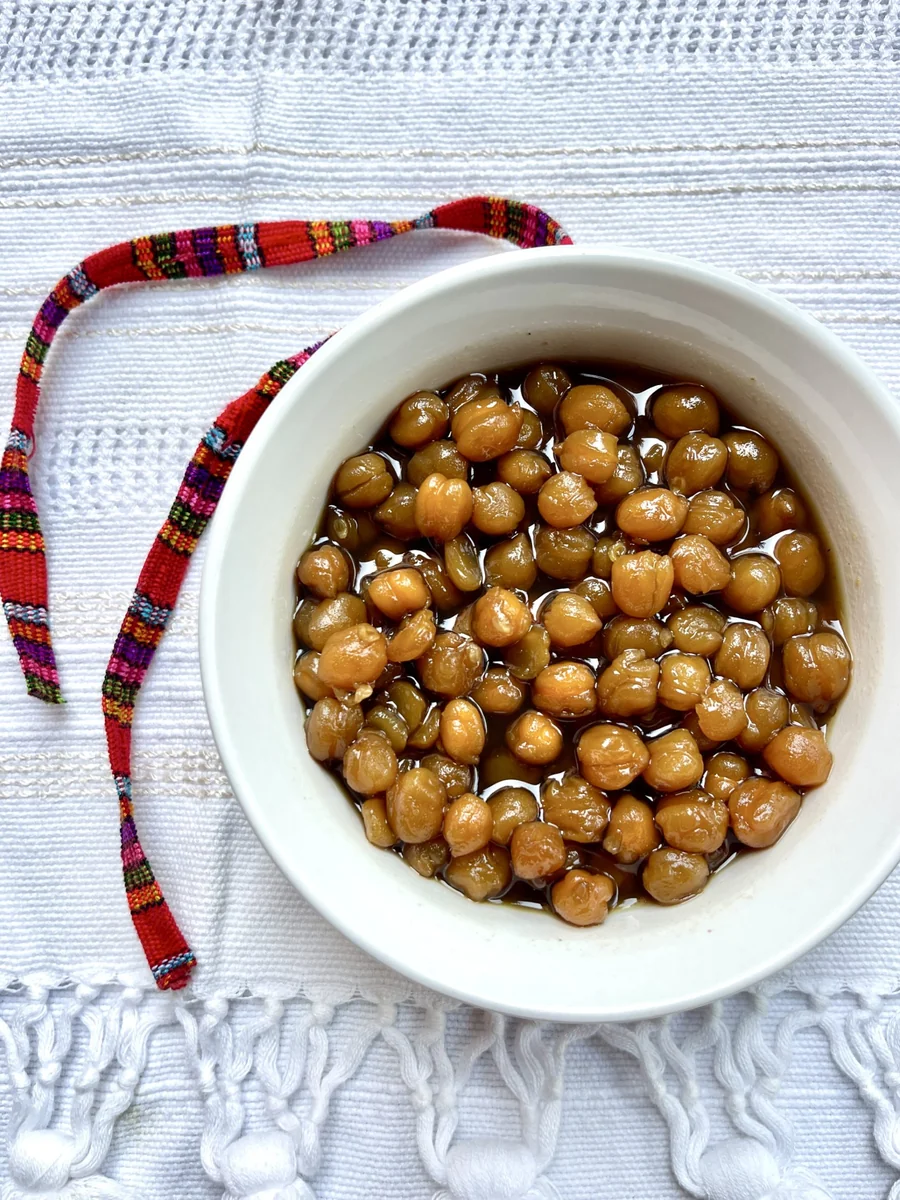
Garbanzos en miel, or chickpeas in honey, is a traditional Guatemalan dessert that blends the sweetness of brown sugar or panela with nutty chickpeas. Popular during Lent, Semana Santa, and 1ero de Noviembre (Día de Todos los Santos), it can be enjoyed year-round as a tasty sweet snack.
Torrejas
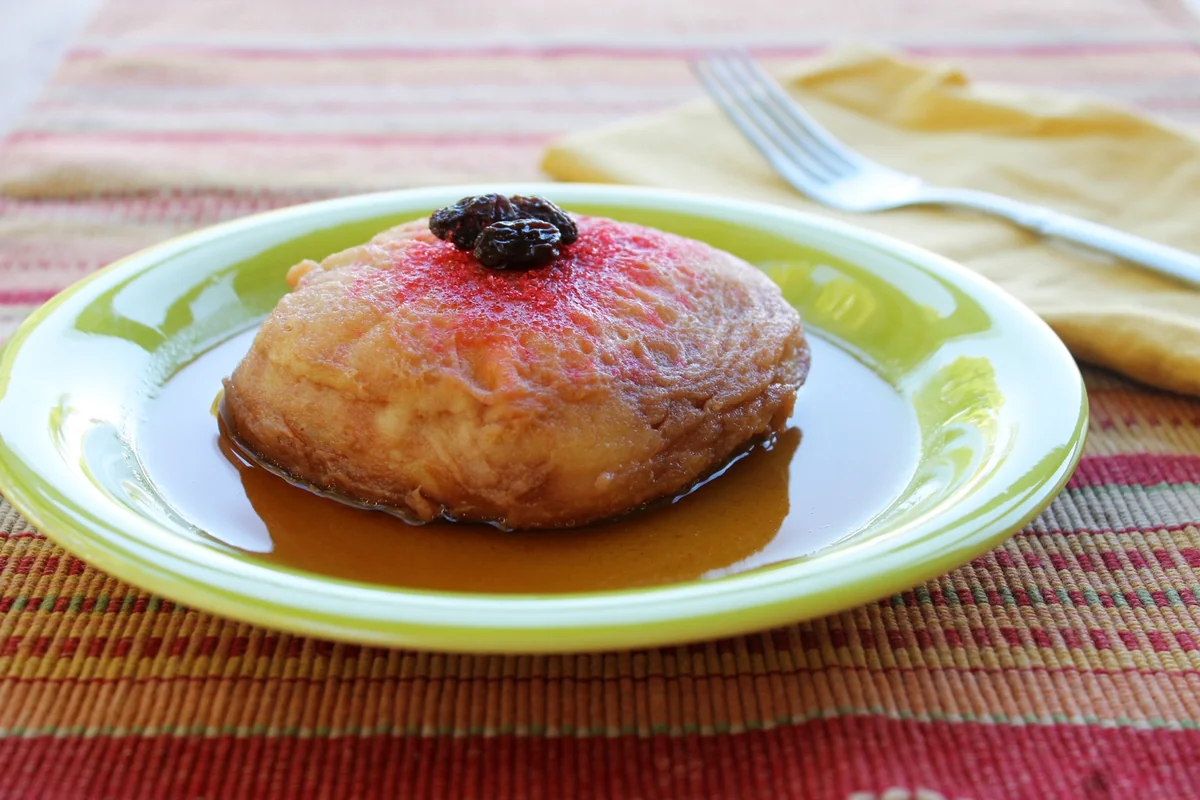
A cross between French toast and molletes, Guatemalan torrejas are sweet bread or brioche soaked in a milk or egg mixture before being fried in oil. Then you bathe them in a sweet syrup made by boiling water with spices.
Jocotes en Miel
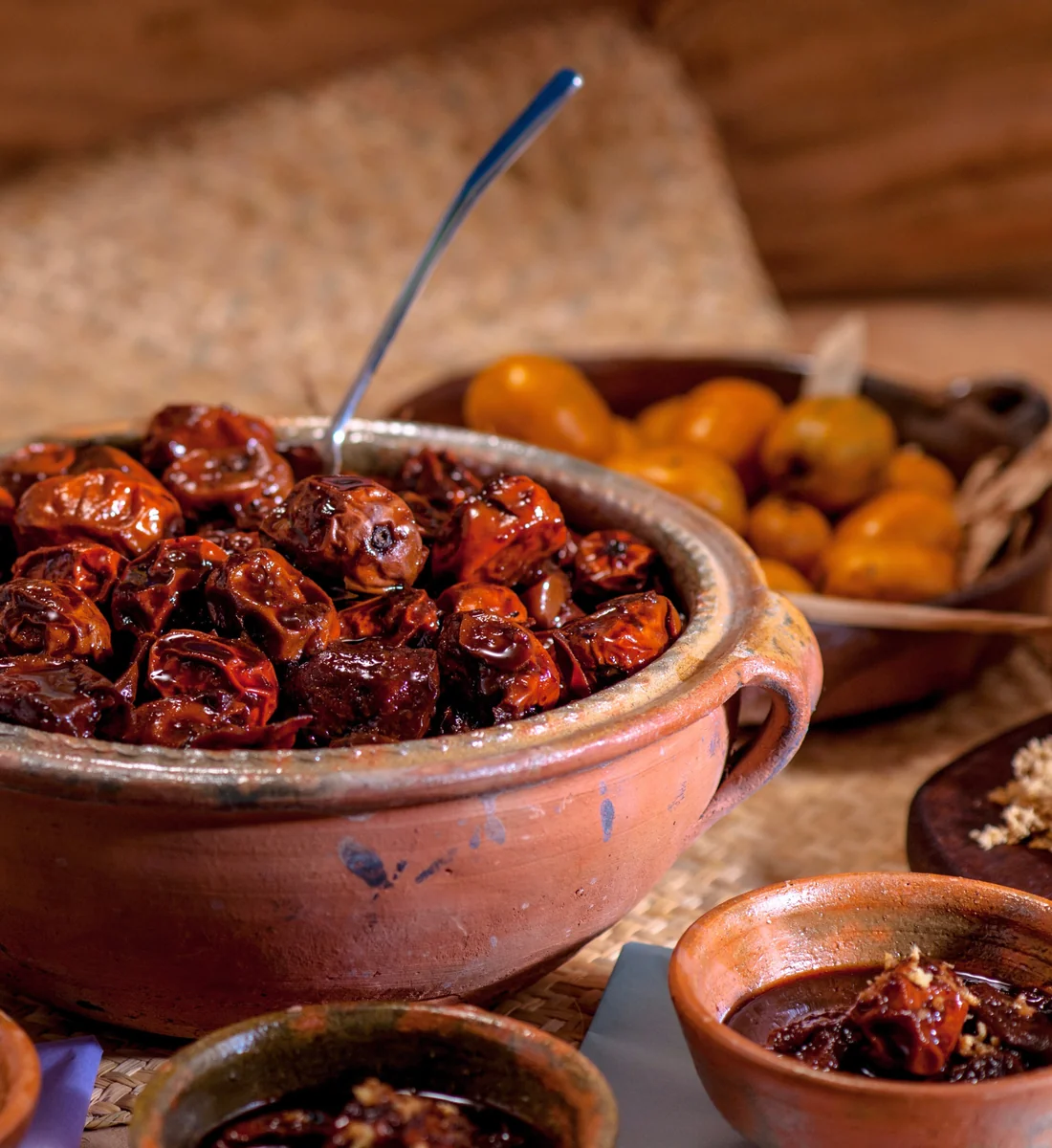
Jocotes en miel is a traditional Guatemalan food commonly served around the Day of the Dead celebrations. These juicy jocotes (hog plums) are cooked in a bubbling sweet syrup and heavenly spices.
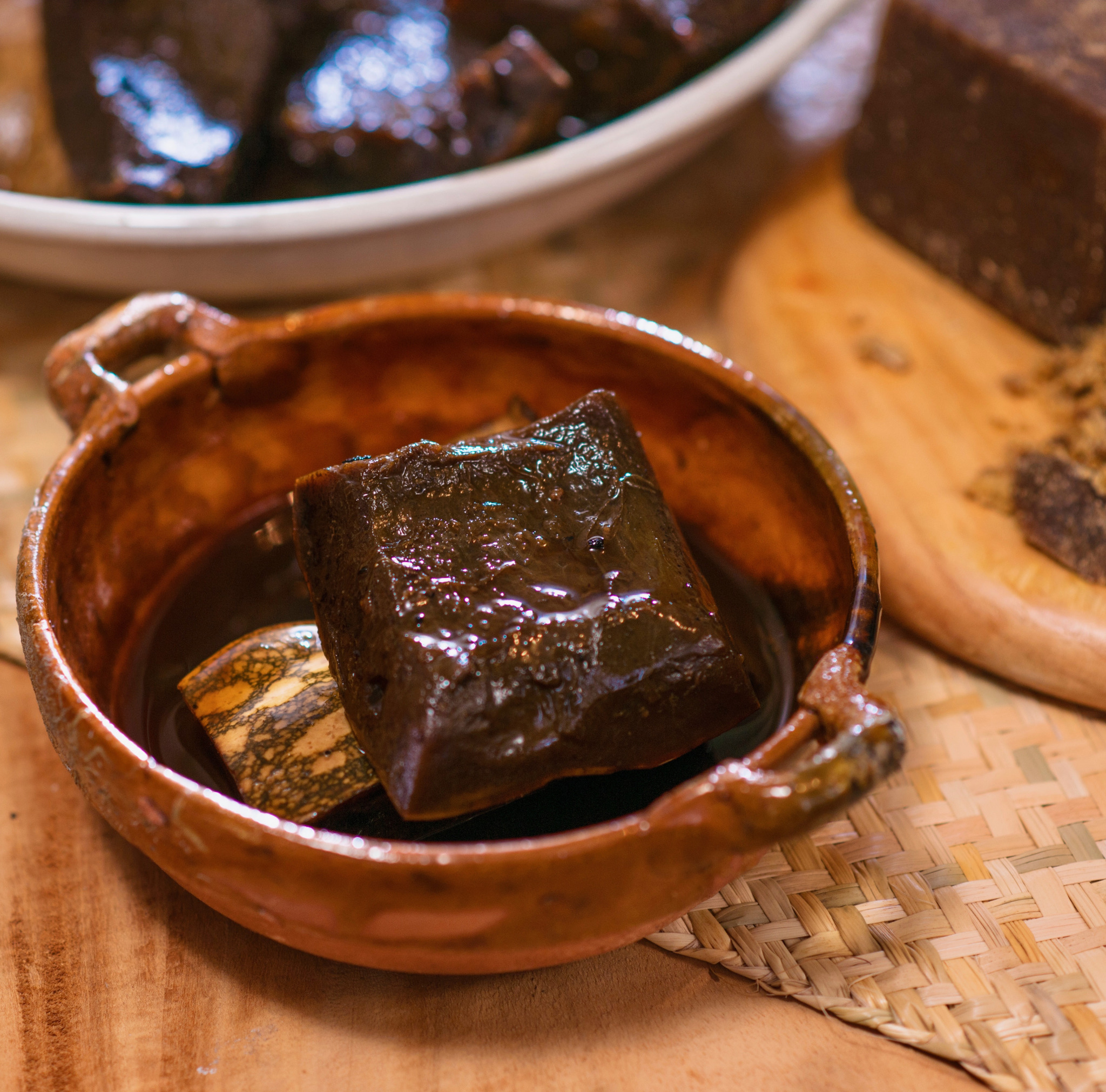
Ayotes en Miel, Guatemalan Squash in Panela Syrup
Ayote en miel, or ayote en dulce, is Guatemalan winter squash simmered in a dark syrup with spices. A traditional Day of the Dead dessert from Guatemala, Honduras, El Salvador, and Nicaragua.
Ingredients
- 1 Ayote (or acorn squash), medium size
- ½ lb of panela (piloncillo or regular sugar)
- ½ a cinnamon stick
- ½ a ginger root
- 1 whole allspice seed
- Water
Instructions
- Wash the ayote thoroughly and cut it into smaller 3-inch wedges (leave the skin). Don’t forget to scoop out the seeds and stringy center.
- In a large pot, place the ayote, panela, cinnamon, ginger, and allspice. Add enough water to cover the ayote, then bring to a boil.
- Drop to medium heat and cook until the squash is soft enough for a knife to slide through with no resistance and the miel (syrup) has thickened and darkened around it. Give it about an hour.
- Serve the ayote warm or cold in a deep bowl with plenty of sweet syrup spooned over the top.
Notes
- Substitutes: Calabaza is the closest substitute because it’s the same species as ayote. Butternut squash is the next best, and it’s in every US supermarket. Acorn squash works, but it’s drier and a different species, so watch it closely near the end.
- Don’t stir it much: The wedges soften as they cook, and they’ll break apart if you push them around. Spoon syrup over the top instead.
- It’s better the next day: The squash keeps soaking up the syrup, and the spices settle in.
- Cooking ahead: Make it the day before, let it cool on the counter, and store it in its syrup in an airtight container. It lasts for over a week in the fridge.
Nutrition Information:
Yield: 10 Serving Size: 1Amount Per Serving: Calories: 51Total Fat: 0.2gSaturated Fat: 0gUnsaturated Fat: 0gSodium: 2mgCarbohydrates: 14.8gFiber: 5.6gSugar: 5.3gProtein: 0.6g
Nutritional values are estimates calculated using standard databases. Actual values may vary based on specific ingredients and brands used.
How Does Your Family Make Ayotes?
Ginger or no ginger is the argument in my family. Some people swear by the fig leaf, some add orange zest, and a few insist the syrup should be thin enough to drink from the bowl at the end. If your family makes ayote en miel a different way, or if you grew up calling it ayote en dulce and had never heard the other name, leave me a comment. These are the recipes that travel with people, and the versions are always a little different depending on which kitchen they came from.

Through her writing, Paula helps travelers discover Guatemala beyond the typical tourist route with practical advice, local recommendations, and authentic experiences that connect visitors with the country’s people, culture, and traditions.
Planning a trip to Guatemala? Paula offers personalized Guatemala itinerary planning and trip consultation services tailored to your interests, travel style, and budget. Contact her at [email protected] to learn more.
- San Lucas Tolimán Guatemala: Lake Atitlán’s Best-Kept Secret - September 24, 2026
- Hotel Tolimán Lake Atitlán: A Special Stay in San Lucas Tolimán - September 24, 2026
- Guatemala Dreams in San Lucas Tolimán: A Boutique Stay on Lake Atitlán - September 23, 2026

