Disclosure: This article contains affiliate links. If you book or buy something through one of my links, I may earn a small commission at no extra cost to you. I only recommend places and services I have personally used or vetted.
If you are thinking about visiting Guatemala in November, you are looking at one of the most meaningful months of the year. Rainy season is wrapping up, dry season is beginning, and the country turns toward remembrance, flowers, food, cemeteries, giant kites, and family traditions that feel deeply Guatemalan.
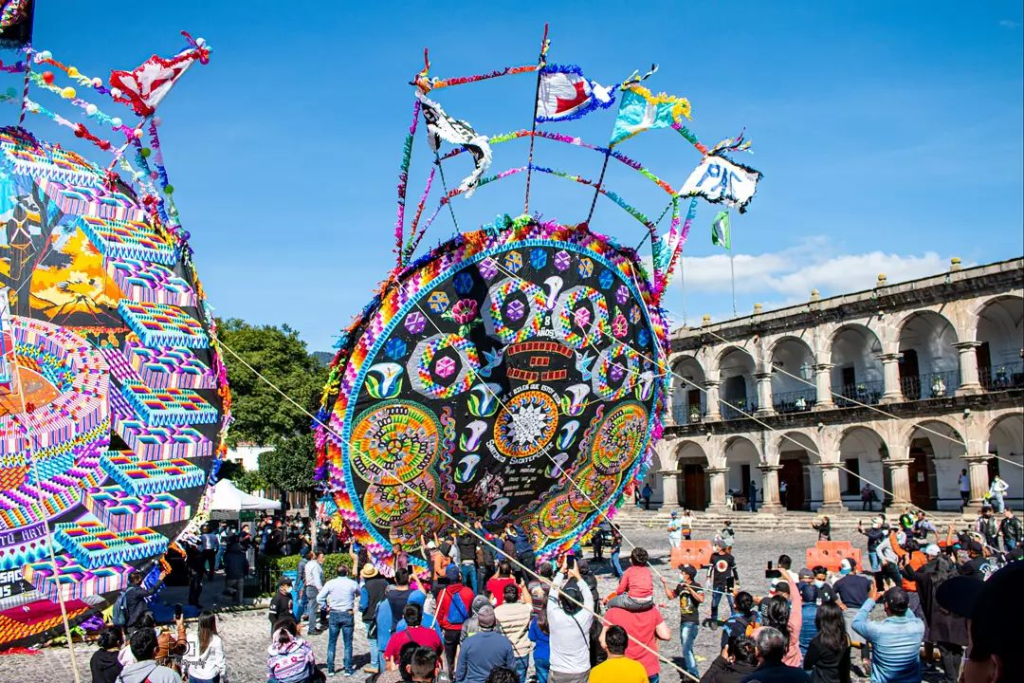
November in Guatemala means Día de Todos los Santos, cemeteries filled with flowers, fiambre on family tables, giant kites in Sumpango and Santiago Sacatepéquez, a famous horse race in Todos Santos Cuchumatán, the Santa Calavera procession in Petén, the Festival de las Flores in Antigua, and Garífuna Day in Livingston. It is not just a shoulder-season month. It is one of the best months to understand how Guatemala remembers, celebrates, and moves into dry season.
In this guide, I will cover the weather in Guatemala in November, what the shift into dry season actually feels like, the best places to go, the most important November traditions, what to eat, where to stay, and how I would plan a trip around the kites, the flowers, the lake, or Tikal.
For help building a Guatemala trip around November weather, the Barriletes Gigantes, the Festival de las Flores, Lake Atitlán, Tikal, or the Garífuna coast, I can help you put together an itinerary here.
This guide is for
✓ Travelers deciding if November works for their trip ✓ Anyone curious about Día de Todos los Santos and the kite festivals ✓ People who want the start of dry season without December crowds
PLANNING YOUR TRIP
Is November a Good Time to Visit Guatemala?
Yes, November is a good time to visit Guatemala, especially if you want better weather without the full holiday crowds of December. Rainy season is ending, dry season is beginning, and the country still feels green from the months of rain. By late November, skies are clearer, volcano views improve, and travel days become easier to plan.
November also has one of the most important cultural dates of the year: Día de Todos los Santos on November 1. Families visit cemeteries, clean and decorate graves, bring flowers, and eat fiambre together. In Sumpango and Santiago Sacatepéquez, the day fills the sky with giant kites. In Todos Santos Cuchumatán, it looks completely different, with the Carrera de Cintas horse race. In San José, Petén, it becomes the Procesión de la Santa Calavera.
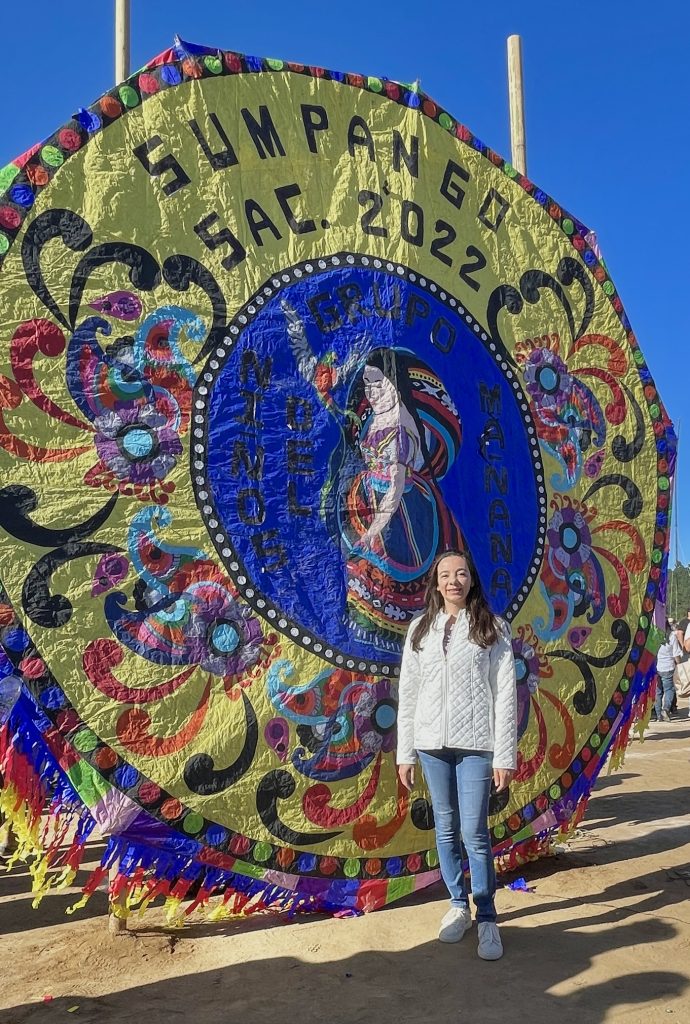
I have stood in Sumpango on November 1 watching a giant kite get lifted by a whole team of people, the bamboo frame creaking, marimba playing nearby, families eating, children running, and dust rising from the dry roads. It does not feel like a festival made for visitors. It feels like a town doing what it has always done, and letting you witness it.
📌 IS IT SAFE?
Guatemala has well-traveled routes between Antigua, Lake Atitlán, and Tikal that are set up for tourism. Check the current U.S. State Department travel advisory before you book, stick to established routes, and use trusted transport. On November 1, Sumpango and Santiago Sacatepéquez get extremely crowded, so go early, keep valuables close, avoid driving yourself if you can, and expect slow roads in and out.
WEATHER & CLIMATE
Weather in Guatemala in November: Temperatures, Rainfall and What to Expect
The weather in Guatemala in November is a transition out of rainy season and into dry season. October is usually one of the last really wet months, and by November the country starts to feel different. The hills are still green from the rains, but skies begin clearing, afternoon storms become less frequent, and travel gets easier as the month goes on.
The most important thing to know is that early November and late November can feel like two different moments. Early November may still have leftover rainy-season showers, especially around Lake Atitlán, Petén, and the Caribbean side. By late November, Antigua, Guatemala City, and much of the highlands often feel much closer to dry season, with clearer skies, cooler nights, and better volcano views.
| Destination | Average November Temps | Typical November Rainfall | What It Feels Like |
|---|---|---|---|
| Antigua Guatemala | Around 72°F / 55-57°F 22°C / 13-14°C |
Drops from about 2.9 in to 0.7 in 74 mm to 18 mm |
Mild days, cooler nights, clearer skies by late month, and far less rain than September or October. |
| Lake Atitlán / Santiago Atitlán | Around 73°F / 53-55°F 23°C / 12-13°C |
Drops from about 4.3 in to 1.0 in 109 mm to 25 mm |
Green hills, cool mornings, improving skies, and better lake conditions as the month dries out. Afternoon Xocomil wind can still make boat rides choppy. |
| Guatemala City | Around 73°F / 59°F 23°C / 15°C |
About 1.3 in 33 mm |
Mild and drying out, with better skies for city exploring, museums, cafés, and day trips. |
| Tikal / Flores / Petén | Around 83-85°F / 67-69°F 28-29°C / 19-21°C |
Drops from about 4.8 in to 3.3 in 122 mm to 84 mm |
Still hot and humid, but easier than peak rainy season. Trails begin drying, though the jungle is not fully dry yet. |
| Pacific Coast / Monterrico area | Around 89°F / 69-71°F 32°C / 21-22°C |
Drops from about 2.5 in to 0.5 in 64 mm to 13 mm |
Hot and humid, but drying out. November can work well for black sand beach time and sea turtle hatchling releases. |
| Livingston / Caribbean Coast | Around 80°F / 70°F 27°C / 21°C |
About 5.5 in 140 mm |
Warm, humid, and still rainy. The Caribbean side does not dry out as neatly as Antigua, Lake Atitlán, or Guatemala City. |
| Acatenango area | Around 72°F / mid-50s°F at lower elevations 22°C / 13-14°C |
Rain drops sharply through the month near Antigua | Trail conditions improve as rainy season ends, but nights at high camp are cold. Pack serious warm layers. |
The biggest thing to understand about November weather in Guatemala is that the month gets easier as it goes. Early November can still feel like the tail end of rainy season, especially around Lake Atitlán, Petén, and the Caribbean coast. By late November, Antigua, Guatemala City, and much of the highlands feel much closer to dry season, with clearer skies, cooler nights, and better conditions for volcano views and outdoor plans.
- Antigua Guatemala: Mild days, cool nights, and noticeably less rain than September or October. By late November, skies are often much clearer.
- Lake Atitlán: Cooler mornings, greener hills, and improving weather, though afternoon Xocomil wind can still make boat rides choppy.
- Guatemala City: Mild and drying out, with better conditions for museums, cafés, restaurants, and day trips.
- Tikal and Petén: Still hot and humid, but trails begin drying and the worst rainy-season mud is usually behind you.
- Pacific Coast: Hot and humid year round, but November is drying out and lines up well with sea turtle hatchling season.
- Livingston and the Caribbean Coast: Warmer, wetter, and more humid than the highlands. Do not assume Caribbean weather follows the same November pattern as Antigua or Lake Atitlán.
- Acatenango: Trails firm back up as rain lets go, making November one of the better months to hike before the colder, busier dry-season weekends of December and January.
For the full seasonal pattern, including how November compares to the rest of the year, read my guide to the best time to visit Guatemala. If you are weighing November against the rainier months, my Guatemala in July guide shows what full rainy-season travel feels like.
✨ LOCAL TIP
For November, I would plan the trip as if the second half of the month is the safer bet for weather. Early November can still surprise you with rain, while late November often gives you clearer skies, better volcano views, and easier travel days. Around Lake Atitlán, cross the lake before the early afternoon Xocomil wind picks up.
WHAT’S HAPPENING
Día de Todos los Santos, the Barriletes Gigantes, and Fiambre
November 1 is Día de Todos los Santos, or All Saints’ Day, and it is a national holiday in Guatemala. In 2026 it falls on a Sunday, which means the date itself does not shift. The traditions still happen on November 1, especially the cemetery visits, fiambre, and giant kite festivals.
The morning usually belongs to the cemetery. Families clean and decorate graves, bring flowers, repaint tombs, light candles, and spend time with the people they have lost. By afternoon, the focus often shifts to fiambre, a cold, layered dish made with vegetables, meats, cheeses, pickled ingredients, and family-specific details that change from house to house.
✨ THE KITES
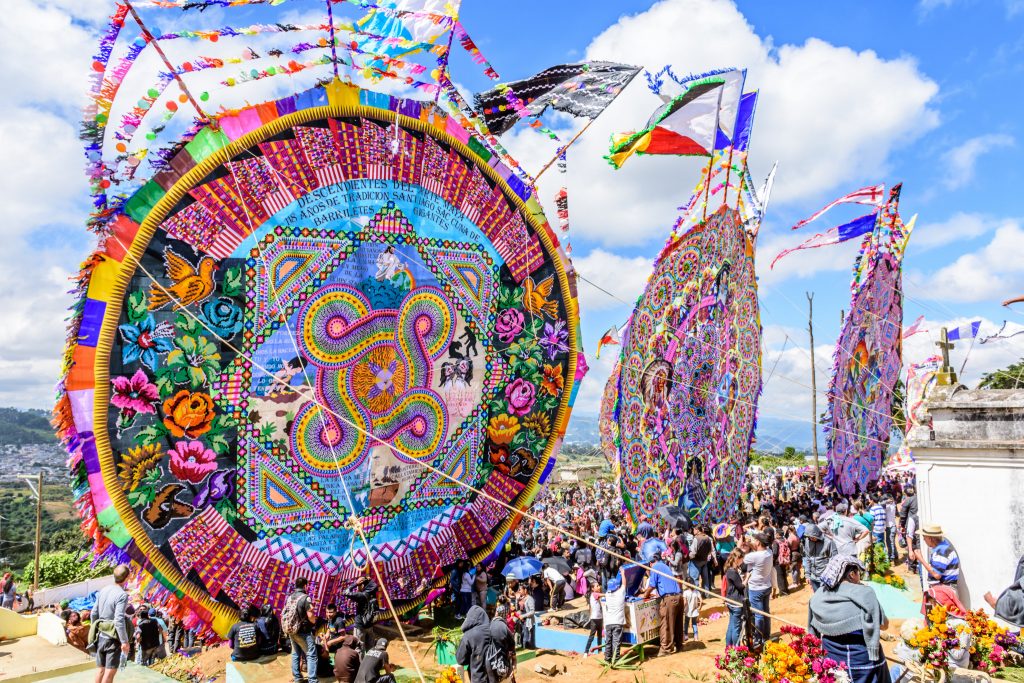
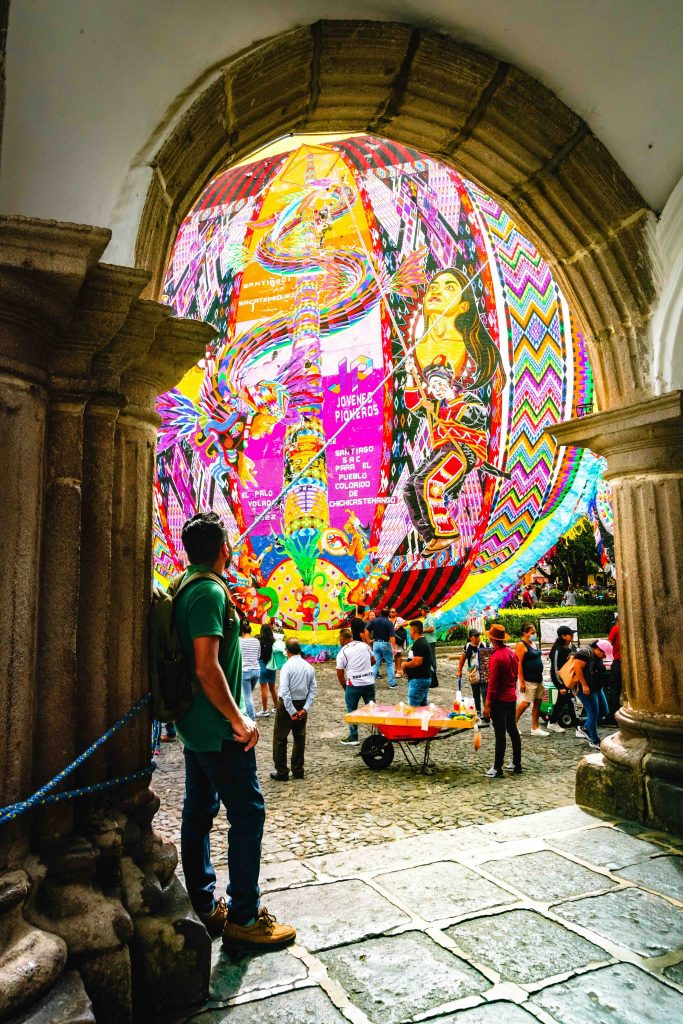
In Sumpango and Santiago Sacatepéquez, both in Sacatepéquez department, Día de Todos los Santos brings the Barriletes Gigantes. The largest kites are not flown like small kites. Many are built to be displayed upright because they are so large. Smaller kites are flown, and the tradition is tied to communicating with ancestors, remembering the dead, and renewing the connection between the living and those who came before.
The tradition of making giant kites in Sumpango and Santiago Sacatepéquez was inscribed by UNESCO as Intangible Cultural Heritage in 2024, which has brought even more attention to something locals have been doing for generations. If you want the full story behind why this tradition exists and what it represents, read my guide to the history and meaning of Guatemala’s giant kites.
Sumpango and Santiago Sacatepéquez are both worth visiting, but I would not try to do both on the same day. Sumpango usually feels bigger and more festival-like, with massive crowds and many kites displayed in a large open area. Santiago Sacatepéquez feels more cemetery-centered and traditional. I compared the two host towns directly in Sumpango vs. Santiago Sacatepéquez, and I also have separate guides to visiting Sumpango and Santiago Sacatepéquez.
Preparation for the kites starts well before November 1, and the final assembly often goes late into the night on October 31. Locals call that overnight work the lunada del barrilete. By morning, the finished kites are ready to be displayed, judged, lifted, and photographed.
November 2 is Día de los Difuntos. It is not the main public holiday in Guatemala the way November 1 is, but the feeling carries over with more cemetery visits, more family gatherings, and more fiambre. For the bigger picture of how Day of the Dead traditions in Guatemala compare to other traditions in the region, read my guide to Day of the Dead celebrations across Latin America.
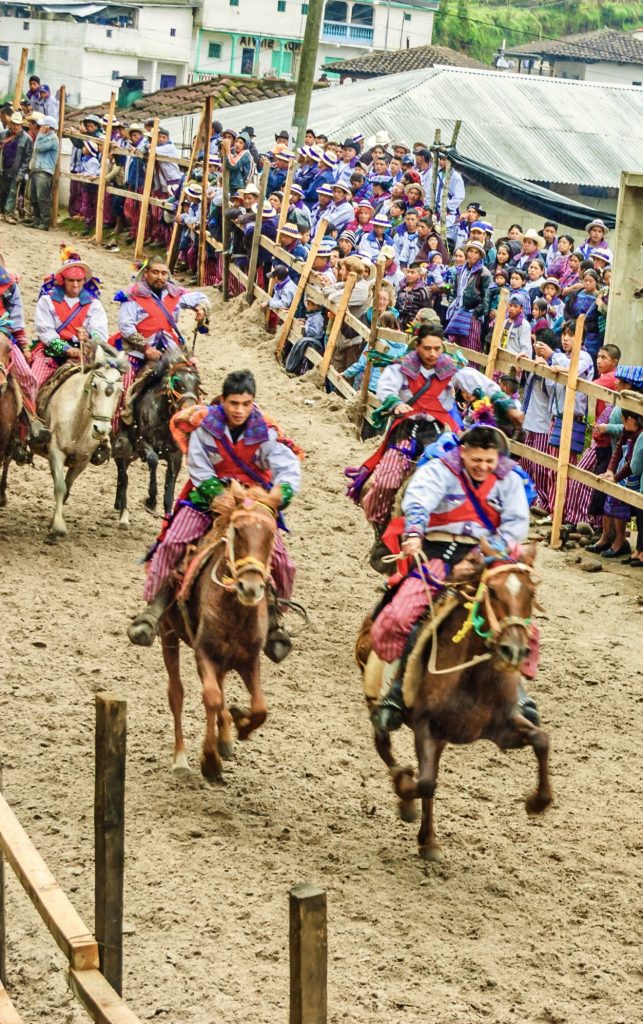
Sumpango and Santiago Sacatepéquez are not the only places where November 1 takes a distinct shape. In Todos Santos Cuchumatán, a Mam Maya town in the Sierra de los Cuchumatanes in Huehuetenango, the day is marked by the Carrera de Cintas, also called the Carrera de las Ánimas. Riders wear traditional clothing and race horses through town after ritual preparation. It is intense, dangerous, and not staged for visitors. If you want to see it, treat it as its own western-highlands trip with careful planning, not as an easy add-on from Antigua.
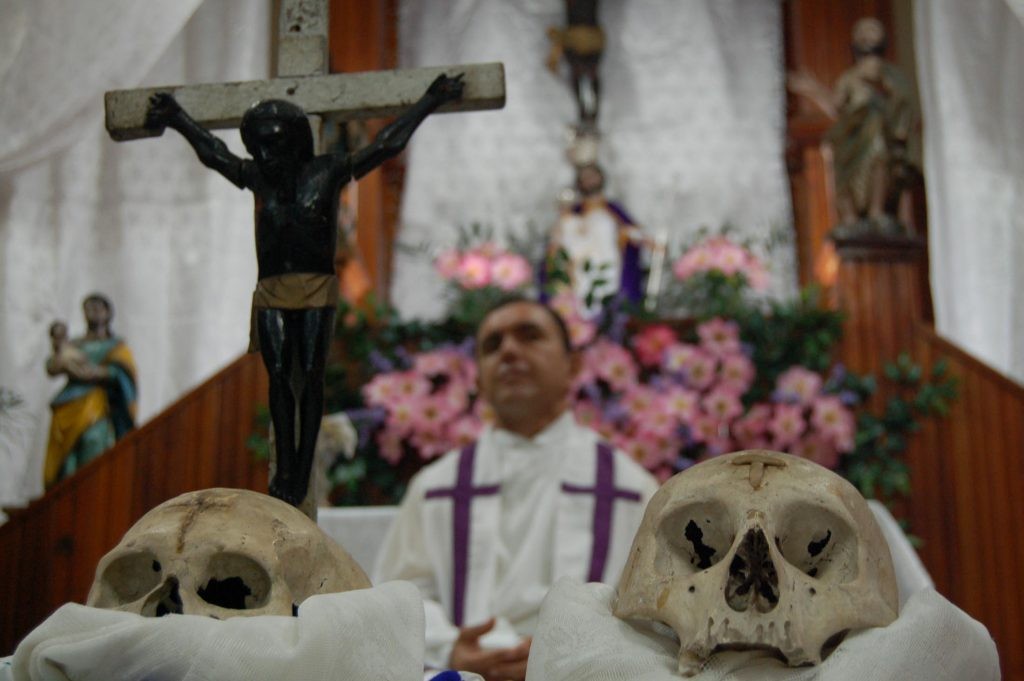
In San José, Petén, November 1 brings the Procesión de la Santa Calavera. Three human skulls are kept in the church, and one is carried in a slow nighttime procession through town. It is one of the most striking Day of the Dead traditions in Guatemala and is connected to the Itzá Maya history of the region. If you are already planning a Tikal or Flores trip around November 1, this is worth knowing about, even if it is not something most visitors ever hear about.
One quick note because people often mix up Guatemalan holidays: November 1 is not the same tradition as Quema del Diablo. Quema del Diablo happens on December 7 and is part of the Christmas-season calendar. Día de Todos los Santos is its own November tradition.
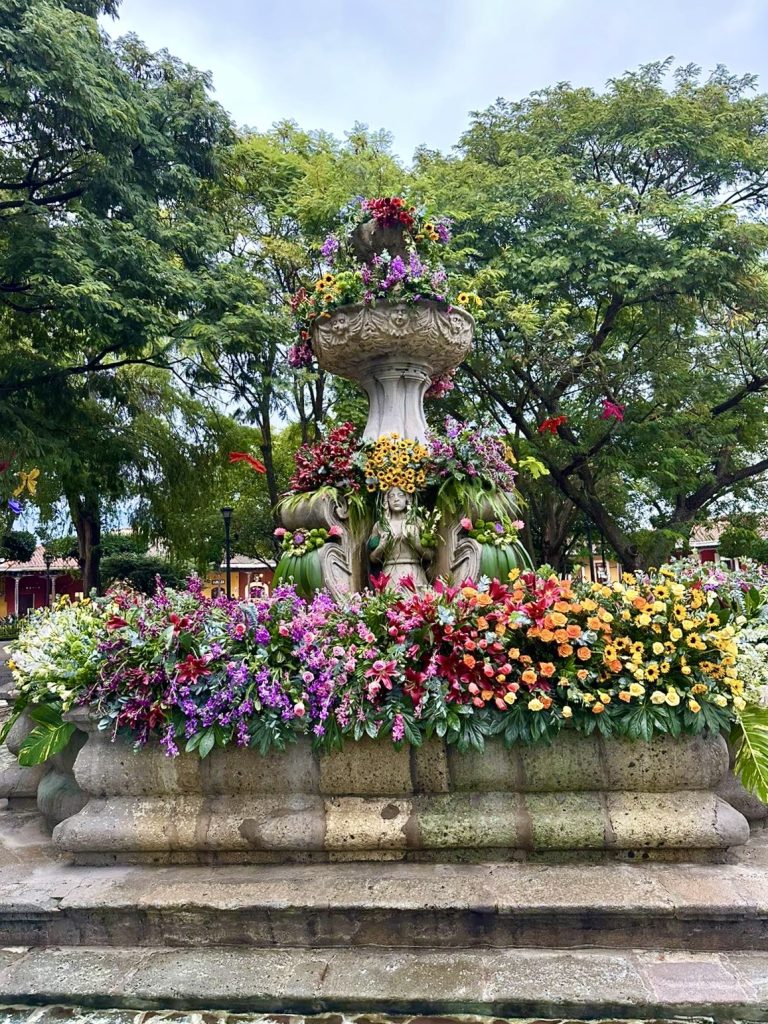
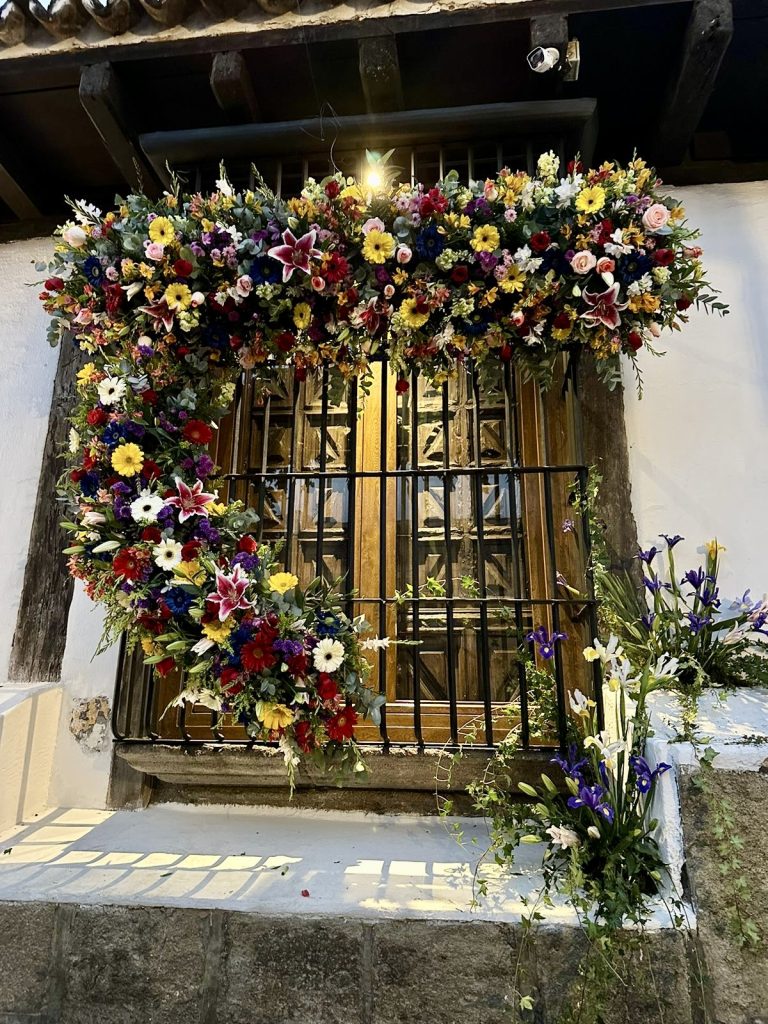
Antigua has its own November tradition too: the Festival de las Flores. This is when the city fills with floral installations, decorated façades, flower sculptures, arches, balconies, art, music, and streets that feel completely different from the rest of the year. For 2026, organizers list the festival dates as November 12-15, with the strongest visitor weekend around November 14 and 15.
The mood is completely different from November 1. The kites and cemeteries are about remembrance. The flower festival is about color, beauty, creativity, and the city itself becoming the display. If your trip does not land on November 1, the Festival de las Flores is the next best reason to plan a November trip around Antigua. You can get the full breakdown in my full Festival de las Flores guide.
Later in the month, November 26 is Día Nacional del Pueblo Garífuna. This is centered in Livingston, on Guatemala’s Caribbean coast in Izabal, and it belongs to a completely different cultural world than the kites, the cemeteries, and the flowers inland. Livingston is only reachable by boat, and its Garífuna community traces its roots to Afro-Caribbean history. Expect drumming, dance, food, community events, and Yurumein, a reenactment of the Garífuna arrival by sea. My Rio Dulce guide covers the route toward Livingston.
Timing It Around the Kites or the Flowers?
I Can Help You Land Your Trip on the Right Days
November has a lot packed into a few weeks: kites, cemeteries, fiambre, the flower festival, and Garífuna Day. If you want help lining your dates up with what is actually happening, just reach out and tell me what you are hoping to see.
WHERE TO GO
Best Places to Visit in Guatemala in November
Antigua Guatemala in November
Antigua Guatemala in November gives you two very different reasons to visit: an easy base for the giant kite festivals on November 1, and the Festival de las Flores later in the month. The weather is also improving, with drier streets, cooler evenings, and clearer skies than you would get in September or October.
If your trip lands around November 1, I would stay in Antigua and take an early shuttle or private transfer to either Sumpango or Santiago Sacatepéquez. If your trip lands closer to mid-November, I would make Antigua the centerpiece for the Festival de las Flores instead of treating it as a quick stopover.
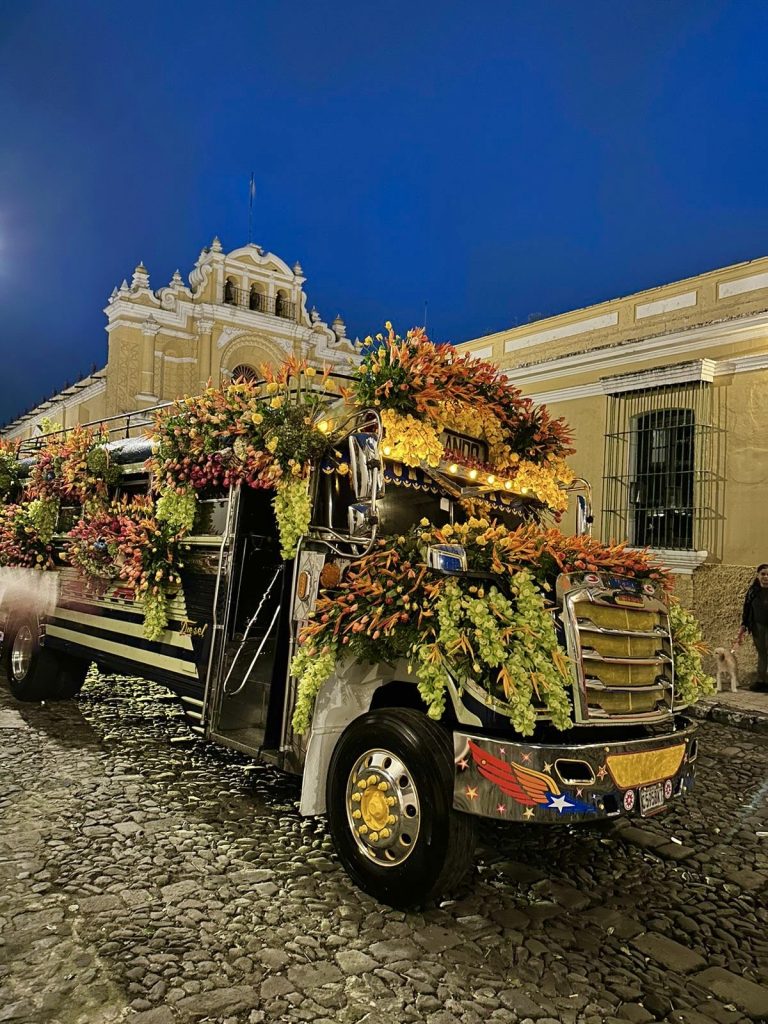
A morning cultural walking tour through Antigua is a good way to settle in before the festival crowds. For more on the city itself, read my Antigua Guatemala travel guide and my guide to Antigua festivals and important dates.
Some giant kites are sometimes brought into Antigua after November 1 and displayed in or near the central area for a few days. If your trip does not land exactly on the kite festival date, it is still worth checking locally to see whether any displays remain.
Lake Atitlán in November
Lake Atitlán in November sits right at the front edge of dry season. The lake is still green from the rains, but mornings become clearer, boat rides are easier than in the wettest months, and the volcano views start improving. This is one of my favorite windows for the lake because you get better weather before the heavier December and January crowds arrive.
November 1 is observed at the lake too, even though there is no major lake-wide kite festival. Families visit cemeteries, bring flowers, and eat fiambre, just as they do across the country. It is quieter than Sumpango or Santiago Sacatepéquez, but it is still part of the same national day of remembrance.
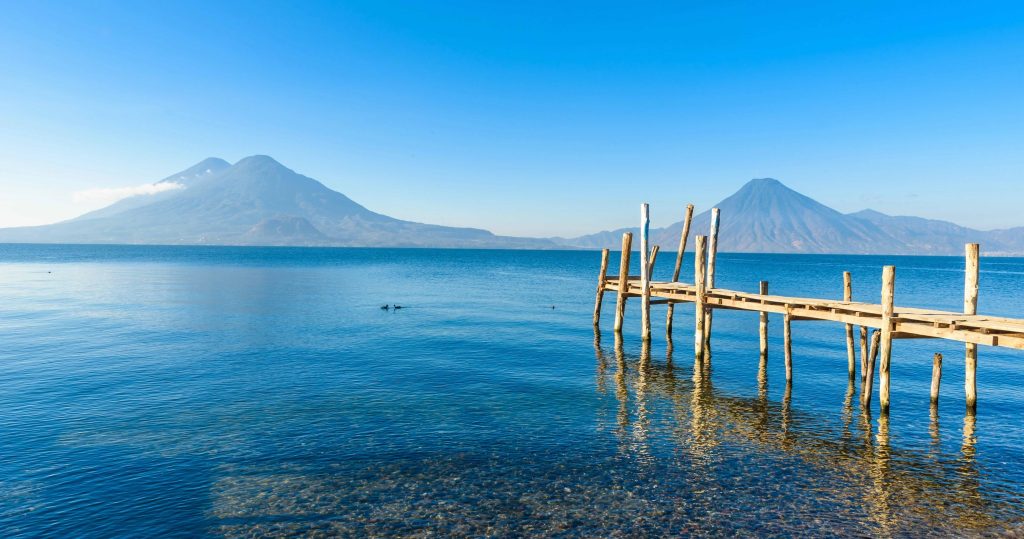
November also brings a small run of fiestas patronales around the Lake Atitlán region, especially in Santa Catarina Palopó and San Andrés Semetabaj.
| Town | Patron Saint Day | What to Know |
|---|---|---|
| Santa Catarina Palopó | November 25 | Honors Santa Catalina de Alejandría, the town’s patron saint. Expect local religious activities, marimba, food, fireworks, and community celebrations around the date. |
| San Andrés Semetabaj | November 30 | Honors San Andrés Apóstol. The town sits in the hills above the lake, close enough to include from Panajachel if your dates line up. |
Dryer weather also makes artisan visits easier. If you are heading to San Juan La Laguna for weaving cooperatives or San Antonio Palopó for pottery, November gives you better light and drier paths than the rainiest months.
Yes, you can swim in Lake Atitlán in November. The water stays cool year round, so the season does not change the temperature as much as people expect. If you want to combine the lake with Maya culture beyond the boat rides, a tour of three Mayan villages at the lake is a solid way to see more than just Panajachel.
More on the lake: my Lake Atitlán bucket list and best things to do at the lake with kids.
Tikal and Petén in November
Tikal in November is still hot and humid, but the trails are drying out from the rainy months. The jungle remains green, which makes this a good middle ground: lush scenery without the worst of the mud. Go early for wildlife, cooler temperatures, and better light around the temples.
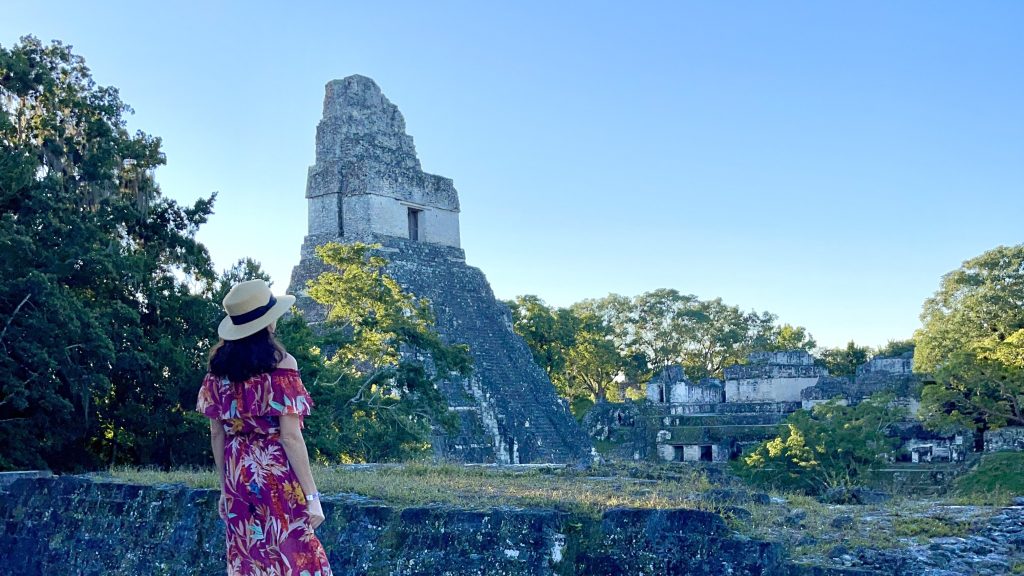
If your trip lands on November 1 and you want to see a side of Petén most visitors never learn about, San José holds the Procesión de la Santa Calavera that night. It is a short trip from Flores, but it is a local religious and cultural tradition, not a show, so go respectfully and only with good local guidance.
If you have the extra day, pair Tikal with Yaxhá, which is quieter and especially atmospheric this time of year. My complete guide to visiting Tikal covers logistics in more detail.
Acatenango in November
November is one of the better months to hike Acatenango. The trail firms back up as the rain lets go, and you get that benefit before the busiest December and January weekends. Visibility can be excellent, especially later in the month, when the clear, cold air makes the Fuego views feel sharper.
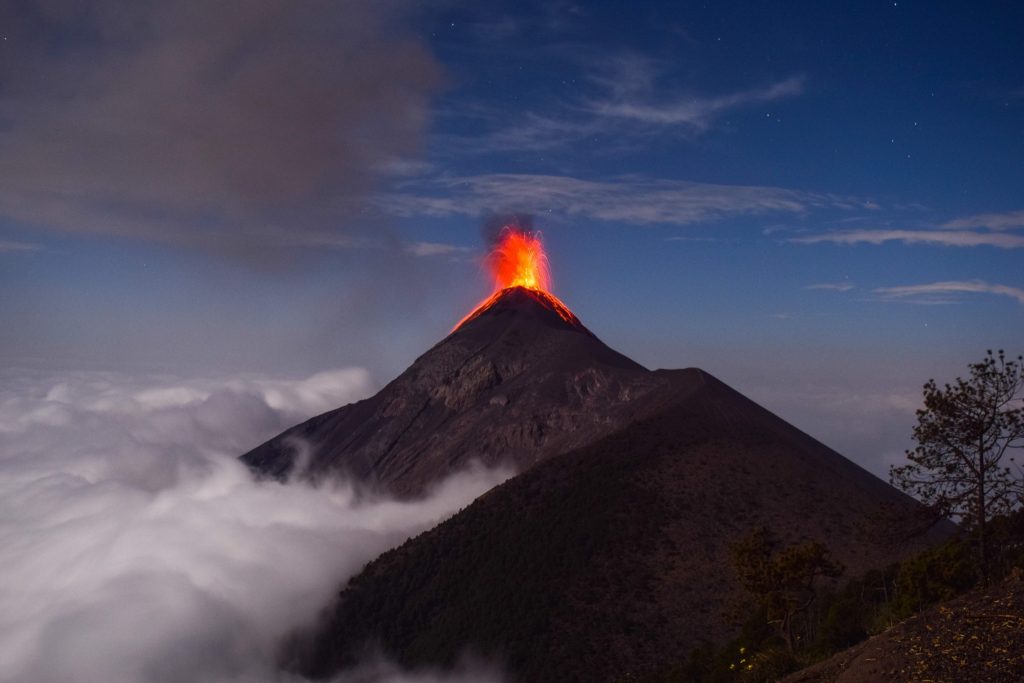
Nights at high camp are cold no matter the month, so the gear list does not change just because rainy season is ending. What improves in November is your chance of a drier trail and clearer views, especially compared with September or October.
📌 ACATENANGO AND PACAYA
I am working on full guides to both Acatenango and Pacaya with hike-by-hike detail. Check back soon, or get in touch and I will help you plan the volcano portion of your trip directly.
The Pacific Coast in November
The Pacific Coast stays hot and humid in November, no matter what is happening in the highlands. What changes is the rain pattern and the turtle calendar. By November, the black sand beaches around Monterrico and nearby coastal areas are drying out, and sea turtle hatchling releases are still possible, depending on local conservation programs and conditions.
This is not the cool, crisp November feeling you get in Antigua or Lake Atitlán. It is beach heat, seafood, salt air, black sand, and tropical evenings. If you want a beach add-on, November works better than the rainiest months, but check conditions locally before planning around a specific turtle release.
FOOD & SEASONAL FLAVORS
What to Eat in Guatemala in November
November food in Guatemala is deeply tied to Día de Todos los Santos. Fiambre gets most of the attention, and it deserves it, but it is not the only thing that shows up on the table. In my family, November 1 usually meant fiambre, jocotes en miel, ayote en miel, and often molletes or another sweet dish to finish the meal.
Fiambre
Fiambre is the dish most closely connected to November 1 in Guatemala. It is a cold, layered dish made with vegetables, meats, cheeses, pickled ingredients, eggs, and a dressing that changes from family to family. Some versions are red, some are white, some are simple, and some have so many ingredients that making it becomes a family project. My Guatemalan fiambre recipe gives you the full story and ingredient list.
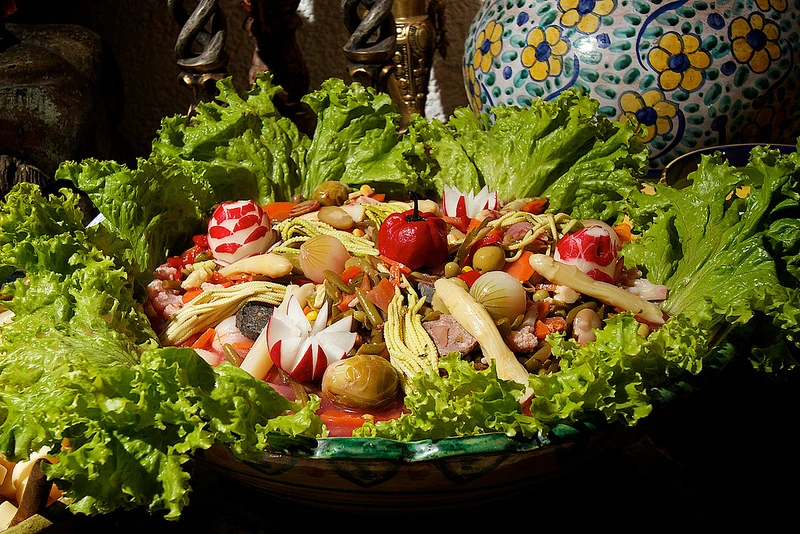
Jocotes en Miel and Ayote en Miel
Jocotes en miel are small, tart hog plums simmered slowly in panela, cinnamon, and warm spices until they become soft and syrupy. Ayote en miel does the same thing with squash, turning it tender, sweet, and perfect for cool November evenings. Both balance the vinegar and richness of fiambre beautifully. I have recipes for both: jocotes en miel and ayote en miel.
Coffee Season Begins
November is roughly when coffee harvest starts picking up in parts of the Guatemalan highlands. If you are in Antigua, Lake Atitlán, or the western highlands, this is a wonderful month to slow down over a good cup of coffee. The mornings are cooler, the skies are clearing, and coffee just feels right this time of year.
Warm Drinks for Cooler Nights
As nights get cooler in the highlands, atol starts feeling less like a treat and more like exactly what the evening needs. I grew up with both atol de elote and atol de plátano, and you will find both sold from carts and stands around the country. Either one pairs perfectly with a piece of pan dulce, which I covered in my guide to Guatemalan pan dulce.
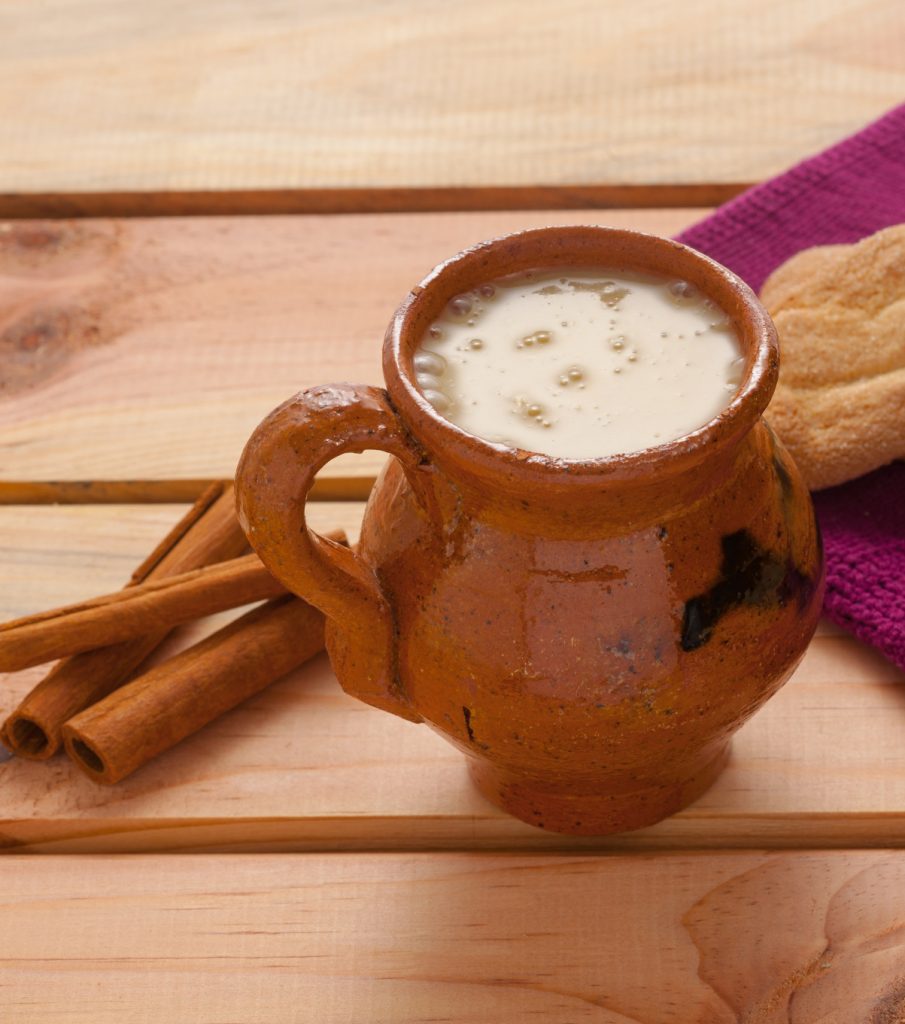
Quick Bites: Chuchitos, Tostadas, and Rellenitos
Markets, fairs, and food stalls are always a good idea in Guatemala, and November is no exception. Chuchitos, Guatemalan tostadas, and rellenitos de plátano are reliable, affordable, and worth seeking out if you are near a market, a fair, or a busy plaza.
For the bigger picture of what to eat while you are here, read my starter guide to Guatemalan food.
MY ROUTE
What I Would Do in Guatemala in November
If my trip landed around November 1, I would base myself in Antigua and choose either Sumpango or Santiago Sacatepéquez for the giant kite festival. I would not try to do both in one day. The roads get crowded, the towns get packed, and each festival deserves enough time to actually feel it.
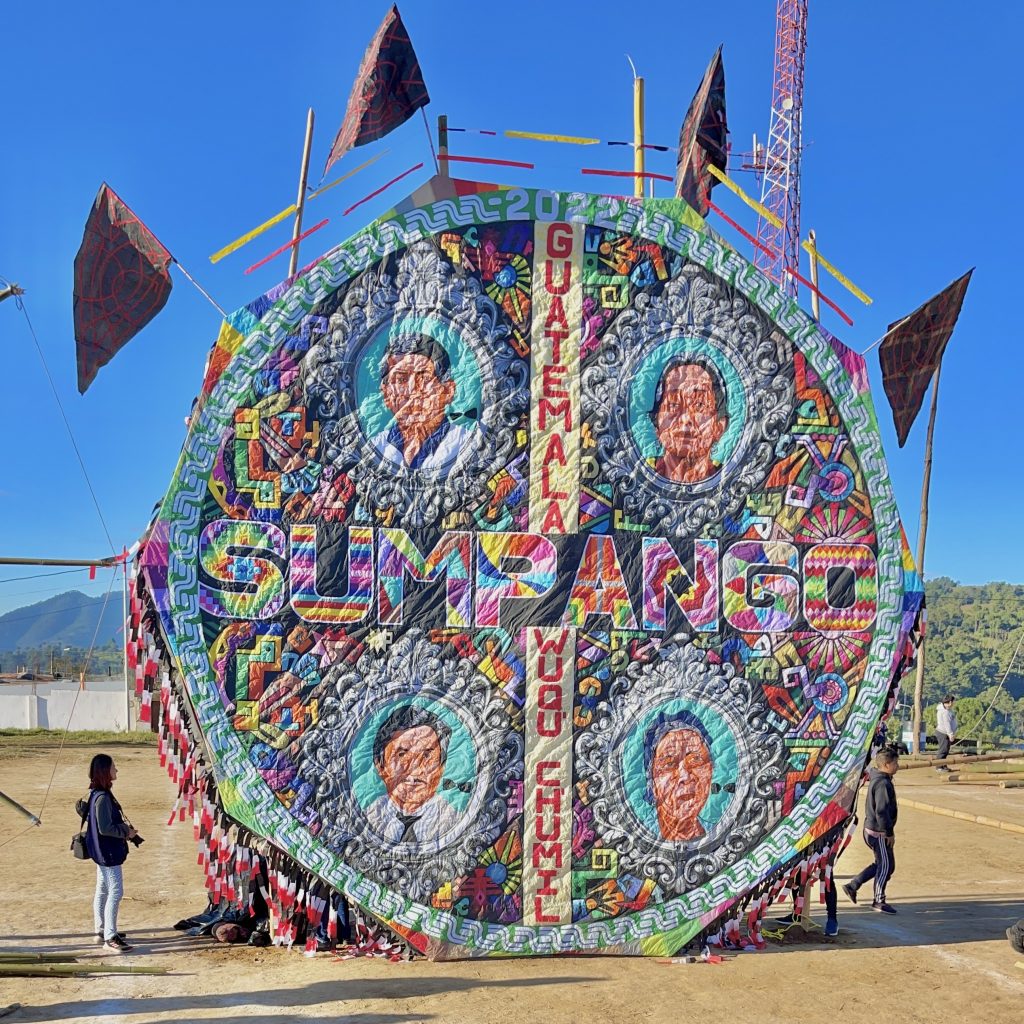
If my trip landed closer to mid-November, I would build the itinerary around the Festival de las Flores in Antigua. For 2026, I would plan around November 12-15, with the strongest visitor days around the main weekend. I would stay in Antigua, walk as much as possible, and keep the schedule loose enough to enjoy the streets without rushing.
Either way, I would still give Lake Atitlán its own time. November is one of my favorite windows for the lake because the hills are still green, the skies are improving, and the heaviest dry-season crowds have not fully arrived yet. I would keep Tikal as a separate add-on rather than rushing it into the same few days.
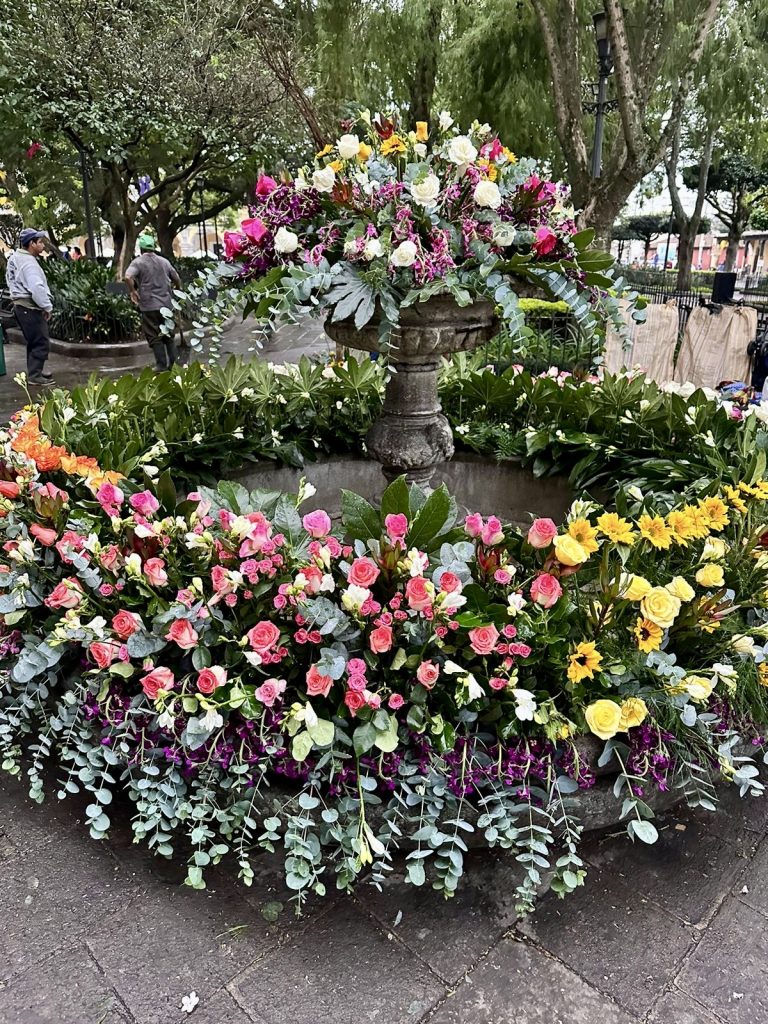
Livingston and the Garífuna coast are the one piece I would treat as their own trip. November 26 is important and beautiful, but it does not connect easily to Antigua, Lake Atitlán, or the kite festivals. If Garífuna Day matters to you, build a route around Izabal and Río Dulce instead of squeezing it into a classic highlands itinerary.
PACKING LIST
What to Pack for Guatemala in November
- Light layers for cool mornings, warm middays, and cooler evenings
- A light sweater or jacket for Antigua, Lake Atitlán, Chichicastenango, and the highlands at night
- Comfortable walking shoes with good grip for cobblestones, cemeteries, markets, and festival crowds
- A light scarf or bandana for dust on unpaved roads, tuk-tuks, and shuttle days
- Sun protection, since skies clear up noticeably compared with rainy season
- Insect repellent for Petén, Livingston, the Pacific Coast, and lowland areas
- A small daypack you do not mind carrying through crowded festival areas
- Warm layers, gloves, and a hat if hiking Acatenango
- A light rain layer if you are traveling early in the month or heading to the Caribbean coast
WHERE TO STAY
Where to Stay in Antigua
|
⭐ COLONIAL CHARM El Convento Boutique Hotel Walking distance to the cathedral square, an easy base for the Festival de las Flores or a day trip out to the kite festival. |
⭐ GARDEN SETTING Mesón Panza Verde A quieter Antigua base with gardens, a good restaurant, and a little distance from the busiest festival corners. |
Where to Stay at Lake Atitlán
|
⭐ LAKE VIEWS Villa Santa Catarina Terraced rooms facing the lake in Santa Catarina Palopó, with green hills, clearer November mornings, and easy access to Panajachel. Read my full review. |
⭐ DESTINATION STAY Casa Palopó A quieter, design-forward option above the lake, good for travelers who want beautiful views and some distance from the busier lake towns. |
Where to Stay in Petén, Near Tikal
|
⭐ LAKE FLORES La Casona del Lago Lake views in Flores with easy access to Tikal in the morning. Read my full review. |
⭐ JUNGLE SETTING Villa Maya A quieter stay surrounded by nature, with easier access to Tikal than staying deep inside Flores. Read my full review. |
A rental car can be useful in November if you are exploring the western highlands, the Pacific Coast, or smaller towns that are not easy to reach by shuttle. I would not drive myself to Sumpango or Santiago Sacatepéquez on November 1 unless I already knew the area well, because traffic, parking, and crowds can be frustrating. For the classic Antigua-Lake Atitlán-Tikal route, shuttles, boats, and flights often make more sense.

Planning Guatemala in November?
Let’s Match Your Dates to What’s Actually Happening
November can be one of the best months to visit Guatemala, but the timing matters. The kites, the flower festival, the lake, Tikal, and Garífuna Day all need different routes. I can help you decide what fits your dates.
QUESTIONS PEOPLE ASK
FAQs About Visiting Guatemala in November
Is November a good time to visit Guatemala?
Yes, November is one of the better months to visit Guatemala. Rainy season is ending, dry season is starting, the country is still green, and the December holiday crowds have not fully arrived yet.
What is the weather like in Guatemala in November?
November is a transition month. Early November can still feel like the end of rainy season, while late November is usually much drier and clearer in Antigua, Lake Atitlán, Guatemala City, and the highlands. Petén stays warm and humid, and the Caribbean coast can still be rainy.
Is November rainy season in Guatemala?
November is the transition out of rainy season. It is not as wet as September or October, but early November can still bring showers, especially around Lake Atitlán, Petén, and Livingston. By late November, much of the highlands feels closer to dry season.
What happens in Guatemala on November 1?
November 1 is Día de Todos los Santos, or All Saints’ Day. Families visit cemeteries, decorate graves with flowers, and eat fiambre together. In Sumpango and Santiago Sacatepéquez, the giant kite festivals take place on this day.
Should I go to Sumpango or Santiago Sacatepéquez for the giant kites?
Both are worth seeing, but I would choose one. Sumpango usually feels bigger and more festival-like, while Santiago Sacatepéquez feels more cemetery-centered and traditional. I compare both in my Sumpango vs. Santiago Sacatepéquez guide.
How long does the Festival de las Flores last?
The Festival de las Flores in Antigua usually centers on one main weekend, with some related activities, competitions, and displays stretching across a few extra days. For 2026, plan around November 12-15, with the strongest visitor weekend around November 14 and 15.
What is Garífuna Day in Guatemala?
Día Nacional del Pueblo Garífuna is celebrated on November 26, especially in Livingston, Izabal. It includes Garífuna music, dance, food, community events, and Yurumein, a reenactment of the Garífuna arrival by sea.
What foods should I try in Guatemala in November?
The foods most tied to November 1 are fiambre, jocotes en miel, ayote en miel, and sometimes molletes. November is also a good month for warm drinks like atol de elote and atol de plátano, plus everyday favorites like chuchitos, tostadas, and rellenitos.
Can you swim in Lake Atitlán in November?
Yes, you can swim in Lake Atitlán in November, but the water stays cool year round. Conditions vary by village and weather, so ask locally before getting in.
Is November a good time to visit Tikal?
Yes. Tikal is still warm and humid in November, but trails are drying after rainy season and the jungle is still green. Go early in the morning for cooler temperatures, better wildlife chances, and softer light around the temples.
What should I pack for Guatemala in November?
Pack light layers, a sweater or jacket for cool nights, comfortable walking shoes, sun protection, insect repellent for Petén and the coast, and a light rain layer if you are traveling early in the month or visiting Livingston.
What is the best month to visit Guatemala?
There is not one single best month for everyone, but November is one of my favorite months because it brings the start of dry season, major cultural traditions, and fewer crowds than December. My best time to visit Guatemala guide breaks down the full year.
Related Reading
NOVEMBER TRADITIONS
| History & Meaning of Guatemala’s Giant Kites → | Sumpango vs. Santiago Sacatepéquez → |
| Day of the Dead Traditions in Guatemala → | Festival de las Flores in Antigua → |
FOOD
| Guatemalan Fiambre Recipe → | Jocotes en Miel → |
| Ayote en Miel → | Starter Guide to Guatemalan Food → |
LAKE ATITLÁN & PETÉN
| Lake Atitlán Bucket List → | Complete Guide to Visiting Tikal → |
| Villa Santa Catarina Review → | Complete Guide to Yaxhá → |
This Is My Country
Let Me Help You Experience November Here the Right Way
November in Guatemala is not just better weather. It is kites, flowers, cemeteries, fiambre, cooler nights, Lake Atitlán views, Tikal trails, and traditions that are easy to miss if you do not know where to be and when.
November is the month Guatemala remembers, blooms, dries out, and quietly becomes one of the best times of year to be here.
Through her writing, Paula helps travelers discover Guatemala beyond the typical tourist route with practical advice, local recommendations, and authentic experiences that connect visitors with the country’s people, culture, and traditions.
Planning a trip to Guatemala? Paula offers personalized Guatemala itinerary planning and trip consultation services tailored to your interests, travel style, and budget. Contact her at [email protected] to learn more.
- San Lucas Tolimán Guatemala: Lake Atitlán’s Best-Kept Secret - September 24, 2026
- Hotel Tolimán Lake Atitlán: A Special Stay in San Lucas Tolimán - September 24, 2026
- Guatemala Dreams in San Lucas Tolimán: A Boutique Stay on Lake Atitlán - September 23, 2026

